
My dog drank the ocean and vomited for three hours.
We’d driven eight hours to the Florida Panhandle. Hugo, our enthusiastic springer spaniel, chased waves like they were squirrels. He swallowed more salt water than a sailor. By sunset, he was lethargic, shaking, and refusing dinner.
I panicked. Called the emergency vet. Learned about salt toxicity the hard way.
Beach trips with dogs aren’t just cute Instagram moments. They’re logistics, safety protocols, and constant vigilance disguised as vacation. I’ve learned this through mistakes, vet bills, and one memorable incident involving a stolen sandwich and an angry seagull.
Here’s everything I wish I’d known before that first trip.
The Pre-Trip Reality Check
Not all dogs are beach dogs.
My friend brought her bulldog to Galveston. Brachycephalic breeds overheat fast. Flat faces struggle with humidity. She spent the weekend in an air-conditioned rental while we played in the surf.

Assess honestly:
- Does your dog like water? (Hosing them down in the backyard isn’t the same as waves)
- How’s their recall? (Beaches have distractions: birds, food, other dogs)
- Heat tolerance? (Black dogs absorb more sun. Thick coats trap heat)
- Age and joint health? (Sand is hard on senior dog joints)
The training prep: If your dog has never seen waves, introduce them gradually. Start with calm lakes or pools. Waves are loud, unpredictable, and scary. My dog Millie refused the ocean for two trips before she trusted the water wouldn’t eat her.
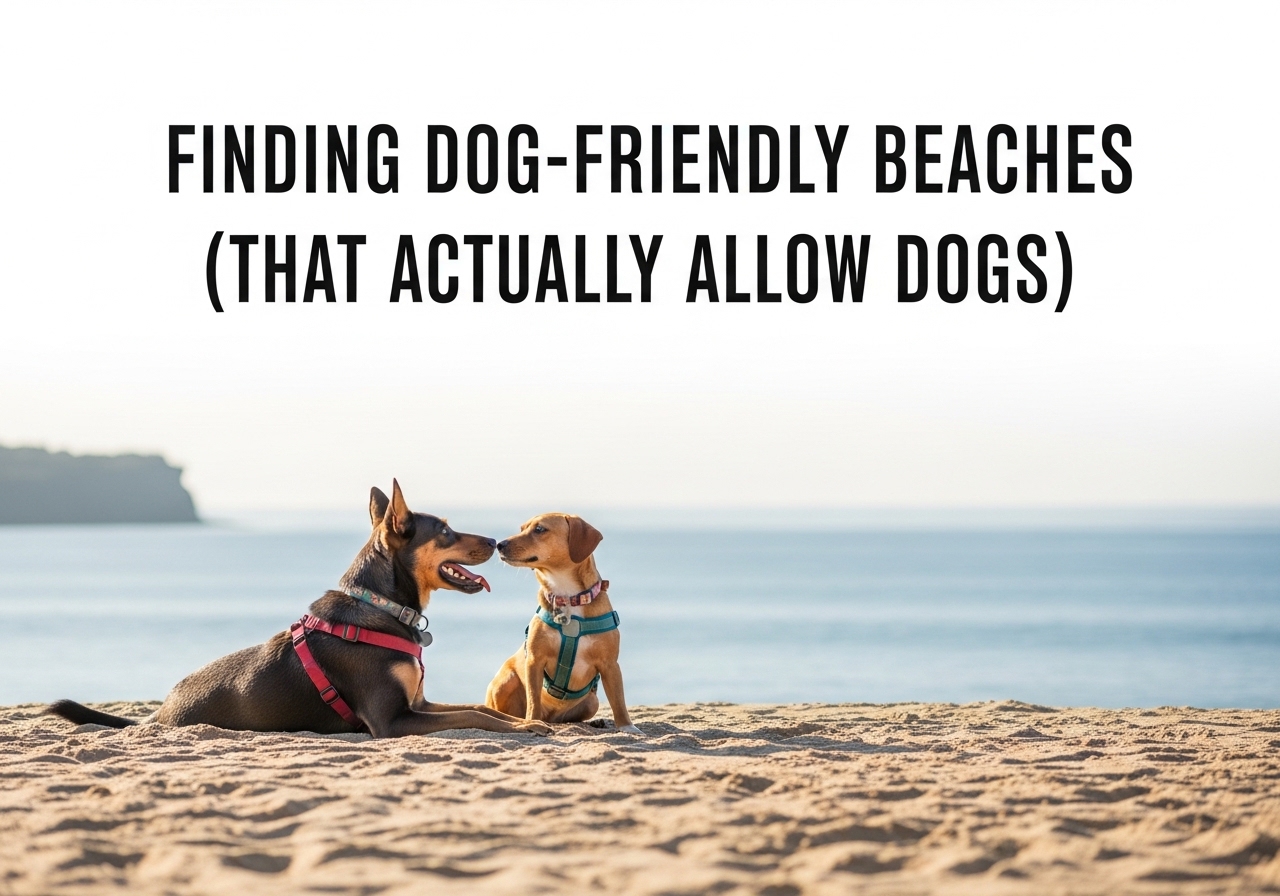
Finding Dog-Friendly Beaches (That Actually Allow Dogs)
“Dog-friendly” means different things.
Some beaches allow dogs before 9 AM and after 5 PM. Some require leashes under six feet. Some have designated dog zones far from human swimmers. Some “dog-friendly” beaches are actually private property where locals tolerate well-behaved dogs but signs technically prohibit them.
How to verify:
- Check municipal websites, not tourism boards (tourism sites exaggerate)
- Call local animal control (they enforce the rules)
- Search “[Beach name] + dog rules + 2024” (rules change seasonally)
- Look for physical descriptions: Are there waste stations? Fresh water spigots?
The best dog beaches have:
- Fresh water access (for rinsing salt)
- Shade structures
- Gentle entry slopes (not steep drop-offs)
- Lifeguards who know pet CPR (rare but ideal)
My favorites on the Gulf Coast:
- Fort De Soto Park, Florida: Off-leash designated area, dog showers, waste bags provided
- Gulf Shores Dog Park, Alabama: Separate small/large dog zones, rinsing stations
- Dauphin Island, Alabama: Leash-required but miles of empty beach, dog-friendly rentals
The Gear That Actually Matters
You need more than a leash and a bowl.
Salt water safety: Dogs don’t understand that ocean water isn’t drinking water. Bring way more fresh water than you think. I use the Highwave AutoDogMug it’s a squeeze bottle with a attached bowl. No spilling, no sand in the water, one-handed operation while holding a leash. I’ve tried collapsible bowls. They blow away, fill with sand, or get kicked over. This stays sealed until you squeeze.
Paw protection: Sand gets scorching. Midday sand reaches 120°F hot enough to burn pads in seconds. I check by holding my palm down for seven seconds. If it’s too hot for me, it’s too hot for them.
The solution:Ruffwear Grip Trex Dog Boots. Yes, dogs look ridiculous in shoes. Yes, they initially walk like drunken sailors. But after 20 minutes of adjustment, Hugo runs full speed without burning his feet. The Vibram soles grip wet rocks, protect from broken shells, and prevent the post-beach paw pad cracking that lasts for days.
Post-swim gear: Wet dogs in cars smell like low tide. I keep the Soggy Doggy Super Shammy in the beach bag. Microfiber material absorbs seven times its weight in water. One pass over Hugo’s coat removes 70% of the moisture. Saves your upholstery, saves your nose.
The Safety Rules That Save Lives
Salt water toxicity is real.
Dogs don’t metabolize salt efficiently. Drinking ocean water causes vomiting, diarrhea, lethargy, and in severe cases, seizures. The treatment is IV fluids and electrolyte monitoring. The bill is $800-2,000.
Prevention:
- Offer fresh water every 15 minutes
- Bring frozen treats (watermelon chunks, ice cubes) as distractions
- Limit fetch in surf (excited dogs swallow water while retrieving)
- Watch for excessive licking of wet fur (they’re ingesting salt)
Heat stroke signs:
- Excessive panting that doesn’t slow with rest
- Bright red gums
- Disorientation (stumbling, not responding to name)
- Vomiting or diarrhea
Immediate action: Cool water (not ice) on belly, armpits, and paws. Shade. Fan. Vet immediately if symptoms persist. Heat stroke kills dogs on beaches every summer.
Sand impaction: Dogs eat sand intentionally (weird) or accidentally (chasing toys). It accumulates in intestines, causing blockages requiring surgery. Symptoms appear 24-48 hours later: vomiting, constipation, abdominal pain.
Prevention: Use rubber toys that float, not tennis balls that absorb sand. Discourage digging if they eat the sand. Monitor stool for 48 hours post-beach.
The Beach Day Itinerary That Works
Timing is everything.
6:00 AM – 9:00 AM: The golden hours. Cool sand, low tide pools, no crowds. We do our serious exercise here—long walks, fetch, swimming. The dogs burn energy before the heat builds.
9:00 AM – 11:00 AM: Breakfast, shade time, naps. Wet fur + sun = sunburn (yes, dogs sunburn, especially white-coated breeds). We set up under a canopy with fans.
11:00 AM – 4:00 PM: Indoor time or air-conditioned car travel. This is when heat stroke happens. We explore dog-friendly restaurants, shops, or return to rental.
4:00 PM – 7:00 PM: Second beach session. Tide coming in creates new pools to explore. Sunset photos. Rinse and dry before dinner.

Post-Beach Care (Don’t Skip This)
Salt destroys skin and coats.
Rinse thoroughly with fresh water. Pay attention to:
- Paws: Between pads where salt and sand accumulate
- Ears: Floppy-eared breeds get infections from trapped moisture. Dry with cotton balls (not Q-tips)
- Coat: Conditioner helps restore oils stripped by salt. I use Burt’s Bees for Dogs Oatmeal Shampoo after beach trips—gentle, moisturizing, smells like honey instead of dead fish
The ear infection warning: Hugo got his first ear infection after a beach weekend. The vet said salt water + humidity + floppy ears = bacterial paradise. Now I clean his ears with veterinary solution within two hours of ocean exposure. Prevention costs $12. Treatment cost $180.
When Things Go Wrong
The emergency kit I now carry:
- Hydrogen peroxide (induce vomiting if they eat something toxic)
- Benadryl (allergic reactions to jellyfish, bee stings)
- Tweezers (removing sea urchin spines, splinters)
- Emergency vet contact for the area (programmed in phone before we leave)
- Pet first aid guide (the Pet First Aid: Cats & Dogs book from the American Red Cross fits in glove compartments)
Common beach emergencies:
- Jellyfish stings: Rinse with vinegar, not fresh water (triggers more venom release)
- Cut paws: Superglue works for minor cuts. Vet for anything bleeding more than 10 minutes
- Heat exhaustion: Wet towels, shade, water. Vet if not improving in 30 minutes
- Ingested fish hooks: Do NOT pull. Stabilize and rush to vet (internal damage risk)
The Behavioral Stuff No One Mentions
Beach aggression is real.
Off-leash dogs with poor recall charge other dogs. Resource guarding intensifies around washed-up fish or food scraps. My normally friendly Millie snapped at a golden retriever who tried to steal her tennis ball.
Management:
- Leash during crowded times even if off-leash is allowed
- Watch body language: stiff posture, hard stare, raised hackles
- Remove from situation before escalation
- Don’t let strangers feed your dog (creates begging, possible allergies)
The recall test: If your dog won’t come when called at an empty dog park, they won’t come at the beach with seagulls and dead crabs. Be honest about training gaps.
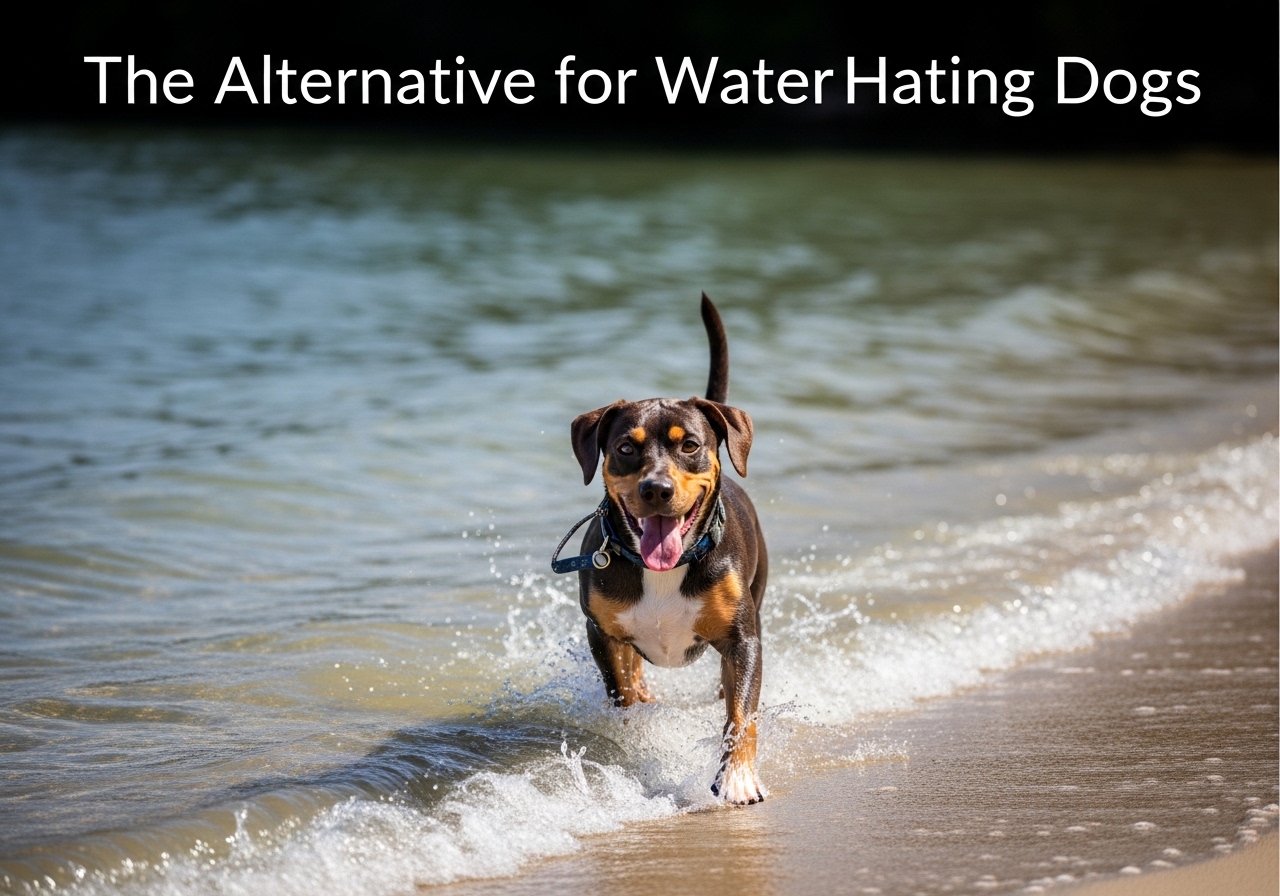
The Alternative for Water-Hating Dogs
Some dogs hate the ocean. That’s okay.
Hugo’s first beach trip, he trembled at the shoreline. The noise, the movement, the unpredictability—it terrified him. We forced nothing. Sat in beach chairs. Let him watch. Threw treats toward the water’s edge (not in it). By day three, he waded to his ankles. By trip two, he swam.
For dogs who never adjust:
- Beach combing on leash (sniffing is enrichment)
- Sand dune hiking
- Outdoor dining at dog-friendly restaurants
- Boat trips (calmer than surf, different experience)
The beach trip is for them, not your Instagram. If they’re happiest napping in the shade, that’s a successful vacation.
The Packing Checklist
Essentials:
- [ ] Fresh water (gallon per dog per day)
- [ ] Portable bowl or AutoDogMug
- [ ] Shade structure or beach umbrella
- [ ] Dog-safe sunscreen (nose and ears for light-colored dogs)
- [ ] Life jacket for deep water or boat trips
- [ ] Paw protection (boots or paw wax)
- [ ] Towels (multiple)
- [ ] Poop bags (more than you think)
- [ ] First aid kit
- [ ] Current ID tags with local contact number
- [ ] Recent photo of dog (for lost posters)
- [ ] Food and treats (sealed containers, sand ruins open bags)
Nice to have:
- [ ] Cooling vest (soak in water, reflects heat)
- [ ] Dog-specific sunglasses (for eye protection, if they’ll tolerate them)
- [ ] Portable fan (battery-operated for crate or tent)
- [ ] Long line (30-foot leash for “off-leash” feel with control)
The Real Talk
Beach trips with dogs are work.
You’re not relaxing with a novel. You’re monitoring water intake, scanning for hazards, timing sun exposure, and rinsing sand from crevices you didn’t know dogs had.
But watching Hugo sprint into the surf, ears flapping, completely present in his joy—that’s worth the effort. Millie digging holes in the wet sand, satisfied with her architectural achievements—that’s the memory I keep.
The photos are cute. The reality is messier, more expensive, and more exhausting than expected. The dogs don’t care about the sunset backdrop. They care that you’re there, engaged, sharing the experience.
Pack the extra water. Check the paw pads. Take the photo, then put the phone away and throw the ball.
That’s what they really want.
This post contains affiliate links. If you purchase through these links, I earn a small commission at no extra cost to you. I only recommend products I’ve tested with my own salty dogs.