Germany is one of those countries that surprises people the first time and then becomes a habit.
It has everything — grand medieval cities, Alpine mountains, dense forests, vineyard valleys, world-class museums, and Christmas markets that look like a painting. But more than the scenery, it’s the variety that gets people. You can have a packed, edgy weekend in Berlin and then spend three quiet days hiking through the Black Forest, and it feels like two completely different countries.
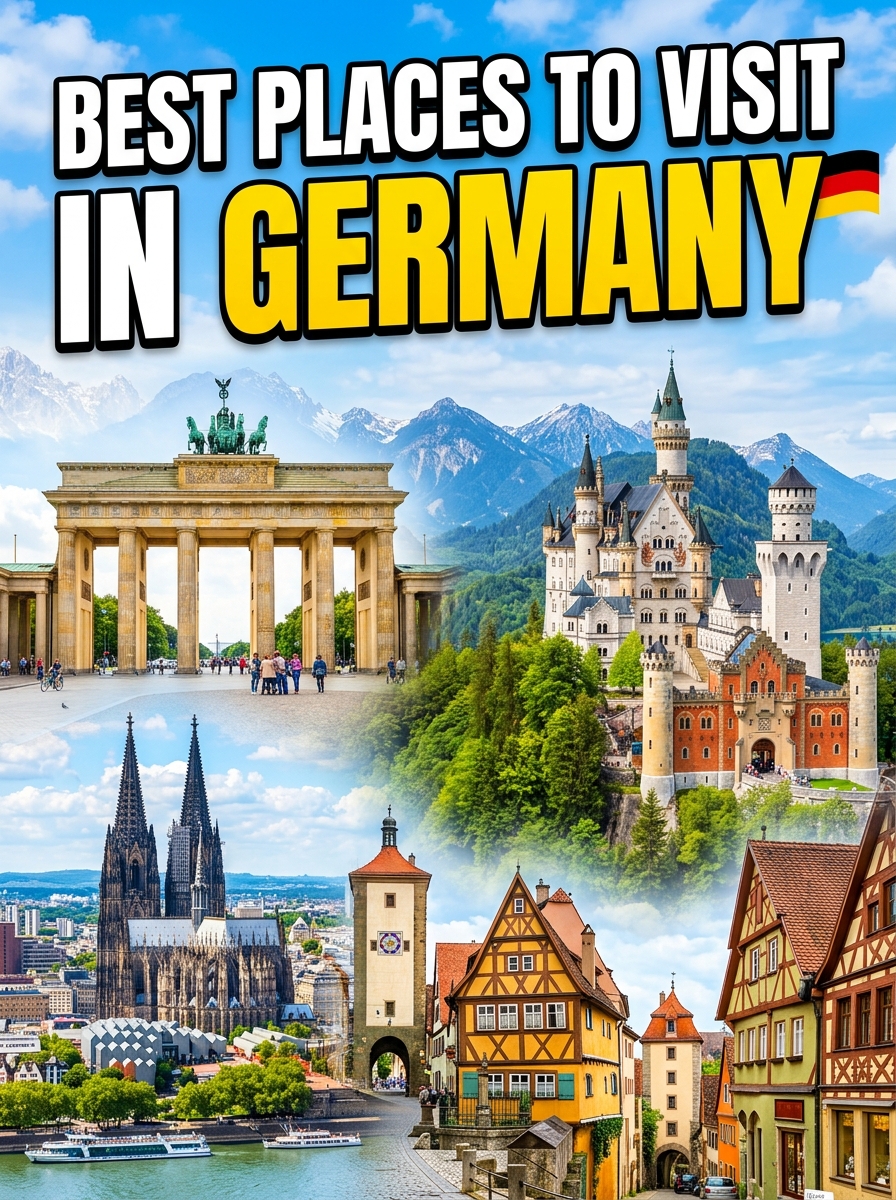
This guide covers the best places to visit in Germany, from the famous cities first-timers need to see, to the underrated gems that seasoned travelers tend to find on their second or third trip. No filler, no obvious advice, just a practical breakdown of where to go and why.
1. Berlin — The City That Never Stops Evolving
Berlin is unlike any other European capital.
It carries the weight of enormous history — the Brandenburg Gate, the Berlin Wall, the Holocaust Memorial, five UNESCO-listed museums on a single island. But it wears that history openly and honestly, without pretense, and somehow turns it into something forward-looking. The city that was divided by a wall is now one of the most creative, open, and culturally electric places in Europe.
What to do in Berlin:
- Walk the East Side Gallery — the largest open-air section of the Berlin Wall, covered in murals
- Visit Museum Island and spend a day inside the Pergamon Museum alone (it has an entire reconstructed ancient market gate)
- Explore the Holocaust Memorial — 2,711 concrete slabs that create a genuinely unsettling and powerful experience
- Stroll through Prenzlauer Berg and Mitte neighborhoods for food, coffee, and local life
- Experience Berlin’s legendary nightlife — even if just watching it from the outside
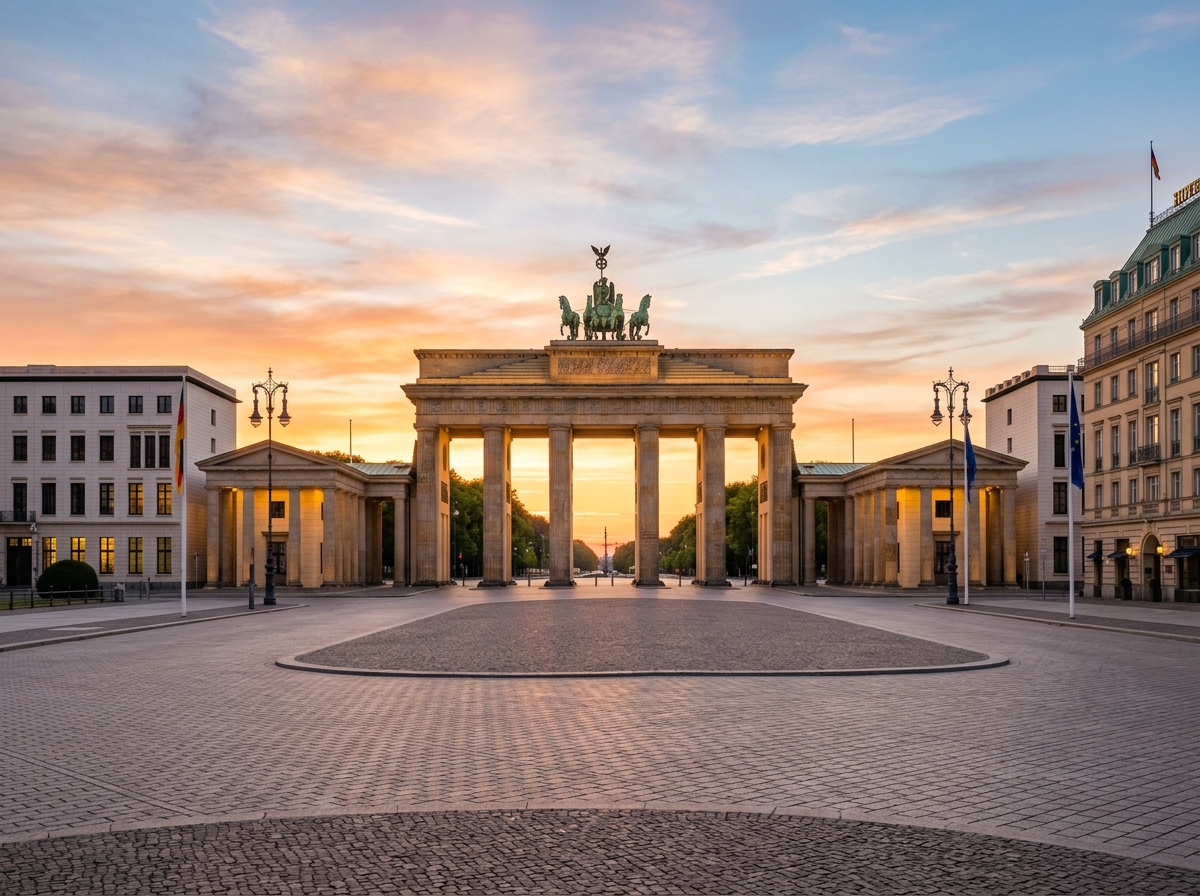
Good to know: Berlin is enormous and best explored by public transport. The U-Bahn and S-Bahn connect everything easily. Buy a 7-day travel card and save yourself the taxi fees.
2. Munich — Bavaria’s Vibrant Capital
Munich is everything people imagine Germany to be — and then some.
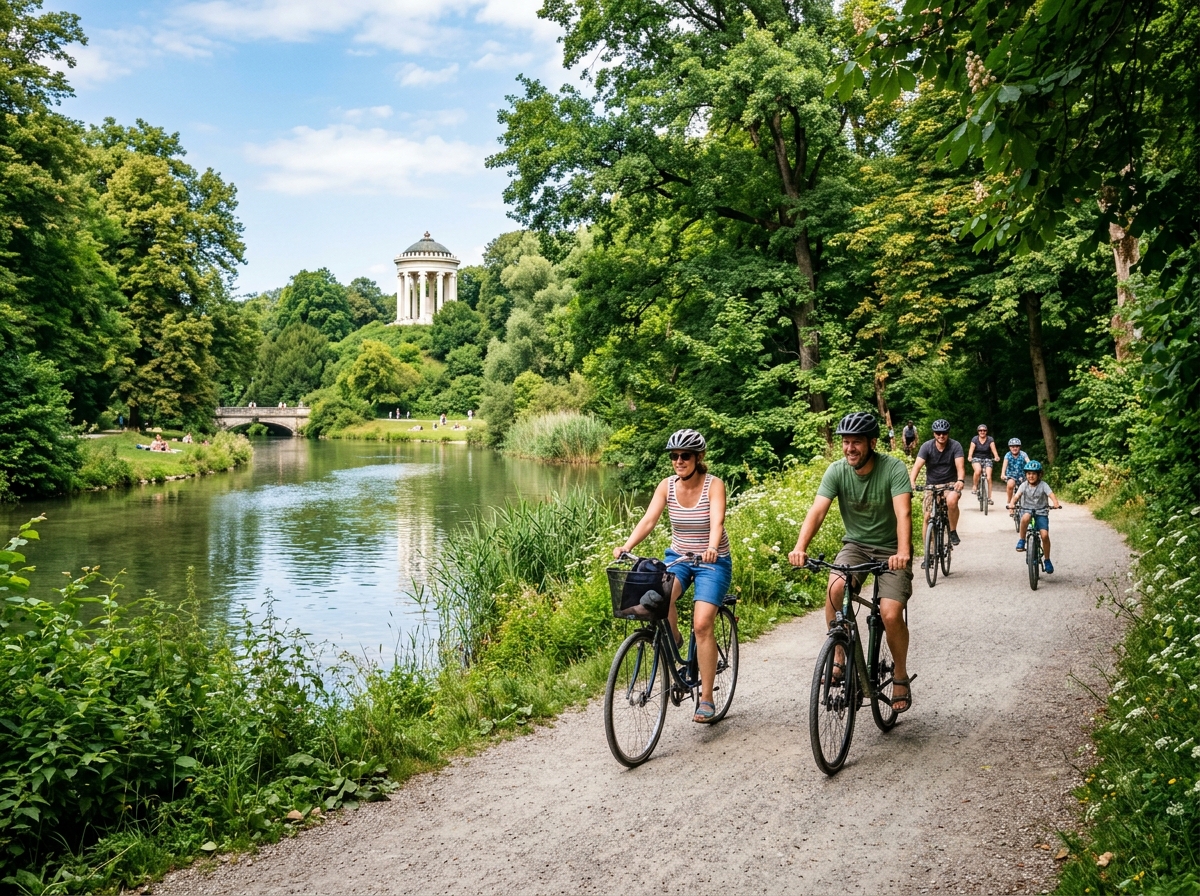
The old town (Altstadt) has jaw-dropping architecture around Marienplatz, a 900-acre English Garden bigger than New York’s Central Park, and beer halls where you sit at long wooden tables with strangers and drink from one-litre steins. Hofbräuhaus is the most famous, but locals prefer spots like Augustinerkeller or Chinesischer Turm inside the English Garden.
Oktoberfest runs late September through early October and draws over six million visitors. It’s a genuine experience — not the cartoon version people imagine — but book accommodation at least six months ahead if you plan to go.
What to do in Munich:
- Walk Marienplatz and watch the Glockenspiel at 11 a.m. and noon
- Explore Nymphenburg Palace and its manicured baroque gardens
- Visit the Deutsches Museum, the world’s largest science and technology museum
- Cycle through the English Garden and stop at the Eisbach wave to watch surfers in the middle of the city
- Day trip to Neuschwanstein Castle (see below)
3. Neuschwanstein Castle — Germany’s Most Iconic Sight
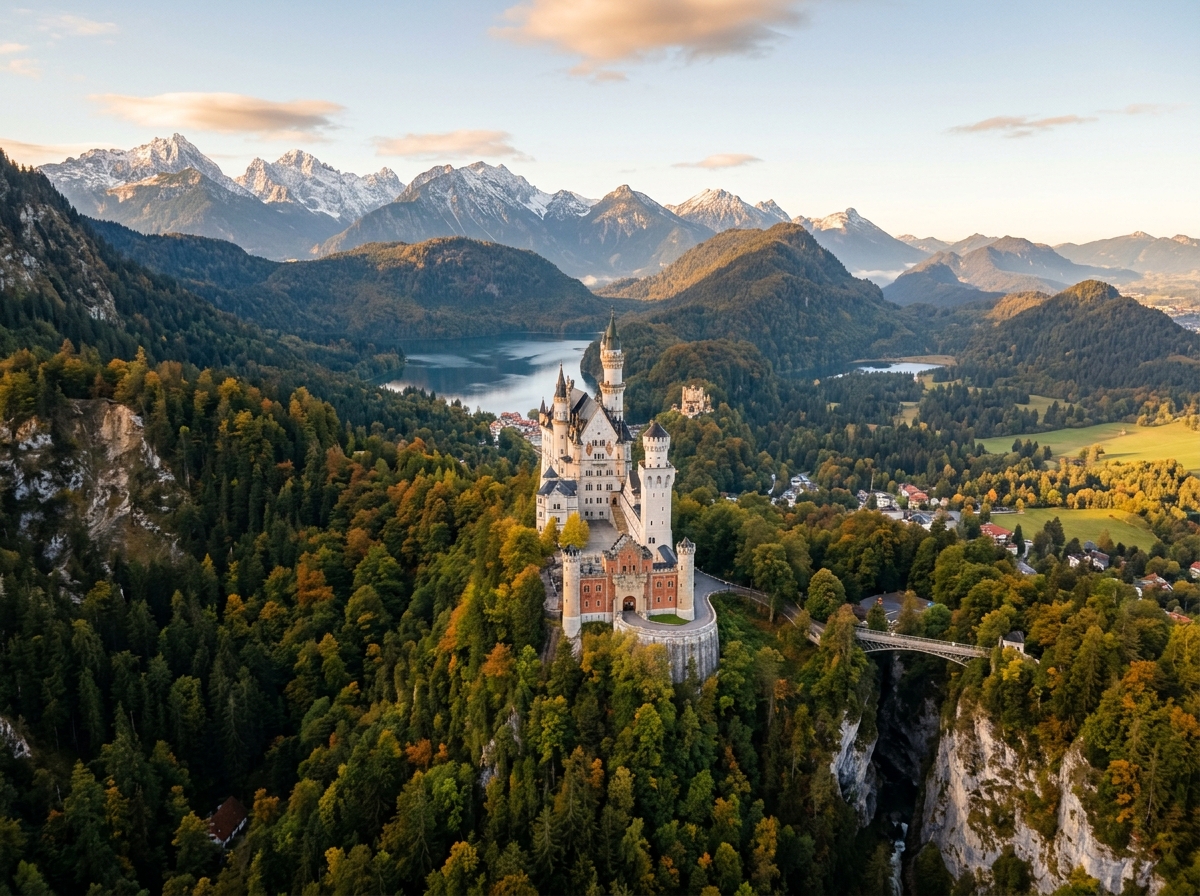
This is the castle that inspired Disney’s Sleeping Beauty Castle, and seeing it in person still feels slightly surreal.
Neuschwanstein sits on a rocky peak in the Bavarian Alps near the town of Füssen, about two hours from Munich by train. The 19th-century palace was built for King Ludwig II, who was more dreamer than ruler — he designed rooms inspired by German fairy tales and operas and lived there for only 172 days before his death.
The exterior is what most people come for, but the guided interior tour is worth doing. The rooms are elaborately decorated to tell stories from Wagnerian operas.
Practical tips:
- Tickets must be booked online in advance — there are no walk-up sales at the castle
- The uphill walk from the ticket center takes about 30–40 minutes; horse-drawn carriage and shuttle bus options exist
- Marienbrücke (Mary’s Bridge) nearby gives the best panoramic photo of the castle
- Visit Hohenschwangau Castle at the base — it’s smaller but equally interesting and far less crowded
4. Rothenburg ob der Tauber — A Medieval Town Frozen in Time
If you travel Germany and skip Rothenburg, you’ll regret it.
This small walled town in Bavaria is the best-preserved medieval town in the entire country. Walking through its gates feels genuinely like stepping into the 14th century — cobblestone streets, half-timbered houses in every direction, a market square lined with gabled buildings, and the famous Plönlein corner that looks exactly like an illustration from a storybook.
It sits along the Romantic Road, a 400km scenic route connecting Würzburg to Füssen that passes through some of Germany’s most beautiful countryside and historic towns.
What to do in Rothenburg:
- Walk the full town walls — a 2.5km circuit with views over the surrounding valley
- Visit the Medieval Crime Museum (surprisingly fascinating)
- Try Schneeballen pastries — deep-fried dough balls rolled in sugar or chocolate, a Rothenburg specialty
- Browse the Käthe Wohlfahrt Christmas shop, which sells handmade German Christmas decorations year-round
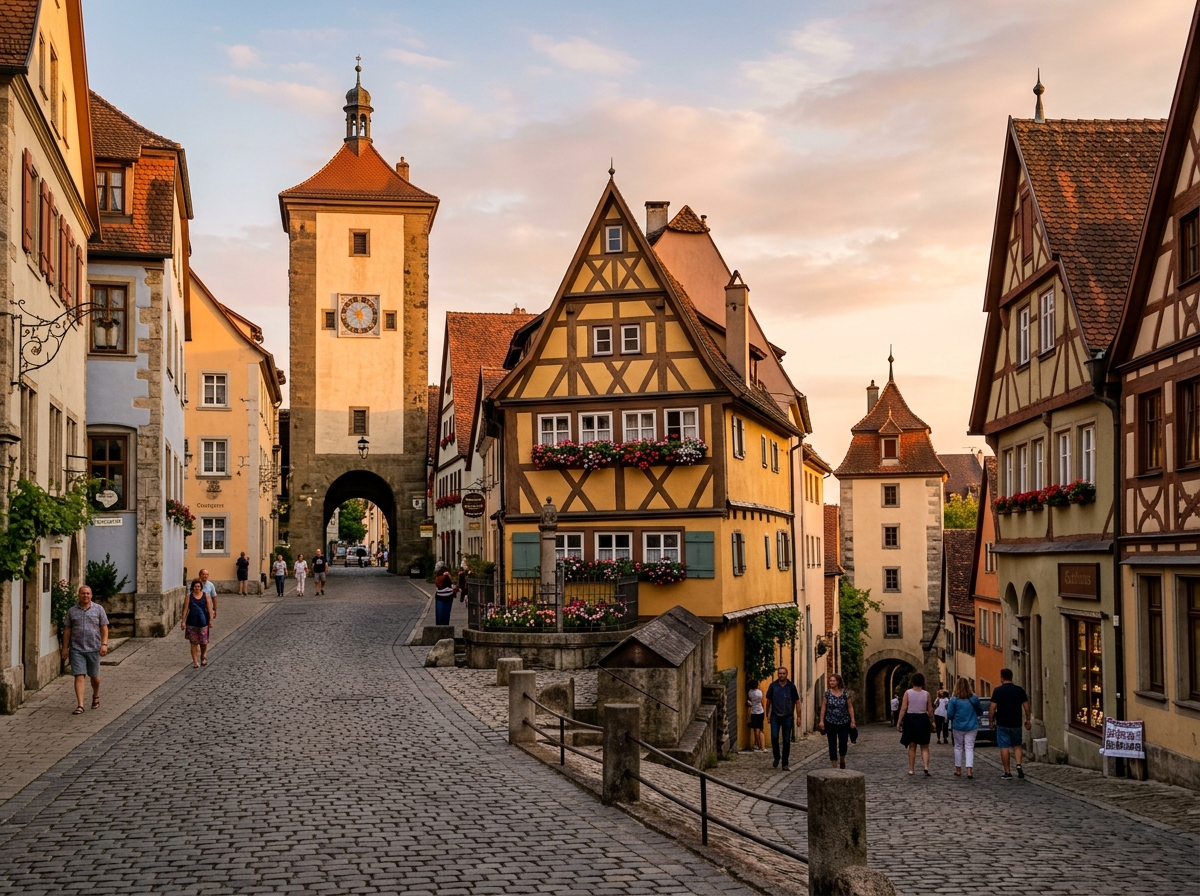
Rothenburg gets crowded in summer. If you can, visit on a weekday morning or stay overnight after the day-trip coaches leave — the town at dusk, almost empty, is something else.
5. The Rhine Valley — Castles, Vineyards, and River Views
The stretch of the Rhine between Koblenz and Bingen is one of the most scenic river valleys in Europe and a UNESCO World Heritage Site.
Medieval castles sit on nearly every hillside — built between the 12th and 14th centuries, some now ruins, some still intact, and at least one (Stahleck Castle) converted into a hostel. Below them, steep terraced vineyards run down to the river, producing some of Germany’s best Riesling wines. Small towns like Bacharach and St. Goar sit along the banks, barely changed from how they looked centuries ago.
How to explore the Rhine Valley:
- Take a river cruise between Koblenz and Rüdesheim — the classic way to see the valley
- Cycle along the riverside paths if you prefer your own pace
- Stop at Bacharach for a glass of local Riesling and a wander through its medieval streets
- Visit Marksburg Castle — the best-preserved medieval castle along the Rhine
- Look for the Lorelei Rock, the legendary cliff where a siren was said to lure sailors to their deaths
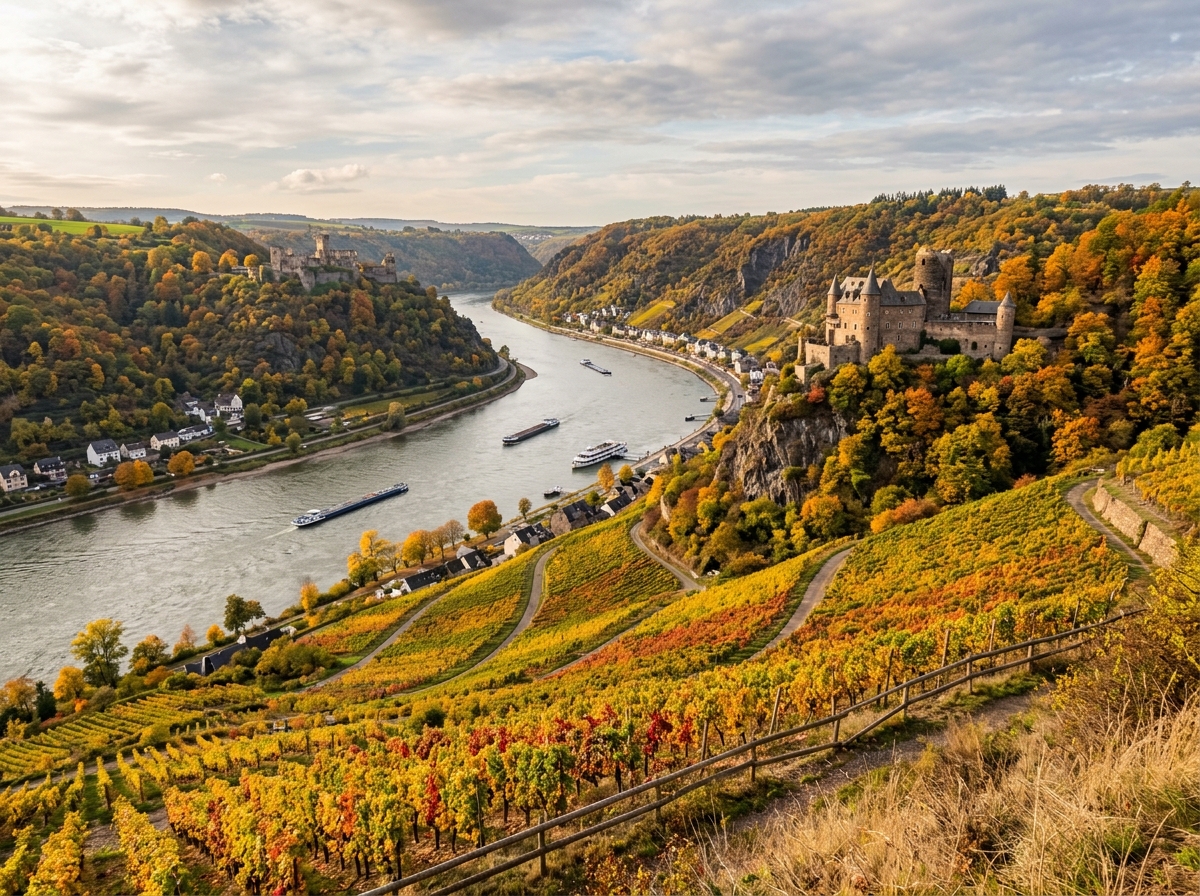
The valley is best in spring (when wildflowers bloom on the hillsides) or late summer when vineyards turn gold.
6. Hamburg — The City of a Thousand Bridges
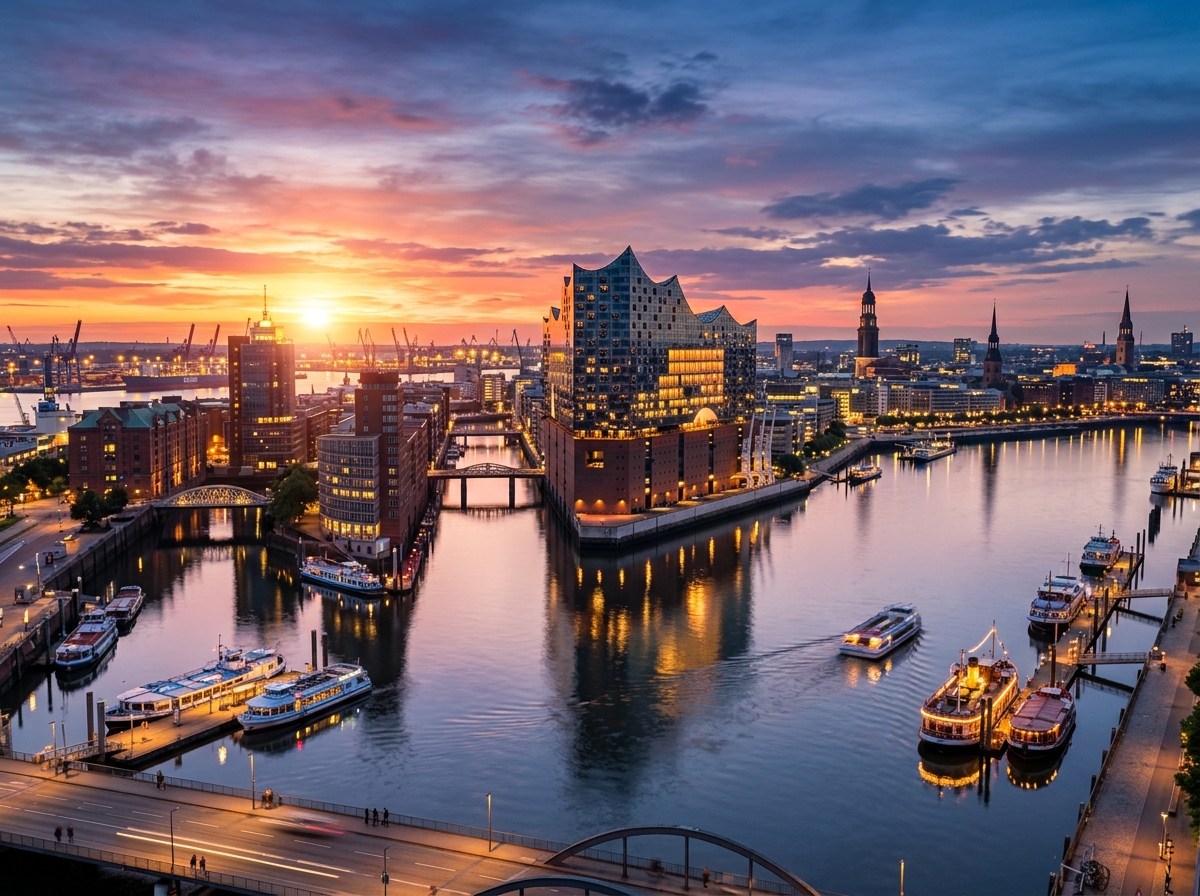
Hamburg has more bridges than Amsterdam and Venice combined — over 2,500 of them — which tells you something about the city’s relationship with water.
It’s Germany’s biggest port city and feels different from the rest of the country. More maritime, more international, a little rougher around the edges. The Elbphilharmonie concert hall on the harbor, opened in 2017, is an architectural triumph — even if you don’t catch a concert, take the free public escalator to the plaza level for harbor views that look like a movie set.
What to do in Hamburg:
- Visit Miniatur Wunderland, the world’s largest model railway exhibition — it’s extraordinary even for non-train people
- Walk the Speicherstadt warehouse district, now a UNESCO World Heritage Site and filled with museums and design studios
- Take a harbor cruise on the Alster lakes
- Explore the Reeperbahn area, which has cleaned up significantly but still has plenty of character
- Catch a Sunday morning fish market at Fischmarkt — vendors, live music, and chaos starting at 5 a.m.
7. Cologne — Gothic Grandeur on the Rhine
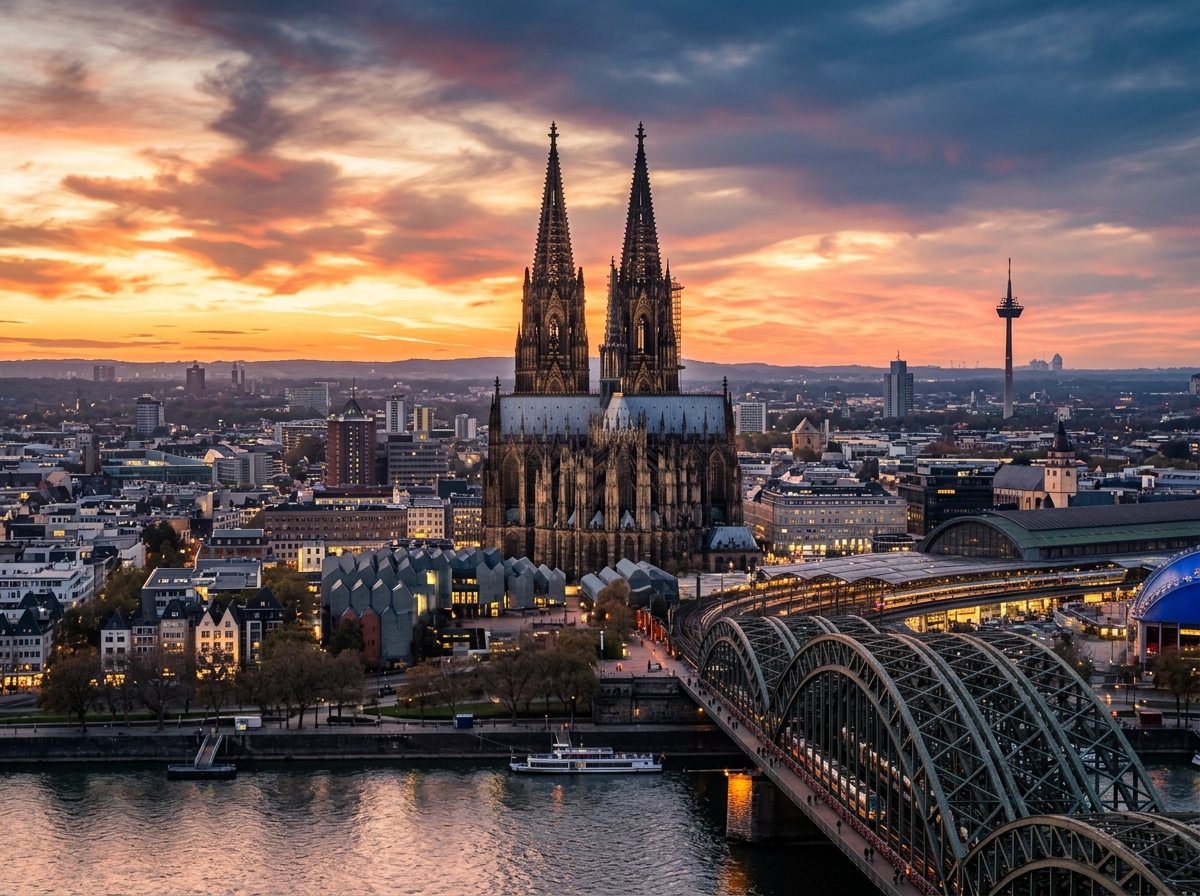
Cologne’s cathedral is the first thing most visitors see as they arrive — it rises above the train station so dramatically that you can’t miss it, and that’s entirely intentional.
The Cologne Cathedral (Kölner Dom) took over 600 years to build and is one of the most significant Gothic structures in the world. Climbing its south tower (533 steps) rewards you with panoramic views over the city and river.
Beyond the cathedral, Cologne has excellent art museums, a lively old town that was largely rebuilt after WWII bombings, and some of Germany’s best Christmas markets — six of them spread across the city in December.
What to do in Cologne:
- Climb the Cologne Cathedral south tower
- Visit the Museum Ludwig for its world-class collection of pop art and Picasso works
- Walk across Hohenzollern Bridge, covered in thousands of love padlocks, for views of the cathedral from the river
- Try Kölsch beer — a light, pale lager served in tiny 200ml glasses, brewed only in Cologne
8. The Black Forest — Germany’s Fairy-Tale Wilderness
The Black Forest (Schwarzwald) in southwest Germany is where the Brothers Grimm set their stories, and it earns its reputation completely.
Dense spruce forests, rolling hills, cuckoo clock workshops, wooden farmhouses with deep overhanging roofs, and spa towns fed by Roman thermal springs. It’s an entire region worth at least three days.
Where to go in the Black Forest:
- Freiburg im Breisgau — the most liveable gateway city to the region, with a beautiful Gothic cathedral and a canal system running through the old town streets
- Triberg — home to Germany’s highest waterfall and the world’s largest cuckoo clock (yes, it exists and it’s wonderful)
- Baden-Baden — a thermal spa town that has been drawing visitors since Roman times. Friedrichsbad and Caracalla Spa are both extraordinary for a soak
- Titisee — a glacial lake surrounded by forest, good for kayaking and hiking
The Black Forest Railway is one of the most scenic train routes in Germany, winding through tunnels and over viaducts through the heart of the region.
9. Dresden — Baroque Beauty Rebuilt from Rubble
Dresden was almost entirely destroyed in a devastating WWII bombing in February 1945. What you see today is largely a meticulous reconstruction — and the result is stunning.
The Frauenkirche (Church of Our Lady) was rebuilt using original stones recovered from the rubble and reopened in 2005. The Zwinger Palace complex houses excellent museums. The Semperoper opera house is one of the most beautiful in the world. And across the Elbe River, the Neustadt district is young, artistic, and full of independent bars and studios.
What to do in Dresden:
- Visit the Frauenkirche and climb to the dome for city views
- Explore the Zwinger Palace and its Old Masters Picture Gallery
- Walk along the Brühlsche Terrasse, nicknamed the “Balcony of Europe” for its views
- Take a day trip to Saxon Switzerland National Park (40 minutes away) — dramatic sandstone cliffs and the famous Bastei Bridge perched 194 meters above the Elbe
10. Heidelberg — Romance on the Neckar River
Heidelberg is the city people picture when they imagine romantic Germany. A ruined castle above the river. A medieval old town of pink and yellow buildings below. Germany’s oldest university founded in 1386, giving the city a constant influx of young, intellectual energy.
The Heidelberg Castle ruins are the draw — walk up or take the funicular, explore the partially restored interior, and look out over the red rooftops of the old town and the Neckar River from the castle terrace.
What to do in Heidelberg:
- Walk the Philosophenweg (Philosophers’ Walk) — a riverside path used by faculty and students for centuries
- Explore the castle and the Great Heidelberg Tun, the world’s largest wine barrel
- Stroll Hauptstraße, the long pedestrian street through the old town
- Visit the university library and its collection of medieval manuscripts
11. Berchtesgaden — Bavaria’s Alpine Secret
Most visitors go to Neuschwanstein and skip Berchtesgaden. That’s a mistake.
This mountain town near the Austrian border has Königssee — a deep, impossibly blue glacial lake surrounded by sheer rock faces — and Berchtesgaden National Park, which has some of the best Alpine hiking in Germany. The lake is so pristine that motorboats are banned to protect the water quality; you cross it by electric boat in near-silence.
The area also has the Eagle’s Nest (Kehlsteinhaus), Hitler’s mountaintop retreat that now serves as a historical site and restaurant — a complicated but important piece of history.
12. Lübeck — The Marzipan City of the Baltic
Lübeck is one of the most underrated cities in Germany.
This former Hanseatic League trading city on the Baltic coast is a UNESCO World Heritage Site with a medieval center built entirely of red brick Gothic architecture. Thomas Mann was born here. Johann Sebastian Bach’s family came from the region. And the city claims to have invented marzipan — with a level of seriousness you probably shouldn’t argue with.
The Holstentor city gate is the most photographed symbol, but it’s the winding streets of the Altstadt that make Lübeck worth spending a full day.
Hidden Gems Most Tourists Miss
Regensburg: A UNESCO-listed medieval city on the Danube, only 1.5 hours from Munich, with one of Germany’s best-preserved Roman history sites and a spectacular Gothic cathedral. Almost no tour groups.
Saxon Switzerland (Sächsische Schweiz): Germany’s only rock national park, near Dresden, with sandstone cliffs, forest trails, and the dramatic Bastei Bridge high above the Elbe. Unlike anything else in the country.
Monschau: A tiny village near the Belgian border with half-timbered houses clustered around a rushing river and a castle on a hill. Especially magical during Christmas markets.
Würzburg: A baroque city in Franconia with a palace (Würzburg Residenz) that contains the world’s largest ceiling fresco and a stone bridge over the Main River lined with saints’ statues. Feels like a smaller, quieter version of Salzburg.
Best Time to Visit Germany
May to September is the peak travel window — long days, warm weather, outdoor beer gardens in full swing, and most festivals running.
October brings Oktoberfest (late September through early October) and spectacular autumn foliage across the Rhine Valley and Black Forest.
December is magical for Christmas markets, which run from late November through December 24. Cologne, Nuremberg, Rothenburg, and Dresden have the best ones.
Winter (January–March) is quiet and cold, but great for skiing in the Bavarian Alps and Berchtesgaden area.
Practical Travel Tips for Germany
- Getting around: Germany’s rail network is excellent. Deutsche Bahn connects every major city, and regional trains reach the smaller towns. For rural areas like the Black Forest or Rhine Valley villages, a rental car gives you far more freedom.
- Language: English is widely spoken in cities and tourist areas. In rural Bavaria or smaller eastern towns, a few German phrases go a long way.
- Budget: Germany is mid-range by European standards. Berlin and Hamburg tend to be cheaper than Munich. Street food, bakeries, and local restaurants keep costs very manageable.
- Tipping: Not obligatory but expected — rounding up or leaving 10% is standard in restaurants.
If you’re packing for a mix of city sightseeing and countryside hiking, a good travel backpack that works for both is essential. The Osprey Farpoint 40 Travel Pack is a popular choice among European travelers — it fits carry-on requirements, has a lockable zip, and handles everything from museum days to forest trails.

Osprey Farpoint 40L Men’s Travel Backpack
How Many Days Do You Need in Germany?
- 3–4 days: One city (Berlin or Munich) and a day trip to a nearby castle or town
- 7 days: Two cities plus the Romantic Road or Rhine Valley
- 10–14 days: A proper country circuit — Berlin, Dresden, Nuremberg, Munich, Rhine Valley, Hamburg
- 3 weeks: Everything above plus the Black Forest, Baltic Coast, and a few hidden gems
Germany is also a brilliant base for wider European travel. Once you’ve had your fill of castles and bratwurst, the Caribbean contrast of a trip to Punta Cana makes for a completely different kind of getaway — white sand beaches, cenotes, and catamaran cruises and it’s worth bookmarking for when you want sun after a Europe trip.
Frequently Asked Questions
What is the most visited place in Germany? Berlin receives the most overnight visitors — over 12 million per year. Neuschwanstein Castle is the single most-visited individual attraction, drawing about 1.5 million visitors annually.
Is Germany expensive to visit? It’s moderate by Western European standards. You can travel Germany on a budget by using hostels, public transport, and eating at bakeries and local Imbiss (fast food) spots. Munich and Frankfurt tend to be the priciest cities.
What is Germany most famous for? History (especially WWII and the Cold War), Oktoberfest, Neuschwanstein Castle, the Black Forest, Christmas markets, and its engineering and car brands (BMW, Mercedes, Porsche, Volkswagen).
What food should you try in Germany? Bratwurst, pretzels, Sauerbraten (marinated pot roast), Käsespätzle (German mac and cheese), Black Forest cake, and Schneeballen. Wash it down with a regional beer or Rhine Valley Riesling.
Is Germany good for first-time European travelers? Yes — one of the best. It’s safe, well-organized, English is widely spoken, trains run on time, and it has enough variety to fill two weeks without ever feeling repetitive.
What is the best city to start a Germany trip? Berlin for history and culture. Munich for the Bavarian experience and quick access to the Alps and Neuschwanstein. Frankfurt works as a practical entry point since it has one of Europe’s busiest airports.
Final Thoughts
Germany rewards the traveler who goes beyond the obvious. Yes, see Berlin. Yes, go to Munich for Oktoberfest. Yes, photograph Neuschwanstein Castle.
But then rent a car for a day and drive the Romantic Road. Take the train to Regensburg on a Tuesday when the tour buses are somewhere else. Sit in a Black Forest village and eat a slice of Schwarzwälder Kirschtorte while it rains outside.
That’s when Germany really gets you.
Pack a good Rick Steves Germany travel guide — his books are genuinely the most practical and human travel guides for this country, especially for first-timers navigating trains and smaller towns between the major sights. Germany is waiting. Go find your own corner of it.