
The Dominican Republic is far more than its postcard beaches and mega-resorts. Beyond the all-inclusive lounges lies an astonishingly diverse landscape: misty pine forests, 16th-century cobblestone streets, and dramatic desert cliffs dropping straight into an untouched ocean.
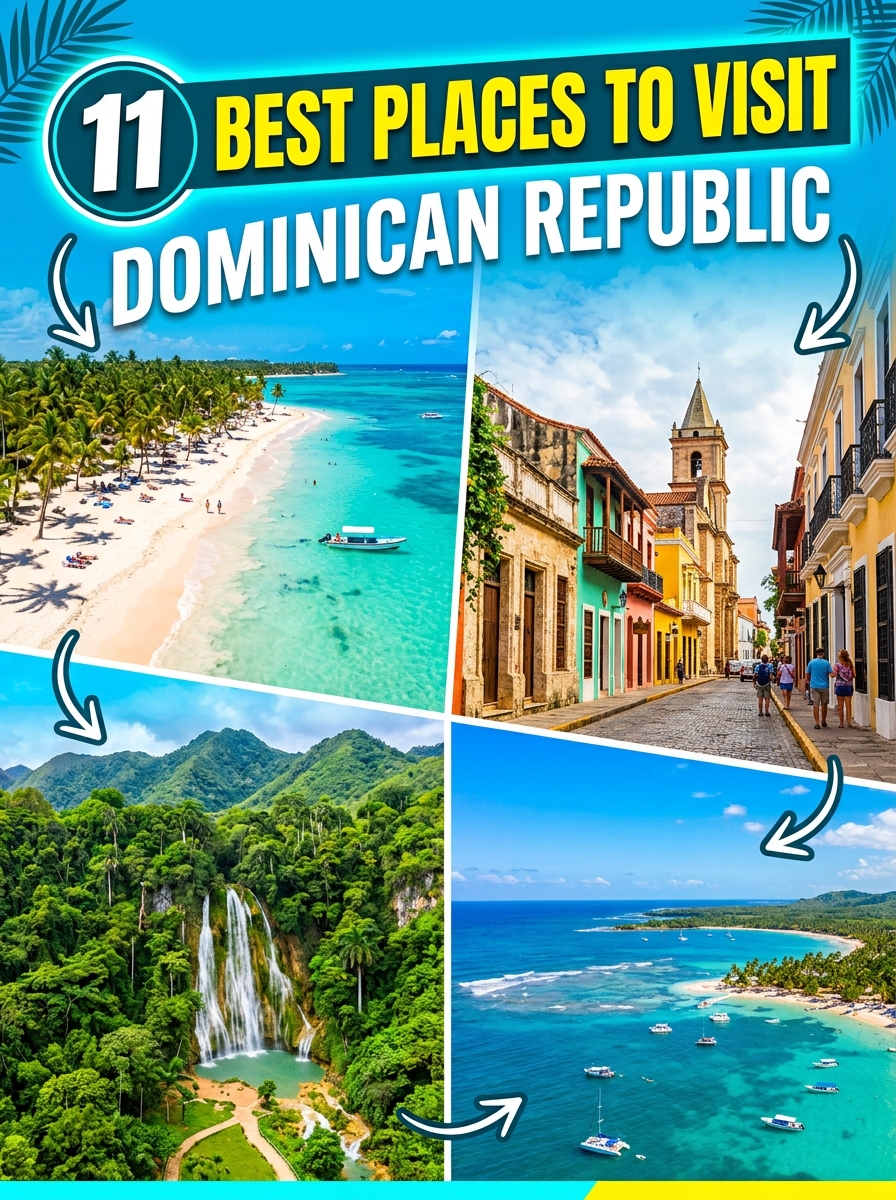
Choosing your base depends entirely on your travel style. A surfer hunting world-class Atlantic breaks will want a completely different destination than a history buff looking to walk among the Americas’ oldest European structures, or a family seeking a worry-free, heavily secured beach vacation.
Quick Answer: The Top Dominican Destinations at a Glance
If you are trying to figure out exactly where to look for your specific travel style, this quick breakdown will point you in the right direction immediately:
- For All-Inclusive Luxury and Effortless Beaches: Punta Cana and Bávaro
- For History, Culture, and Food: Santo Domingo (The Colonial Zone)
- For Eco-Tourism, Waterfalls, and Whale Watching: Samaná Peninsula
- For Windsurfing, Kitesurfing, and Nightlife: Cabarete and Sosúa
- For Mountain Hiking, Cooler Weather, and River Rafting: Jarabacoa
- For Off-Grid Adventure and Untouched Nature: Cabo Rojo and Bahía de las Águilas
1. Punta Cana: The All-Inclusive Resort Capital
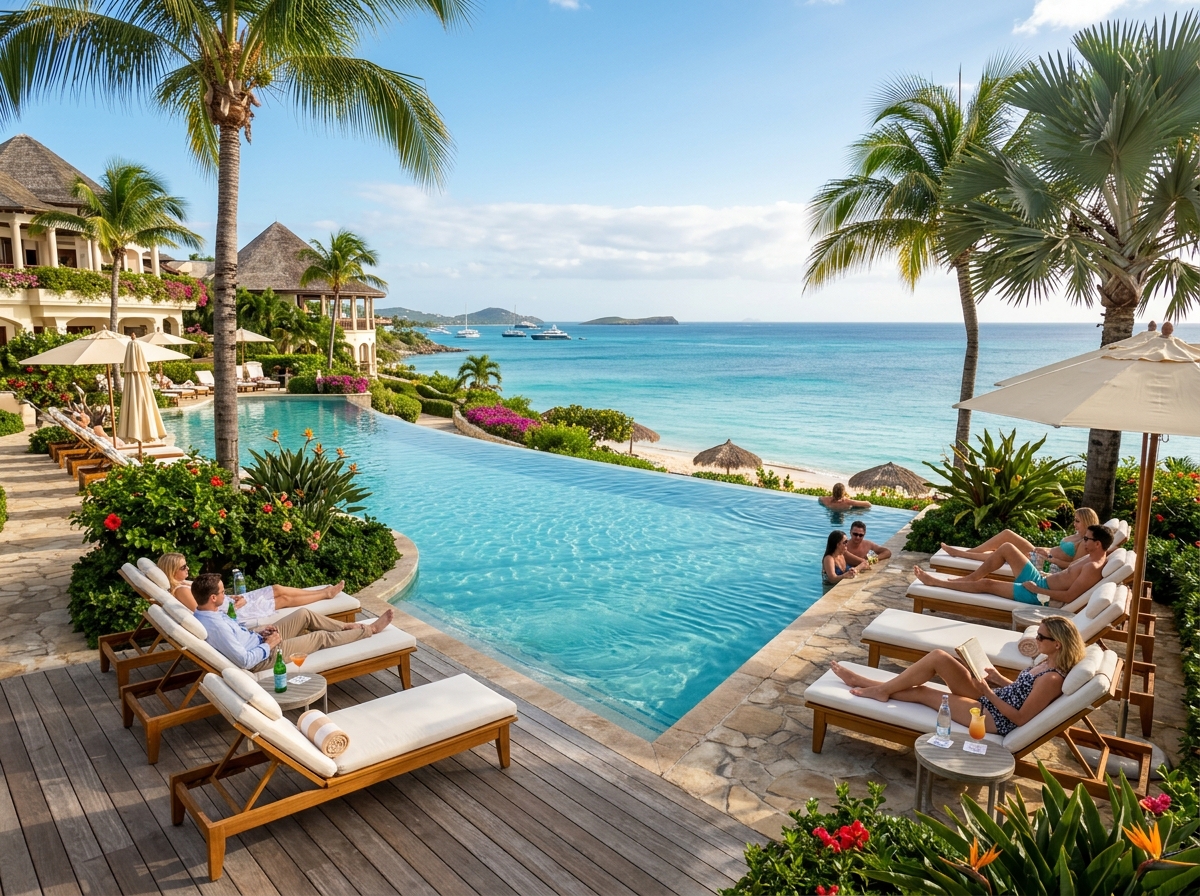
Punta Cana is the undisputed heavyweight of Caribbean tourism, occupying the easternmost tip of the island where the Atlantic Ocean meets the Caribbean Sea. It is a highly developed, purpose-built tourist corridor stretching over nearly 100 kilometers of shoreline.
Why It Matters
This region is the ultimate destination for travelers who want zero-stress relaxation. The beaches here, particularly Bávaro Beach and Playa Blanca, feature powdery white sand that stays cool under the sun, lined with dense groves of coconut palms.
What to See and Do
- Relax on Bávaro Beach: Swim in calm, shallow turquoise waters protected by a massive offshore reef system.
- Explore Ojos Indígenas Ecological Reserve: Walk through a protected private forest to swim in clear, cold freshwater lagoons hidden in the jungle.
- Take a Catamaran Cruise: Spend a morning snorkeling among reef fish and visiting natural shallow ocean pools.
The Honest Downside
Punta Cana exists within a heavily secured tourist bubble. If you stay strictly inside your resort, you will experience incredible hospitality, but you will miss out on authentic Dominican culture, food, and daily life. Everything outside the resort gates is highly commercialized for tourists.
Traveler Tip: To keep your belongings dry during catamaran cruises or sudden tropical downpours, pack a reliable dry bag. The Earth Pak Waterproof Dry Bag is highly recommended by frequent Caribbean travelers for protecting cameras and phones from salt water.
2. Santo Domingo: A Deep Dive into Living History
Santo Domingo is not just the capital city; it is the oldest continuously inhabited European settlement in the Americas, founded back in 1496 by Bartholomew Columbus.
Why It Matters
The heart of the city is the Zona Colonial (Colonial Zone), a UNESCO World Heritage site packed into an easily walkable grid of cobblestone streets. It provides a stark, gritty, and vibrant contrast to the manicured lawns of the resort zones.
What to See and Do
- Visit Catedral Primada de América: Step inside the very first cathedral built in the New World.
- Walk the Calle El Conde: Stroll down this pedestrian-only street lined with cafes, street artists, and historic architecture.
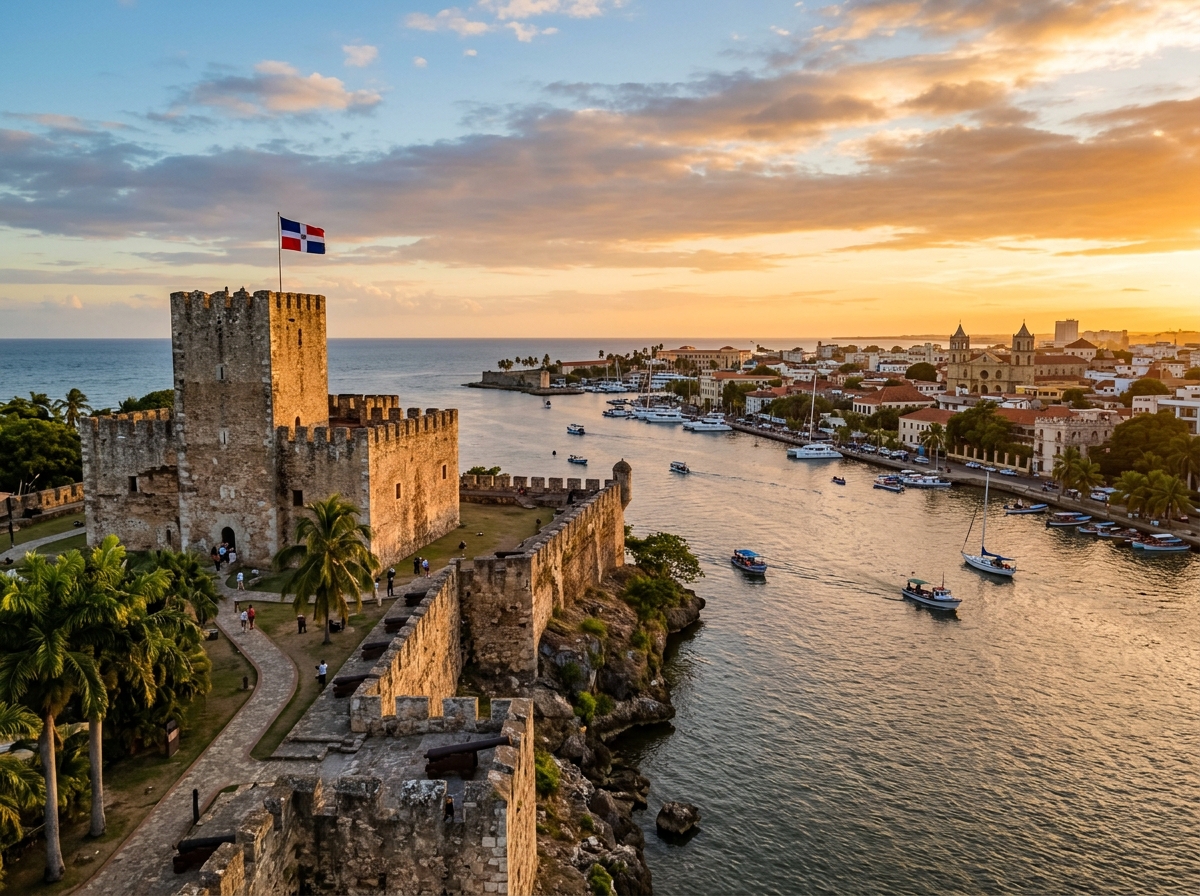
- Explore Fortaleza Ozama: Climb the tower of the oldest military fortress in the Americas for panoramic views of the Ozama River.
- Dine at El Mesón de la Cava: Enjoy a unique dinner experience inside a massive, natural underground cave once used by the indigenous Taíno people.
The Honest Downside
Santo Domingo is a loud, bustling metropolis with intense traffic and high humidity. While the Zona Colonial is heavily policed and safe during the day, petty crime like pickpocketing is common. You must remain vigilant, avoid wearing flashy jewelry, and use registered rideshare apps like Uber rather than hailing random taxis on the street.
3. Samaná Peninsula: The Nature Lover’s Sanctuary
Jutting out from the northeastern coast of the island, the Samaná Peninsula is a dramatic finger of land covered in dense rainforests, rolling hills, and secluded, wild beaches.
Why It Matters
Samaná feels a world away from the commercial sprawl of Punta Cana. It is an ecotourism paradise defined by its raw natural beauty, small-town vibes, and seasonal marine migrations.
What to See and Do
- Seasonal Whale Watching: From January to March, thousands of humpback whales migrate into Samaná Bay to mate and give birth. Boat tours get you close to these breaching giants.
- Hike to Salto El Limón: Journey via foot or horseback through the jungle to reach a spectacular 130-foot waterfall dropping into a cool swimming pool.
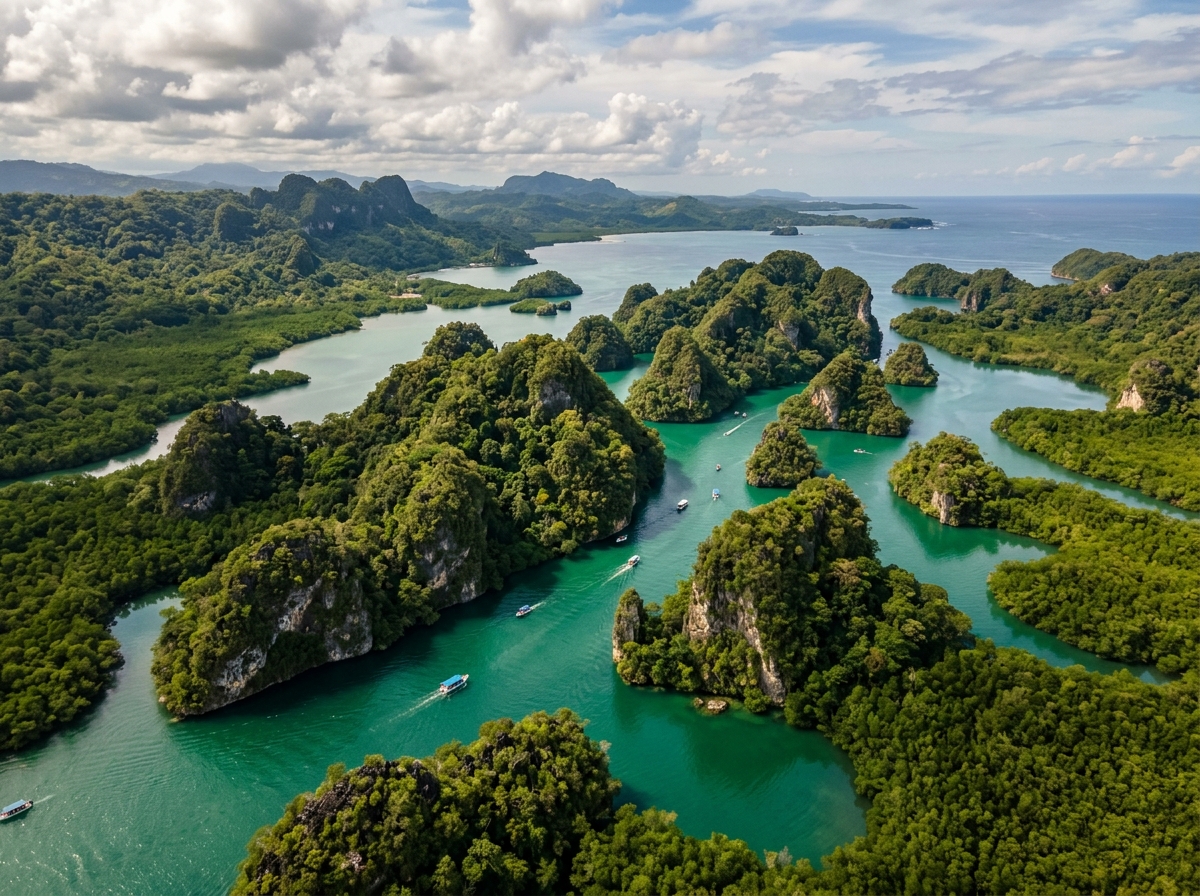
- Explore Los Haitises National Park: Take a boat tour through massive mangrove forests, towering limestone rock islets, and ancient caves covered in indigenous Taíno pictographs.
- Relax on Playa Rincón: Visit a massive, undeveloped 3-mile stretch of white sand bordered by a cold, crystal-clear river called Caño Frío.
The Honest Downside
Getting around Samaná requires patience. The roads through the mountains can be steep, winding, and poorly lit at night. If you visit outside of the January to March whale season, some towns like Santa Bárbara de Samaná can feel very quiet, though the natural sights remain breathtaking.
4. Puerto Plata and the Amber Coast: Adventure and Diversity
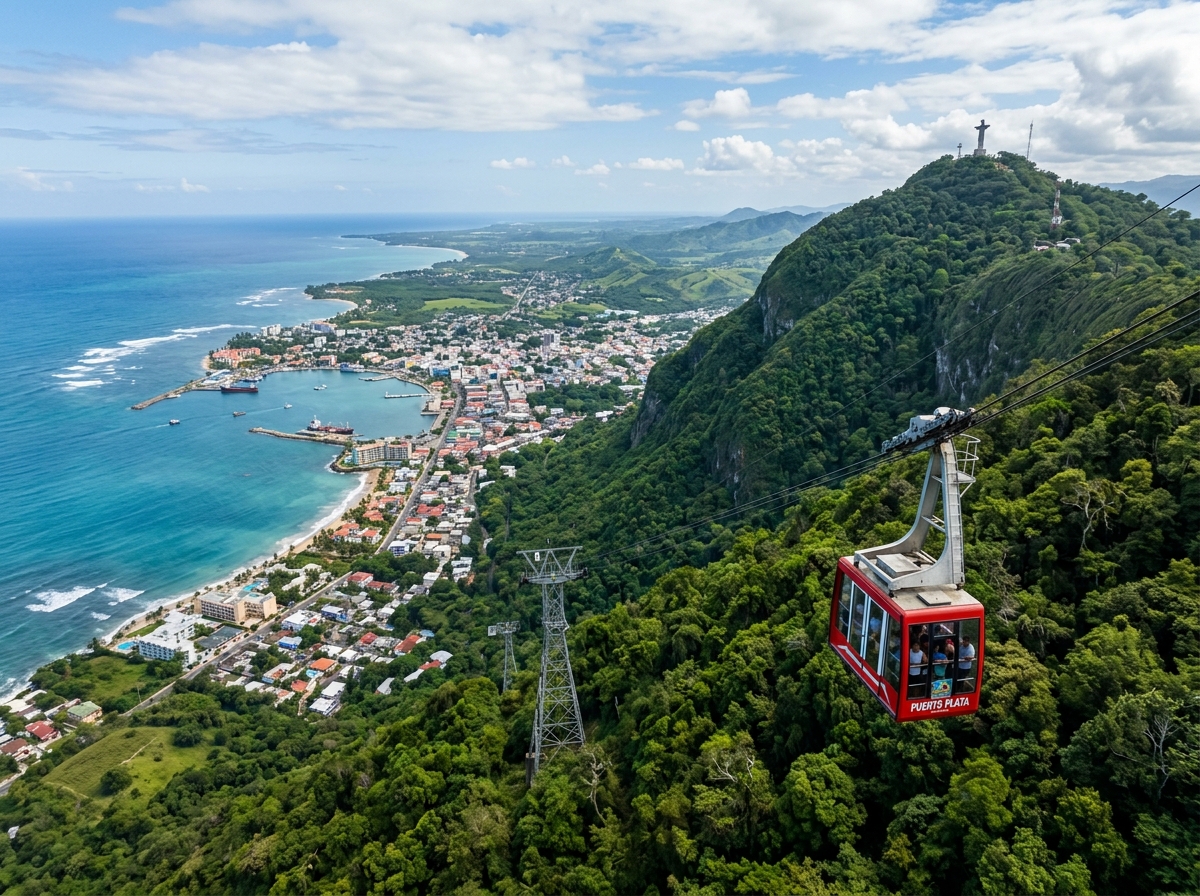
Located on the northern coast, Puerto Plata was the original birthplace of tourism in the country during the 1970s. It offers an incredible mix of historic Victorian architecture, golden-sand beaches, and rugged mountain backdrops.
Why It Matters
Puerto Plata offers far more activities within a short drive than almost any other region. It is the perfect base for travelers who get bored sitting on a beach towel all day and want active exploration.
What to See and Do
- Conquer the 27 Charcos of Damajagua: Hike deep into the northern mountain corridor jungle and then jump, slide, and swim down a series of 27 natural waterfalls and limestone canyons.
- Ride the Teleférico (Cable Car): Take the only cable car in the Caribbean up to the summit of Mount Isabel de Torres to see a massive Christ the Redeemer statue and wander through botanical gardens.
- Explore San Felipe Fortress: Walk through a 16th-century Spanish fortress built to protect the silver port from invading pirates.
The Honest Downside
The Atlantic waters on the north coast are rougher and less clear than the calm Caribbean Sea in the south. The sand here is golden-brown rather than powdery white, and the region experiences more rainfall, particularly during the winter months.
Traveler Tip: If you plan on tackling the 27 Charcos waterfall slides, standard sandals will not cut it. A sturdy pair of water shoes like the Barunswon Quick-Dry Water Shoes will protect your feet from sharp river rocks and provide the grip needed for climbing.
5. Cabarete and Sosúa: The Water Sports Capitals
Located just a short drive east of Puerto Plata, these two neighboring beach towns offer completely contrasting vibes but share a youthful, energetic spirit.
Why It Matters
Cabarete is internationally recognized as one of the premier kiteboarding and windsurfing destinations on earth due to its unique trade winds and thermal currents. Sosúa, sitting just west of it, centers around a sheltered, horseshoe-shaped bay famous for its vibrant marine life.
What to See and Do
- Kiteboarding at Kite Beach: Watch world-class athletes or take a beginner lesson on the windy shores of Cabarete.
- Snorkeling in Sosúa Bay: Explore shallow coral reefs teeming with tropical fish just a short swim from the beach.
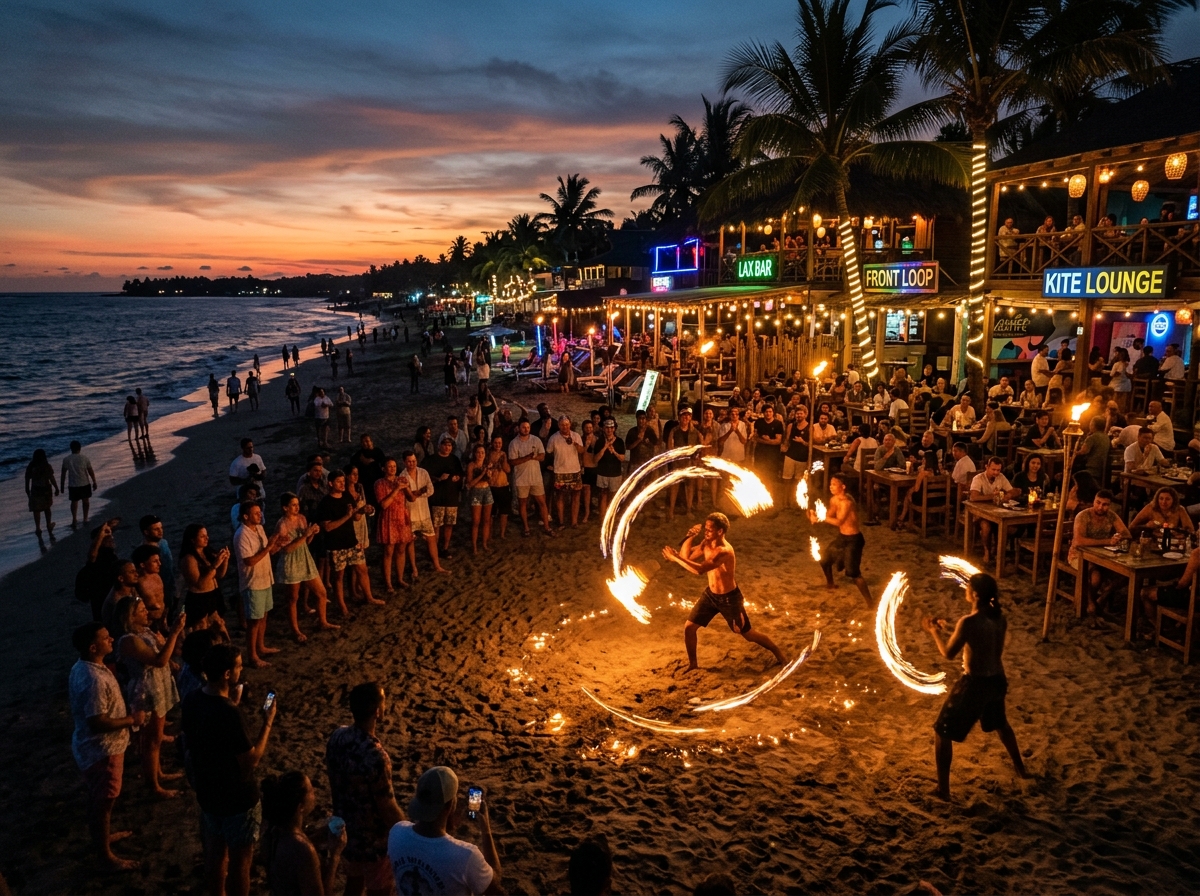
- Experience the Nightlife: Walk along Cabarete Beach at night, where open-air bars set up tables directly on the sand with live music and fire dancers.
The Honest Downside
Sosúa has a visible, aggressive nightlife scene that includes overt sex tourism along its main strip at night, which can make families and solo female travelers feel uncomfortable. Stick to the beach during the day or base yourself in casual, athletic Cabarete to avoid this atmosphere entirely.
6. Jarabacoa: The Dominican Alps
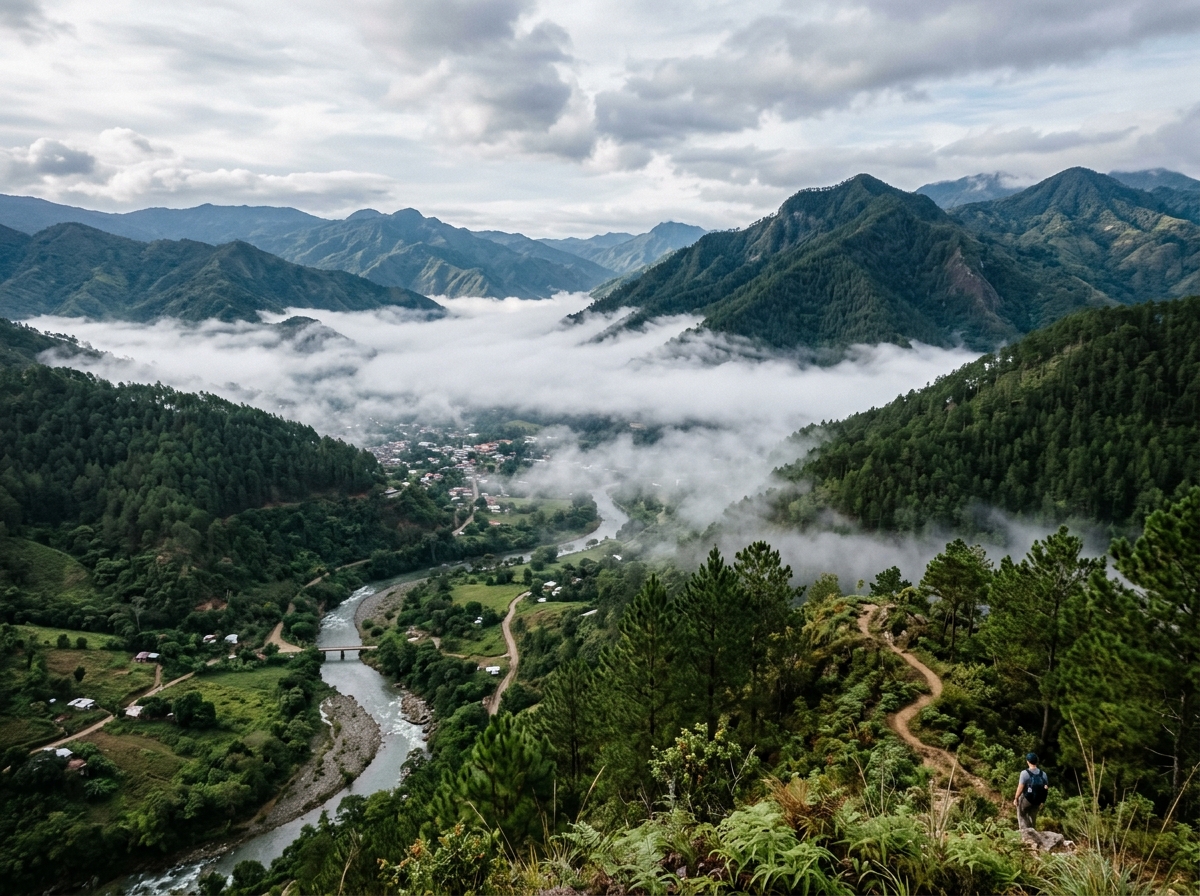
If you head directly into the center of the country, the palm trees vanish, replaced by towering pine trees, chilly mountain air, and roaring freshwater rivers.
Why It Matters
Jarabacoa sits in the Cordillera Central mountain range at an elevation of roughly 1,700 feet. It is the eco-adventure capital for locals seeking an escape from the sweltering coastal heat.
What to See and Do
- White Water Rafting: Class II to IV rapids await on the Yaque del Norte River, the longest river in the Caribbean.
- Hike Pico Duarte: Jarabacoa is the main launching point for multi-day trekking expeditions to climb the highest peak in the Caribbean, towering at over 10,128 feet.
- Visit Salto de Jimenoa: Walk across hanging suspension bridges over deep gorges to reach dramatic mountain waterfalls.
The Honest Downside
This is not a beach destination. Temperatures can drop into the 50s°F (10s°C) at night during the winter, so you must pack layers. The infrastructure is geared heavily toward local ecotourists, meaning English is less widely spoken here than in coastal resort towns. Reviewing proper packing tips before arriving will ensure you bring the right thermal clothing for the cool mountain evenings.
7. La Romana and Bayahibe: Luxury Golf and Fishing Villages
Located on the calmer southeast coast, this region perfectly pairs ultra-luxury gated estates with the slow-paced charm of a traditional Dominican fishing village.
Why It Matters
La Romana is home to Casa de Campo, a legendary 7,000-acre resort community featuring world-renowned championship golf courses. Right next door lies Bayahibe, a tranquil village that serves as the premier scuba diving hub of the country.
What to See and Do
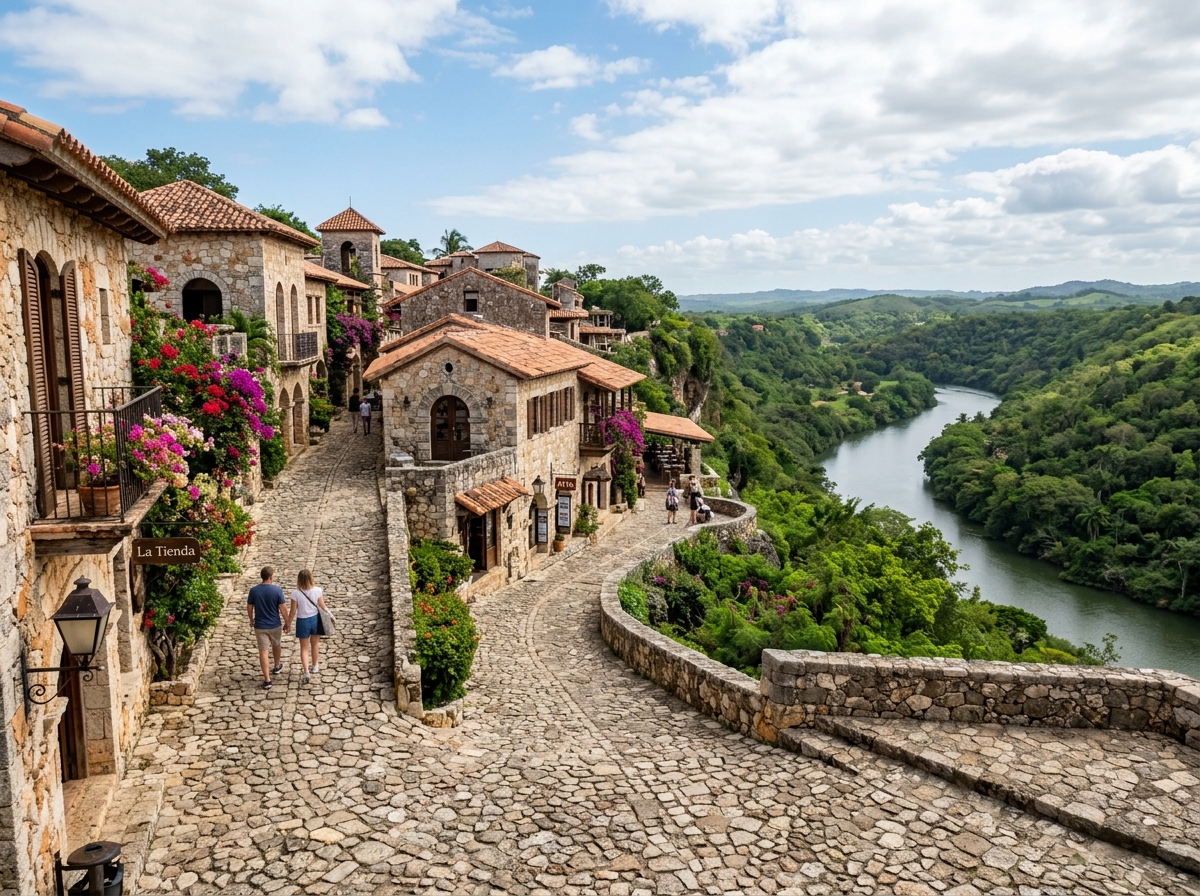
- Explore Altos de Chavón: Wander through a stunning, mind-boggling replica of a 16th-century Mediterranean stone village perched high above the Chavón River, complete with a 5,000-seat Roman-style amphitheater.
- Golf the “Teeth of the Dog”: Play on the number-one ranked golf course in the Caribbean, designed by Pete Dye, where holes are carved directly into the rugged coral coastline.
- Scuba Dive the St. George Wreck: Dive deep to explore impressive underwater shipwrecks and vibrant coral walls teeming with sea life.
The Honest Downside
Casa de Campo and its amenities are incredibly expensive, making it exclusive to high-budget travelers. Conversely, public beaches in Bayahibe can become extremely congested between 9:00 AM and 4:00 PM as thousands of day-trippers arrive to board catamarans.
8. Cabo Rojo and Bahía de las Águilas: The Untouched Southwest
For the ultimate off-the-beaten-path adventure, you must travel to the deep southwest province of Pedernales, right near the border with Haiti.
Why It Matters
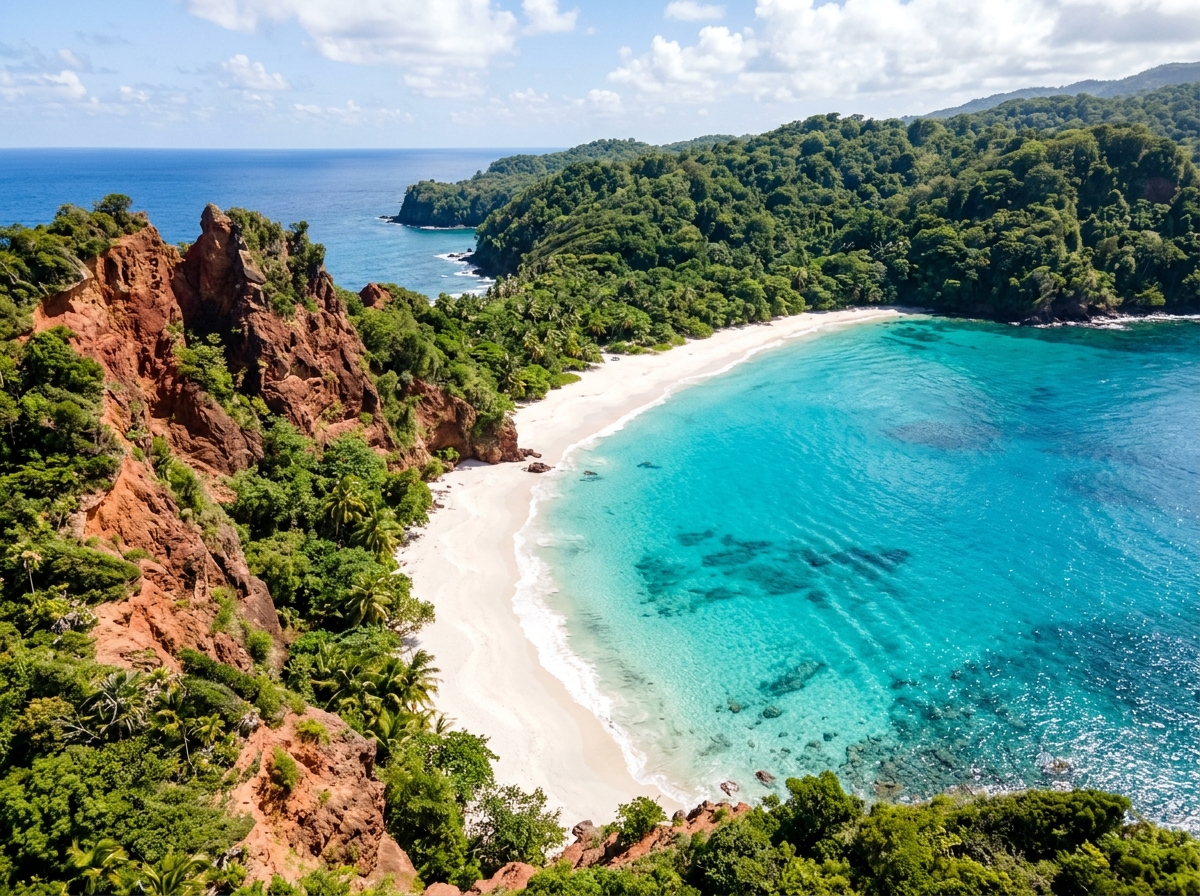
This region is home to Bahía de las Águilas (Eagles Bay), universally considered by locals to be the most beautiful, pristine beach in the entire country. Located inside Jaragua National Park, this 5-mile stretch of coastline features blindingly white sand and water so clear it looks like swimming pool water, backed by dramatic red cliffs and desert scrub.
What to See and Do
- Unwind at Bahía de las Águilas: Take a local fishing boat or a rugged 4×4 vehicle across the rocky terrain to spend a day on a beach completely devoid of hotels, restaurants, or shops.
- Glamping at Cabo Rojo: Stay in rustic, eco-friendly beachfront tents right on the sand to see some of the clearest starry night skies in the Caribbean.
The Honest Downside
It takes a grueling 6 to 7-hour drive from Santo Domingo to get here along rough roads. There is zero luxury infrastructure, cell service is incredibly weak, and you must bring all your own water, food, and sun protection, as there is absolutely no shade on the beach.
Content Gaps: What Competitors Completely Fail to Tell You
Most online travel guides paint an overly perfect picture of the Dominican Republic. To travel safely and avoid costly mistakes, you need to understand the realities of the ground infrastructure.
The Real Danger is Driving Conditions
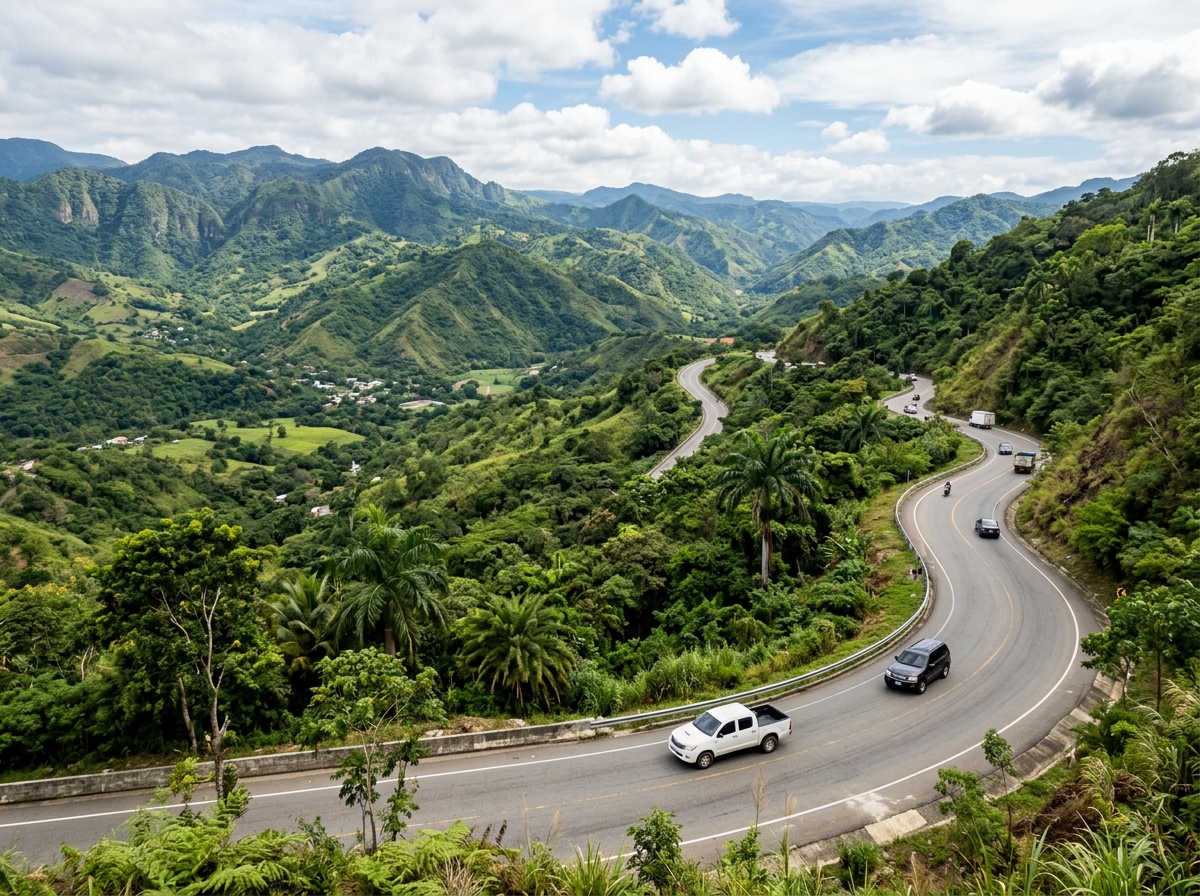
Statistically, the single greatest threat to your safety in the country is not violent crime but rather the chaotic traffic. The Dominican Republic routinely ranks among the highest countries in the world for traffic fatalities per capita.
Local driving habits are highly aggressive, traffic laws are rarely enforced, and thousands of motorbikes (motoconchos) weave wildly between lanes without lights. Never drive at night. Roads outside major tourist zones often lack streetlights, markings, and contain massive, unmarked potholes or roaming livestock like cows and goats.
The Truth About Seaweed (Sargassum)
Many travel blogs show flawless turquoise waters year-round. However, from May to September, a massive influx of floating brown algae known as sargassum routinely carpets beaches across the Caribbean.
Punta Cana and the south-facing beaches can get heavily impacted, turning the water brown and emitting a strong odor as it decomposes on the sand. If you are traveling during these summer months, look toward north-coast destinations like Miches or sheltered bays like Las Terrenas, which naturally stay far clearer due to ocean currents.
Health Safety and Water
Never drink tap water anywhere in the country, even inside five-star luxury resorts. Use bottled water for everything, including brushing your teeth. Additionally, mosquito-borne illnesses like Dengue fever are prevalent, especially during the rainy season (May to November). Always pack and apply a high-quality insect repellent containing DEET.
Best Destinations Organized by Traveler Type
To make planning simple, locate your specific travel style below to find your ideal match:
For Families with Kids
- Punta Cana: Gated resorts offer supervised kids’ clubs, calm water shallow shelves, and private waterparks inside the properties.
- Bayahibe: The Caribbean Sea here is incredibly calm, lacking the rough waves and strong undertows found on the northern Atlantic coast.
For Solo Travelers and Digital Nomads
- Las Terrenas (Samaná): A unique, bohemian blend of local Dominican culture and European expats creates a welcoming community packed with beachside cafes and co-working spaces.
- Cabarete: The active, sports-centric community makes it incredibly easy to meet people through kitesurfing schools, beachfront bars, and hostel social hours.
For Couples and Honeymooners
- Cap Cana (Punta Cana): A highly exclusive, gated enclave featuring luxury adults-only resorts, a pristine private marina, and secluded beaches.
- Las Galeras (Samaná): A quiet, romantic hideaway located at the very end of the peninsula, perfect for escaping crowds.
Quick Reference Comparison Table
| Destination | Vibe | Main Draw | Beach Quality | Accessibility |
| Punta Cana | Resort Heavy | All-Inclusive Luxury | Pristine White Sand | Very Easy (PUJ Airport) |
| Santo Domingo | Urban & Historic | 16th-Century Culture | N/A (City Port) | Easy (SDQ Airport) |
| Samaná | Eco-Conscious | Whales & Waterfalls | Secluded & Wild | Moderate (2-hour drive) |
| Puerto Plata | Action & Adventure | Waterfalls & Cable Car | Golden Sand | Easy (POP Airport) |
| Jarabacoa | Mountain Retreat | River Rafting & Hiking | N/A (Rivers Only) | Hard (Mountain roads) |
| Cabo Rojo | Off-Grid & Raw | Bahía de las Águilas | Flawless | Very Hard (6+ hour drive) |
Essential Practical Tips for Your Journey
- The Electronic eTicket: You must fill out an official electronic entry and exit form online before boarding your flight. It generates a QR code that customs officials will scan at the airport. It is completely free, so beware of scam websites trying to charge you a fee for this.
- Currency Strategy: The official currency is the Dominican Peso (DOP). While major resorts and upscale restaurants accept credit cards, card cloning remains an issue. Never use standalone ATMs on public streets. Only use ATMs located safely inside an authorized bank branch. Always carry cash in US Dollars or Pesos for tipping and buying local goods.
- Tipping Etiquette: Restaurants automatically include a 10% service charge on the bill. However, this money rarely goes directly to your specific server. It is standard practice to leave an additional 10% cash tip for good service.
Traveler Tip: To safeguard your financial data from skimming devices at local vendors, consider using an RFID-blocking wallet. The Mountain Voyage Minimalist Wallet is a sleek, durable option that keeps your cards secure while exploring bustling city centers.

Mountain Voyage Co Minimalist Wallet
Final Thoughts
The Dominican Republic is a rare destination that can be exactly whatever you want it to be. If you simply want to sit on a beautiful beach with a tropical cocktail in hand, Punta Cana will deliver a flawless experience. But if you take the time to step outside the resort gates, navigate the winding mountain roads to Jarabacoa, or walk the cobblestone alleyways of Santo Domingo, you will discover the true beating heart of one of the most geographically diverse countries in the entire Caribbean.
Frequently Asked Questions
Do I need a visa to visit the Dominican Republic?
No. Tourists from most countries, including the United States, Canada, and the United Kingdom, do not need a pre-arranged visa for stays under 30 days. You only need a valid passport and the completed online eTicket QR code.
When is the best time of year to visit?
The peak travel season is from December to April, when the weather is consistently dry, warm, and sunny. If you want to see the humpback whales, you must specifically plan your trip between mid-January and late March.
Is the Dominican Republic safe for tourists?
Yes, tourist areas like Punta Cana, La Romana, and Samaná are highly secure and heavily patrolled by a dedicated branch of law enforcement known as POLITUR (Tourist Police). However, crime rates are significantly higher in major urban centers like Santo Domingo, requiring increased caution.
Can I use US Dollars there?
Yes, US Dollars are widely accepted in tourist hubs, hotels, and taxi services. However, you will receive a poor exchange rate for small everyday purchases like street food or souvenirs, so keeping local Dominican Pesos on hand is highly beneficial.
What is the food like?
Dominican cuisine is a flavorful blend of Spanish, African, and indigenous Taíno influences. The national dish is La Bandera Dominicana (The Dominican Flag), consisting of white rice, stewed beans, and seasoned chicken or beef, usually served alongside fried plantains (tostones).
Is the tap water safe to drink?
No, the tap water is not potable anywhere in the country. Avoid drinking it, using it to brush your teeth, or consuming raw vegetables washed in tap water. Stick strictly to sealed, bottled water.