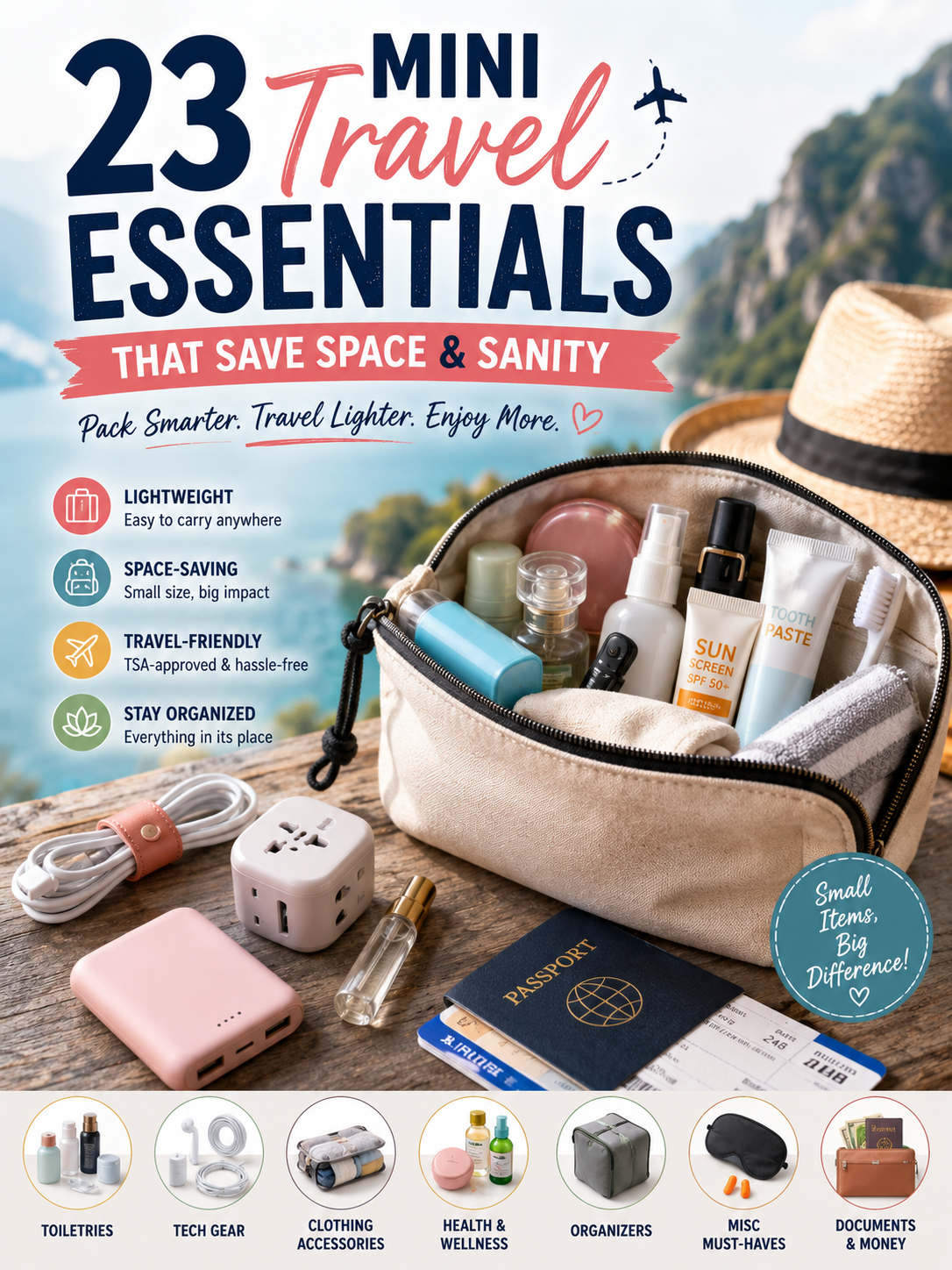
Costa Rica delivers year-round warmth, but picking the right months makes a huge difference. You might score perfect beach days or end up dealing with heavy afternoon rains that turn roads muddy. Crowds and prices swing wildly too. Understanding the seasons helps you match the trip to your style, whether you crave dry trails for hiking or cheaper rates for a longer stay.

Quick Answer: When Should You Go?
Most people pick the dry season from December to April for reliable sunshine and easy travel. January and February often feel ideal with clear skies and comfortable temperatures.
If you want to skip the crowds and save money, try May to June or November. These shoulder periods bring sunny mornings and shorter rains. Serious budget travelers or wildlife fans sometimes prefer July and August during the green season. Avoid September and October if you dislike heavy rain, though they suit surfers chasing big waves.
A good waterproof rain jacket makes a smart investment early in your planning. Something lightweight and packable like the Outdoor Research Helium Rain Jacket changes how you handle those afternoon showers without slowing you down on hikes.
Costa Rica’s Two Main Seasons
Costa Rica has a dry season (verano) and a wet or green season (invierno). The Pacific side shows sharper differences, while the Caribbean stays rainier overall but flips patterns at times.
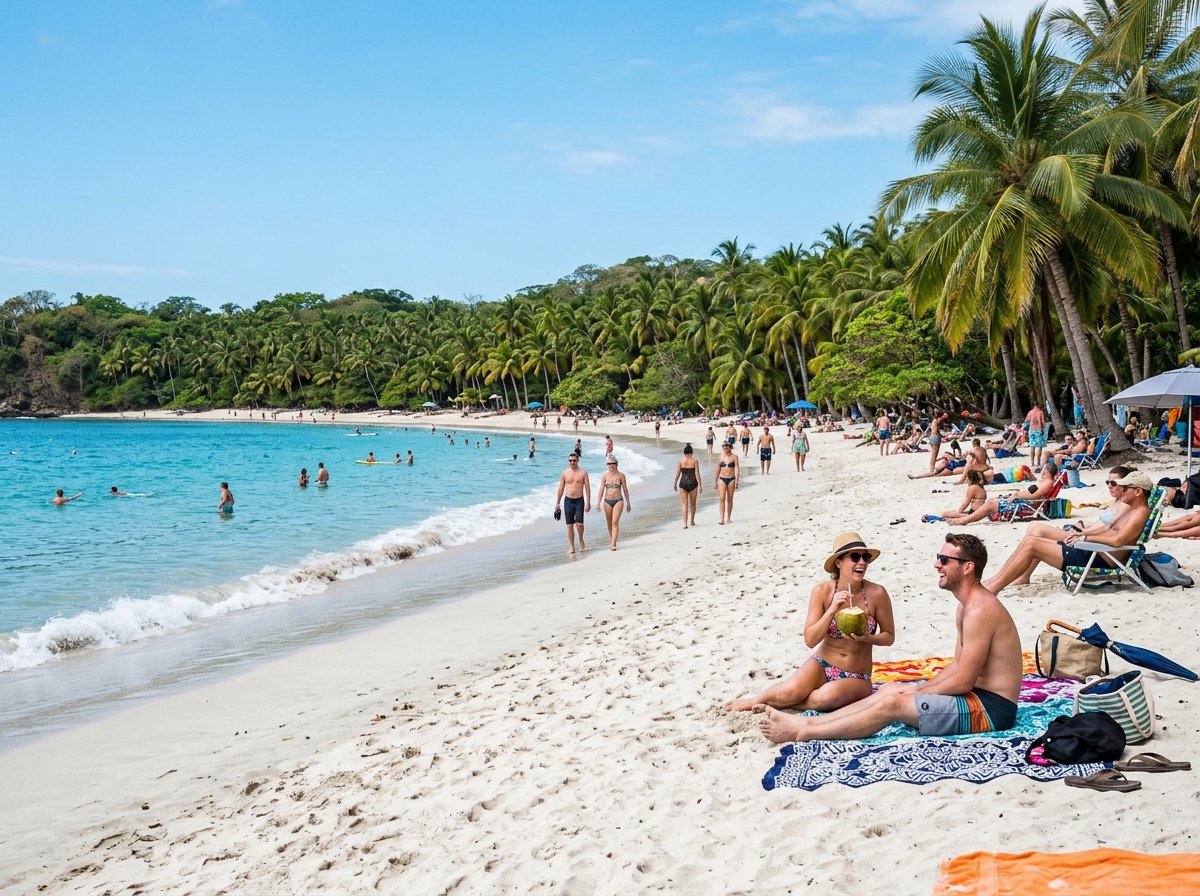
Dry Season (December to April): Sunny days dominate. Expect little rain, especially in Guanacaste and the Nicoya Peninsula. Temperatures hit the 80s and 90s on the coast but stay milder in the Central Valley. Wildlife gathers around water sources, making sightings easier. Beaches stay dry for lounging or surfing smaller waves.
Downsides include higher hotel rates, fuller tours, and more traffic on popular routes. Book flights and rooms months ahead, especially around Christmas, New Year, and Easter.
Green Season (May to November): Rains usually arrive in the afternoon and clear by evening or morning. Landscapes turn vibrant green. Hotels drop prices, and national parks feel quieter. July and August often bring a “little summer” (veranillo) with drier spells. September and October see the heaviest rains, which can flood some roads.
Month-by-Month Breakdown
- December to February: Peak dry season. Great for beaches and families. Expect crowds and premium prices. Wildlife viewing stays strong.
- March to April: Still dry and hot. Good shoulder option after Easter crowds ease. Excellent for hiking before rains start.
- May to June: Transition time. Mornings usually sunny. Fewer visitors and lower costs. Lush greenery starts, and roads remain mostly passable.
- July to August: Popular with families. Veranillo brings breaks in rain. Strong time for wildlife, especially turtles on the Caribbean side.
- September to October: Rainiest months. Budget deals abound, but some remote areas get tough to reach. Prime for experienced surfers.
- November: Rains taper off. A nice bridge to dry season with improving weather and decent rates.
Regional Differences You Need to Know
Weather varies a lot across the country. The Pacific northwest (Guanacaste) stays driest overall. The Central Valley offers spring-like conditions year-round. Caribbean coast has more consistent moisture but drier windows in February-March and September-October. Southern Pacific areas like the Osa Peninsula stay lush and wild.
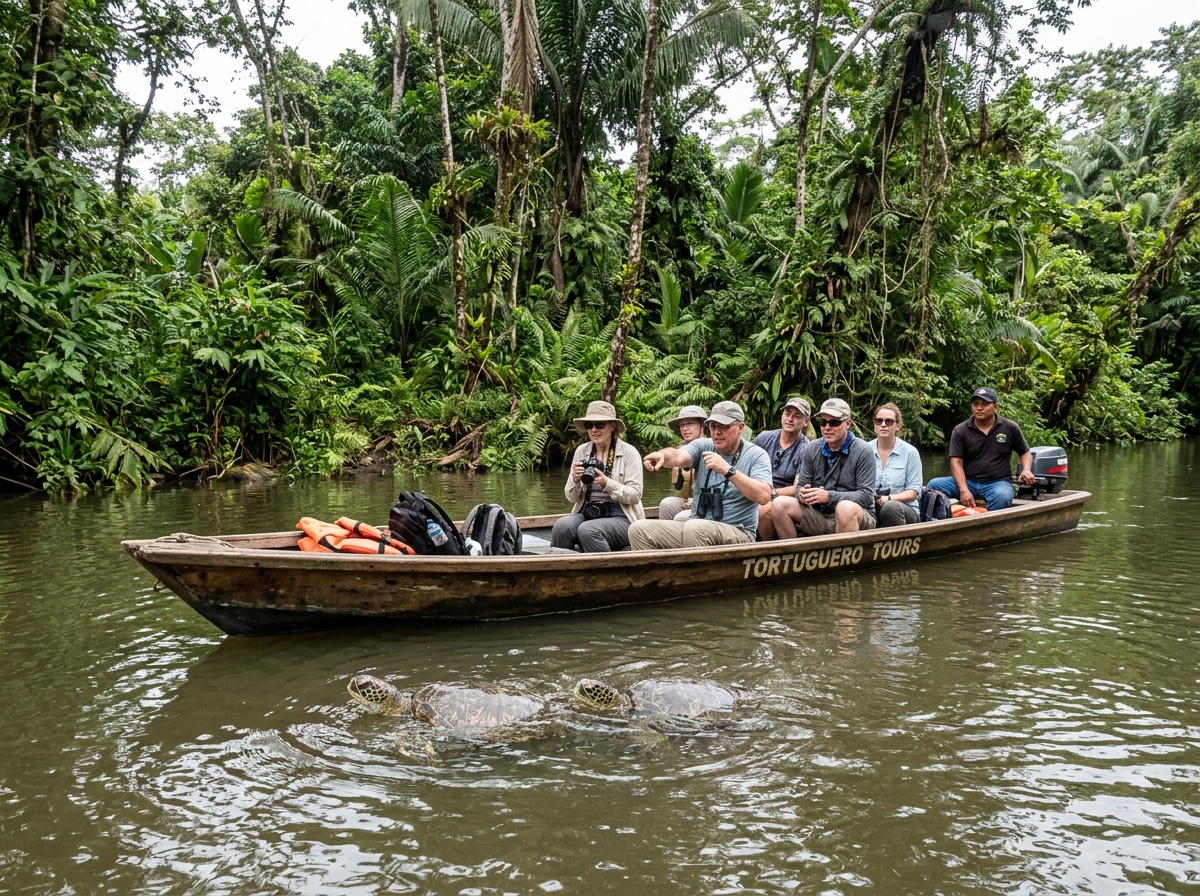
Plan your itinerary around this. A beach trip to Tamarindo works best December to April. Tortuguero for turtles shines in green season.
What Many Guides Miss: Real-World Details
Many guides push dry season hard but skip practical realities. Roads in rural areas can become challenging in heavy rain, even with a 4×4. Some unpaved routes close or require experienced drivers. Check current conditions locally.
Entry stays straightforward for most visitors. U.S., Canadian, and EU citizens get up to 90-180 days without a visa. Bring a passport valid for your stay, proof of onward travel, and enough funds (around $100 per month of stay). No special tourist card or vaccination requirements apply right now, but always double-check before flying.
Insects increase during green season. Strong repellent helps, especially at dawn and dusk. Power outages or minor flooding happen occasionally in October. Flexible plans pay off.
Best Time by Traveler Type
Families: December to March offers the most predictable weather for kids. Pools and beaches stay inviting.
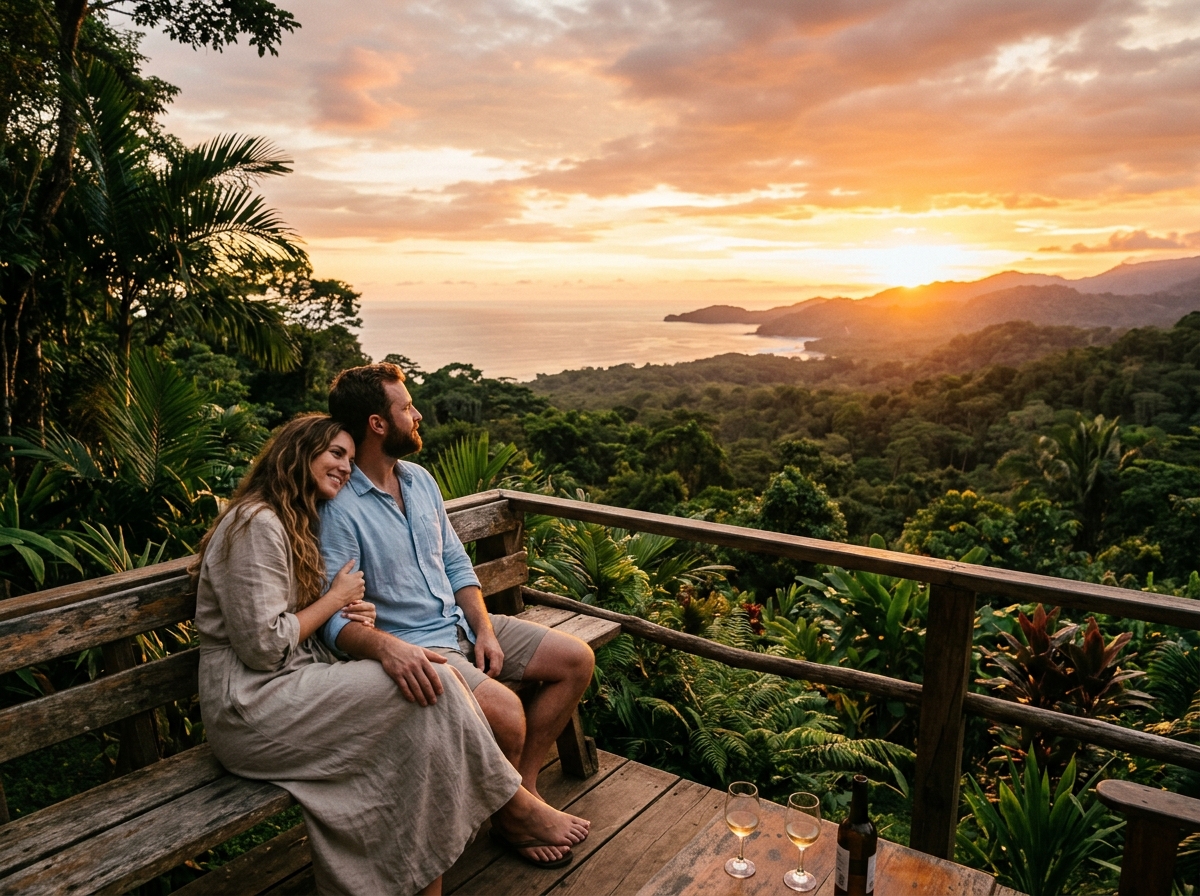
Couples or Honeymooners: Shoulder months like May or November balance romance, lower prices, and decent weather.
Adventure Travelers and Hikers: Dry season gives firm trails and better visibility. Green season rewards with waterfalls at full flow, though prepare for mud. A solid pair of waterproof hiking boots proves invaluable here.
Wildlife and Nature Photographers: Green season brings active animals and vibrant colors. Dry season concentrates birds and mammals at waterholes.
Surfers: Pacific waves peak August to November. Caribbean works better December to March.
Budget Travelers: May to November, especially September-October, for deals on lodging and tours.
Retirees or Relaxed Travelers: Avoid peak holidays. April or November gives a sweet spot.
Quick Reference Comparison Table
| Time of Year | Weather | Crowds & Prices | Best For | Potential Downsides |
|---|---|---|---|---|
| Dec-Apr (Dry) | Sunny, little rain | High | Beaches, easy travel | Expensive, busy |
| May-Jun (Early Green) | Sunny AM, afternoon rain | Low-Medium | Value, greenery | Some showers |
| Jul-Aug (Veranillo) | Mixed, drier spells | Medium | Wildlife, families | Humid |
| Sep-Oct (Peak Rain) | Heavy rains | Lowest | Surfing, budget | Flooding, road issues |
| November | Improving | Medium | Transition, fewer crowds | Variable rain |
Practical Tips for Any Season
Pack layers and quick-dry clothes. Bring insect repellent, sunscreen, and a reusable water bottle. Rent a 4×4 if you plan to explore beyond main roads. Drive carefully after dark.
Book popular activities like Manuel Antonio park entry or Arenal hot springs in advance during dry season. Consider travel insurance that covers trip interruptions and medical needs.
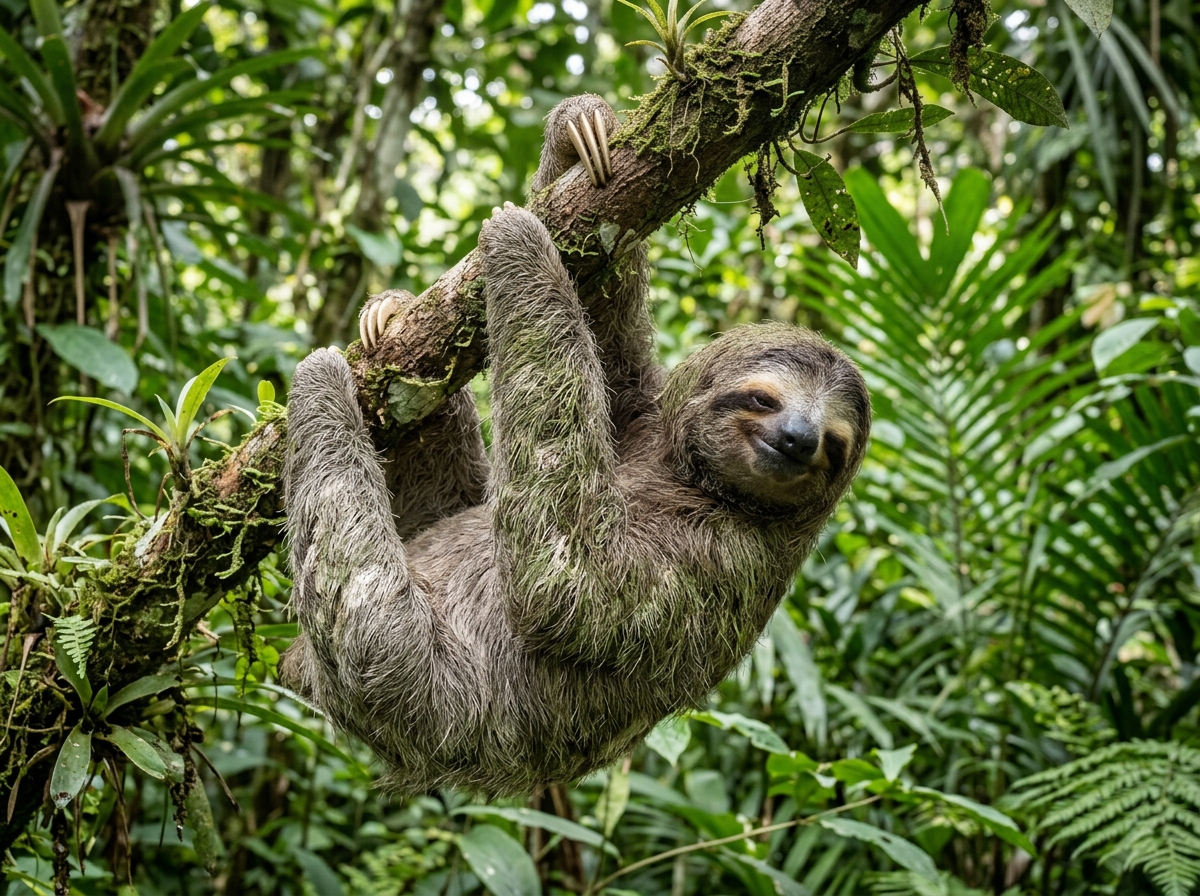
A solid pair of Nikon ProStaff 7S binoculars helps you spot sloths, monkeys, and birds from trails or boats without disturbing them. They travel light and deliver clear views even in humid conditions.
Stay flexible. Costa Ricans embrace “pura vida” and roll with the weather.
Final Thoughts
No single perfect month exists for everyone. Dry season delivers classic postcard Costa Rica with sun and ease. Green season rewards with authenticity, savings, and nature at its fullest. Match your priorities, build in some buffer for weather, and you will have an unforgettable trip. Costa Rica works its magic whenever you arrive.
FAQs
Is December the best month to visit Costa Rica?
It ranks among the top for dry weather, but it also brings peak crowds and highest prices around the holidays. Early January often feels more relaxed.
Can you visit Costa Rica during rainy season?
Yes, and many people prefer it. Rains tend to be short and afternoon-based. You get lower costs, green scenery, and active wildlife. Just plan indoor options for heavy days.
What about hurricanes or major storms?
Costa Rica sits outside the main hurricane belt. Heavy tropical rains occur, but destructive storms stay rare.
How does weather affect driving?
Paved roads handle rain well. Unpaved ones get slippery or impassable in green season. Always ask locally and consider a 4×4.
Best time for sea turtles?
Leatherbacks often appear February to April on Pacific beaches. Green turtles nest July to October in Tortuguero. Olive Ridleys have arribadas around Ostional from August to December.
Do prices really drop in green season?
Yes, often 30-50% on hotels and tours. Availability improves too.
Is Costa Rica safe year-round?
It remains generally safe for tourists. Use normal precautions like avoiding isolated areas at night and securing valuables. Green season does not change safety much.
What should I pack for shoulder season?
Light rain jacket, quick-dry pants, sturdy shoes, hat, and reef-safe sunscreen. A waterproof phone pouch protects your gear during sudden showers.
A reliable Lifeproof or similar waterproof phone case keeps your camera and maps safe through rain or boat trips. It pays for itself quickly on any adventure.