The first time Yosemite comes into view, it almost doesn’t feel real.
You’re driving through winding forest roads, coffee cooling in the cup holder, pine trees stretching endlessly on both sides. Then suddenly, the valley opens up and there it is. Granite cliffs rising straight into the sky, waterfalls spilling down like ribbons, and a stillness that makes you instinctively lower your voice.
Three days in Yosemite is enough to fall in love, as long as you plan it right. This guide is written exactly for that purpose. To help you slow down, see the highlights, and still feel the magic without rushing through one of America’s most iconic national parks.
Day 1: First Impressions and Yosemite Valley
Day one is about easing into Yosemite and letting the park introduce itself.
Morning: Entering the Park and Tunnel View
If you can, arrive early. The light in the morning is softer, crowds are thinner, and the valley feels untouched.
Your first stop should be Tunnel View. This is the classic Yosemite scene you’ve seen in photos, but seeing it in person is different. El Capitan stands tall on the left, Bridalveil Fall cascades on the right, and Half Dome sits quietly in the distance.
This is the moment most people realize why Yosemite is special.
Late Morning: Yosemite Valley Walks
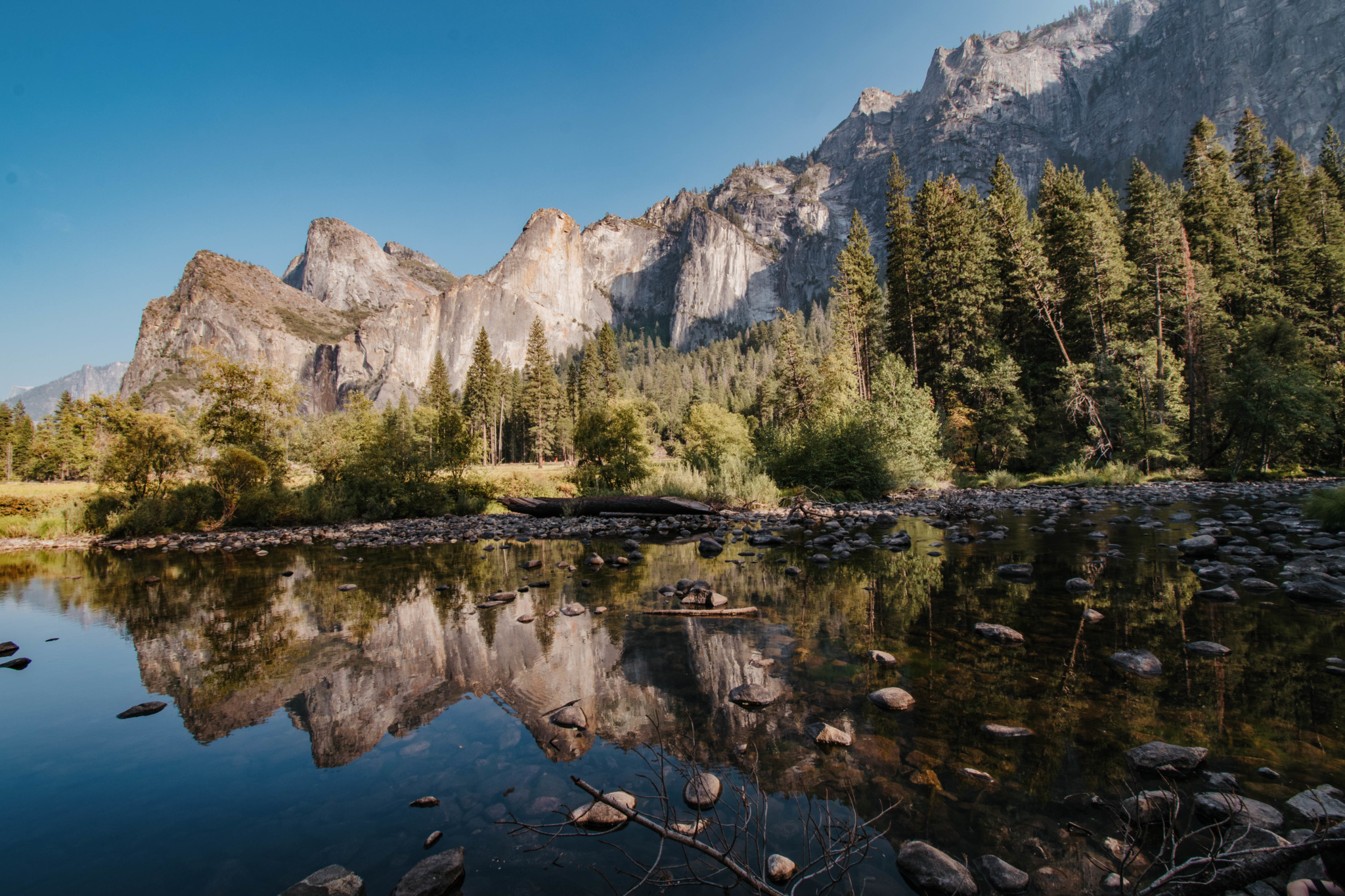
Head down into Yosemite Valley, the heart of the park. Spend time walking instead of driving. Stroll along the valley floor, stop at the meadows, and let the scenery change with every step.
Easy must see stops include:
- Bridalveil Fall
- Lower Yosemite Fall
- Cook’s Meadow Loop
These walks are mostly flat and perfect for your first day when you want to explore without exhausting yourself.
Afternoon: Picnic and Relax Time
Grab lunch or bring your own picnic. Yosemite is one of those places where sitting on a rock and doing nothing feels productive.
Bring a lightweight packable picnic blanket so you can relax anywhere without worrying about damp ground or dirt. It sounds simple, but it makes a big difference.
Affiliate pick:
A compact waterproof picnic blanket that folds into a small pouch is perfect for Yosemite meadows and riverbanks.

Large Outdoor Waterproof Blanket Extra Thick Fleece Stadium Blanket for Camping, Car, Pet, Picnics – Windproof, Wearable, Machine Washable 80″ x 58″ (Black Gray)
Evening: Sunset at Sentinel Bridge
As the day winds down, head to Sentinel Bridge. Sunset here is quiet and reflective. Half Dome glows with warm tones, the river mirrors the sky, and it’s the kind of moment that stays with you long after the trip ends.
Day 2: Iconic Hikes and Glacier Point
Day two is when you step a little outside your comfort zone and see Yosemite from above.
Morning: Mist Trail to Vernal Fall
Wake up early. Trust me on this.
The Mist Trail is one of Yosemite’s most popular hikes, and for good reason. It’s challenging but incredibly rewarding. As you climb higher, the sound of water grows louder until you’re walking alongside the power of Vernal Fall itself.
You will get wet. You will breathe hard. And you will smile the entire way.
Affiliate pick:
A sturdy pair of hiking shoes with good grip is essential here. Wet granite steps can be slippery, and proper footwear makes the hike safer and more enjoyable.

Hike Footwear HF Signature Healthy & Non-Slip Breathable Barefoot Shoes, Flexible Lightweight Daily Wear Walking Shoes Unisex
Midday: Lunch and Recovery
After the hike, take a break. Eat well, hydrate, and don’t feel guilty about resting. Yosemite isn’t about checking off miles. It’s about experiences.
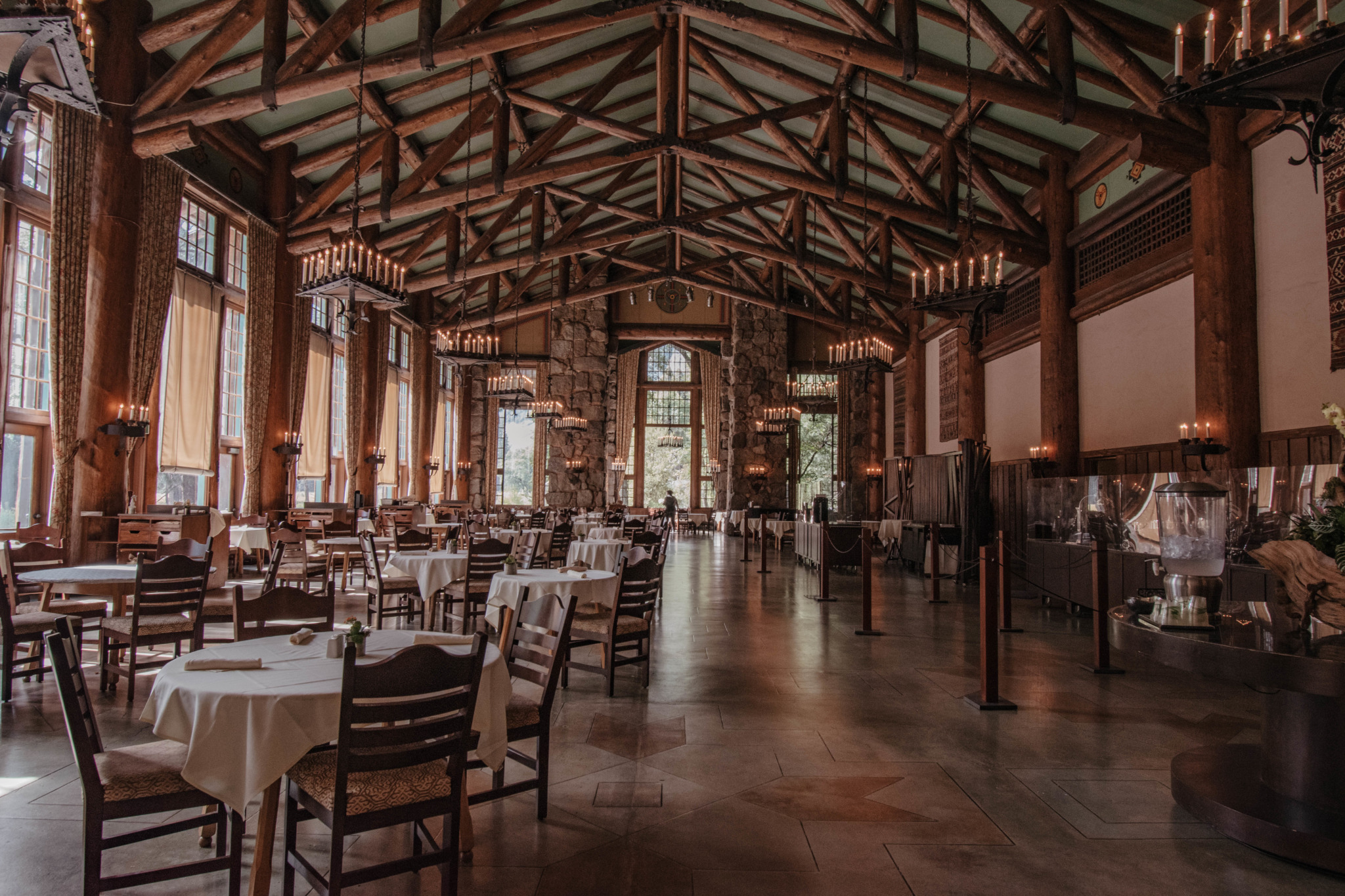
Afternoon: Glacier Point Drive
In the afternoon, drive up to Glacier Point. The view from here gives you a whole new appreciation for what you explored earlier on foot.
Looking down at Yosemite Valley from above makes you feel small in the best possible way. On clear days, you can see Half Dome, Yosemite Falls, and miles of untouched wilderness.
Evening: Stargazing
If skies are clear, stay out after dark. Yosemite has minimal light pollution, and the stars feel close enough to touch.
Affiliate pick:
A small rechargeable headlamp or flashlight is incredibly useful for evening walks and stargazing without draining your phone battery.
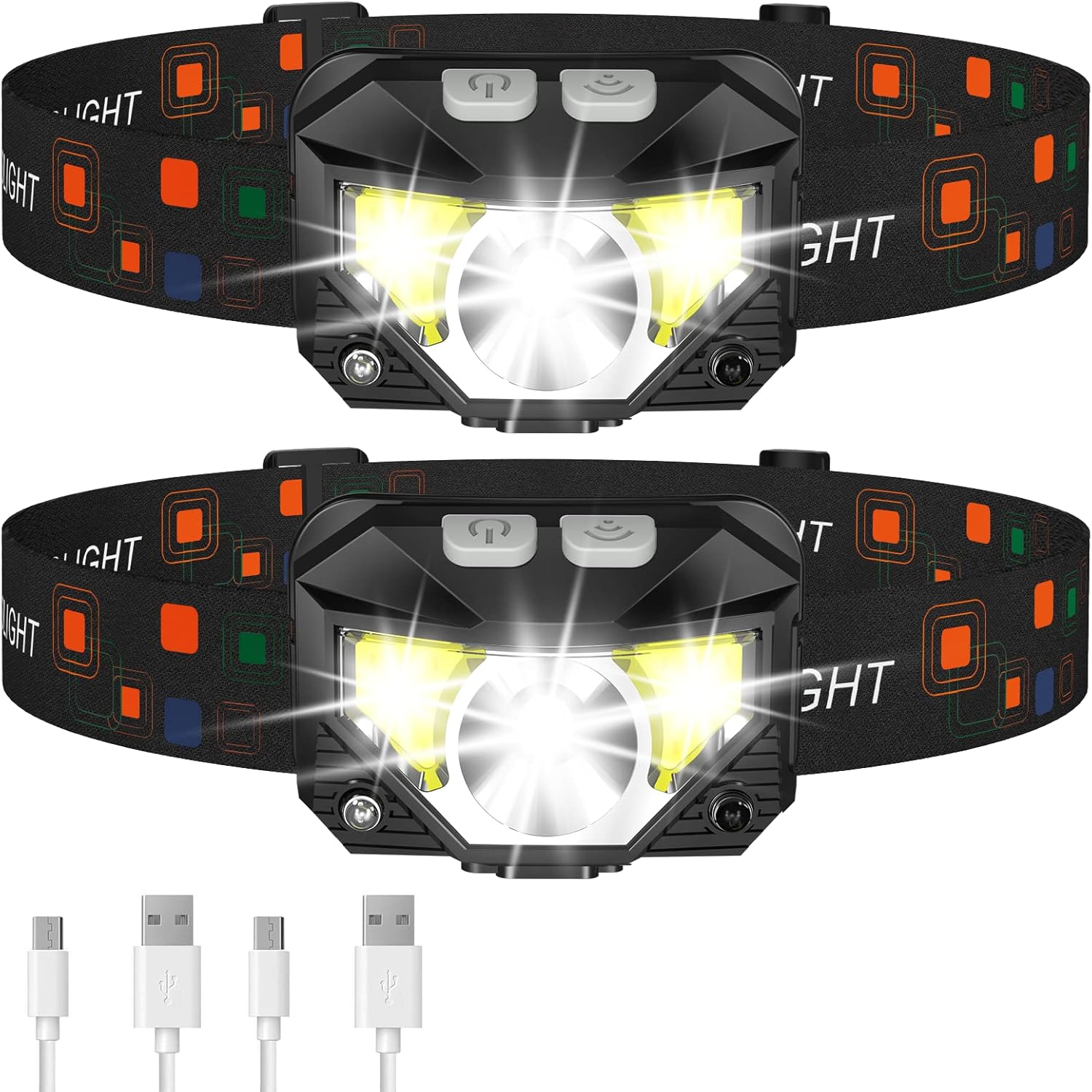
LHKNL Headlamp Flashlight, Lumen Ultra-Light Bright LED Rechargeable Headlight with White Red Light, 2-Pack Waterproof Motion Sensor Head Lamp,8 Modes for Outdoor Camping Running Hiking Fishing
Day 3: Sequoias and a Slow Goodbye
The final day is quieter, slower, and surprisingly emotional.
Morning: Mariposa Grove of Giant Sequoias
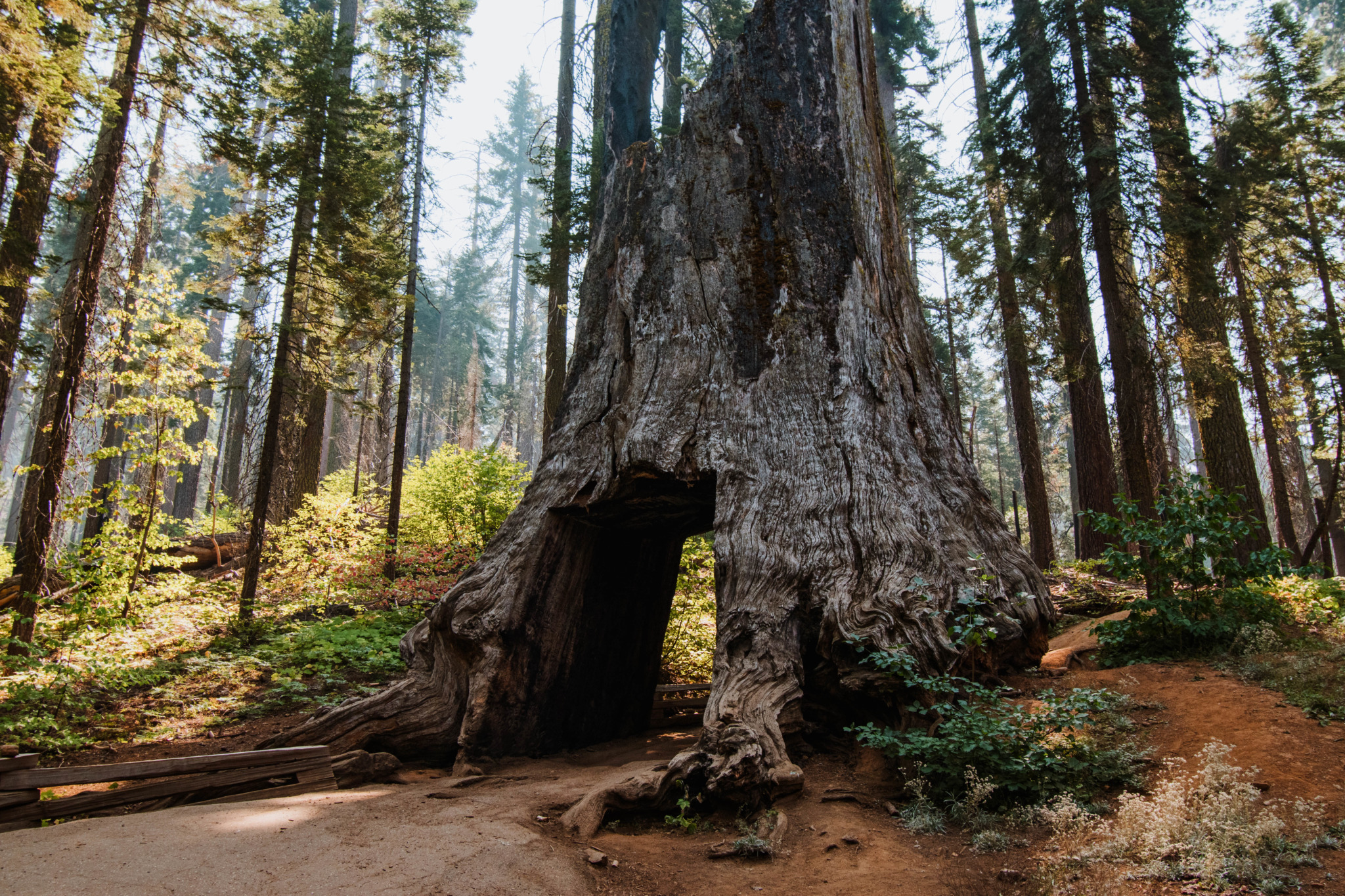
Start your day at Mariposa Grove, home to some of the largest trees on Earth. Standing next to a giant sequoia changes your perspective on time.
Some of these trees were alive before entire civilizations existed. Walking among them feels grounding and humbling.
Take your time here. This is not a place to rush.
Midday: Scenic Drives and Final Stops
Use the afternoon for scenic drives and stops you may have missed:
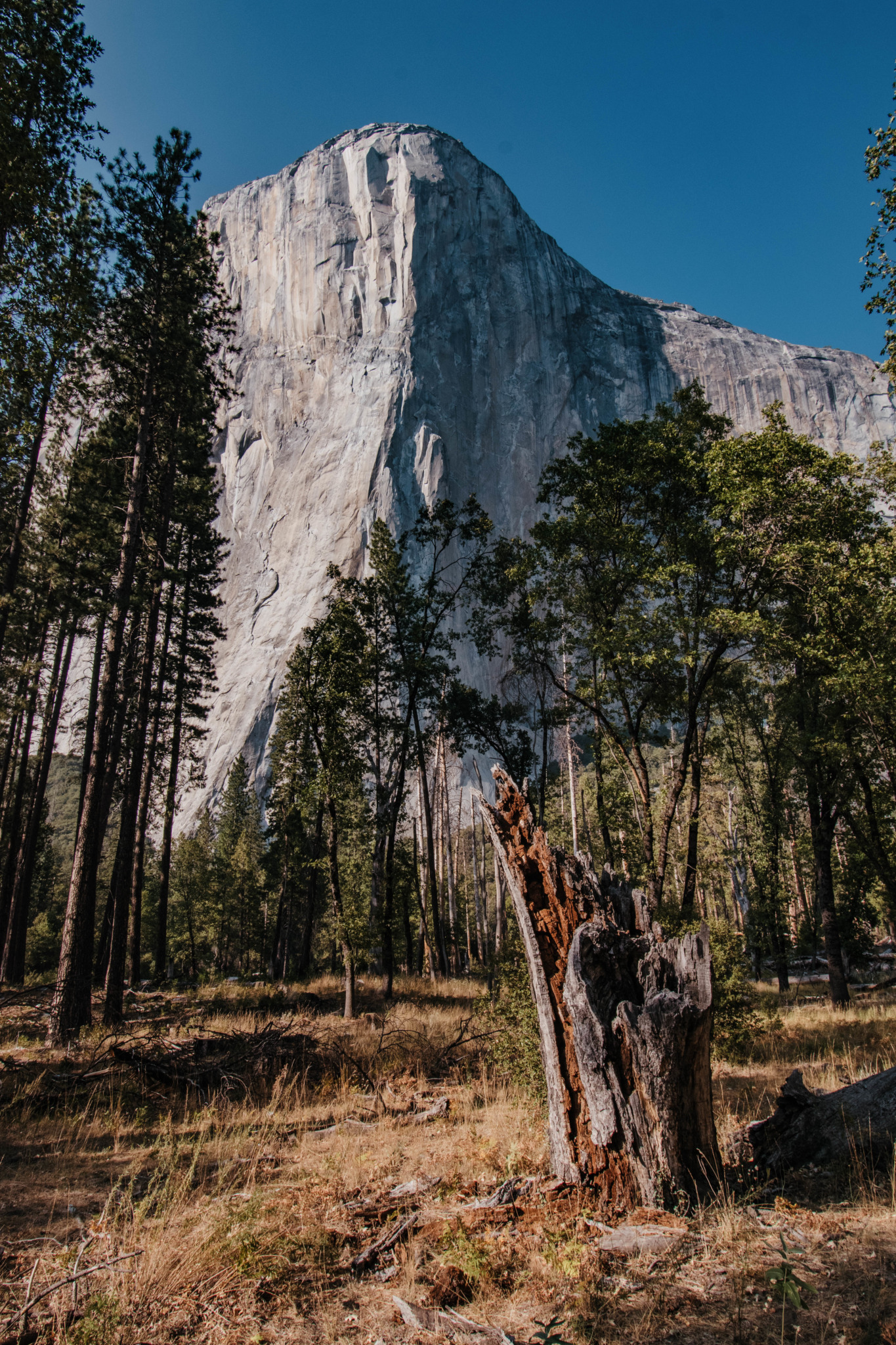
- El Capitan Meadow
- Swinging Bridge
- Valley View
These last moments often become favorites because there’s no pressure. You’re simply enjoying what’s in front of you.
Afternoon: One Last Look Back
Before leaving, pull over one last time. Look back at the valley. Take a deep breath. Yosemite has a way of leaving its mark on people.
What to Pack for Yosemite
You don’t need a lot, but the right gear matters.
Essentials include:
- Comfortable hiking shoes
- Reusable water bottle
- Layered clothing for changing temperatures
- Picnic blanket
- Headlamp or flashlight
Simple preparation makes the experience smoother and more enjoyable.
FAQs About Visiting Yosemite National Park
Is 3 days enough for Yosemite?
Yes, three days is perfect for a first visit. You can see the highlights, hike iconic trails, and still have time to relax without feeling rushed.
What is the best time to visit Yosemite?
Late spring through early fall is ideal. Waterfalls are strongest in spring, while summer offers the best access to high elevation areas. Fall is quieter and great for fewer crowds.
Do I need reservations to enter Yosemite?
Depending on the season, Yosemite may require an entry reservation. Always check the official National Park Service website before your trip.
Is Yosemite good for beginners?
Absolutely. Yosemite offers a mix of easy walks and challenging hikes. You can customize your trip based on fitness level and interests.
Where should I stay near Yosemite?
Staying inside the park saves time, but nearby towns like Mariposa, El Portal, and Oakhurst are great alternatives with more lodging options.
Final Thoughts
Yosemite is not just a place you visit. It’s a place you feel.
In three days, you’ll hike alongside waterfalls, stand beneath ancient trees, and watch the sun set behind granite walls that have stood for millions of years. You’ll leave with tired legs, a full camera roll, and a quiet promise to come back someday.
And chances are, you will.