Yosemite National Park stops people in their tracks. Massive granite cliffs rise thousands of feet. Waterfalls crash down. Ancient sequoias stand tall. Millions head there every year. The season you pick shapes everything from the crowds you face to the views you get and how easy it feels to explore. Pick poorly and you sit in traffic or fight for parking spots. Pick well and you walk quieter trails with the park showing off at its best.
This guide pulls together what actually matters in 2026. It looks at each season with honest details on weather, access, and crowds. You will find what most articles skip, advice tailored to different travelers, a clear comparison table, and real world tips that help you avoid frustration.
Quick Answer
Late May through early June or the full month of September stand out as the strongest windows for most people. Late spring delivers waterfalls at full power, green meadows filled with wildflowers, and high country roads that have just opened. Crowds sit below midsummer levels. September brings comfortable hiking temperatures, noticeably fewer visitors, and soft autumn light. Your choice depends on priorities. Waterfall lovers lean toward spring. People who want peace and easier hiking often pick fall. Summer gives full access but brings heavy crowds and heat. Winter offers solitude with real limitations on where you can drive.
Spring in Yosemite (April through June)
Spring transforms the park. Snowmelt feeds the waterfalls and turns them into powerful displays. Yosemite Falls and others reach peak flow usually between April and June. Meadows fill with wildflowers starting in May. Temperatures feel pleasant in the valley with daytime highs often in the 60s and 70s Fahrenheit.
Roads to higher areas like Tioga Road and Glacier Point Road typically open sometime in late May or early June. Exact timing depends on snowpack that year. Check the NPS conditions page or app right before your trip. Many trails become accessible but some stay wet or muddy early on.
Crowds grow through May and June yet stay manageable compared to July. You still find parking more easily than in peak summer if you arrive early.
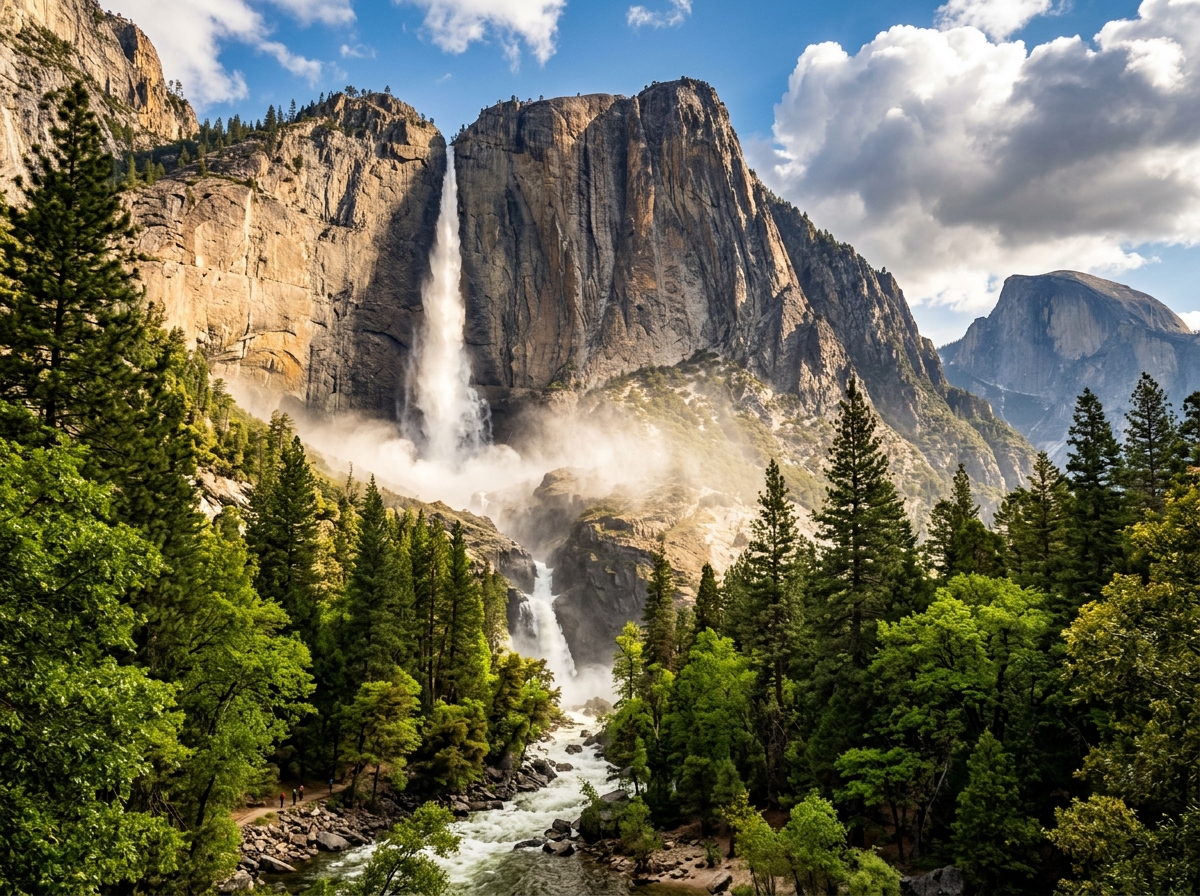
Real downsides exist. High water creates dangerous currents. Several visitors each year slip near rivers or falls and get swept away. Stay on trails and behind barriers. Early season storms can bring rain or even late snow at higher elevations. Mosquitoes start appearing in meadows by late May.
This season suits people who want that classic lush Yosemite look. Hike Mist Trail to Vernal Fall while the water roars beside you. Drive up to Glacier Point once it opens for sweeping views.
Summer in Yosemite (July and August)
All roads stay open. You can reach every corner of the park. High country trails in Tuolumne Meadows beckon with wildflower displays that last into July at higher elevations. Temperatures climb into the 80s and sometimes 90s in the valley. Nights cool down nicely.
Swimming holes in the Merced River become popular. Backpacking trips feel easier with long daylight hours. Rock climbers tackle El Capitan.
The downsides hit hard. Crowds peak and traffic backs up at entrances. Parking in Yosemite Valley can take time. Even without a reservation system in 2026, expect long lines on summer weekends. Mosquitoes swarm near meadows and lakes. Wildfire smoke from California fires sometimes drifts in during August and September. It can haze views and irritate lungs.
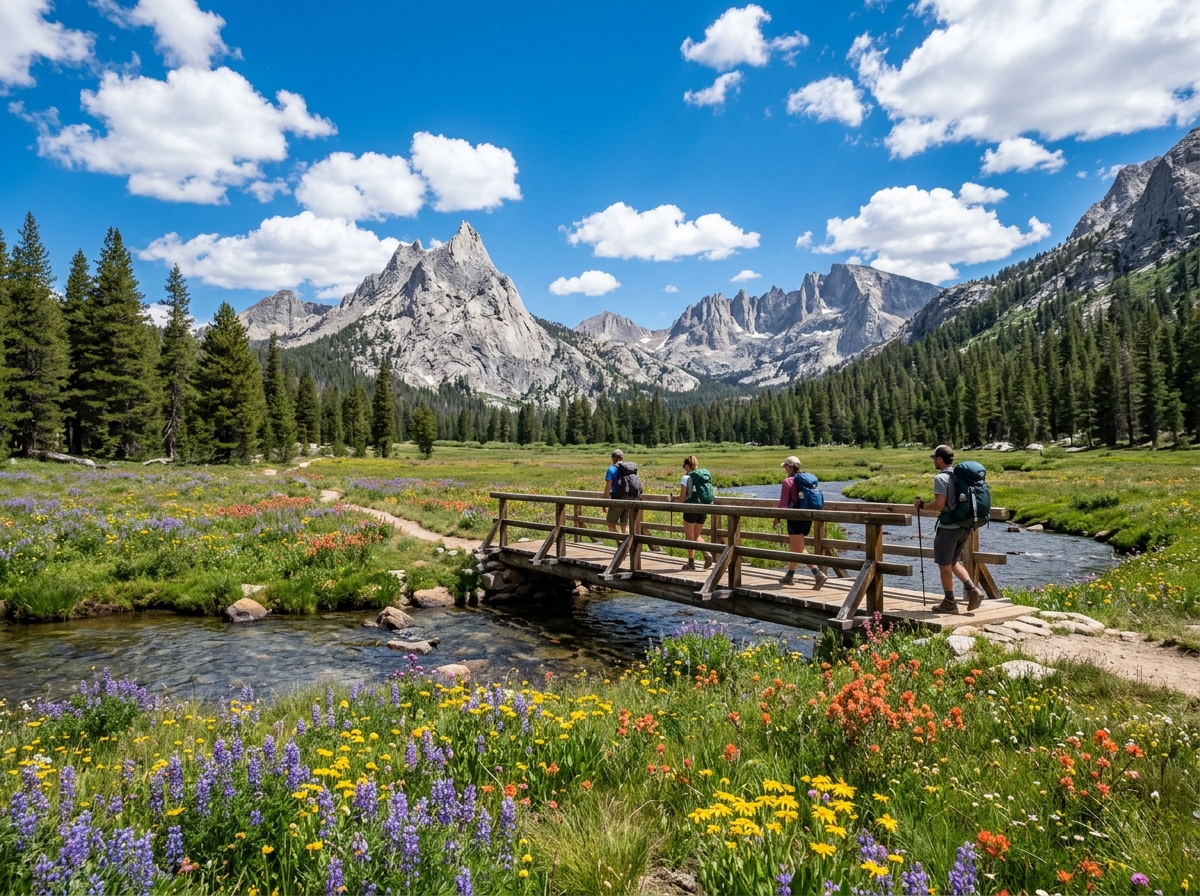
Many visitors still love summer because everything is open. Go early in the morning or stay later in the day to dodge the worst of it. Consider less visited spots like Hetch Hetchy for a quieter feel.
Fall in Yosemite (September through November)
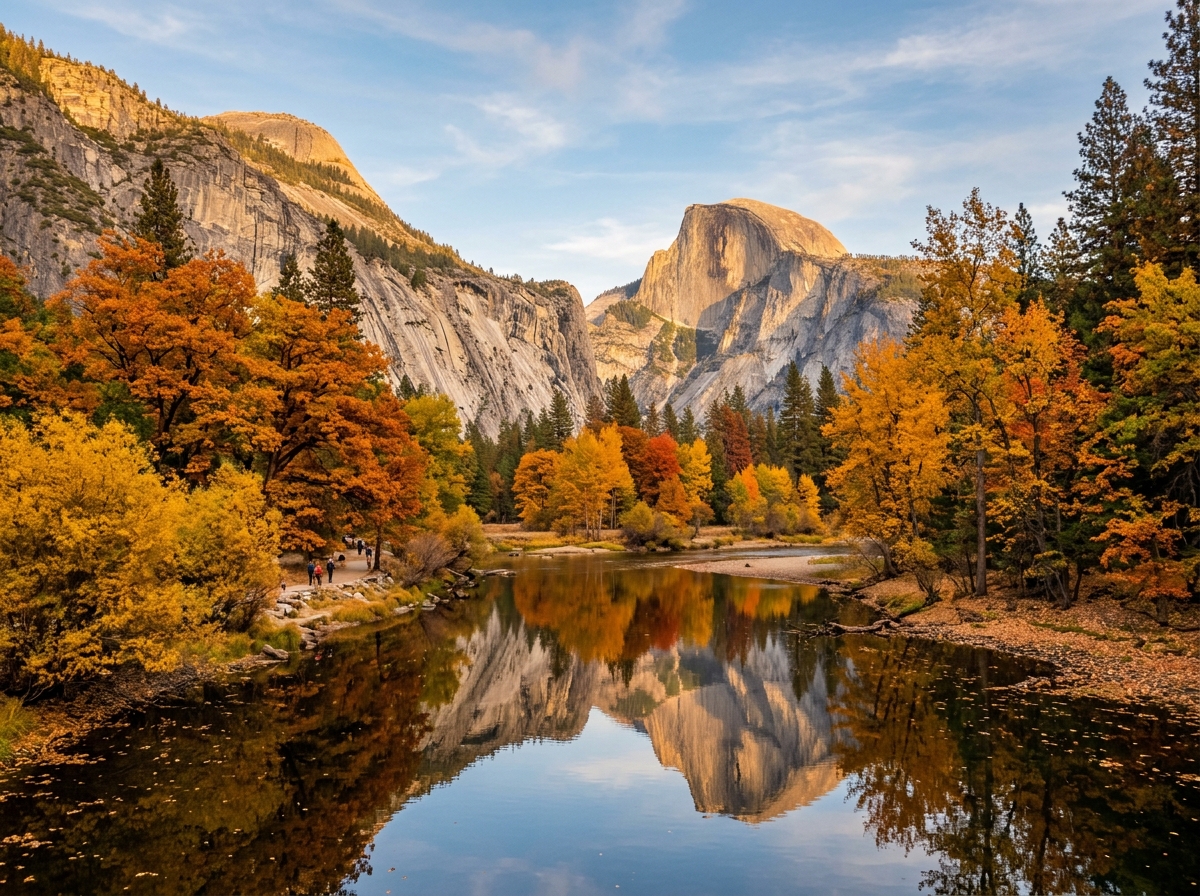
Fall brings some of the nicest weather for hiking. Daytime temperatures often sit in the 70s in September before cooling into the 60s in October. Crowds drop off after Labor Day. You get more space on popular trails.
Dogwood trees and oaks turn yellow and red, especially in the valley and around Wawona. Aspens glow in the high country before Tioga Road closes, often in October or November depending on first snow.
Waterfalls slow to a trickle by late summer and stay low. That trade off brings thinner crowds and beautiful light for photography.
Shoulder season in fall delivers one of the most pleasant overall experiences. Hike without sweating as much. Find parking easier. Enjoy the park without the summer rush.
Winter in Yosemite (December through March)
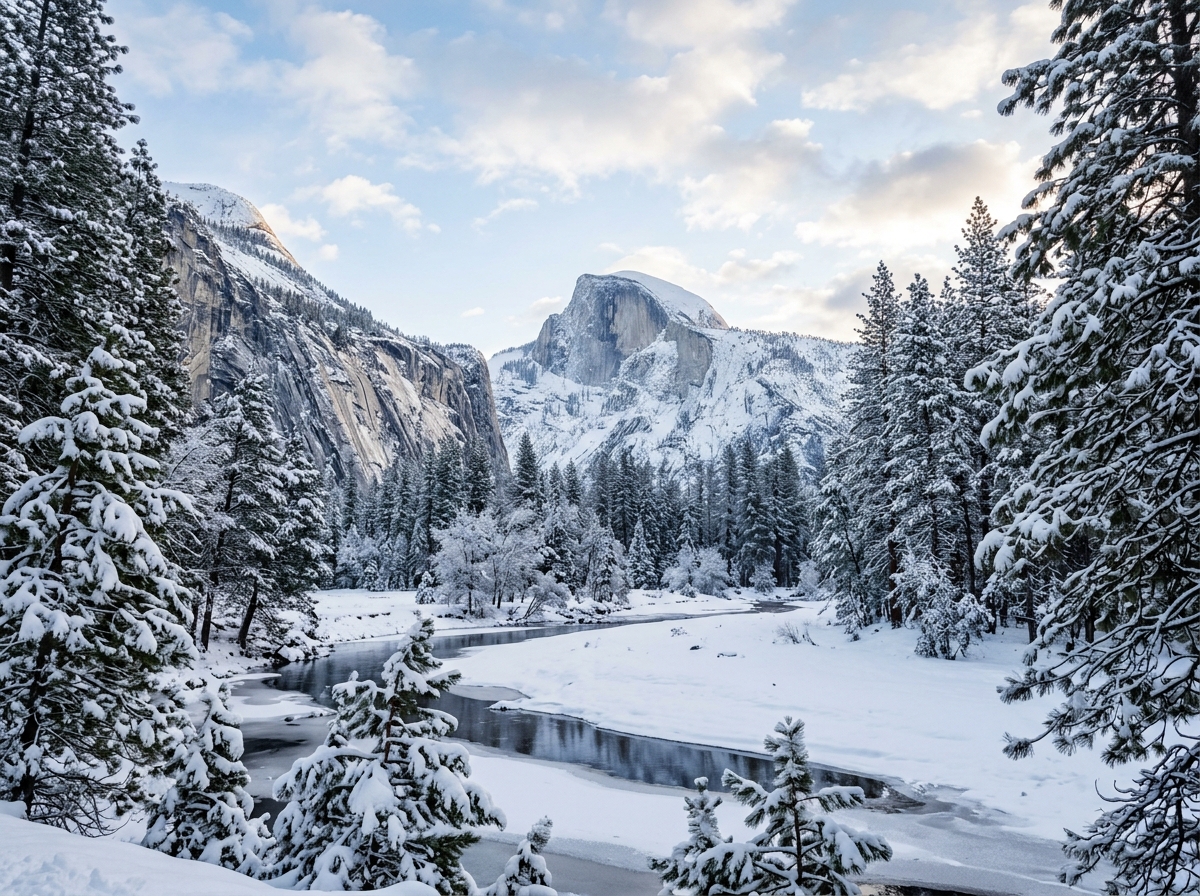
Winter wraps the park in snow and quiet. Yosemite Valley stays open year round. You see far fewer people. Snow dusts the granite domes and creates dramatic scenes for photos. Ice skating happens some years at Curry Village.
Cross country skiing and snowshoeing options open near Badger Pass. Lodging rates outside the park often drop.
Limitations feel significant though. Tioga Road and Glacier Point Road usually stay closed. Many services reduce hours or close. Days stay short. Roads can ice over and require tire chains. Food options inside the park shrink.
This season works well if you want solitude and do not mind limited access. February sometimes brings the rare Firefall when sunset lights Horsetail Fall like flowing lava, but conditions must align perfectly.
What Most Guides Miss
Competitor articles often list pros and cons by season yet skip practical realities that shape your trip.
Elevation changes everything. The valley floor sits around 4000 feet while Tuolumne Meadows reaches over 8500 feet. Temperatures drop fast as you climb and snow lingers longer up high.
Wildfire smoke has become more common in late summer and early fall. It can close trails or simply make the views disappointing. Check air quality apps before you book.
Water safety receives too little attention. Yosemite sees multiple fatalities every year from people slipping on wet rocks near rivers and falls. The current looks calm until it pulls you over an edge. Keep a safe distance.
Even with no vehicle reservations required in 2026, peak times still create entrance bottlenecks and parking shortages. Arrive before 9 a.m. or after 5 p.m. whenever possible. Use the free valley shuttle system.
Half Dome cables usually go up in mid May and come down in mid October. A permit is required to climb the cables. The lottery opens in advance on Recreation.gov.
Bear activity stays high year round. Proper food storage is mandatory in campgrounds and the backcountry. Lodging and campground reservations still fill quickly. Book them months ahead.
The patterns here resemble those for the best time to visit Sequoia National Park just south. Both parks reward shoulder season travel with better access to their highlights and fewer people.
By Traveler Type
Different travelers thrive in different seasons.
Families with young kids often do best in late May or September. Kids handle the milder crowds and temperatures more easily. Shorter valley trails feel less overwhelming. Avoid midsummer heat that can make everyone cranky.
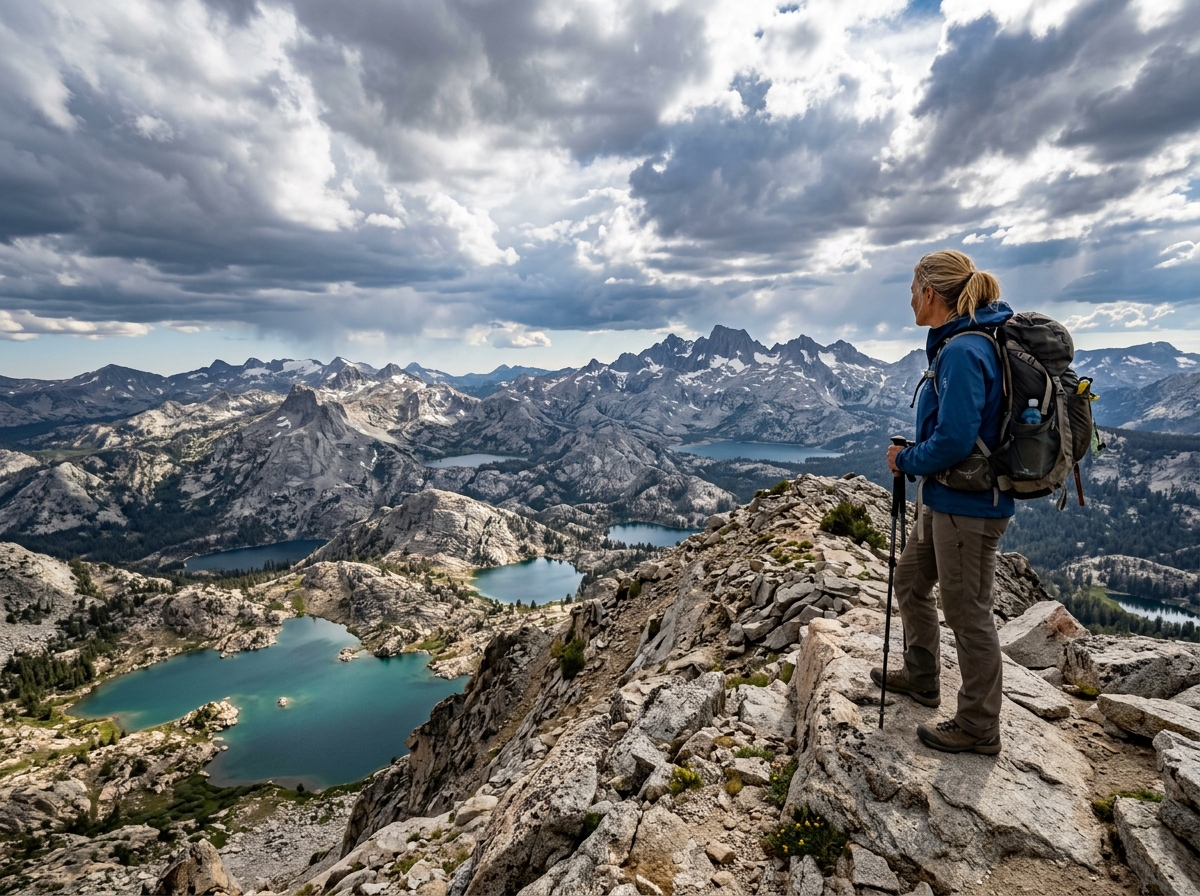
Serious hikers and backpackers should target late June through September for high country access. Shoulder months bring fewer people on trails like the Mist Trail or Half Dome. Wilderness permits are required for overnight trips and go quickly.
Photographers love spring for misty waterfall shots, fall for colorful foliage against granite, and winter for snow contrasts and possible Firefall. Golden hour works any time but fewer visitors in fall and winter mean cleaner compositions without crowds in your frame.
Budget travelers benefit from winter or early spring. Lodging rates outside the park drop. Fewer visitors mean less competition for campsites that do not require reservations far ahead.
First timers usually enjoy late May to early June most. You get the full dramatic experience with waterfalls, green landscapes, and most roads open without the absolute peak summer crowds.
Couples seeking romance or solo travelers often pick September or October. Quieter trails create space for reflection and easier conversations on scenic drives.
Quick Reference Comparison
| Season | Crowd Level | Waterfalls | High Country Access | Avg Valley High/Low (F) | Best For |
|---|---|---|---|---|---|
| Spring (Apr-Jun) | Medium, rising | Peak flow | Opens late May/Jun | 65-80 / 40-55 | Waterfalls, flowers, photography |
| Summer (Jul-Aug) | Very high | Low to dry | Fully open | 85-90 / 55-60 | All trails, swimming, backpacking |
| Fall (Sep-Nov) | Low to medium | Low | Closes Oct/Nov | 70-83 / 45-55 | Hiking, colors, pleasant temps |
| Winter (Dec-Mar) | Very low | Minimal | Limited | 45-55 / 25-35 | Solitude, snow scenes, winter sports |
Practical Tips That Make a Difference
Grab a copy of the National Geographic Trails Illustrated Yosemite map on Amazon early in your planning. It shows elevations, water sources, and trail connections that help you match routes to the season and your fitness level.
Download the official NPS Yosemite app before you arrive. It works offline and gives real time road status, trail conditions, and shuttle schedules. Cell service inside the park stays spotty.
Pack layers no matter the season. Mornings and evenings turn cold even in summer. Bring rain gear in spring and sturdy waterproof boots.
For day hikes and backpacking, the Sawyer Squeeze water filter available on Amazon lets you safely refill from streams instead of hauling heavy bottles all day.
Arrive at entrances early or late to skip lines. Park once in the valley and ride the free shuttle. Follow bear safety rules strictly. Use food lockers.
Check current conditions on nps.gov/yose the week before your trip. Road openings, fire activity, and snow levels can shift.
For overnight backcountry trips, a BearVault BV500 food canister from Amazon is essential. Rangers require these approved models to protect both your food and the bears.

BearVault Canister for Backpacking
Final Thoughts
Yosemite rewards thoughtful planning. No single perfect time exists for everyone. Late spring and early fall give most visitors the best mix of scenery, access, and manageable crowds. Summer works if you embrace the energy and visit at smart hours. Winter delivers a completely different and peaceful park if you adjust expectations around closures.
Focus on what you want to see and do. Build flexibility into your plans. Check conditions right before travel. Stay safe around water and wildlife. When you match your trip to the season that fits your style, Yosemite delivers memories that last a lifetime.
FAQs
Do I need a reservation to enter Yosemite in 2026?
No. The park dropped the vehicle reservation requirement for the entire year. You still pay the entrance fee. Buy a digital pass in advance on Recreation.gov for faster processing at the gate.
What is the cheapest time to visit Yosemite?
Winter and early spring usually bring lower lodging rates outside the park. Crowds drop so you spend less time waiting and more time enjoying the scenery.
When are the waterfalls best in Yosemite?
April through June. Peak flow often hits in May. Later in summer many falls slow dramatically or dry up completely.
Is it worth visiting Yosemite in winter?
Yes if you want quiet beauty and do not mind limited road access. The valley stays open and feels magical with snow. High country roads close so plan activities accordingly.
How bad are the crowds in July and August?
They get heavy. Expect traffic, full parking lots, and busy trails in the valley. Go very early in the morning or focus on less visited areas like Hetch Hetchy.
When do the leaves change color in Yosemite?
Usually October. Dogwoods and oaks in the valley and Wawona turn first. High country aspens glow earlier in September.
What about mosquitoes and wildfire smoke?
Mosquitoes peak in June and July near water and meadows. Bring repellent. Wildfire smoke can appear from August onward and affect air quality and views. Monitor forecasts.
Do kids enjoy Yosemite more in certain seasons?
Many families prefer late May, June, or September. Milder weather and fewer extreme crowds make it easier to hike easy trails and find space for picnics.
This guide gives you everything you need to choose wisely and travel smarter. Enjoy your time in Yosemite.