
First, one thing locals will tell you immediately: you are on Cape Cod, not in it. This is not a technicality. It captures something true about the place. Cape Cod is a peninsula that extends like a flexed arm into the Atlantic, and its geography is fundamental to understanding why different parts of it feel so different.
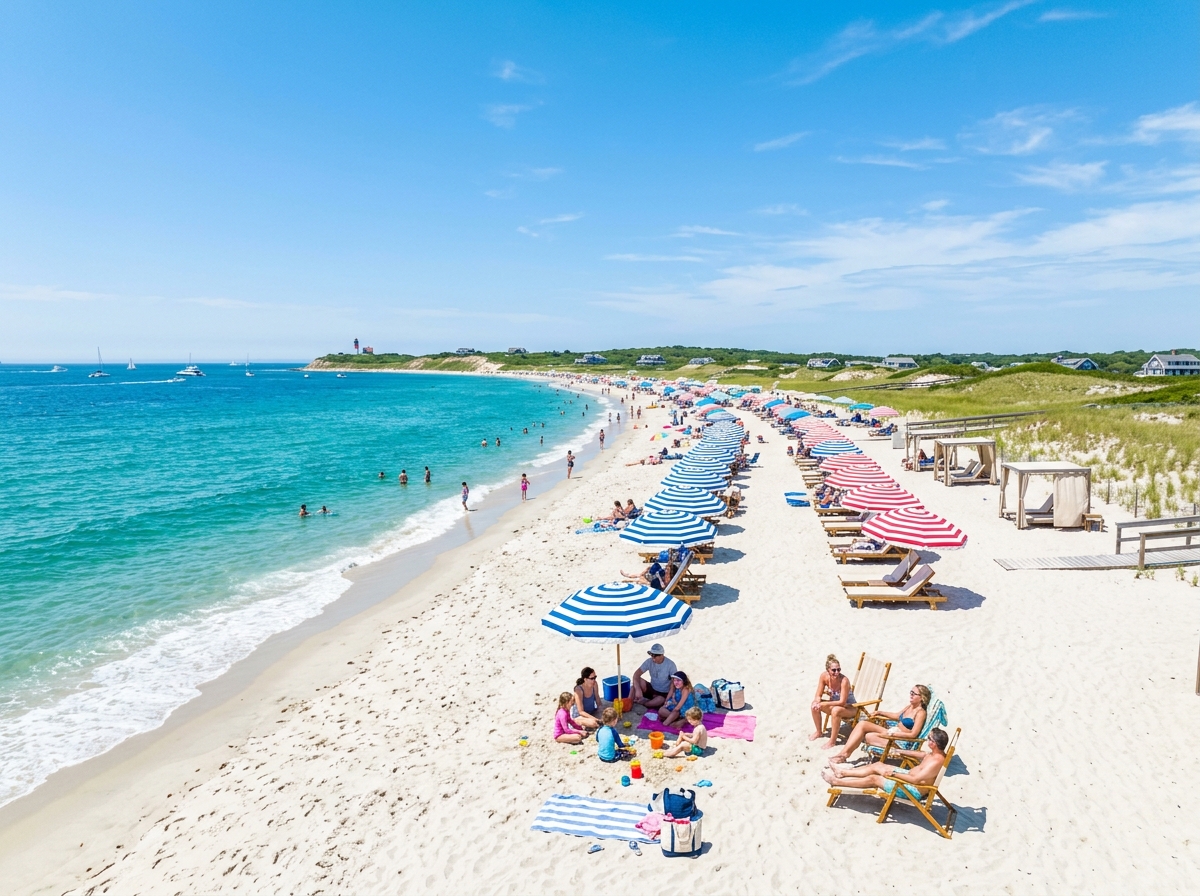
The Cape has three different ocean sides. The bay side faces Cape Cod Bay with calm, warm, shallow water. The sound side faces Nantucket Sound with similarly protected waters. The Atlantic side, the outer edge of the Cape, faces the open ocean with cold water, strong surf, and the most dramatic beach landscape in New England.

Which side, and which region, should determine where you go before you start picking towns.
Quick Answer: Best Places to Visit in Cape Cod
For a first visit, Provincetown at the tip for the most complete Cape experience, Chatham for the most charming mid-size town and the seal colony, and at least one National Seashore beach. For a quieter, more local experience, Wellfleet and Truro deliver the Outer Cape without Provincetown’s summer crowds. For families and easy access from the mainland, Falmouth and Sandwich in the Upper Cape are excellent starting points.
Understanding Cape Cod by Region
Cape Cod divides into four distinct regions, and they are genuinely different from each other in character and atmosphere.
Upper Cape (Bourne, Sandwich, Mashpee, Falmouth): Closest to the mainland, most accessible, more year-round residential. Falmouth and Sandwich both have genuine small-town character.
Mid Cape (Barnstable, Hyannis, Yarmouth, Dennis): The transportation and commercial hub. Hyannis is the largest town, with ferries to the islands and more infrastructure than anywhere else on the Cape.
Lower Cape (Brewster, Harwich, Chatham, Orleans): The “elbow” of the Cape. Some of the best beaches and the most charming towns. Chatham in particular is considered the most beautiful and well-preserved Cape town by many who know the Cape well.
Outer Cape (Eastham, Wellfleet, Truro, Provincetown): The tip of the peninsula, where the Cape Cod National Seashore protects 40 miles of undeveloped Atlantic coastline. The most dramatic landscape and the most famous destination at its end.
Provincetown: The Most Distinctive Town in New England
Provincetown sits at the very tip of the Cape, and it is worth the drive from anywhere on the peninsula.
Commercial Street, Provincetown’s main street, runs for about two miles along the waterfront and is one of the most energetic, genuinely diverse streets in New England. Art galleries sit beside drag show venues, whale-watching tour offices operate next to boutiques, and the whole enterprise buzzes from late morning until well after midnight in summer.
Provincetown has been an artists’ colony since the early 20th century when painters including Edward Hopper and Charles Hawthorne were drawn here by the extraordinary quality of light. It later became one of the first established LGBTQ+-welcoming communities in the United States, a character it has maintained with genuine pride.
Race Point Beach and Herring Cove Beach, both within the National Seashore, are the two main Provincetown beaches. Race Point faces the open Atlantic with strong surf and dramatic views of the Race Point Lighthouse. Herring Cove is calmer and faces west, making it one of the best sunset beaches on the entire Cape.

Whale watching from Provincetown is among the best in the world. The Stellwagen Bank National Marine Sanctuary, just off the coast, is globally recognised for its concentration of marine life. Humpback whales, finback whales, and minke whales are regularly seen on tours that run from spring through fall. Operators like the Dolphin Fleet have been running tours from MacMillan Pier for decades with naturalists on board.
Pilgrim Monument and Provincetown Museum commemorates the Mayflower Pilgrims’ first landing here in 1620, before they moved on to Plymouth. The monument itself, the tallest all-granite structure in the United States at 252 feet, gives views across the entire Outer Cape on clear days.
Practical notes: Provincetown fills up completely in July and August. Book accommodation months ahead for peak season. Parking is extremely limited. Take the Provincetown Ferry from Boston (a 90-minute fast ferry from Long Wharf, seasonal) or the Plymouth ferry as a car-free alternative that avoids the Cape’s legendary summer traffic entirely.
Best for: LGBTQ+ visitors, art lovers, whale watching, nightlife, the full Cape Cod experience in one town
The Cape Cod National Seashore: The Backbone of the Outer Cape
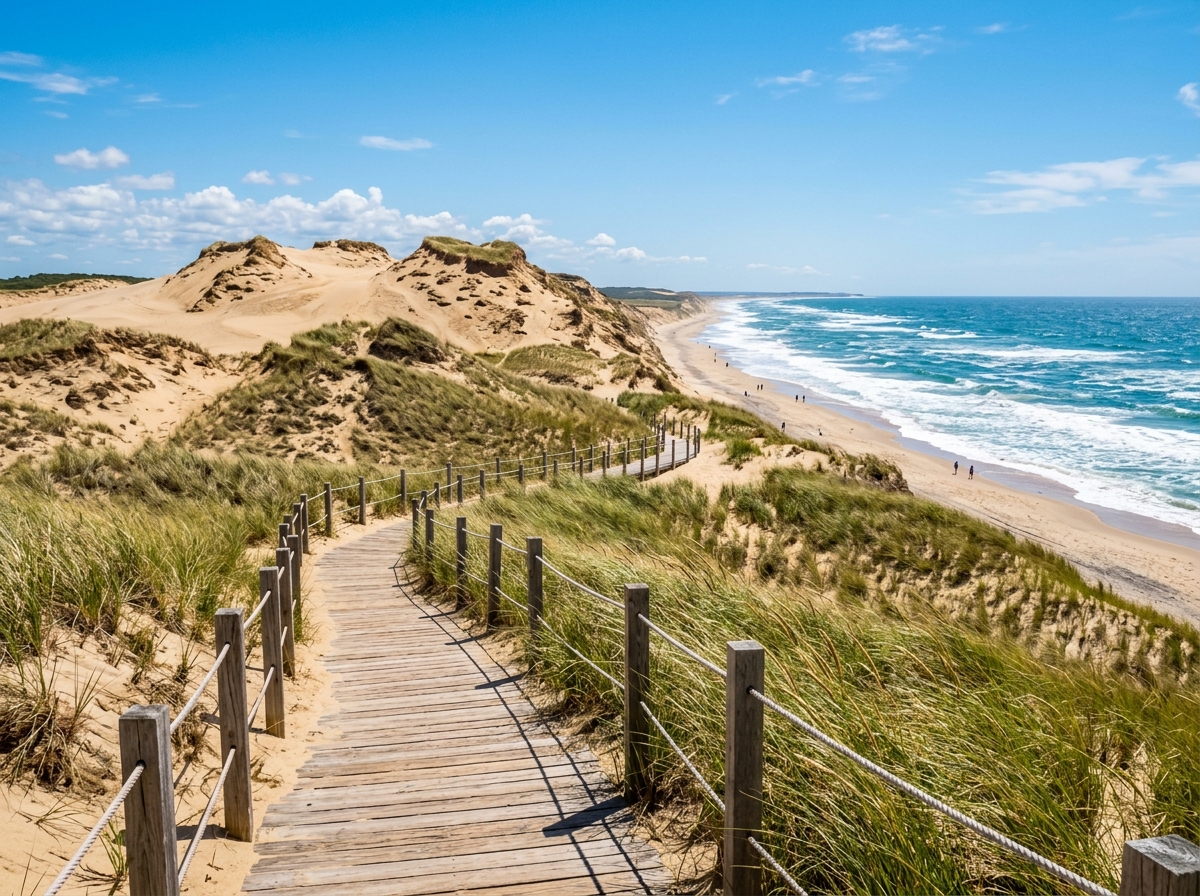
The Cape Cod National Seashore protects 40 miles of Atlantic coastline from Eastham to Provincetown and is one of the most significant conservation decisions in New England history. Without it, the entire Outer Cape would have been developed in the 1950s and 1960s.
Six beaches within the National Seashore are among the best in the country. Each has a slightly different character.
Coast Guard Beach in Eastham is consistently named one of the best beaches in the United States. It faces the open Atlantic with classic Outer Cape scenery, good surf, and a long undeveloped stretch of sand dunes. A shuttle runs from the Salt Pond Visitor Center in summer, as the parking lot is small.
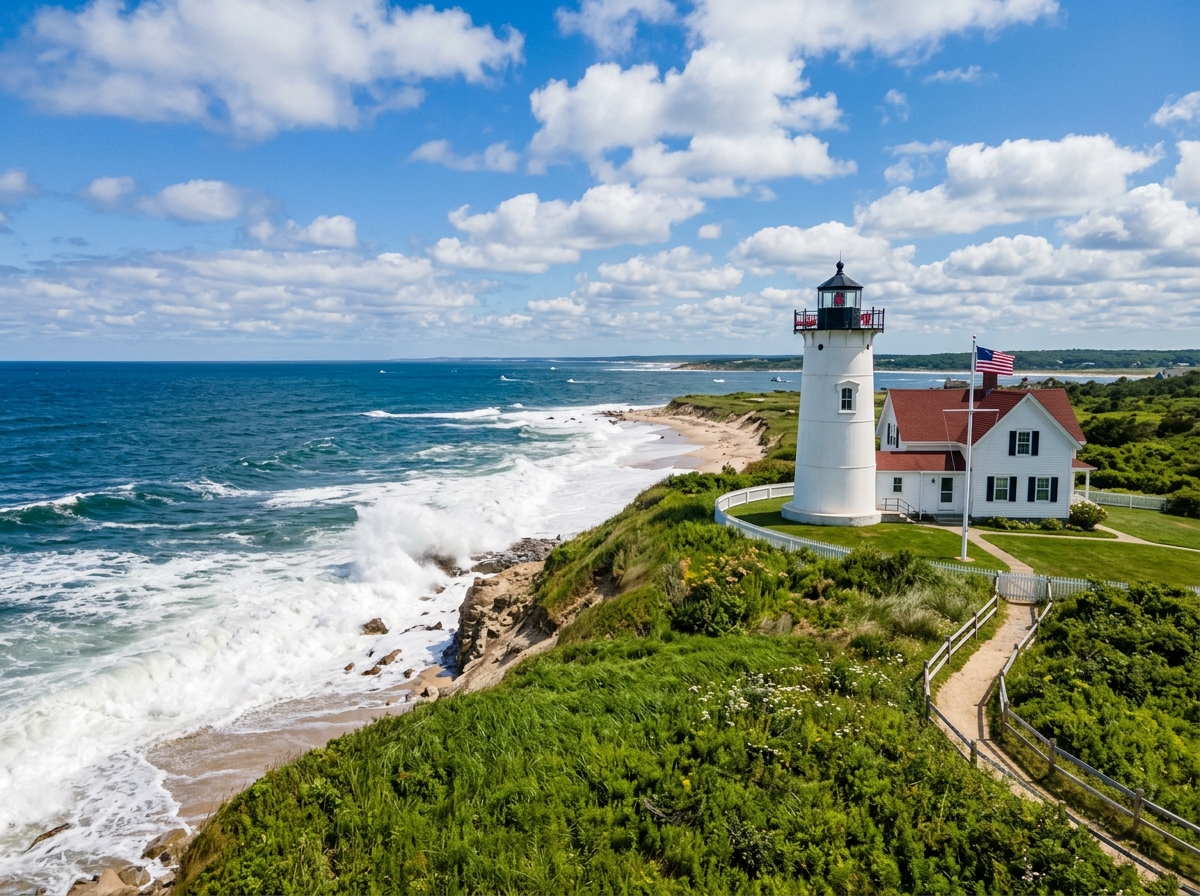
Nauset Light Beach in Eastham is perhaps the most photographed beach in the National Seashore, sitting below the iconic Nauset Light lighthouse. The beach drops off steeply into the Atlantic and the surf here is serious.
Marconi Beach in Wellfleet has high clay cliffs above the beach, a distinctive and striking setting for an Atlantic beach. Named for Guglielmo Marconi, who transmitted the first transatlantic wireless message from this location in 1903.
Head of the Meadow Beach in Truro is one of the quieter National Seashore beaches, long and undeveloped, with the rolling dune landscape that defines the Outer Cape at its most dramatic.
Practical notes: The National Seashore charges $25 per vehicle from May 1 through September 30, or free with an America the Beautiful National Parks Annual Pass ($80 per year). If you plan to visit more than three or four times, the annual pass covers Cape Cod Seashore entry across all six beaches and pays for itself quickly. A per-pedestrian or per-cyclist fee of $3 applies if arriving without a vehicle.
For a full beach day at the National Seashore with the strong Atlantic sun and long stretches of open sand, a proper beach umbrella with a sand anchor stake makes the difference between a comfortable afternoon and a sunburned one. The Sport-Brella XL Portable Sun and Wind Shelter (available on Amazon) is a full shade umbrella with built-in UV protection, stakes into sand securely against Cape Cod’s coastal breezes, and is large enough for a family to sit comfortably under.
Chatham: The Most Charming Town on the Cape
Chatham sits at the “elbow” of the Cape where the Lower Cape bends south, and it is the town most often named by people who know Cape Cod well as their favourite.
The village centre has a pedestrian-friendly main street with independent shops and restaurants, a bandstand for free Friday evening concerts in summer, and the kind of architectural consistency that comes from taking historic preservation seriously over decades.
Chatham Bars Inn, one of the oldest and most celebrated resort hotels in New England, sits on the bluff above the Atlantic and has been operating since 1914. Even if you are not staying there, the property is worth walking through for its extraordinary setting.
The Chatham Lighthouse overlooks the break in the barrier beach where the Atlantic enters Chatham Harbor. The lighthouse viewing area gives one of the best views of the seal colony that has established itself on the outer sandbars. Grey seals haul out here year-round, with numbers peaking in winter, and the seal colony has attracted white sharks to the area seasonally. More on that below.
The Atwood House Museum is a complex of historic buildings from 1752 onward that gives the best picture of Cape Cod’s maritime history available in any single site.
Best for: Couples, upscale travellers, anyone wanting the classic Cape Cod town experience, seal watching, the most beautiful village centre on the peninsula
White Sharks: The Honest Cape Cod Conversation
Cape Cod has seen an increase in white shark activity in recent years, directly related to the seal colony’s growth. This is worth addressing honestly rather than ignoring.
White sharks feed on grey seals, which are now abundant along the Outer Cape from Chatham north through Nauset and into the National Seashore beaches. The sharks follow the seals. The Massachusetts Division of Marine Fisheries tracks shark activity and the Atlantic White Shark Conservancy (sharktivity.org) publishes a real-time app showing tagged shark detections near Cape Cod beaches.
The honest assessment: the risk to swimmers is statistically very low. Cape Cod has had a small number of shark incidents over many years with a large swimming population. The meaningful precautions are not complicated: swim at lifeguarded beaches, do not swim near seals, avoid murky water where visibility is poor, and check the Sharktivity app before entering the ocean at any Outer Cape beach.
Staying north of Truro and on the bay side of the Cape dramatically reduces any shark-related concern, as the seals concentrate on the Atlantic-facing Outer Cape beaches.
Wellfleet: Oysters, Art, and the Best Quiet Town
Wellfleet is what travellers who know the Outer Cape well consider their secret. It has a genuine art gallery scene comparable to Provincetown at a fraction of the crowds, one of the best drive-in movie theatres remaining in New England, and the Wellfleet oyster, widely considered among the finest in the world.
Wellfleet oysters are farmed in the cold, clean waters of Wellfleet Harbor and have a distinctive briny, mineral quality that serious oyster eaters prioritise. The Wellfleet OysterFest in October is one of the best food events in New England, drawing serious visitors who come specifically for the oysters and the celebration of local aquaculture.
The Lieutenant Island Causeway connects the town to a small tidal island that becomes cut off at high tide, which visitors need to check before crossing. The walk across at low tide and the bird life in the surrounding marsh is a genuinely peaceful experience well away from summer traffic.
Great Island Trail in Wellfleet is one of the best hikes on Cape Cod and one of the most under-visited. The 8-mile out-and-back trail (with shorter options) winds through dunes, pine forest, and beach to the remote Jeremy Point at the end of a tidal spit. It requires checking tide schedules to avoid being cut off, and there is little shade, but the solitude and landscape reward the effort significantly.
Best for: Foodies, oyster lovers, hikers, artists, anyone wanting Outer Cape experience without Provincetown crowds
Sandwich: The Oldest and Most Underrated Upper Cape Town
Sandwich, founded in 1637, is the oldest town on Cape Cod, and most visitors drive straight through it on their way to the beaches further out. That is a mistake.
The Sandwich Glass Museum tells the story of the Boston and Sandwich Glass Company, which operated from 1825 to 1888 and produced pressed glass that was known globally. Live glass-blowing demonstrations run in the attached workshop, and the collection shows the full range of Victorian American glassmaking in one place. It is one of the best small specialist museums in New England.
Heritage Museums and Gardens is a 100-acre cultural complex with extraordinary gardens, an antique automobile museum, an art collection, and the largest rhododendron garden in New England that peaks in late May and June. It is the best non-beach family day in the Upper Cape.
Shawme-Crowell State Forest, immediately west of the town centre, has miles of hiking and mountain biking trails through pine forest and connects to the Cape Cod Canal.
Best for: History, families, the Glass Museum, anyone arriving from the mainland who wants a meaningful first stop
Falmouth: The Upper Cape’s Most Complete Town
Falmouth is the second-largest town on Cape Cod and has a genuine year-round community that the tourist-focused outer towns do not. The town green, the charming Main Street, the Shining Sea Bikeway, and the ferry connection to Martha’s Vineyard make it one of the most versatile bases for a Cape visit.
The Shining Sea Bikeway runs 10.7 miles from Falmouth to Woods Hole along a former rail corridor with views of salt marshes, Vineyard Sound, and the Outer Islands. It is one of the most beautiful flat cycling routes in New England and works for riders of all ability levels.
Woods Hole at the end of the bikeway and ferry route is one of the world’s leading oceanographic research centres, home to the Woods Hole Oceanographic Institution (WHOI) and the Marine Biological Laboratory. The free WHOI Ocean Science Exhibit Centre explains ocean science and the Institution’s history of exploration including the discovery of the Titanic wreck. It is a genuinely excellent free stop that most Cape visitors never consider.
The Island Queen and Steamship Authority ferries to Martha’s Vineyard depart from Falmouth and Woods Hole respectively, making Falmouth the most logical base for a combined Cape and Vineyard trip.

Best for: Families, cyclists, ferry access to Martha’s Vineyard, a genuine town experience outside tourist season
The Cape Cod Rail Trail: The Best Way to Experience the Mid Cape
The Cape Cod Rail Trail is a 25-mile paved cycling path running from Dennis to Wellfleet along a former railroad corridor. It passes through cranberry bogs, kettle ponds, oak and pine forest, and salt marsh with almost no road crossings, making it one of the safest and most scenic cycling routes in New England.
The trail connects several of the Cape’s best swimming spots. Nickerson State Park in Brewster, through which the trail passes, has eight kettle ponds for swimming in the middle of the route. The ponds are glacially-formed, clear, and freshwater, making them perfect alternatives to the ocean for families and non-swimmers.
Bike rentals are available in Orleans, Brewster, and several trail access points. The whole trail takes about three hours of cycling at a relaxed pace, or sections can be done as shorter out-and-back rides.
For the Rail Trail and any Cape Cod cycling, a cycling-specific hydration pack keeps water accessible without stopping and works for the long, exposed sections through pine barrens where there is no shade or water access. The CamelBak M.U.L.E. Hydration Pack 12L (available on Amazon) holds three litres of water, has cargo capacity for a light jacket and snacks, and is the standard choice for rail trail cyclists across New England for multi-hour rides in summer heat.

CamelBak M.U.L.E. Mountain Bike Hydration Pack
Hyannis: The Cape’s Commercial Hub
Hyannis is not the most charming town on the Cape, but it is the most useful one for logistics. The main ferry terminal for Nantucket and Martha’s Vineyard is here. The CapeFLYER train from South Station in Boston arrives here in summer. The regional airport serves year-round flights. And the JFK Hyannis Museum, on Main Street, is a genuinely compelling small museum about the Kennedy family’s deep connection to the Cape.
The JFK Hyannis Museum covers President Kennedy’s summers in Hyannis Port with extensive photographic and archival material. The Kennedy Compound remains a private residence, but the museum provides the historical context that makes the family’s relationship with Cape Cod genuinely meaningful rather than just a famous address.
Main Street Hyannis has improved considerably in recent years and is worth an evening for its restaurants and shops, even if the town itself does not have the historic character of Chatham or Sandwich.
Chatham to Provincetown: The Outer Cape Drive
One of the best things you can do on Cape Cod is simply drive Route 6 from Chatham up through Orleans, Eastham, Wellfleet, Truro, and into Provincetown, stopping wherever you want.
The landscape changes significantly as you move north. The Mid Cape is green and residential. The Lower Cape opens up into wider sky and more visible water. The Outer Cape, from Eastham to Provincetown, becomes increasingly dramatic, with the National Seashore beaches on your left and the bay on your right, and the feeling of being at the genuine edge of the continent growing stronger with each mile.
This drive, with stops at the Salt Pond Visitor Center in Eastham (the best orientation point for the National Seashore), a National Seashore beach, and Wellfleet village, makes an excellent full day from any base on the Cape.
Practical Tips for Visiting Cape Cod
Traffic on the bridges is the main planning factor. Two bridges cross the Cape Cod Canal. The Sagamore Bridge (Route 6) serves the Upper Cape and Mid Cape. The Bourne Bridge (Route 28) serves the southern towns. On summer weekends, both bridges see significant backups, particularly on Friday afternoons going onto the Cape and Sunday evenings returning to the mainland. Going on a Thursday, staying through Monday, or driving very early on Friday morning dramatically improves the experience.
The CapeFLYER train from Boston is underused by visitors. The summer-only CapeFLYER runs from South Station in Boston to Hyannis on Friday evenings and weekends, returning Sunday and Monday. It is an excellent alternative to driving for visitors who do not need a car for their entire trip and are basing themselves in Hyannis or the Mid Cape.
September is genuinely excellent. Many Cape veterans consider September the best month on the Cape. Ocean temperatures are at their warmest (they lag behind air temperatures and peak in September), crowds drop significantly after Labour Day, prices fall, and the beaches are often less busy on weekdays. The fall scene in New England generally, from Vermont’s foliage to the Cape’s cranberry bog harvest, makes September through October the most rewarding shoulder season in the region.
The CapeFLYER also connects to ferry services for Martha’s Vineyard and Nantucket. For a car-free New England weekend combining Boston, Cape Cod, and the Islands, the train-ferry combination is one of the most elegant travel routes in the northeast.
Best time: July and August for peak beach weather and most activities open. September for the best balance of warm water, manageable crowds, and lower prices. May and June for spring blooms at Heritage Gardens and lighter crowds. October for cranberry bog harvest colours and the Wellfleet OysterFest.
For a Cape Cod trip involving beach days, ferry trips, Rail Trail cycling, and lighthouse walks, a durable canvas tote that holds towels, sunscreen, snacks, and a book for the beach is the quintessential New England summer bag. The L.L.Bean Medium Canvas Tote (available on Amazon) has been the default Cape Cod beach bag for generations for good reason: it holds more than it looks like it should, handles wet towels and sandy shoes without complaint, and is the kind of bag you still use ten years later.

Lands’ End Medium Regular Handle Tote Bag
Best Places in Cape Cod by Traveller Type
First-time visitors: Provincetown for the most complete single-destination experience. Chatham for the best classic Cape town. At least one National Seashore beach. The Stellwagen Bank whale watching tour from Provincetown.
Families: Nickerson State Park in Brewster for kettle pond swimming. Heritage Museums and Gardens in Sandwich. The Cape Cod Museum of Natural History in Brewster. Falmouth for its manageable size and Shining Sea Bikeway.
Cyclists: The Cape Cod Rail Trail from Dennis to Wellfleet. The Shining Sea Bikeway in Falmouth. The Province Lands trail system in the National Seashore near Provincetown.
Foodies and seafood lovers: Wellfleet for oysters and the OysterFest in October. Provincetown’s Commercial Street for the widest restaurant range. Chatham and Orleans for excellent local seafood restaurants.
Whale watchers: Provincetown is the departure point for the Cape’s best whale watching tours. The Stellwagen Bank sanctuary is most active from April through October. The Dolphin Fleet has the longest-established naturalist-guided tours.
LGBTQ+ travellers: Provincetown is one of the most established and welcoming LGBTQ+ destinations in New England. The Carnival Week parade in August and Bear Week in July are the biggest annual events.
History lovers: Sandwich (oldest town, Glass Museum). Wellfleet (Marconi historic site). Provincetown (Pilgrim Monument, first Mayflower landing). Truro and Hyannis for JFK connections.
Quick Reference Table
| Town | Region | Best For | Drive from Sagamore Bridge |
|---|---|---|---|
| Sandwich | Upper Cape | History, Glass Museum, Heritage Gardens | 5 min |
| Falmouth | Upper Cape | Cycling, ferries, year-round character | 20 min |
| Woods Hole | Upper Cape | Oceanography, Martha’s Vineyard ferry | 25 min |
| Hyannis | Mid Cape | Ferries, transport hub, JFK Museum | 30 min |
| Chatham | Lower Cape | Best classic Cape town, seals | 55 min |
| Brewster | Lower Cape | Rail Trail, Nickerson State Park | 50 min |
| Wellfleet | Outer Cape | Oysters, art, Great Island hike | 1 hr 15 min |
| Truro | Outer Cape | Vineyards, quiet dunes, Pamet Trails | 1 hr 25 min |
| Provincetown | Outer Cape | Everything at the tip of the Cape | 1 hr 40 min |
Frequently Asked Questions
What is the most beautiful place on Cape Cod?
Most experienced Cape visitors name either Provincetown for its dramatic position at the tip and the quality of its light, or Chatham for its perfectly preserved village character and lighthouse setting. The National Seashore beaches, particularly Coast Guard Beach in Eastham, are consistently named among the most beautiful beaches in the United States.
How many days do you need on Cape Cod?
Three days covers a solid introduction: one day on the Outer Cape and Provincetown, one day exploring a Mid or Lower Cape town like Chatham or Wellfleet, and one beach day at a National Seashore beach. A week allows the Rail Trail, ferry trips to the islands, and a more relaxed pace.
What is the best town to stay in on Cape Cod?
Provincetown for those who want the full Cape Cod experience in one place. Chatham for a quieter, more upscale stay. Falmouth for families and those wanting ferry access to the islands. Eastham or Orleans for those primarily visiting the National Seashore.
Is Cape Cod worth visiting in the off-season?
Yes. September and October offer warm water, fewer crowds, and the beautiful fall colours of the cranberry bogs turning red. Winter is quiet and beautiful for beach walks. The Wellfleet OysterFest in October is one of the best single events in New England.
What is the shark situation on Cape Cod?
White sharks are seasonally present on the Outer Cape, attracted by the grey seal population that has grown significantly over the past decade. The Massachusetts Division of Marine Fisheries and the Atlantic White Shark Conservancy (sharktivity.org) track shark activity. Meaningful precautions include not swimming near seals, choosing lifeguarded beaches, and checking the Sharktivity app before entering the water on Outer Cape Atlantic beaches.
Is a car necessary for Cape Cod?
For most visits, yes. The CapeFLYER train from Boston connects to Hyannis in summer, and ferries serve Provincetown from Boston and Plymouth. Within Provincetown itself, walking and cycling are the main modes of transport. But for exploring multiple towns, the Rail Trail, and the National Seashore beaches, a car or bicycle is essentially required.
What should I eat on Cape Cod?
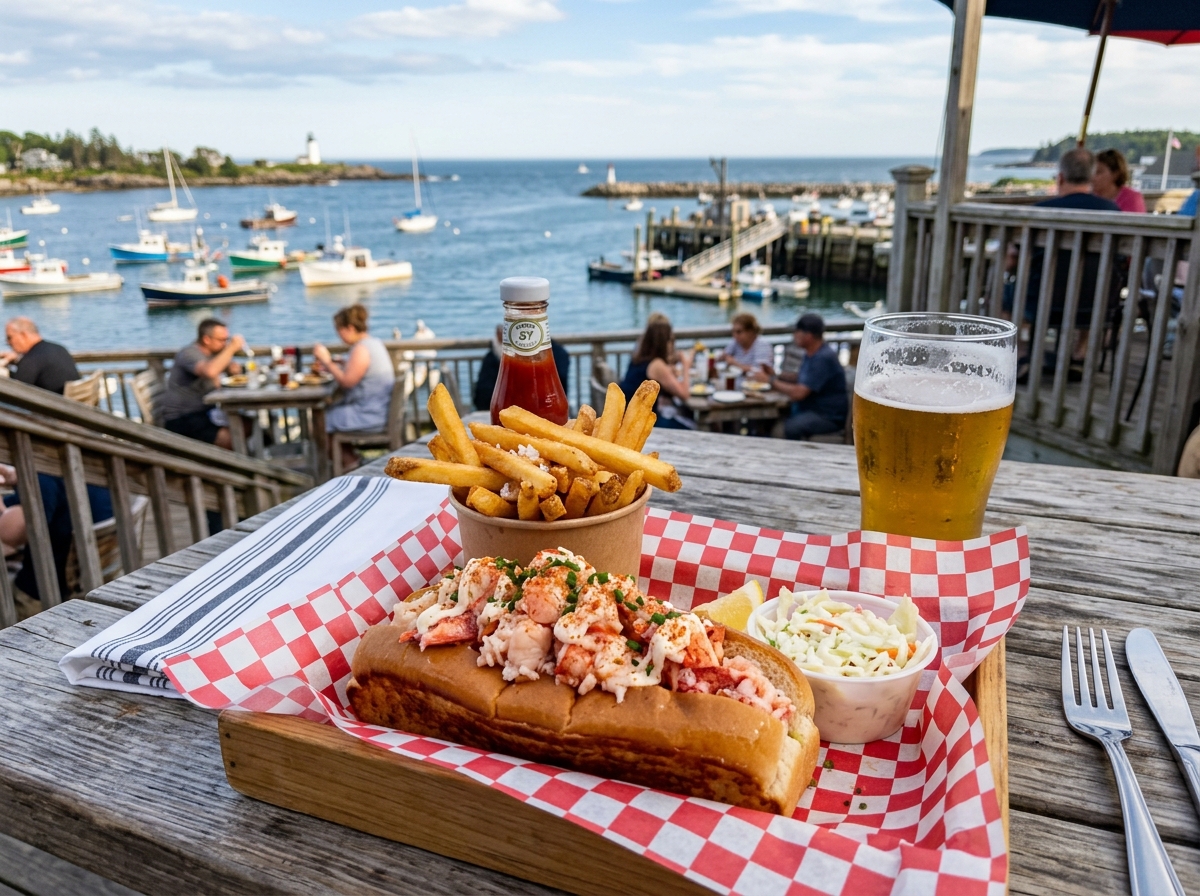
Clam chowder (New England-style, cream-based), fried clams (whole-belly, not strips), lobster rolls (served warm with butter or cold with mayonnaise depending on preference), Wellfleet oysters, and fresh local scallops in season. Ice cream is considered a Cape food group and Four Seas Ice Cream in Centerville has been operating since 1934.
Final Thoughts
Cape Cod rewards visitors who understand its geography before they arrive.
The bay side and sound side give you calm, shallow, warm water ideal for families. The Atlantic side gives you drama, surf, and the most extraordinary beach landscape in New England. Provincetown gives you culture, history, and the most distinctive town experience in the region. Chatham gives you the classic Cape village that exists in most people’s mental image of New England. Wellfleet gives you the best oysters in the world and a quiet that the tip of the Cape cannot offer in summer.
Pick your priorities, match them to the right region, and give yourself enough days to slow down. Cape Cod is the kind of place where the best moments tend to be unplanned: a walk along the National Seashore as the tide goes out, a roadside stand lobster roll eaten on a picnic bench, a sunset over Herring Cove with nothing between you and the horizon.
Those moments happen regardless of which town you are in. Give yourself the time to find them.