Fiji has two seasons, and the difference between them is genuinely meaningful, not just a matter of slightly more rain.
The dry season gives you underwater visibility that reaches 30 to 50 metres, reliable sunshine, and the island’s most active wildlife calendar. The wet season gives you warmer water, lower prices, and soft coral blooms that look extraordinary, but also higher humidity, more rain, and a small but real cyclone risk.

This guide breaks down the genuine trade-offs by month and covers the specific marine wildlife windows that should anchor your timing if that is what you are coming for.
Quick Answer: Best Time to Visit Fiji
The best overall time to visit Fiji is July and August for the widest combination of good weather, active wildlife, surf, diving visibility, and cultural events. Both humpback whales and manta rays are present, the Bula Festival and Hibiscus Festival are running, and the dry season is at its peak.
For value without sacrificing too much weather, May and November are the strongest shoulder months. For the lowest prices of the year, February and March are cheapest but carry the highest cyclone risk. For whale watching specifically, August and September are the peak months.
Fiji’s Two Seasons
Dry Season (May to October)
The dry season coincides with the Southern Hemisphere winter, which sounds counterintuitive for a tropical destination. In practice it means trade winds keeping temperatures comfortable (21 to 30C), low humidity, minimal rain, and the clearest water of the year.
Underwater visibility during the dry season can reach 30 to 50 metres across most dive sites. Soft corals along the Great White Wall at Taveuni and the passages of the Bligh Water glow in vivid pink and purple in the clear water and sunlight. This is the season that earned Fiji its reputation as the Soft Coral Capital of the World.
This is also peak tourist season. Resorts fill with families from Australia and New Zealand during their winter school holidays in July and August. Book accommodation 6 to 9 months ahead for those specific months.
Wet Season (November to April)
The wet season brings higher temperatures (up to 31C), significantly higher humidity, and frequent short bursts of heavy rain, typically in the afternoons, followed by sunshine. Mornings are often clear and beautiful.
Water temperatures climb to around 29 to 30C, warmer than the dry season. Soft corals bloom dramatically in response to plankton-rich conditions. Manta rays are particularly active around the Yasawa Islands and Kadavu. Marlin fishing reaches its peak.
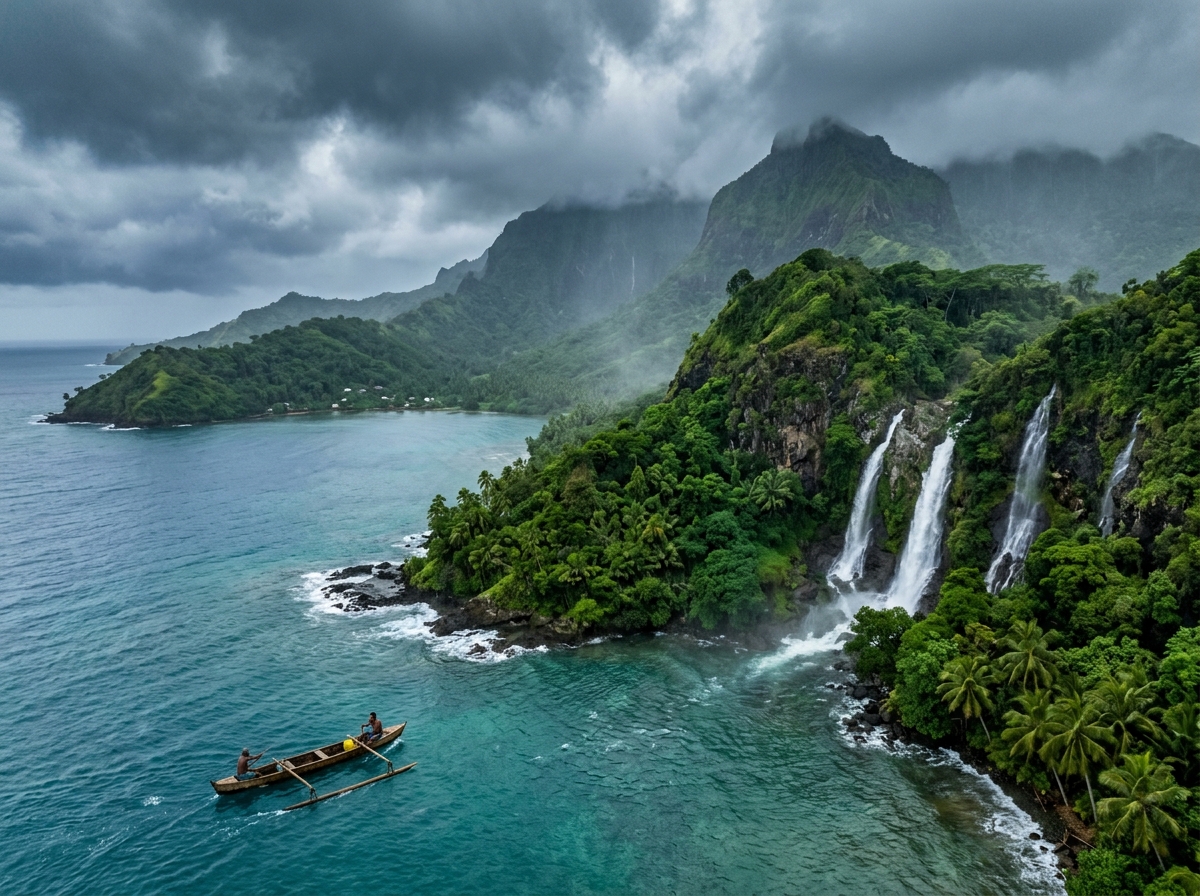
The trade-offs: underwater visibility drops to roughly 15 to 30 metres, especially near river mouths and after rain events. Cyclone season runs December through March, with the highest risk concentrated in January and February.
The lowest prices of the year are found in February and March, with accommodation and flights often 30 to 40 percent below peak season rates.
Fiji Month by Month
January
January is deep wet season. Rain is frequent and heavy, humidity is at its peak, and cyclone risk is at its highest alongside February. Water temperatures are warm at around 29C. This is one of the quieter months for tourism, and prices reflect that.
Some resort areas on the western side of Viti Levu and the Mamanuca Islands are naturally more sheltered and receive less rainfall than the eastern and northern regions. If visiting in January, focusing on these areas reduces weather impact significantly.
Best for: Budget travellers who accept weather variability, the western island groups for shelter
February
February is statistically the peak cyclone risk month and the cheapest month of the year. Flights and accommodation prices hit their annual low.
Best for: Absolute budget minimum, with the clearest understanding of the risk. Travel insurance with cyclone coverage is essential.
March
March sees cyclone risk persisting through the first half of the month and gradually easing. Holi, the Hindu festival of colours celebrated by Fiji’s significant Indo-Fijian population, falls in March (March 3, 2026) and is one of the most visually extraordinary cultural events in the South Pacific.
Best for: Late-month value travel, Holi festival visitors
April
April is when the wet season winds down meaningfully. Rainfall decreases, humidity drops, and the first major swells of the surf season begin reaching the famous breaks including Cloudbreak off the Mamanuca Islands. Temperatures remain in the high 20s. Pilot whales occasionally appear in Fijian waters from April onward.
Best for: Surfers wanting early swells, budget travellers catching the tail of wet season pricing
May
May is one of the best value months in Fiji. The wet season is over, dry season conditions are establishing themselves, and pricing has not yet reached the June to August peak. Manta rays begin concentrating around Kadavu and the Yasawa Islands as dry season plankton conditions build. Diving visibility improves significantly week by week.
Best for: Divers, value seekers, the start of manta ray season
June
June is excellent across the board. Dry season is fully established, manta rays are active, and the Cloudbreak surf is pumping for the serious surf events. The Clipper Round the World Race and the Newport Bermuda Race (in alternating years) both see boats calling into Fiji waters. Underwater visibility is hitting dry season heights of 30 to 40 metres.
Best for: Divers, surfers, couples wanting reliable weather
July
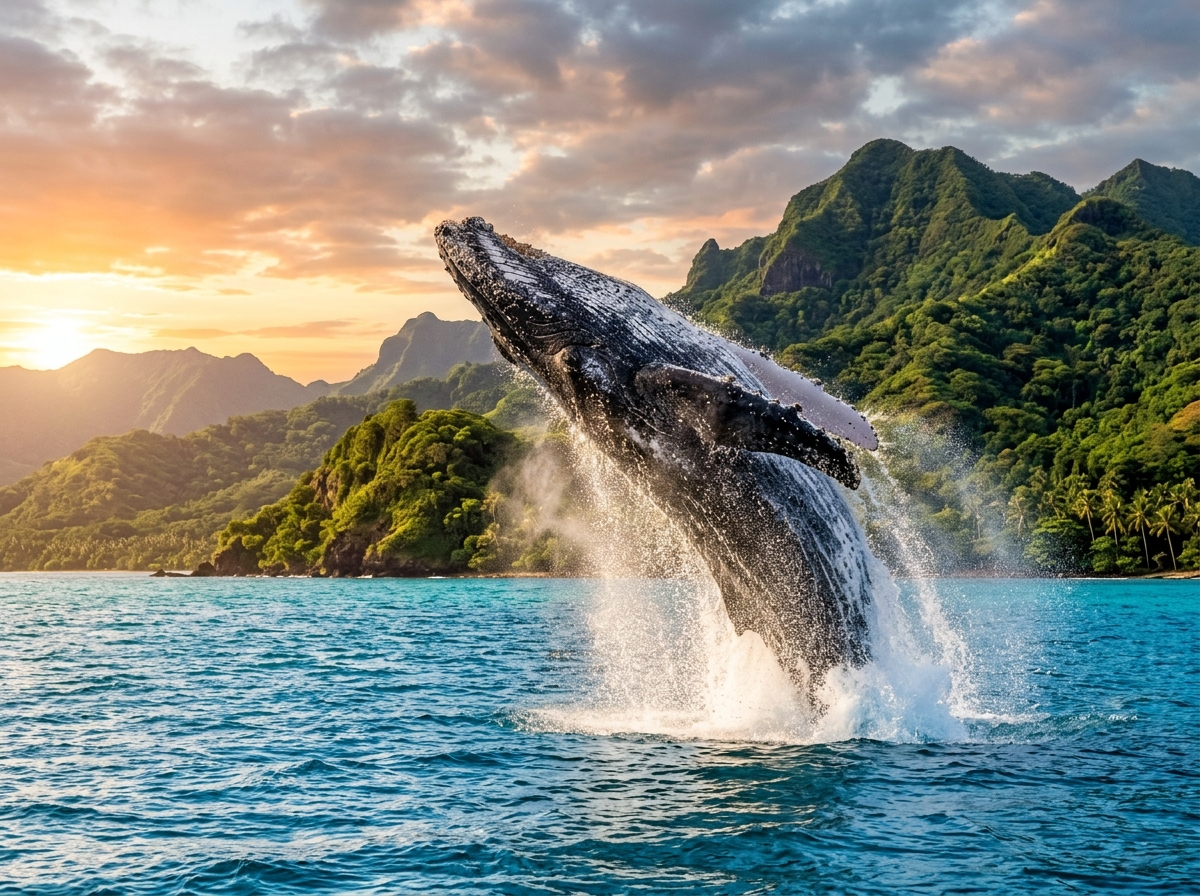
July is peak season and genuinely peak quality. Humpback whales are present in Fiji’s waters, having migrated from their Antarctic feeding grounds toward the South Pacific for breeding and calving.
The Bula Festival in Nadi runs in July and is one of Fiji’s most vibrant cultural celebrations, with live music, traditional food, and a festivity that fills the island’s main tourist hub with energy.
The South Indian Fire Walking Festival, where Hindu devotees walk across burning coals as an act of devotion, also takes place in July or August and is one of the most extraordinary cultural experiences available in the South Pacific.
Best for: Everything. Peak weather, peak wildlife, peak events. Book 6 to 9 months ahead.
August
August is marginally the best month for whale watching. Humpback activity is at its most intense, with mother and calf pairs, breaching adults, and singing males in the channels between island groups. , one of the largest cultural events in the South Pacific, marking the end of peak season with genuine local celebration.
Dry season conditions continue. Manta rays are still active. Diving visibility remains excellent. Prices are at their annual peak.
Best for: Whale watching, diving, festivals, the full peak season experience
September
September sits in a genuinely excellent window. Dry season weather continues. Whale watching remains active, though numbers begin reducing toward month’s end. Prices start easing from the August peak. The Musket Cove Regatta, a popular sailing event in the Mamanuca Islands, takes place in September.
Best for: Whale watching, diving, sailing, slightly reduced peak season pressure
October
October is Fiji Day (October 10), the national holiday celebrating independence. Diwali, the Hindu Festival of Lights, falls in October or November depending on the lunar calendar (November 8 in 2026). The dry season is technically ending but October often remains excellent in practice.
Birdwatching breeding season begins in October, with Fiji’s endemic species including the Fiji Goshawk and Orange Dove particularly active.
Best for: Cultural events, value compared to July and August, transition month
November
November is an increasingly recognised hidden gem travel month. Prices have dropped meaningfully from the peak season high. Marlin fishing season opens, with Pacific Blue Marlin active in Fijian deep waters from November onward. The waterfalls on Taveuni and in the highlands of Viti Levu begin running powerfully again with the returning rains.
Best for: Budget-conscious travellers wanting post-peak warm weather, Diwali festival, marlin fishing
December
December splits in two. Early December is a genuine value month with good weather. The Christmas and New Year period brings a significant spike in both prices and visitor numbers from Australia and New Zealand. Cyclone season has technically started from December 1, though the main risk months are January and February.
Best for: Early December value, Christmas season atmosphere for those wanting it
Month by Month Quick Reference
| Month | Conditions | Visibility | Crowds | Prices | Wildlife Highlights |
|---|---|---|---|---|---|
| January | Wet, cyclone risk | 15-25m | Low | Lowest | Manta rays (Yasawa) |
| February | Wet, peak cyclone | 15-25m | Very low | Lowest | Manta rays |
| March | Wet to easing | 20-30m | Low | Low | Holi Festival |
| April | Transitional | 25-35m | Low-moderate | Moderate | Pilot whales, surf swells start |
| May | Dry establishing | 28-38m | Moderate | Moderate | Manta rays building |
| June | Dry, excellent | 30-45m | High | High | Mantas, surf events |
| July | Dry, peak | 30-50m | Very high | Peak | Whales, mantas, Bula Festival |
| August | Dry, peak | 30-50m | Very high | Peak | Peak whales, Hibiscus Festival |
| September | Dry, excellent | 30-45m | Moderate-high | Moderate-high | Whales tapering, Regatta |
| October | Dry ending | 28-38m | Moderate | Moderate | Fiji Day, Diwali (some years) |
| November | Wet starting | 20-30m | Low-moderate | Low | Diwali 2026, marlin opens |
| December | Wet, variable | 20-30m | Low then high | Low then high | Marlin, cultural events |
Marine Wildlife Calendar: When to Go for What
This is the information that most Fiji travel guides either skip or bury too deeply to be useful.
Humpback Whales
The peak window for encounters is July through September. Dedicated whale watching tours operate from Denarau and from resort-based operators in the Yasawa chain. Half-day trips cost approximately FJD $200 to $300 per person. Encounters are reliable during peak months but, as with all wildlife, not guaranteed.
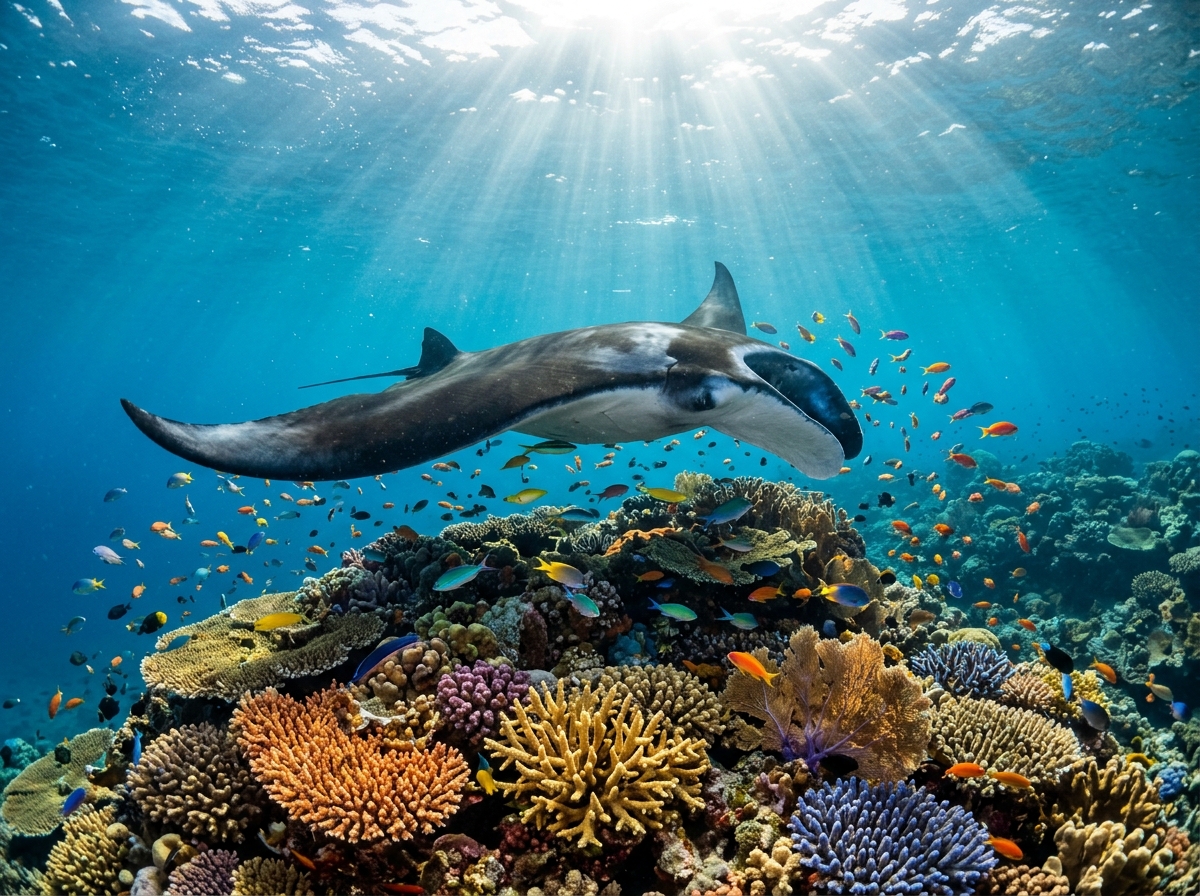
Manta Rays
Manta rays are also present during the wet season around the Yasawa Islands, attracted by warmer plankton-rich conditions. If manta rays are the priority, the dry season gives the best visibility for the encounter, but the wet season is not without sightings.
Shark Diving
The Beqa Shark Dive (also called the Shark Reef Marine Reserve near Pacific Harbour) is one of the most famous cage-free shark dives in the world, offering encounters with bull sharks, reef sharks, and occasionally tiger sharks.
For those who have dived with sharks in other destinations like the best time to visit Belize for liveaboard diving, Fiji’s Beqa dive is a different tier: a controlled, briefed, deliberately shark-populated site with up to eight species present simultaneously.
Whale Sharks
Whale shark encounters are less predictable than in dedicated whale shark destinations like Ningaloo Reef in Australia, but occasional sightings do occur in Fijian waters during the wet season.
Marlin Fishing
Pacific Blue Marlin season opens in November and runs through the wet season months, with deep-water operators based out of Pacific Harbour and Suva running day trips for serious sport fishers.
Which Island Group for Which Season?
Fiji has over 330 islands and not all experience the same weather. This is one of the most underreported planning factors.
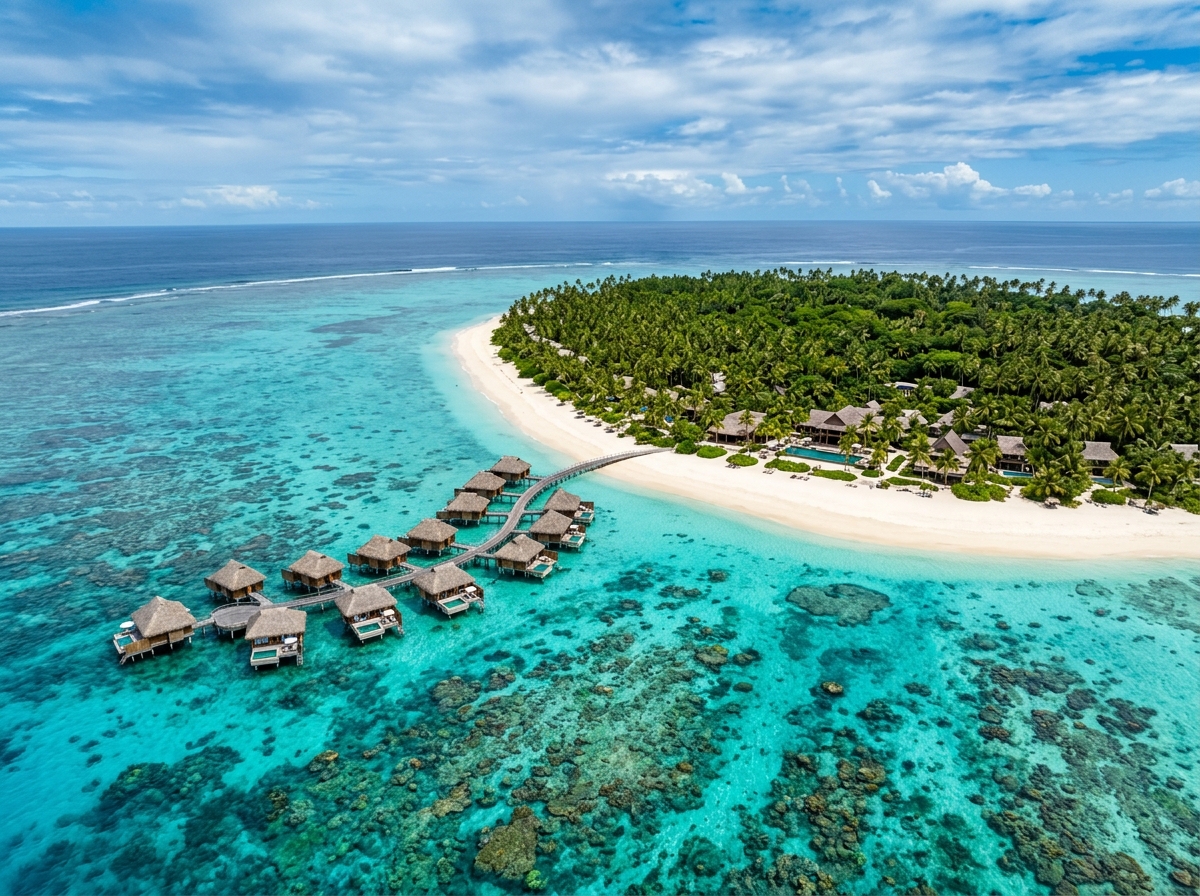
Mamanuca Islands: Just west of Nadi, the Mamanucas are the most sheltered and consistent. Rain shadow effects from Viti Levu mean the western Mamanucas get significantly less rainfall than eastern parts of the main island. Good for all seasons, particularly wet season visits.
Yasawa Islands: The long chain stretching 90 kilometres north of the Mamanucas. Best for manta rays (dry season), whale watching (July to October), and excellent reef snorkelling. The northern Yasawas can be rough in winter trade winds.
Taveuni (the Garden Island): In the northeast, Taveuni receives the most rainfall of any main island group. The Great White Wall dive site here is extraordinary in dry season clarity. The Somosomo Strait between Taveuni and Vanua Levu is famous for drift diving through dense soft coral in dry season.
Kadavu: In the south, Kadavu’s Great Astrolabe Reef is the fourth largest barrier reef in the world and the single best place in Fiji for manta ray encounters. Dry season (June through October) is when manta aggregations peak.
Savusavu and Vanua Levu: Fiji’s second-largest island is greener and wetter than Viti Levu. A good base for exploring Natewa Bay (whale sightings) and the northeastern reefs. Best visited in dry season for ease of access.
What Most Fiji Guides Skip
The island group difference is bigger than most guides acknowledge. A wet season trip to the western Mamanucas is a very different experience from a wet season trip to Taveuni. Choosing the right island group for your season dramatically changes the experience.
Australian and New Zealand school holidays drive July and August completely. These two months are the primary school holiday window for both countries, and Fiji is the default family holiday destination. Resorts in the Mamanucas and Yasawas fill months ahead. If you want dry season conditions without peak-season pricing and crowds, June or September are genuinely strong alternatives.
The Soft Coral Capital of the World claim is earned in dry season specifically. The underwater photography conditions that made Fiji famous (30 to 50 metre visibility, soft corals in full colour, perfect light penetration) occur in the dry season. Wet season diving is still good, particularly for macro life and big animal encounters, but the peak visual conditions require dry season.
Cyclone frequency is low but not negligible. Fiji averages roughly one cyclone per year across the archipelago, with most causing localised damage rather than island-wide disruption. Modern forecasting gives several days of warning. Travel insurance covering cyclone disruption is the sensible approach for any visit from December through March, not a reason to avoid the wet season entirely.
For any Fiji trip involving multiple days of diving or snorkelling, a quality underwater housing or waterproof camera gives you the means to actually capture what you see rather than just remembering it. The GoPro HERO13 Black (available on Amazon) is waterproof to 33 feet without a housing, handles the bright, shallow-reef conditions of Fiji’s lagoons and the darker soft coral walls with equal competence, and has become the default underwater camera for both dive travel and reef snorkelling worldwide.

GoPro HERO13 Black
Practical Tips for Timing Your Fiji Trip
Book early for July and August. The combination of Australian school holidays and peak diving conditions means the most popular resorts and liveaboard dive boats sell out 6 to 9 months ahead for these months. If your dates are not flexible, book as soon as your trip is confirmed.
Consider a liveaboard for serious divers. For divers who want access to Bligh Water, Namena Marine Reserve, and the Lau Group, a liveaboard dive boat gives access to sites that land-based resort diving cannot reach. The Nai’a is widely regarded as Fiji’s flagship dive vessel. Dry season liveaboard berths sell out fast.
November is underrated. The combination of post-peak pricing (30 to 40 percent lower than July rates), warm water, early wet season greenery, Diwali celebrations, and minimal cyclone risk in early November makes it one of the best value months for a high-quality Fiji trip.
Check which island group suits your purpose. A whale watching trip needs the Yasawa chain. A manta ray focus needs Kadavu or the Yasawas. The Beqa Shark Dive is near Pacific Harbour on Viti Levu’s south coast. The Great White Wall is Taveuni. These are different directions from Nadi airport. Plan the island group before the resort.
For families, stick to the Mamanucas. Calm lagoons, short boat transfers, good infrastructure, and sheltered conditions in most seasons make the Mamanuca Islands the most practical family base in Fiji. The Yasawas are more remote and better suited to couples and adventurous groups.
For full days of Fiji’s tropical sun across snorkelling, boat rides, and beach time, a reef-safe sunscreen that holds up through salt water without chemical filters harmful to the reefs is essential. The Stream2Sea SPF 35 Sport Sunscreen (available on Amazon) is EWG-verified, reef-safe, and specifically formulated for marine environments with a water-resistant formula that works through repeated ocean entries without reapplication every 20 minutes.

STREAM 2 SEA SPF 30 Biodegradable Mineral Sunscreen
Best Time to Visit Fiji by Traveller Type
Families: June through August for reliable weather and beach conditions. The Mamanuca Islands as a base for sheltered lagoon swimming. July and August for the full events calendar. Book resorts early.
Divers: June through October for peak visibility (30 to 50 metres), manta rays at Kadavu, and the Great White Wall at Taveuni. September and October for slightly lower prices and still-excellent conditions.
Whale watchers: August and September for peak humpback activity. July also excellent. Yasawa Islands or Bligh Water-based operators for the best encounter probability.
Surfers: June through August for consistent swells at Cloudbreak. April and May for early swells at lower crowd levels.
Budget travellers: November for warmth, Diwali, and post-peak pricing. February and March for the absolute lowest rates with the understanding that cyclone risk is at its highest.
Honeymooners and couples: May for shoulder-season value with dry season conditions. June for romantic weather without July’s peak-season family crowds. A private island resort in the Yasawas works in any dry season month.
Cultural travellers: August for the Bula Festival (Nadi), the South Indian Fire Walking Festival, and the Hibiscus Festival (Suva, August 31 to September 7, 2026). November for Diwali. March for Holi.

Frequently Asked Questions
What is the best month to visit Fiji?
July and August deliver the best combination of dry season weather, humpback whale encounters, manta ray diving, and cultural festivals. For those who want strong conditions without peak-season pricing, May and September are the strongest alternatives.
When is the cyclone season in Fiji?
The technical cyclone season runs November through April, with the highest risk concentrated in January and February. Cyclones average roughly once per year across the archipelago, with most causing localised rather than island-wide impact. Travel insurance covering cyclone disruption is sensible for December through March visits.
Is the wet season worth visiting Fiji?
Yes, for the right traveller. The wet season brings warmer water, soft coral blooms, manta ray encounters in the Yasawas, marlin fishing, and prices 30 to 40 percent below dry season rates. Rain typically falls in afternoon bursts rather than all day. The main trade-offs are lower underwater visibility and the cyclone risk in peak wet season months.
When is the best time to see humpback whales in Fiji?
July through October, with August and September as the peak months. The Yasawa Islands, Bligh Water passage, and waters around Kadavu are the primary sighting locations. Half-day tours operate from Denarau and from island resorts.
When is the best time to see manta rays in Fiji?
June through October for the most reliable encounters, particularly around Kadavu Island’s Great Astrolabe Reef and in the Yasawa Islands. Manta rays are also present during the wet season around the Yasawas, attracted by warmer plankton-rich water.
How far in advance should I book a Fiji resort?
For July and August, 6 to 9 months ahead for popular resorts and dive liveaboards. For June and September, 3 to 4 months ahead is usually sufficient. For wet season months outside the holiday periods, shorter notice is often possible.
What is the cheapest time to visit Fiji?
February and March are the cheapest months, with flights and accommodation often 30 to 40 percent below dry season rates. November is a strong value alternative with lower cyclone risk and warm post-peak conditions.
Final Thoughts
Fiji works year-round, which is genuinely true and also somewhat misleading as a planning framework.
The dry season from May to October gives you peak visibility, peak wildlife, and peak everything else, at peak prices and peak crowds in July and August. The wet season from November to April gives you warmer water, dramatically lower prices, and an atmosphere that is genuinely less crowded and more local, at the cost of more rain and some cyclone risk.
The most important decisions are which island group suits your purpose and which wildlife or experience you are prioritising above everything else. A whale watcher should be building their trip around August in the Yasawas. A diver who wants the Great White Wall should be planning for June in Taveuni. A couple who wants a private island at half the price of July should be looking at November.
Match the timing to the specific version of Fiji you are actually after. All versions are worth the journey.