America is not one country in the way most travel destinations are one country. It is a continent-sized collection of landscapes, cultures, climates, and cities that have almost nothing in common with each other.
The United States stretches 4,500 kilometres from the Atlantic to the Pacific and 2,500 kilometers from the Canadian border to the Mexican border. Saying “I’m visiting America” is like saying “I’m visiting all of Europe” — the diversity is staggering.
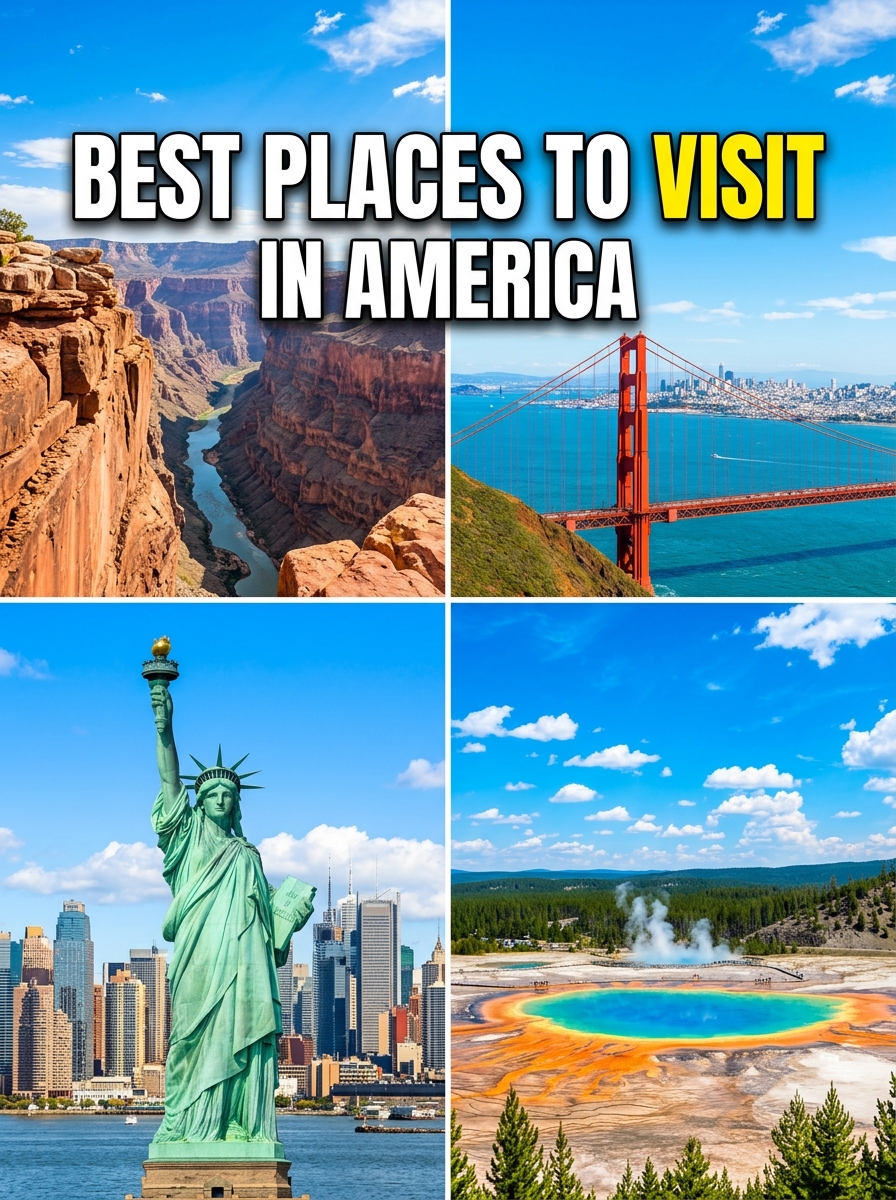
That scale is the most important planning fact, and most guides skip past it to a ranked list of cities. This guide covers the best places to visit in America by region, with honest assessments, 2026-specific context, and the hidden destinations that deserve more attention than they get.
Quick Answer: Best Places to Visit in America
For a first-time international visitor, the East Coast from New York to Washington DC covers American history, culture, and urban energy in one logical route. For natural wonders, the American Southwest from the Grand Canyon through Zion and into California’s national parks is unmatched. For beaches, Miami and the Florida Keys in the south or the Oregon coast in the north. For music, food, and Southern culture, New Orleans and Nashville both justify dedicated trips.
2026 Context: What Is Different This Year
Two things make 2026 a particularly significant year for visiting America.
FIFA World Cup 2026: The tournament runs from June through July 2026, with matches in host cities including New York and New Jersey, Los Angeles, Dallas, Atlanta, Seattle, San Francisco, Boston, Kansas City, and Miami. 2026 brings extra energy with World Cup matches to these cities, which is genuinely exciting for sports fans but also means hotel prices and crowds in those cities during match weeks will be significantly higher than normal. If the World Cup is not your reason for visiting but your dates overlap with match weeks, plan accommodation well ahead or consider cities not on the host list.
Route 66 Centennial and America 250: 2026 marks Route 66’s 100th anniversary and America’s 250th birthday. You’ll see fresh murals, new visitor centres, and one-time events that make 2026 feel special. The highway that runs from Chicago to Los Angeles is seeing genuine investment in its roadside heritage for the centennial, making a Route 66 road trip more rewarding this year than it has been in decades.
The Northeast: History, Cities, and Fall Foliage
New York City
New York City is the most visited American city by international travellers and the one where most visitors see far less than they think they are seeing.
Manhattan is extraordinary. The Met, the High Line, Central Park, Brooklyn Bridge, and the sheer density of world-class food and culture make it one of the best cities on Earth. But New York’s personality is also in the outer boroughs, particularly Brooklyn (Williamsburg, DUMBO, Prospect Park) and Queens (the most ethnically diverse urban area in the United States).
Insider tip: Visit major attractions (Statue of Liberty, Empire State Building) either first thing at opening or late afternoon. Mid-day lines are brutal.
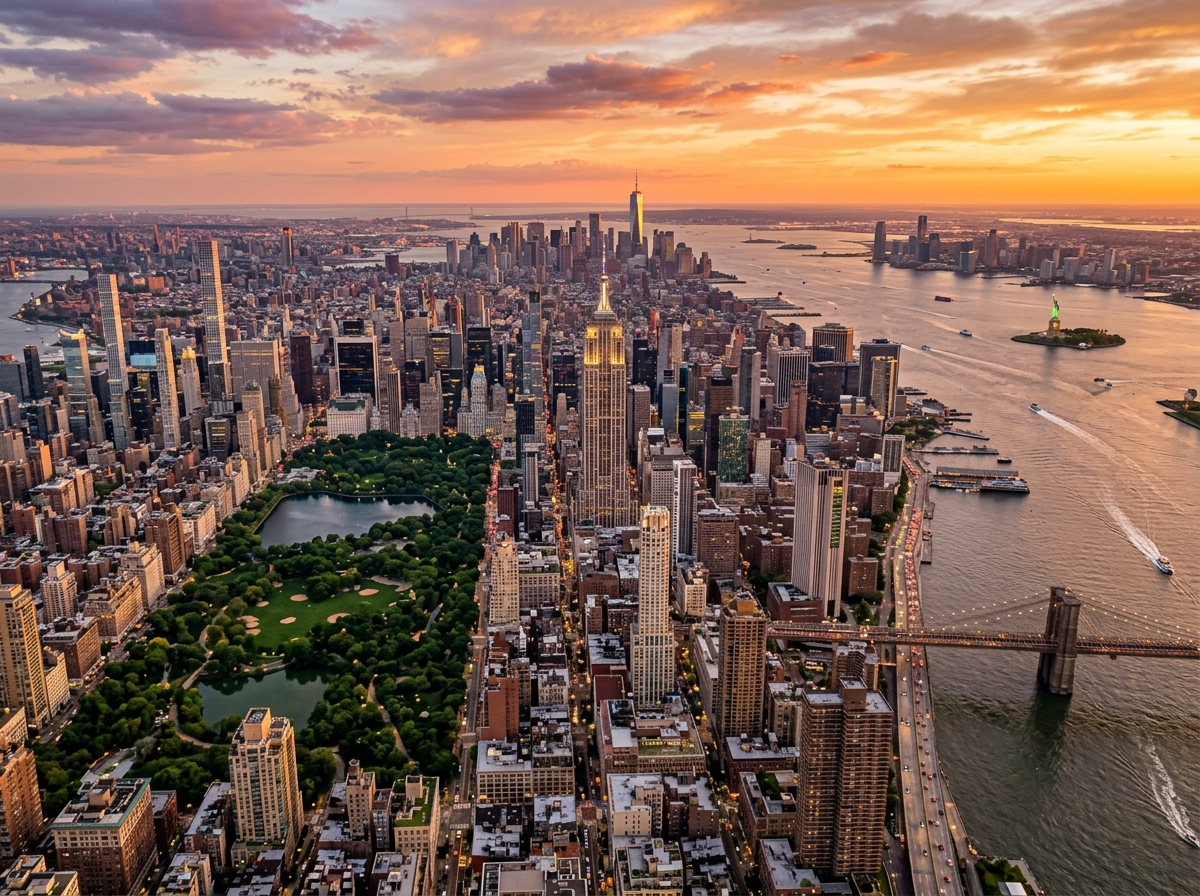
2026 note: World Cup matches at MetLife Stadium in New Jersey make June and July in New York busier and more expensive than usual. If your dates are flexible, the last two weeks of August through September deliver New York at its most vibrant without the tournament crowds.
Washington DC
The Smithsonian museums alone justify a DC visit — and they’re all free. Add monuments, memorials, and the seat of American government, and you have an essential destination.
Washington DC is one of the best value capital cities in the world for cultural sightseeing. The National Mall with its Lincoln Memorial, Vietnam Veterans Memorial, and Washington Monument are all free and open around the clock. The National Gallery of Art, the National Museum of Natural History, and the National Museum of African American History and Culture (book timed passes well ahead) are all free and world-class.
Boston
America’s oldest major city preserves revolutionary history alongside world-class universities. Walking the Freedom Trail literally traces the path to American independence.
Boston is compact, walkable, and culturally dense in a way that contrasts significantly with more sprawling American cities. Harvard, MIT, the Boston Symphony Orchestra, and a genuine craft food culture (the lobster roll culture here is as good as anywhere in New England) make it one of the most rewarding cities in the country for visitors who spend time rather than rushing it.
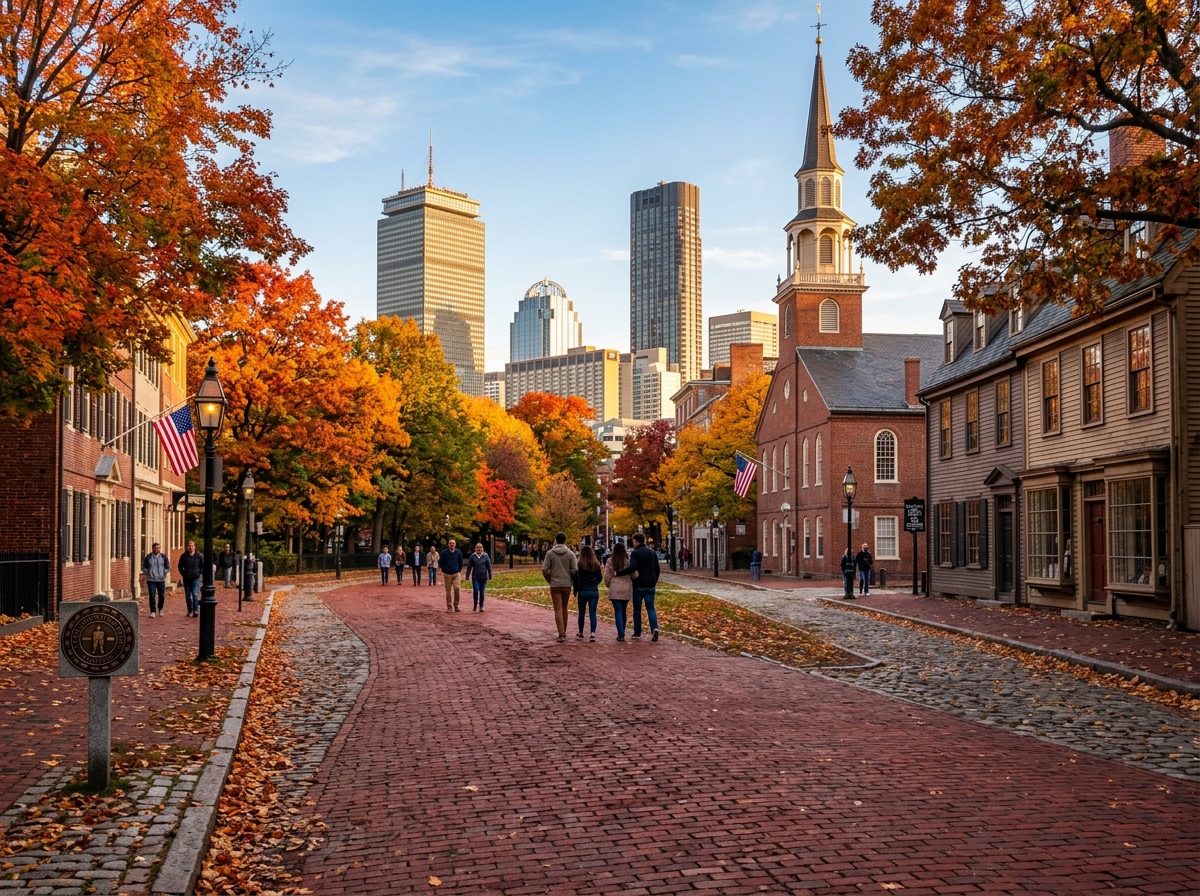
Day trip note: Cape Cod is two hours from Boston and one of the most beautiful parts of New England, particularly from June through October when the beaches are open and the towns are at their most alive.
The South: Music, Food, and History
New Orleans
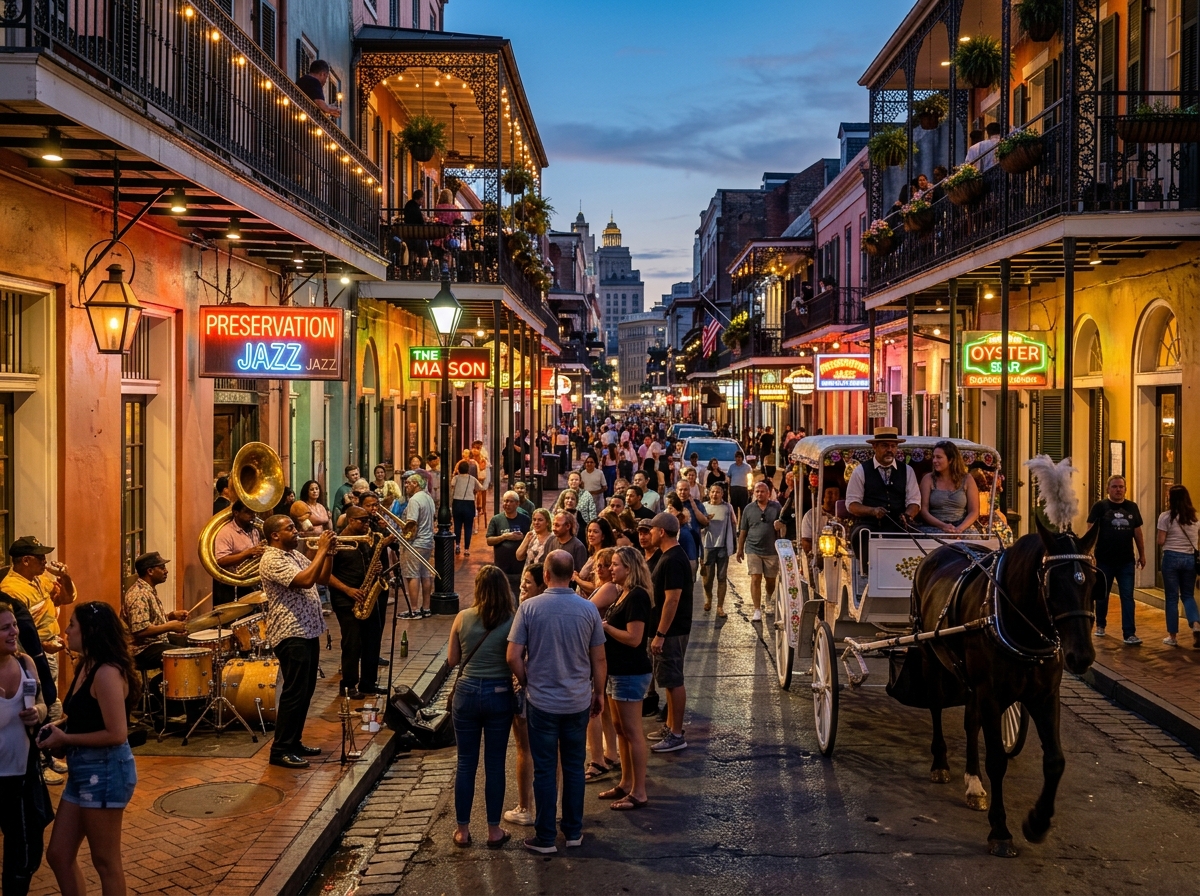
New Orleans is the most unique American city, full stop. The French Quarter, the music clubs on Frenchmen Street (better than Bourbon Street for actual music), the extraordinary Creole food culture, the above-ground cemeteries, and the particular combination of cultures that created jazz all exist in a city that operates on its own schedule.
South Beach’s art deco architecture, the galleries of Wynwood, and Little Havana’s street food scene make Miami one of America’s most culturally layered cities. But if you want the most layered American food and music culture in the South, New Orleans is the answer.
The best time to visit New Orleans is spring (March through May) for jazz festival season, or fall (October and November) for the cooler temperatures that make the city’s outdoor culture comfortable. August in New Orleans is hot, humid, and in hurricane season.
Nashville
Nashville has transformed from a country music city to one of the fastest-growing cities in America, and the combination works better than you might expect. The Grand Ole Opry, the honky-tonks on Broadway, excellent new restaurant culture, and the surrounding Tennessee countryside all make it genuinely worth several days.
Nashville is one of the fastest-growing cities in the US. It’s got a wonderful music scene (including the famous Grand Ole Opry), a growing cocktail bar scene, and some down-home Southern restaurants.
Memphis
Memphis is home to some killer food and a vibrant blues music scene. There’s Graceland (Elvis’s home) for fans of the King, a big waterfront for walking, and the phenomenal, detailed, and moving Museum of Civil Rights.
The National Civil Rights Museum, built at the Lorraine Motel where Martin Luther King Jr. was assassinated, is one of the most important and moving museums in America. It deserves significantly more visitors than it typically receives compared to Memphis’s more tourism-marketed Graceland.
The Southwest: National Parks and Desert Landscapes
The American Southwest contains a concentration of natural wonders that has no equivalent anywhere in the world. The Grand Canyon, Zion, Bryce Canyon, Arches, Canyonlands, Monument Valley, and Death Valley are all within reasonable driving distance of each other, making the Southwest the best single-region road trip in the country.
The Grand Canyon
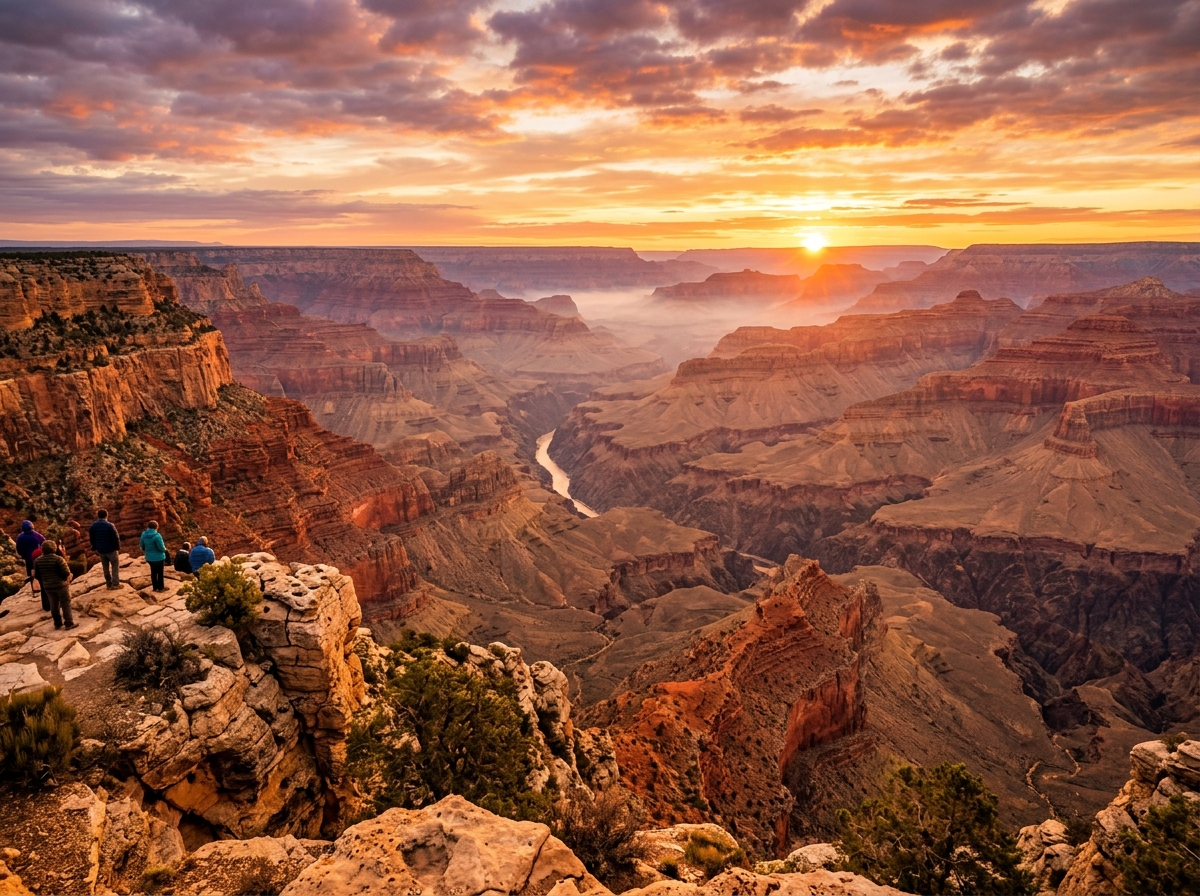
The Grand Canyon is one of those places where photographs genuinely fail to convey the scale. The canyon stretches 277 miles along the Colorado River and drops over a mile from rim to river. Both the South Rim (open year-round) and the North Rim (open May through October) are extraordinary.
Book accommodation and shuttle passes well ahead for summer visits. Rim-to-river hiking in summer is genuinely dangerous due to extreme canyon-floor heat.
Zion National Park
Zion in Utah is frequently named the most beautiful national park in the country, and the competition for that title is fierce. The Narrows (wading through the Virgin River in a slot canyon) and Angels Landing (a permit-required exposed ridge hike) are both extraordinary, but even the Scenic Drive by shuttle delivers views that are difficult to overstate.
Permit note: Angels Landing now requires a permit booked through a lottery at recreation.gov. The America the Beautiful National Parks Annual Pass at $80 covers entry fees at Zion and over 80 other federal sites, and it pays for itself after two to three park visits.
Sedona, Arizona
Sedona AZ is one of America’s hidden gems offering unique, less crowded experiences. The red rock formations outside Sedona, combined with the hiking, mountain biking, and spiritual community the town has built around that landscape, make it one of the most distinctive small destinations in the American West.
The best time to visit Sedona is spring and fall, avoiding both the summer heat and the winter cold that can make higher trails inaccessible.
For any Southwest road trip involving multiple national parks and long drives between them, a reliable car power bank that charges devices without draining the car battery is genuinely useful in remote areas where phone signal drops and offline navigation becomes essential. The Anker 737 Power Bank 24000mAh (available on Amazon) holds enough charge for multiple full phone charges and powers a tablet simultaneously, which matters significantly on multi-day drives through areas with limited charging infrastructure.
The West Coast: Cities, Redwoods, and Pacific Scenery
San Francisco
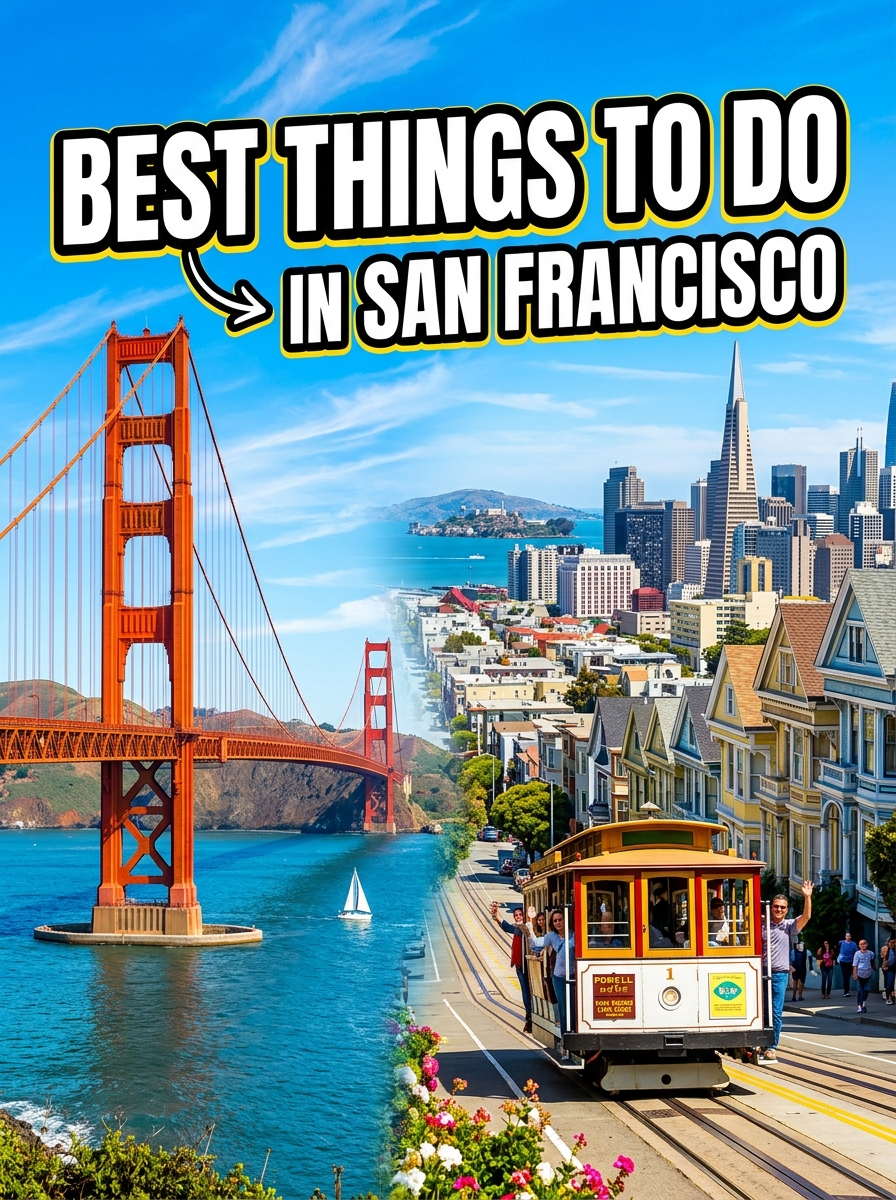
San Francisco is one of the most beautiful city settings in the world. The Golden Gate Bridge, the bay, the steep Victorian streets, the fog rolling in over Marin Headlands, and the extraordinary concentration of technology, culture, and food make it a city that rewards multiple visits.
The Financial District and Union Square are the obvious starting points. But the Mission District for tacos and murals, the Castro for LGBTQ+ history, and the Ferry Building Marketplace for Northern California food culture all deserve equal time.
Day trips: Muir Woods for coast redwoods (book timed entry in advance), Wine Country (Napa and Sonoma) for one of the world’s great wine regions, and Point Reyes National Seashore for a genuinely remote coastal experience only an hour from the city.
Los Angeles
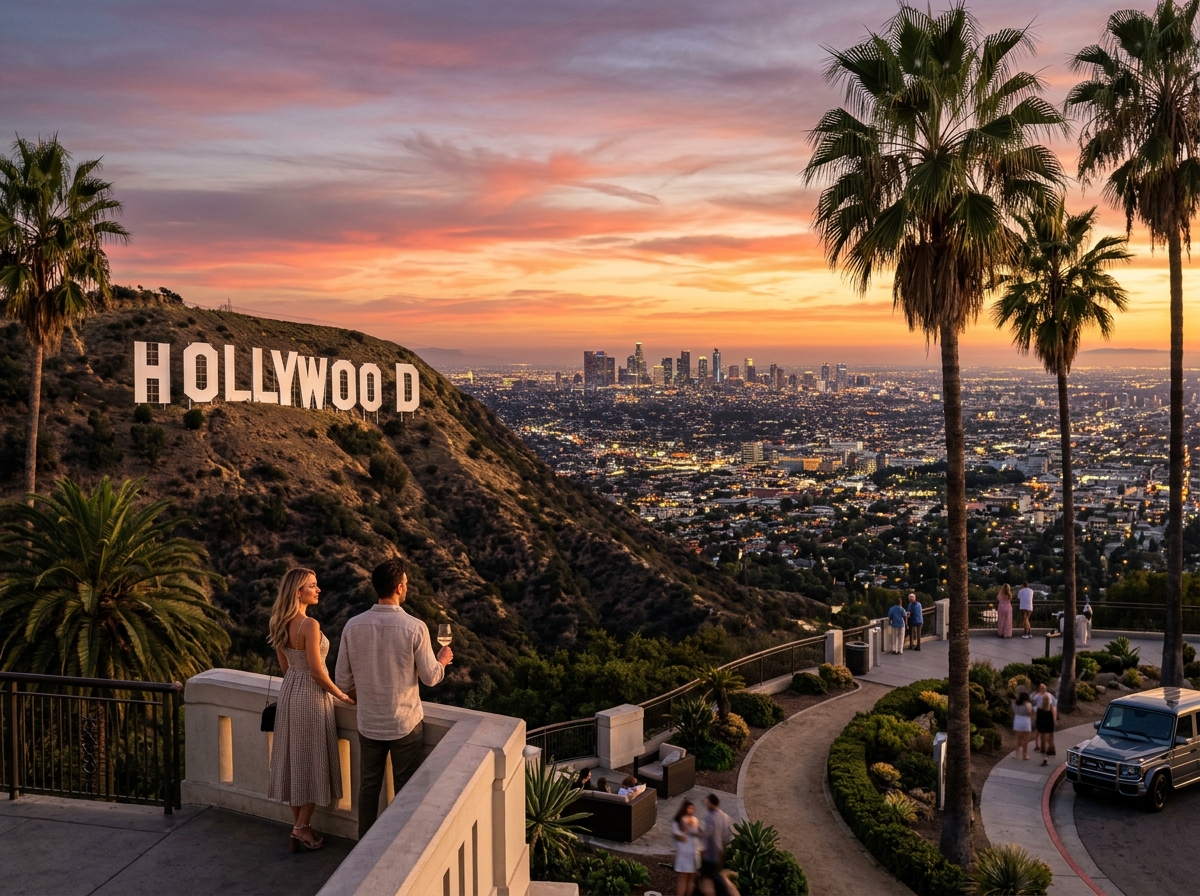
Los Angeles is too large to “do” in a week, and that is part of what makes it interesting. The city is essentially dozens of distinct communities held together by freeways, and the best experience of LA comes from picking two or three of those communities and spending real time in them.
Las Vegas is one of the most visited cities in the United States — and it offers far more than casinos. The Strip’s resort hotels are destinations in themselves: the Bellagio’s dancing fountains, the Venetian’s indoor canals, and the High Roller observation wheel are all worth experiencing regardless of whether you gamble. But if a natural contrast to Las Vegas’s artificial intensity is what you want, a three-hour drive brings you to Zion National Park.
Portland and the Pacific Northwest
Portland, Oregon remains one of the most underrated large American cities for first-time international visitors. The food cart culture, the craft beer scene, Powell’s City of Books, and the proximity to Mount Hood and the Columbia River Gorge make it a genuinely complete destination.
Seattle combines tech energy, Pike Place Market, and extraordinary access to the Olympic Peninsula and Cascades. The ferry system from Seattle to Bainbridge Island is one of the most pleasant short journeys in the Pacific Northwest.
The South and Southwest: Texas and Beyond
Texas deserves its own framing because no other state in America covers as much cultural and geographic territory in one place. The best places to visit in Texas span Houston’s world-class museum district, Austin’s live music culture and food scene, San Antonio’s Riverwalk and Alamo history, and Big Bend National Park’s Chihuahuan Desert landscapes in far West Texas.
The challenge is that these destinations are genuinely far from each other. Houston to El Paso is a longer drive than London to Paris. Building a Texas trip around one region (Hill Country and the cities, or West Texas and Big Bend) is consistently more satisfying than trying to cover the whole state in one visit.
The Midwest: More Than a Drive-Through
The Midwest suffers unfairly from being treated as the part of America you drive through to get somewhere else. Chicago and New Orleans are both more rewarding than their fly-over reputations suggest.
Chicago
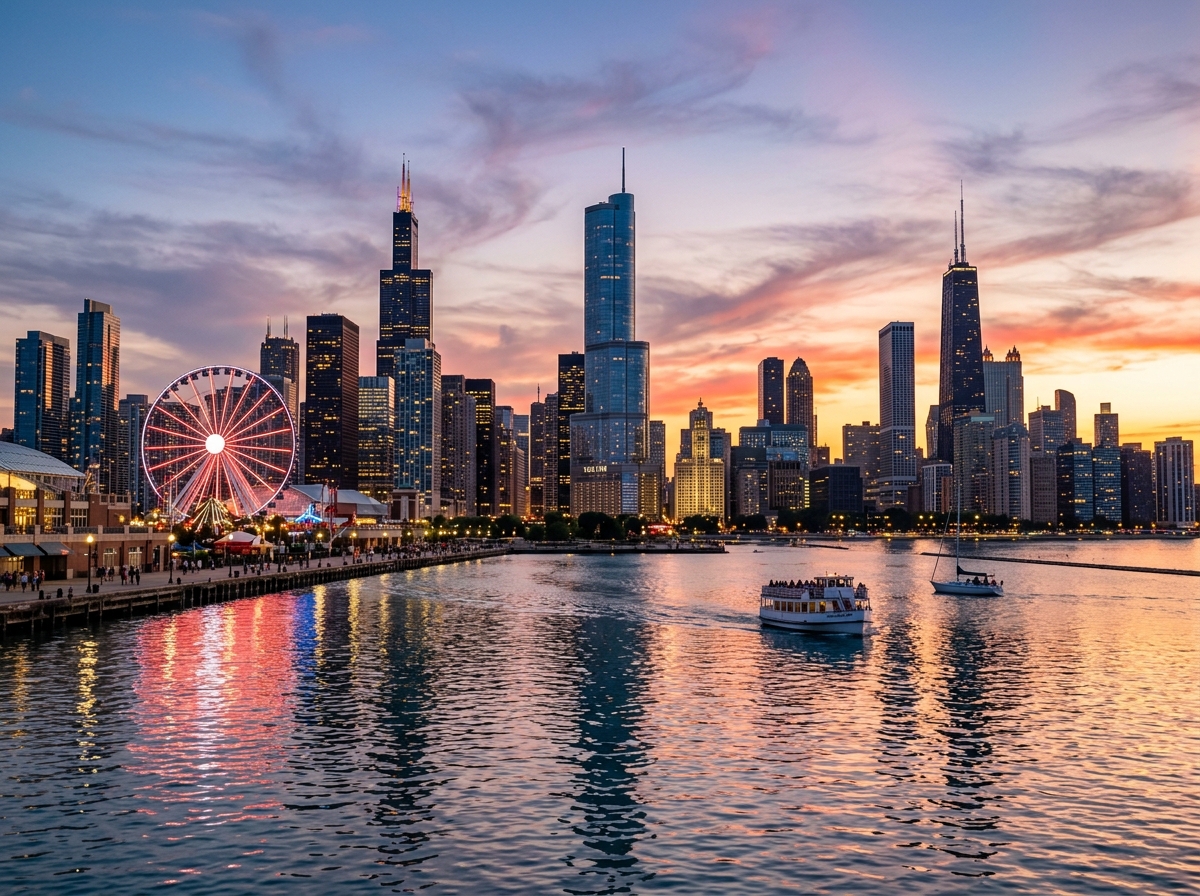
Chicago’s architecture is unmatched — the city essentially invented the modern skyscraper after the Great Fire of 1871, and walking tours of the Chicago Riverwalk remain one of the best urban architecture experiences in the world. Beyond the buildings, the city offers the Art Institute of Chicago (home to one of the finest Impressionist collections in America), the panoramic views from Willis Tower’s Skydeck, and a food scene centred around deep-dish pizza that provokes fierce loyalty from locals.
Chicago in summer is one of the best versions of any American city, with a lakefront that gives it a scale and openness most inland cities lack. The Chicago Blues Festival in June and the Chicago Jazz Festival in September are both world-class free events.
Hawaii and Alaska: America’s Two Outliers
Hawaii
Hawaii is technically part of the United States but feels completely unlike any mainland American destination. The Big Island alone spans climate zones from tropical beach to volcanic summit snow, while Maui delivers the best combination of beach, landscape, and food culture. Oahu has Honolulu’s Waikiki Beach culture and the extraordinary history of Pearl Harbor.
From tracing the shoreline of Lake Tahoe to gliding through mangrove tunnels in the Florida Keys, America is home to some of the world’s most diverse and exciting food scenes. Hawaii’s food scene, built on poke, plate lunches, shave ice, and malasadas, is one of the most distinctive regional cuisines in the country.
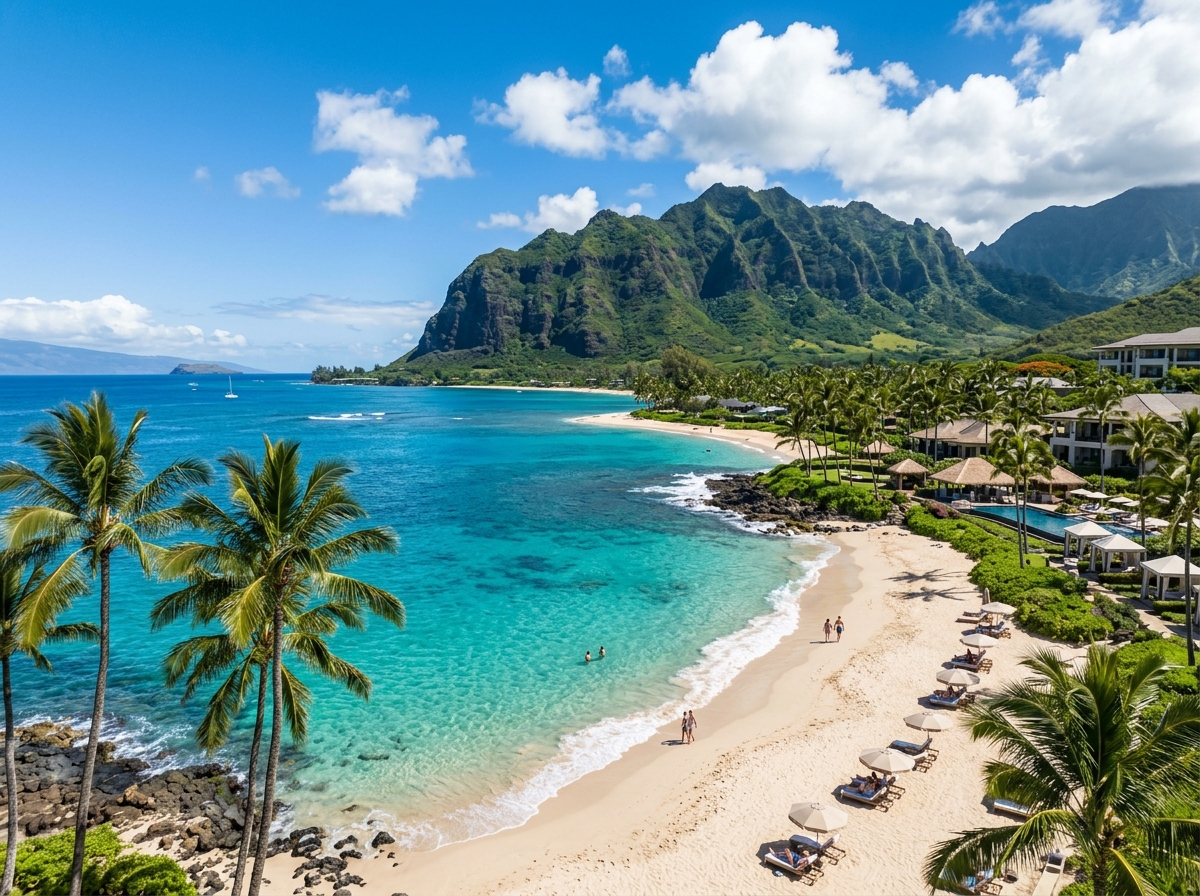
Best time: April and May for the lowest prices before summer peak; September and October for warm water and thinner crowds.
Alaska
Alaska in summer delivers wilderness at a scale that has no equivalent in the lower 48 states. Denali National Park, the Inside Passage by cruise or ferry, whale watching near Juneau, and the bear-salmon encounters at Brooks Falls in Katmai National Park are all experiences that sit well outside what any other American destination offers.
August is the peak month for bear viewing at Brooks Falls, when salmon runs are at full volume. Book bear-viewing permits through the National Park Service well ahead.
Hidden Gems That Most America Guides Skip
Asheville, North Carolina
Asheville NC is one of America’s hidden gems, offering unique, less crowded experiences. The Blue Ridge Parkway runs through the surrounding mountains, the craft beer culture rivals Portland, the arts scene is genuinely thriving, and the Biltmore Estate (the largest private home in America) is an extraordinary historic site within the city limits.
The Florida Keys
The Florida Keys stretch 125 miles into the Gulf of Mexico along one of America’s most scenic drives — the Overseas Highway. Key Largo is the gateway and home to John Pennekamp Coral Reef State Park, the first underwater state park in the US and one of the finest snorkelling spots in the country.
The Keys are consistently overlooked by visitors who fly into Miami and head straight to South Beach. The Overseas Highway itself is one of the great American drives, with water on both sides for much of its length.
Olympic National Park, Washington
Olympic is one of the least visited major national parks despite being one of the most diverse. A single park holds temperate rainforest, glaciated mountain peaks, hot springs, and over 70 miles of Pacific coastline, all within a peninsula an hour west of Seattle.
Savannah, Georgia
Savannah is the perfect two-night destination. It is full of history, a historic main street, and some really delicious bars and restaurants. The most beautiful city in the American South, Savannah has 22 historic squares shaded by live oaks draped in Spanish moss. It is walkable, genuinely pretty, and significantly less visited than Charleston or New Orleans.
For any multi-destination American road trip or national park tour, a lightweight packable daypack that handles hiking, city exploring, and day trips from a base hotel without needing to be checked is the single most useful piece of gear. The Osprey Daylite Plus 20L Backpack (available on Amazon) is the most recommended travel daypack for American national park trips: hydration-compatible, comfortable for full-day hikes, and compact enough to store under an airline seat as a personal item on domestic flights between cities.

Osprey Ultralight Collapsible Stuff Pack
America By Traveller Type
First-time international visitors: East Coast route from New York to Washington DC via Philadelphia and Baltimore. Covers American history, urban culture, and efficient travel times between cities on Amtrak.
Nature and national parks: Southwest loop from Las Vegas through Zion, Bryce Canyon, and the Grand Canyon. Or a Pacific Northwest trip combining Olympic National Park, Mount Rainier, and Crater Lake.
Road trippers: Pacific Coast Highway from San Francisco to Los Angeles. Route 66 from Chicago to Los Angeles (particularly meaningful in 2026 for the centennial). Blue Ridge Parkway from Virginia to North Carolina.
Food and culture: New Orleans, Nashville, and Memphis strung together across the South. Or New York, Chicago, and San Francisco for the breadth of American urban food culture.
Beach holidays: Miami and the Florida Keys for the most reliably warm winter beach. Hawaii for the most beautiful beach landscapes. The Outer Banks of North Carolina for the most dramatic East Coast beach scenery.
Budget travellers: Washington DC for free Smithsonian museums. National parks with the America the Beautiful Pass ($80). Road trips with camping gear in the West. Austin for live music with a cost of living below other major American cities.
Quick Reference Table
| Destination | Region | Best For | Best Season |
|---|---|---|---|
| New York City | Northeast | Urban culture, everything | Sep to Nov |
| Washington DC | Northeast | History, free museums | Mar to May, Sep to Nov |
| Boston | Northeast | Colonial history, food | May to Oct |
| New Orleans | South | Music, food, culture | Mar to May, Oct to Nov |
| Nashville | South | Music, food, growing city | Apr to Jun, Sep to Oct |
| Grand Canyon | Southwest | Natural wonder | Mar to May, Sep to Nov |
| Zion National Park | Southwest | Hiking, slot canyons | Apr to Jun, Sep to Oct |
| San Francisco | West Coast | City, wine country, redwoods | Sep to Nov |
| Los Angeles | West Coast | Entertainment, beaches, sun | Year-round |
| Chicago | Midwest | Architecture, food, lakefront | Jun to Sep |
| Hawaii | Pacific | Beaches, volcanoes, food | Apr to May, Sep to Oct |
| Asheville | Southeast | Mountains, craft beer, arts | May to Oct |
Practical Tips for Visiting America
Distances are the main planning constraint. New York to San Francisco is like London to Baghdad. Build an itinerary around one or two regions rather than trying to cross the country. Budget travellers can use Amtrak between East Coast cities effectively. For the West, a rental car is almost always necessary.
The America the Beautiful Pass is one of the best deals in travel. At $80 per year, the pass covers entry fees at over 80 national parks and federal recreation areas. It covers the driver and all passengers in a single vehicle. If your trip includes two or more national parks, it pays for itself immediately.
Tip culture is genuinely expected. Unlike many countries, tipping in the US is not optional. 18 to 20 percent is standard at sit-down restaurants, and tips are expected for bartenders, hotel housekeeping, taxi and rideshare drivers, and tour guides. Budget for this.
Healthcare costs are significant. The US has no national health system for visitors. Medical treatment without insurance is extremely expensive. Comprehensive travel insurance that covers medical emergencies is not optional for any international visitor.
Domestic flights are cheap if booked early. The domestic air network is extensive and competitive. Southwest, Delta, American, and United all run frequent routes between major cities, and fare sales make many domestic flights affordable. Book six to eight weeks ahead for the best prices.
For any America trip that combines cities, national parks, and road trips across different climate zones, a versatile insulated jacket that works from a Manhattan evening to a Grand Canyon morning is the most multi-purpose single clothing item you can bring. The Patagonia Nano Puff Jacket (available on Amazon) weighs under 200 grams, packs into its own pocket, and adds genuine warmth in cool mountain mornings and autumn evenings across every region of the country without bulk.

PUFFIT Rain Jacket
Frequently Asked Questions
What is the best place to visit in America for the first time?
New York City for urban energy and cultural breadth. Washington DC for history and free world-class museums. The Grand Canyon for the single most dramatic natural sight in the country. For a combined trip, the East Coast from New York to Washington DC gives first-time visitors the broadest introduction in a manageable geographic range.
When is the best time to visit America?
It depends entirely on where you are going. Spring (April to May) and fall (September to October) offer the best compromise across most regions: mild temperatures, lower crowds than summer, and better prices. Summer is best for national parks and Alaska. Winter is best for Miami, Hawaii, and the Southwest desert parks.
What is the cheapest part of America to visit?
The Midwest and South are generally more affordable than the coasts. Cities like Nashville, New Orleans, Memphis, and Asheville offer excellent food and culture at significantly lower prices than New York, San Francisco, or Miami. National parks with the America the Beautiful Pass are excellent value throughout.
How long do you need to visit America properly?
Two weeks covers one region well. Three weeks allows two regions. Trying to cover both coasts and the national parks in under three weeks usually means too much time in transit. First-time visitors should stick to one or two regions maximum.
Is America safe for tourists?
The main tourist destinations, cities, and national parks are all considered safe for visitors. Standard urban precautions apply in large cities. Some rural areas have limited medical facilities. Comprehensive travel insurance including medical coverage is strongly recommended for all visitors.
What natural wonders should I not miss in America?
The Grand Canyon, Yosemite’s Half Dome and valley floor, Yellowstone’s geysers and wildlife, Niagara Falls, the Florida Everglades, and the Great Smoky Mountains are the most significant. Alaska adds glaciers and wildlife at a different scale again.
What is different about visiting America in 2026?
The FIFA World Cup 2026 runs in American cities from June through July, creating higher demand and prices in host cities including New York, Los Angeles, Dallas, Atlanta, and Seattle during match weeks. Route 66’s centennial and America’s 250th anniversary create genuine new events and attractions along the historic highway. Both events make 2026 a more interesting year to visit than most, but also require earlier booking than usual for popular destinations.
Final Thoughts
America rewards the traveller who stops trying to see all of it and starts trying to actually experience part of it.
The classic mistake is building an itinerary that crosses too much ground. A week in New York and Washington DC is a better trip than three days in New York, two in Washington DC, one night in Nashville, and a flight to Los Angeles on day eight. The country is simply too big and too varied for that approach to work well.
Pick the region that genuinely interests you. Go deep into it. Eat at local restaurants rather than chains. Drive the scenic routes rather than the interstates. Talk to people. Accept that you are seeing one version of America, not all of it, and that every version is worth coming back for.
The country is extraordinary in a way that is hard to describe before you experience it. The sheer scale of the landscape, the generosity most Americans show to visitors, and the genuinely world-class culture that exists across cities, parks, and communities that most international visitors never reach all make it one of the most rewarding destinations on Earth.
Start anywhere. It will not disappoint.