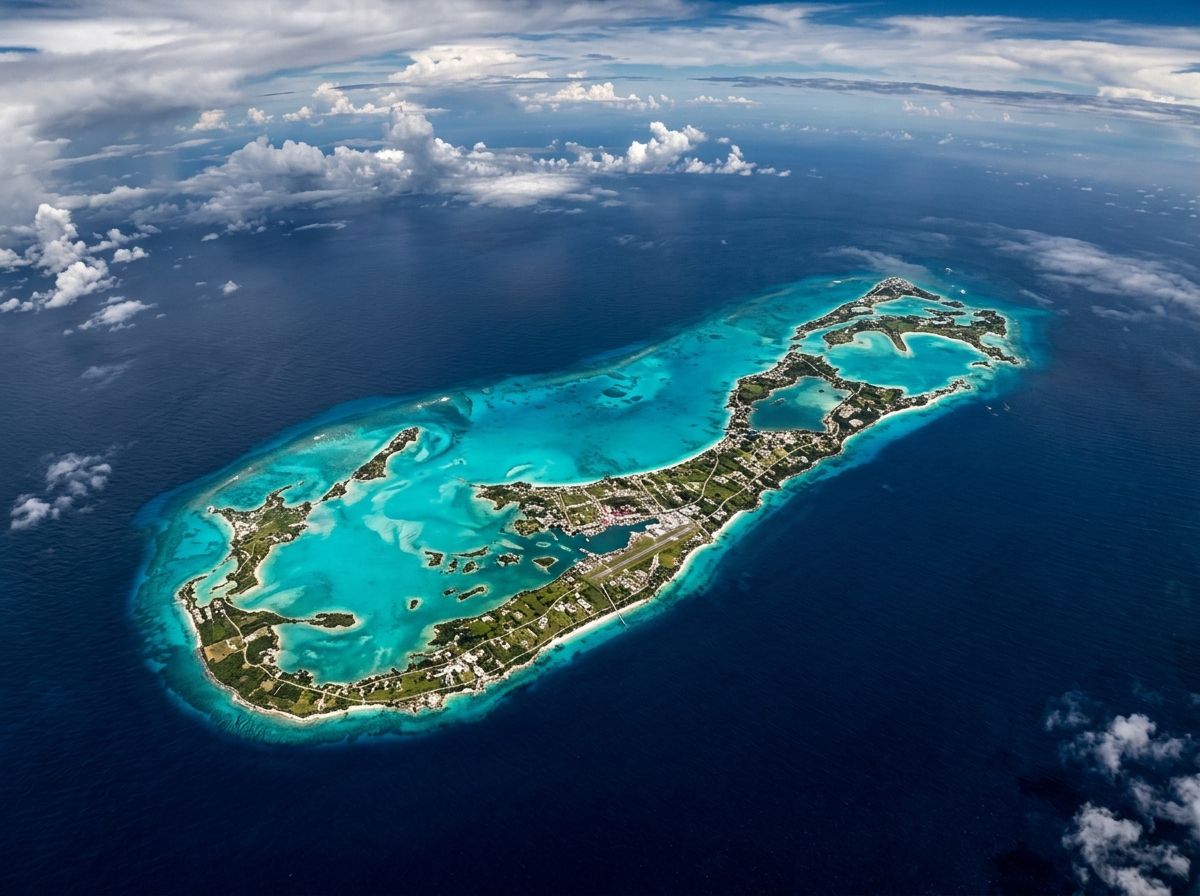
Bermuda is not in the Caribbean. Most people assume it is, but the island sits 1,000 kilometres east of North Carolina, squarely in the Atlantic Ocean. That geography matters because it means Bermuda has a different climate pattern from Barbados, Jamaica, or Cancun. It is cooler in winter, the water takes longer to warm up in spring, and the hurricane risk, while real, is lower than for islands directly in the storm belt.
Understanding that distinction helps you plan a trip that actually matches what you want from the island, whether that is pink-sand beach days, golf, whale watching, or world-class diving.
Quick Answer: Best Time to Visit Bermuda
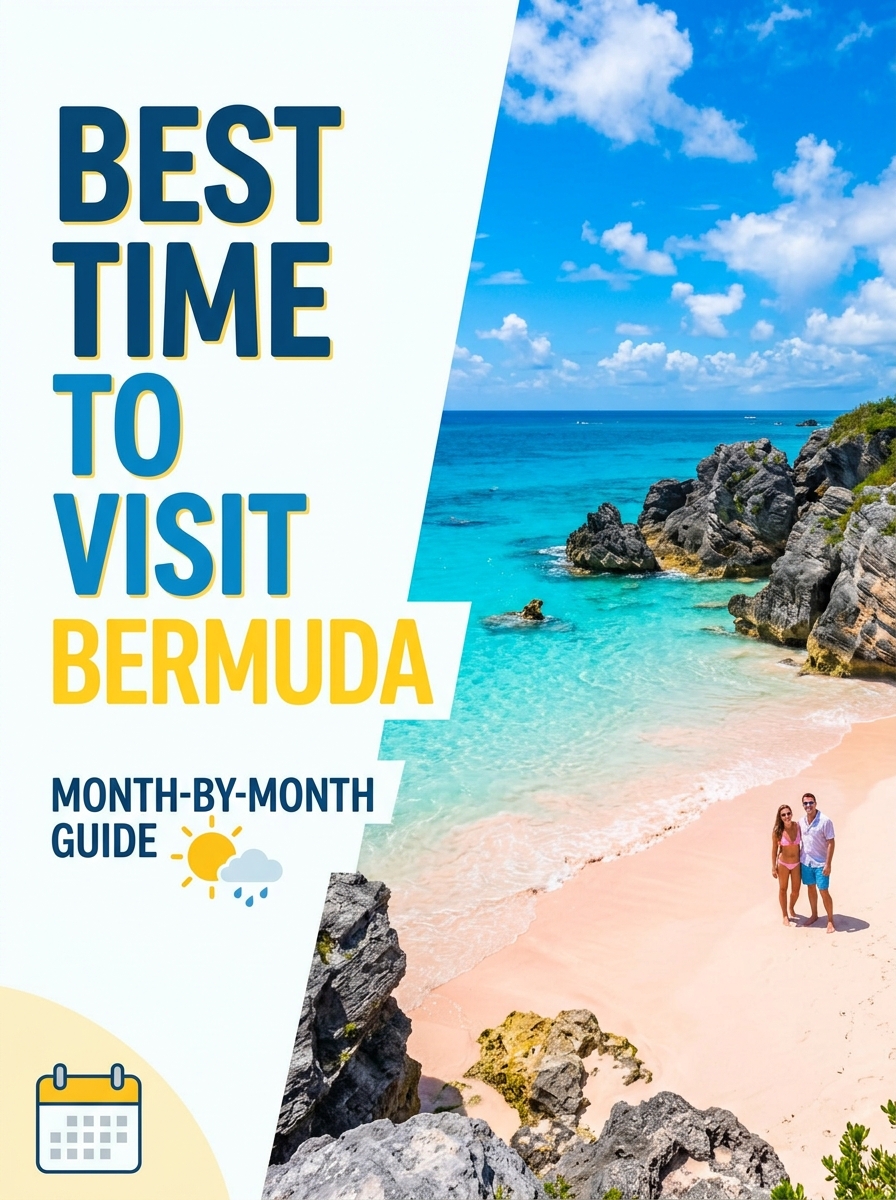
The best overall time to visit Bermuda is May through September for beach holidays, with the peak months of June, July, and August delivering the warmest weather and water temperatures. For a quieter visit with lower prices and excellent golf, March and April offer mild weather outside hurricane season. For budget travellers who do not need beach swimming, December through February gives you the island largely to yourself at up to 50 percent off peak rates.
The one month to think carefully about is October, which is statistically the rainiest month of the year and sits in the heart of the most active part of hurricane season.
The Bermuda Geography You Need to Know
Before breaking down seasons, the most important planning fact is this: Bermuda’s water temperature is the single most important number if you are visiting for the beaches.
Unlike tropical Caribbean islands where the sea stays warm enough to swim year-round, Bermuda sits far enough north that the water gets genuinely cold in winter. From late December through March, sea temperatures sit in the high 60s Fahrenheit (around 18 to 19 degrees Celsius). That is too cold for comfortable swimming without a wetsuit for most visitors.
By April the water reaches around 70F (21C), and Bermuda Day on May 24 is the traditional local marker for the first proper swim of the season. By June through September the sea sits in the low to mid-80s Fahrenheit (27 to 29C), feeling like a warm bath. It cools slowly through October (around 26C) and November (around 22C).
This temperature calendar determines more about the right time to visit than anything else.
Bermuda by Season
Spring (March, April, May)
Spring is when Bermuda shakes off winter and becomes its most beautiful, with oleanders blooming across the island and the light turning golden before summer humidity builds.
March is the best month in the year for whale watching. Humpback whales migrate past Bermuda from their warm winter breeding grounds toward summer feeding waters around New England, Greenland, and Iceland. Boat tours from Hamilton and St. George offer sightings of breaching, tail-slapping whales in open Atlantic waters, and the spectacle is extraordinary and underappreciated given how well-known Bermuda’s beaches are. March temperatures average around 65F (18C) during the day, cool for beach time but genuinely pleasant for walking, cycling, and golf.
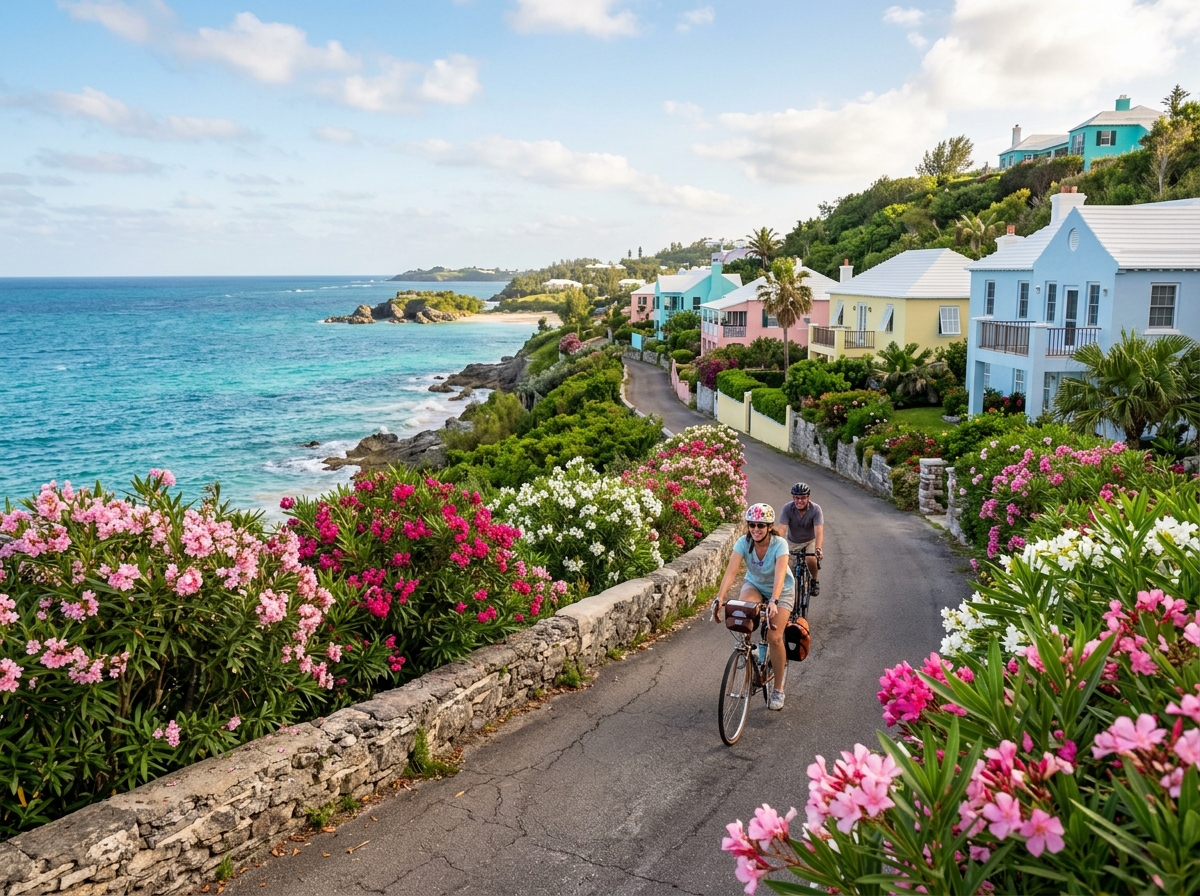
April is the same comfortable territory, with temperatures warming toward 70F (21C) and the water just beginning to become swimable for the hardier visitor. Golf is at its best in April: moderate temperatures, easy tee-time availability, and significantly lower hotel rates than summer. Bermuda has seven golf courses for an island that covers only 20 square miles, and the combination of ocean views and technical coastal course design makes it one of the premier golf destinations in the Atlantic.
May is the transition into peak season. The water warms noticeably as the month progresses. Bermuda Day on May 24 is the national holiday marking the first official swim of the season for locals, and the island celebrates with a parade, half-marathon, and general festivity. Beach conditions are good by late May and hotel prices begin their climb toward summer peak.
Spring summary:
- Water temp: Too cold in March, manageable in April, good from late May
- Crowds: Low to moderate
- Prices: Lower than summer, particularly March and April
- Best for: Golf, whale watching, cycling, walking, spring blooms
Summer (June, July, August)
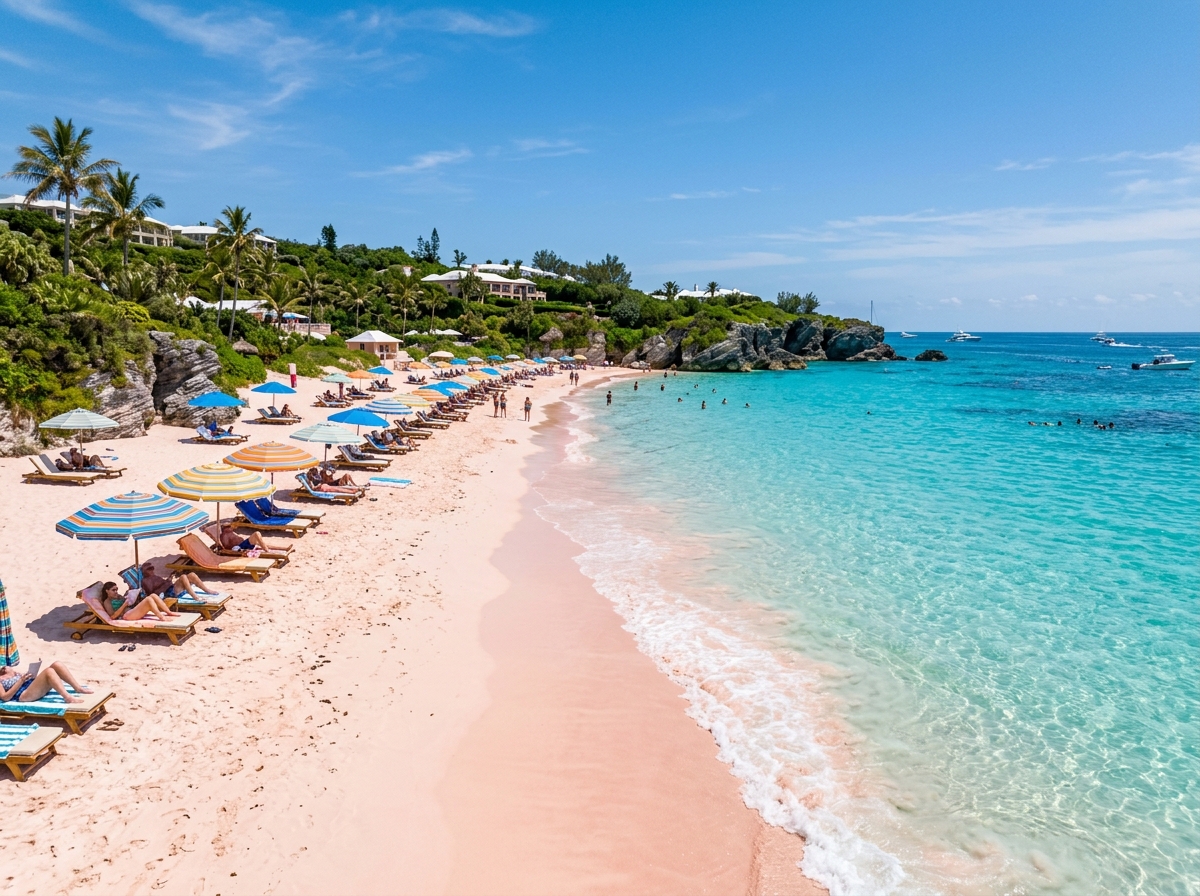
Summer is when Bermuda delivers the full pink-sand beach experience that defines most people’s image of the island.
June brings warmth (highs around 27 to 28C), bath-warm sea temperatures, and the island’s most vibrant events calendar. Bermuda Carnival takes place on the third weekend of June each year, filling the streets of Hamilton with music, costume, and the kind of energy that the quiet winter months cannot provide. Sailing events including the Newport Bermuda Race (held every two years) and the Annapolis Bermuda Ocean Race draw competitors and spectators to the island.
July is the single best month to visit Bermuda if you want peak beach conditions combined with a lower rain risk than August. Temperatures average 28C, the sea is warm, and the sunshine is consistent. It is also the busiest and most expensive month of the year, with hotel rates at their annual peak.
The major summer cultural event is Cup Match, the Emancipation holiday celebrated in late July or early August with a two-day cricket match between teams from opposite ends of the island. The entire island essentially shuts down for this holiday. Plan ahead for any grocery or supply needs because most businesses close. The atmosphere is one of the most genuinely Bermudian experiences available to visitors who time their trip around it.
August is hot (averaging 28 to 30C), humid, and the warmest water of the year. Long walks in midday heat are genuinely unpleasant. Hurricane season is active, though storm risk is lower in June and July than in September and October. The Harbour Nights street festival runs on Wednesday evenings in Hamilton through the summer, and it remains one of the best free events on the island.
Summer summary:
- Water temp: Peak warmth, 27 to 29C, ideal for swimming and snorkelling
- Crowds: Highest of the year, particularly July
- Prices: Peak rates
- Best for: Beaches, water sports, events, the full Bermuda experience
Autumn (September, October, November)
Autumn in Bermuda is a period of genuine trade-offs, and most guides do not give you the honest version.
September is warm (averaging around 27C), the water is still excellent for swimming, and summer crowds have thinned noticeably after Labour Day. The trade-off is that September and October are the most active months of hurricane season and statistically the rainiest months of the year. The honest data: Bermuda gets a damaging direct hurricane hit roughly once every 6 to 7 years, not every season. The Bermuda Weather Service notes that the island covers only 20 square miles, making it a small target, and Bermudian building codes are among the strictest in the Atlantic. Hurricane Ernesto in 2024 was the most recent direct hit and caused minimal damage. For 2026 specifically, NOAA’s May 2026 outlook calls for a below-normal Atlantic season (8 to 14 named storms), which reduces but does not eliminate the risk.
The practical approach for any September or October visit: take travel insurance that explicitly covers hurricane-related disruption, watch the National Hurricane Center at nhc.noaa.gov in the week before your trip, and have a flexible itinerary if weather changes.
October is the single most challenging month to visit. It is statistically the wettest month of the year, with average rainfall exceeding six inches. It is in the heart of the most active hurricane window, and temperatures are dropping from summer levels. The water is still swimmable at around 26C but the overall experience is more variable than any other month. The Bermuda World Rugby Classic, an international tournament with teams from New Zealand, Argentina, and elsewhere, runs in November and is a genuinely entertaining event for sports fans.
November transitions toward winter. Temperatures drop to around 20 to 22C, rain frequency decreases from October’s peak, and hotel prices fall significantly. The island feels noticeably quieter. Scuba divers should note that underwater visibility begins improving dramatically as the water cools and clears, making November through February the best season for wreck diving on Bermuda’s extensive reef system.
Autumn summary:
- Water temp: Still warm in September (27C), cooling through November
- Crowds: Dropping from September onward
- Prices: Falling from summer peak
- Best for: Budget travel (October-November), quieter beaches, the Rugby Classic
- Watch out for: Hurricane risk in September and October
Winter (December, January, February)
Winter is Bermuda’s best-kept secret, and it works for a very specific kind of traveller.
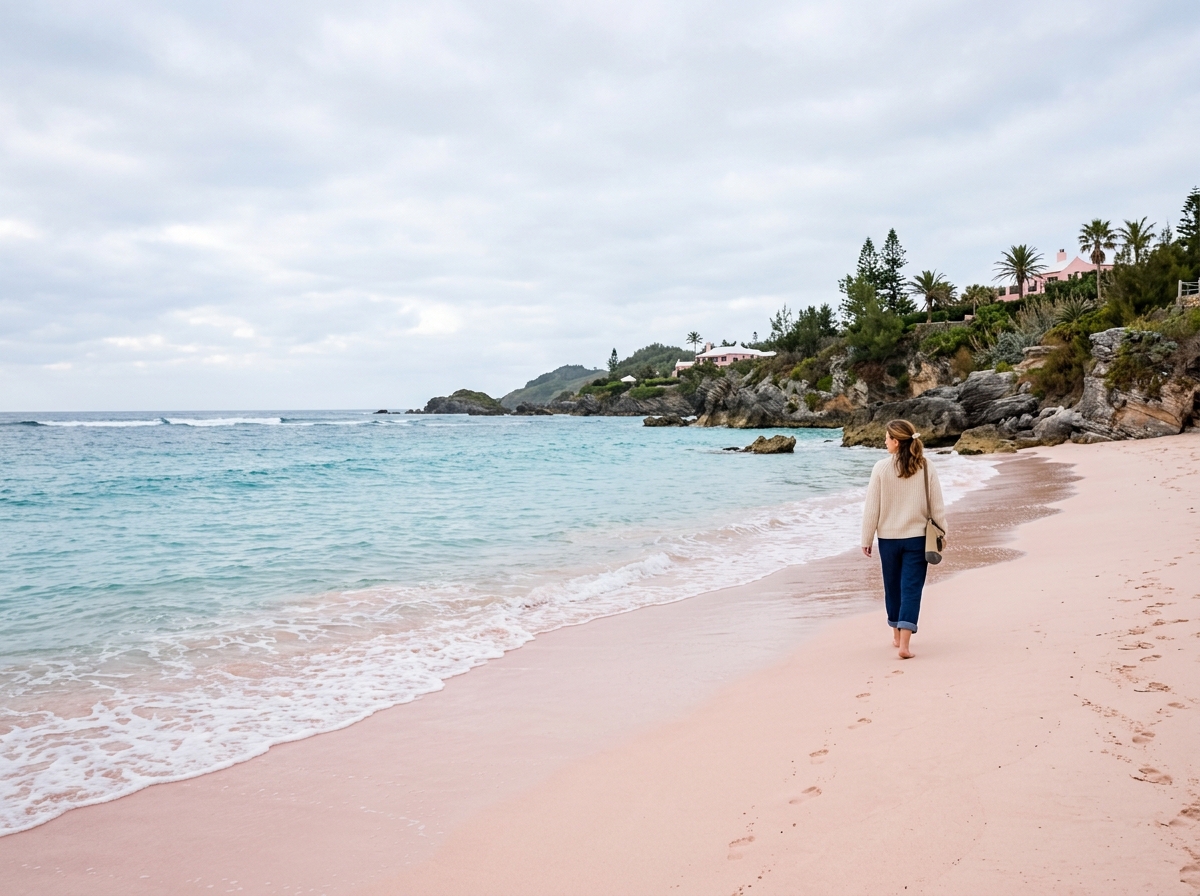
Air temperatures sit around 18 to 21C. That is too cool for beach sunbathing and the water (in the high 60s Fahrenheit) is too cold for comfortable swimming without a wetsuit. But the island is strikingly beautiful in a quiet way. The pink sand against a moody Atlantic sky, nearly empty beaches in a light sweater, and a genuine slowness that summer does not allow for.
Hotel rates drop by up to 50 percent from summer peaks. Some businesses reduce hours or close entirely, so checking ahead is sensible. But the golf courses are among the most pleasant in the world during winter rounds, with low humidity, easy tee-time availability, and prices well below what summer visitors pay.
Scuba diving in winter is when the real enthusiasts arrive. Water clarity shoots up dramatically as surface algae drops off. Bermuda has 200-plus shipwrecks on its surrounding reefs, including the early 17th-century Sea Venture wreck and the World War II-era Montana, and winter visibility can exceed 30 metres, far better than the summer average. The water temperature requires a wetsuit (a 5mm is adequate for most divers) but the visibility and the lack of boat traffic make it worth it for any serious diver.
Winter summary:
- Water temp: Cold (high 60s Fahrenheit), wetsuit required for swimming
- Crowds: Lowest of the year
- Prices: Up to 50 percent below summer rates
- Best for: Budget travel, golf, scuba diving, quiet walks, the island’s natural beauty without the crowds
Month by Month Quick Reference
| Month | Air Temp | Sea Temp | Crowds | Prices | Best For |
|---|---|---|---|---|---|
| January | 65-68F | 68F | Very low | Lowest | Budget, golf, diving |
| February | 65-68F | 67F | Very low | Low | Budget, diving visibility |
| March | 65-70F | 68F | Low | Low | Whale watching, golf |
| April | 68-73F | 70F | Low-moderate | Moderate | Golf, spring blooms |
| May | 72-78F | 74F | Moderate | Moderate | Transition, Bermuda Day |
| June | 79-84F | 79F | High | High | Beach season starts, Carnival |
| July | 82-86F | 82F | Very high | Peak | Best beach conditions |
| August | 83-86F | 84F | Very high | Peak | Cup Match, warm water |
| September | 80-83F | 82F | Moderate | Moderate | Shoulder, hurricane watch |
| October | 76-79F | 79F | Low | Moderate-low | Rainiest month, hurricane risk |
| November | 70-74F | 75F | Low | Low | Quieter, Rugby Classic |
| December | 68-72F | 72F | Very low | Low | Festive, diving, golf |
The Hurricane Honest Assessment
Every Bermuda guide mentions hurricane season. Very few give you the actual risk picture.
The technical hurricane season runs June through November. The meaningful risk window for Bermuda is late August through October, when Atlantic sea surface temperatures peak and provide fuel for storm systems. September and October are historically the most active months.
The key data point: Bermuda gets a damaging direct hit roughly once every 6 to 7 years. The surrounding coral reef belt breaks up storm surge before it reaches shore. Bermudian buildings are constructed to withstand most Category 1 and 2 storms. Modern weather forecasting gives several days of warning before any serious system arrives.
For 2026 specifically: NOAA’s season outlook calls for a below-normal Atlantic season, citing a developing El Nino that typically increases wind shear and suppresses storm development. This is good news for summer and early fall visitors, though it does not eliminate the risk entirely.
The practical rules:
- Book with flexible or free cancellation for any September or October visit
- Take travel insurance that covers hurricane disruption, not just cancellation
- Watch nhc.noaa.gov in the week before your travel dates
- Know that most Bermudian hotels and infrastructure are built for storms and recovery is typically fast even after a brush
For ocean beach days in Bermuda’s summer heat and humidity, a reef-safe sunscreen that handles sweat and salt water without running into eyes is essential. The UV index on Bermuda’s beaches is significantly higher than most East Coast US beaches due to the island’s southern latitude and clear Atlantic air. The Neutrogena Beach Defense Water-Resistant Sunscreen SPF 70 (available on Amazon) is broad-spectrum, water-resistant for 80 minutes, and widely used by water sports enthusiasts for its clean, non-greasy formula that works effectively in high-humidity conditions.

Neutrogena Sport Face Sunscreen SPF 70+
What Most Bermuda Guides Skip
No rental cars. This surprises almost every first-time visitor. Bermuda does not permit tourists to rent cars. The only motor vehicle tourists can hire is a scooter or electric mini-car, with a maximum of one per family. Public buses and ferries connect the island well, taxis are readily available, and most hotels run shuttle services. But planning a Bermuda road trip in the traditional sense is not possible.
Bermuda is expensive. This is not a budget destination by Caribbean or Mexico standards. Meals, accommodation, and activities all price at premium island rates, similar to the best places to visit in Bora Bora in terms of the expectation-setting needed before arrival. For a luxury island escape, this is expected. For budget travellers, the winter months offer genuine value, and self-catering accommodation is available.
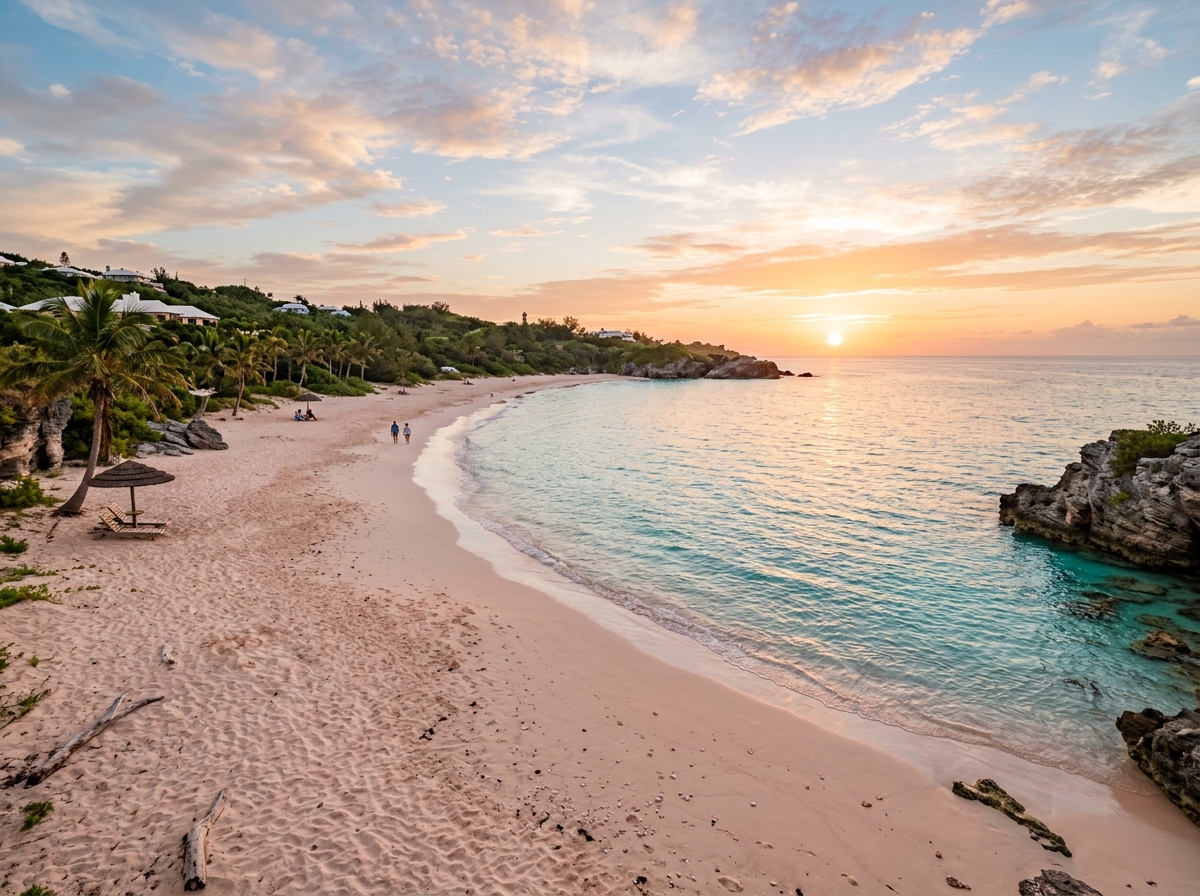
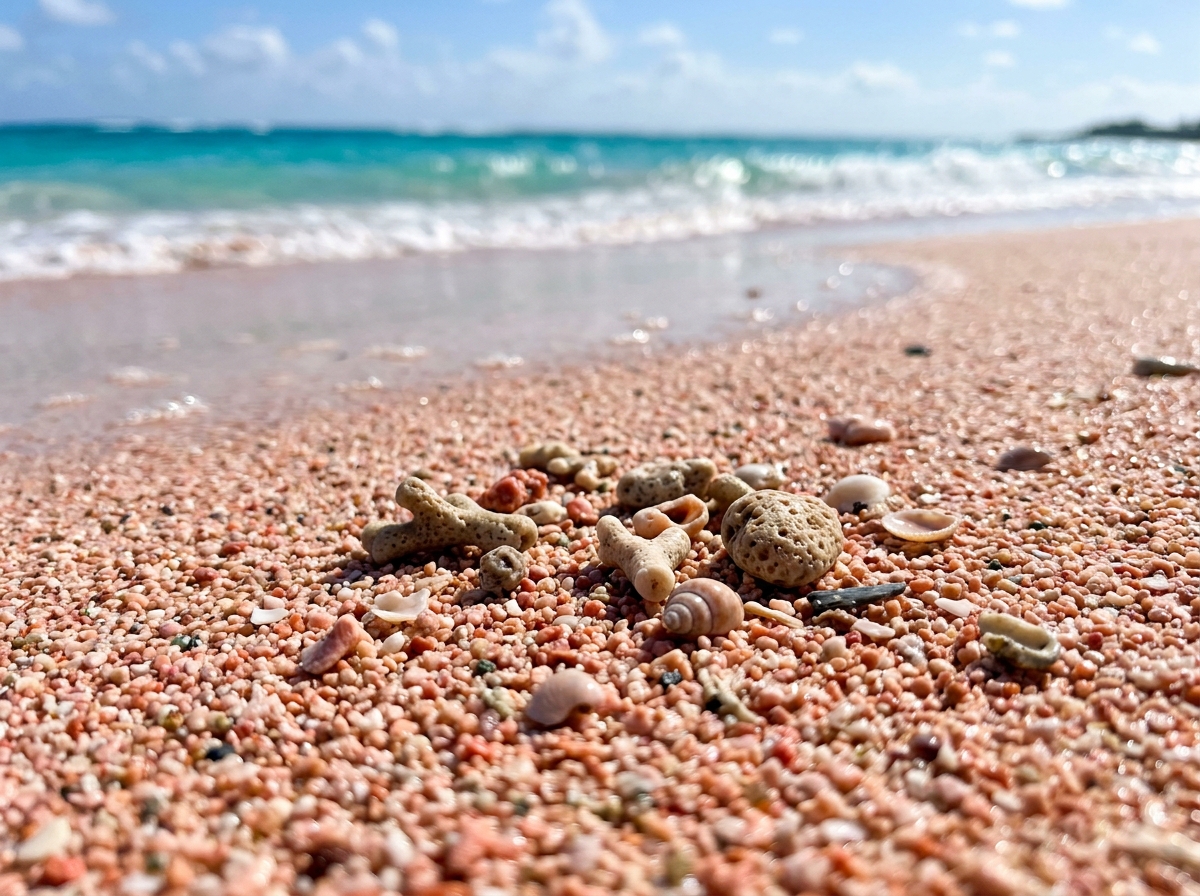
The pink sand is real. Horseshoe Bay on the South Shore is the most famous beach, and the pink tint of the sand is real, caused by crushed coral, shells, and the shells of foraminifera (tiny marine organisms with pink-red shells). The colour is most vivid in direct sunlight and photographs best in morning light.
Scooter driving requires caution. Bermuda’s roads are narrow and winding, and scooter accidents are one of the most common visitor injuries. The island drives on the left (British influence), and many visitors are unfamiliar with either scooters or left-hand driving. Taking the ferry and bus for most journeys and renting a scooter only for specific excursions is sensible advice.
The Dark and Stormy is Bermuda’s. Gosling’s Black Seal Rum and ginger beer over ice is the official signature drink of Bermuda, legally protected as a trademark. The Rum Swizzle (Gosling’s rum, citrus juices, and sugar) is the other island classic. Both are available everywhere and both are genuinely excellent.
For any Bermuda trip that involves both beach days and land activities like cycling and golf, a lightweight insulated water bottle that handles a full day without needing a refill is genuinely useful. The Hydro Flask 24oz Standard Mouth Bottle (available on Amazon) keeps drinks cold for up to 24 hours in Bermuda’s summer humidity, fits in a scooter bag or beach tote, and eliminates the need for single-use plastic bottles across a full day of island exploring.
Best Time to Visit Bermuda by Traveller Type
Beach lovers: June through September for peak water temperatures and beach conditions. July is the sweet spot for best weather with slightly lower hurricane risk than August and September.
Golfers: March and April for the ideal combination of mild temperatures, easy tee-time availability, and significantly lower prices. December and January also work for serious golfers who prefer cool, low-humidity rounds.
Whale watchers: March is the prime month, with humpback migration passing close to the island. Boat tours from Hamilton run regularly and sightings are frequent.
Scuba divers: November through February for peak underwater visibility and Bermuda’s famous wreck diving. The water requires a wetsuit but the conditions are extraordinary.
Budget travellers: December through February for the lowest hotel rates (up to 50 percent below summer) and a peaceful island experience.
Families: June through August for warm water, beach activities, and the full events calendar. July is the peak family month with the island at its most energetic.
Couples and honeymooners: May is increasingly the favourite choice, offering warm weather, affordable rates compared to July and August, and the beautiful spring blooms that make the island look its most romantic.
Frequently Asked Questions
What is the best month to visit Bermuda? July delivers the best combination of warm water, reliable sunshine, and peak beach conditions. For those who want good weather without peak prices and crowds, May or September are strong alternatives.
Is Bermuda safe to visit during hurricane season? The technical hurricane season runs June through November, but the meaningful risk window for Bermuda is late August through October. Direct damaging hits happen roughly once every 6 to 7 years. Taking flexible bookings and travel insurance for any September or October visit is the sensible approach. June and July carry significantly lower hurricane risk despite being within the technical season.
When is the water warm enough to swim in Bermuda? By late May the water reaches around 74F (23C), comfortable for most swimmers. From June through September it sits in the low to mid-80s Fahrenheit (27 to 29C), ideal for swimming and snorkelling. The Bermuda Day holiday on May 24 is the traditional local marker for the swim season beginning.
Is it worth visiting Bermuda in winter? Yes, for specific types of travellers. Golfers, scuba divers, and budget travellers all find genuine value in the December through February window. The beaches are beautiful if cool, hotel rates drop dramatically, and the island has a peaceful quality that summer cannot match.
Can you rent a car in Bermuda? No. Bermuda does not permit tourists to rent traditional cars. Scooters and electric mini-cars are available, with one rental per family or couple. Public buses, ferries, and taxis provide good coverage of the island, and most major hotels offer shuttle services.
What are the best beaches in Bermuda? Horseshoe Bay on the South Shore is the most famous, with genuinely pink sand and calm turquoise water. Tobacco Bay near St. George’s is excellent for snorkelling from the shore. Jobson’s Cove is a small, sheltered cove near Horseshoe Bay that is quieter and excellent for children. Elbow Beach on the South Shore is the widest beach on the island.
What is Bermuda’s signature drink? The Dark and Stormy, made with Gosling’s Black Seal Rum and ginger beer, is legally trademarked as Bermuda’s signature cocktail. The Rum Swizzle, with Gosling’s rum, citrus juice, falernum, and bitters, is the other island classic available everywhere from beach bars to hotel restaurants.
Final Thoughts
Bermuda delivers something different depending on when you arrive.
July gives you the pink sand, the bath-warm water, and the island at its most alive. March gives you whale songs, empty fairways, and spring flowers. December gives you the island to yourself at half the price, with extraordinary visibility through the wreck-strewn reef below the surface.
None of these versions are the wrong version. They are just different islands, and knowing which one you want is how you get the most from a Bermuda trip.
Book flexible for September and October, watch the hurricane forecasts, and get your travel insurance sorted before anything else if you are visiting during that window. For every other month, the island’s distinctly British-Atlantic character, pink sand, Dark and Stormy in hand, and the Atlantic light on those improbable beaches will deliver what you came for.