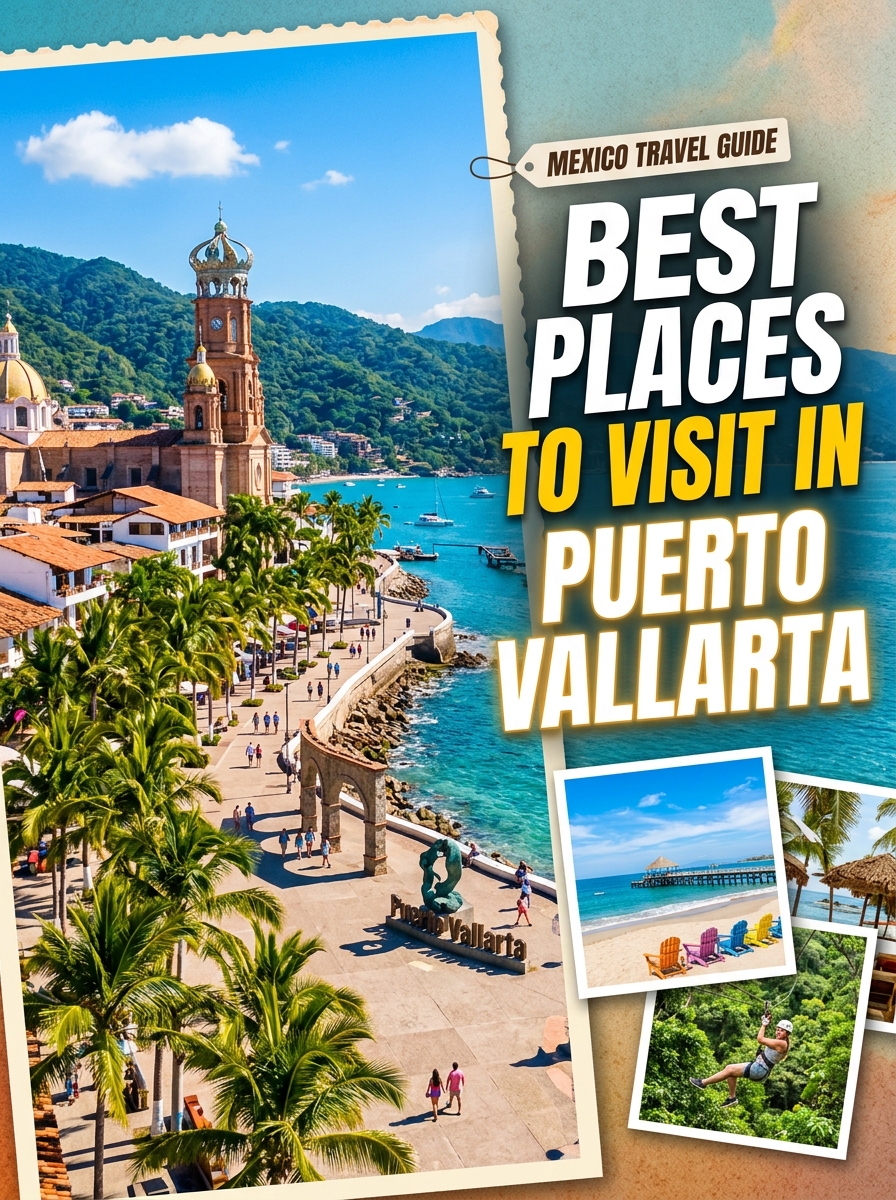
Puerto Vallarta sits where the Sierra Madre Mountains crash directly into Banderas Bay, and that collision is the most important thing to understand about the city.
It is not a flat resort strip. It is a mountain city that spills down to the Pacific, with cobblestone streets that climb between colourful houses, a cathedral with an iconic crown-topped tower, a working neighbourhood life that tourists walk through rather than observe from a resort shuttle, and beaches that range from crowded and social to only accessible by boat.
That combination makes Puerto Vallarta genuinely different from Cancun or Los Cabos. It has a real urban soul. This guide covers the best places to visit in Puerto Vallarta by neighbourhood, by beach, and by experience type, with the honest practical advice most guides skip.
Quick Answer: Best Places to Visit in Puerto Vallarta
For a first visit, the Zona Romántica and El Centro together cover the best walkable Puerto Vallarta. Spend time on the Malecón boardwalk, eat at the local market, and take a water taxi to the southern beaches. For hidden beaches, Colomitos and Yelapa both require a boat and reward the effort. For day trips, the Marietas Islands and Sayulita offer completely different experiences from the city itself.
Neighbourhoods: Choose Your Vibe First
Zona Romántica (Romantic Zone)
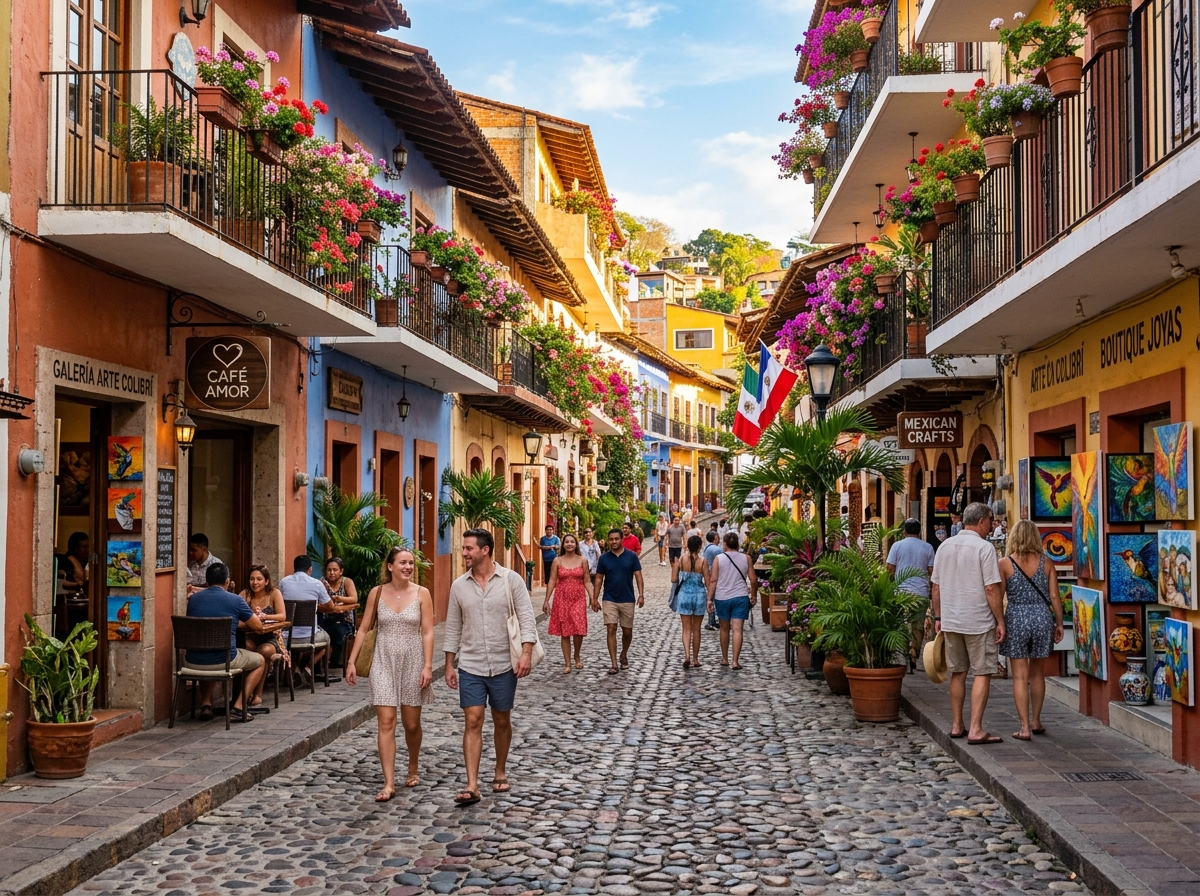
The Zona Romántica, south of the Río Cuale river, is the most characterful neighbourhood in Puerto Vallarta and where most independent travellers choose to base themselves.
Cobblestone streets, independent restaurants, art galleries, gay bars, beach bars, and the city’s best pedestrian-friendly nightlife all concentrate here between Los Muertos Beach and the Olas Altas area. It is the bohemian heart of the city, the neighbourhood that existed before resort tourism took over the northern hotel zone, and it still feels genuine in a way that Marina Vallarta does not.
Playa Los Muertos, the main beach of the Zona Romántica, is lively, social, and lined with restaurants. A pier extends into the bay and the water is calm enough for swimming. The beach gets busy but the atmosphere is inclusive and genuinely mixed, with locals and tourists, families and the LGBTQ+ community that has made this a globally recognised destination.
Best for: Independent travellers, couples, LGBTQ+ visitors, foodies, anyone who wants character over resort amenities
El Centro (Downtown)
El Centro is the historic centre of Puerto Vallarta, built around the Church of Our Lady of Guadalupe with its distinctive crown-topped tower. The Malecón boardwalk runs along the waterfront here, 12 blocks of pedestrian promenade lined with bronze sculptures, restaurants, tequila bars, and street performers.
El Centro mixes tourists with actual city life more than any other neighbourhood. Local markets, street food, churches, and the Río Cuale Island sit alongside the tourist infrastructure. The island itself, sitting in the middle of the river, has a small archaeological museum, art market, and a genuinely pleasant pedestrian environment away from road traffic.
Best for: First-time visitors, walking, street food, cultural sightseeing, the Malecón experience
Gringo Gulch
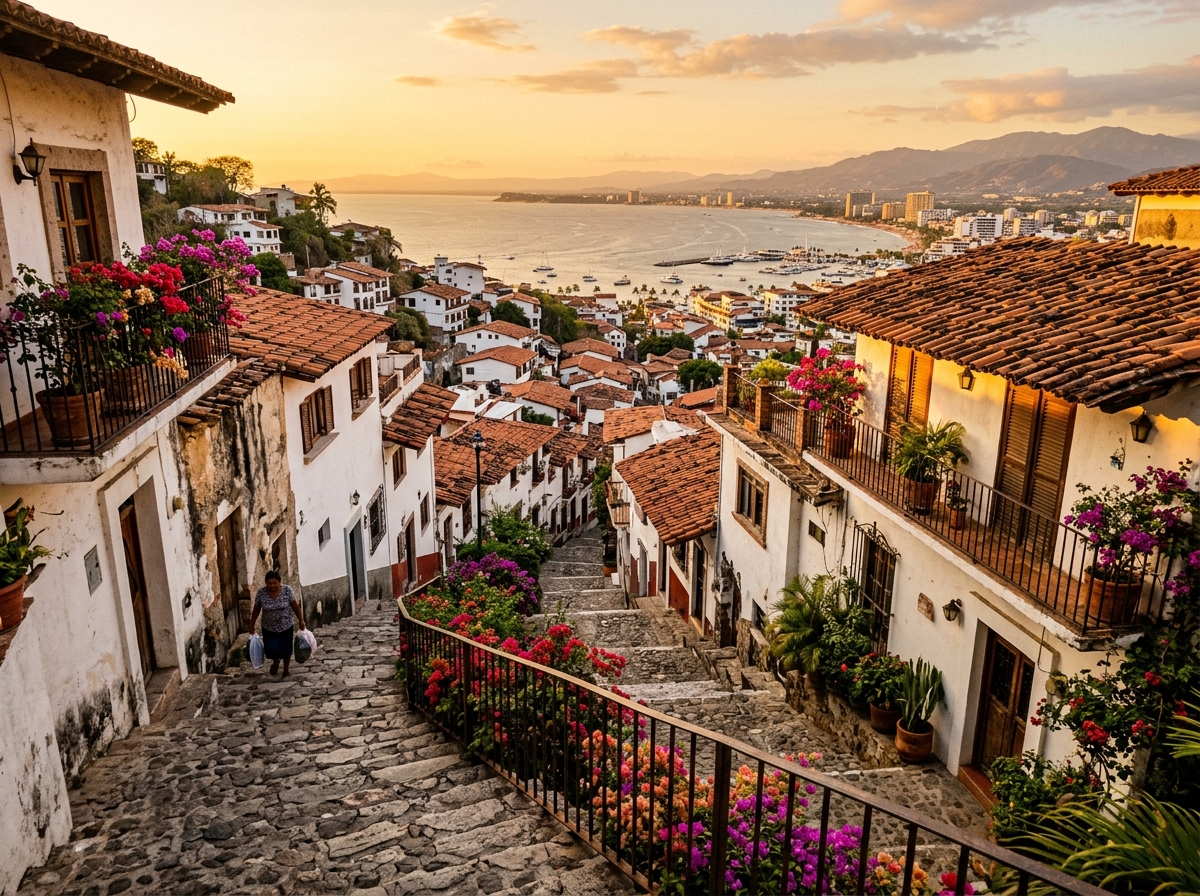
Above the Cuale River, Gringo Gulch is a hillside neighbourhood of red-roofed, whitewashed Vallarta-style mansions with some of the best views over downtown Puerto Vallarta. It became famous as the neighbourhood where Elizabeth Taylor and Richard Burton lived during the filming of Night of the Iguana in 1963, and the love affair that began here became one of Hollywood’s most famous.
Casa Kimberly, Taylor’s original villa, is now a boutique hotel and restaurant that is open for tours and dining. Even if you do not stay there, the neighbourhood is worth a wander for its views and its particular mix of faded glamour and genuine residential life.
Marina Vallarta
Marina Vallarta sits north of the airport and is the most resort-oriented part of the city, with upscale condos, a yacht harbour, golf courses, and chain restaurants. It is convenient for families who want full resort amenities and easier airport logistics. It lacks the character of the centro and the Zona Romántica but delivers what package tourists usually want.
Versalles: Where Locals Actually Eat
Versalles is the neighbourhood most guides skip and most locals consider the best-value dining area in Puerto Vallarta. It is a residential neighbourhood with independent restaurants serving genuine regional cuisine at prices a fraction of the tourist areas. If the food scene in Mexico City’s local neighbourhoods interests you, Versalles delivers a similar experience in Vallarta, real food for real prices served to people who live here.
Best Beaches in Puerto Vallarta
Playa Los Muertos
The most popular and most social beach in Puerto Vallarta, Los Muertos is where the energy concentrates. Beach clubs, restaurants right on the sand, water sports vendors, and a genuine cross-section of visitors make it the right choice for anyone who wants a beach with infrastructure and atmosphere. The pier is one of the best sunset-watching spots in the city.
Mismaloya Beach
About 12 kilometres south of the centro, Mismaloya is where Night of the Iguana was filmed in 1963, putting Puerto Vallarta on the international map. The beach is quieter than Los Muertos, the water is calm, and the surrounding jungle hills give it a genuinely beautiful setting. An easy Uber ride from the Zona Romántica.
Boca de Tomatlán
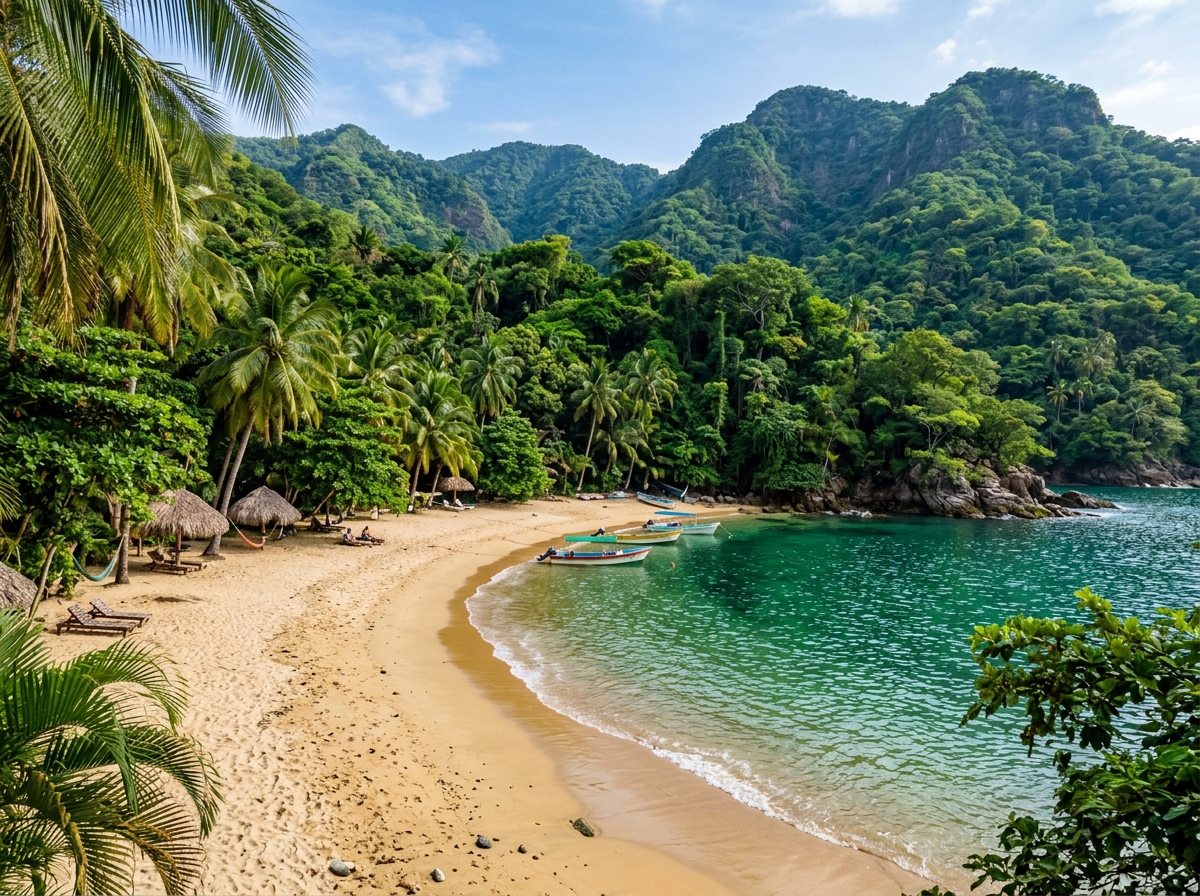
Boca de Tomatlán is a small fishing village at the southern edge of the road network, about 17 kilometres from the centro. It is the main departure point for water taxis to the further southern beaches, but it is also worth visiting in its own right for the fish restaurants on the waterfront where locals eat fresh catch.
The most authentic food experience near Puerto Vallarta may be sitting at a palapa restaurant in Boca de Tomatlán eating pescado zarandeado, the region’s signature dish: a butterflied snapper or snook marinated in achiote and spices, slow-grilled over wood until the skin is crisp and the flesh falls apart. It is the defining food of the Jalisco Pacific coast.
Colomitos
Colomitos is a tiny, secluded beach cove accessible only by water taxi from the Zona Romántica pier, costing around $30 each way. There is a small restaurant on the beach, almost no development, and the kind of quiet that does not exist on any road-accessible beach near the city. If a hidden-gem beach is what you came for, this is it.
Yelapa
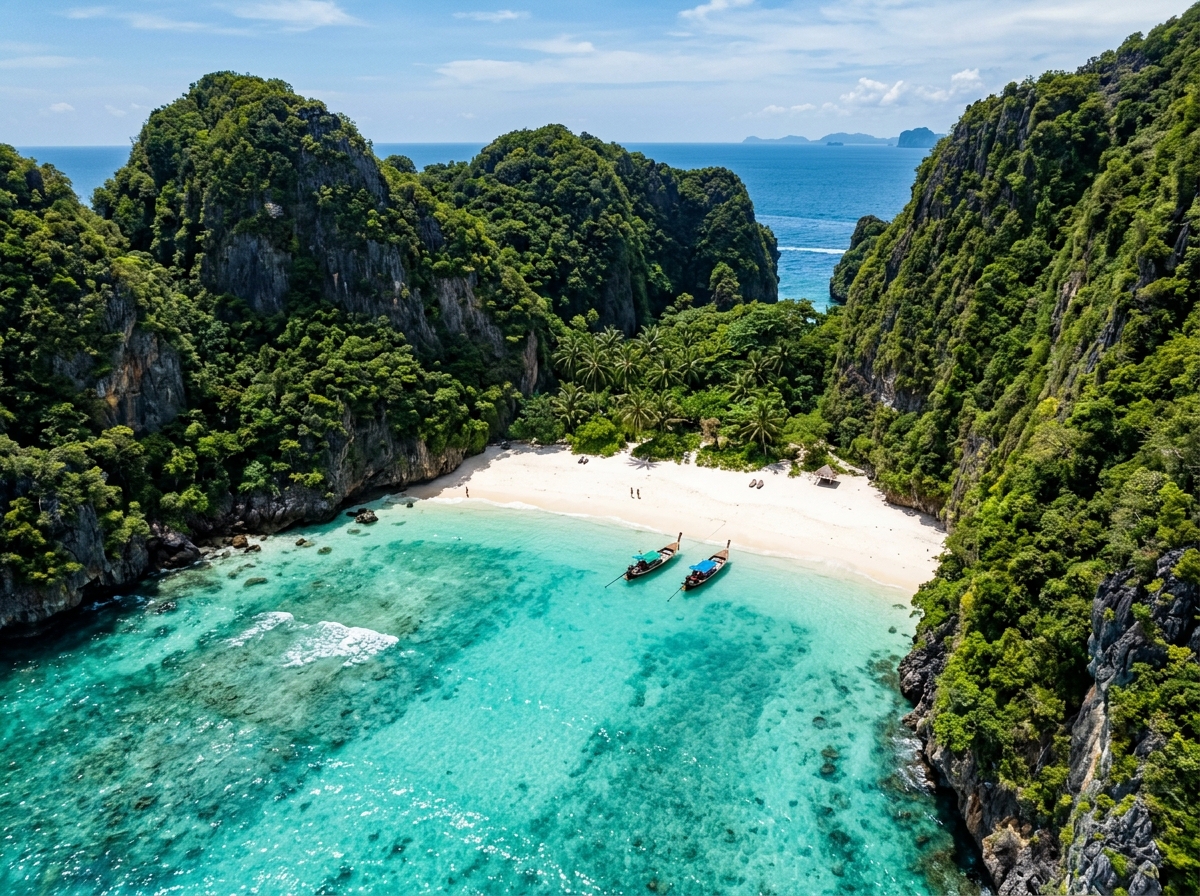
Yelapa is a village accessible only by boat, about 45 minutes south of Puerto Vallarta by water taxi. It has no road connection. There are no cars. The village has a small beach, a waterfall a short hike inland, and a community that has deliberately kept the development minimal.
The Wednesday and Friday water taxis from Los Muertos Pier run regular services. Getting there early gives you the beach and waterfall to yourself for the morning before the day-trip boats arrive.
Majahuitas
Majahuitas is a private beach club in a lush cove between Mismaloya and Yelapa, accessible only by boat on weekends. The beach is surrounded by jungle and the Sierra Madre mountains rise behind it. Weekend events with live DJs and an open bar draw a young, social crowd from Puerto Vallarta. Check the event schedule and book in advance.
For any Puerto Vallarta beach day involving water taxis, jungle waterfalls, or cobblestone walking, a reef-safe waterproof sunscreen that handles salt water and sweating without leaving a white residue makes a genuine difference. The Thinksport SPF 50 Reef Safe Sunscreen (available on Amazon) is mineral-based, water-resistant for 80 minutes, and free of the chemical filters known to damage coral, which matters particularly at snorkelling sites like Los Arcos and the Marietas Islands.

Thinksport SPF 50+ Mineral Sunscreen
Best Day Trips from Puerto Vallarta
The Marietas Islands (Islas Marietas)
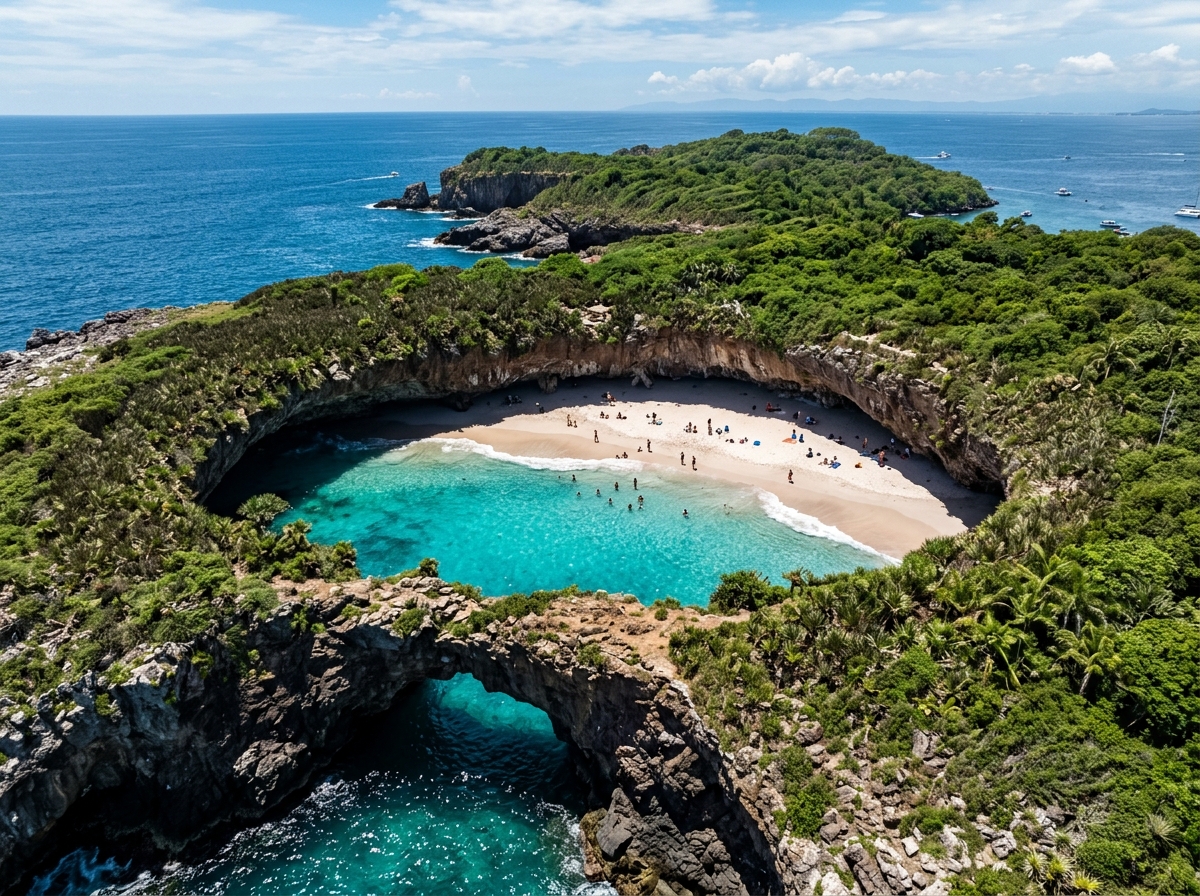
The Marietas Islands are a UNESCO biosphere reserve in Banderas Bay, famous for Hidden Beach, a circular beach inside a collapsed volcanic cave accessible only by swimming through a short tunnel at low tide.
Access to Hidden Beach is strictly limited to protect the ecosystem. Permits are required and the number of visitors per day is capped. Book well in advance through authorised tour operators, not the day before. Boats departing without permits are turned away.
The waters around the islands are also excellent for snorkelling, with vibrant coral reefs, sea turtles, manta rays, and the boobies and frigate birds that nest on the uninhabited islands.
Sayulita
Sayulita sits 40 minutes north of Puerto Vallarta on the Riviera Nayarit coast and has a completely different energy from Vallarta. It is a surf town with a bohemian, backpacker-friendly culture, buzzing streets, and a nightlife scene that runs late. The beach has consistent waves, making it one of the most popular beginner surf destinations on the Pacific coast.
The town has excellent street food, independent boutiques, and a colourful mural culture. It is genuinely worth a day trip and, for some travellers, is a better fit than Puerto Vallarta itself as a base.
San Pancho (San Francisco)
San Pancho is a smaller, quieter alternative to Sayulita about 10 minutes further north. It has a single long beach, a few excellent restaurants, a community circus school, and a pace that feels completely unhurried. Travellers who find Sayulita too busy often discover San Pancho and stay significantly longer than planned.
El Tuito
El Tuito is a traditional Jalisco mountain town about an hour south of Puerto Vallarta on Highway 200, largely overlooked by tourists. This laidback village gives genuine insight into rural Mexican life in the Sierra Madre foothills. The regional produce here includes panela cheese and raicilla, an agave spirit distilled in the mountains that predates tequila in the region and has its own distinct character. Raicilla is legally specific to the coastal mountains of Jalisco, similar to how mezcal belongs to Oaxaca.
If the artisan food culture of the best places to visit in Mexico City interests you, El Tuito delivers something similarly authentic but completely different, a mountain village making products in traditional ways for local consumption rather than tourism.
Whale Watching
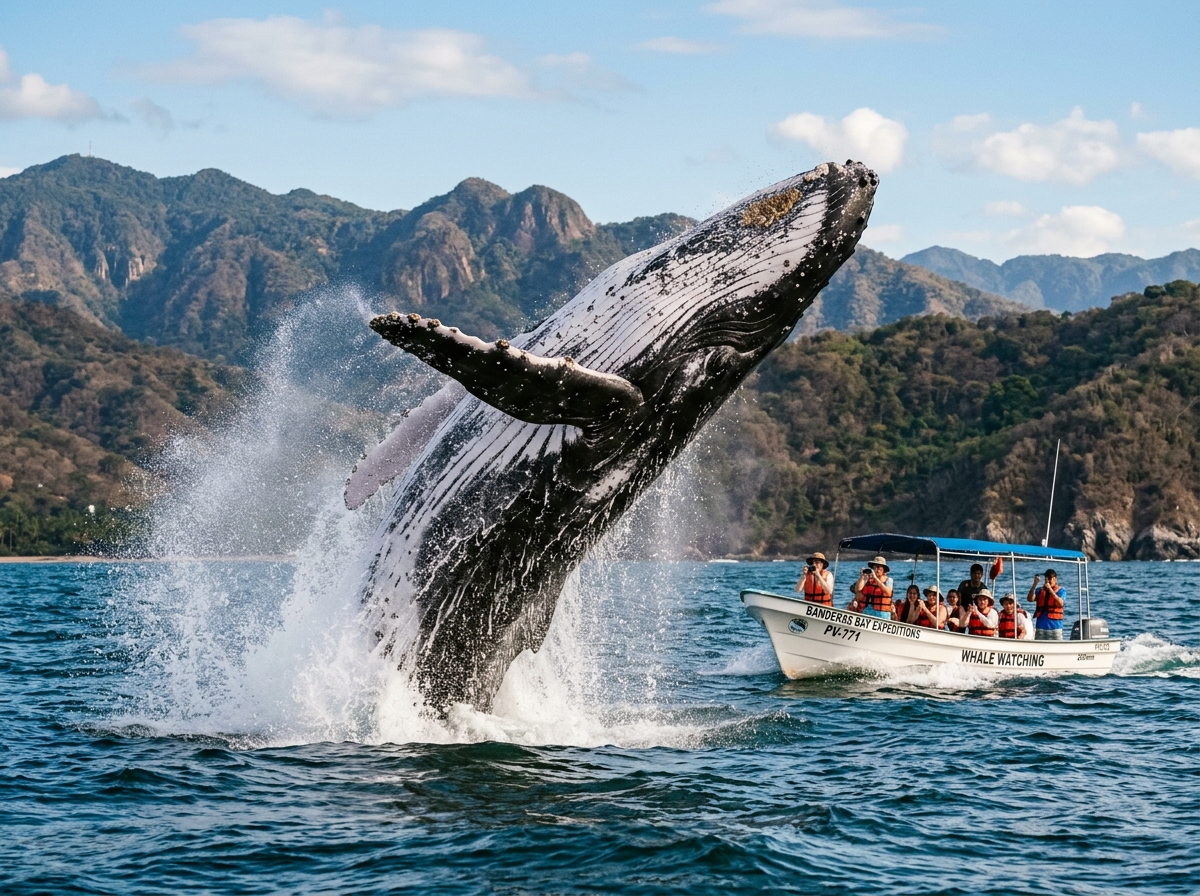
Humpback whales winter in Banderas Bay from December through April, one of the most significant humpback gathering grounds on the Pacific coast. Whale watching tours depart from the Marina and the Los Muertos Pier and typically run three to four hours. Sightings include breaching, tail slapping, and mother-calf pairs. December through March is the peak window for both numbers and active behaviour.
The Malecón: More Than a Boardwalk
The Malecón is Puerto Vallarta’s 12-block pedestrian promenade along the Pacific, and most first-time visitors treat it as a quick walk between restaurants. It deserves more than that.
The bronze sculptures scattered along the Malecón are part of a permanent public art programme, with works ranging from the famous La Nostalgia couple bench (the most photographed spot) to a giant seahorse riders piece that has become the city’s unofficial symbol. The Triton and the Mermaid fountain at the southern end is a classic.
Sunset on the Malecón is the event most Puerto Vallarta visitors remember. The sun drops directly into the Pacific from this stretch of coast, and the light on the mountains behind the city turns the whole skyline extraordinary. Arrive at any bar or restaurant with westward-facing seating about 30 minutes before sunset and settle in.
Food in Puerto Vallarta: What to Order and Where
Puerto Vallarta sits in Jalisco, Mexico’s Pacific coast state, and the food culture reflects both the ocean and the mountains.
What to order:
Pescado zarandeado: The signature Jalisco coastal dish. Butterflied whole fish marinated in achiote and dried chillies, slow-cooked over a wood fire. Available at palapas in Boca de Tomatlán and La Cruz de Huanacaxtle.
Birria de res: Jalisco’s most famous dish nationally. Slow-braised beef in a complex chilli broth, served as a stew or in tacos with consommé for dipping. Find birrieros on the street from 7am.
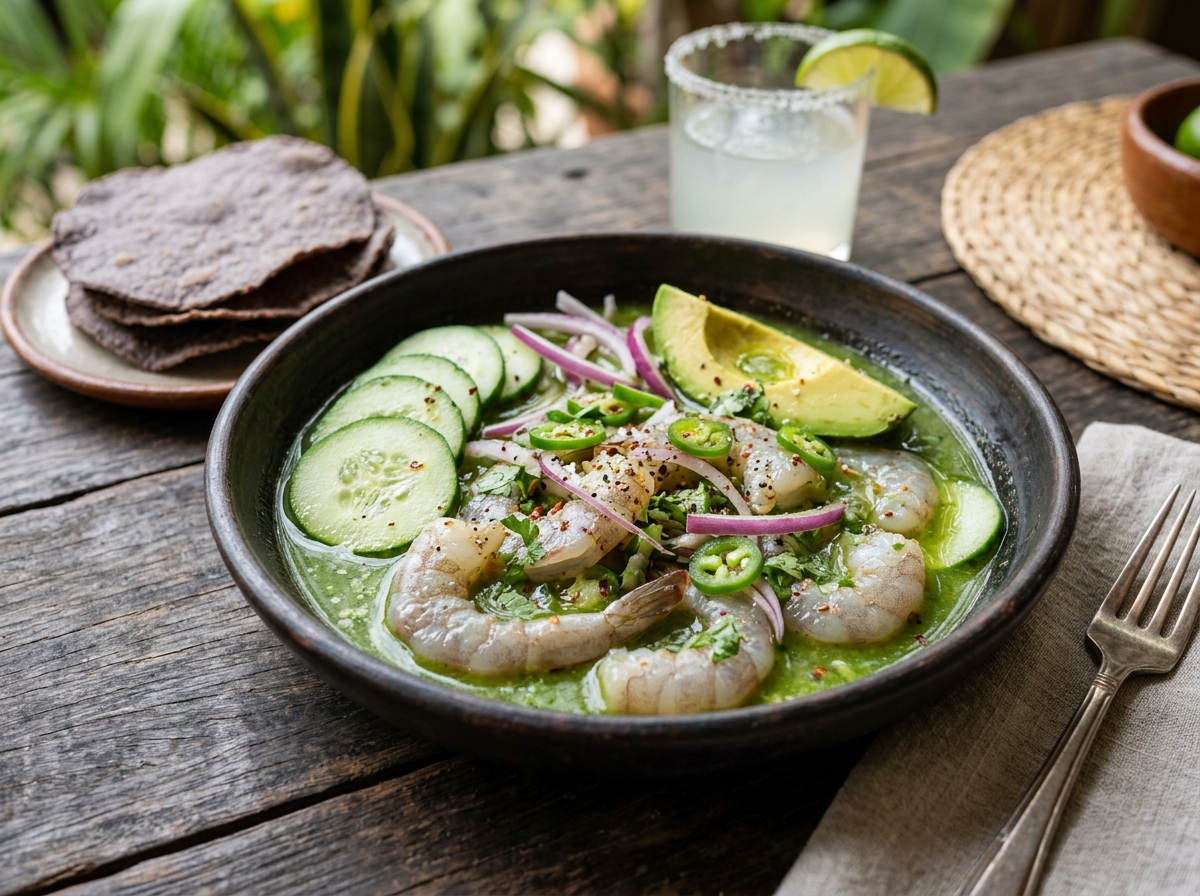
Aguachile: Raw shrimp in very fresh lime juice with green chilli and cucumber. Consumed immediately at the table before the acid cures it too far. One of the most punchy and vivid dishes on the coast.
Tacos gobernador: Shrimp tacos with cheese, originally from Sinaloa but now ubiquitous on the Pacific coast. Better at street stands than restaurants.
Ceviche de camarón: Shrimp ceviche served in a cup with tostadas at market stalls, around 50 pesos ($3 USD). One of the best street food value-to-quality ratios on the coast.
Raicilla: The local agave spirit distilled in the Jalisco mountains. Try it at a mezcalería before defaulting to tequila. It has a distinctive earthy, fruity character unlike anything mass-produced.
Where to eat:
For tourist-area quality at tourist prices, the Zona Romántica and El Centro have excellent independent restaurants. For better value and more local food, the Versalles neighbourhood has the best ratio of quality to price in the city. The Río Cuale Island market stalls are excellent for ceviche and street food at any time of day.
Hidden Gems Most Puerto Vallarta Guides Skip
Los Arcos National Marine Park
A cluster of granite arches and underwater caves just offshore from Mismaloya Beach, Los Arcos is one of the best snorkelling sites near the city. Tropical fish, octopus, sea turtles, and occasional rays occupy the underwater caves. Snorkelling tours from the city include Los Arcos as a standard stop, but arriving by private panga (local boat) from Boca de Tomatlán gives you more time and fewer people.
Vallarta Botanical Garden
One of the most underrated attractions near Puerto Vallarta, the Botanical Garden sits about 25 kilometres south of the city in the Sierra Madre foothills. Over 3,000 plant species, including the largest orchid collection in Mexico, fill a 20-acre riverside garden backed by jungle. A river runs through the property and swimming is encouraged. The on-site restaurant serves lunch with a view that rivals anything in the city below.
The Jorullo Bridge
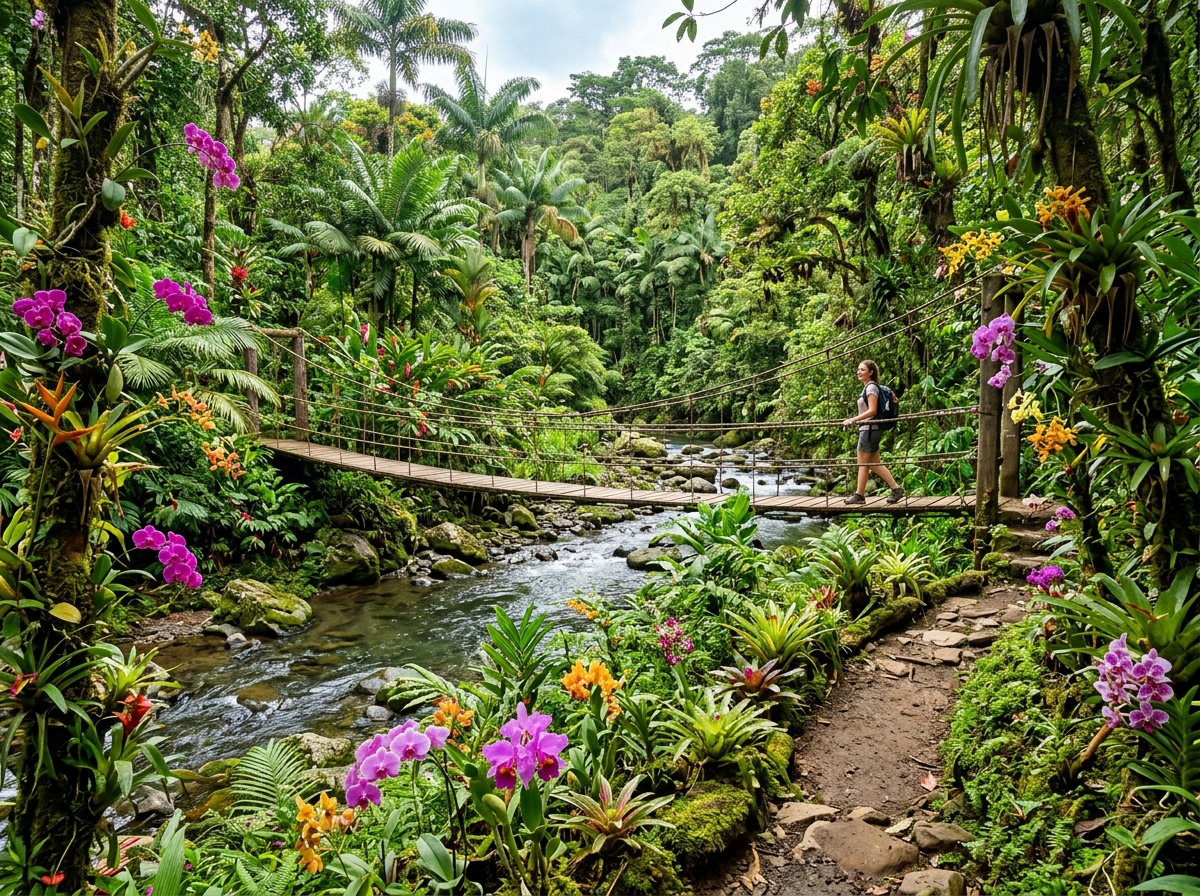
The Jorullo Hanging Bridge, billed as one of the longest single-span suspension bridges in North America at 170 metres above the canyon floor, is a genuinely vertiginous experience on a zip-line and canopy tour. Most visitors combine it with the Sierra Madre adventure tours that depart from the city.
Practical Tips for Puerto Vallarta
Shoes matter significantly. Puerto Vallarta’s historic districts are almost entirely cobblestone. After a full day of walking, the combination of uneven stone and steep hills is genuinely fatiguing. Bring comfortable shoes with real support, not flat sandals.
Cash and cards. Hotels and larger shops accept cards. Many independent restaurants, street food stalls, and smaller shops are cash only. Carry pesos rather than USD for most purchases. Tipping in pesos is strongly preferred by service workers, as USD exchange involves them losing a percentage.
Water taxis. The water taxi system from Los Muertos Pier to the southern beaches is inexpensive (around $10 to $20 each way depending on destination), reliable, and the only way to reach Yelapa, Colomitos, and Las Animas. Schedules are roughly consistent but check departure times locally.
Best time to visit. November through April is dry season with the best weather, lower humidity, and whale watching season from December. May through October is rainy season with lower prices, greener mountains, and afternoon showers that typically last one to two hours. July and August are when Mexican nationals travel domestically, creating a genuine local festival atmosphere rather than a purely international tourist experience.
Safety. Puerto Vallarta’s tourist areas are considered safe for visitors. The Zona Romántica, El Centro, and the beaches accessible by water taxi are all well-established and monitored. Normal city precautions apply (keep bags in front of you in crowded market areas, use authorised taxis rather than unmarked cars or accept unsolicited transport offers).
For any Puerto Vallarta trip involving multiple beach visits, boat rides to southern coves, and evening walks on the Malecón, a compact waterproof crossbody bag that keeps phones, cash, and cards dry and secure across all of these scenarios is genuinely useful. The Pacsafe Vibe 100 Anti-Theft Crossbody Bag (available on Amazon) is slash-resistant, has a lockable zip, RFID-blocking pockets, and sits small enough for a full evening out without getting in the way on a water taxi.

Pacsafe Vibe 325 10 Liter Anti Theft Sling Bag
Best Places in Puerto Vallarta by Traveller Type
First-time visitors: Base in the Zona Romántica, walk the Malecón at sunset, eat at a Versalles neighbourhood restaurant, take a water taxi to Yelapa or Colomitos, and do at least one day trip to the Marietas Islands or Sayulita.
Beach lovers: Los Muertos for social beach culture, Colomitos for seclusion, Yelapa for the boat adventure, Majahuitas for a weekend beach club with music.
Foodies: Versalles neighbourhood for local restaurants, Boca de Tomatlán for pescado zarandeado, the Río Cuale Island for ceviche, a mezcalería in the Zona Romántica for raicilla.
LGBTQ+ travellers: The Zona Romántica is one of the most established and welcoming LGBTQ+ destinations in Mexico. Olas Altas beach is the focal point, with gay bars, beach clubs, and a community that has shaped the neighbourhood for decades.
Families: Marina Vallarta for resort amenities, Los Muertos for a manageable beach, the CETSMAR pier for watching fishing boats, whale watching from December to April, and Sayulita for a calmer surf town experience.
Adventure seekers: Jorullo hanging bridge, zip-line tours through the Sierra Madre, horseback riding in the jungle hills, kayaking in the mangroves, and scuba diving at Los Arcos.
Quick Reference Table
| Place | Type | How to Get There | Best For |
|---|---|---|---|
| Zona Romántica | Neighbourhood | Walk from centre | Nightlife, food, beach access |
| El Centro | Neighbourhood | Walk | Malecón, culture, street food |
| Playa Los Muertos | Beach | Walk from Zona Romántica | Social beach, swimming |
| Colomitos | Beach | Water taxi | Secluded cove, snorkelling |
| Yelapa | Village and beach | Water taxi (45 min) | Hidden beach, waterfall |
| Marietas Islands | Marine reserve | Tour boat | Hidden Beach, snorkelling |
| Sayulita | Town | 40 min drive north | Surfing, nightlife, street food |
| Boca de Tomatlán | Village | 20 min drive south | Pescado zarandeado, water taxi hub |
| El Tuito | Mountain village | 1 hr drive south | Local culture, raicilla, cheese |
| Vallarta Botanical Garden | Nature | 25 min drive south | Orchids, river swimming, lunch |
Frequently Asked Questions
What is the best neighbourhood to stay in Puerto Vallarta?
The Zona Romántica is the best base for independent travellers who want walkability, character, beach access, and the city’s best food scene. El Centro is an excellent second choice for those who want the Malecón and historic sites on foot. Marina Vallarta suits families who prioritise resort amenities over neighbourhood character.
What is Puerto Vallarta most known for?
Puerto Vallarta is known for its cobblestone old town, the iconic Malecón boardwalk, the LGBTQ+-friendly Zona Romántica, Banderas Bay’s whale watching from December to April, its mountain-meets-ocean setting, and genuine Mexican food culture that includes pescado zarandeado and birria.
Is Puerto Vallarta safe for tourists?
The main tourist areas are considered safe. The Zona Romántica, El Centro, Marina Vallarta, and the beaches are all well-established tourist destinations with normal infrastructure. Use authorised transport apps like Uber or InDrive rather than unmarked taxis, and carry pesos rather than large amounts of cash in crowded market areas.
What is the best time to visit Puerto Vallarta?
November through April is dry season with the most reliable weather and whale watching season. December through March is the sweet spot for both conditions and whale encounters. May through October brings afternoon rain, lower prices, and a more local atmosphere during July and August when Mexican national holidays drive domestic travel.
How do you get to the hidden beaches near Puerto Vallarta?
Water taxis depart from Los Muertos Pier in the Zona Romántica for Colomitos, Yelapa, Las Animas, and Quimixto. Prices range from $10 to $20 each way. The boats run on a loose schedule and can be flagged down in either direction.
What local food should I try in Puerto Vallarta?
Pescado zarandeado (the regional grilled fish dish), birria de res (braised beef stew), aguachile (raw shrimp in lime and chilli), tacos gobernador (shrimp and cheese tacos), and fresh ceviche from market stalls. For drinks, raicilla (the local mountain agave spirit) is distinctly regional and worth trying before defaulting to tequila.
Do I need a permit for the Marietas Islands Hidden Beach?
Yes. Access to Hidden Beach is strictly limited and requires booking through an authorised tour operator with a valid permit. The number of daily visitors is capped to protect the ecosystem. Do not book a tour that does not clearly confirm permit access.
Final Thoughts
Puerto Vallarta is best understood as a real city that happens to have extraordinary beaches, not a beach resort that happens to have a city nearby.
The cobblestone neighbourhoods, the mountain backdrop, the local food culture in Versalles and Boca de Tomatlán, the water taxi system to secret coves, the whale season in the bay, and the genuine LGBTQ+ community in the Zona Romántica all add up to something that rewards the traveller who looks past the resort pool.
Give yourself at least four or five days. Eat where locals eat. Take a water taxi somewhere you cannot drive to. Try the raicilla. And time at least one sunset from the Malecón, because the Pacific light at that hour is genuinely one of the best things Puerto Vallarta has to offer.