
I cried in a German grocery store last Tuesday.
Not because anything bad happened. Because I couldn’t find baking powder. I walked up and down the same aisle four times. I tried three translation apps. I asked an employee who shrugged and walked away.
I bought what I thought was baking powder. It was washing soda. My banana bread tasted like soap.
This is living abroad. Not the castle views. Not the weekend trips to Paris. The constant, grinding exhaustion of simple tasks requiring heroic effort.
I’ve lived in Portugal for three years. I love it here. I also hate it with a specificity that surprises me. This is the conversation we need to have.
The Cognitive Load No One Warns You About
Every interaction costs mental energy.
In your home country, you operate on autopilot. You know which pharmacy carries your allergy medication. You understand the subtext when someone says “that’s interesting.” You can make a doctor’s appointment without rehearsing a script.
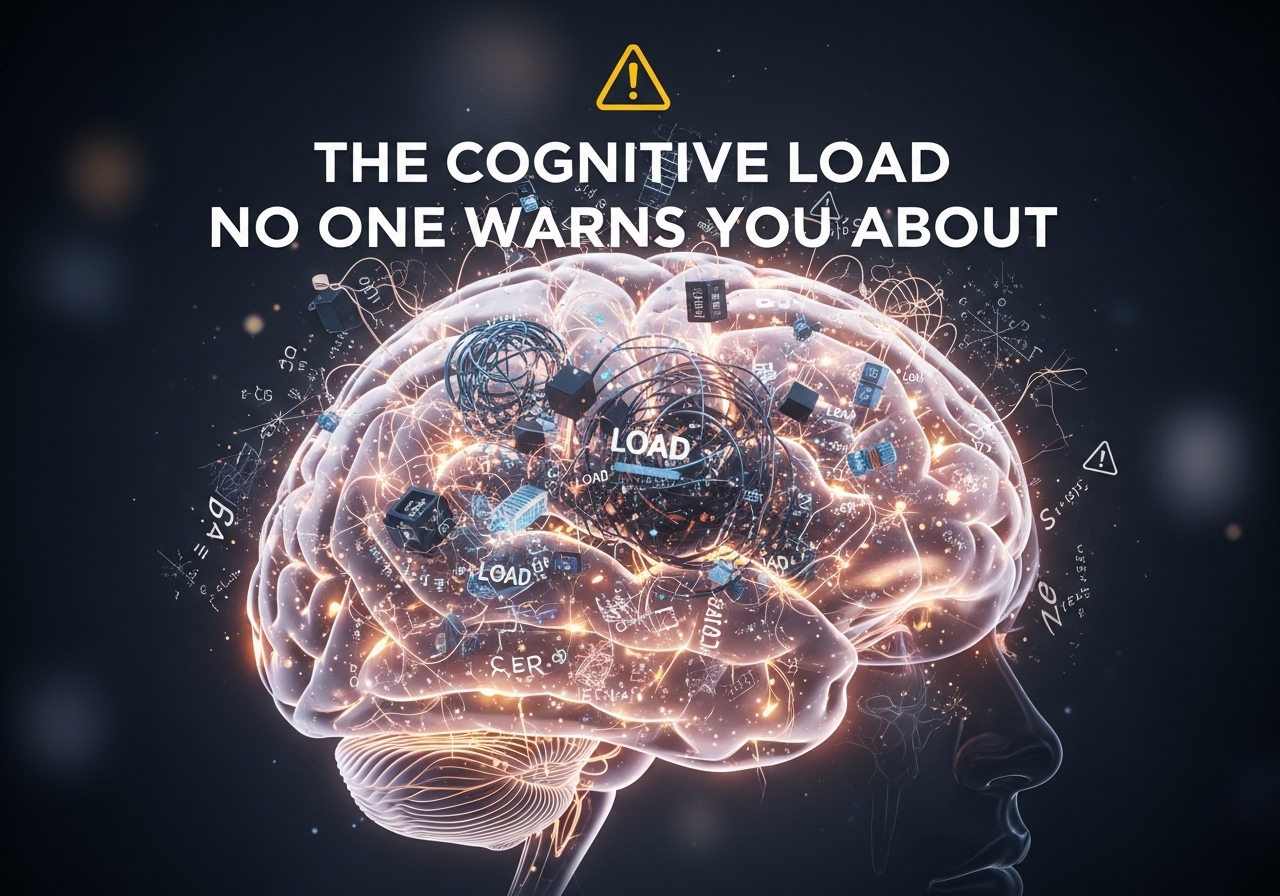
Abroad, nothing is automatic.
I spend 45 minutes preparing for a five-minute phone call. I write out what I’ll say. I look up vocabulary. I practice pronunciation. Then the person answers, speaks too fast, and I panic and hang up.
Decision fatigue is real. Researchers call it “cultural fatigue.” Your brain works overtime processing unfamiliar social cues, language, and systems. By 3 PM, I’m mentally exhausted from decisions that used to be unconscious.
The fix that actually helps: I keep a Moleskine Classic Notebook in my bag at all times. Not for poetry for survival. Pharmacy vocabulary. Questions for the landlord. Diagrams of which trash bin accepts which packaging. Writing it down externalizes the mental load. I have three years of these notebooks now. They’re my expat bible.
The Professional Identity Death
I used to matter.
Back home, I was a marketing manager. I had a title. Colleagues sought my opinion. I earned a salary that let me buy whatever I wanted at Target without checking my account.

Here, I’m “the American.” My qualifications mean nothing. I can’t work without a visa that takes 18 months to process. I went from competent professional to dependent spouse in one transatlantic flight.
This loss is grief. I mourn my former competence daily. I miss being good at something. I miss being recognized for skills I spent a decade developing.
The unspoken resentment: My partner has a career here. They have colleagues, purpose, structure. I have Portuguese class twice a week and a blog that pays for groceries. Sometimes I resent them for having what I lost. Then I resent myself for resenting them.
Rebuilding takes years. I’m finally consulting remotely for US companies. It took 18 months to rebuild professional identity. Some expats never do. They drink too much wine at lunch or obsessively decorate apartments they’ll leave in two years.
The Friendship Desert
Expat friendships are speed-dating.
You meet for coffee. You disclose your entire life story marriage problems, health issues, financial stress within 45 minutes. You have to. You need friends urgently. Everyone is transient. Someone leaves every three months.
These friendships lack history. They don’t know your childhood stories. They weren’t there when your dad died. When you say “I’m struggling,” they can’t read between the lines because they don’t know your lines yet.
Local friendships are harder. Language barriers prevent depth. Cultural differences create misunderstandings. I told my Portuguese neighbor I was “fine” when I wasn’t. She believed me. Americans say “fine” when we’re falling apart. She didn’t know the code.
The loneliness compounds. You scroll Instagram seeing friends back home at weddings, baby showers, birthday dinners. You’re not in those photos anymore. You chose this. That doesn’t make it easier.
The Visa Anxiety That Never Ends
Your residency is conditional.
My visa expires in eight months. I need to prove I still have health insurance, sufficient funds, and a clean criminal record. The requirements change constantly. The website is in Portuguese only. The appointment slots fill within minutes of release.
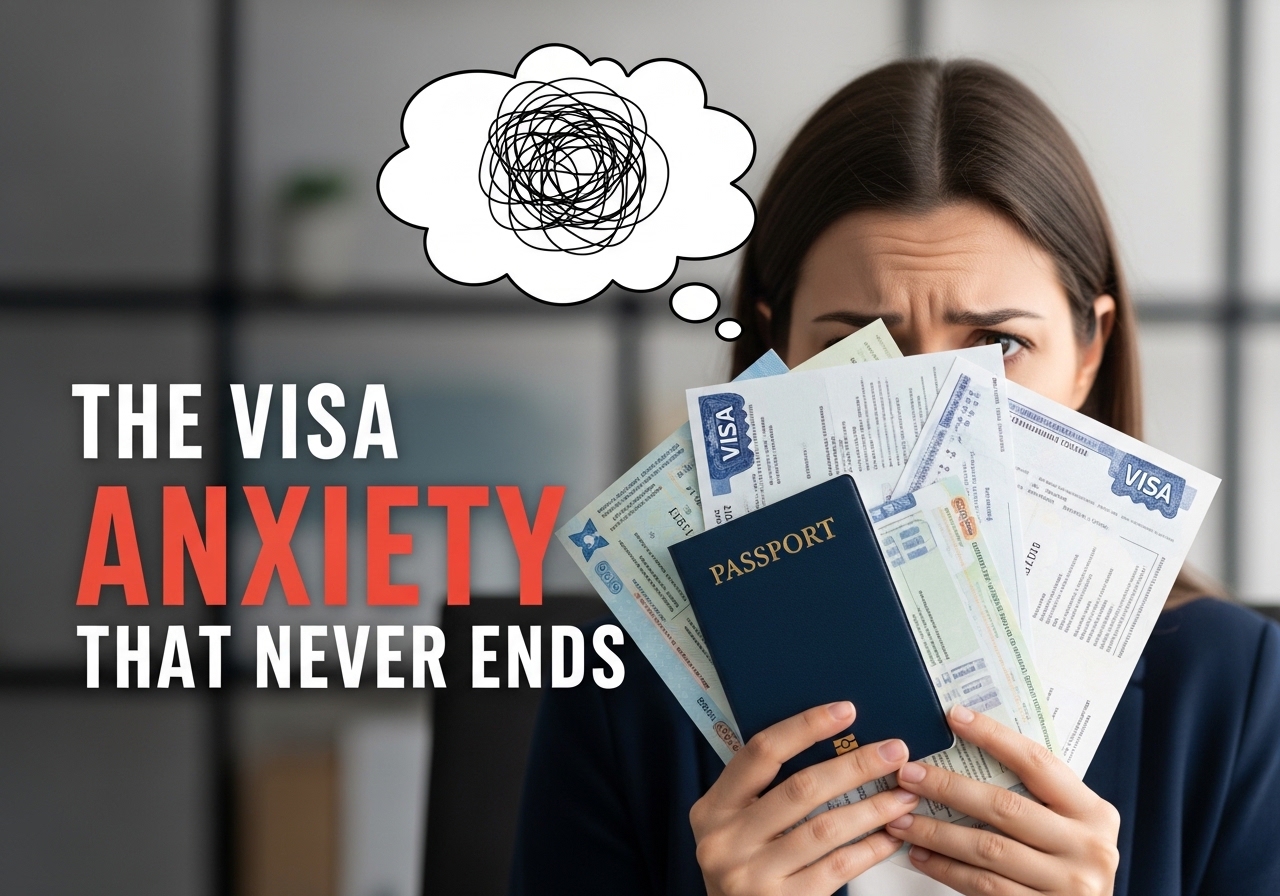
This uncertainty shapes every decision. Should we buy furniture? What if we have to leave? Should I start a business? What if my visa renewal fails? We live in permanent temporariness.
The power imbalance: Immigration officials hold absolute power over your life. One clerical error, one lost document, one grumpy officer, and you’re packing. I’ve had nightmares about deportation. I’m a legal resident with savings and insurance. The fear is irrational and constant.
Healthcare: Lost in Translation
I had appendicitis last year.
I knew the word apendicite. I didn’t know how to describe the pain location, the timeline, my medical history. I brought printouts of my US medical records. The doctor glanced at them and spoke rapid Portuguese to the nurse.
The fear is specific: What if I’m misdiagnosed because I can’t explain symptoms properly? What if I consent to the wrong procedure because I misunderstood? What if they discharge me with instructions I can’t read?
Medication roulette: My US prescriptions aren’t available here. I spent six months trying Portuguese alternatives, adjusting dosages, experiencing side effects I couldn’t describe to doctors.
The essential tool: I bought a Pocketalk Classic Language Translator Device after the appendicitis scare. It’s a dedicated two-way voice translator, not an app. Works offline. Understands medical terminology. In an emergency, it could save my life. I carry it to every appointment now.
The Financial Double Life
I pay taxes in two countries.
The paperwork is Byzantine. I need accountants in both nations. They don’t understand each other’s systems. I pay one currency to file paperwork about money earned in another currency, converted at rates that fluctuate daily.

Banking restrictions: US banks close accounts if they discover you live abroad. European banks reject Americans due to FATCA reporting requirements. I maintain addresses in both countries, lying to both banks about where I “primarily” reside.
The exchange rate anxiety: When the dollar drops, my US savings lose value. When the euro drops, my local purchasing power crashes. I check currency apps obsessively. I time transfers like a day trader.
Reverse Culture Shock: When Home Feels Foreign
I visited my parents last Christmas.
Target overwhelmed me. Too many choices. Too bright. Too loud. I stood in the cereal aisle for 20 minutes, paralyzed by options. My mom laughed. I almost cried.
I’ve changed in ways I didn’t notice. I now find American friendliness suspicious. Why is this cashier asking about my day? She doesn’t care. I’ve adapted to Portuguese reserve. American enthusiasm feels aggressive.
You become foreign everywhere. I’m too American for Portugal. Too Portuguese for America. I don’t fully belong in either place. This is the expat condition nobody mentions.
The Social Media Lie
I perform happiness online.
My Instagram shows the azulejo tiles, the pasteis de nata, the sunset over the Tagus. It doesn’t show the isolation, the bureaucratic tears, the marital tension when I can’t figure out the washing machine.
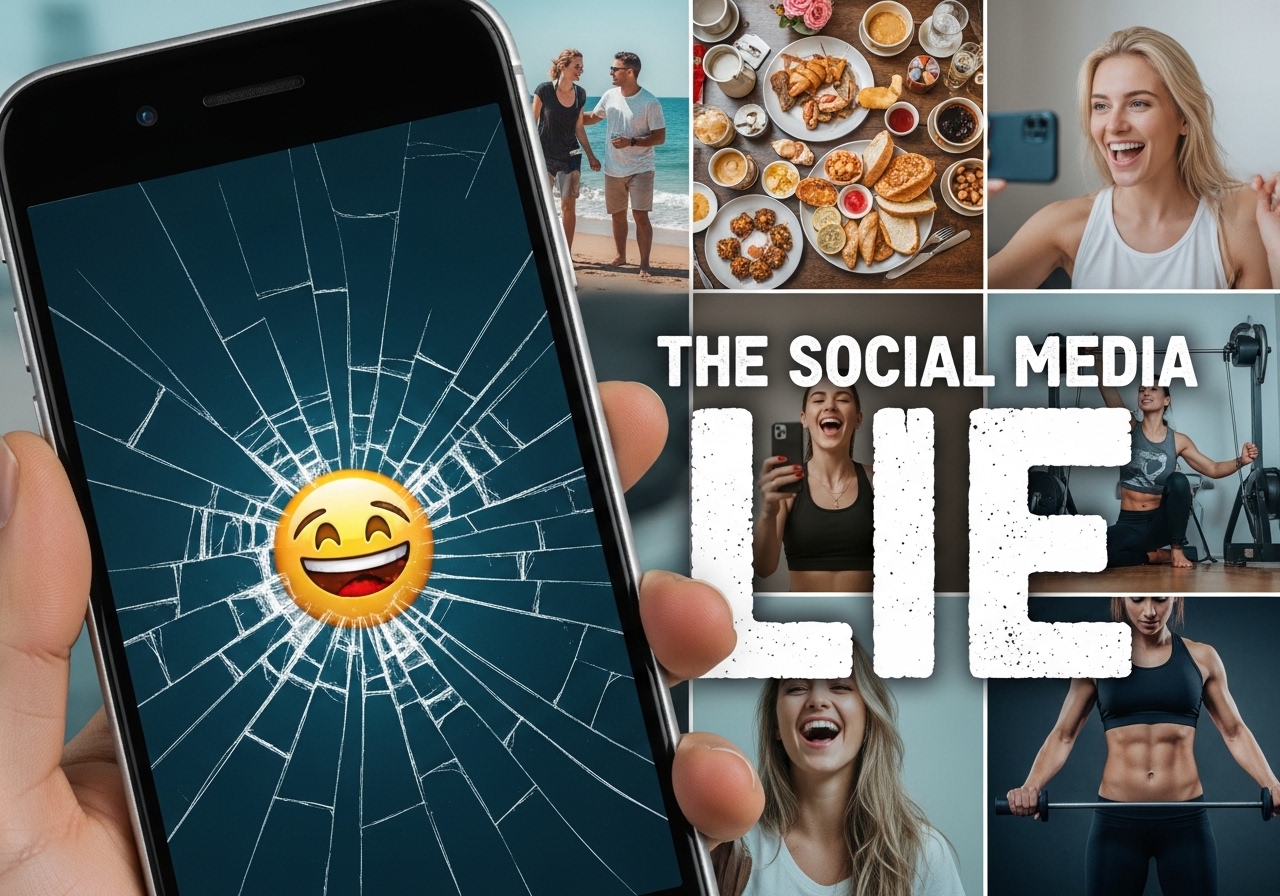
The comparison trap: I see other expats thriving. Their Portuguese is fluent. Their apartments are renovated. Their businesses are successful. I don’t see their 3 AM panic attacks. I compare my behind-the-scenes to their highlight reel.
The pressure to justify: Everyone back home thinks I’m living a dream. I can’t complain without sounding ungrateful. “But you’re in Europe!” Yes. And I’m also lonely, professionally stunted, and exhausted by groceries.
Grief at a Distance
My grandmother died last month.
I couldn’t afford last-minute flights. I watched the funeral on FaceTime, propped on a cousin’s lap, the connection lagging during the eulogy. I couldn’t hug my mother.
This is the cost: You miss births, deaths, weddings, divorces. You become a peripheral character in your family’s story. They learn to live without you present. You become “the one who moved away.”
The guilt is specific: I chose this. Every missed milestone is a consequence of my choice. That doesn’t make the grief easier. It makes it complicated.
The Relationship Strain
Moving abroad tests marriages.
We fought more in our first year here than in five years of marriage. About stupid things how to load the dishwasher, which direction to walk to the metro. The stress seeks targets.
The dependency dynamic: When one partner works and the other doesn’t, power shifts. I needed permission to spend money. I had no income of my own. I resented needing permission. He resented being the permission-giver.
Survival mode: You’re not building a life together. You’re surviving. Date nights become visa appointments. Weekend plans involve immigration lawyers. Romance dies in bureaucracy.
Seasonal Affective Disorder: The European Winter
Lisbon is gray from November to March.
Not cold. Just gray. Drizzle. Darkness by 5 PM. The damp seeps into your bones. You haven’t seen the sun in weeks.
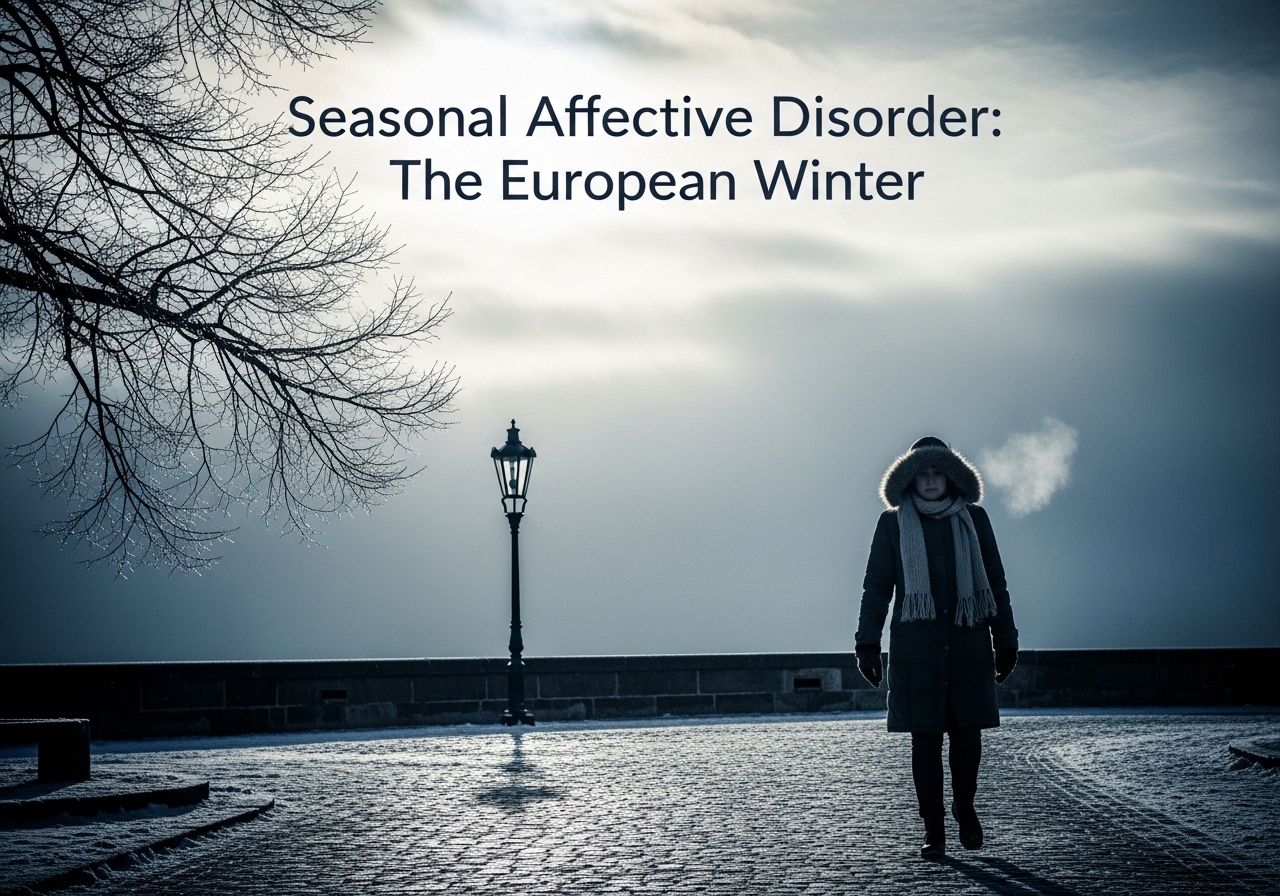
Winter isolation: Everyone stays inside. Cafes close early. The expat community thins as snowbirds flee to Thailand. You’re alone in a gray city, unable to work legally, waiting for spring.
The vitamin D deficiency is real. I take supplements. I bought a Verilux HappyLight Full-Size Light Therapy Lamp after my second winter. 30 minutes each morning, September through April. It doesn’t cure the gray, but it prevents the despair. Seasonal depression is common among northern expats. We don’t talk about it because it sounds like complaining about weather.
The Competence Loss
I can’t do basic things.
I flooded the apartment because I didn’t understand the washing machine symbols. I set off the fire alarm making toast because the oven settings are different. I got lost walking home from the grocery store because I took one wrong turn and panicked.
Daily humiliation: Back home, I was capable. Here, I’m a child. I need help with everything. It erodes confidence. I stopped trying new things because failure is exhausting.
The infantilization: Locals explain obvious things slowly. They correct my pronunciation with a smile. They’re usually kind. It still stings. I was an adult. Now I’m a project.
What Actually Helps
After three years, I’ve developed survival strategies:
Create routines that don’t require language: Same coffee shop, same order, same time. The barista knows my drink. I feel competent for five minutes daily.
Find the expat grumps: Facebook groups for complaining expats are lifelines. Not the “look at my perfect life” groups. The “I hate everything today” groups. Honesty heals.
Import the essentials: I pay ridiculous shipping for American peanut butter, decent deodorant, and my preferred toothpaste. Small comforts matter.
Therapy: I found an English-speaking therapist in Lisbon. We process grief, identity loss, and marital stress. Expats need mental health support more than we admit.
Visit home strategically: I go back every six months. Long enough to reconnect, short enough that I don’t reintegrate. Reverse culture shock hits harder the longer you stay away.
The Questions Everyone Asks
Do you regret moving abroad?
No. But I regret expecting it to be easy. I regret not preparing for the grief, the isolation, the professional loss. I thought I’d adapt in six months. It took two years to feel stable.
Would you move back?
Not yet. The benefits still outweigh the costs. But I keep a packed bag mentally. The option to leave is essential to staying.
Is it worth it?
That’s the wrong question. It’s not about worth. It’s about trade-offs. I traded convenience for adventure, professional status for geographic freedom, deep friendships for constant novelty.
Some days I regret the trade. Most days I accept it. That’s the honest answer.
The Bottom Line
Living abroad is hard in ways that don’t photograph well. It’s not the big things language, culture, homesickness. It’s the accumulation of small friction. The daily energy tax of operating in a foreign system.
I love Lisbon. I also hate it. Both can be true.
If you’re considering this life, prepare for the unglamorous reality. The banana bread that tastes like soap. The funeral on FaceTime. The professional identity you have to rebuild from scratch.
The castles are real. So is the crying in grocery stores.
Choose with eyes open.
This post contains affiliate links. If you purchase through these links, I earn a small commission at no extra cost to you. I only recommend products I personally use to survive expat life.