
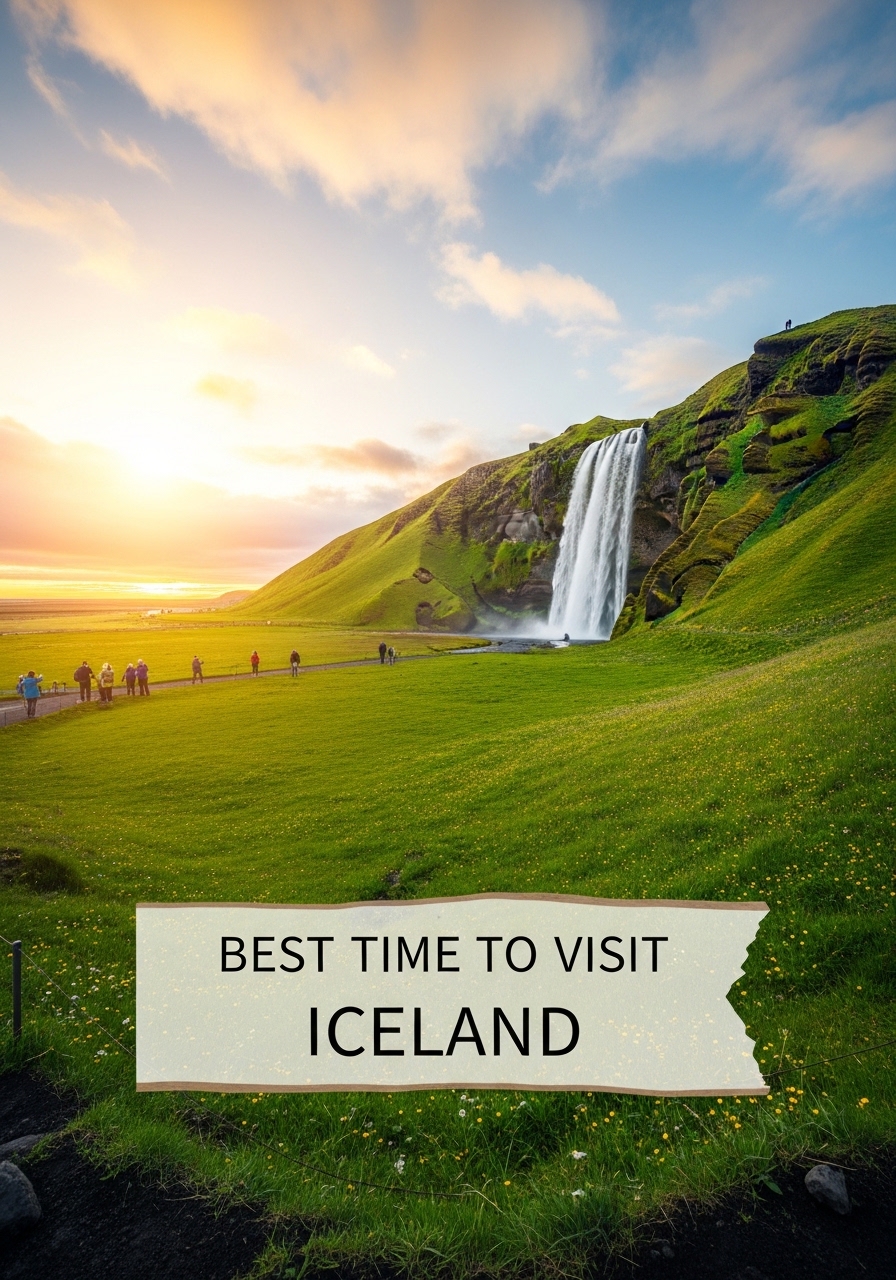
Iceland feels like another planet black sand beaches, glowing glaciers, and hot springs everywhere. But the “best” time to go depends on what you want from your trip. Summer brings endless daylight for road trips and hiking. Winter delivers the Northern Lights and snowy magic. Shoulder seasons often give Americans the perfect mix of good weather, lower prices, and fewer crowds.
If you’re flying from the US, timing matters even more. Those long flights (5–7 hours from the East Coast) and the 4–6 hour time difference mean jet lag can hit hard. Plan smart, and you’ll come home with stories instead of regrets. Here’s a clear breakdown to help you decide.
Iceland’s Seasons at a Glance
Iceland’s weather changes fast one minute sunny, the next rainy or windy. Locals call it “four seasons in one day.” Daylight swings wildly too: nearly 24 hours of sun in June, just 4–5 hours in December.
- Summer (June–August): Warmest, brightest, and busiest.
- Shoulder seasons (May and September–early October): Milder crowds, decent prices, and a nice balance of light and activities.
- Winter (November–March): Dark, cold, magical for lights and ice, and often cheapest.
Most US travelers do best in the shoulder months if they want to see a lot without fighting crowds or paying peak prices.
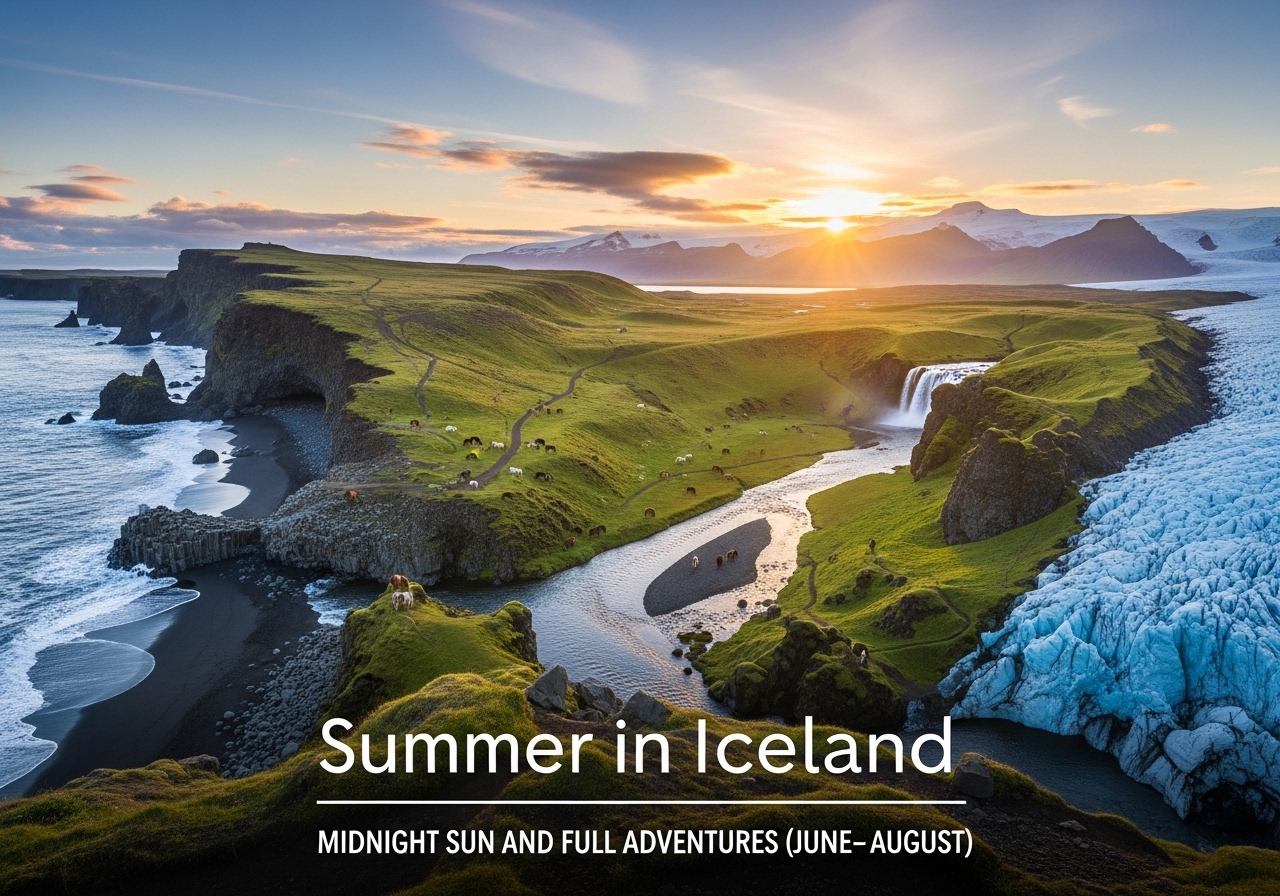
Summer in Iceland: Midnight Sun and Full Adventures (June–August)
This is peak season for a reason. Roads are open, trails are snow-free, and you get almost 24 hours of daylight.
Pros:
- Perfect for the full Ring Road drive or hiking in the Highlands.
- Whale watching and puffin spotting are at their best (puffins usually leave by mid-August).
- Festivals pop up National Day on June 17 with parades in Reykjavik, or Culture Night in August.
- Temperatures often hit 50–60°F (10–15°C), though it still feels brisk with the wind.
Cons:
- Crowds pack popular spots like the Golden Circle and Blue Lagoon.
- Prices jump flights, hotels, and car rentals cost more.
- You’ll need an eye mask to sleep because the sun barely sets.
Best for: First-timers who want to see everything and don’t mind paying for convenience. July tends to be the warmest and busiest month.
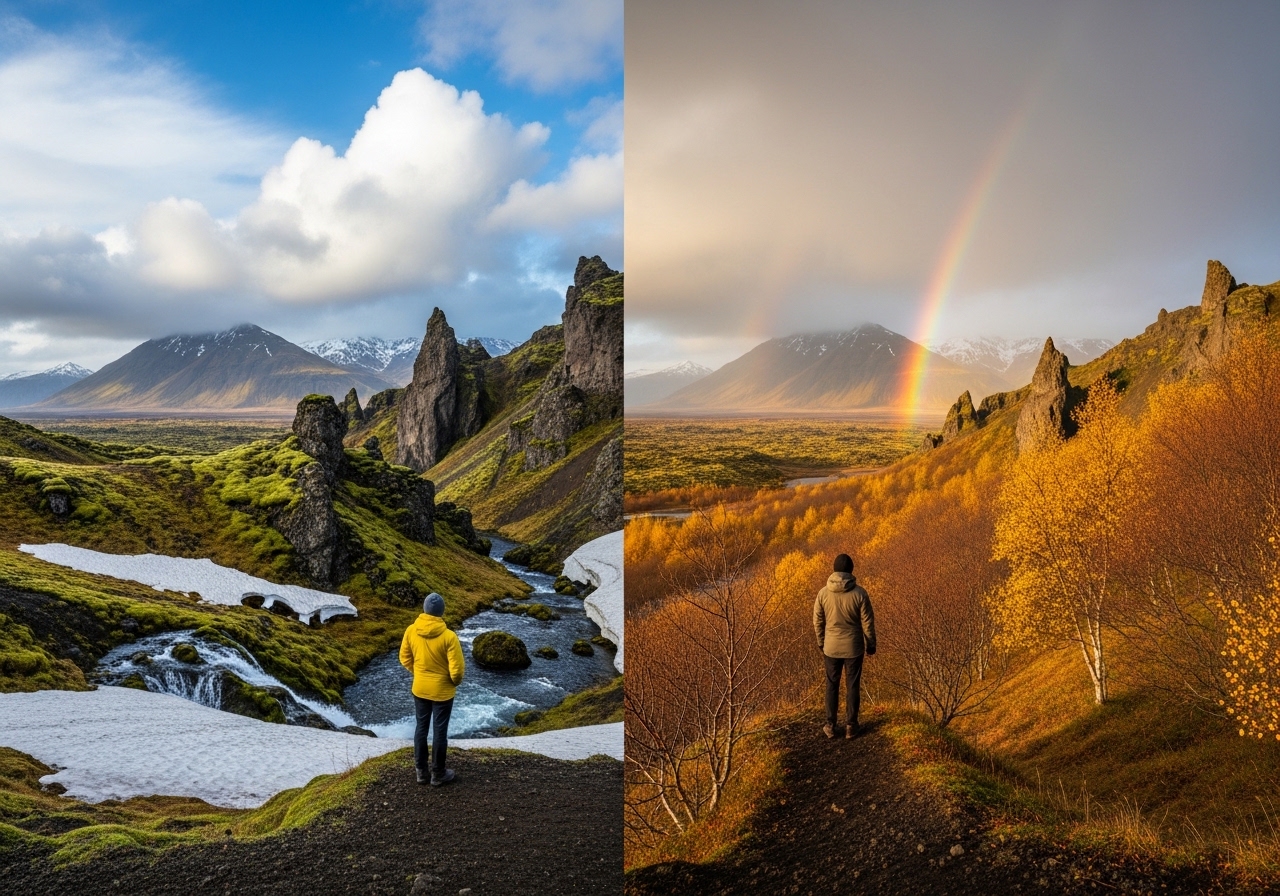
Shoulder Seasons: The Smart Choice for Most Americans (May and September–October)
Many US travelers quietly agree these are the sweet spots.
May:
- Days grow long and bright.
- Fewer tourists than June.
- Wildflowers bloom, waterfalls roar from snowmelt, and whale watching kicks off.
- Roads open more, but bring layers temps hover around 40–50°F (4–10°C).
September–early October:
- Fall colors paint the moss golden.
- Northern Lights start showing up on clear nights.
- Crowds thin out fast after mid-August.
- Prices drop compared to summer, but most attractions stay open.
These months give you great weather for driving and hiking without the summer rush. Book your rental car early either way demand still runs high.
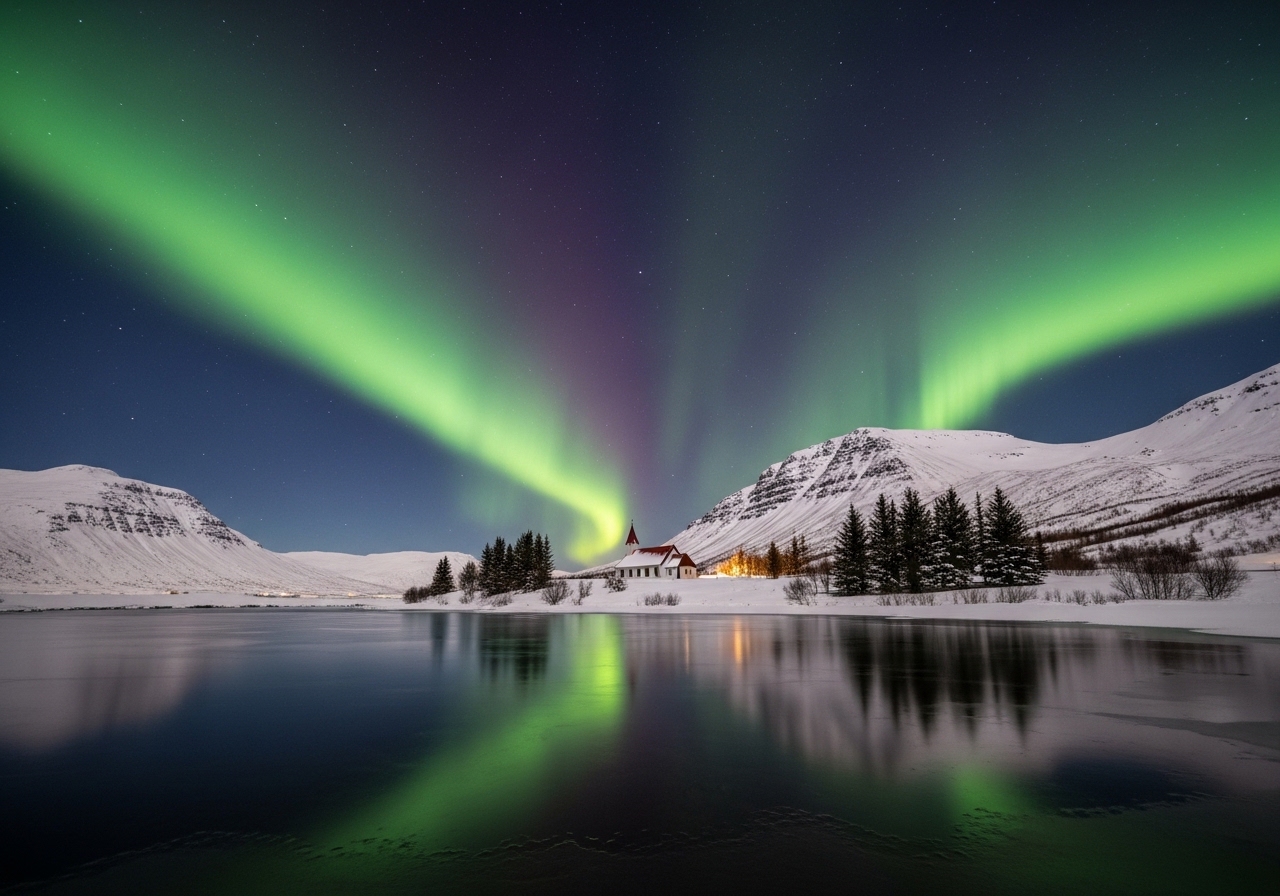
Winter in Iceland: Northern Lights and Quiet Wonder (November–March)
If you’re chasing the aurora or snowy landscapes, this is your time.
Pros:
- Northern Lights season runs strong (best odds September–March, especially around equinoxes in March and September).
- Fewer people at hot springs and the Blue Lagoon.
- Lower prices on flights and lodging (February and March often cheapest).
- Ice caves, glacier hikes, and snowy photos feel otherworldly.
Cons:
- Short days (sun rises late, sets early).
- Icy roads many stick to guided tours or the south coast.
- Cold (often 20–35°F / -6 to 2°C) with wind and possible snow.
Best for: Aurora hunters, photographers, or anyone who wants a peaceful trip. Avoid late December if you hate holiday crowds and higher prices.
How to Choose the Right Time for Your Trip
Ask yourself these questions:
- Want maximum daylight and activities? Go summer.
- Want fewer crowds and decent weather? Pick May or September.
- Chasing Northern Lights on a budget? Aim for February–March or late September–October.
- Flexible and love a deal? Shoulder or early winter saves real money.
Practical Tips for Travelers from the United States
Flights from the US: Direct flights land at Keflavik (KEF) from cities like New York, Boston, Chicago, Seattle, and more. Icelandair often has the best options and a handy stopover program if you’re continuing to Europe. Book 3–6 months ahead. Cheapest months are usually January–May (especially February–March and April–May). Expect $400–600 round-trip from the East Coast in shoulder season versus higher in summer.
Jet lag: Iceland is 4–6 hours ahead of US time zones. Arrive early morning? Stay awake until local bedtime (around 9–10 p.m.). Overnight flights from the East Coast work well sleep on the plane and hit the ground running.
Entry requirements: US citizens need a passport valid at least 3 months beyond your planned departure (6 months recommended). No visa for stays under 90 days. Note: Starting late 2026, you’ll need ETIAS travel authorization (easy online approval, like ESTA). Check the latest on the US Embassy site or Iceland’s official travel page before you book.
Budgeting: Iceland isn’t cheap, but timing helps. Off-season trips can save 30–50% on flights, cars, and hotels. Expect to spend more on food and gas year-round. Use a credit card with no foreign fees most places take cards, and you rarely need cash.
Volcanic activity: The Reykjanes Peninsula has seen eruptions in recent years, but they rarely affect travel beyond occasional Blue Lagoon closures for safety. Always check vedur.is or road.is before heading out. The Blue Lagoon usually reopens quickly.
Packing essentials (layer, layer, layer):
- Waterproof rain jacket and pants (windproof is key).
- Warm base layers, fleece, and sturdy waterproof boots.
- Hat, gloves, and sunglasses (sun reflects off snow or water).
Here are three Amazon finds that make a real difference on Iceland trips:
- A reliable waterproof hiking jacket (look for something like the Columbia Men’s or Women’s Rain Jacket lightweight, packable, and tough against wind and rain).
- Compact binoculars for spotting whales, puffins, or distant icebergs without hauling heavy gear.
- A sturdy portable tripod plus extra power bank (cold weather drains phone batteries fast when you’re chasing Northern Lights photos).
These small items turn “good enough” into “I’m so glad I brought this.”
Actionable Tips to Make Your Trip Easier
- Download the 112 Iceland app for emergencies and the Vedur.is weather app.
- Check road.is daily if self-driving.
- Consider a guided tour in winter or for the Highlands worth it for safety and local stories.
- Book popular experiences (Blue Lagoon, ice caves, glacier hikes) as soon as you have dates locked in.
Final Thoughts
There’s no single “best” month to visit Iceland it’s about matching the season to what excites you most. Many Americans who go in May or September say it feels like they got the best of both worlds: beautiful scenery, manageable crowds, and prices that don’t sting as much. Whatever you pick, you’ll come home changed. Iceland has that effect.
Safe travels, and keep an eye on the sky you never know when the Northern Lights will dance just for you.
FAQs About Visiting Iceland from the US
Is summer the best time to visit Iceland?
For first-timers who want long days and easy road trips, yes. If you hate crowds, look at May or September instead.
When is the best time to see the Northern Lights?
September through March, with peak chances around the equinoxes (late September and March). Clear, dark skies matter more than exact dates download an aurora forecast app.
What’s the cheapest time to fly from the US to Iceland?
February–March and April–May usually offer the lowest fares, plus decent daylight.
Is Iceland safe right now with the volcanoes?
Yes. Eruptions are monitored closely, and tourist areas stay open except for very short safety closures. Always check official updates before you go.
Should I rent a car or take tours?
A car gives freedom in summer. In winter, many Americans prefer small-group tours for the peace of mind on icy roads.