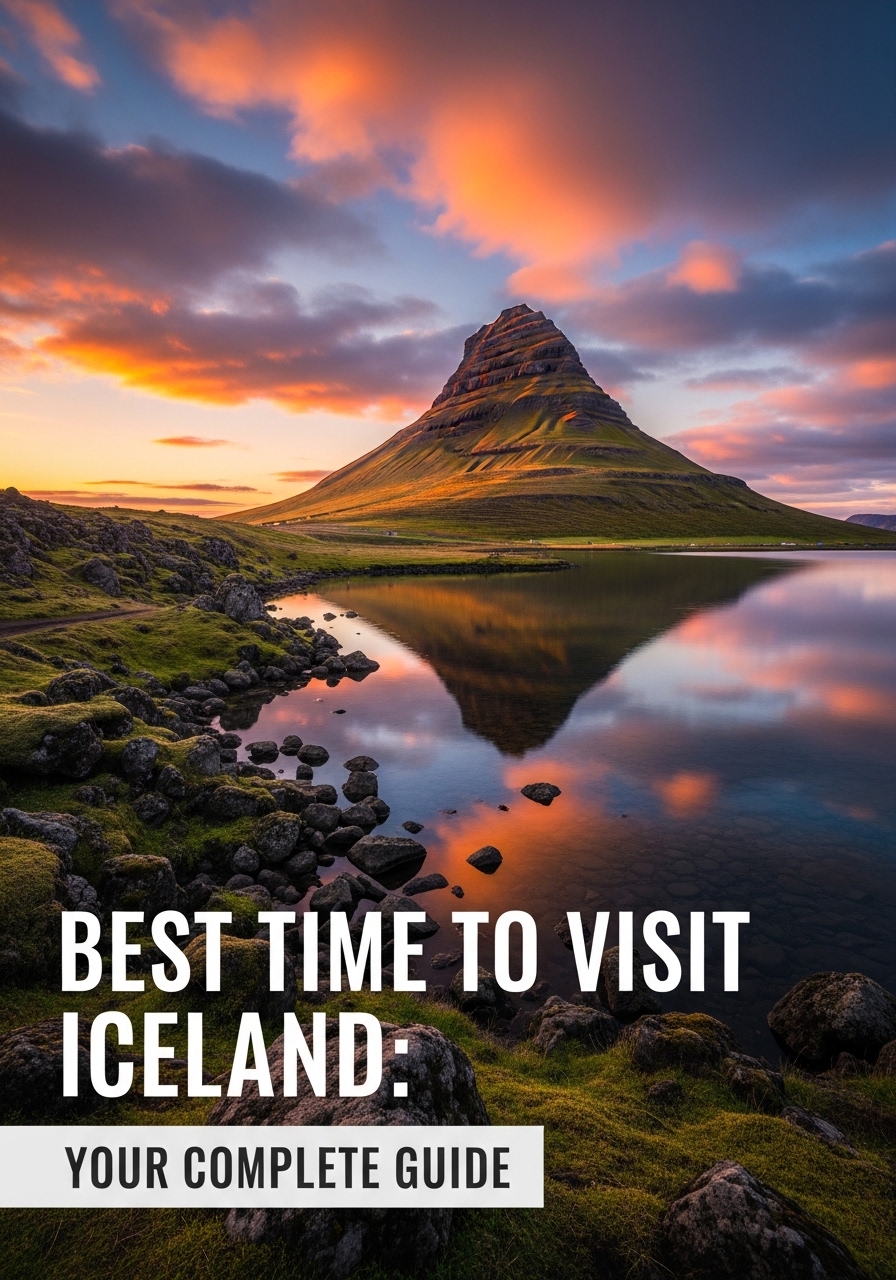
Iceland changes completely depending on when you go. One month you’re chasing the Northern Lights across snowy fields. The next you’re hiking volcanoes under a sun that never sets. There’s no single “best” time it depends on what you want from your trip. This guide breaks it down simply so you can match the season to your budget, interests, and travel style.
Iceland’s Seasons at a Glance
Iceland has four very different seasons, even though the weather can feel like all of them in one day.
- Peak season (June–August): Midnight sun, warmest weather, open roads, but busy and pricey.
- Shoulder seasons (May & September–October): Fewer crowds, lower prices, and the sweet spot for many travelers.
- Off season (November–April): Northern Lights, winter adventures, cheapest flights and hotels, but cold and dark.
Here’s what actually happens in each.
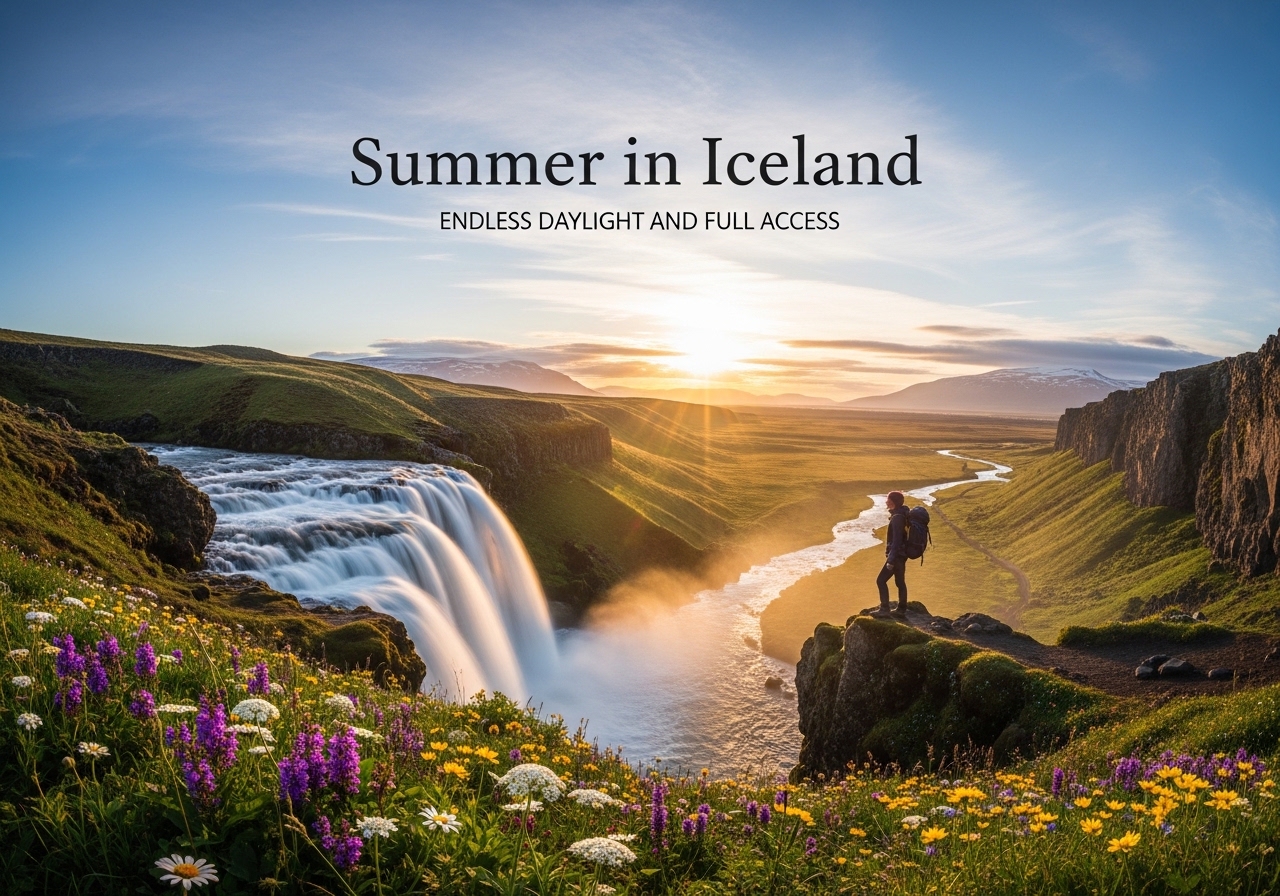
Summer in Iceland (June–August): Endless Daylight and Full Access
This is when most people visit and for good reason. You get 20–24 hours of daylight (the famous midnight sun peaks around June 21). Average highs sit around 50–55°F (10–13°C), though wind can make it feel cooler.
Pros:
- All roads open, including the highlands and F-roads.
- Best time for hiking, camping, and road trips.
- Whale watching and puffin spotting at their peak.
- Festivals everywhere (Iceland National Day on June 17, Reykjavik Pride in August).
Cons:
- Crowds at popular spots like the Golden Circle and Blue Lagoon.
- Highest prices for flights, hotels, and car rentals.
- It’s hard to sleep when the sun barely dips below the horizon.
Summer is perfect if you want to hike Laugavegur Trail, drive the full Ring Road, or see puffins on the cliffs at Látrabjarg. Just book everything early.
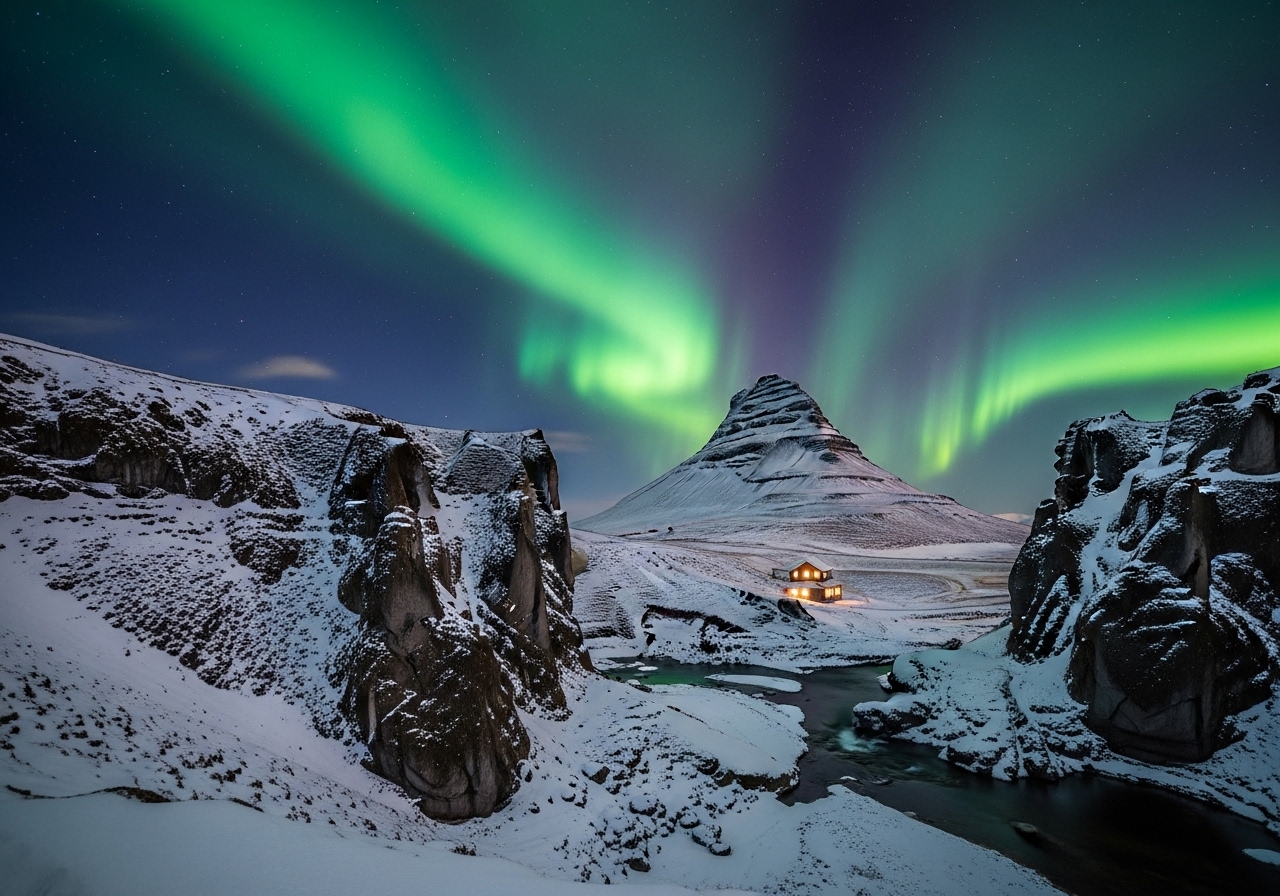
Winter in Iceland (November–March): Northern Lights and Snowy Magic
Winter brings short days (as little as 4–5 hours of sunlight in December) and temperatures that hover around 25–35°F (-4 to 2°C). Snow covers everything, and the landscape feels otherworldly.
Pros:
- Best chance to see the Northern Lights (especially September–March, with peak odds in February and March).
- Ice caves, glacier hiking, and snowmobiling.
- Far fewer tourists you’ll have many spots almost to yourself.
- Lowest prices outside the Christmas/New Year rush.
Cons:
- Many highland roads close.
- Weather can cancel tours or make driving tricky (4×4 recommended).
- Short days mean you pack a lot into limited daylight.
This is the season for cozy hot-spring soaks while the aurora dances overhead, or exploring ice caves inside Vatnajökull glacier. If you’re okay with cold and darkness, winter feels raw and magical.
Spring in Iceland (April–May): Quiet, Blooming, and Affordable
Spring is when the country wakes up. Snow melts, days get dramatically longer, and prices stay reasonable.
What to expect:
- Temperatures rise to 35–50°F (2–10°C).
- Fewer crowds than summer.
- Migratory birds return; puffins arrive in late April.
- Waterfalls roar with meltwater.
May is especially great it’s often the driest month, trails start opening, and you still catch the tail end of Northern Lights season in early April. Ideal for travelers who want nature without the summer rush.
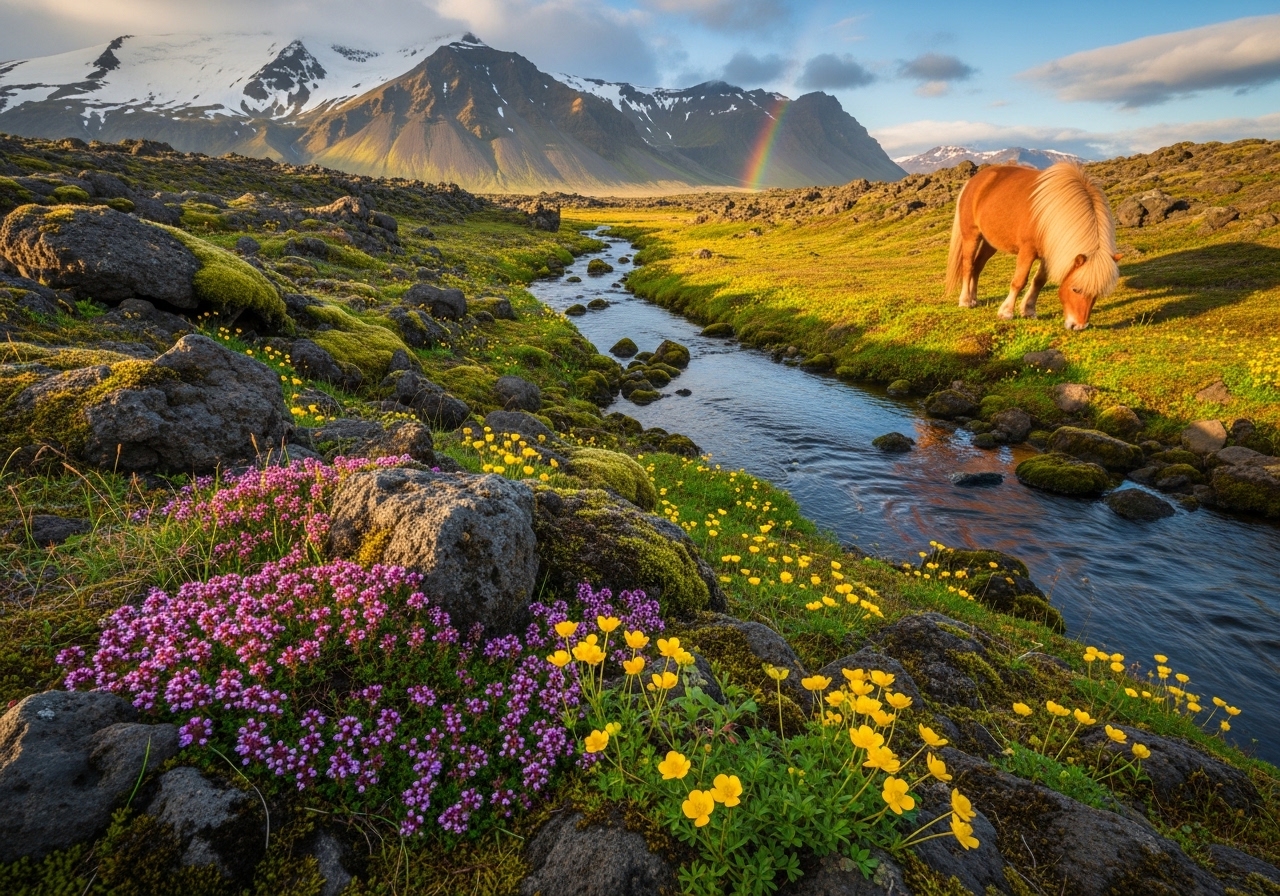
Fall in Iceland (September–October): Colors, Lights, and Calm
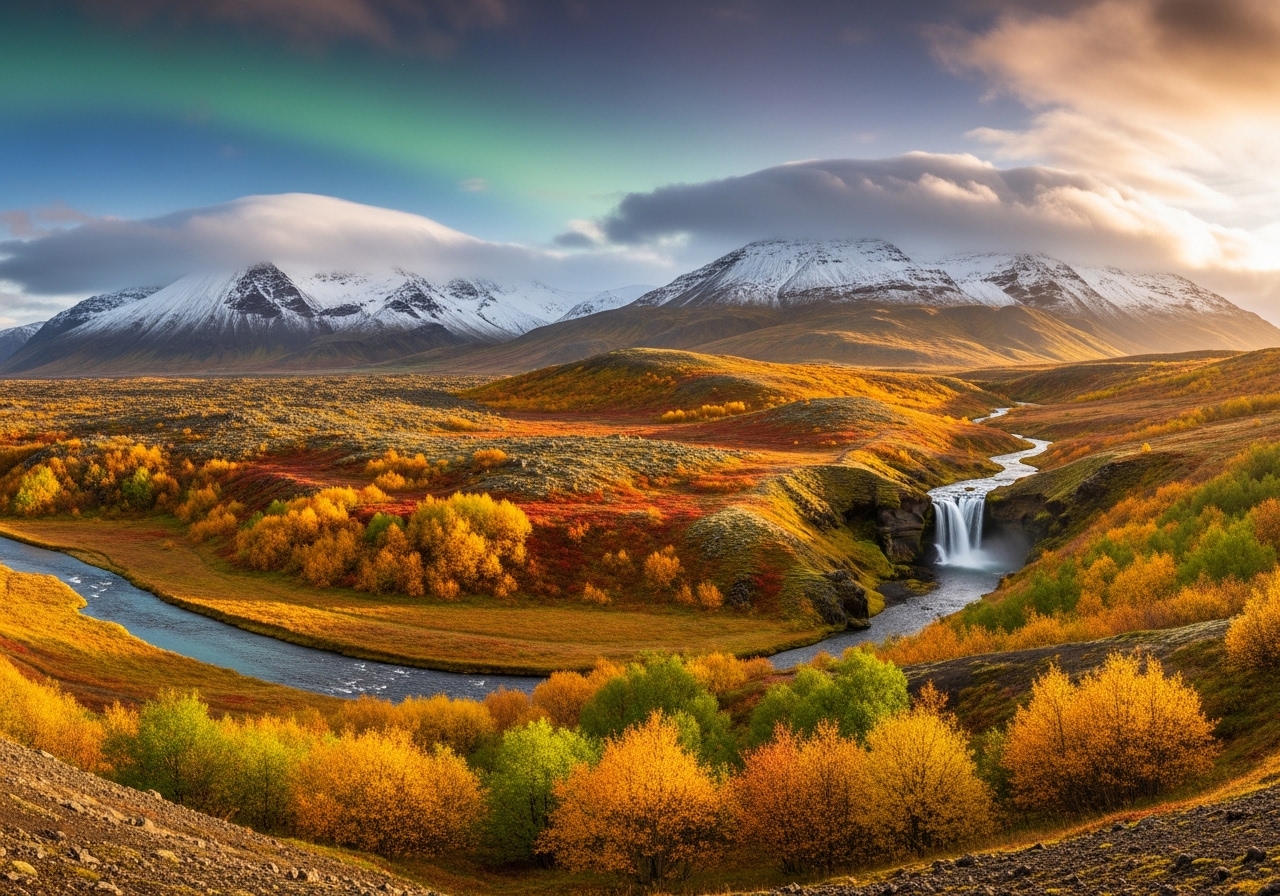
Fall gives you the best of both worlds. The landscape turns orange and red, nights get dark enough for auroras again, and crowds thin out fast after mid-September.
Highlights:
- Northern Lights return around mid-September.
- Sheep round-ups (réttir) in September a real local tradition.
- Hiking trails still open but way quieter.
- Lower hotel rates and easier last-minute bookings.
October can bring the first snow, making photography stunning. This is many locals’ favorite time and mine too, based on what repeat visitors say.
How to Pick the Right Time for You
Here’s the practical cheat sheet competitors often skip:
- Families with kids: June–August. Long days mean no bedtime battles, and everything is open and easy.
- Budget travelers: November–April (skip Christmas week). Flights and hotels can be half the summer price.
- Northern Lights hunters: September–March. Book a countryside hotel with dark skies your odds jump way up.
- Hikers and road-trippers: May–September. Highlands accessible only June–September.
- Photographers: Fall or winter for dramatic light and auroras; summer for colorful landscapes and wildlife.
- Couples or honeymooners: Shoulder seasons. Romantic, uncrowded, and still beautiful.
- Whale watchers: May–October. Peak in June–August from Húsavík or Reykjavík.
Shoulder Seasons Are the Real Winner for Most People
If you want fewer crowds and decent weather without breaking the bank, go in May or September–October. You’ll get 15–18 hours of daylight, lower prices, and a more relaxed vibe. Many travelers say these months feel like “Iceland without the lines.”
Budget Tips That Actually Save Money
Summer hotel rates can double. Winter and shoulder months often drop 30–50%. Book flights mid-week and avoid December 20–January 5. Rent a car in shoulder season when demand is lower. And always check road.is for conditions it’s free and saves headaches.
What to Pack No Matter When You Go
Iceland weather is famously unpredictable. Layers are your best friend.
Here are three things I always tell friends to grab from Amazon before they leave:
- A good waterproof rain shell (something like the Columbia Watertight II Jacket) wind and rain hit hard year-round.
- Merino wool base layers (tops and bottoms) they keep you warm even when wet and don’t smell after days of hiking.
- Compact binoculars (like the Nikon Prostaff 3S) perfect for spotting whales, puffins, or distant auroras without carrying heavy gear.
Pack a sleep mask for summer and hand warmers for winter nights.
Travel Responsibly in Iceland
Tourism has grown fast. Stick to marked trails, never drive off-road, and skip single-use plastics. Choose smaller tours and local guides when you can. The country is fragile help keep it beautiful for the next visitor.
Sample One-Week Trips
- Summer road-trip version: Fly into Reykjavik, drive the Golden Circle, head east to Jökulsárlón, loop back via the South Coast.
- Winter Northern Lights version: Base in Reykjavik or South Iceland, join evening aurora hunts, add one ice-cave tour and Blue Lagoon visit.
- Shoulder adventure version: Mix city time in Reykjavik with a day-trip to the Westfjords or a short highland hike.
Final Thought
There’s no wrong time to visit Iceland only the right one for what you’re after. Want endless daylight and hiking? Go summer. Want Northern Lights and quiet beauty? Pick winter or fall. Shoulder seasons give you the best balance for most people.
Book what fits your calendar and interests. Then just show up ready for whatever Iceland throws at you because it will probably throw rain, sun, wind, and something unforgettable all in the same day.
FAQs About Visiting Iceland
What is the cheapest time to visit Iceland? November to April (outside Christmas week). Hotels and flights drop significantly.
When is the best time to see the Northern Lights? September through March. February and March often give the clearest combination of darkness and milder weather.
Is Iceland too cold in winter? Not as bad as you think. Coastal areas rarely drop below 20°F, and you’ll spend most time in heated cars, hotels, or hot springs. Just layer up.
When do puffins and whales show up? Puffins: late April to mid-August. Whales: May to October, best in June–August.
Should I rent a car or join tours? Summer: car gives freedom. Winter: guided tours are safer and easier, especially for ice caves or aurora hunts.
How many days do you need? Seven days is the sweet spot for first-timers. Ten or more if you want to explore the North or Westfjords properly.
Ready to plan? Pick your season, book your flights, and get ready for one of the most beautiful places on Earth no matter what time of year you go.