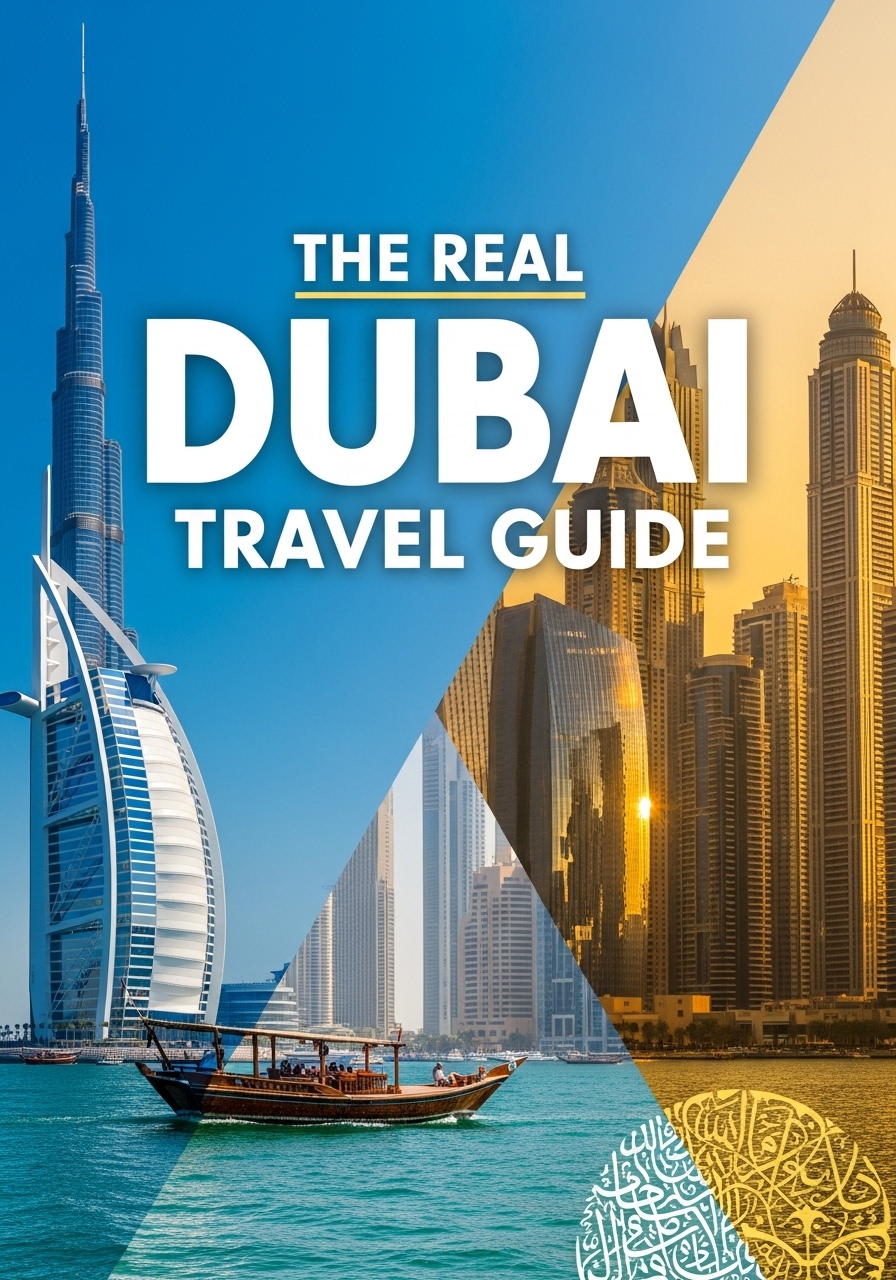
Dubai will break your budget if you let it.
I watched a couple spend $400 on dinner at the Burj Al Arab just to say they did it. The food was mediocre. The view was better from my $12 rooftop café in Deira.
Dubai is two cities. One sucks money from your wallet with gold-plated everything. The other serves you $3 shawarma that changes your life. Most tourists only see the first one.
I’ve done both. Here’s how to do Dubai right.
The Truth About Dubai’s Weather
Summer is brutal.
June through September hits 45°C (113°F). Humidity makes it feel like 50°C. The air hurts your lungs. Your phone overheats. Taxi drivers keep wet towels on their seats because the vinyl burns skin.
I made this mistake once. Never again.
The sweet spot: November through March. Days are 25°C (77°F), nights are cool enough for a light jacket. This is when Dubai lives outdoors. Beach clubs are packed. Markets buzz until midnight.
Ramadan reality: If you visit during Ramadan (dates change yearly), eating in public during daylight hours is illegal. Hotels serve food behind curtains. Music is muted. Nightclubs close. It’s culturally fascinating but restricts your trip. Check dates before booking.
Getting In: Visas and Entry
Most people get a free visa on arrival.
Americans, Canadians, Brits, Australians, and most Europeans receive 30-90 days visa-free at the airport. No paperwork. No fees. Just a stamp.
The catch: Your passport must be valid for six months. They check return flights and hotel bookings at immigration. Have proof ready on your phone.
Health requirements: No mandatory vaccinations unless you’re coming from a yellow fever zone. Travel insurance is smart but not required.
Where to Actually Stay
Downtown Dubai is convenient but overpriced. You’re paying for the Burj Khalifa view. Restaurants charge tourist prices. Traffic is constant.
Dubai Marina gives you waterfront walks and better nightlife. More expats, fewer tour groups. Still expensive, but you get space.
Deira and Bur Dubai are where the real city lives. This is Old Dubai Indian restaurants, textile markets, $50 hotel rooms. The Metro connects you to everywhere in 20 minutes. You save 60% on accommodation and eat better food.
Jumeirah Beach Residence (JBR) if you want beach access without breaking the bank. The Walk has restaurants and shops. The tram connects to the Metro.
My recommendation: Stay near a Metro station. Dubai’s traffic is unpredictable. The Metro is air-conditioned, reliable, and costs $1-2 per ride. Taxis add up fast.
Getting Around: The Metro is Your Best Friend
The Dubai Metro is criminally underrated.

It’s clean. It’s fast. It’s above ground so you actually see the city. Women and children get separate gold-class and women-only carriages (optional but available).
The Red Line hits every major spot: Airport, Deira, Downtown, Marina, Expo City. The Green Line serves Old Dubai.
Taxis are metered and honest. Careem (Middle Eastern Uber) works everywhere. A 20-minute ride costs $10-15.
Car rental is unnecessary unless you’re doing multiple desert trips. Parking is expensive. Traffic is aggressive. The Metro covers 90% of what tourists need.
The Budget Reality
Dubai can be cheap. Or it can bankrupt you.
Daily costs (mid-range):
- Accommodation: $80-150
- Food: $40-80
- Transport: $15-30
- Activities: $50-150
Daily costs (budget):
- Accommodation: $40-60
- Food: $15-25
- Transport: $5-10
- Activities: $20-40
Money-saving hacks:
- Eat where Indian and Pakistani workers eat. $3 gets you a full meal.
- Happy hours run 4-7 PM. Drinks are half-price.
- Hotel brunches ($50-80) are actually good value—unlimited food and alcohol for 4 hours.
- The Entertainer app offers 2-for-1 deals on everything. Worth the $30 annual fee.
What to Wear: The Real Rules
The competitor got this wrong.
You don’t need to cover up completely. Dubai is relaxed compared to other Gulf cities. But there are lines.
What works:
- Shorts and t-shirts in tourist areas
- Swimwear at beaches and pools only
- Shoulders covered in malls (technically required, loosely enforced)
What doesn’t:
- Revealing clothing in Deira or traditional areas
- Swimwear walking through hotel lobbies
- Cross-dressing (illegal, strictly enforced)
The unspoken rule: If you’re in a luxury hotel or beach club, wear what you want. If you’re in a government building or traditional neighborhood, cover shoulders and knees.
Practical packing: You need sun protection more than modesty. A lightweight long-sleeve shirt saves you from sunburn and satisfies dress codes. I live in my Columbia PFG Tamiami II Shirt breathable, UV-protective, and acceptable everywhere from malls to mosques. It dries in an hour if you sweat through it.
The Food Scene: Beyond $50 Burgers
Dubai has the best food in the Middle East.
Not because of Michelin restaurants. Because 200 nationalities live here, bringing authentic flavors.
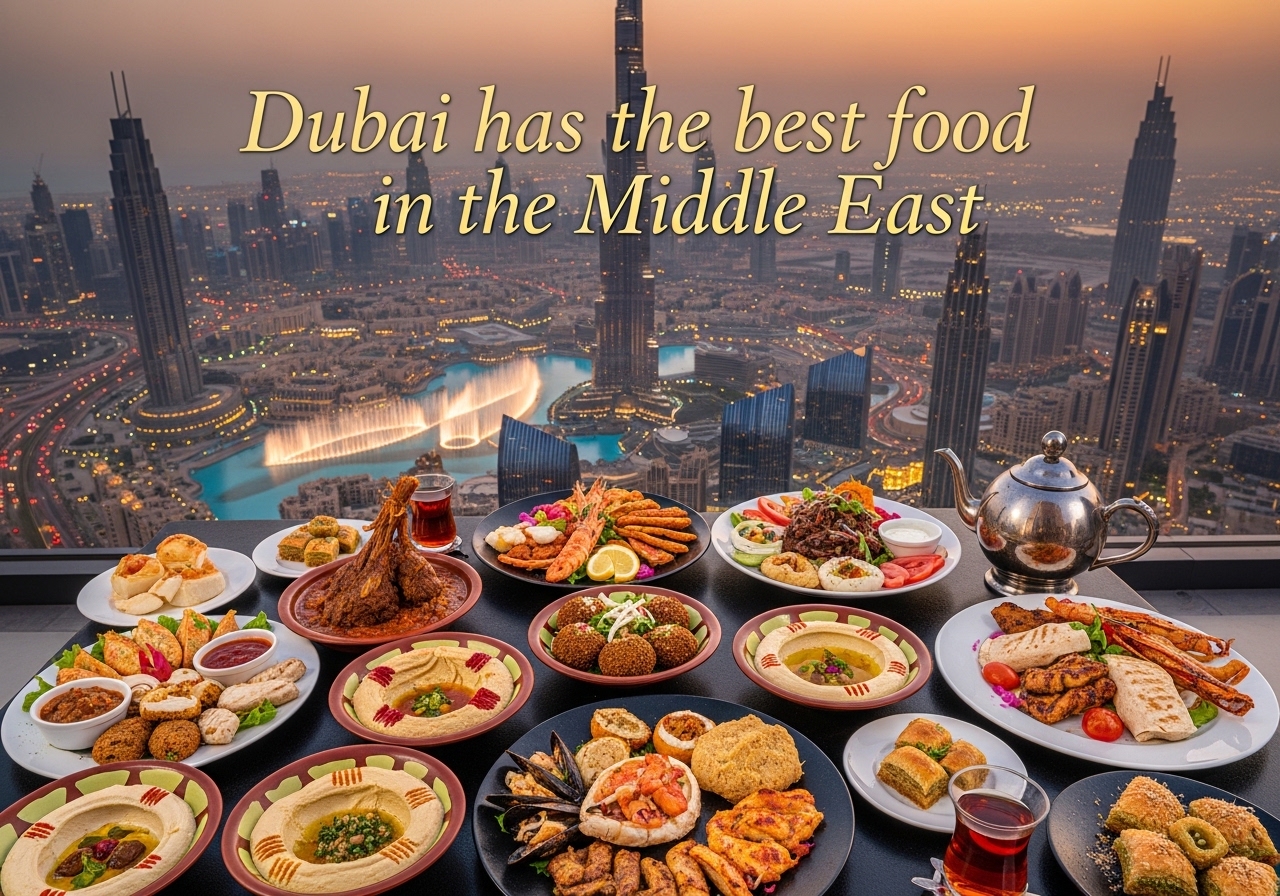
Where to eat:
Ravi Restaurant (Satwa): Pakistani institution. $6 for a mountain of butter chicken and naan. Open 5 AM to 2 AM. Locals queue out the door.
Al Mallah (Al Safa): Lebanese street food. Shawarma that ruins all other shawarma. Fresh juice bar. $4 per person.
Pierchic: If you’re splurging, do it here. Overwater restaurant with Burj Al Arab views. Lunch is half the price of dinner.
Food courts: Don’t laugh. Dubai Mall’s food court has authentic Korean, Iranian, and Afghan food for $8. Skip the chains.
Alcohol rules: Only licensed venues serve alcohol—hotels, some restaurants attached to hotels, and specific bars. No liquor stores for tourists (technically you need a license, though enforcement is spotty). Drinking in public is illegal. Being drunk in public gets you arrested.
The Attractions: Worth It or Skip It?
Burj Khalifa: Do it once. Book sunset tickets (5:30-6:30 PM) for day and night views. Buy online two weeks ahead—same-day tickets cost double.
Dubai Mall: It’s a mall. The aquarium is overpriced. The fountains outside are free and happen every 30 minutes after 6 PM. That’s the real show.
Desert safari: Shop around. Prices range from $30 (group tour, basic) to $300 (private, luxury). The $50-80 range gets you dune bashing, camel ride, dinner, and show. Avoid the cheapest options crowded and rushed.
Dubai Frame: Skip it. $15 for a photo op. The view is better from free rooftop bars.
Global Village: Cheesy but fun. Fake Eiffel Tower next to fake Taj Mahal. Good for families. Terrible for authentic culture.
Al Fahidi Historical District: Free and fascinating. Wind-tower architecture, art galleries, coffee museums. The Dubai Museum here costs $1 and explains how this city went from fishing village to metropolis in 50 years.
The souks: Gold Souk is a tourist trap. Spice Souk is worth wandering. Textile Souk in Bur Dubai has better prices. Haggle aggressively start at 40% of the asking price.
Safety and Health: The Real Concerns
Dubai is safe. Violent crime is rare. Women can walk alone at night.
But:
Heat stroke is real. Carry water everywhere. The tap water is safe but tastes terrible. Buy a LifeStraw Go Water Filter Bottle refill from any tap, filter removes chlorine and bacteria, saves you $3 per bottle of water. In desert heat, you’ll drink 4 liters daily.
Sunburn happens fast. The UV index hits 11+ in summer. Apply SPF 50 every two hours. The sun here is stronger than you’re used to.
Medications: Some prescription drugs are illegal (codeine, tramadol, some antidepressants). Check the UAE Ministry of Health website. Carry prescriptions in original packaging.
Public affection: Holding hands is fine. Kissing gets you fined or deported. I’ve seen it happen at malls.
Cultural Etiquette: Don’t Be That Tourist
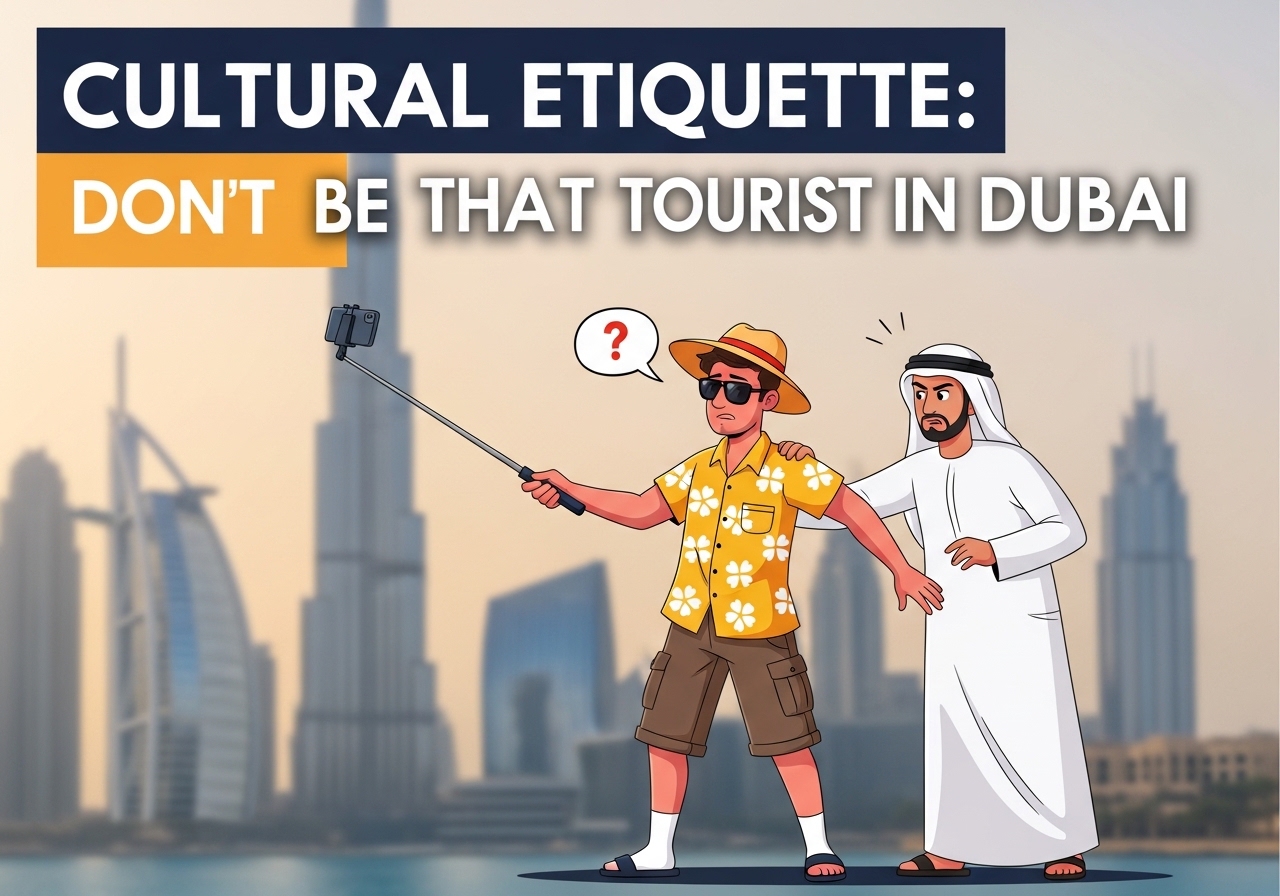
Photography: Never photograph Emirati women without permission. Don’t photograph government buildings, military sites, or airports. It’s not just rude—it’s jail time.
The left hand: Traditionally unclean in Muslim culture. Don’t eat with it, don’t hand money with it. Right hand only for interactions.
Shoes off: Remove shoes when entering mosques or homes. Some traditional restaurants too—watch what others do.
Tipping: Not mandatory but appreciated. 10% at restaurants if service isn’t included. Round up for taxis.
Friday in Dubai: Everything Changes
Friday is the new Sunday.
The weekend is Friday-Saturday. Friday morning is quiet—mosques are full, shops open at 2 PM or later. Brunch starts at 1 PM and runs until 5 PM. It’s a cultural institution.
Plan accordingly: Don’t schedule morning activities on Friday. Book brunch in advance—they sell out.
Day Trips Worth Taking
Abu Dhabi: The Grand Mosque is free and breathtaking. The Louvre Abu Dhabi is world-class. It’s 90 minutes by bus ($7) or 60 minutes by car.
Hatta: Mountain town 90 minutes away. Hiking, kayaking, heritage village. Escape the heat and glass towers.
Al Ain: Oasis city on the Oman border. UNESCO World Heritage site. Forts, camel markets, actual greenery.
The Apps You Actually Need
Careem: Rideshare, food delivery, bike rental. One app for everything.
RTA Dubai: Metro and bus routes, times, and fares. Essential for public transport.
The Entertainer: 2-for-1 deals on dining and activities. Pays for itself in one meal.
Google Maps: Works offline if you download Dubai. Essential for walking in the souks.
The Friday Brunch Culture
Brunch in Dubai is a sport.
Not eggs Benedict and mimosas. It’s 4-hour unlimited food and drink marathons. $50-150 gets you everything from sushi to roast beef to cocktails.
The unwritten rules:
- Book 2-4 weeks ahead for popular spots
- Pace yourself—it’s a marathon, not a sprint
- Don’t wear flip-flops (most venues have dress codes)
- Tipsy behavior gets you cut off
Best value: McGettigan’s, The Irish Village, or Trader Vic’s. Good food, lively atmosphere, no pretension.
What to Pack: The Desert Essentials
Dubai requires specific gear:
- Portable charger: Your phone dies fast in heat. The Anker PowerCore 10000 fits in a pocket and gives you two full charges. Essential for long days out.
- Comfortable walking shoes: You’ll walk 15,000+ steps daily. The souks have uneven cobblestones. Mall floors are marble slippery in sandals.
- Lightweight scarf: For women, covers shoulders in conservative areas. For everyone, protects neck from sun.
- Reusable water bottle: See above. Hydration is survival.
- Universal adapter: UAE uses UK-style three-pin plugs (Type G). The EPICKA Universal Travel Adapter covers UAE, Europe, Asia, and has 4 USB ports. One adapter for your entire trip.
The Real Dubai: Finding Authenticity
Dubai has no “authentic” neighborhood left.
Old Dubai is a reconstruction. The creek is dredged. The pearl diving industry died decades ago.
But authenticity exists in moments:
- The call to prayer echoing across the city at sunset
- Indian workers playing cricket on empty lots Friday mornings
- Emirati men in white kanduras drinking Arabic coffee in Al Fahidi
- The smell of oud (incense) in mall entrances
- Syrian refugees serving shawarma they learned to make in Damascus
Dubai is artificial by design. That doesn’t mean it’s not real.
Frequently Asked Questions
Is Dubai expensive?
It can be. But budget travelers can survive on $80/day with hostels, Metro, and street food. Luxury travelers can spend $1,000/day easily. The middle ground ($200-300/day) gets you comfort without waste.
Can you drink alcohol?
Yes, in licensed venues—hotels, some restaurants, specific bars. No drinking in public. No drunk behavior. Purchase at duty-free on arrival if you want room drinks.
Is Dubai safe for solo female travelers?
Yes. Harassment is rare and punished severely. Dress modestly in traditional areas. Use women-only Metro carriages if you prefer. Common sense applies.
Do I need to speak Arabic?
No. English is everywhere—signs, menus, taxis. Learning “shukran” (thank you) is appreciated but not required.
What’s the best area to stay?
Near a Metro station. Downtown for convenience, Marina for nightlife, Deira for budget and food.
Can I visit during Ramadan?
Yes, but it’s restrictive. No eating in public daylight hours. Bars closed or curtained. It’s culturally interesting but limits your trip. Check dates.
Is the tap water safe?
Technically yes, but desalinated water tastes terrible. Filter it or buy bottled.
The Bottom Line
Dubai is a contradiction. It’s superficial and profound. Expensive and cheap. Artificial and authentic.
Don’t come for the “world’s biggest” records. Come for the food, the safety, the sheer ambition of building a city in the desert.
Spend one day at the beach. One day in the desert. One day in Old Dubai. Skip the gold-plated coffee.
You’ll leave with sand in your shoes and a new understanding of what’s possible when money meets vision.
Just remember the water. And the sunscreen. And that $3 shawarma will beat the $200 hotel breakfast every time.
This post contains affiliate links. If you purchase through these links, I earn a small commission at no extra cost to you. I only recommend products I’ve personally used and tested in Dubai’s heat.