
New York does not have a bad season. It has expensive seasons, crowded seasons, sweaty seasons, and cold seasons. But every single one of them has something worth being there for.
The real question is not whether New York is worth visiting in any given month. It is which version of New York matches what you want from a trip.
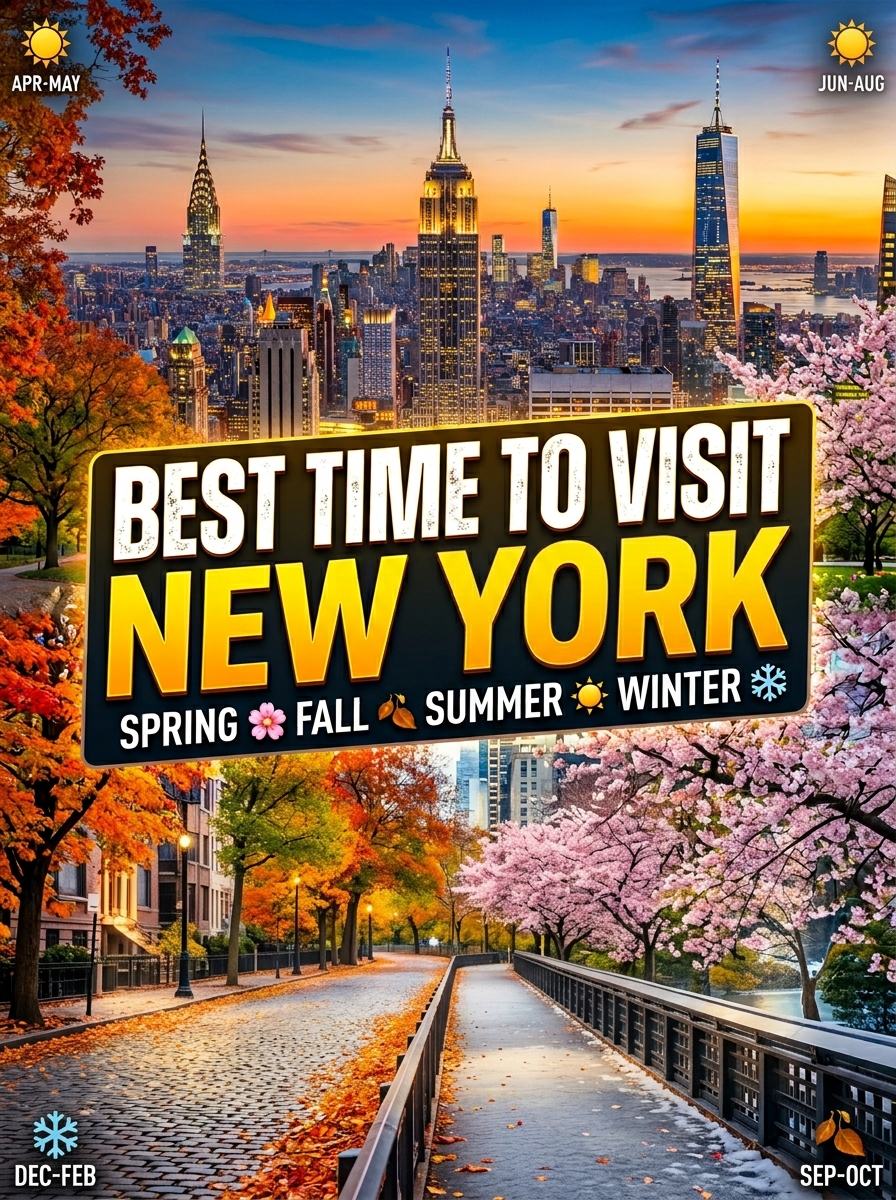
This guide breaks down every season honestly, with real temperature ranges, actual hotel price differences, crowd levels, and the events that actually move the needle.
Quick Answer: Best Time to Visit New York
The best time to visit New York City is late September through early November. The weather is consistently good, fall colors in Central Park peak in late October, summer crowds have left, and hotel prices drop sharply compared to the summer peak.
If budget is your main concern, go in January or February. Prices hit their annual low, museums are quiet, and Broadway shows are easier to get into.
If you want maximum energy and do not mind the cost, June through August delivers outdoor concerts, rooftop bars, and a city at full tilt.
New York by Season
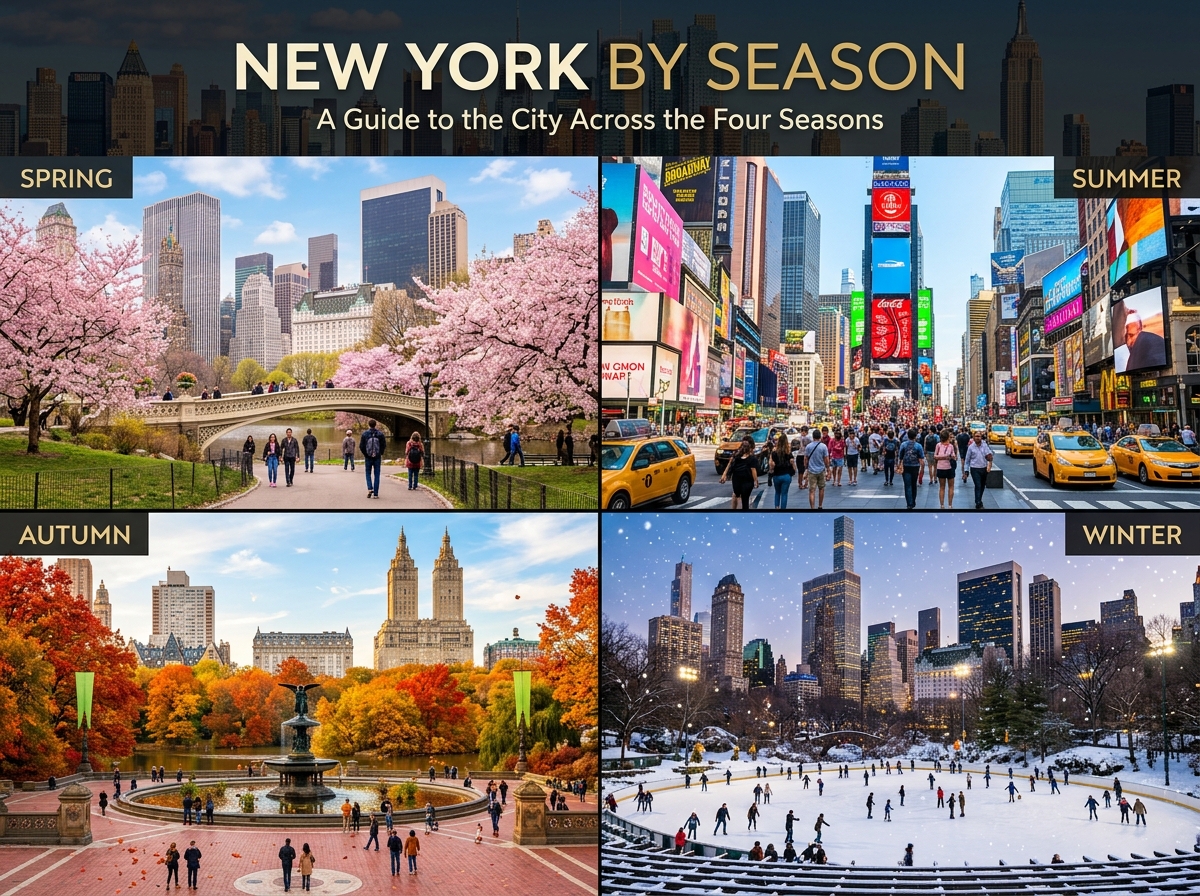
Spring (March, April, May)
Spring in New York is genuinely beautiful, but it takes a while to arrive.
March is still cold. Temperatures hover around 4 to 10 degrees Celsius (39 to 50F). Snow is still possible in early March. The city is not at its winter-low prices anymore, but it is not yet spring either. St. Patrick’s Day on March 17th brings enormous crowds to Midtown. If you are not there for the parade, it is worth avoiding that weekend.
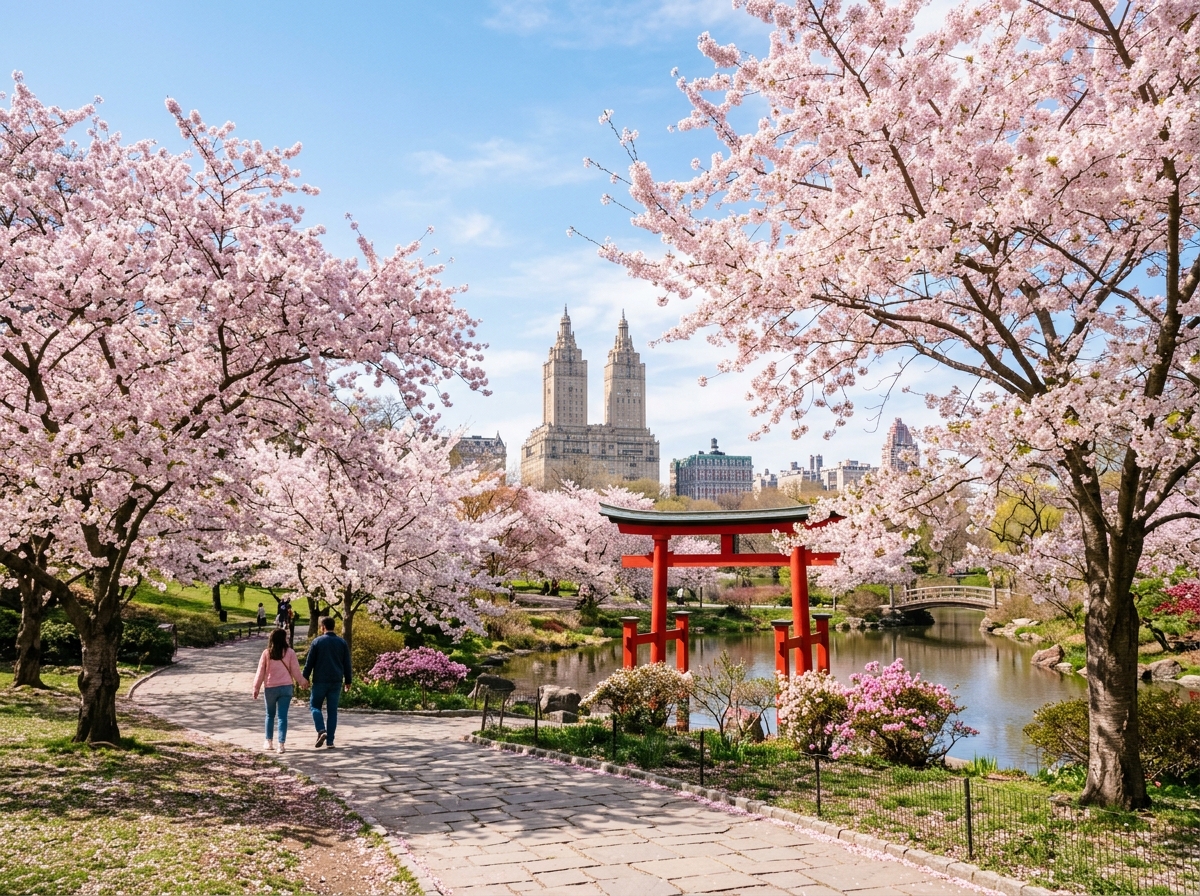
April is when New York starts to feel like itself again. Temperatures climb to 10 to 18 degrees Celsius (50 to 64F). Cherry blossoms hit Central Park and the Brooklyn Botanic Garden, usually in the second half of April. The Brooklyn Botanic Garden’s Sakura Matsuri festival, a weekend-long cherry blossom celebration, is one of the best free-ish events of the year. Parks fill with locals who have been waiting months for this moment.
May is one of the best months to visit New York. Temperatures reach 17 to 23 degrees Celsius (63 to 73F). The weather is consistently warm, rooftop bars open for the season, and outdoor dining fully returns. Crowds are building but have not yet hit summer peak. Hotel prices are noticeably higher than winter but not yet at summer levels.
Spring summary:
- Weather: Mild and increasingly warm, rain is common in March and April
- Crowds: Moderate, building through May
- Hotel prices: Moderate, rising through spring
- Best for: Cherry blossoms, walking the city, avoiding extreme heat
Summer (June, July, August)
Summer in New York is everything people expect and more intense than they are prepared for.
June is the ideal summer month. Temperatures reach 22 to 27 degrees Celsius (72 to 80F). Days are long, energy is high, and the city is at its most outdoor-social. Rooftop bars, free concerts in Central Park, the SummerStage festival series, and Pride Month culminating in the Pride March in late June all make for a spectacular month. Hotel prices are climbing but have not yet hit the July peak.
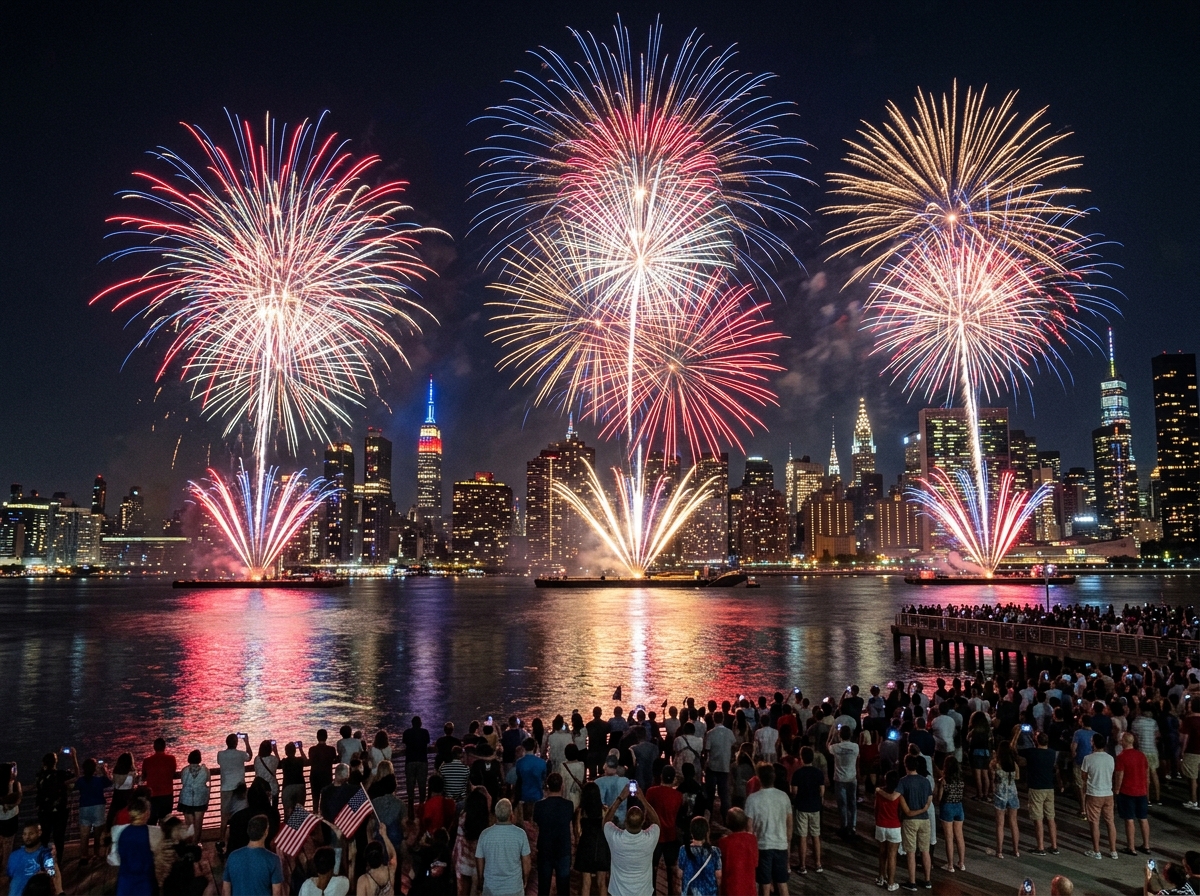
July and August are peak season and peak everything else. Temperatures regularly hit 30 to 35 degrees Celsius (86 to 95F) and the humidity turns the city into a sauna. The subway platforms in Midtown, particularly older stations like 96th Street, become genuinely unbearable in August. Heat advisories are common. That said, the Fourth of July Macy’s fireworks over the East River are one of the most spectacular events of the year. Outdoor movies in Bryant Park and Hudson River Park run all summer. The US Open tennis tournament runs from late August through early September.
Hotel prices in July are at their annual peak. A mid-range Midtown hotel that costs $150 per night in February regularly hits $280 to $350 in July. Book at least six to eight weeks ahead.
Honest advice for summer visitors: Start days early before the heat peaks. Stay cool in world-class air-conditioned museums during the hottest part of the afternoon. The Metropolitan Museum of Art, the American Museum of Natural History, MoMA, and the Guggenheim are all perfect midday shelters.
Summer summary:
- Weather: Hot and humid, especially July and August
- Crowds: Highest of the year
- Hotel prices: Peak, especially July
- Best for: Outdoor events, long evenings, festivals, the Fourth of July, US Open
Autumn (September, October, November)
Autumn is the season that most people who know New York well call their favourite.
September starts hot but cools as the month progresses. Temperatures range from 18 to 26 degrees Celsius (64 to 79F) early in the month, dropping to a very pleasant 15 to 21 degrees (59 to 70F) by the end. Summer tourists have gone home, kids are back in school, and the city’s museum and cultural season kicks back into high gear. Hotel prices drop noticeably from the summer peak.
One major exception: the New York City Marathon, held on the first Sunday of November, causes hotel prices across Manhattan and Brooklyn to spike in that specific week. If you are not there for the race, book before or after that weekend.
October is the best single month in New York. Temperatures stay around 12 to 18 degrees Celsius (54 to 64F), comfortable enough for full days of walking without sweating. Fall foliage in Central Park, Prospect Park, and the northern parks like Fort Tryon and Inwood Hill Park peaks in late October. Halloween in Greenwich Village on October 31st brings one of the largest and most creative parades in the world.
November starts well and then turns cold. The first two weeks are excellent for visiting, with temperatures around 8 to 15 degrees Celsius (46 to 59F). The Thanksgiving period in late November is a completely different story: the Macy’s Thanksgiving Day Parade draws massive crowds to Midtown, hotel prices spike 30 to 40 percent for that week, and the city is overwhelmingly busy. Book well in advance if visiting over Thanksgiving or skip that specific week.
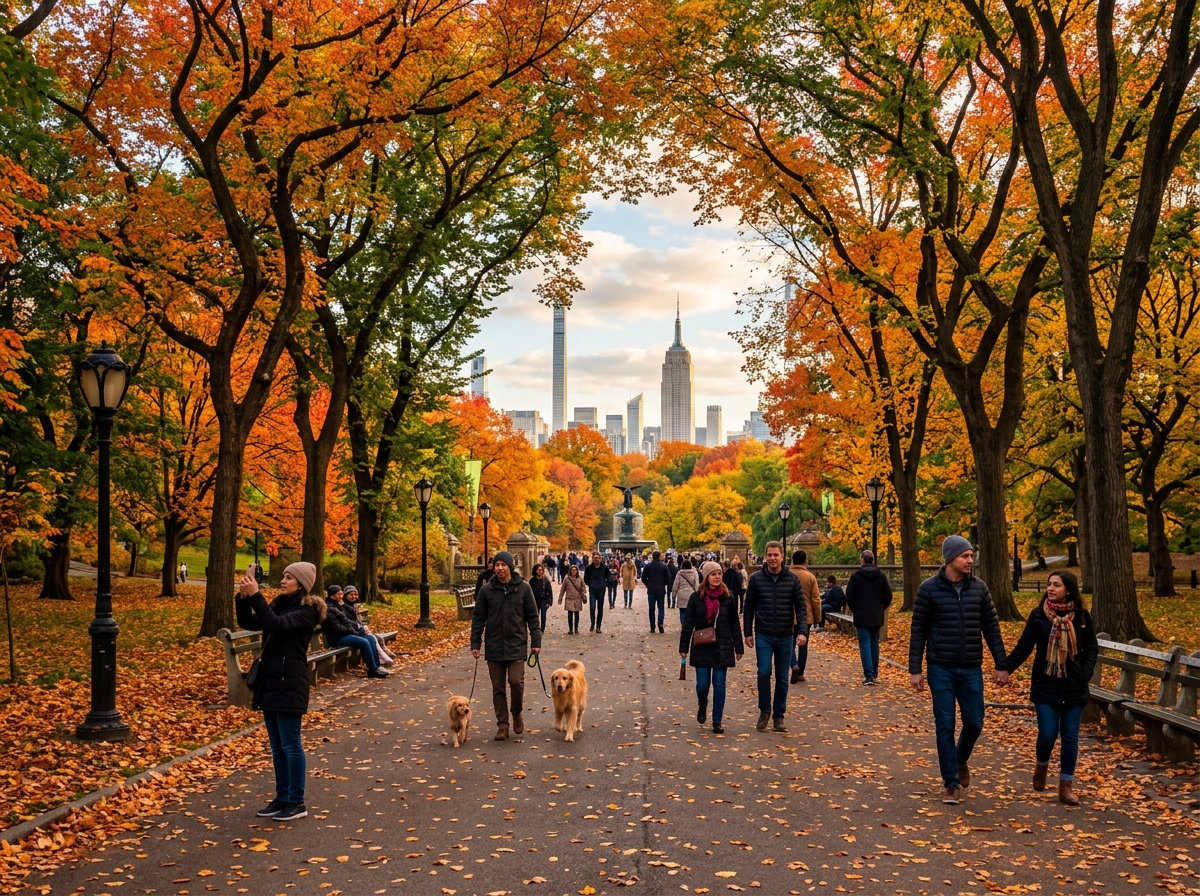
Autumn summary:
- Weather: Perfect in October, cooling through November
- Crowds: Moderate in September and October, high over Thanksgiving
- Hotel prices: Moderate, excellent value in September and October
- Best for: Fall foliage, outdoor walking, Halloween, cultural season
Winter (December, January, February)
Winter in New York is cold, sometimes brutally so, and one of the most atmospheric times to experience the city.
December is the most expensive and most crowded winter month. The Rockefeller Center Christmas Tree, the holiday windows on Fifth Avenue, Bryant Park Winter Village market, and the Times Square New Year’s Eve ball drop all draw enormous numbers. Temperatures sit around 2 to 8 degrees Celsius (35 to 46F). Hotel prices in December are among the highest of the year, rivalling July. If you are there for the holiday atmosphere, it genuinely delivers. The Christmas window displays at Saks Fifth Avenue and Bergdorf Goodman are extraordinary. But the crowds on Fifth Avenue and around Times Square in December are intense, even by New York standards.
January and February are the cheapest months to visit New York, full stop. Hotel prices drop dramatically after New Year’s, sometimes to half of what they were in December. Temperatures are at their coldest, regularly dropping below freezing, with averages around minus 2 to 4 degrees Celsius (28 to 39F). Snow is common and occasionally heavy. The city is quieter than at any other time of year.
But New York in winter has its own rewards. The Metropolitan Museum, the Frick Collection, the Morgan Library, and Carnegie Hall are all at their least crowded. NYC Restaurant Week runs in late January and February, with three-course lunch menus at top restaurants for around $30 and dinner menus for around $45. Broadway shows are easier to get seats for and ticket prices are lower. Ice skating at Rockefeller Center and Central Park is a genuinely charming activity even for cynics.
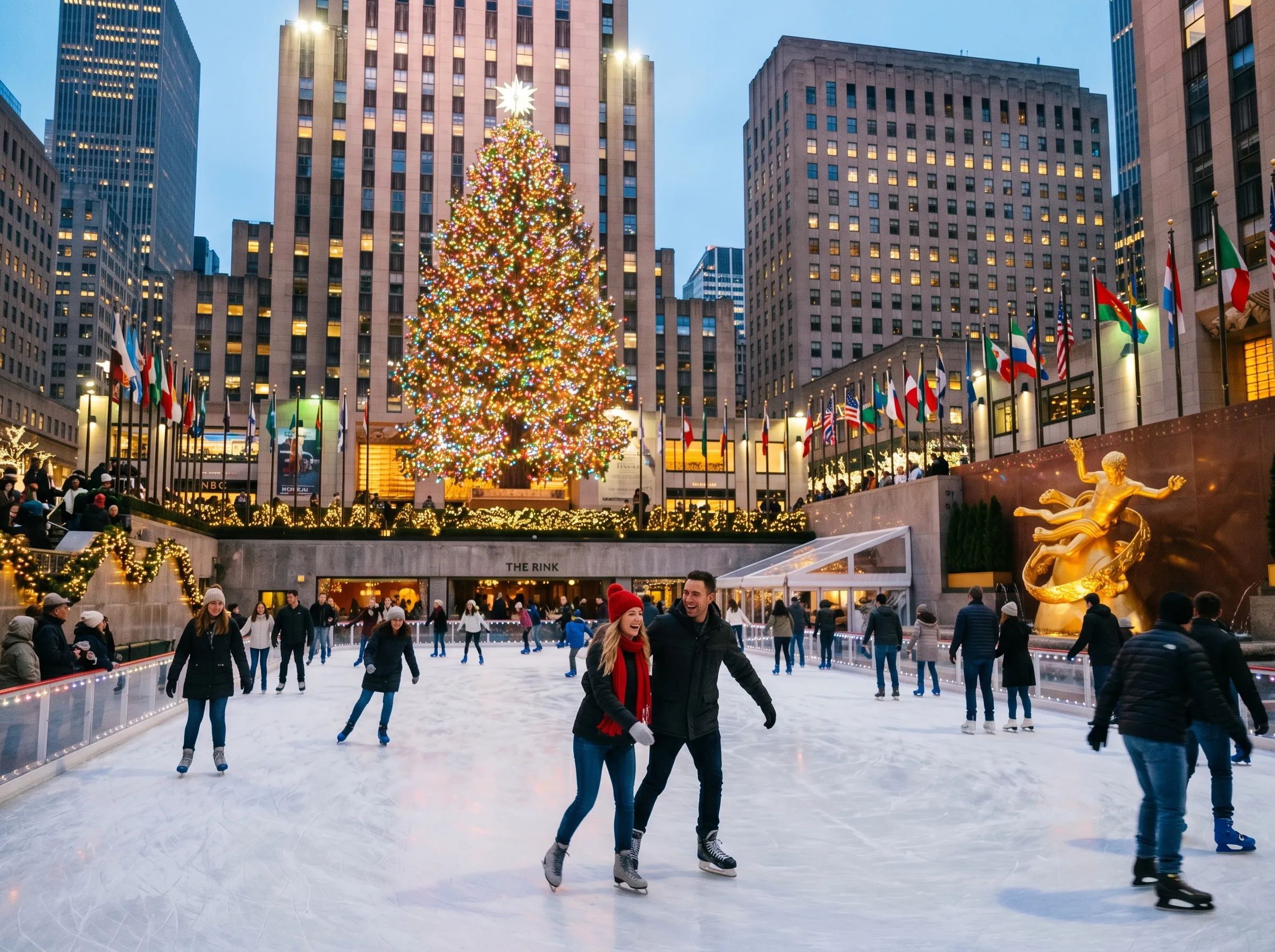
Winter summary:
- Weather: Cold, potential snow, short days
- Crowds: Low in January and February, very high in December
- Hotel prices: Lowest of the year in January and February, highest in December
- Best for: Budget trips, museums, Broadway, Restaurant Week, Christmas atmosphere
Month by Month Quick Reference
| Month | Avg Temp | Crowds | Hotel Cost | Best For |
|---|---|---|---|---|
| January | -2 to 4C | Very low | Lowest | Budget, museums, Broadway |
| February | -1 to 5C | Very low | Low | Budget, Restaurant Week |
| March | 4 to 10C | Low | Low-moderate | Quiet city, early spring |
| April | 10 to 18C | Moderate | Moderate | Cherry blossoms, walking |
| May | 17 to 23C | Moderate | Moderate | Best spring weather |
| June | 22 to 27C | High | High | Long days, Pride, outdoor life |
| July | 26 to 32C | Very high | Highest | Fireworks, peak energy |
| August | 25 to 31C | Very high | Very high | US Open, outdoor events |
| September | 18 to 26C | Moderate | Moderate | Shoulder season sweet spot |
| October | 12 to 18C | Moderate | Moderate | Fall foliage, best month overall |
| November | 5 to 15C | Moderate-high | Moderate (high over Thanksgiving) | Early autumn, Marathon |
| December | 2 to 8C | Very high | Very high | Holiday atmosphere, Christmas |
Best Time to Visit New York for Specific Travellers
For first-time visitors: May or October. Both offer good weather, manageable crowds, and the city at its most walkable.
For budget travellers: January and February. Hotel rates are at their annual low. NYC Restaurant Week in late January and early February gives you access to excellent meals at reduced prices.
For families with children: Late August through September. Summer school holidays are winding down, meaning kid-friendly attractions like the American Museum of Natural History, the Intrepid museum, and Central Park are less crowded than in July.
For couples: October for fall colours and atmosphere. December for the Christmas magic, if you can handle the crowds and cost.
For solo travellers: September or February. September for the weather and lower prices. February for a quiet, genuine version of the city where you can actually get a table at a good restaurant without waiting an hour.
For sports fans: Late August and September for the US Open tennis at Flushing Meadows. October for Yankees or Mets postseason baseball. February for the Super Bowl (held elsewhere but watched intensely in every bar in the city).
Things Most New York Travel Guides Do Not Tell You
The subway in summer is a different world. Older underground stations in Midtown, particularly on the 1, 2, 3 line around 72nd and 96th Street, reach genuinely extreme temperatures in July and August. Platform temperatures above 38 degrees Celsius (100F) are not unusual. Plan for this. Water, light clothing, and an early start before the worst heat of the day all help.
Hotel Week runs January through mid-February. This is a period when many Manhattan hotels offer significant discounts to fill rooms after the holiday exodus. Rates can be 40 to 50 percent lower than summer. It is the single best time of year for a hotel value in New York.
The NYC Marathon week affects the whole city. The New York City Marathon is held on the first Sunday of November every year. Race routes close major roads across all five boroughs. Hotels in Manhattan and Brooklyn fill up and prices jump. If the marathon is not why you are visiting, plan around that specific weekend.
Brooklyn is not just for the hip. Most first-time visitors stay in Midtown and never cross the East River. That is a significant miss. DUMBO for views of the Manhattan Bridge, Williamsburg for food and bars, Park Slope for an afternoon in Prospect Park, and Coney Island in summer are all experiences that Midtown cannot give you.
Free things in New York are genuinely great. The Staten Island Ferry gives you a free 25-minute ride past the Statue of Liberty. The High Line is free to walk. Governors Island is free to access on weekday mornings. The Metropolitan Museum of Art operates a pay-what-you-wish policy for New York State residents and recommends a $30 admission for others, but this is a suggested donation, not a mandatory fee (though paying it does support the museum).
Practical Tips for Every Season
Book in advance for peak periods. For Christmas, Thanksgiving week, July, and NYC Marathon weekend, book hotels at least six to eight weeks ahead. For January through March, you can often find good rates with one to two weeks notice.
Layer clothing in spring and autumn. New York weather changes significantly throughout the day. A morning that starts at 10 degrees can warm to 20 by afternoon. Layers are always the right answer.
Get a MetroCard or OMNY tap. New York’s subway system is excellent and cheap. A single ride costs $2.90. The unlimited weekly MetroCard costs around $34. If you are staying more than three days, the weekly card pays for itself quickly. The newer OMNY contactless system lets you tap any credit or debit card directly.
For a New York winter visit, proper cold-weather preparation makes the difference between miserable and genuinely enjoyable. The Columbia Men’s Arctic Blast Interchange Jacket (available on Amazon) is windproof, water-resistant, and works as a light shell in autumn or a serious winter coat with the liner attached. Versatile enough for the whole trip.
For walking New York in spring or autumn, when days can start at 12 degrees and end at 20, a packable puffer jacket that fits in your day bag is the most useful single item you can bring. The Uniqlo Ultra Light Down Jacket (available on Amazon) compresses into a small pouch, weighs next to nothing, and adds real warmth when the temperature drops after sunset.
New York requires walking. A lot of it. Comfortable, supportive shoes that still look appropriate for a city where people notice your footwear are essential. The Allbirds Men’s or Women’s Tree Runners (available on Amazon) are lightweight, breathable, and widely considered the best option for long city walking days without the look of athletic trainers.
Frequently Asked Questions
What is the best month to visit New York City?
October. Comfortable temperatures around 12 to 18 degrees Celsius, fall foliage in the parks peaking in late October, moderate crowds, and hotel prices lower than the summer months. It is the most consistently excellent month in New York.
When is New York cheapest to visit?
January and February are the cheapest months. Hotel prices drop 40 to 50 percent compared to peak summer rates. NYC Restaurant Week in late January and February adds further value with set price menus at top restaurants.
Is New York worth visiting in winter?
Yes. The Christmas atmosphere in December is genuinely magical despite the crowds and cost. January and February offer a quiet, affordable version of the city with excellent museum access, easier Broadway tickets, and a more local feel.
When is New York most crowded?
July and August are the most crowded months overall. December is extremely crowded around Times Square and Fifth Avenue. Thanksgiving week and New Year’s Eve are specific events that cause extreme short-term congestion.
What is the weather like in New York in October?
October is the most consistently pleasant month. Temperatures average 12 to 18 degrees Celsius (54 to 64F), with cool mornings and warm afternoons. Rain is possible but less frequent than spring. Fall foliage peaks in the final week of October.
What should I pack for a New York trip?
It depends entirely on the season. In summer, light breathable clothing, a reusable water bottle, and comfortable walking shoes. In winter, a proper warm coat, layers, waterproof boots, and gloves. In spring and autumn, layers that can be added or removed throughout the day are the most practical approach.
Is New York safe for solo travellers?
Yes. New York is one of the safer major cities in the United States and has improved significantly over the past two decades. Normal city precautions apply: be aware of your surroundings, keep your phone in your pocket in crowded areas, and use well-lit streets at night.
How far in advance should I book a New York hotel?
For peak periods (July, December, Thanksgiving week, Marathon weekend in early November), six to eight weeks minimum. For shoulder seasons (May, September, October), two to four weeks is usually sufficient. For January and February, you can often find good rates with less than two weeks notice.
Final Thoughts
New York rewards you whenever you go. The question is what kind of reward you are looking for.
Go in October and you get a city that is effortless and beautiful, at the peak of its autumn self. Go in January and you get a quieter, more affordable city that feels genuinely yours in a way that summer New York never quite does. Go in July and you get every version of the city running at full volume simultaneously.
There is no wrong answer. There is just the version that fits your trip.