Maui is one of those destinations that genuinely lives up to the hype.
Most tropical islands are beautiful but start to feel similar after a few days. Maui does not work that way. You can watch the sunrise from the top of a 10,000-foot volcano in the morning, snorkel alongside sea turtles by afternoon, and eat the freshest poke you have ever tasted at sunset. All in one day.
The island is called the Valley Isle for a reason. It is wild in some places, polished in others, and deeply rooted in Hawaiian culture throughout. First-time visitors are often overwhelmed by how much there is to see and experience.

This guide cuts through the noise and tells you exactly which places are worth your time, what to expect when you get there, and a few things the glossy brochures tend to leave out.
1. Haleakala National Park
If you visit just one place on Maui, make it Haleakala.
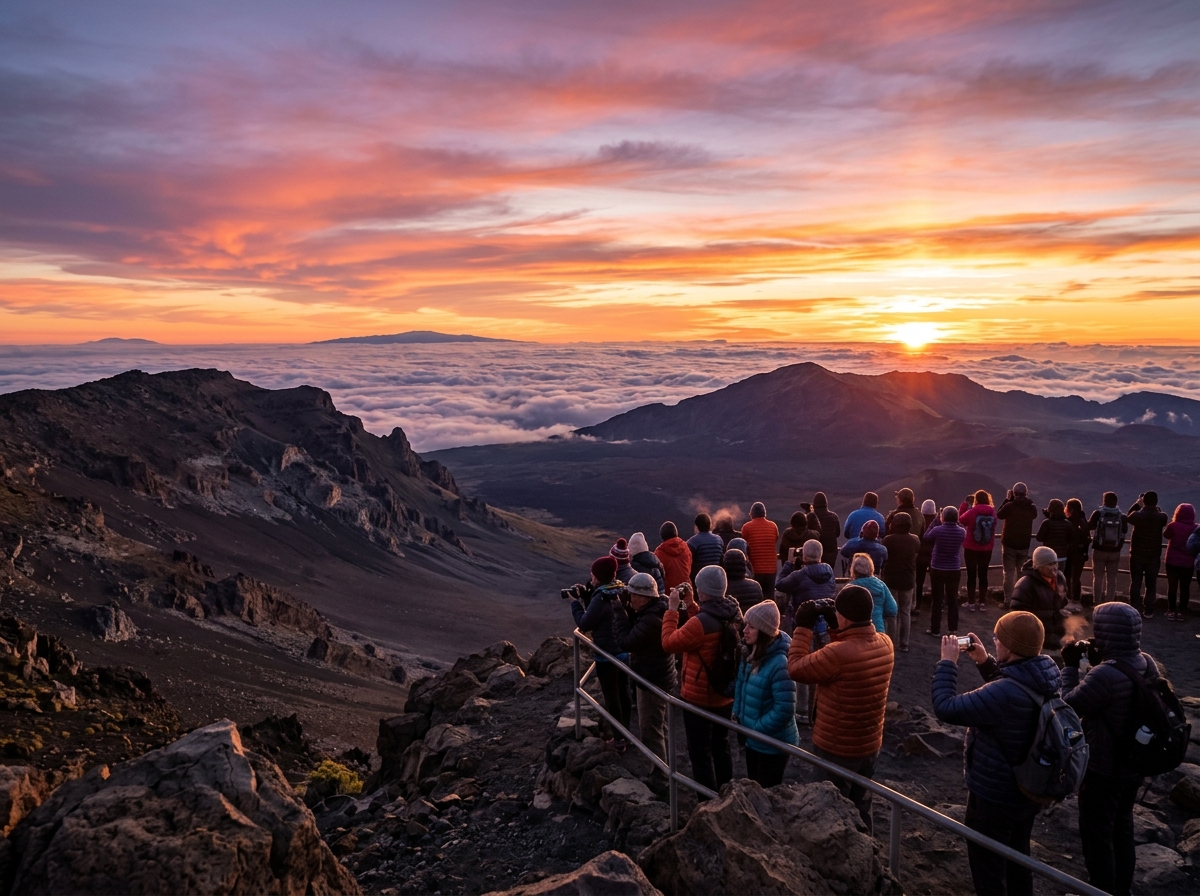
This dormant volcano rises to 10,023 feet above sea level and holds the world record for the fastest elevation gain from sea level to summit. The landscape at the top looks nothing like the rest of Hawaii. It is barren, rocky, and almost alien. On a clear day you can see four other Hawaiian islands from the summit.
The sunrise from Haleakala is one of the most famous experiences in Hawaii. You need a reservation to watch it, and they sell out weeks in advance. The view is worth every ounce of planning. The clouds sit below the summit, and the light comes up through them in ribbons of orange and pink. Sunset visits are open without reservations and are equally beautiful.
Inside the park, the Pipiwai Trail in the Kipahulu District is a must if you enjoy hiking. The trail ends at Waimoku Falls, a 400-foot waterfall that is the tallest single-drop waterfall on Maui. The hike passes through a bamboo forest that makes an unforgettable sound when the wind moves through it.
Practical tips:
- Sunrise reservations open 60 days in advance. Book as soon as the window opens.
- Dress warm. Even in summer, the summit temperature can drop to the 30s Fahrenheit. Bring a down layer.
- The Kipahulu District charges a separate park entrance fee. Keep your receipt or bring a federal recreation pass.
A quality packable down jacket on Amazon is something most visitors wish they had brought. The temperature difference between the beach and the summit is dramatic.
2. The Road to Hana
This is not just a road. It is an entire day of experiences strung together along 64 miles of coastline.
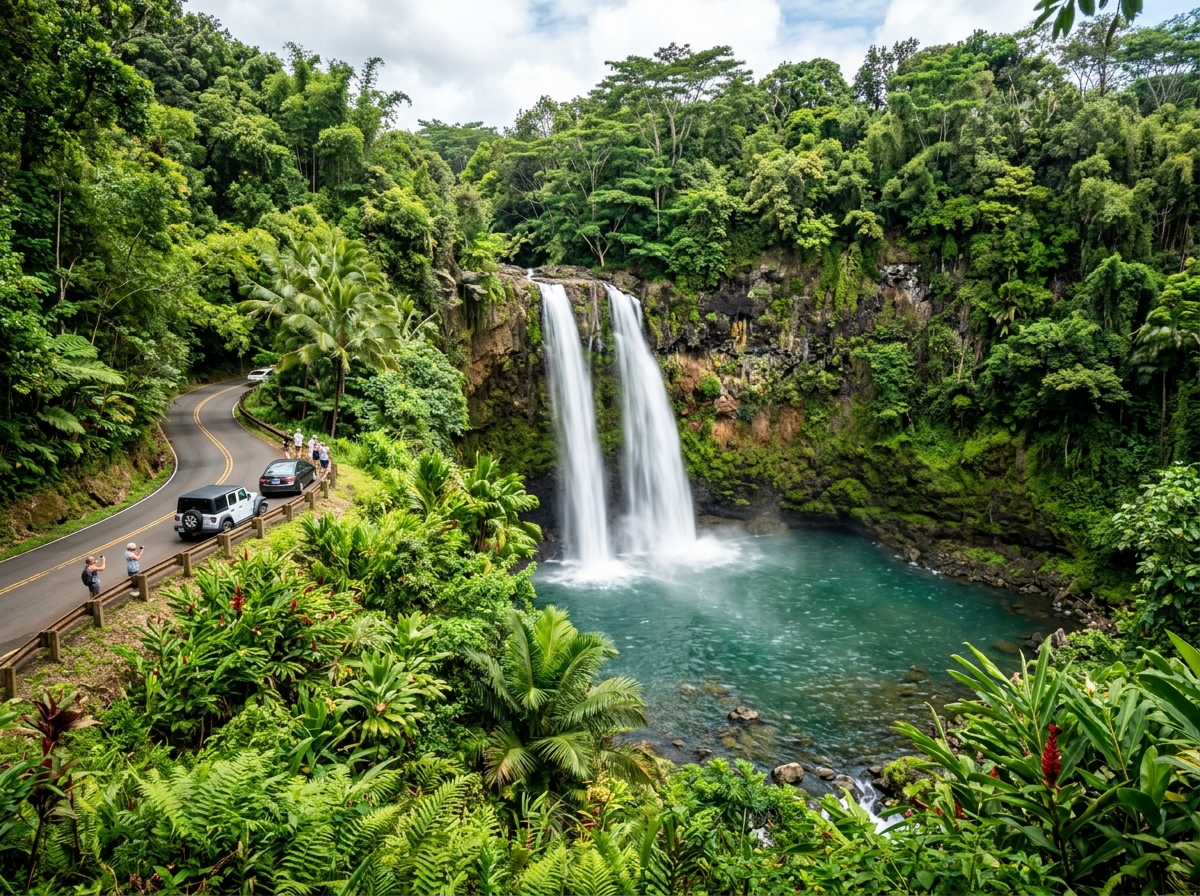
The Hana Highway twists through rainforests, past waterfalls, over more than 50 one-lane bridges, and through some of the most untouched scenery in Hawaii. Most people drive it as a day trip from the resort areas on the west or south side of the island, but that gives you only a few hours before you need to turn around.
The journey is the point, not just the destination. Some of the best stops are easy to miss if you are rushing:
Waianapanapa State Park is one of the most visually striking places on Maui. The beach here is made entirely of black volcanic pebbles, set against bright blue water and green coastal vegetation. It is one of the most photographed spots on the island. A short trail leads to lava caves filled with freshwater. Reservations are required to visit, so book ahead.
Ke’anae Peninsula is a quiet lava rock outcropping in the middle of the drive where the road briefly flattens out. There is a small community here and a beautiful view of the coastline that most people drive past without stopping. Stop. It is genuinely stunning.
Wailua Falls near mile marker 45 drops 80 feet into lush jungle. It is just feet from the road and one of the more accessible waterfall stops on the highway.
Hana Town at the end of the road is a small, peaceful village of about 1,200 people. It is not a tourist trap. It is quiet, genuine, and a good reminder that not everything in Hawaii is built for visitors.
Tips for the Road to Hana:
- Start early, ideally by 7am, to avoid traffic on the narrow road
- Download an offline map or audio guide before you go since cell service is unreliable
- Fill your gas tank before you leave. There are very few stations along the way.
- Bring cash for roadside food stalls. Some of the best banana bread you will eat anywhere comes from small stands along the highway.
3. Molokini Crater
Molokini is a crescent-shaped volcanic crater that sits about three miles off the coast of south Maui. It has been a protected marine sanctuary since 1977.
The snorkeling and diving here are among the best in Hawaii. The water inside the crater is exceptionally clear, with visibility sometimes reaching 150 feet. The fish population is dense because fishing has been banned for decades. You will see hundreds of tropical fish, and sea turtle sightings are common near the outer rim.
Most visits are done through snorkeling boat tours that leave from Maalaea Harbor or Kihei. The boats arrive in the morning, so the water is usually calm and clearest in the first few hours. By midday the wind picks up and conditions can change.
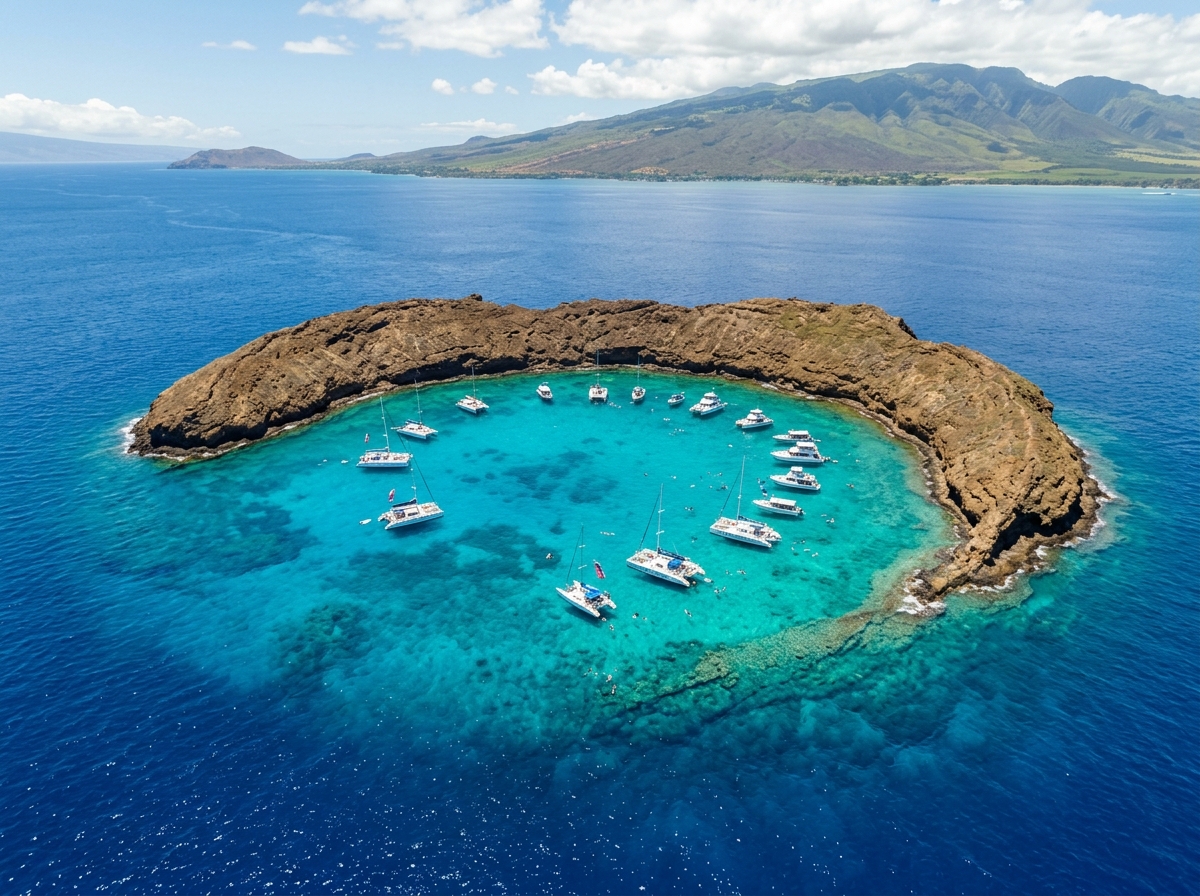
It is touristy. Boats arrive in clusters and you will share the crater with other visitors. But the experience is still remarkable. Many people describe it as the best snorkeling of their lives.
If you get motion sick on boats, take medication the night before and the morning of. The crossing can be choppy, especially on smaller vessels.
A good snorkel set with a dry top snorkel from Amazon is worth buying before you go. Rental gear works, but having your own mask that fits properly makes a huge difference underwater, especially for first-time snorkelers.
4. Ka’anapali Beach
If you want the classic Maui beach experience, Ka’anapali is it.
This stretch of white sand on the west side of the island runs about three miles along the coast and is lined with large resort hotels, restaurants, and shops. The water is calm and clear, good for swimming, snorkeling, and paddleboarding. Whaler’s Village, a beachfront shopping center, is right on the sand.
Black Rock at the north end of Ka’anapali is a volcanic promontory where snorkeling is excellent. The fish congregate in large numbers around the rock, and the area is shallow enough for beginners. Cliff diving happens here too, at the spot where Hawaiian royalty used to jump as a show of bravery.
Sunset at Ka’anapali is worth slowing down for. The beach faces west and the sunsets over the island of Lanai are frequently spectacular.
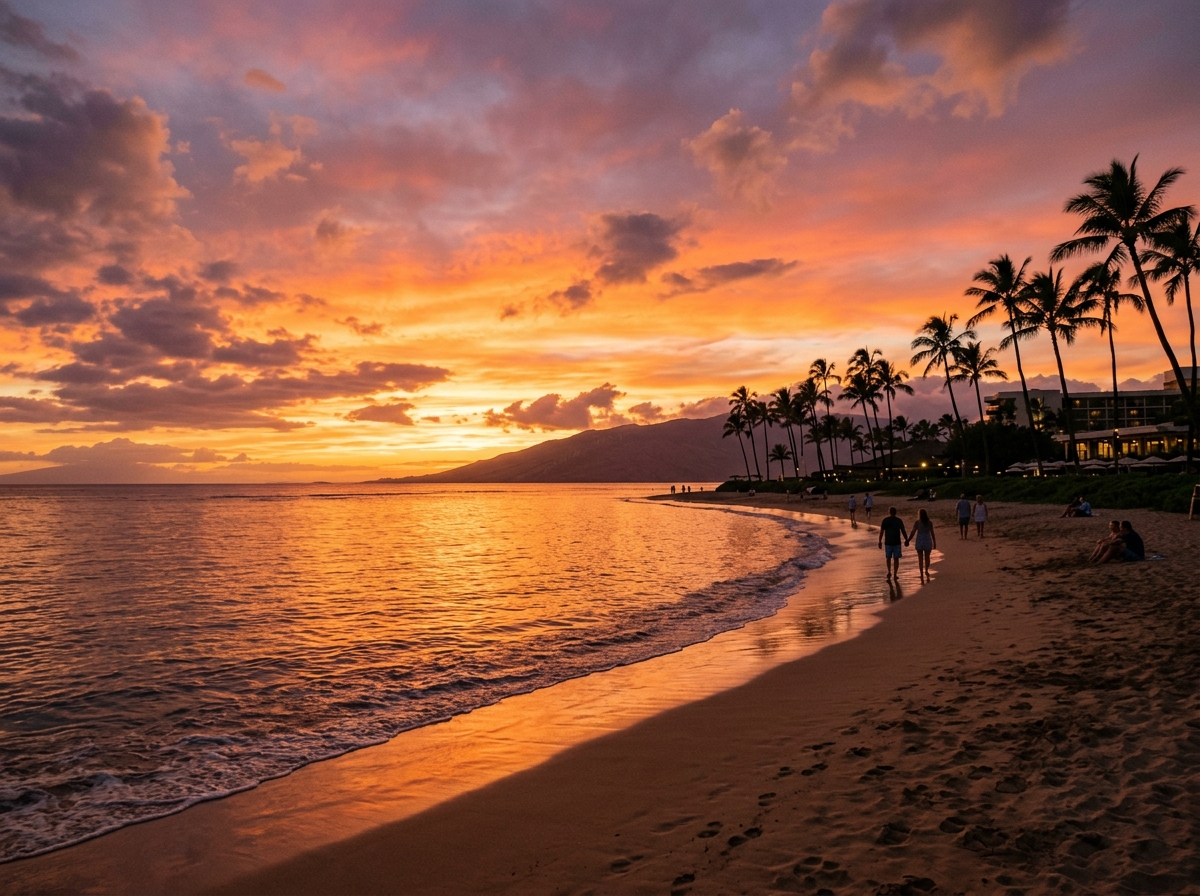
Ka’anapali is busy and commercial compared to some of Maui’s quieter beaches. If you prefer solitude, this is not the right beach. But for amenities, accessibility, and consistent swimming conditions, it is one of the best beaches on the island.
5. Wailea and Makena
For those who want a more upscale, relaxed version of Maui beach life, the Wailea and Makena area on the south coast delivers.
Wailea Beach is flanked by the Four Seasons and Grand Wailea resorts and is a favorite for swimmers, snorkelers, and those who simply want a beautiful place to sit. The sand is soft, the water is calm, and the facilities are excellent.
A short drive further south, Makena State Park has one of the largest beaches on Maui, known locally as Big Beach. This is a wide, open stretch of sand with powerful waves that make it better for watching than swimming in most conditions. The waves are beautiful but can be dangerous for inexperienced swimmers.
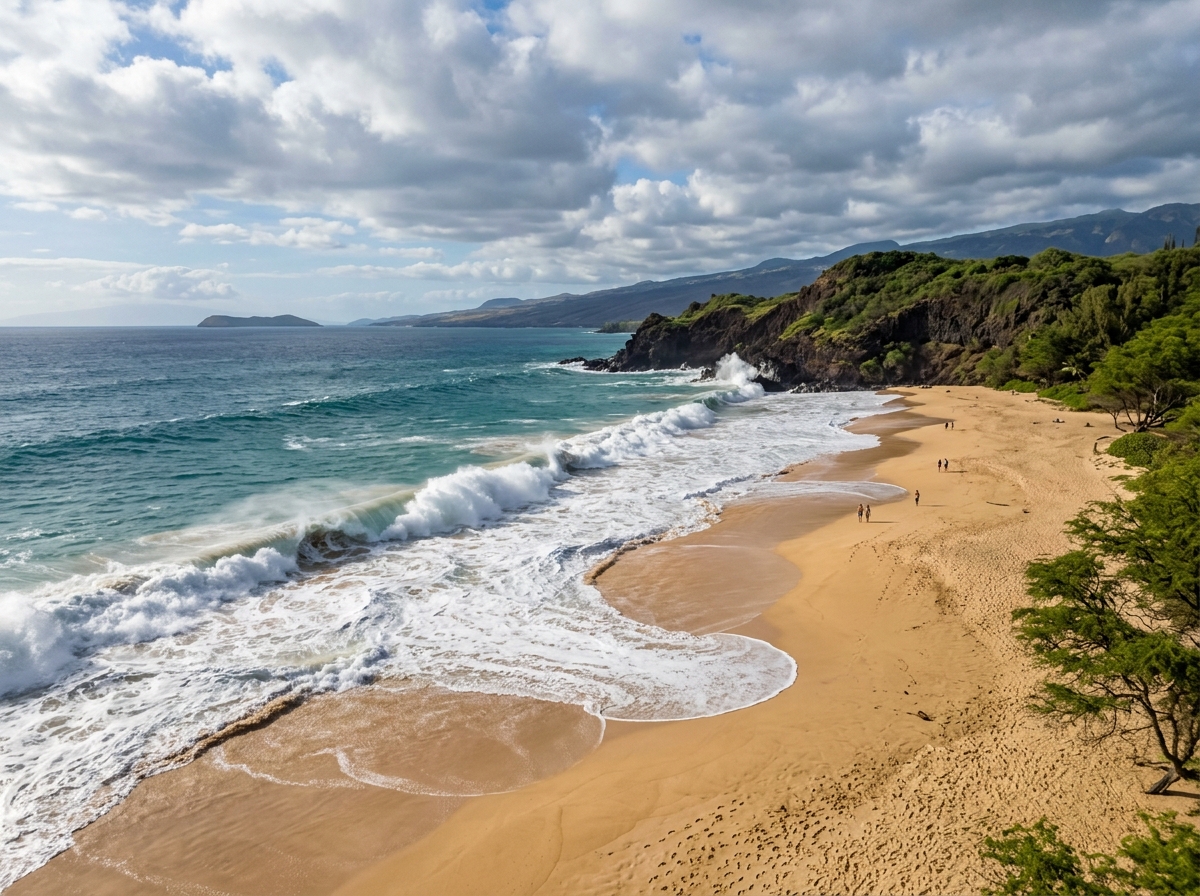
Just beyond Big Beach, Little Beach is a smaller, more secluded cove that tends to attract a younger, freer-spirited crowd. It hosts an informal gathering every Sunday afternoon that has become a local tradition.
La Perouse Bay at the very end of the road in south Maui is worth a visit for those willing to go a bit further. It is a lava rock coastline where spinner dolphins are frequently spotted close to shore. The landscape here looks almost like another planet.
6. Iao Valley State Monument
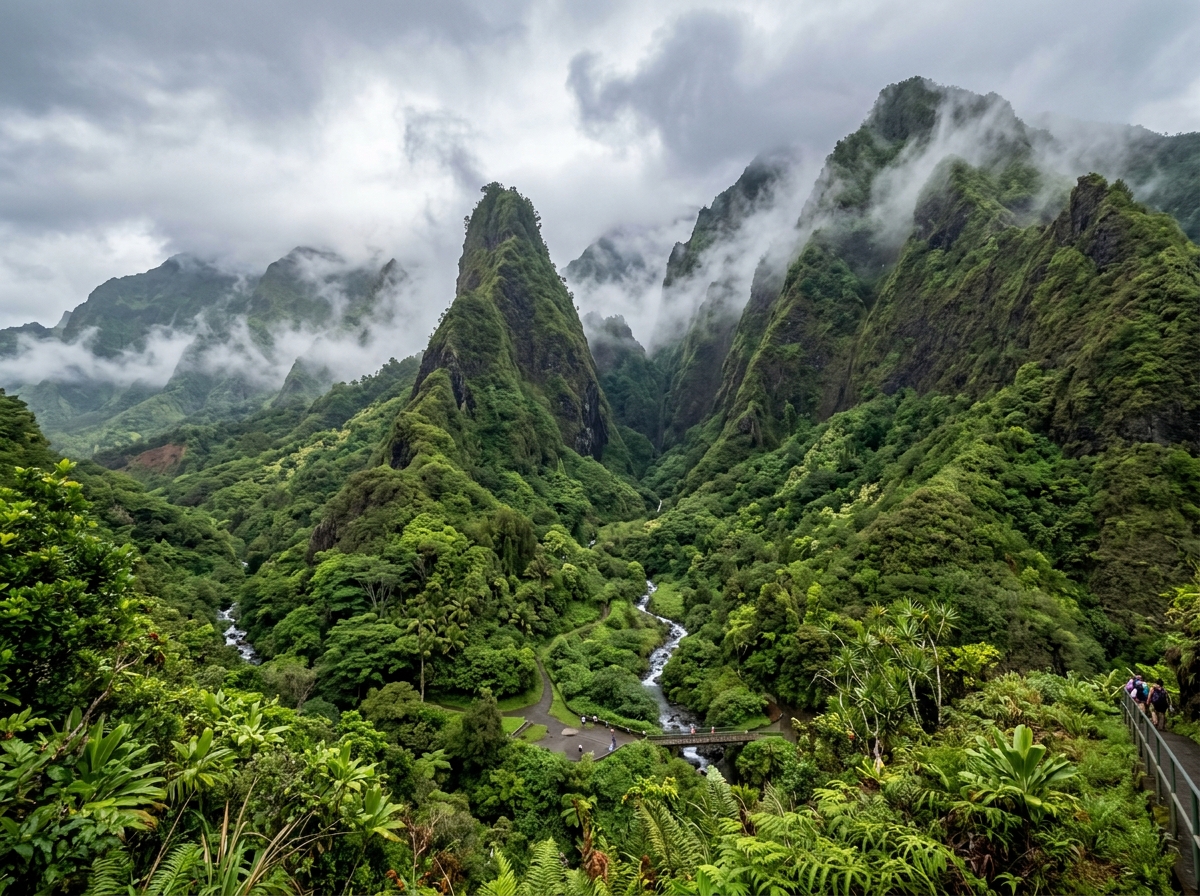
Iao Valley is one of the most lush and dramatic landscapes in all of Hawaii.
While much of Maui is warm and dry, Iao Valley is a deep green canyon carved by rain and rivers over millions of years. The famous Iao Needle, a 1,200-foot rock pinnacle, rises out of the valley floor and is one of the most recognizable landmarks in Maui.
The main trail is short, about three-quarters of a mile, and leads to a viewpoint directly facing the Needle. A second trail runs along the river. Neither trail is strenuous.
Reservations and an entry fee are required for non-residents. The site has significant cultural importance in Hawaiian history. The Battle of Kepaniwai was fought here in 1790, and many consider the valley sacred ground.
Iao Valley is not an all-day destination. Plan for a half-day visit, ideally in the morning before afternoon clouds move in.
7. Ho’okipa Beach Park
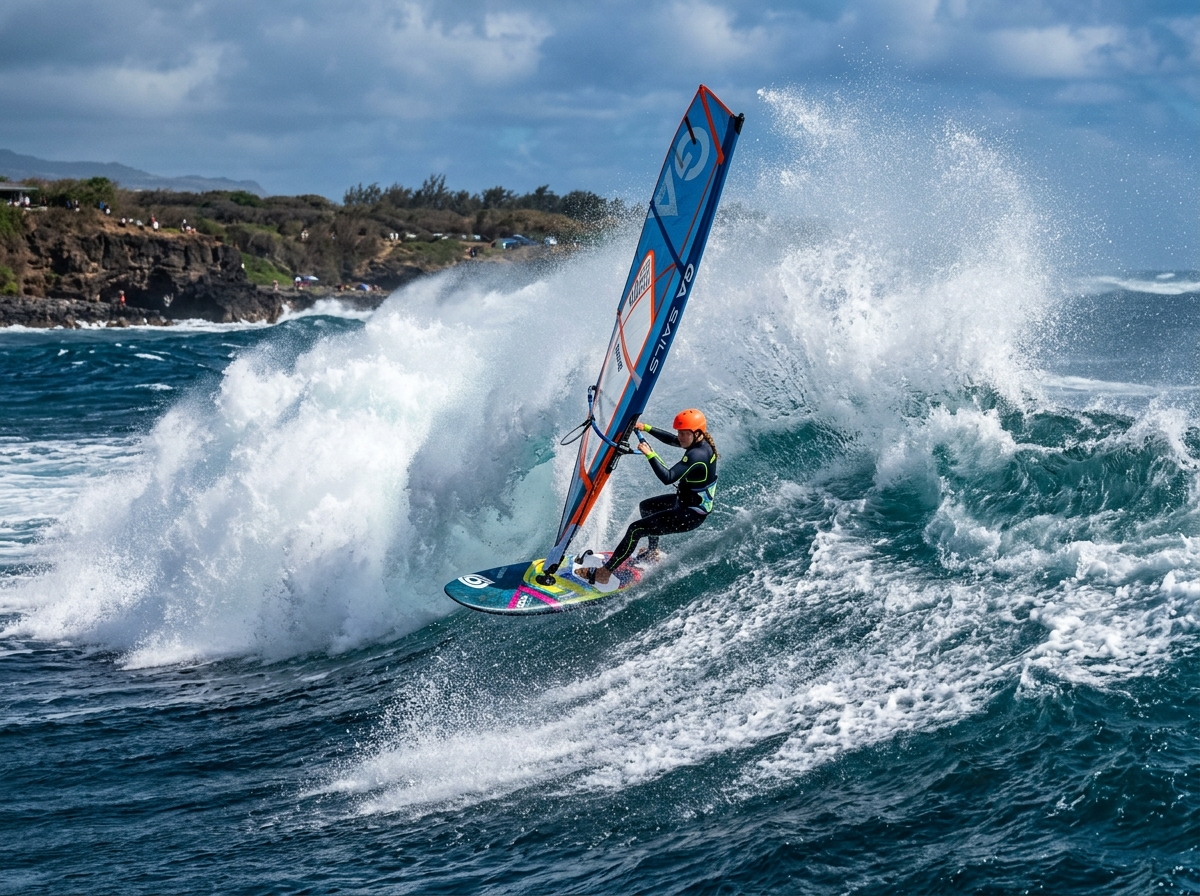
Ho’okipa is not a typical swimming beach. It is a world-class windsurfing and kitesurfing destination.
Located on Maui’s north shore near the town of Paia, Ho’okipa gets consistent strong winds and large waves, particularly in winter when swells can reach 20 to 25 feet. It draws professional windsurfers from around the world and is frequently used for international competitions.
Even if you are not there to surf, it is one of the best places on Maui to watch water sports. There is a low bluff above the beach that functions as a natural viewing area. On a good day, watching experienced windsurfers work through these waves is genuinely impressive.
Ho’okipa is also one of the most reliable places on Maui to see Hawaiian green sea turtles. They rest on the beach in the late afternoon and early evening. Keep a respectful distance of at least six feet. Touching turtles is illegal in Hawaii and can result in significant fines.
8. Paia Town
Paia is a small surf town on Maui’s north shore that feels completely different from the resort areas on the west and south coasts.
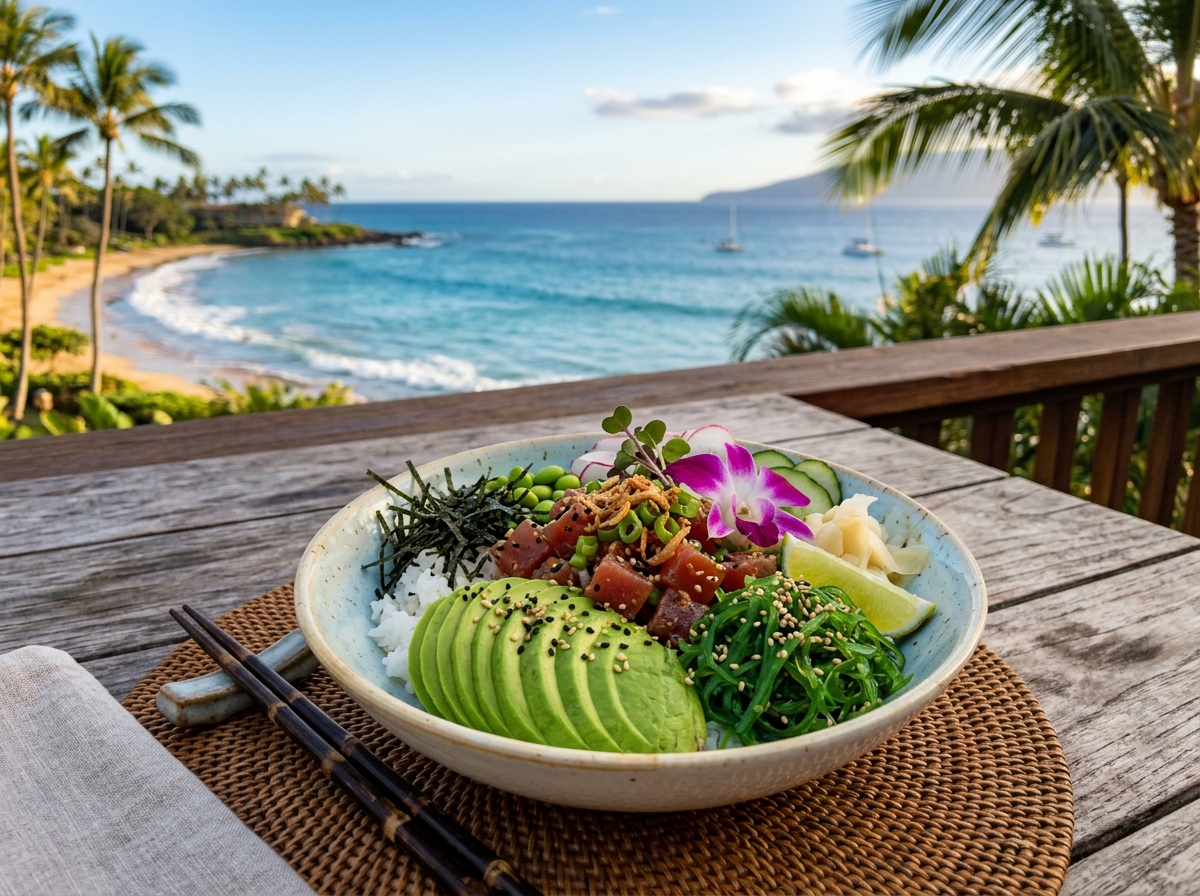
It is bohemian, relaxed, and filled with good food, art galleries, surf shops, and independent stores. The Paia Fish Market here is one of the most popular casual seafood restaurants on the island, known for fresh fish plates, fish tacos, and reliably good food without the tourist markup.
Paia sits at the gateway to the Road to Hana, making it a natural stop before beginning that drive. It is worth arriving early, grabbing breakfast, and letting the town wake up around you before heading east.
The streets are easy to walk in 30 to 45 minutes. The vibe is authentic and unpretentious.
9. Upcountry Maui
Most visitors spend their entire trip on the coast and never experience Upcountry Maui. That is a real miss.
Upcountry is the higher elevation farmland on the slopes of Haleakala. It is cooler, greener, and noticeably quieter. The towns of Makawao and Kula feel like a completely different island. Lavender farms, flower gardens, small art galleries, and local restaurants fill this area.
The Ali’i Kula Lavender Farm has views down to the coast that are among the most beautiful on Maui. The Surfing Goat Dairy near Kula does farm tours and cheese tastings that are consistently well-reviewed by visitors.
Kula Botanical Garden is another excellent stop, with native Hawaiian plants spread across several acres with clear views toward the coast.
If you are driving up to Haleakala for sunrise or sunset, consider stopping in Upcountry on the way back down. The area deserves at least a half day.
10. Old Lahaina and the Lahaina Area
Lahaina was devastated by a wildfire in August 2023, and much of the historic town was destroyed. Recovery and rebuilding efforts are ongoing. This is an important part of Maui’s story right now.
The area around Lahaina, including Front Street, is being rebuilt with significant support from the community and the state. Before visiting, check current updates on what is open and accessible, as conditions continue to change. Respecting the community’s space and grief during recovery is essential.
The broader Lahaina area, including the waterfront and the harbor, remains accessible and continues to be a hub for boat tours, whale watching (in season, December through April), and activity bookings.
What to Bring to Maui
A few items make a real difference on a Maui trip:
- Reef-safe sunscreen: Hawaii has banned oxybenzone-based sunscreens to protect coral reefs. Bring reef-safe mineral sunscreen, or buy it on the island. A well-rated option is available through Amazon and ships before your trip.
- A dry bag or waterproof phone case: You will get wet. Boat tours, waterfall hikes, and beach days all involve some level of splashing. Keeping your phone and valuables dry is worth the small investment.
- A light windbreaker or packable rain jacket: Even on sunny days, Maui’s weather can shift quickly. The north and east sides of the island are significantly wetter than the south and west.

Sunscreen Lotion Beach Defense SPF 70
Practical Tips for Visiting Maui
Rent a car. There is no practical public transportation system for getting around Maui. A rental car is essential for accessing most of the places on this list. Book early, especially in summer and around holidays, because inventory runs low.
Book ahead for popular experiences. Haleakala sunrise reservations, Molokini snorkel tours, and popular restaurants like Mama’s Fish House require advance booking, sometimes weeks or months out.
Respect the ocean. Maui has powerful surf, unexpected currents, and conditions that change quickly. Check ocean conditions before swimming at any unfamiliar beach. Lifeguards are not present at all beaches.
Respect the culture. Maui is not just a resort destination. It is home to a community with deep cultural roots. Learn a few Hawaiian words, support local businesses, and treat sacred sites and natural areas with care.
FAQs
What is Maui most famous for?
Maui is famous for Haleakala volcano, the Road to Hana, world-class beaches, whale watching, and exceptional snorkeling. It is consistently ranked among the best islands in the world for good reason.
How many days do you need in Maui?
At least five to seven days to do the island justice. The Road to Hana alone deserves a full day. Haleakala deserves another. Budget extra time if you plan to explore Upcountry or do multiple boat tours.
Is Maui good for families?
Yes. Ka’anapali and Wailea beaches are calm and family-friendly. Snorkeling at Molokini is accessible for older kids. Haleakala is a genuinely awe-inspiring experience for children who can handle the early morning and cooler temperatures.
When is the best time to see whales in Maui?
Humpback whales migrate to Maui’s warm waters from December through April. Peak season is typically January and February. Whale watching boat tours operate throughout this period and offer some of the most accessible whale encounters in the world.
Is Lahaina worth visiting after the 2023 wildfire?
The recovery is ongoing. Parts of the area are being rebuilt, and some businesses have reopened. It is worth checking current conditions before planning a visit and approaching the area with sensitivity to what the community has been through.
Is Maui expensive?
Yes. Hawaii in general is one of the most expensive destinations in the United States. Accommodation, food, and activities all carry a premium. Booking flights and hotels in advance, shopping at local grocery stores instead of resort restaurants, and prioritizing free outdoor activities can help manage costs.
Final Thoughts
Maui rewards travelers who take their time and explore beyond the obvious.
The beaches are beautiful, but Haleakala and the Road to Hana are what make Maui genuinely unforgettable. Upcountry is a side of the island that most visitors never see. Ho’okipa and Paia are where the local spirit lives.
Whether you have five days or ten, the island has more to offer than most people expect. Go with a plan but leave room to slow down and let the place find you. That is usually when Maui is at its best.