
Japan is one of the best countries in the world for food lovers.
You can eat a perfect bowl of ramen at a tiny counter. You can grab an egg sandwich from a convenience store and still be impressed. You can sit down for sushi, try street food in Osaka, enjoy matcha sweets in Kyoto, or eat a train station bento on the Shinkansen. The hard part is not finding good food. The hard part is choosing where to eat when every city has hundreds of options.
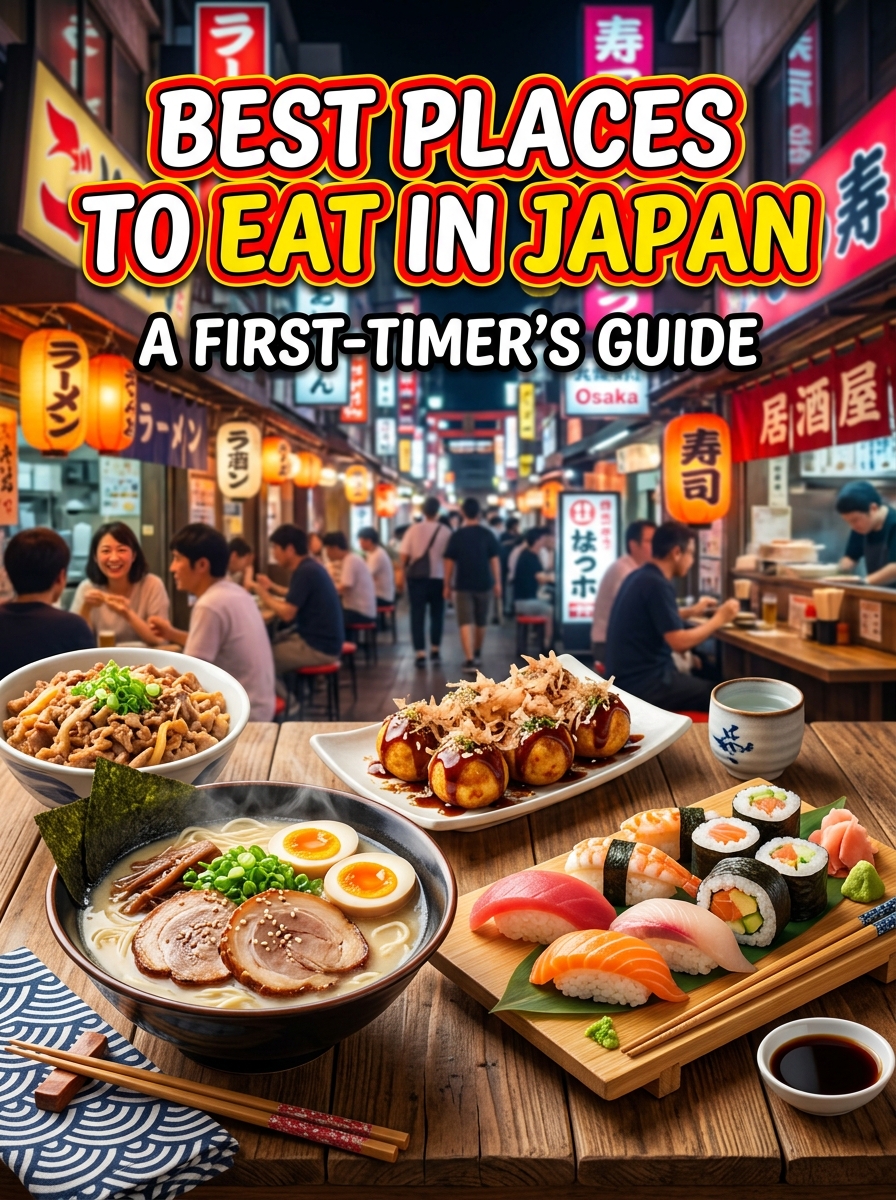
This guide keeps things simple. It covers the best places to eat in Japan by city, food type, budget, and travel style. It also explains what to order, where to find local specialties, how to avoid tourist traps, and what to know before sitting down at a Japanese restaurant.
Quick Answer: Best Places to Eat in Japan
The best places to eat in Japan depend on what you want to try.
For most first-time visitors:
- Tokyo is best for ramen, sushi, izakaya, wagyu, cafés, and almost every Japanese food style.
- Osaka is best for street food, takoyaki, okonomiyaki, kushikatsu, and casual late-night eating.
- Kyoto is best for kaiseki, matcha desserts, tofu dishes, soba, tea houses, and traditional meals.
- Fukuoka is best for tonkotsu ramen, yatai food stalls, gyoza, and relaxed local dining.
- Sapporo is best for miso ramen, seafood, soup curry, dairy desserts, and winter comfort food.
- Hiroshima is best for Hiroshima-style okonomiyaki, oysters, and local comfort food.
- Kanazawa is best for seafood, sushi, gold leaf sweets, and market dining.
- Takayama is best for Hida beef, mountain-region food, sake, and old-town snacks.
If this is your first trip, focus on Tokyo, Kyoto, Osaka, and one regional food city if your schedule allows.
How to Choose Where to Eat in Japan
Japan rewards simple eating plans.
You do not need every meal to be famous. In fact, some of the best meals happen when you walk into a small local place near your hotel or station.
Use this simple rule:
- Choose one planned meal per day.
- Leave the rest flexible.
- Eat local specialties in the city where they are famous.
- Use convenience stores, train station bentos, and food halls when you are tired.
- Avoid spending two hours in line unless the restaurant is truly important to you.
A busy restaurant is a good sign, but a long line is not always worth it. Japan has so many good places that you rarely need to chase one viral restaurant.
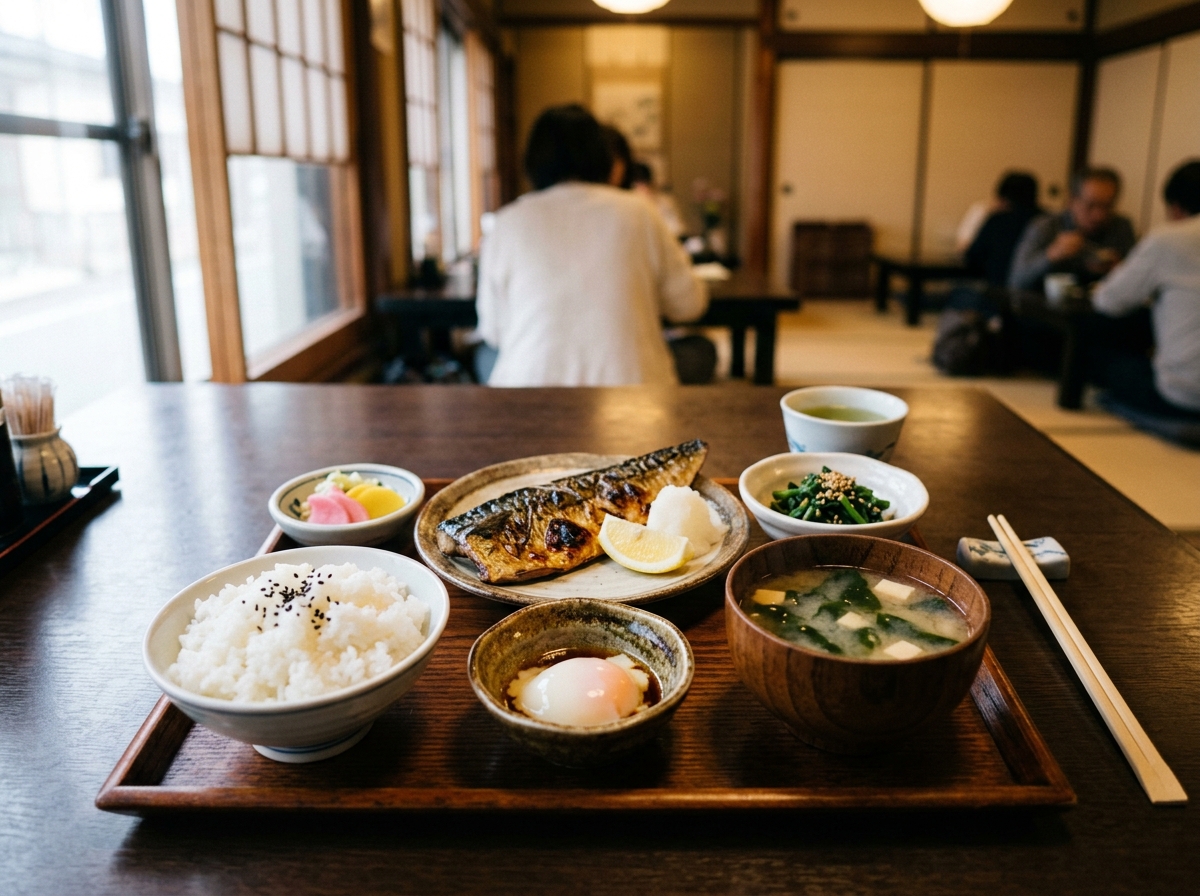
Best Places to Eat in Tokyo
Tokyo is the best food city in Japan for variety.
You can eat cheap ramen, high-end sushi, stylish desserts, grilled meat, curry, tempura, yakitori, vegan ramen, and international food in the same city.
Best Tokyo Areas for Food
Shinjuku
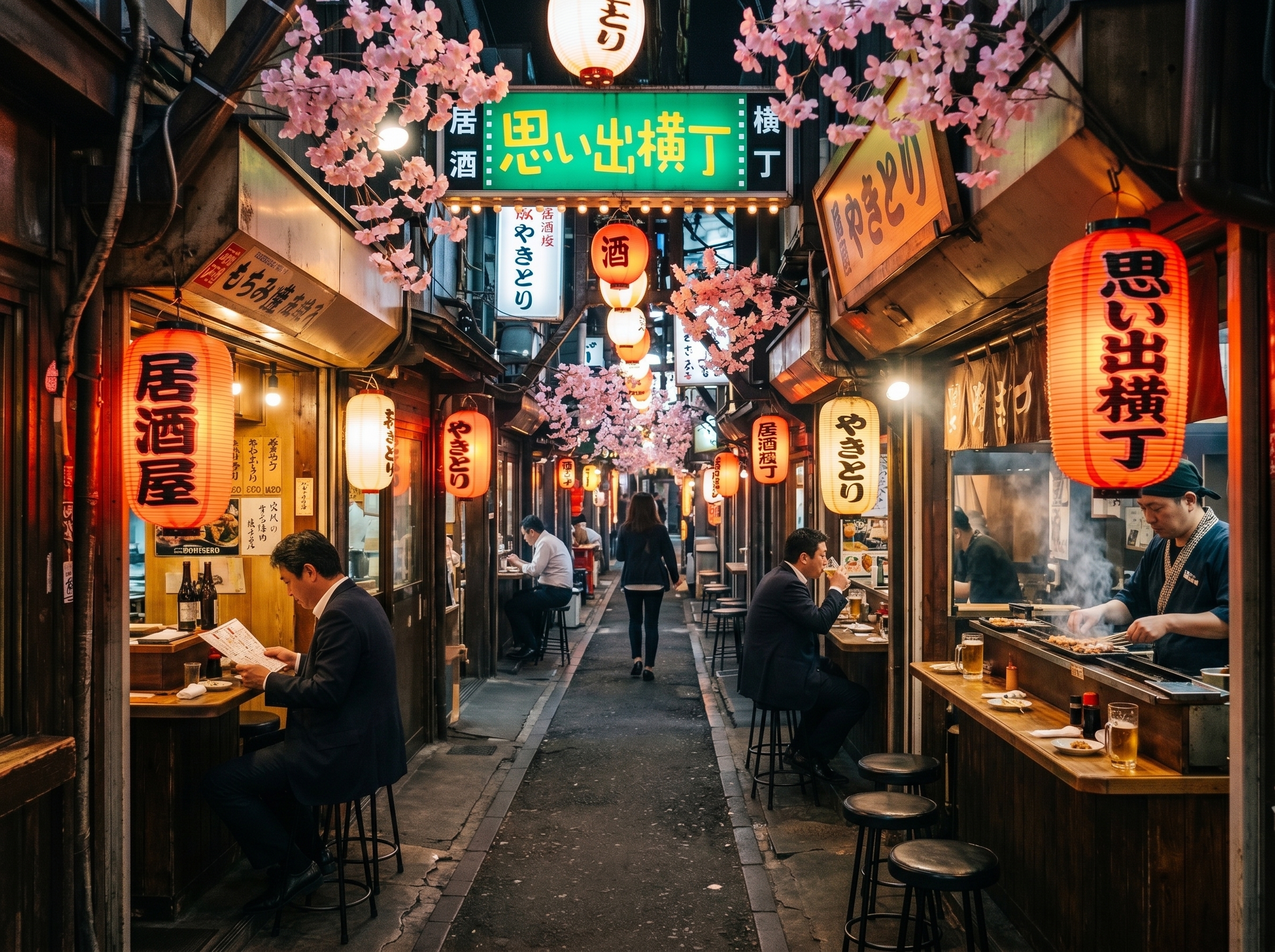
Shinjuku is great for ramen, izakaya, yakitori, late-night food, and small alley restaurants.
Go here if you want energy, nightlife, and easy food choices after sightseeing.
Good food experiences to look for:
- Ramen counters
- Yakitori alleys
- Izakaya pubs
- Standing sushi bars
- Golden Gai bars
- Omoide Yokocho grilled skewers
Best for: first-time visitors, nightlife, casual meals, and solo travelers.
Shibuya and Harajuku
Shibuya and Harajuku are best for trendy cafés, sweets, casual ramen, gyoza, crepes, pancakes, and modern Japanese food.
This area is easy for tourists because many menus are visual and English-friendly.
Good things to eat here:
- Gyoza
- Ramen
- Crepes
- Matcha desserts
- Souffle pancakes
- Casual sushi
- Japanese-style café meals
Best for: young travelers, café lovers, shoppers, first-time tourists.
Ginza
Ginza is best for sushi, tempura, department store food halls, refined cafés, and polished restaurants.
It can be expensive, but you can still eat well without spending too much if you visit at lunch.
Look for:
- Sushi lunch sets
- Tempura counters
- Depachika food halls
- Wagashi sweets
- Elegant coffee shops
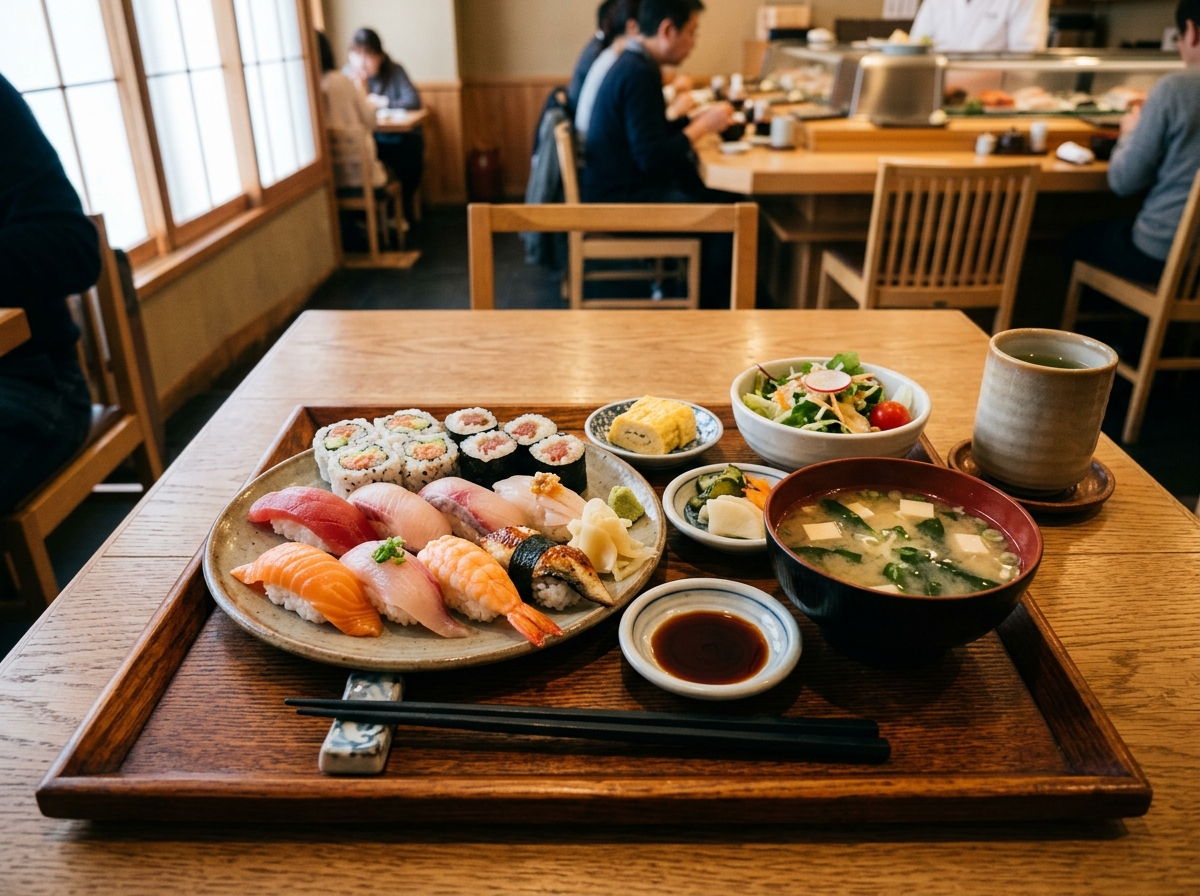
Best for: sushi lovers, couples, refined meals, lunch deals.
Asakusa
Asakusa is one of the best areas for traditional snacks and old Tokyo food.
Eat here while visiting Senso-ji Temple.
Try:
- Melonpan
- Tempura
- Ningyo-yaki cakes
- Taiyaki
- Soba
- Street snacks near Nakamise-dori
Best for: temple visits, snacks, traditional sweets, families.
Tsukiji Outer Market
Tsukiji is still a great place for seafood, sushi, grilled scallops, tamagoyaki, and food stalls.
It is touristy, but it is still fun if you go early and avoid the most aggressive lines.
Try:
- Sushi breakfast
- Grilled seafood
- Tamagoyaki
- Tuna skewers
- Matcha sweets
- Fresh fruit
Best for: seafood lovers, morning food walks, market snacks.
Best Places to Eat in Osaka
Osaka is often called Japan’s kitchen.
It is loud, fun, filling, and perfect if you like casual food. Osaka food is less formal than Kyoto and less polished than Tokyo. That is what makes it great.
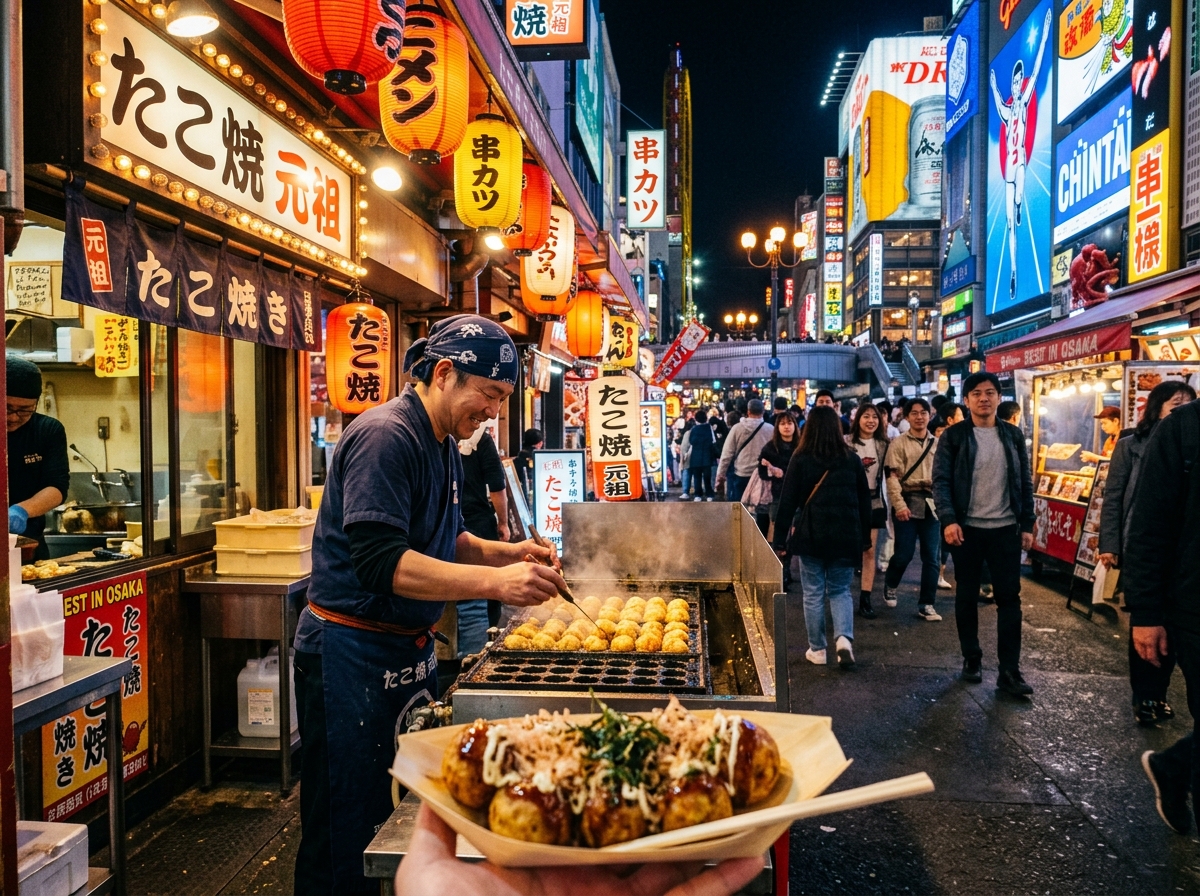
Best Osaka Areas for Food
Dotonbori
Dotonbori is the most famous food area in Osaka.
Yes, it is touristy. But it is still worth visiting, especially at night when the signs are glowing and the streets are busy.
Try:
- Takoyaki
- Okonomiyaki
- Kushikatsu
- Gyoza
- Ramen
- Melon soda floats
- Street snacks
Best for: first-time Osaka visitors, street food, photos, nightlife.
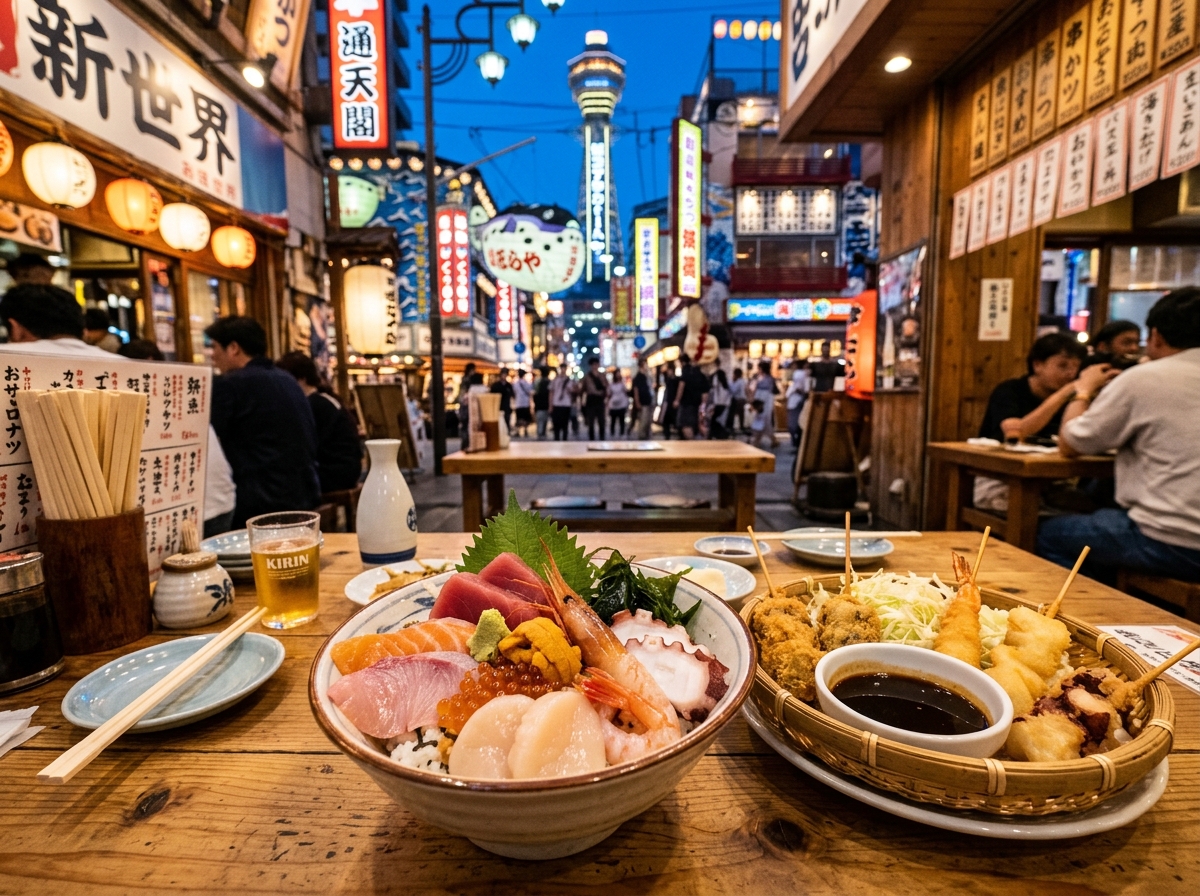
Shinsekai
Shinsekai is famous for kushikatsu, which are deep-fried skewers of meat, seafood, and vegetables.
It feels old-school and a little chaotic in the best way.
Try:
- Kushikatsu
- Doteyaki beef tendon
- Beer with fried skewers
- Casual set meals
Best for: budget travelers, groups, late-night eating.
Kuromon Ichiba Market
Kuromon Market is good for seafood, wagyu skewers, fruit, grilled scallops, and snacks.
Prices can be high in tourist-heavy stalls, so walk around before buying.
Try:
- Grilled scallops
- Wagyu skewers
- Fresh melon
- Sushi
- Tempura
- Matcha soft serve
Best for: grazing, food photos, quick bites.
Best Places to Eat in Kyoto
Kyoto is not only about temples.
It is one of the best cities in Japan for traditional food, tea culture, sweets, tofu, soba, and kaiseki meals.
Food in Kyoto can feel calmer and more seasonal than in Tokyo or Osaka.
Best Kyoto Areas for Food
Gion
Gion is best for traditional restaurants, kaiseki, tea houses, and elegant dinners.
It is also one of the best areas for a special meal.
Try:
- Kaiseki
- Kyoto-style sushi
- Tofu dishes
- Matcha desserts
- Fine wagashi sweets
Best for: couples, special dinners, traditional atmosphere.
Nishiki Market
Nishiki Market is the easiest place to snack in Kyoto.
It is busy, narrow, and touristy, but still useful for trying many small bites.
Try:
- Soy milk doughnuts
- Pickles
- Tamagoyaki
- Mochi
- Grilled seafood
- Matcha sweets
- Yuba snacks
Best for: snacks, food exploring, short visits.
Arashiyama
Arashiyama is great for soba, tofu, wagashi, matcha, and relaxed lunches near temples and bamboo groves.
Try:
- Soba
- Yudofu
- Matcha parfait
- Traditional tea sets
- Seasonal sweets
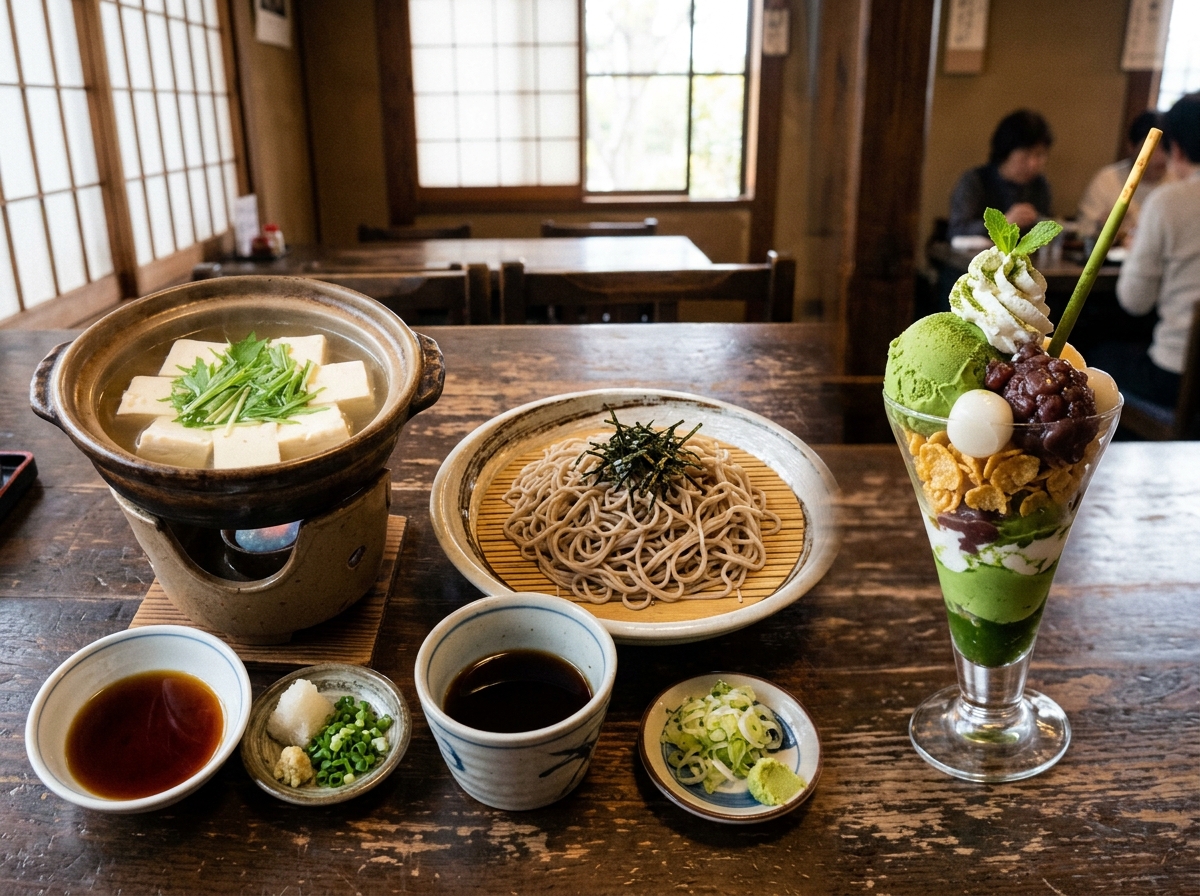
Best for: slow lunches, scenic cafés, traditional food.
Uji
Uji is one of the best places in Japan for matcha.
If you love green tea, make time for Uji as a half-day trip from Kyoto.
Try:
- Matcha soft serve
- Matcha soba
- Matcha parfait
- Tea ceremony experiences
- High-quality green tea
Best for: matcha lovers, tea culture, dessert lovers.
Best Places to Eat in Fukuoka
Fukuoka is one of Japan’s most underrated food cities.
It is famous for Hakata-style tonkotsu ramen, yatai food stalls, bite-size gyoza, and relaxed nightlife.
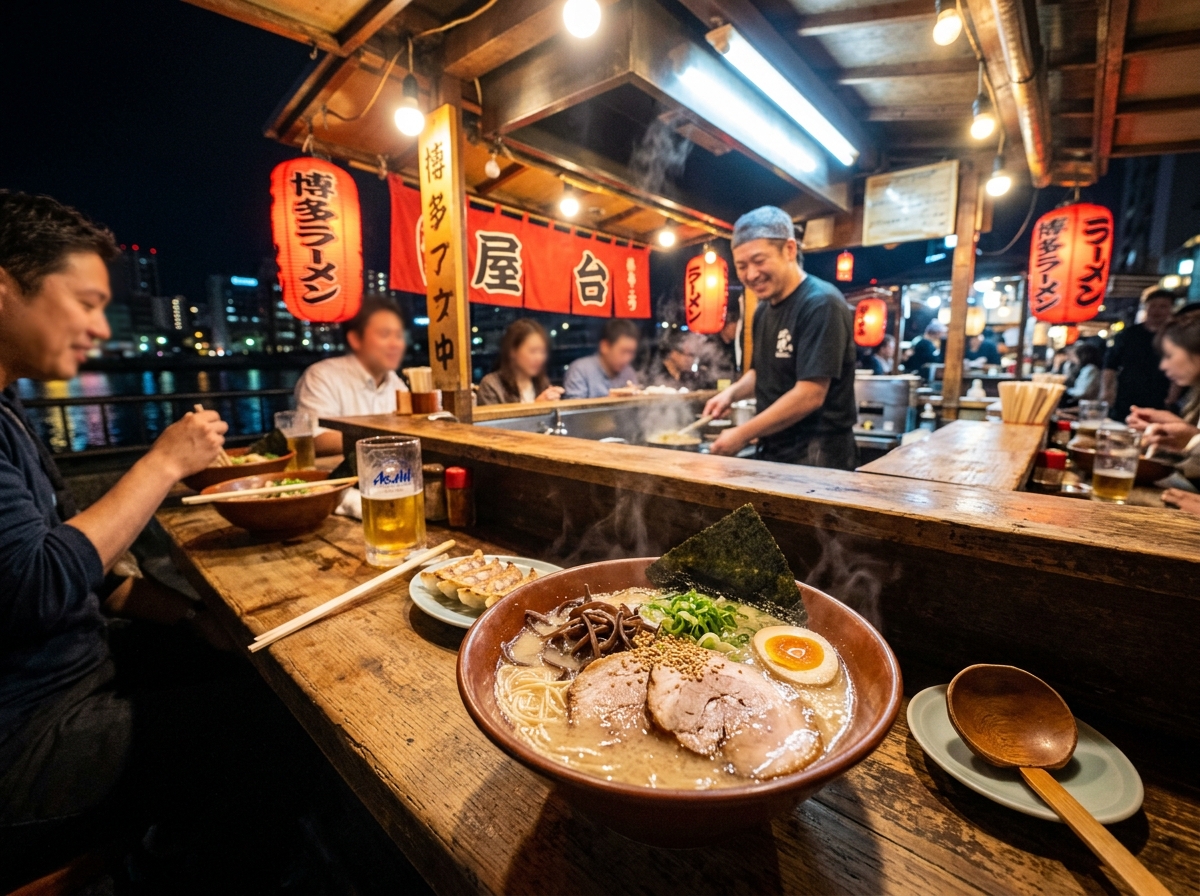
Best Fukuoka Food Experiences
Hakata Ramen Shops
Fukuoka is the home of rich pork-bone tonkotsu ramen.
The noodles are thin. The broth is creamy. Many shops let you choose noodle firmness.
Order extra noodles if you are still hungry. This is called kaedama.
Try:
- Tonkotsu ramen
- Gyoza
- Spicy miso topping
- Extra noodles
Best for: ramen lovers, budget meals, solo travelers.
Nakasu Yatai Stalls
Yatai are small outdoor food stalls.
They usually serve ramen, grilled skewers, oden, tempura, and drinks.
They are not always the cheapest option, but they are a memorable Fukuoka experience.
Best for: atmosphere, casual nights, solo diners, couples.
Best Places to Eat in Sapporo
Sapporo is perfect for cold-weather food.
It is known for miso ramen, seafood, soup curry, dairy, beer, and lamb barbecue.
What to Eat in Sapporo
Try:
- Sapporo miso ramen
- Soup curry
- Jingisukan grilled lamb
- Crab
- Sea urchin
- Soft serve ice cream
- Cheesecake
- Sapporo beer
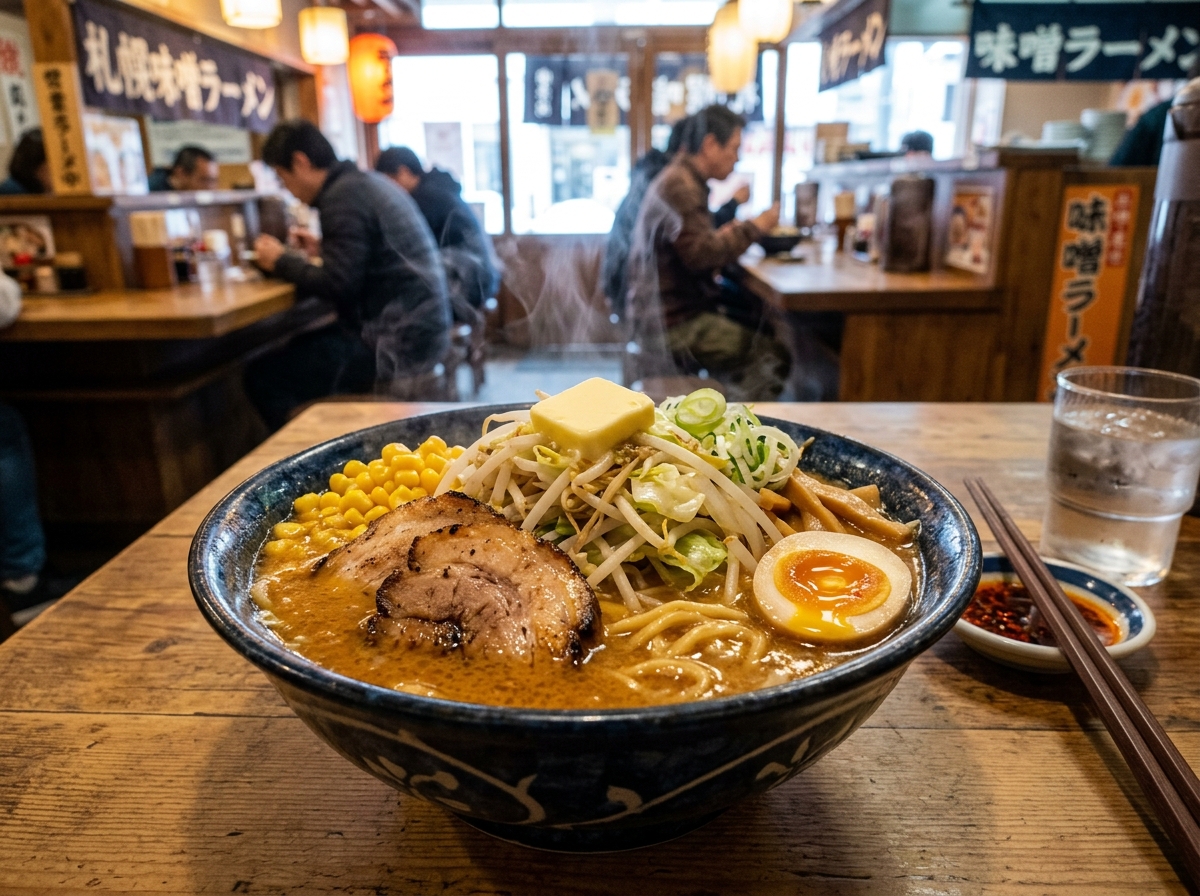
Best for: winter trips, seafood lovers, ramen fans.
Best Places to Eat in Hiroshima
Hiroshima is best known for its own style of okonomiyaki.
Unlike Osaka-style okonomiyaki, Hiroshima-style okonomiyaki is usually layered with noodles, cabbage, egg, sauce, and toppings.
What to Eat in Hiroshima
Try:
- Hiroshima-style okonomiyaki
- Oysters
- Momiji manju cakes
- Anago rice
- Local ramen
Best for: comfort food, regional dishes, casual meals.
Best Places to Eat in Kanazawa
Kanazawa is one of the best cities in Japan for seafood.
It sits near the Sea of Japan, so sushi and sashimi are a major highlight.
Best Kanazawa Food Areas
Omicho Market
Omicho Market is the main food market in Kanazawa.
It is great for seafood bowls, sushi, crab, oysters, and local produce.
Try:
- Kaisendon seafood bowl
- Sushi
- Crab
- Sweet shrimp
- Grilled seafood
- Gold leaf soft serve
Best for: seafood lovers, market lunches, regional food.
Best Places to Eat in Takayama
Takayama is a great food stop in the Japanese Alps. It is famous for Hida beef, mountain vegetables, miso, sake, and old-town street snacks.
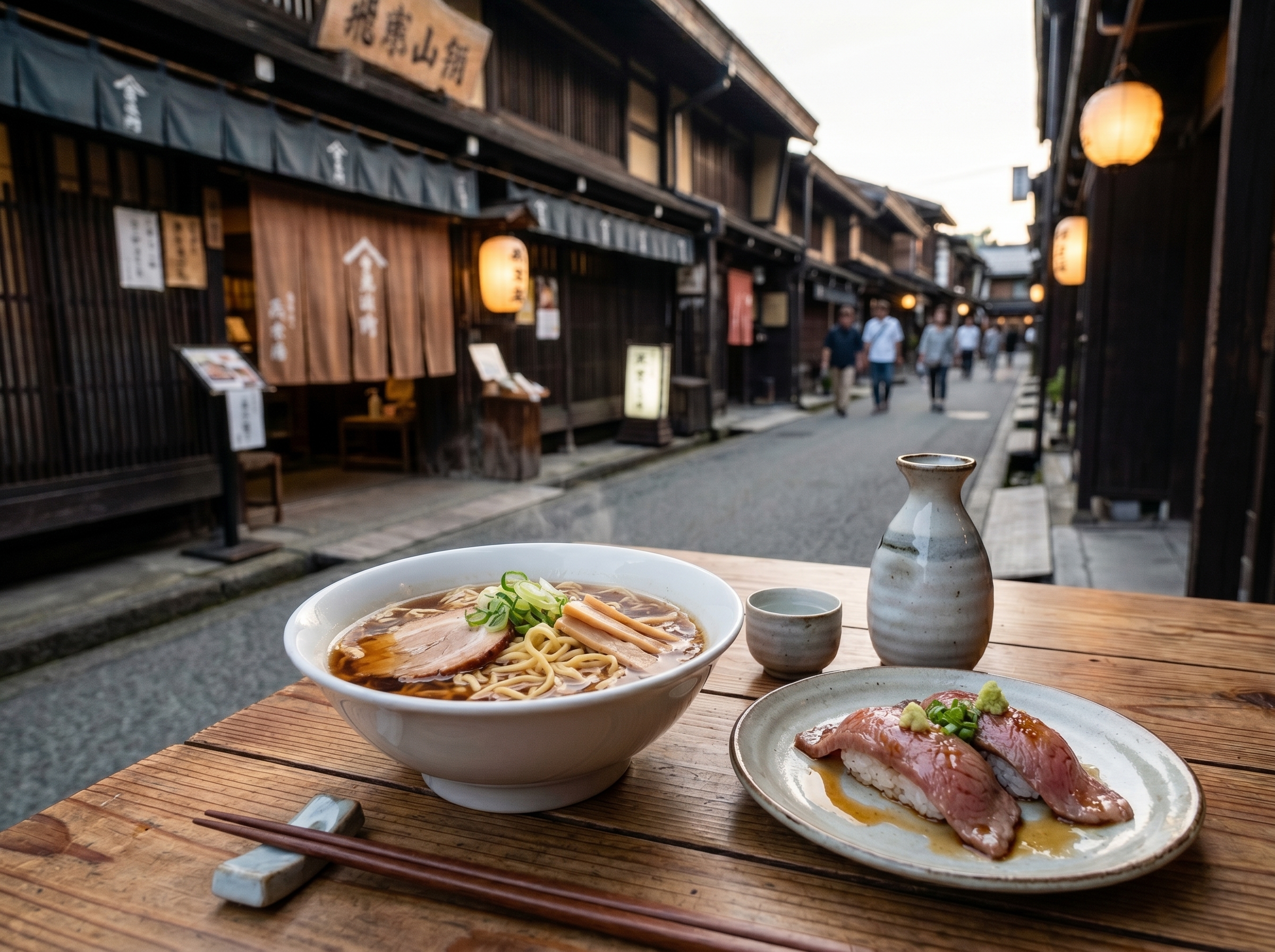
What to Eat in Takayama
Try:
- Hida beef skewers
- Hida beef sushi
- Hoba miso
- Takayama ramen
- Mitarashi dango
- Local sake
Best for: beef lovers, small-town food, traditional streets.
Best Japanese Foods to Try by Category
Best Noodle Dishes
Ramen
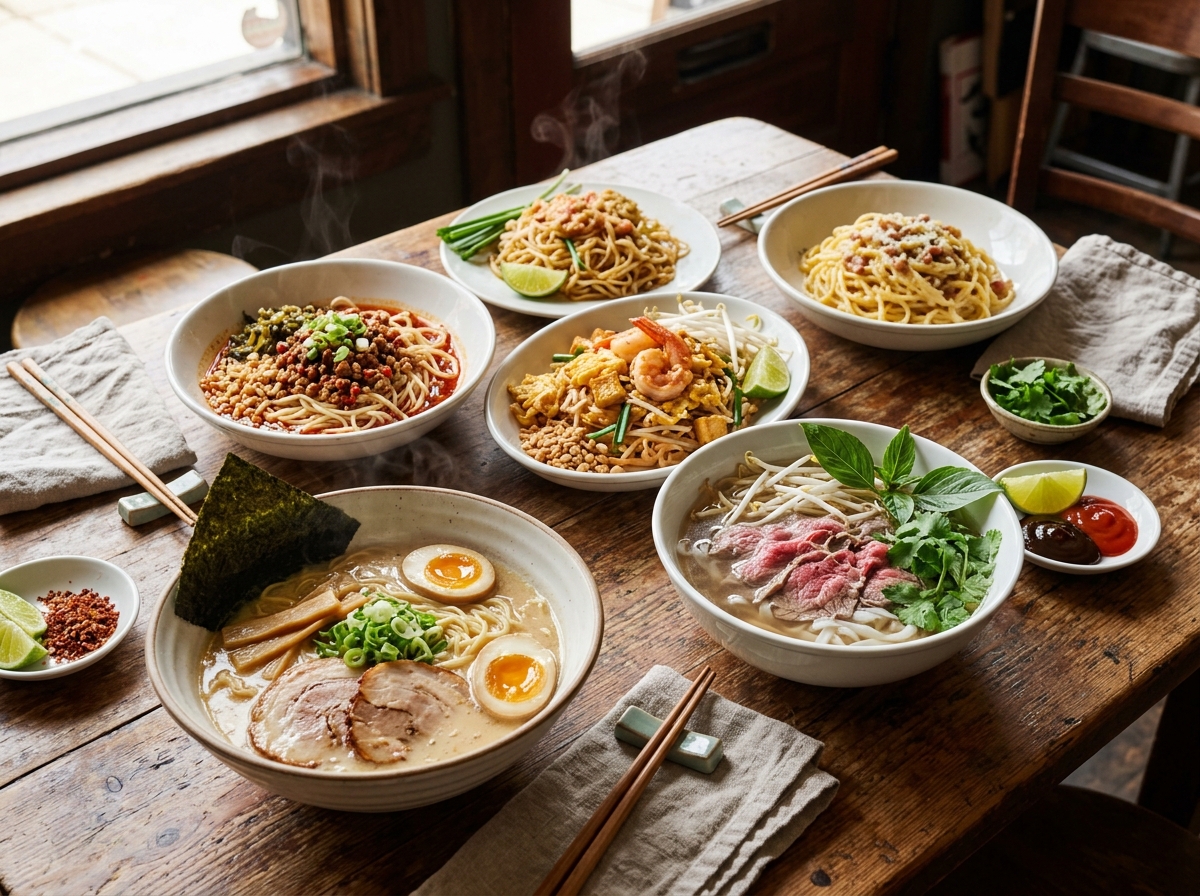
Ramen is one of the easiest meals to love in Japan.
Common styles include:
- Shoyu ramen: soy sauce-based broth
- Shio ramen: salt-based broth
- Miso ramen: rich and hearty
- Tonkotsu ramen: creamy pork-bone broth
- Tsukemen: dipping noodles
Best places to try ramen:
- Tokyo for variety
- Fukuoka for tonkotsu ramen
- Sapporo for miso ramen
- Kyoto for creative ramen shops
Udon
Udon noodles are thick, soft, and chewy.
They can be served hot or cold.
Try udon if you want something simple, filling, and comforting.
Soba
Soba noodles are made with buckwheat.
They are often served cold with dipping sauce or hot in broth.
Kyoto, Nagano, and mountain regions are good places to try soba.
Best Rice and Bowl Meals
Sushi
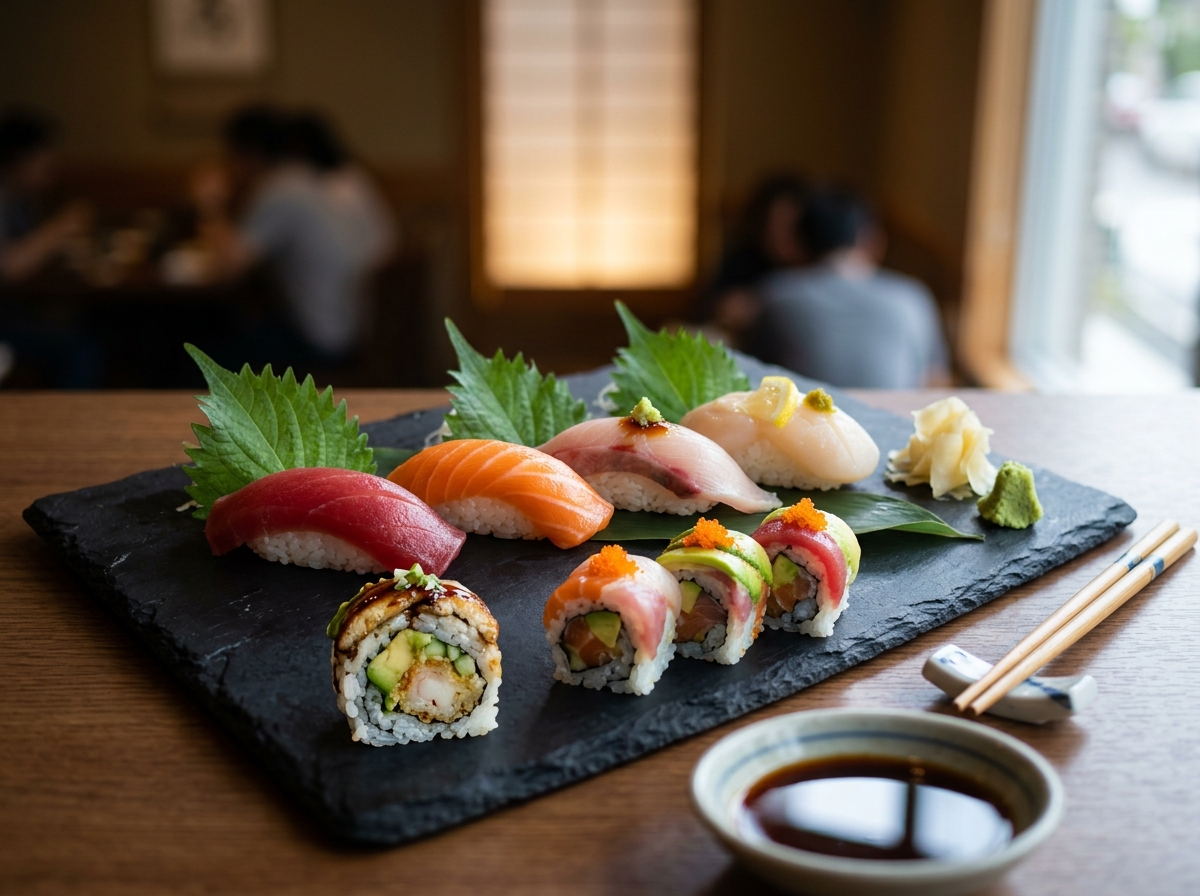
Sushi in Japan can be casual or expensive.
You do not need to book an elite omakase to enjoy good sushi.
Good options include:
- Conveyor belt sushi
- Standing sushi bars
- Sushi lunch sets
- Market sushi
- Department store sushi
Tokyo, Kanazawa, Hokkaido, and coastal cities are especially good for sushi.
Kaisendon
Kaisendon is a seafood rice bowl.
It is a great market meal because you can try different types of fish in one bowl.
Best places:
- Kanazawa
- Hokkaido
- Tokyo seafood markets
- Coastal cities
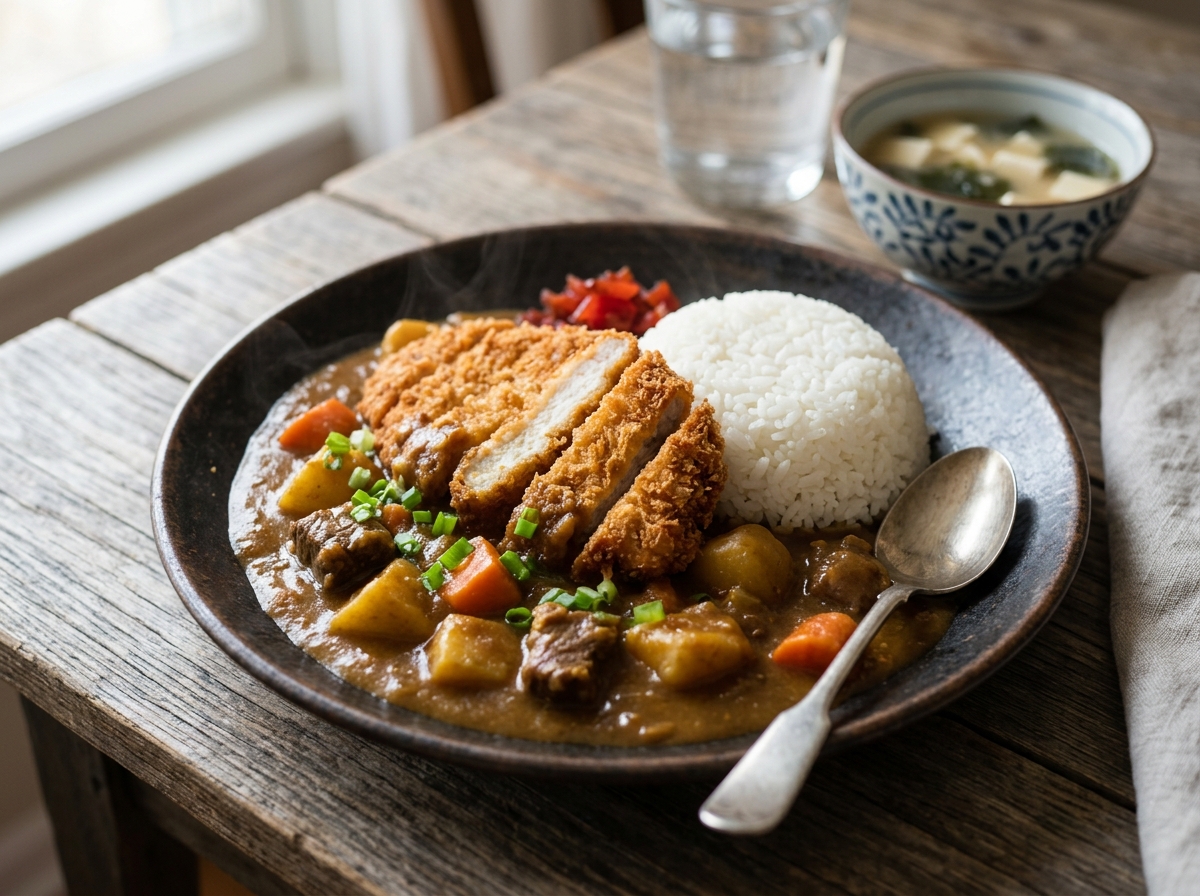
Japanese Curry
Japanese curry is mild, thick, and comforting. It is great for picky eaters because it is familiar and easy to order.
Try it with:
- Pork cutlet
- Chicken cutlet
- Vegetables
- Cheese
- Egg
Best Street Food and Snacks
Takoyaki
Takoyaki are round octopus balls topped with sauce, mayonnaise, bonito flakes, and seaweed.
Best place: Osaka.
Okonomiyaki
Okonomiyaki is a savory pancake with cabbage, sauce, and toppings.
Best places:
- Osaka for mixed-style okonomiyaki
- Hiroshima for layered okonomiyaki with noodles
Taiyaki
Taiyaki is a fish-shaped cake filled with red bean, custard, chocolate, or sweet potato.
It is easy to find near markets, temples, and shopping streets.
Melonpan
Melonpan is a sweet bun with a crisp cookie-like top.
It usually does not taste like melon. The name comes from its melon-like pattern.
Best Meat Dishes
Yakitori
Yakitori is grilled chicken on skewers.
You can find it in izakaya, small grill shops, and food alleys.
Try:
- Chicken thigh
- Meatball
- Skin
- Liver
- Green onion skewers
Yakiniku
Yakiniku means grilled meat.
You cook thin slices of beef, pork, or vegetables at your table.
It is fun for groups and meat lovers.
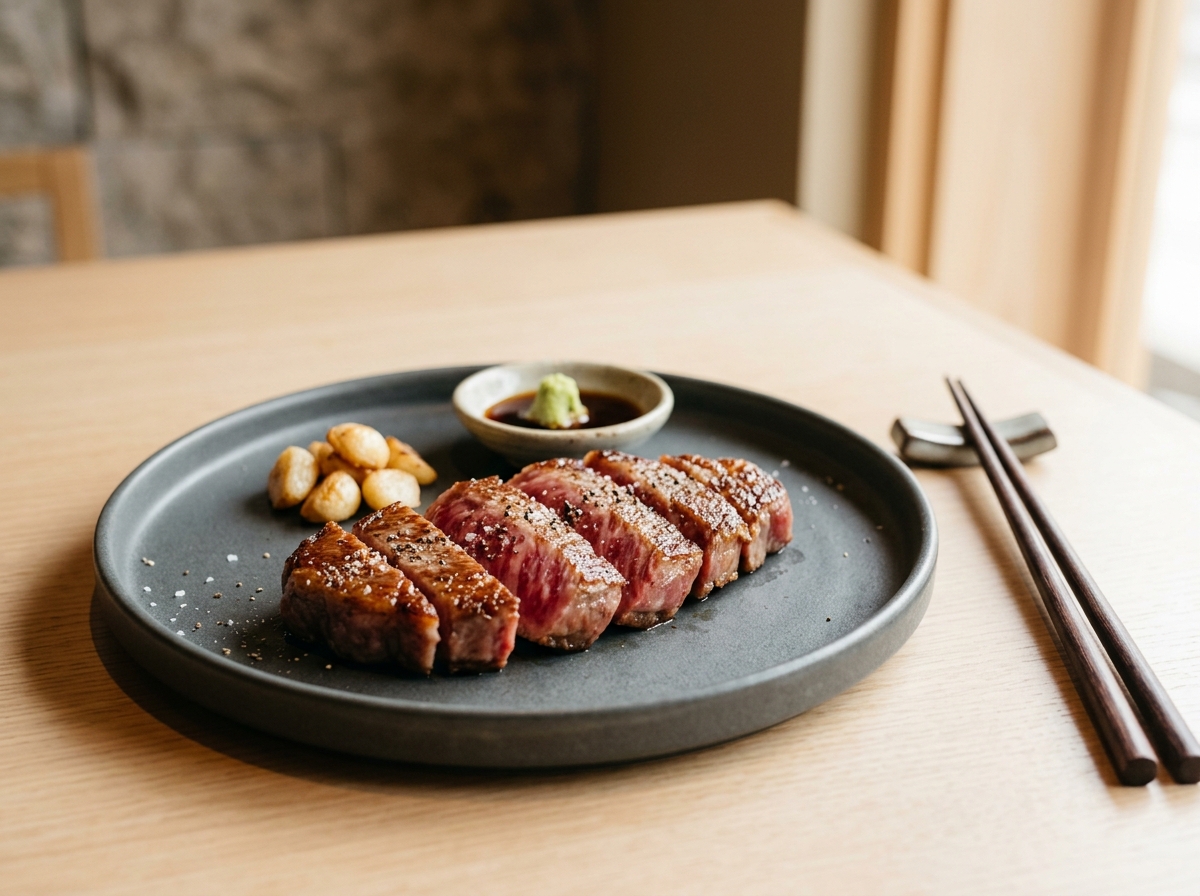
Wagyu Beef
Wagyu is expensive, but you do not need to order a huge steak. Try a small portion, lunch set, skewer, or sushi-style bite if you want the experience without overspending. Famous beef regions include Kobe, Matsusaka, Hida, and Miyazaki.
Best Budget Places to Eat in Japan
Japan is excellent for budget eating. You can eat well without spending much if you know where to go.
Convenience Stores
Japanese convenience stores are much better than many travelers expect.
Look for:
- Onigiri
- Egg sandwiches
- Fried chicken
- Bento boxes
- Salads
- Yogurt
- Coffee
- Desserts
- Seasonal drinks
Major chains include 7-Eleven, Lawson, and FamilyMart.
Best for: breakfast, late-night food, train snacks, tired travel days.
Train Station Bento Shops
Ekiben are train-station bento boxes. They are perfect for long train rides. Buy one before boarding the Shinkansen and enjoy it at your seat. Look for regional versions. Some include beef, seafood, chicken, vegetables, or seasonal dishes.
Food Courts and Department Store Food Halls
Department store basement food halls are called depachika. They are clean, beautiful, and full of ready-to-eat food.
You can find:
- Sushi
- Bento
- Fried food
- Salads
- Fruit
- Cakes
- Wagashi sweets
- Gift snacks
Best for: easy meals, rainy days, takeout food, and high-quality snacks.
Chain Restaurants
Japanese chain restaurants are useful when you are tired or traveling with picky eaters.
Good options include:
- Curry chains
- Beef bowl shops
- Conveyor belt sushi chains
- Udon chains
- Family restaurants
- Ramen chains
They are not always the most exciting meals, but they are reliable, affordable, and easy.
Best Places to Eat in Japan for Vegetarians, Vegans, and Halal Travelers
Japan can be challenging for vegetarians, vegans, halal travelers, and people with allergies. The issue is not only meat. Many broths, sauces, and seasonings use fish-based dashi, pork, chicken, or alcohol.
Best Tips for Dietary Needs
- Search restaurants before you go.
- Save the Japanese translation of your dietary restriction.
- Use a printed allergy card if needed.
- Do not assume “vegetable” means vegetarian.
- Ask about dashi, broth, gelatin, and sauce.
- Choose restaurants that clearly advertise vegan, vegetarian, or halal menus.
- Bigger cities are easier than rural areas.
Best Cities for Dietary-Friendly Eating
Tokyo is the easiest city for vegan, vegetarian, and halal food. Kyoto also has good options, especially temple-style Buddhist cuisine called shojin ryori.
Osaka has some halal and vegetarian restaurants, but planning helps. Fukuoka, Sapporo, and smaller cities may have options, but you should research before arriving.
Foods That May Work Better
Depending on the restaurant, these can be easier to adapt:
- Shojin ryori
- Vegan ramen
- Vegetable tempura
- Rice balls with plain fillings
- Soba with separate dipping sauce
- Okonomiyaki at flexible restaurants
- Tofu dishes
- Simple rice and vegetable meals
Always confirm ingredients if your restriction is strict.
How to Find Good Restaurants in Japan
You do not need to rely only on viral TikTok places. Use a mix of common sense and local signals.
Look for These Signs
- A short local line
- A focused menu
- Fresh food displays
- Busy lunch service
- Good recent reviews
- Clear photos of dishes
- A clean counter
- Local office workers eating there
- A vending machine menu with pictures
Be Careful With These Signs
- Huge English signs saying “No. 1 in Japan”
- Empty restaurants in packed tourist streets
- Staff pushing tourists to enter
- Menus with too many unrelated cuisines
- Viral places with very long lines and average reviews
- Overpriced market stalls without visible prices
Best Apps and Tools
Use:
- Google Maps for location and recent reviews
- Tabelog for local restaurant ratings
- HappyCow for vegetarian and vegan food
- Official restaurant websites for reservations
- Translation apps for menus
- Instagram for current photos and hours
Google Maps is easy for tourists. Tabelog is more local, but ratings are stricter. A Tabelog score that looks modest can still mean the place is good.
Restaurant Etiquette in Japan
Japanese dining rules are usually simple.
Be polite, quiet, and aware of the people around you.
Useful Etiquette Tips
- Say “itadakimasu” before eating if you want to be polite.
- Say “gochisousama desu” after the meal if you want to thank the staff.
- Slurping noodles is fine.
- Do not talk loudly in small restaurants.
- Do not stay too long after finishing at busy ramen shops.
- Do not stick chopsticks upright in rice.
- Do not pass food from chopsticks to chopsticks.
- Do not expect many substitutions.
- Do not tip. Tipping is not part of normal restaurant culture in Japan.
- Carry cash. Many places accept cards now, but small shops may still prefer cash.
How Ramen Ticket Machines Work
Many ramen shops use ticket machines.
The process is simple:
- Put money into the machine.
- Choose your ramen and toppings.
- Take the printed ticket.
- Give it to the staff.
- Sit down and wait.
If the machine is only in Japanese, use pictures or a translation app.
What to Eat in Japan If You Are a Picky Eater
Japan is easier for picky eaters than many people expect.
Start with simple foods, then try more adventurous meals later.
Good beginner-friendly foods include:
- Japanese curry
- Gyoza
- Udon
- Tonkatsu
- Karaage fried chicken
- Egg sandwiches
- Yakitori
- Tempura
- Conveyor belt sushi
- Omurice
- Ramen with mild broth
If you do not like raw fish, you can still enjoy Japan. Try cooked sushi, tempura, noodles, curry, grilled meat, and sweets.
Best Food Itinerary for First-Time Visitors
Here is a simple food plan for a classic Tokyo, Kyoto, and Osaka trip.
Tokyo Food Plan
Eat:
- Ramen in Shinjuku
- Sushi in Ginza or Tsukiji
- Gyoza in Harajuku
- Yakitori in Omoide Yokocho
- Sweets or café food in Shibuya
- Depachika dinner from a department store
Kyoto Food Plan
Eat:
- Matcha dessert in Uji or Gion
- Soba in Arashiyama
- Tofu or yudofu near temples
- Kaiseki if your budget allows
- Snacks at Nishiki Market
- Traditional sweets with tea
Osaka Food Plan
Eat:
- Takoyaki in Dotonbori
- Okonomiyaki for dinner
- Kushikatsu in Shinsekai
- Ramen late at night
- Market snacks at Kuromon
- Melonpan or taiyaki while walking
What to Book Ahead
You do not need reservations for every meal.
But you should book ahead for:
- Kaiseki
- Omakase sushi
- Popular wagyu restaurants
- Small Michelin-style restaurants
- Famous tempura counters
- Special dietary restaurants
- Dinner on weekends
- Restaurants with only a few seats
For casual ramen, udon, curry, and convenience store meals, just go when you are hungry.
What Not to Miss in Japan
If you only have time for a short food list, make it this:
- Ramen in Tokyo or Fukuoka
- Sushi in Tokyo or Kanazawa
- Takoyaki in Osaka
- Okonomiyaki in Osaka or Hiroshima
- Kaiseki or tofu meal in Kyoto
- Matcha dessert in Kyoto or Uji
- Ekiben on a Shinkansen ride
- Convenience store egg sandwich
- Yakitori at a small izakaya
- Regional specialty in every city you visit
Helpful Amazon Picks for a Japan Food Trip
Ratings and prices can change, so check the latest reviews before buying.
- Lonely Planet Japan Travel Guide: helpful for planning neighborhoods, routes, day trips, and food areas before you arrive. Shop on Amazon
- Lonely Planet Japanese Phrasebook & Dictionary: useful for ordering food, asking simple questions, and explaining dietary needs. Shop on Amazon
- JapanEasy by Tim Anderson: a friendly cookbook for understanding Japanese flavors before or after your trip. Shop on Amazon
- Tokyo Cult Recipes by Maori Murota: great for readers who want food inspiration from Tokyo-style home cooking and snacks. Shop on Amazon
- Reusable Travel Chopsticks Set: handy for picnics, train snacks, takeaway meals, and reducing disposable waste while traveling. Shop on Amazon
Final Thoughts
The best places to eat in Japan are not always the most famous places.
Some of your favorite meals may come from a small ramen counter, a train station bento shop, a quiet soba restaurant, or a convenience store after a long travel day.
Tokyo gives you the most variety. Osaka gives you the most fun. Kyoto gives you tradition. Fukuoka gives you ramen and yatai culture. Sapporo gives you comfort food and seafood. Hiroshima, Kanazawa, and Takayama give you strong regional flavors.
Plan a few special meals, but leave room for surprise. That is the best way to eat in Japan.
FAQs About the Best Places to Eat in Japan
What city in Japan has the best food?
Tokyo is the best overall food city in Japan because it has the widest variety. Osaka is best for street food and casual eating. Kyoto is best for traditional meals, tea, tofu, and kaiseki.
Where should I eat in Japan for the first time?
Start with ramen, sushi, gyoza, udon, curry, yakitori, tempura, and convenience store snacks. These foods are easy to find and beginner-friendly.
Is Osaka or Tokyo better for food?
Tokyo is better for variety and fine dining. Osaka is better for street food, casual comfort food, and a fun eating atmosphere.
What food is Japan most famous for?
Japan is famous for sushi, ramen, tempura, udon, soba, yakitori, wagyu beef, kaiseki, takoyaki, okonomiyaki, and matcha sweets.
Are convenience stores in Japan actually good?
Yes. Japanese convenience stores are very good for quick meals, snacks, coffee, desserts, and late-night food. They are not a replacement for restaurants, but they are useful and affordable.
Do I need restaurant reservations in Japan?
You need reservations for popular, small, high-end, or special dining experiences. Casual ramen, curry, udon, sushi chains, and convenience stores usually do not need reservations.
Is Japan good for vegetarians?
Japan has vegetarian food, but it takes planning. Many broths and sauces use fish or meat-based ingredients. Tokyo and Kyoto are the easiest cities for vegetarian and vegan travelers.
What is the best food market in Japan?
Tsukiji Outer Market in Tokyo, Nishiki Market in Kyoto, Kuromon Market in Osaka, and Omicho Market in Kanazawa are popular food markets for travelers.
Is it expensive to eat in Japan?
Japan can be very affordable for food. Ramen, curry, udon, beef bowls, convenience store meals, and lunch sets are usually budget-friendly. Sushi, wagyu, kaiseki, and omakase can be expensive.
What should I eat on the Shinkansen?
Buy an ekiben from the train station before boarding. It is one of the most enjoyable food experiences in Japan, especially on longer routes.