Colombia is not the country you think it is. The headlines about danger are old. Today, Colombia welcomes millions of travelers every year. They come for Caribbean beaches. They come for Andean cities. They come for coffee farms and Amazon rivers and colonial towns that look unchanged since the 1700s.
But Colombia is huge. It is the size of France and Spain combined. You cannot see it all in two weeks. You need a plan.
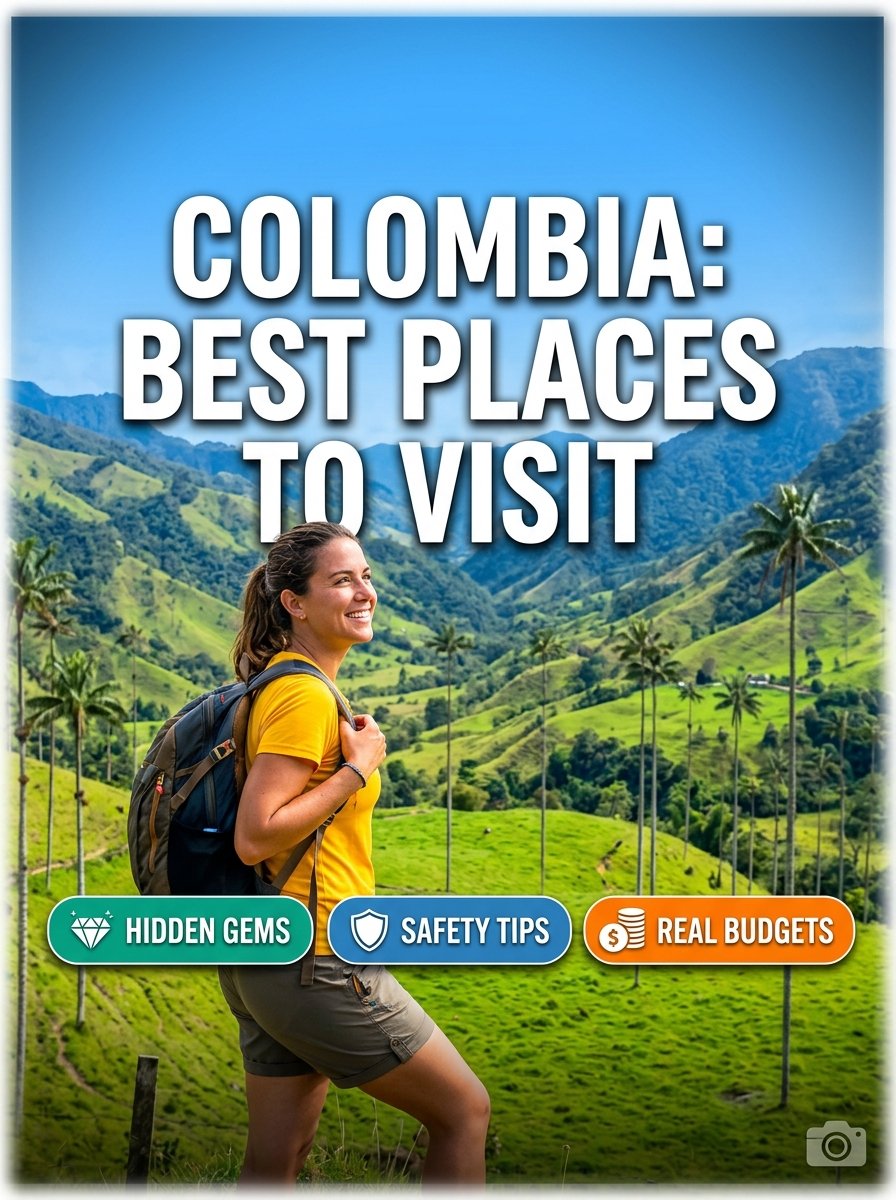
This guide covers the essential destinations. It also covers the places most travel blogs ignore. You will get honest safety advice. You will get real budgets. You will know what to eat where, what to pack, and how to get around.
Medellin: The City of Eternal Spring
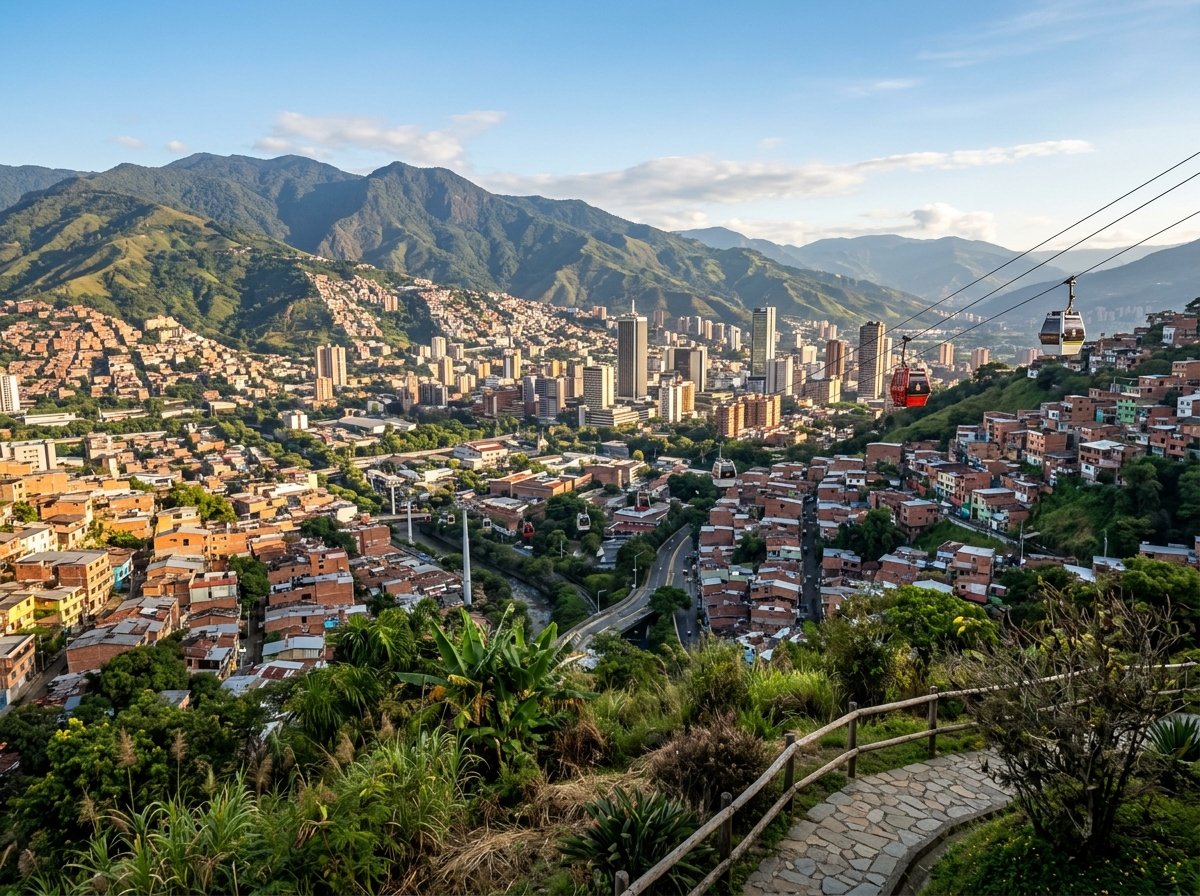
Medellin was once the most dangerous city on earth. Today, it is one of the most innovative cities in Latin America. The weather sits at a perfect 72 degrees year round. That is why locals call it the city of eternal spring.
The metro system is clean and efficient. It connects to cable cars that climb the hillsides. These cable cars are not just for tourists. They are public transport. They give you stunning views over the valley.
Comuna 13 is the neighborhood everyone talks about. It was once controlled by gangs. Today, it is an open air museum of street art. Take a guided tour. The guides grew up there. They tell stories that no Wikipedia page can match. The art changes weekly. Every visit is different.
El Poblado is the tourist hub. It has craft coffee shops, rooftop bars, and boutique hostels. Laureles is where locals actually live. It has better food and lower prices. Both are safe for travelers who follow basic rules.
Day trip to Guatape. It is a two hour bus ride. The town is famous for El Peñol, a giant rock with 740 steps to the top. The view over the lake is worth the climb. The town itself is the most colorful place in Colombia. Every building has hand painted baseboards called zocalos.
Eat bandeja paisa in Medellin. It is a massive plate of beans, rice, plantain, avocado, sausage, and pork belly. It is the signature dish of Antioquia. Bring an appetite.
Cartagena: The Caribbean Jewel
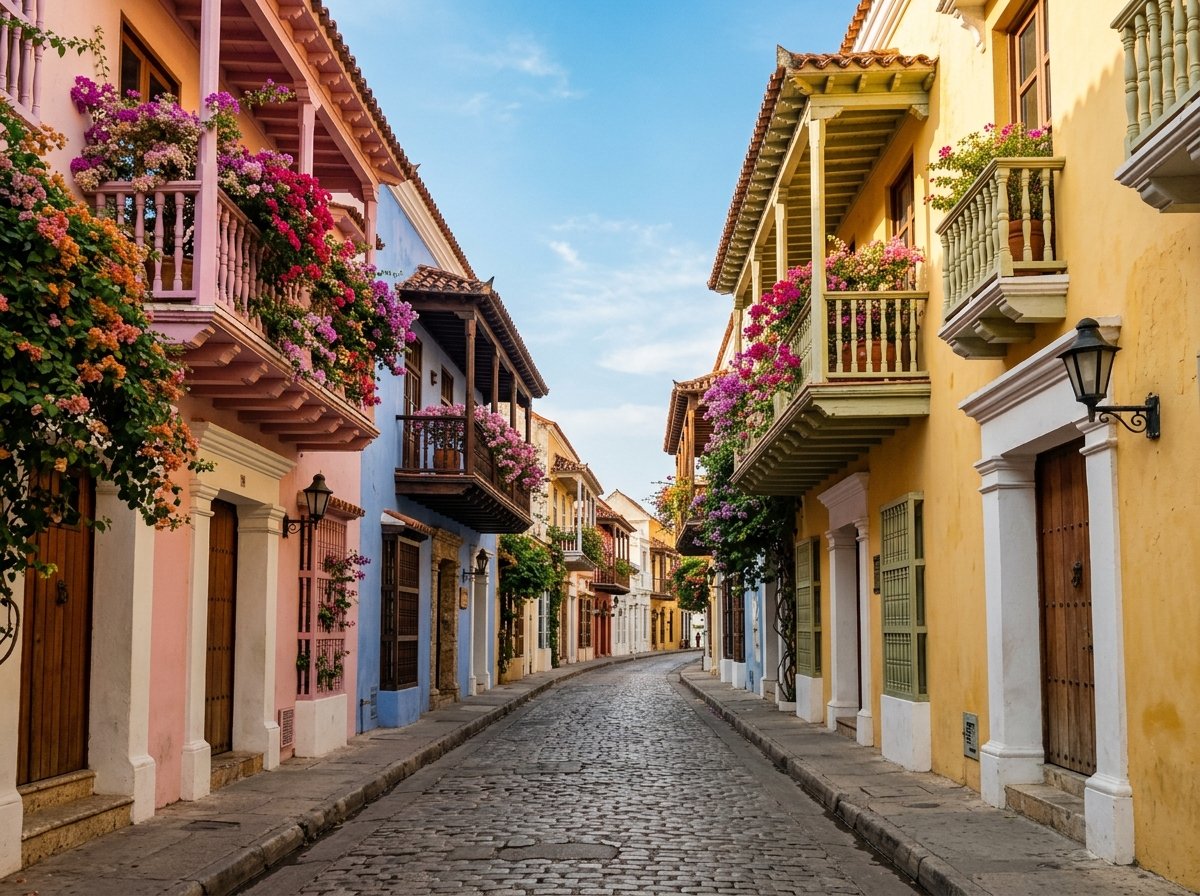
Cartagena is hot. It is humid. It is absolutely beautiful. The walled old city is a UNESCO site. The streets are lined with colonial mansions in pastel yellows, pinks, and blues. Bougainvillea drips from balconies. Horse drawn carriages clatter over cobblestones.
Getsemani is the neighborhood next to the old city. It used to be rough. Now it is the coolest area in Cartagena. Street art covers the walls. Salsa spills from doorways. Locals sit on stoops and chat until midnight. This is where the real Cartagena lives.
The Rosario Islands are a one hour boat ride away. The water is crystal clear. The sand is white. Isla Baru has Playa Blanca, which you can reach by road. Isla Grande requires a boat but feels more remote.
Eat arepas de huevo. They are fried corn cakes stuffed with egg. They are everywhere in Cartagena. They cost about one dollar. They are perfect.
Cartagena is safe in the tourist areas. The main risks are overpriced tours and aggressive street vendors. Agree on prices before you buy. Use licensed guides.
Bogota: The Andean Capital
Bogota is big. It is busy. It sits at 2,640 meters above sea level. That altitude will hit you on day one. You might feel short of breath. You might get a headache. You might feel more tired than usual. This is normal. Drink water. Avoid alcohol on your first night. Take it easy.
La Candelaria is the historic center. It has cobblestone streets, colonial churches, and some of the best street art in South America. The Gold Museum holds the largest collection of ancient gold in the world. The Botero Museum is free. It holds works by Fernando Botero, Colombia’s most famous artist.
Monserrate is the mountain that overlooks the city. You can hike up or take a cable car. The view from the top is unreal. Go at sunset.
The Salt Cathedral of Zipaquira is an hour outside the city. It is a church built inside a salt mine. It is one of the most unique religious sites in the world.
Eat ajiaco in Bogota. It is a thick chicken and potato soup served with cream, capers, and avocado. It is perfect for the cool mountain evenings.
Bogota has excellent museums, food, and nightlife. It also has a reputation for petty theft. Do not use your phone on the street. Do not hail taxis. Use Uber or InDriver. Keep valuables out of sight.
The Coffee Region: Salento and Valle de Cocora
Colombian coffee is famous for a reason. The Coffee Region, called the Eje Cafetero, produces some of the smoothest beans on earth. The landscape is green and rolling. The towns are small and friendly.
Salento is the town everyone visits. It has colorful buildings and a relaxed vibe. The main attraction is Valle de Cocora. It is a thirty minute jeep ride from town. The valley holds the tallest palm trees in the world. They stand over 130 feet high. They look like something from a dream.
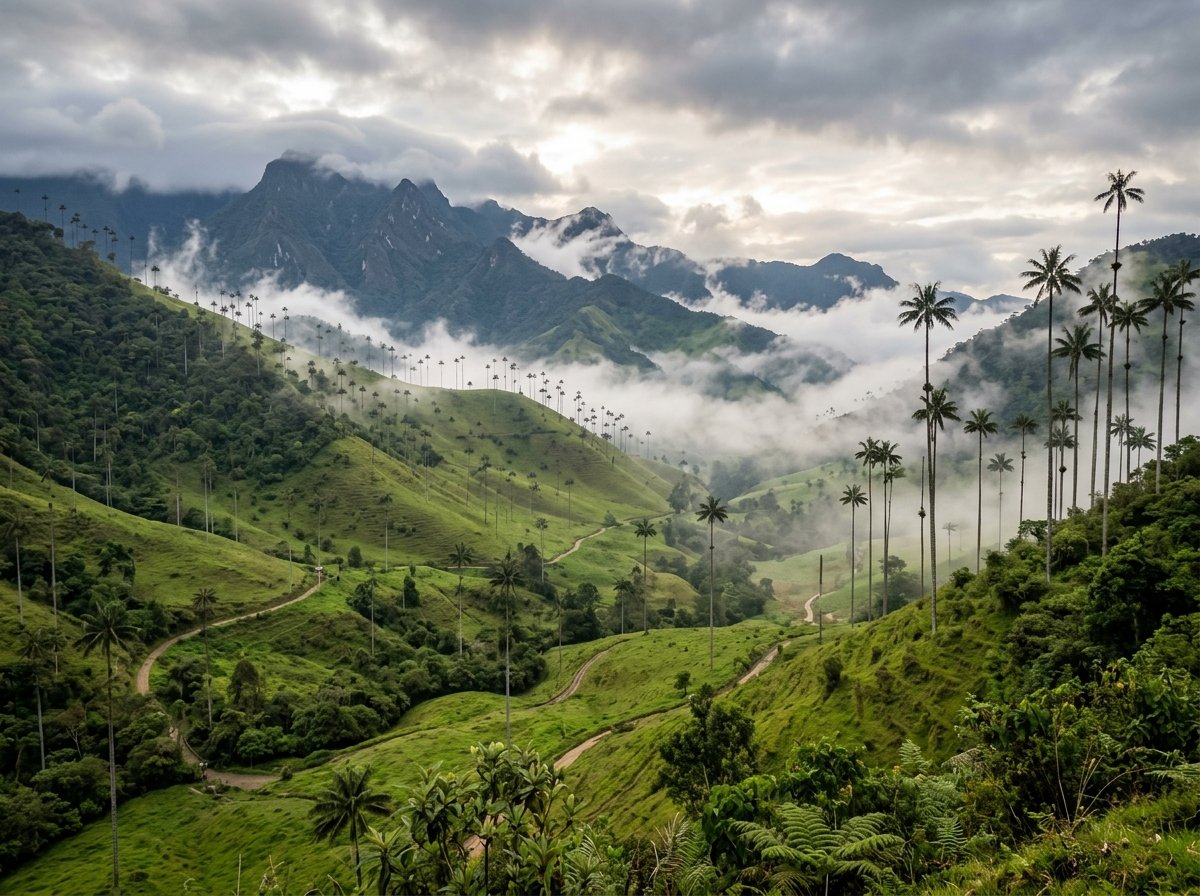
Hike the valley loop. It takes about five hours. You cross rivers on rickety bridges. You pass through cloud forest. You end up surrounded by hundreds of wax palms shooting into the sky.
Filandia is Salento’s quieter neighbor. It has the same colorful architecture but a fraction of the crowds. The mirador there gives you views over the entire coffee region.
Stay at a coffee finca. Many farms offer rooms and tours. You will learn how beans are picked, washed, dried, and roasted. You will drink coffee that ruins Starbucks for you forever.
Santa Marta and Tayrona National Park
Santa Marta is Colombia’s oldest city. It is also the gateway to some of the best nature in the country. The city itself is low key. It is not as pretty as Cartagena. But it is practical. It is the base for Tayrona, Minca, and the Lost City trek.
Tayrona National Park is where the jungle meets the Caribbean. You hike through forest. You hear howler monkeys. Then the trail opens onto beaches with turquoise water and massive boulders. Cabo San Juan is the most famous beach. You can sleep in a hammock there.
Tayrona closes every year from June 1 to June 15. This is for ecological recovery. Plan around it. The park also closed temporarily in early 2026 for security reasons but reopened in March with extra police presence.
Minca is a mountain village forty minutes above Santa Marta. It is cooler than the coast. It has coffee farms, waterfalls, and excellent bird watching. It is where backpackers go to escape the heat.
The Lost City trek is four to six days through jungle, river crossings, and indigenous villages. It ends at Ciudad Perdida, an ancient city older than Machu Picchu. It is tough. It is sweaty. It is unforgettable.
San Andres Island: The Caribbean Paradise
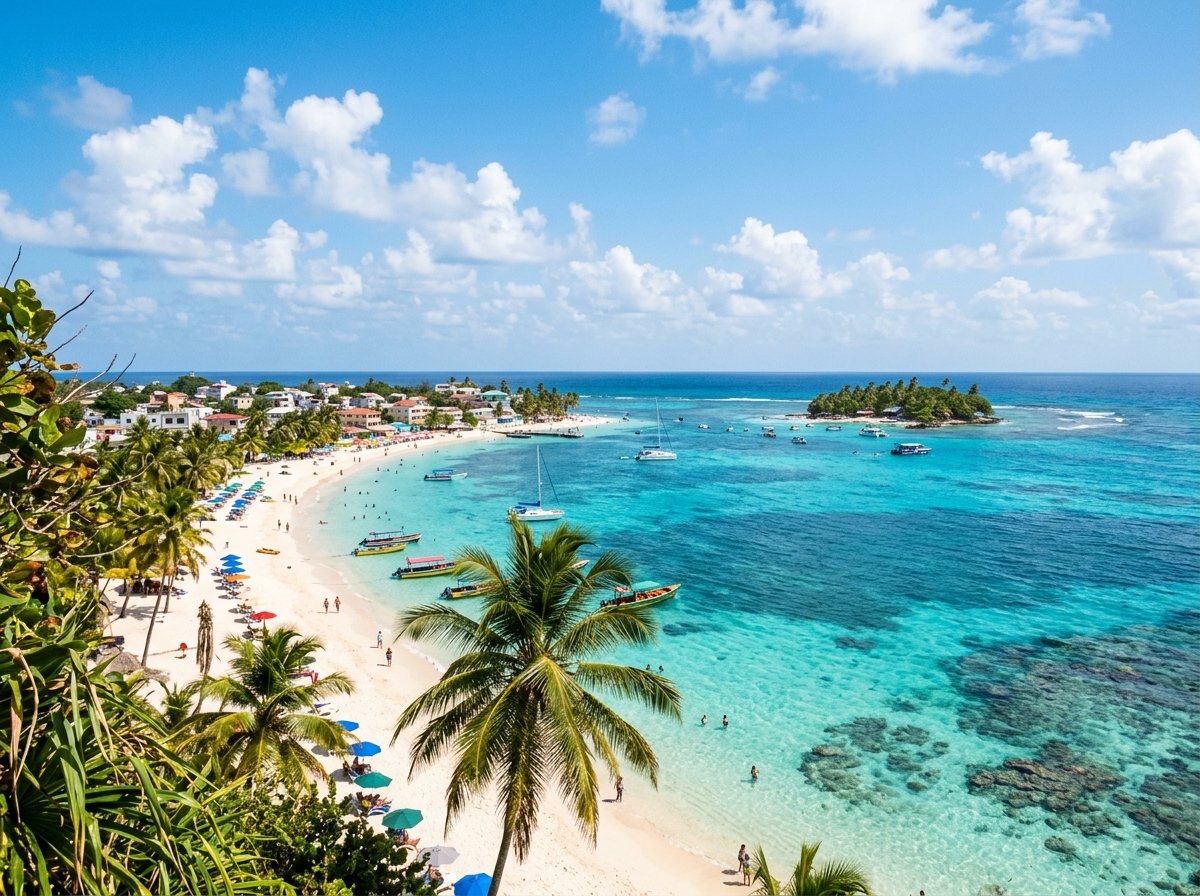
San Andres is not close to mainland Colombia. It sits closer to Nicaragua than to Cartagena. But it is Colombian territory. And it is stunning.
The island has a unique culture. Locals speak Creole English and Spanish. The food blends Caribbean and Colombian flavors. The beaches have powder white sand. The water is seven shades of blue.
Johnny Cay is a small island off the coast. It has palm trees and calm water. The Aquarium is a shallow reef where you can swim with stingrays. A private boat tour lets you see both at your own pace.
San Andres is more expensive than the mainland. Flights from Bogota or Medellin take about two hours. Book early for peak season in December and January.
The Places Most Travel Guides Ignore
Here is where this guide goes deeper than the competition.
Barichara
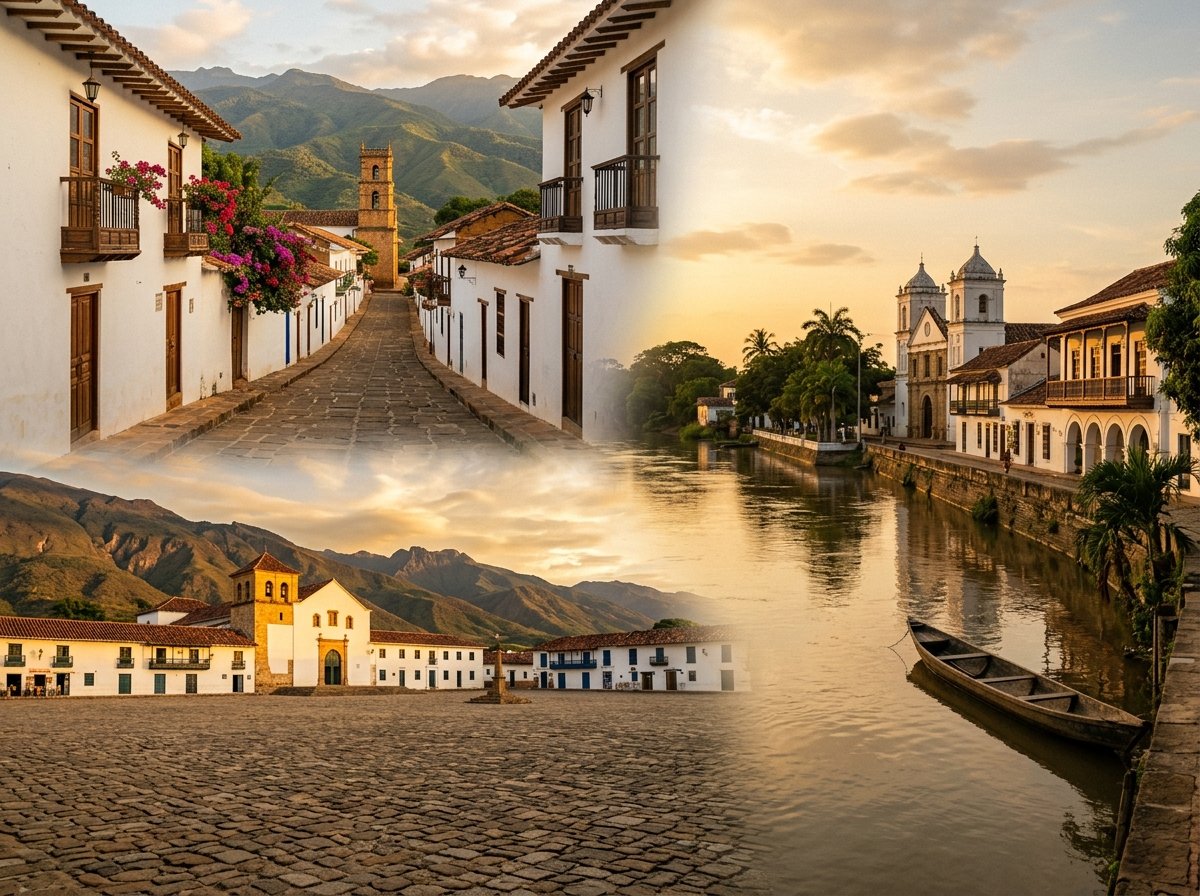
Barichara is a colonial town in the Santander region. It is three hours from Bucaramanga. The streets are cobblestone. The houses are whitewashed with mint green shutters. The town sits on a plateau above a deep canyon.
It feels like stepping into the past. There are no traffic lights. No chain stores. Just quiet plazas, a beautiful cathedral, and locals who say hello.
Hike the Camino Real to Guane. It is an old stone path that takes ninety minutes. It was built by indigenous people before the Spanish arrived. The views over the Suarez River canyon are incredible.
Barichara is also the adventure capital of Colombia. Nearby San Gil offers paragliding over the Chicamocha Canyon, rafting on class five rapids, and caving in underground rivers.
Mompox
Santa Cruz de Mompox is a UNESCO World Heritage site on an island in the Magdalena River. It was founded in 1540. It looks almost exactly the same today.
The town was once a wealthy trading center. Goldsmiths came from Spain to work here. Their filigree jewelry tradition still lives on. You can watch artisans craft delicate gold and silver earrings by hand.
Mompox is remote. It takes effort to reach. That is why most tourists skip it. But that is also why it feels so special. The streets are empty. The colonial mansions are untouched. The heat is intense. The town moves slowly.
Stay two nights. One day is not enough to feel the rhythm. Visit during the dry season from December to April. The rainy season turns the streets into quiet canals.
Villa de Leyva
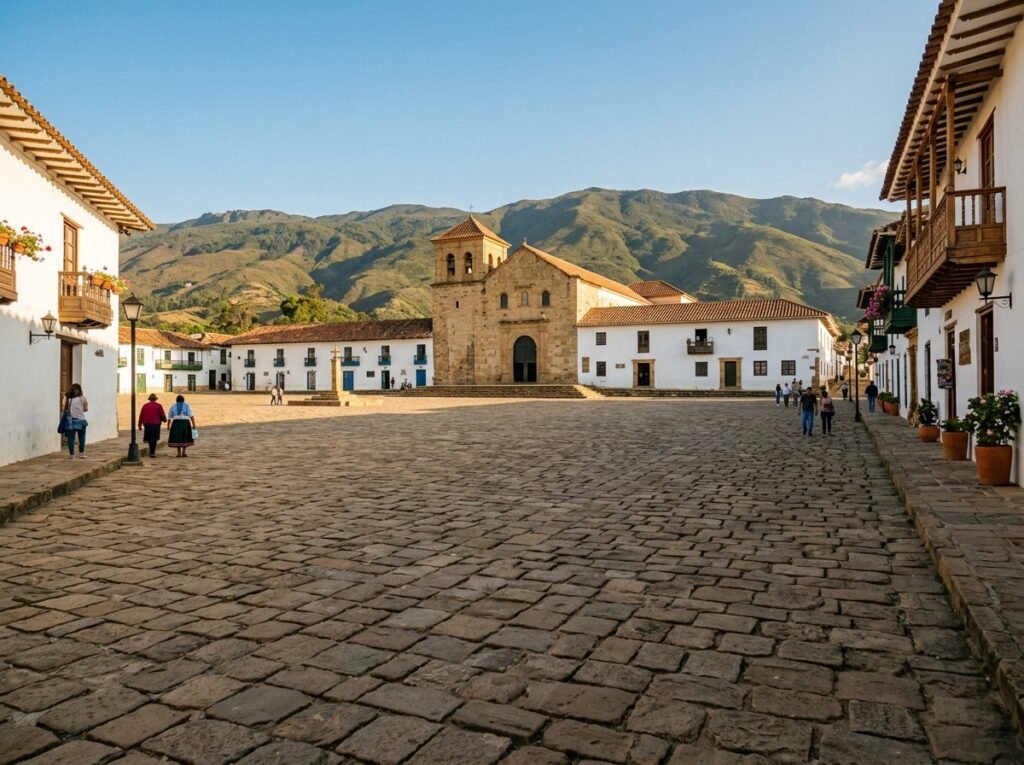
Villa de Leyva is three hours north of Bogota. It has the largest town square in Colombia. It is over 150,000 square feet of cobblestones. The square is surrounded by white colonial buildings and a church from 1608.
The town feels like a movie set. There are no modern buildings. No neon signs. Just lanterns, stone walls, and bougainvillea.
Visit the Fossil Museum. It holds a 120 million year old marine reptile called Monquirasaurus. It was found by a farmer in the 1970s. It is displayed exactly where it was discovered.
See Casa Terracota. It is the largest ceramic house in the world. An architect built it entirely from clay. It looks like something from a fantasy novel.
Drink wine at a local vineyard. The high altitude and cool nights produce surprisingly good Cabernet Sauvignon. Ain Karim vineyard offers tastings with cheese pairings.
Caño Cristales
Caño Cristales is called the most beautiful river in the world. From July to November, an aquatic plant called Macarenia clavigera blooms underwater. It turns the riverbed into liquid rainbows of red, pink, purple, yellow, and green.
The river sits inside the Sierra de la Macarena National Park. You cannot visit alone. You must book a licensed tour. You fly to La Macarena from Bogota, Villavicencio, or Medellin. From there, you take a boat, then a jeep, then hike.
The park limits visitors to about 300 per day. Book months in advance. Do not wear sunscreen or insect repellent in the water. The chemicals kill the plants.
What Competitors Do Not Tell You
Altitude sickness is real
Bogota, Villa de Leyva, and the Coffee Region all sit above 2,000 meters. Many travelers feel fine. Some get crushing headaches. The rule is simple. Take your first day slow. Drink coca tea. It helps. Avoid heavy meals and alcohol on arrival.
No dar papaya
In Colombia, there is a saying. No dar papaya. It means do not give papaya. In other words, do not make yourself an easy target. Do not flash your phone on the street. Do not wear expensive jewelry. Do not put your bag on the floor in a restaurant. Colombians follow this rule. You should too.
The health situation in 2026
Colombia had over 43,000 dengue cases in the first five months of 2026. Yellow fever spread to new areas including Tolima. If you are visiting the Amazon, the coast, or rural areas, get the yellow fever vaccine. Carry a strong insect repellent.
The Sawyer Premium Insect Repellent with Picaridin works better than DEET in hot humidity. It does not melt plastic. It does not smell terrible. It lasts twelve hours. Spray it on in the morning before any hike or jungle walk. It is essential for Tayrona, the Amazon, and the Coffee Region.

Sawyer Products SP544 Premium Insect Repellent
Fake police are a real scam
Criminals in Bogota and Medellin pose as plainclothes police. They ask to check your cash for counterfeit bills. They ask to see your passport. Real police in Colombia wear uniforms. If someone approaches you without a uniform, ask to be taken to the nearest police station. Walk away.
Motorcycle phone snatching
Thieves on motorbikes target people using phones on sidewalks. Never hold your phone at chest height on a busy street. Step into a shop or cafe to check your map.
Night buses are risky
The US State Department advises against intercity road travel at night. Fly between major cities instead. Domestic flights in Colombia are cheap and frequent. Viva Air, Avianca, and LATAM all operate reliable routes.
What to Eat Where
Every region has a signature dish. Do not leave without trying them.
In Cartagena and the coast, eat arepas de huevo, coconut rice, and fried fish. In Medellin, eat bandeja paisa. In Bogota, eat ajiaco and hot chocolate with cheese. Yes, they put cheese in hot chocolate. It melts. It is delicious.
In Cali, eat pandebono and cholado. Cali is the salsa capital. It is also a food city. In the Coffee Region, eat trout. It is farmed fresh in the mountain streams. In the Amazon, eat mojarra and exotic fruits like copoazu and araza.
How to Get Around
Domestic flights are the best way to cover long distances. Bogota to Medellin is a one hour flight. The bus is ten hours. Bogota to Cartagena is a ninety minute flight. The bus is twenty hours.
Buses are comfortable for shorter trips. Medellin to Guatape is two hours. Bogota to Villa de Leyva is four hours. Santa Marta to Tayrona is one hour.
In cities, use Uber or InDriver. Never hail a street taxi. The metro in Medellin is safe and cheap. In Bogota, use Transmilenio buses during the day but avoid them at rush hour.
The Best Time to Visit
Colombia is a year round destination. But each region has a sweet spot.
The Caribbean coast, including Cartagena and Santa Marta, is best from December to April. This is the dry season. The Amazon is also best in these months.
The Coffee Region and Medellin have pleasant weather all year. But December to March and July to August see the least rain.
Bogota is cool and rainy year round. Bring a jacket always. The driest months are January, February, and March.
Caño Cristales only opens from July to November. The plants need rain to bloom.
Sample Two Week Itinerary
Days one to three: Bogota. Adjust to altitude. See La Candelaria, the Gold Museum, and Monserrate. Day trip to Villa de Leyva or Zipaquira.
Days four to six: Medellin. Explore Comuna 13, ride the cable cars, and eat your way through Laureles. Day trip to Guatape.
Days seven to nine: Coffee Region. Base in Salento or Filandia. Hike Valle de Cocora. Stay at a coffee farm.
Days ten to twelve: Cartagena. Walk the walled city. Explore Getsemani. Take a boat to the Rosario Islands.
Days thirteen to fourteen: Santa Marta. Visit Tayrona or Minca. Or fly to San Andres if you want beach time.
If you have more time, add Barichara, Mompox, or Caño Cristales.
Frequently Asked Questions
Is Colombia safe to visit in 2026?
Yes, in the main tourist areas. Bogota, Medellin, Cartagena, the Coffee Region, and Santa Marta welcome millions of visitors safely. Avoid the border regions and certain rural departments. Check current travel advisories before you go.
What is the cheapest place to visit in Colombia?
Bogota has free museums and cheap street food. The Coffee Region has affordable hostels and free hiking. Avoid Cartagena and San Andres if you are on a tight budget.
Do I need a visa for Colombia?
US citizens do not need a visa for stays up to ninety days. You can extend once for a total of 180 days per year. Complete the Check Mig form online before your flight.
Do I need vaccines?
Yellow fever vaccine is recommended for the Amazon, rural areas, and the coast. It is not needed for Bogota or cities above 2,300 meters. Check current CDC guidance before travel.
How much does Colombia cost per day?
Budget travelers can get by on forty to fifty dollars per day. Mid range travelers spend eighty to one hundred twenty dollars. Luxury hotels and private tours in Cartagena can push that to three hundred plus.
Is the water safe to drink?
In Bogota and Medellin, tap water is generally safe. On the coast and in rural areas, stick to bottled water.
What should I pack?
Layers. The coast is hot. The mountains are cool. The Amazon is wet. Bring a light rain jacket, comfortable walking shoes, and warm clothes for Bogota. A good daypack keeps your hands free and your belongings secure.
The Osprey Daylite Plus Daypack is perfect for Colombia. It is light. It has a hydration sleeve. The mesh back panel keeps you cool in Cartagena heat. It fits under airplane seats but holds enough for a full day of exploring Medellin or hiking in Cocora. Use it every day.
Final Thoughts
Colombia rewards the curious traveler. The cities are vibrant. The nature is staggering. The people are warm. The coffee is the best on earth.
But Colombia is not a country you rush. It is a country you explore slowly. You take the cable car up a mountain in Medellin. You watch the sunset from Cartagena’s walls. You hike through palm trees that touch the sky. You drink wine in a colonial square that has not changed in four hundred years.
Get the guidebook. Pack the repellent. Bring a good daypack. And give yourself time to get lost. Colombia has spent decades waiting for travelers to see it clearly. Now it is your turn.