Machu Picchu is one of those places where the timing of your visit changes the entire experience.
Go in June and you get clear skies, full views, and a ticket system that now limits the site to 4,500 to 5,600 visitors per day depending on the date. Go in January and you get low prices, fewer crowds, morning mist that softens the stone city into something otherworldly, and a real chance that your view is clouds rather than mountains.
Most guides tell you the dry season is better and leave it at that. This guide tells you the full picture, including the 2026 circuit system that completely changes how you experience the site, and how to book tickets before they disappear.
Quick Answer: Best Time to Visit Machu Picchu
The best overall time to visit Machu Picchu is April, May, September, or October. These shoulder months sit just outside the dry season peak without the July and August crowds, and weather is generally reliable enough for clear views without the daily certainty of the peak months.
For the clearest weather and most reliable conditions, June through August is peak dry season. Book tickets two to three months ahead for this window.
For the lowest prices and fewest crowds, November through January is wet season, with the important caveat that January and February bring daily rain and the Inca Trail closes entirely in February for maintenance.
Machu Picchu’s Two Seasons
Dry Season (April to October)
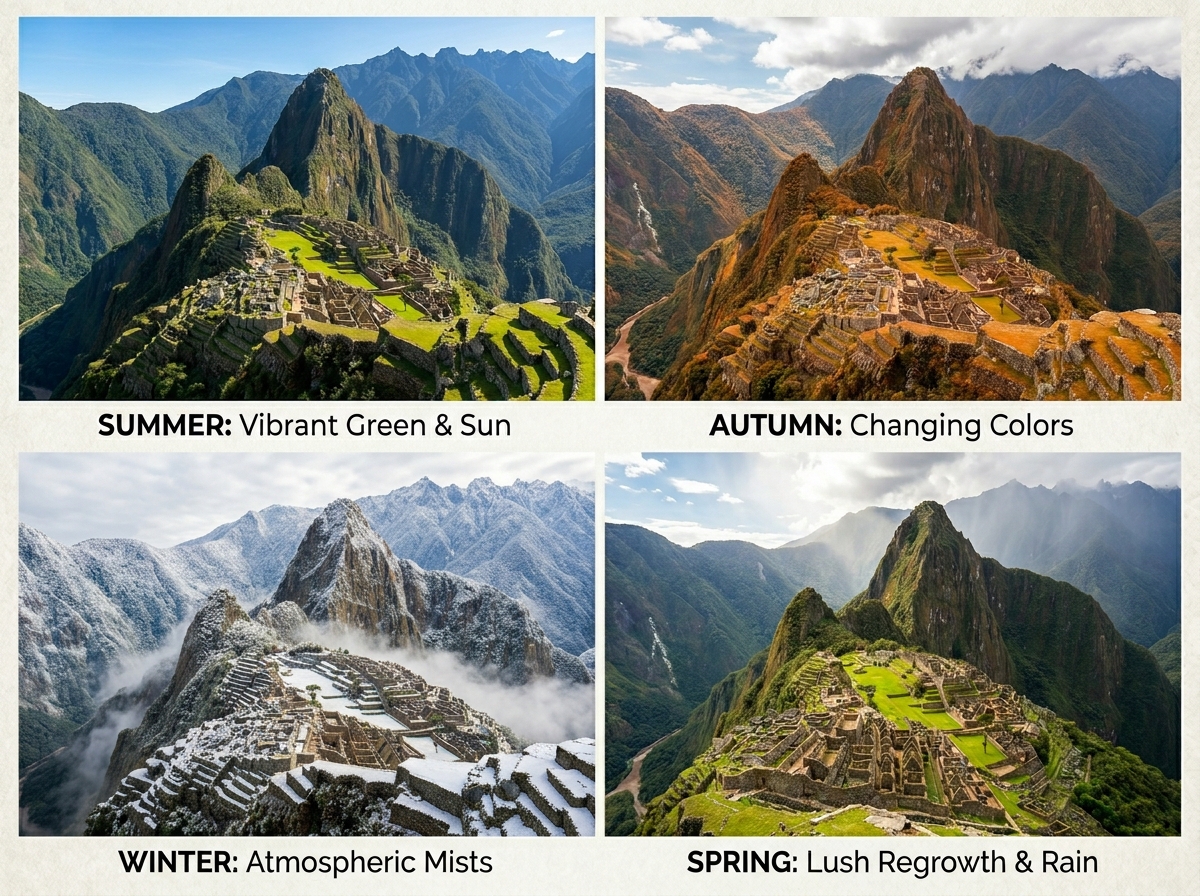
The dry season brings stable weather with clear skies most mornings, lower humidity, and the best conditions for photography. Sunrise over the ruins on a clear dry-season morning, when the mountains are sharp against blue sky, is the image most people picture.
This is also when the site is at its busiest. June through August brings the highest visitor numbers and the highest ticket prices of the year. Peak season daily capacity jumps to 5,600 visitors on specified high-season dates (June 19 to November 2), compared to the standard 4,500 limit on other days.
Best months in dry season: May and September are the strongest value months. They offer dry-season reliability without July’s peak pressure on tickets and accommodation.
Wet Season (November to March)
The wet season means daily rain. Not necessarily all-day rain, but consistent afternoon showers and the genuine possibility of cloud cover sitting over the ruins at any time of day. The landscape turns vivid green. Orchids bloom along the hiking trails. And the mist that rolls over the mountains in the early morning gives Machu Picchu an atmosphere that photographs honestly better than clear days, though you cannot predict or guarantee it.
The trade-offs are real. Views are less reliable. Some trails become slippery. And the Inca Trail closes completely in February for safety and maintenance.
The benefit is equally real. Tickets are far easier to secure on shorter notice. Prices drop meaningfully. And the site feels like a different place without the dry-season crowds.
One exception: December 16 to December 31 and January 1 bring a holiday season spike in both prices and visitors that breaks the usual wet-season quiet pattern.
Month by Month Guide
January
January is one of the cheaper and quieter months, though rainfall is high and clouds can obscure views for most of a visit. The mist on the ruins is atmospheric and frequently photographed for its dreamlike quality. January 1 is designated a high-capacity day (up to 5,600 visitors) due to holiday demand, so avoid that specific date if quiet is the priority.
Best for: Budget travelers who accept variable weather
February
February is the rainiest and least recommended month for most visitors. The Inca Trail closes completely for maintenance from February 1 through the last day of the month. Alternative treks like the Salkantay and Lares routes remain open. Machu Picchu itself stays open, but trail conditions inside the site can be slippery and views are frequently obscured.
Best for: Visitors who have no flexibility in dates and are accepting of wet conditions
March
March sees rainfall decreasing and the transition toward dry season beginning in the second half of the month. The Inca Trail reopens on March 1 and fills fast. Prices remain at wet-season levels for most of the month. Crowds are manageable.
Best for: Budget-conscious travelers wanting to catch the end of wet season, Inca Trail hikers who apply in the early lottery window
April
April is an excellent month. The dry season is establishing itself, rainfall drops noticeably, and the landscape is still lush from the wet season rains. April 17 through 20 are high-capacity dates (Easter week), but the rest of the month is manageable.
Best for: First-time visitors wanting reliable weather at a reasonable price
May
May is widely considered the best month to visit Machu Picchu. The dry season is reliably in place, crowds have not yet reached their June through August peak, and the site still has some greenery from the recent wet season that drier months lose. Tickets need booking, but not with the urgency of peak summer months.
Best for: First-time visitors, families, couples, anyone with flexibility
June
June is the start of peak season and one of the most reliable weather months. Clear skies are consistent, views are sharp, and the dry-season hiking conditions are at their best. High-capacity dates begin June 19, meaning the daily limit rises to 5,600 visitors. Book tickets two to three months ahead.
Best for: Hikers, photographers, visitors who prioritize guaranteed weather and accept peak-season prices and crowds
July and August
July and August are the busiest months of the year. International school holidays from Europe and North America, combined with peak dry-season weather, create the highest demand and lowest ticket availability of the entire year. Tickets for popular time slots and circuits can sell out three to four months in advance.
The weather is excellent. The site is at its most crowded. Circuit 1-A (which includes the classic postcard viewpoint plus Machu Picchu Mountain) has maximum demand. If July or August is your only option, book immediately.
Best for: Visitors with fixed summer schedules who plan far enough ahead
September
September mirrors May’s quality almost exactly. Dry season weather continues, crowds thin noticeably after August, and ticket availability improves. High-capacity season technically continues until November 2, but the drop in visitor numbers from the August peak is meaningful. September is genuinely excellent.
Best for: Anyone who can choose their month, especially those who missed May
October
October is a transitional month. Early October maintains dry-season conditions. Light showers start appearing later in the month as the wet season approaches. An important logistical note for 2026: Circuit 1-A is closed from October 16 through December 29. This circuit covers the classic Guardian’s House postcard viewpoint combined with Machu Picchu Mountain. If this specific route is important to your visit, plan for early October or wait until after December 29.
High-capacity season ends on November 2, so late October moves back toward the 4,500 daily visitor limit.
Best for: Budget travelers wanting one of the last dry-season months at moderating prices
November
November is a strong value month. Prices are dropping from peak season. The wet season is beginning but rainfall is moderate in early November. Ticket availability improves significantly. The site feels notably quieter than July.
Best for: Budget travelers, visitors who prefer a quieter experience
December
Early to mid-December is quiet and affordable. The second half sees holiday pricing return. December 30 and 31 are designated high-capacity days. Circuit 1-A reopens on December 30, which makes late December interesting for those specifically wanting that route.
Best for: Early December for value, late December only if holiday atmosphere is the priority
The 2026 Circuit System: What Has Actually Changed
This is the section every competitor article needs to update for, and most have not yet.
Since June 2024, visiting Machu Picchu is no longer a matter of buying a single ticket and walking wherever you want. The site now operates on three main circuits with ten internal routes, all one-way and color-coded on-site for navigation.
Understanding which circuit you book before you arrive is essential.
Circuit 1 (Red): Upper Terraces and Mountain Access This covers the upper areas of Machu Picchu including the classic panoramic viewpoint from the Guardian’s House, the agricultural terraces, and access to optional mountain hikes. Route 1-A includes Machu Picchu Mountain (the 3,082-metre peak, approximately 4 hours round trip). Route 1-B takes you to the Sun Gate (Intipunku), the traditional arrival point of the Inca Trail. This is the circuit most visitors want for the famous postcard view.
Note: Circuit 1-A is closed October 16 through December 29, 2025 and 2026.
Circuit 2 (Blue): Full Site Including Huayna Picchu Circuit 2 covers both upper and lower areas of the site and includes the option to add Huayna Picchu Mountain (2,720 metres, the dramatic peak visible in most Machu Picchu photographs). Huayna Picchu is limited to 400 visitors per day in two slots (7am and 10am). This is the most physically demanding option but delivers an aerial view of the entire citadel from above. Both the Inca Bridge add-on and the Temple of the Moon are accessible via Circuit 2.
Circuit 3 (Yellow): Lower Temples and Inca Trail Arrivals Circuit 3 covers the lower sections of the site including the Temple of the Sun, Temple of the Condor, the 12 Doorways, and the Water Mirrors. This is the circuit followed by Inca Trail arrivals who enter through the Sun Gate. It does not include the classic panoramic view from the Guardian’s House. The Huchuy Picchu mountain add-on connects to this circuit.
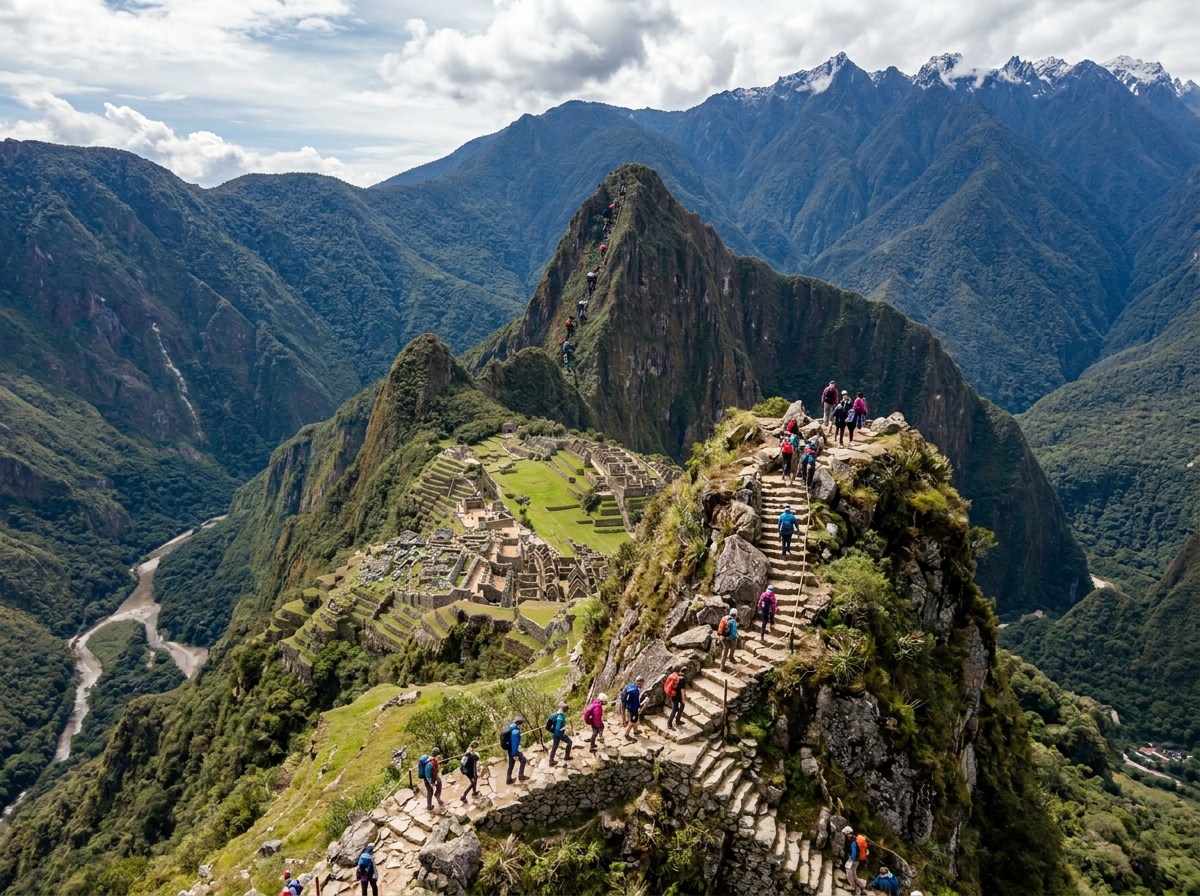
Critical rules that apply to all circuits:
- You cannot combine circuits on the same visit
- You cannot exit and re-enter
- Your passport must match the name on your ticket exactly
- Trekking poles with metal tips are not permitted (rubber-tipped poles are allowed for elderly visitors or those with mobility needs)
- Large backpacks are not permitted inside the site
- Food and eating utensils cannot be brought in
How to Book Machu Picchu Tickets in 2026
Official booking site: tuboleto.cultura.pe
This is the only legitimate government ticket platform. Third-party sellers charge significant markups. Purchasing directly ensures your ticket matches the regulations and avoids the risk of invalid tickets at the gate.
When to book:
- For peak season (June 19 to November 2): At least 2 to 3 months ahead, and up to 4 months ahead for popular July and August dates
- For shoulder season (April, May, September, October): 4 to 8 weeks ahead is usually sufficient
- For wet season (November to March, excluding holidays): 2 to 4 weeks is often enough, with some availability even on shorter notice
In-person tickets: A limited number of tickets (around 1,000 per day) are sold at the Ministry of Culture office in Aguas Calientes. Expect significant queues and no guarantee of availability in peak season. This is a last resort, not a plan.
Student discount: Full-time students with a valid international student ID card receive 50% off all ticket categories.
The Inca Trail: Timing Matters Even More
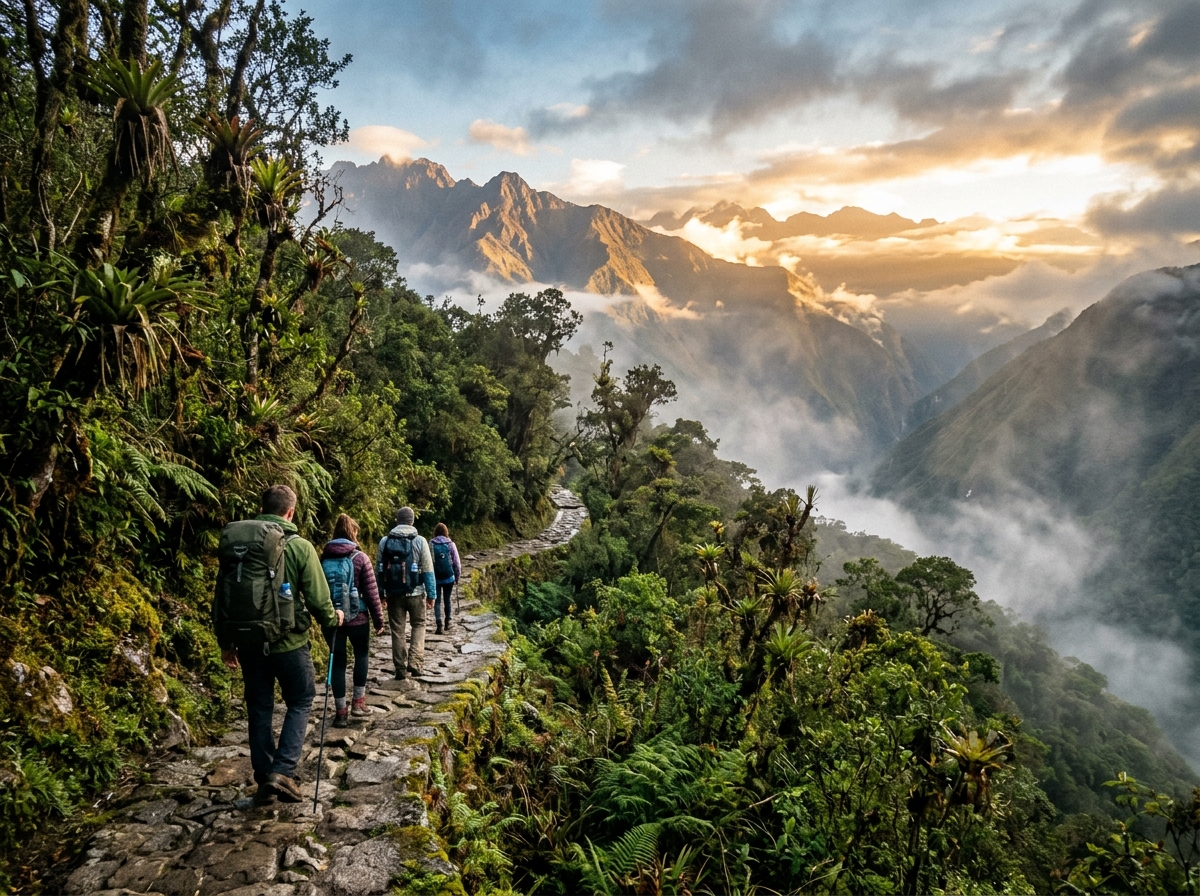
The Inca Trail is the most famous way to approach Machu Picchu, a 4-day, 44-kilometre trek along original Inca stone paths through cloud forest, high mountain passes, and multiple smaller archaeological sites, culminating in the Sun Gate entry to the citadel.
Permits are strictly limited to 500 people per day including guides and porters. They sell out months in advance, particularly for the peak dry-season months.
Important 2026 Inca Trail timing facts:
- The trail closes every February for maintenance. No exceptions.
- Inca Trail permits for June through August often sell out 4 to 5 months in advance
- March permits sell out quickly after the trail reopens on March 1
- Inca Trail trekkers are assigned specific circuits within Machu Picchu upon arrival (Route 1-B or 3-B depending on the package)
- The trail cannot be combined with a Huayna Picchu permit on the same day since arrival times conflict
Alternative treks when the Inca Trail is full:
- Salkantay Trek (5 days): Does not require a permit, consistently excellent, passes beneath the Salkantay glacier
- Lares Trek (4 days): Focuses on Andean communities and weaving culture
- Choquequirao Trek (4 to 6 days): No crowds, no permit required, extraordinary ruins
For any multi-day trek to Machu Picchu, packing the right footwear is the single most important gear decision. The Salomon X Ultra 4 GTX Hiking Shoe (available on Amazon) is waterproof, lightweight for its ankle support level, and has the kind of aggressive grip that handles wet Inca Trail stone steps in early morning mist without sliding. The Gore-Tex lining keeps feet dry through the cloud forest sections that get wet in any season.
Altitude and Acclimatisation: The Gap Most Guides Skip
Machu Picchu sits at 2,430 metres (7,972 feet) above sea level. That is high enough to cause altitude sickness symptoms in many visitors, particularly those arriving from sea level.
But the more significant altitude issue is Cusco, which sits at 3,400 metres (11,152 feet) and is the hub through which virtually all Machu Picchu visitors pass.
Standard acclimatisation guidance:
- Spend at least 2 nights in Cusco before visiting Machu Picchu
- Drink significant extra water from the moment you land in Cusco
- Avoid alcohol and heavy meals on the first evening
- Coca tea is widely available in Cusco and helps many visitors manage altitude symptoms
- Move slowly for the first 24 hours
- Consider spending your first night at a lower elevation in the Sacred Valley (around 2,800 metres) rather than Cusco itself
Symptoms to watch for: headache, nausea, dizziness, and fatigue. These are common and usually pass after 24 to 48 hours. Severe symptoms including confusion, difficulty walking, or breathlessness at rest require immediate medical attention.
The altitude drop between Cusco and Aguas Calientes (the base town for Machu Picchu, at 2,040 metres) is actually a relief for many visitors, making the train journey down to Aguas Calientes the point where they start feeling significantly better.
A quality insulated water bottle keeps drinks hydrated and accessible across the elevation changes between Cusco and the ruins. The Hydro Flask 32oz Wide Mouth Bottle (available on Amazon) holds water cold for 24 hours and hot for 12, which matters on early morning train journeys and on-site visits where you need regular hydration without buying single-use plastic bottles at inflated prices in Aguas Calientes.

Hydro Flask Travel Water Bottle
Getting to Machu Picchu: Timing and Booking Logistics
The train from Cusco or Ollantaytambo to Aguas Calientes
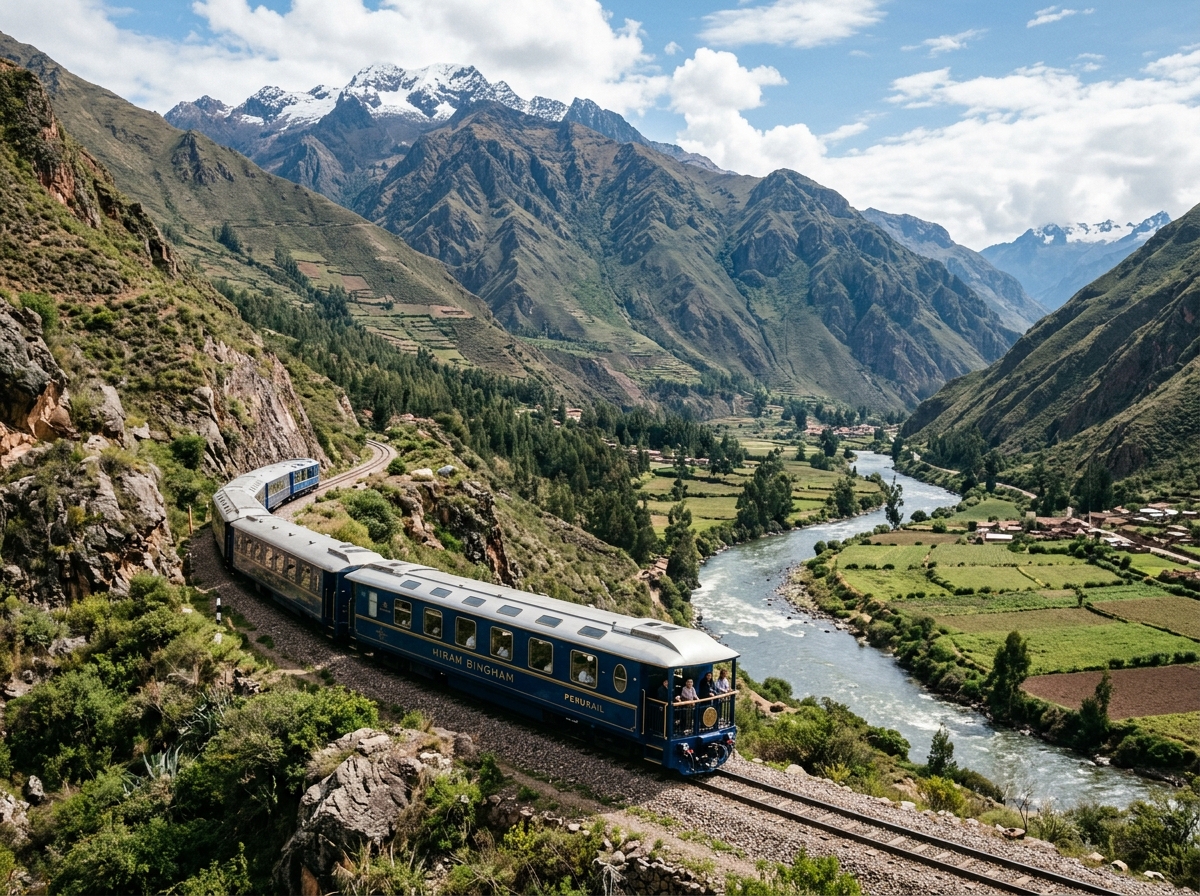
PeruRail and Inca Rail both operate the train service to Aguas Calientes (officially Machu Picchu Pueblo). The journey from Ollantaytambo takes approximately 1.5 hours; from Cusco’s Poroy station it is around 3.5 hours. Most visitors take the train from Ollantaytambo to save time.
Train tickets sell out during peak season. Book them alongside your Machu Picchu tickets, not as an afterthought.
The bus from Aguas Calientes to the ruins
Consettur buses run from Aguas Calientes to the Machu Picchu entrance gate, a 25-minute switchback mountain road journey. Buses begin running around 5:30am. Book bus tickets in advance at consettur.com to avoid the morning queue at the bus terminal, which can be significant.
What Most Machu Picchu Guides Do Not Tell You
The circuit system means you cannot backtrack. Once you enter and start your assigned circuit, you follow it one-way to the exit. If you want to see something you passed without stopping, you cannot go back. Read your circuit description carefully before arriving and decide what matters most to you.
The classic postcard view is on Circuit 1 only. The Guardian’s House panoramic shot, the one that appears on every Machu Picchu poster, is only accessible on Circuit 1. If you book Circuit 3 (yellow), you will not get this view.
Circuit 1-A is closed from October 16 to December 29. This is a 2026-specific closure that almost no existing competitor article has updated for. If you want the full Circuit 1-A experience (which includes Machu Picchu Mountain), visit before October 16 or after December 29.
Your passport must match your ticket name exactly. Entry is controlled. If there is any discrepancy between the name on your ticket and your passport, you will not get in. Book in your exact legal name as it appears in your passport.
The Inca Trail closes every February without exception. Every year without exception, regardless of weather. Plan around this if the Inca Trail approach is important to your trip.
Huayna Picchu sells out faster than any other ticket. With only 400 permits per day, Huayna Picchu permits for peak months can disappear within hours of going on sale. If this is a priority, set a reminder for when tickets open (tuboleto.cultura.pe opens 2026 tickets from November 17, 2025 onward) and book immediately.
Practical Tips Summary
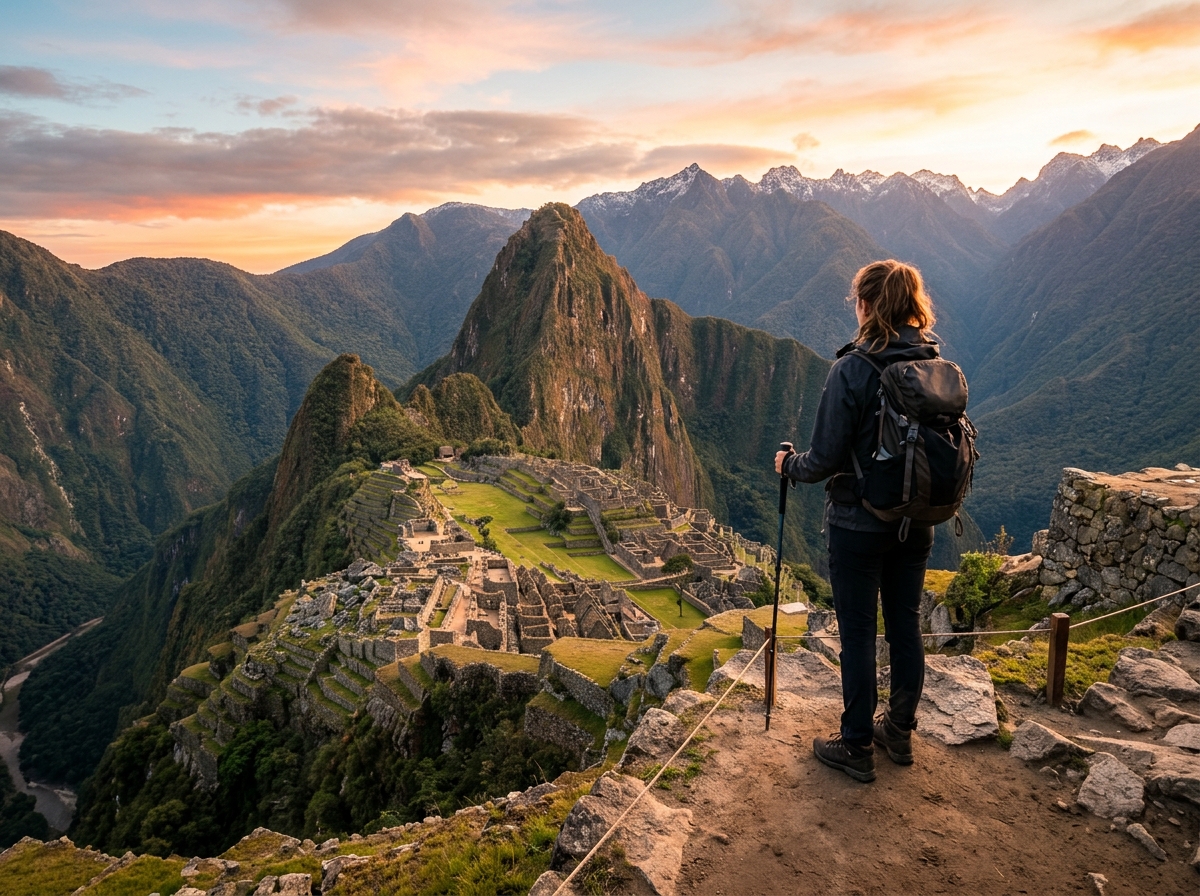
Timing within the day: The first entry slot (6am or 7am, depending on circuit) delivers the best light for photography and the most atmospheric experience before the site fills with tour groups arriving on the morning train.
What to bring: Water, sunscreen, a light rain jacket regardless of season, snacks (food cannot be consumed inside but can be eaten outside the entrance area), and your original passport.
What not to bring: Large backpacks (prohibited inside the site), trekking poles with metal tips, food inside the site, or pets.
Weather in the ruins vs weather at the base: The ruins sit above the train station. Cloud cover at the base does not predict cloud cover at the ruins. Clouds often lift by mid-morning even in the wet season.
A quality rain jacket that packs down small is one of the most practical purchases for any Machu Picchu trip regardless of season. The Outdoor Research Helium Rain Jacket (available on Amazon) weighs under 200 grams, stuffs into its own chest pocket, and provides genuine waterproof protection on wet-season days or unexpected afternoon showers during the dry season. The compact pack size means it fits in the small daypack permitted inside the ruins.

Outdoor Research Men’s Helium Down Hoodie
Quick Reference Table
| Month | Season | Conditions | Crowds | Ticket Availability | Key Notes |
|---|---|---|---|---|---|
| January | Wet | Rainy, misty | Low | Easy | Jan 1 is high capacity |
| February | Wet | Rainiest month | Very low | Easy | Inca Trail CLOSED |
| March | Wet to dry | Improving | Low | Moderate | Inca Trail reopens March 1 |
| April | Dry | Good, some rain | Moderate | Moderate | Easter week is high capacity |
| May | Dry | Excellent | Moderate | Book 4-8 weeks ahead | Best overall month |
| June | Dry | Excellent | High | Book 2-3 months ahead | High season begins June 19 |
| July | Dry | Excellent | Very high | Book 3-4 months ahead | Peak demand |
| August | Dry | Excellent | Very high | Book 3-4 months ahead | Peak demand |
| September | Dry | Excellent | Moderate | Book 4-8 weeks ahead | Underrated month |
| October | Dry to wet | Good early, wetter late | Moderate | Moderate | Circuit 1-A closes Oct 16 |
| November | Wet | Rainy, misty | Low | Easy | High season ends Nov 2 |
| December | Wet | Rainy, misty | Low then high | Easy then harder | Holiday spike late month |
Frequently Asked Questions
What is the best month to visit Machu Picchu?
May and September are the strongest choices. Both sit inside the dry season with reliable weather, but outside the July and August peak when tickets are hardest to secure. May has the advantage of lush post-wet-season greenery. September has the advantage of lower prices as peak season winds down.
Is it worth visiting Machu Picchu in the rainy season?
Yes, for the right traveller. The morning mist creates a genuinely extraordinary atmosphere. Tickets are easier to get and significantly cheaper. The site is quieter. The trade-off is daily rain and the real possibility of cloud cover obscuring views. November and early January are the strongest wet-season months, with a better weather-to-cost ratio than February.
How far in advance do I need to book Machu Picchu tickets?
For peak season (June through August), 2 to 4 months ahead. For Huayna Picchu specifically, as early as possible since only 400 permits exist per day. For shoulder season (May, September, October), 4 to 8 weeks is usually sufficient. Wet season tickets can sometimes be booked with 2 to 3 weeks notice.
Is the Inca Trail open all year?
No. The Inca Trail closes every February for maintenance and safety, without exception. It reopens on March 1. Permits for popular months sell out months in advance. Alternative routes including the Salkantay Trek and Lares Trek do not require the same limited permits and remain open year-round.
Can I just buy a ticket at the gate?
In theory, a limited number of tickets are sold daily at the Ministry of Culture office in Aguas Calientes. In practice, during peak season, these sell out quickly. In wet season, there is a better chance of walk-up availability. Online purchase through tuboleto.cultura.pe is the reliable approach for any trip that cannot afford the risk of unavailability.
Do I need to acclimatise before visiting Machu Picchu?
Yes, but primarily for Cusco (3,400 metres), not for Machu Picchu itself (2,430 metres). Spending at least two nights in Cusco or the Sacred Valley before your Machu Picchu visit significantly reduces the chance of altitude sickness affecting your experience at the ruins.
What is the circuit system at Machu Picchu?
Since June 2024, visitors must choose a specific circuit and route when buying their ticket. Three main circuits cover different areas of the site. Circuit 1 (Red) covers the upper terraces and mountain add-ons including the classic Guardian’s House viewpoint. Circuit 2 (Blue) includes Huayna Picchu Mountain and the full site. Circuit 3 (Yellow) covers the lower temples and is used by Inca Trail arrivals. You cannot combine circuits or backtrack within the site.
Final Thoughts
The best time to visit Machu Picchu is the time that matches what you actually came for.
If you want guaranteed clear skies and the classic postcard view, commit to May through September and book tickets the moment you confirm your dates. If you want the mist, the quiet, and the dramatic low-season atmosphere at a fraction of the cost, November and March give you that with your eyes open about the weather.
What matters more than the month is the preparation. Book tickets before you book flights. Match your circuit to what you want to see inside the site. Spend two nights in Cusco or the Sacred Valley before you go. And start your visit as early in the morning as your entry slot allows.
Machu Picchu delivers regardless of when you arrive. The timing just changes which version of it you get.