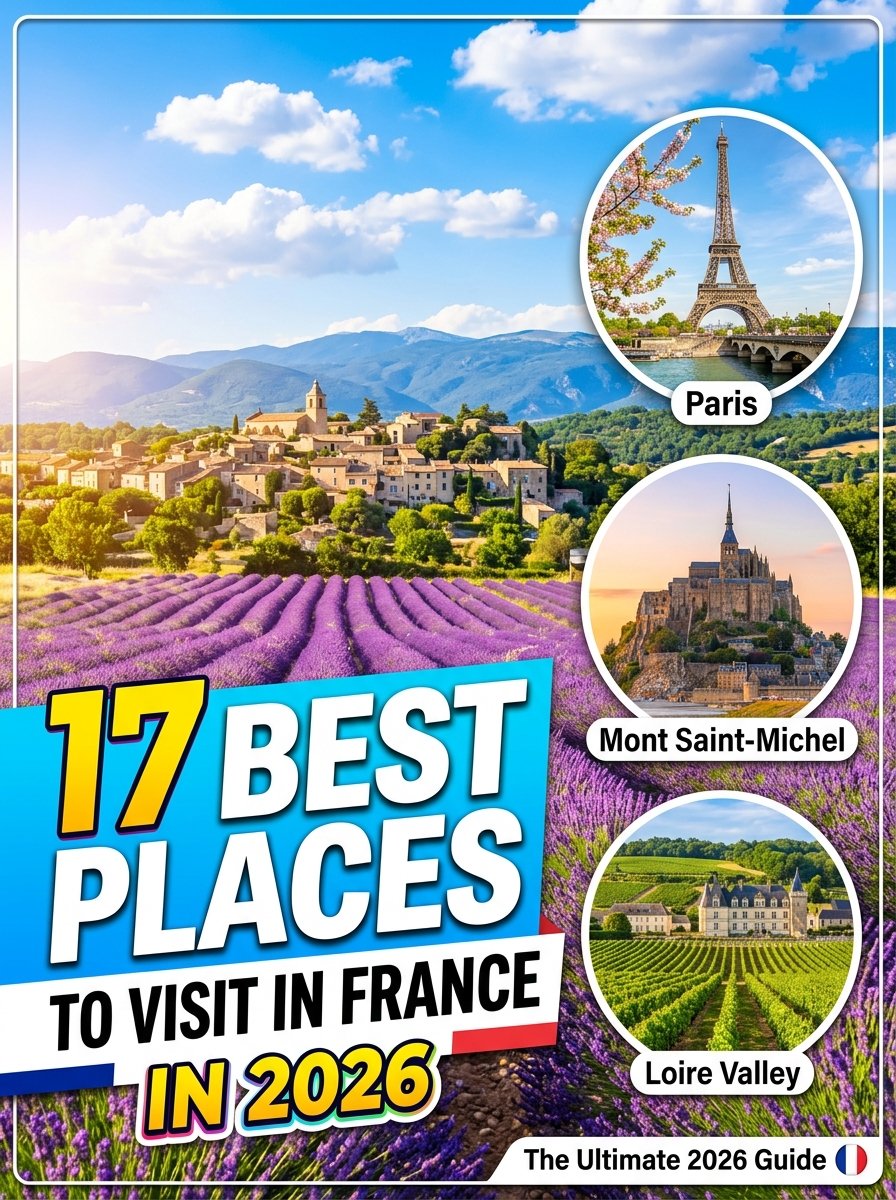
France offers everything from iconic landmarks and world-famous cuisine to charming villages and breathtaking countryside. With so many incredible destinations, choosing where to start can be overwhelming.
This guide highlights the best places to visit in France, combining famous attractions with hidden gems, plus practical tips on transport, budgets, food, and the best time to visit so you can plan your trip with confidence.
Paris
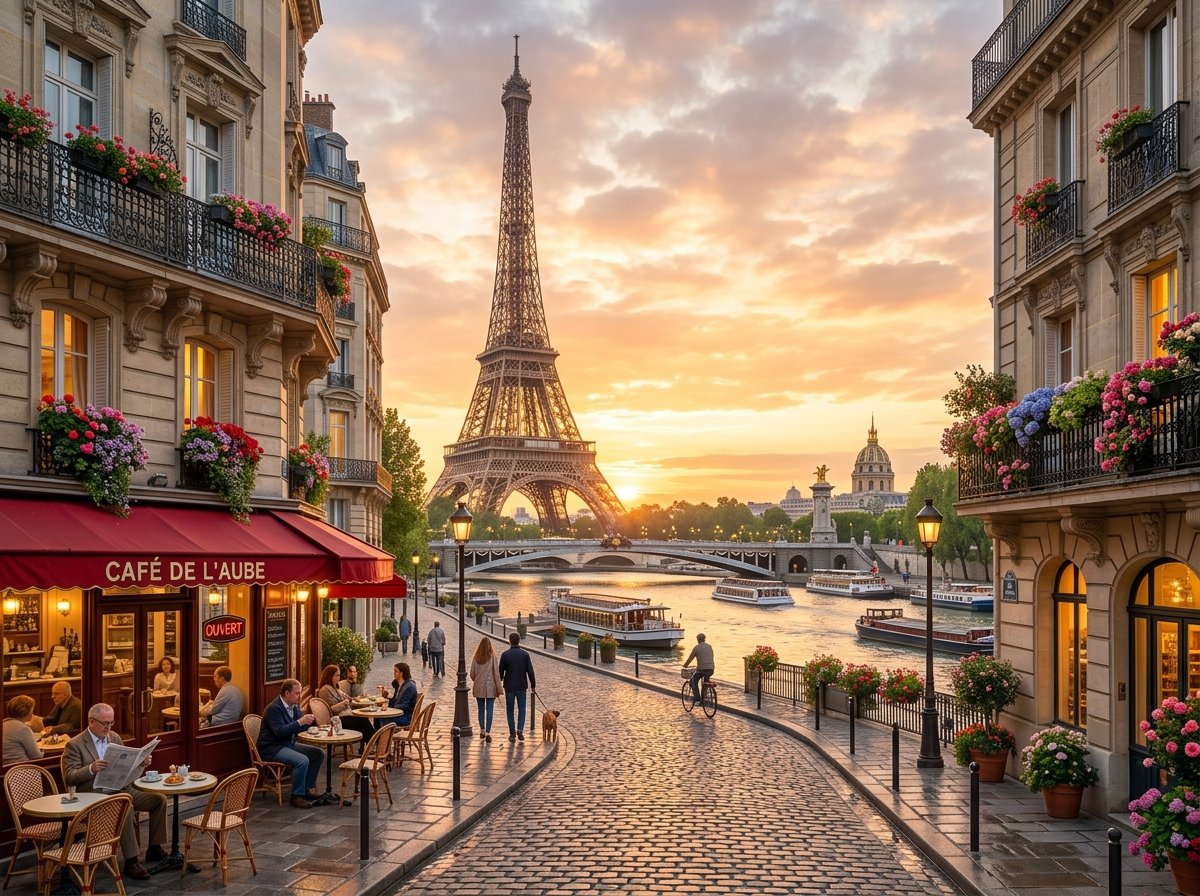
Everyone starts here, and for good reason. Paris is not just a city. It is a collection of villages, each with its own personality.
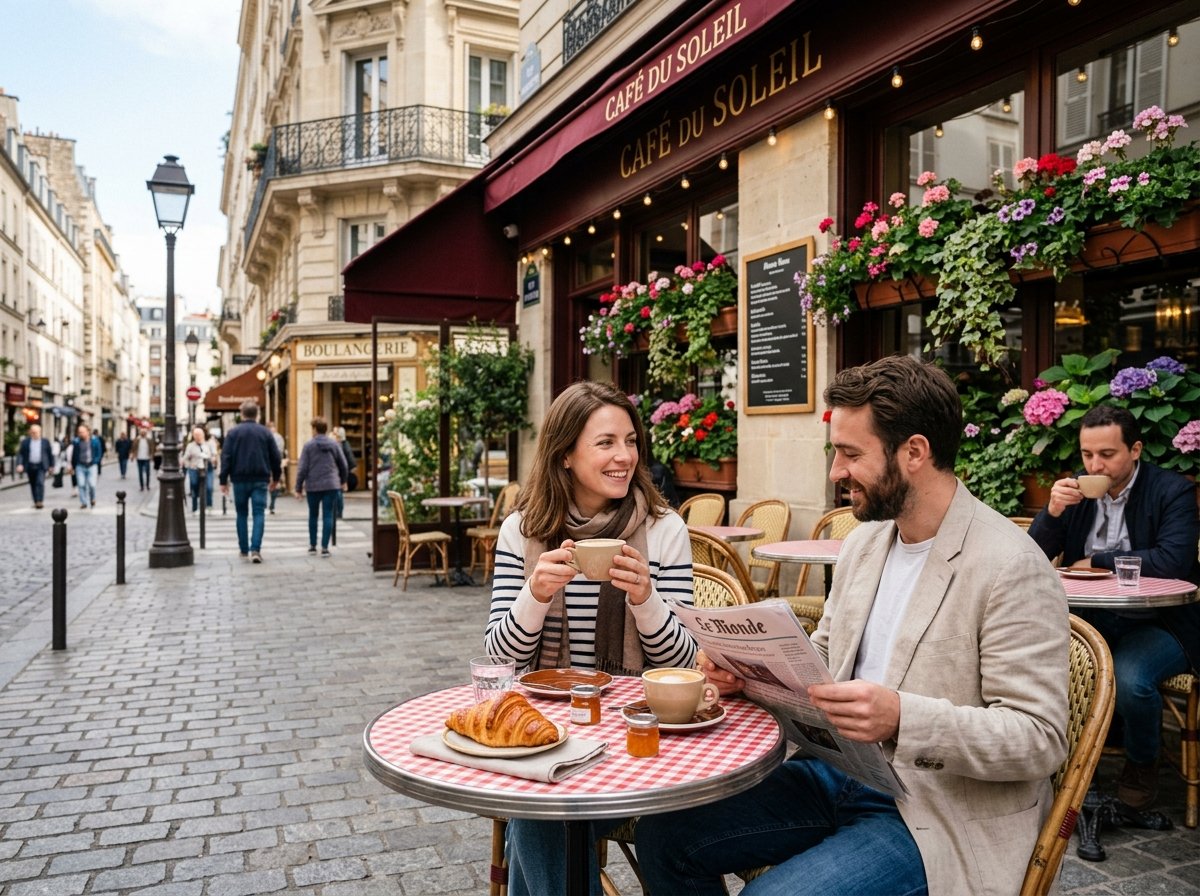
Skip the trap of trying to see everything in two days. Instead, pick two or three arrondissements and explore them slowly. The Marais is perfect for wandering, with its narrow streets, vintage shops, and falafel stands. Montmartre still feels like a village, especially early in the morning before the crowds arrive at Sacré Coeur. The Latin Quarter has bookshops and cafés where you can sit for an hour with a coffee and nobody rushes you.
Do not miss the Canal Saint Martin. It is where locals picnic in summer, and the banks shaded by trees feel nothing like the tourist heavy Seine. For food, Le Petit Cler in the 7th arrondissement does simple French dishes at prices that will not make you wince. If you want to splurge, Septime books up fast but lives up to the hype.
How long to stay: Four days minimum. You need at least two full days for major sights, one for neighborhoods, and one for slow wandering.
The French Riviera
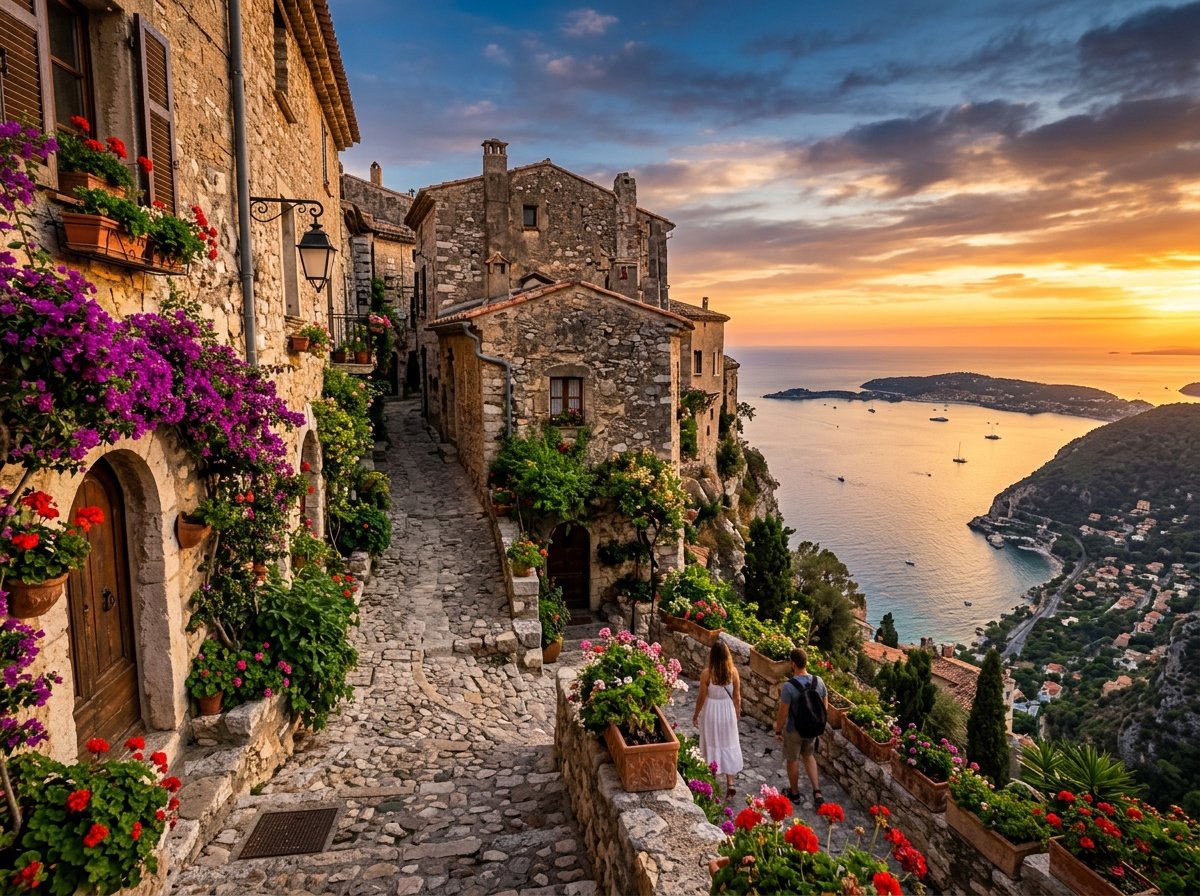
Nice is the gateway, but the real magic lies in the towns around it. The Riviera is where France meets the Mediterranean, and the light here really is different. Painters came here for a reason.
In Nice, walk the Promenade des Anglais at sunrise before the joggers and cyclists take over. The Old Town has markets that smell of lavender, olives, and fresh bread. From Nice, take the train to Antibes for the Picasso Museum and a quieter old town. Villefranche sur Mer has one of the most beautiful harbors on the coast, and you can swim from the pebble beach without fighting through tour groups.
Èze is worth the climb. The village sits on a rock above the sea, and the cactus garden at the top gives you views that stretch to Corsica on clear days. Cannes is overrated unless you come during the film festival, when the people watching alone justifies the trip.
How long to stay: Three to four days. Base yourself in Nice and do day trips.
Provence
Provence is slow travel at its best. The light is golden, the markets are loud, and the rosé is cold. This is where you come to do very little and feel great about it.
Avignon makes a smart base. The Papal Palace is enormous and impressive, but the real joy is the town itself. The bridge everyone sings about is only half there, which makes it more interesting. From Avignon, rent a car and drive to the Luberon villages. Gordes looks like it was carved from the rock it sits on. Roussillon glows red from the ochre cliffs behind it. Lourmarin has a Renaissance château and a weekly market where you can buy goat cheese, tapenade, and fabric in one loop.
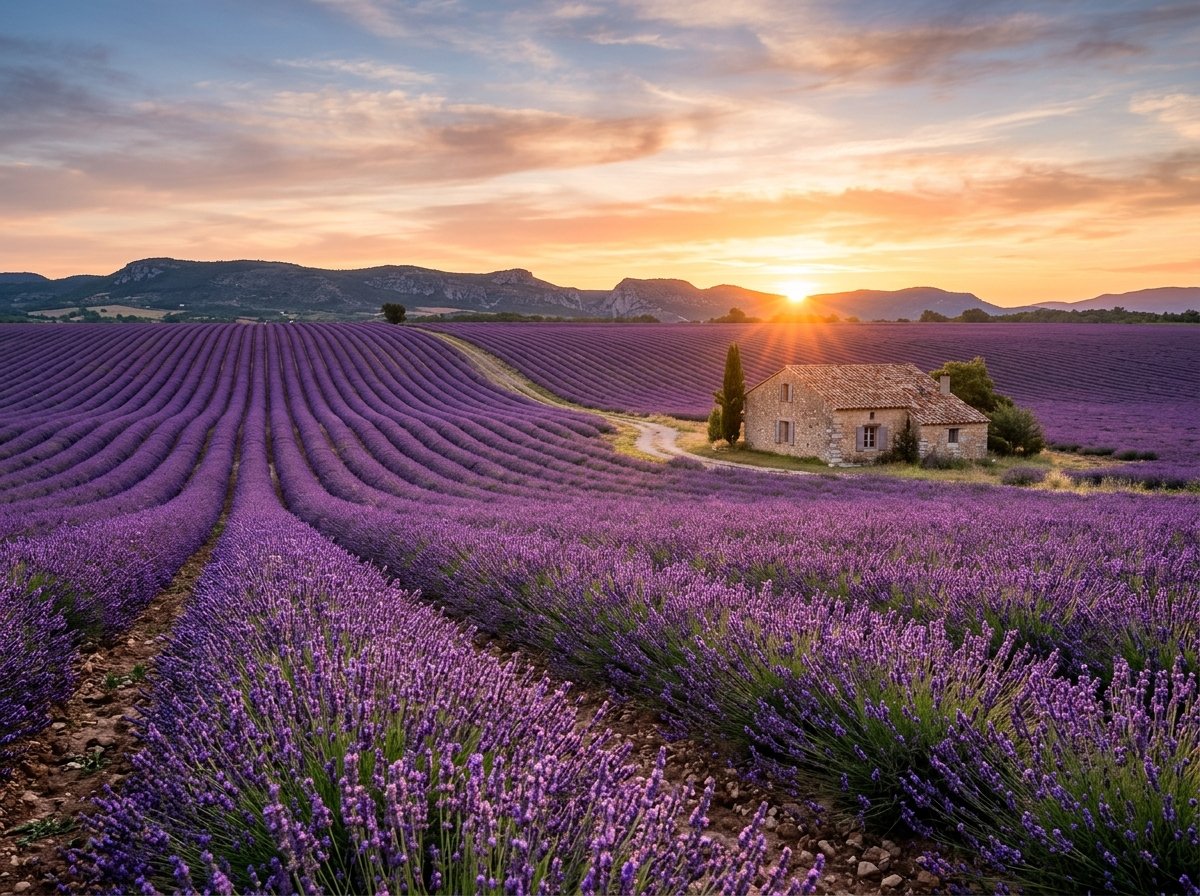
The lavender fields around Valensole bloom from late June to mid July. If you want photos without crowds, go at sunrise. The bees are still sleepy, and the light is soft.
How long to stay: Four to five days. You need a car for the villages.
The Loire Valley
This is castle country, but that description sells it short. The Loire Valley is about riverside bike rides, white wines, and gardens that look like they were painted.
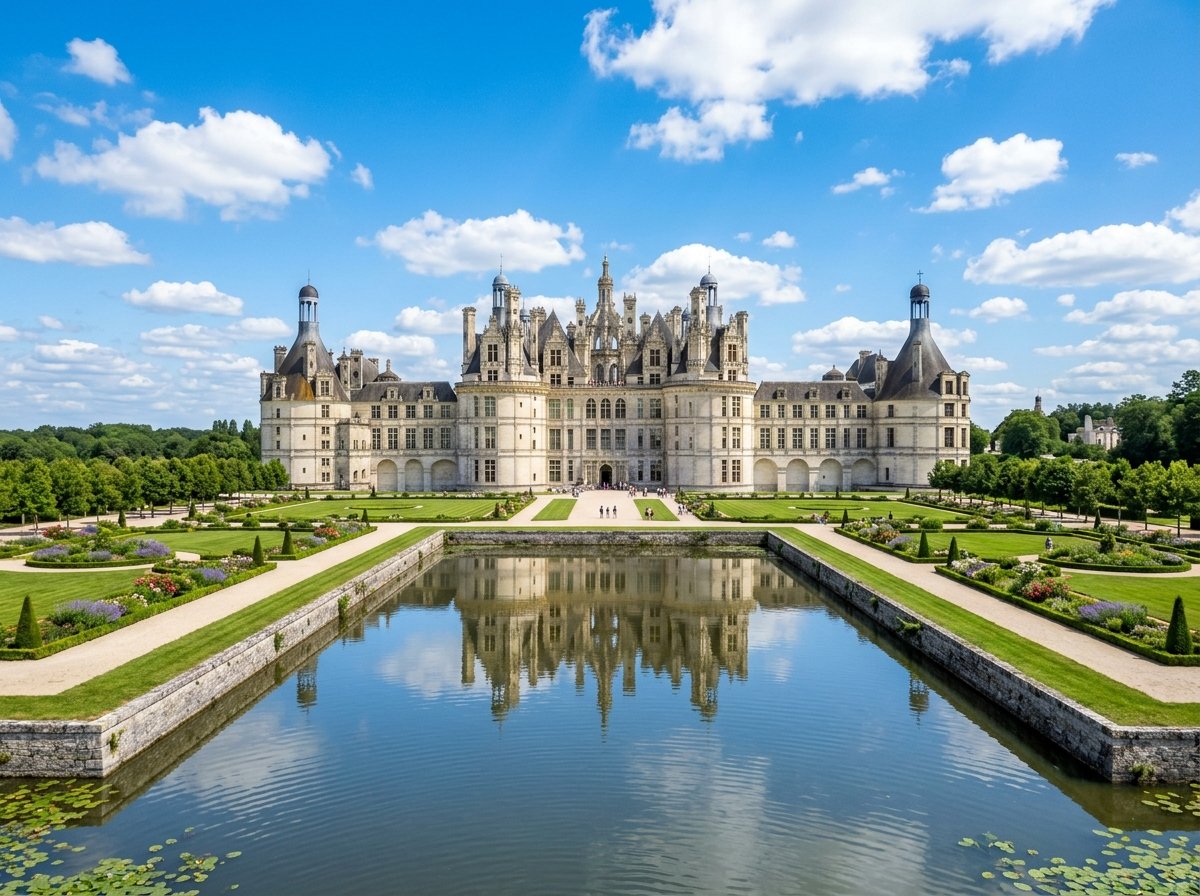
Chambord is the biggest and most famous, with its double helix staircase designed by Leonardo da Vinci. Chenonceau stretches across the river like a stone bridge, and the gardens by Diane de Poitiers and Catherine de Medici are worth the ticket alone. But do not skip Amboise. The town has a royal château, a market on Sunday mornings, and the best ice cream shop in the region.
You can cycle between châteaux on marked paths that follow the river. The routes are flat, clearly signed, and pass through vineyards where you can stop for a tasting. Bring a reusable water bottle and fill up at the village fountains. They are safe to drink and the water is cold.
How long to stay: Three days. Two for châteaux and one for cycling and wine tasting.
Alsace
Alsace looks like a storybook and eats like a dream. The houses with exposed wooden beams, the flower boxes, the smell of fresh pretzels in the air. This region has changed hands between France and Germany so many times that it feels like its own country.
Strasbourg is the capital, and the cathedral will stop you in your tracks. The astronomical clock inside is a marvel of medieval engineering. Petite France is the old fishermen’s quarter, and the canals reflect the timbered houses like mirrors. Colmar is smaller and prettier, if that is possible. The old town is compact, and you can walk it in a morning. Do not leave without trying tarte flambée, which is like a thin pizza with cream, onions, and bacon.
The Alsace Wine Route runs from Marlenheim to Thann, passing through villages like Riquewihr and Eguisheim. You can drive it in a day, but you will want to stop every ten minutes. The Rieslings here are dry and mineral, nothing like the sweet versions you might have tried elsewhere.
How long to stay: Three days. One for Strasbourg, one for Colmar, and one for the wine route.
Lyon
Lyon is where France goes to eat. The city has more restaurants per capita than any other in the country, and the food is serious. This is bouchon territory, those small bistros that serve hearty dishes like quenelles, andouillette, and tablier de sapeur. If offal is not your thing, the salads and roast chicken are just as good.
The old town sits between two rivers, the Saône and the Rhône. The traboules are secret passageways that silk workers used to carry goods without getting wet. Some are open to the public, and you can find maps at the tourist office. The Presqu’île is the peninsula between the rivers, and it is where you will find the best shopping and the beautiful Place Bellecour.
Lyon also has Roman ruins on the hill of Fourvière, including a theatre that still hosts concerts in summer. The basilica at the top is over the top in the best way, all gold mosaics and marble.
How long to stay: Two to three days. Come hungry.
Normandy
Normandy is green, moody, and deeply moving. The coastline is dramatic, the apples are everywhere, and the history is impossible to ignore.
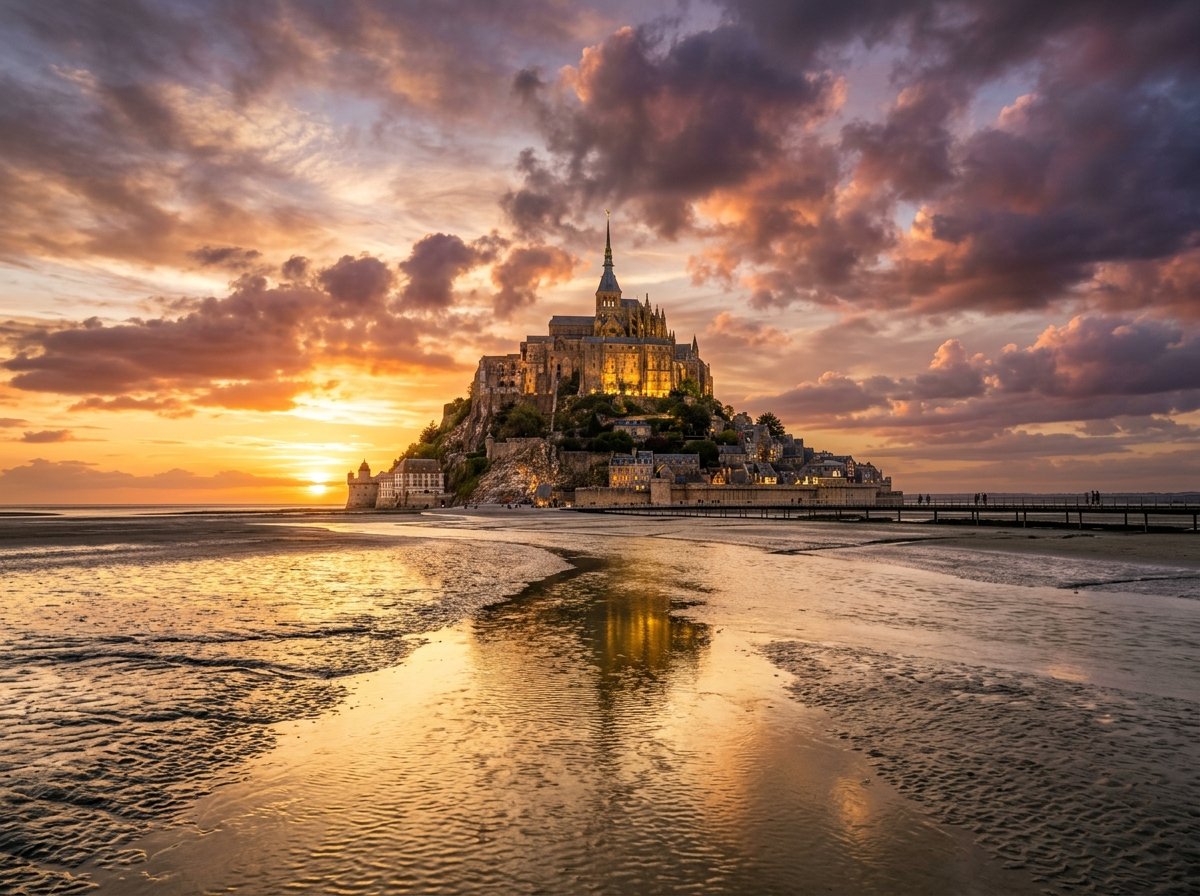
Mont Saint Michel is the headline act. The abbey sits on a rock in the bay, and at high tide it becomes an island. The trick is to stay overnight. The visitors who come for the day leave by six, and the village belongs to the few hundred people who remain. Walk the ramparts at dusk. The light on the sand flats is extraordinary.
The D Day beaches are essential. Omaha Beach and the American Cemetery are handled with real dignity. The visitor center at Caen does an excellent job of explaining the context without glorifying war. After the history, head to Honfleur. The harbor is lined with tall narrow houses, and the light has drawn painters for centuries. Try the Camembert here. It is nothing like the plastic wrapped version you find in supermarkets back home.
How long to stay: Three days. One for Mont Saint Michel, one for the beaches, and one for Honfleur and food.
The Dordogne
The Dordogne feels like France from another century. The villages are honey colored, the rivers are slow, and the caves contain paintings that are seventeen thousand years old.
Sarlat la Canéda is the main town, and its market on Saturday mornings is one of the best in the country. You will find truffles in winter, foie gras year round, and walnuts in every form imaginable. The village of La Roque Gageac sits under a cliff and faces the river. You can rent a canoe and paddle past castles that look like they belong in a film set.
The Lascaux caves are a short drive away. The original is closed to protect the art, but Lascaux IV is a stunning replica that uses the same pigments and techniques. It is surprisingly emotional to stand in front of paintings made by people who lived millennia ago.
How long to stay: Three to four days. You need a car.
Brittany
This is the gap the other guides missed entirely. Brittany is wild, windy, and wonderful. The coastline is rugged, the cider is strong, and the crêpes are thin and crispy.
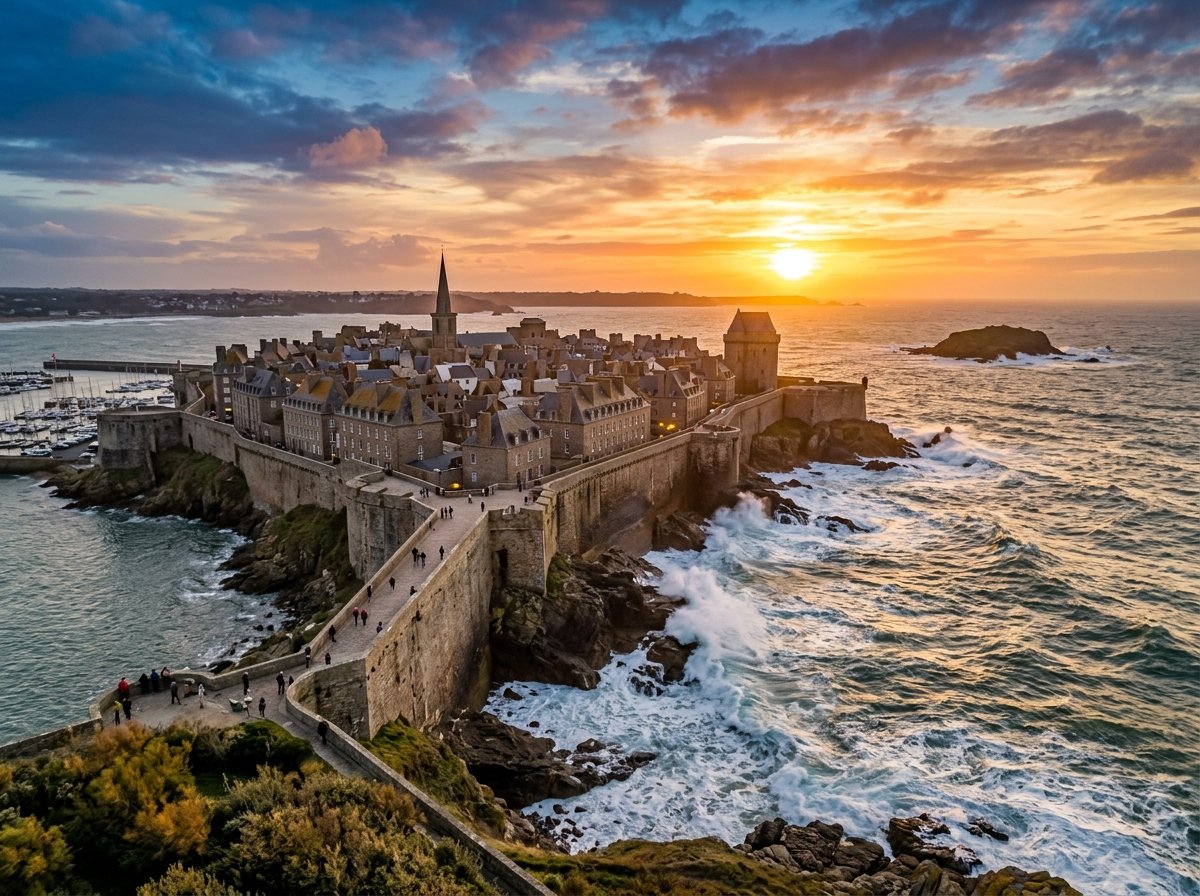
Saint Malo is a walled city on the sea. You can walk the ramparts in an hour, and the views of the tides are hypnotic. The inner streets are full of crêperies and seafood restaurants. Try the cotriade, which is a fish stew made with the catch of the day. Dinan is inland, with a port on the Rance River and a medieval center that climbs up the hill. The houses with wooden frames here are some of the oldest in France.
The Pink Granite Coast lives up to its name. The rocks really do glow rose at sunset. Bring a windbreaker. The Atlantic breeze is constant and can be cold even in July.
How long to stay: Three days. One for Saint Malo, one for Dinan, and one for the coast.
Champagne
No competitor gave Champagne the attention it deserves. Reims is just forty five minutes from Paris by train, yet most travelers skip it.
The Notre Dame cathedral in Reims is where French kings were crowned for centuries. The stained glass includes windows by Marc Chagall. Beneath the city lies a network of chalk caves where millions of bottles age in the dark. Houses like Veuve Clicquot and Taittinger run tours that end with a glass of bubbly underground. In Épernay, the Avenue de Champagne is lined with mansions owned by the great houses. You can walk from one tasting room to the next.
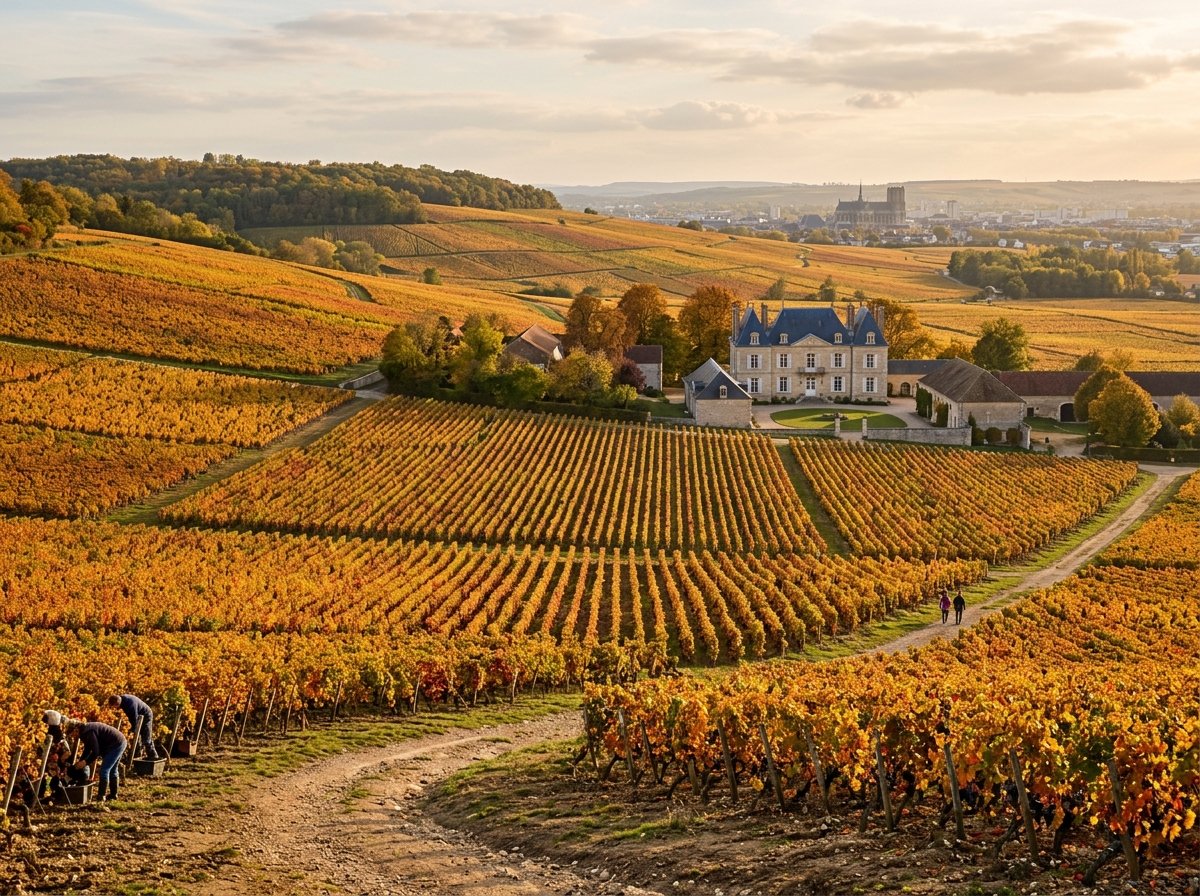
This is the easiest food and wine region to add to a Paris trip. Come for the day, or stay overnight to avoid rushing.
How long to stay: One to two days.
What to Pack
Packing light makes train travel easier. I never go to France without compression packing cubes. They let you fit twice as much into a carry on, and they keep your clothes organized when you are moving hotels every two nights. The Eagle Creek Pack It cubes are durable and come in sets of three. You can grab them on Amazon before you leave.
Also bring a universal travel adapter with USB ports. French outlets use Type C and Type E plugs, and hotels rarely have enough sockets for all your devices. The EPICKA universal adapter works in France and pretty much everywhere else, and it has four USB ports so you can charge your phone, camera, and earbuds at the same time.

4-Piece Packing Cubes
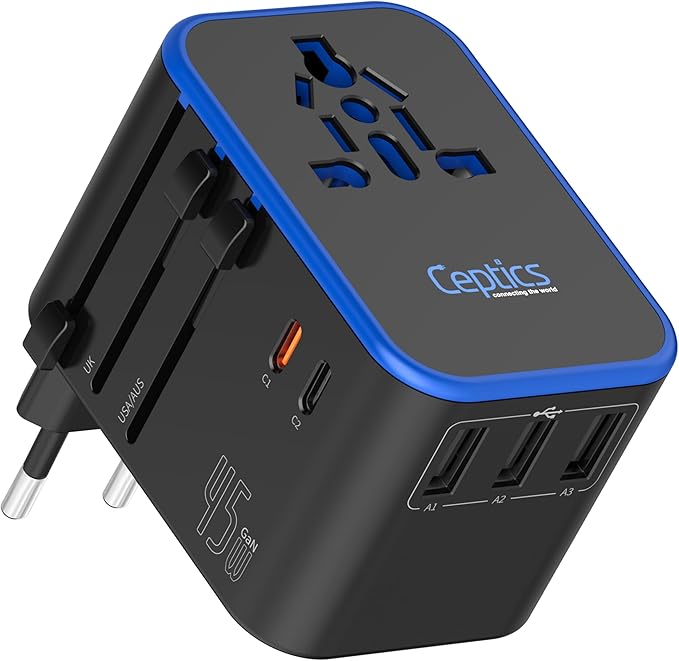
Ceptics Universal Travel Adapter
What Other Guides Forget to Tell You
This is where most articles stop. But you still need to know how to get around, when to go, and what things cost. Here is what the others left out.
How to Get Around
France has one of the best train networks in the world. The TGV connects Paris to Lyon, Bordeaux, Nice, and Strasbourg in under three hours. Book tickets three months in advance for the cheapest fares. The SNCF Connect app is easy to use and accepts foreign credit cards.
For the Dordogne, Provence villages, and the Alsace wine route, you need a car. Rent from a city train station, not the airport, to avoid extra fees. Driving in France is straightforward, but tolls add up fast. Budget around twenty euros per hundred kilometers on motorways.
Best Time to Visit Each Region
Paris is good year round, but April to June and September to October have the best weather and fewer crowds. The Riviera is best in May, June, and September. July and August are hot and packed. Provence shines in late June for lavender, but September is better for wine harvests and empty roads. Alsace is magical at Christmas but busy. Spring and early autumn are ideal for the wine route. Normandy is best in late spring and early autumn. The Dordogne is perfect in May and September when the rivers are warm enough to swim.
What to Eat Where
Every region has a dish you should not miss. In Lyon, eat at a bouchon. In Provence, try bouillabaisse in Marseille or ratatouille in Nice. The Loire Valley is famous for rillettes and goat cheese. Normandy does oysters, Camembert, and tarte tatin. Alsace gives you choucroute and tarte flambée. Brittany is all about crêpes and seafood.
How Many Days You Need
If you have one week, do Paris and one other region. If you have ten days, add the Loire Valley or Normandy. Two weeks lets you do Paris, the Riviera, and Provence comfortably. Three weeks is the sweet spot for a road trip through the southwest and up to Brittany.
Budget Tips
France is not cheap, but it does not have to break the bank. Lunch menus are often half the price of dinner for the same food. Markets are your friend. Buy bread, cheese, and fruit for picnics, and you will eat well for under ten euros. Museums are free on the first Sunday of each month. Water is free at fountains and in restaurants if you ask for a carafe. Tap water in France is safe and tastes fine.
FAQs
What is the best place to visit in France for first timers?
Paris is the obvious answer, but pair it with one other region. The Loire Valley is easy to reach by train and gives you a completely different feel from the city.
How many days do I need in France?
Ten days is the minimum for a satisfying first trip. Two weeks is ideal. Anything less and you will spend half your time in transit.
Is France expensive to visit?
It depends on your choices. Paris hotels are pricey, but food can be cheap if you eat markets and bistros. Regional France is much more affordable than the capital.
Do I need to speak French?
In Paris and major tourist areas, English is widely spoken. In villages and smaller towns, a few phrases go a long way. Bonjour, merci, and parlez vous anglais will get you surprisingly far. Bring a pocket phrasebook for menus and train stations. The Lonely Planet French Phrasebook is small, cheap, and covers everything from ordering wine to handling emergencies. It is on Amazon and fits in any day bag.
What is the cheapest way to travel around France?
Book TGV tickets early. Use buses for shorter hops. Rent a car only when you need one, and split costs if you are traveling with others.
Is the south of France worth it?
Yes, but choose your timing. The Riviera in August is stressful. The same coast in May or September is glorious.
Can I drink tap water in France?
Yes. Tap water is safe everywhere in France. Ask for une carafe d’eau at restaurants and it is free.
Final Thoughts
France rewards the curious. The best trips are not the ones where you tick off twenty sights in a week. They are the ones where you sit in a café in Lyon and watch the market set up. They are the mornings when you cycle past a château in the Loire and stop because the light on the river is perfect. They are the evenings in a village in Provence when the only sound is cicadas and clinking glasses.
Pick three or four places from this list. Give them time. Eat the local dish. Talk to the person selling cheese at the market. That is how you do France right. Safe travels. And do not skip the second glass of wine.