Niagara Falls welcomes around 12 million visitors every year, but your experience depends entirely on when you visit. Summer brings warm weather, peak crowds, and higher prices, while winter offers frozen scenery, fewer tourists, and much lower hotel rates. The waterfalls flow year-round, but the atmosphere changes dramatically with each season.
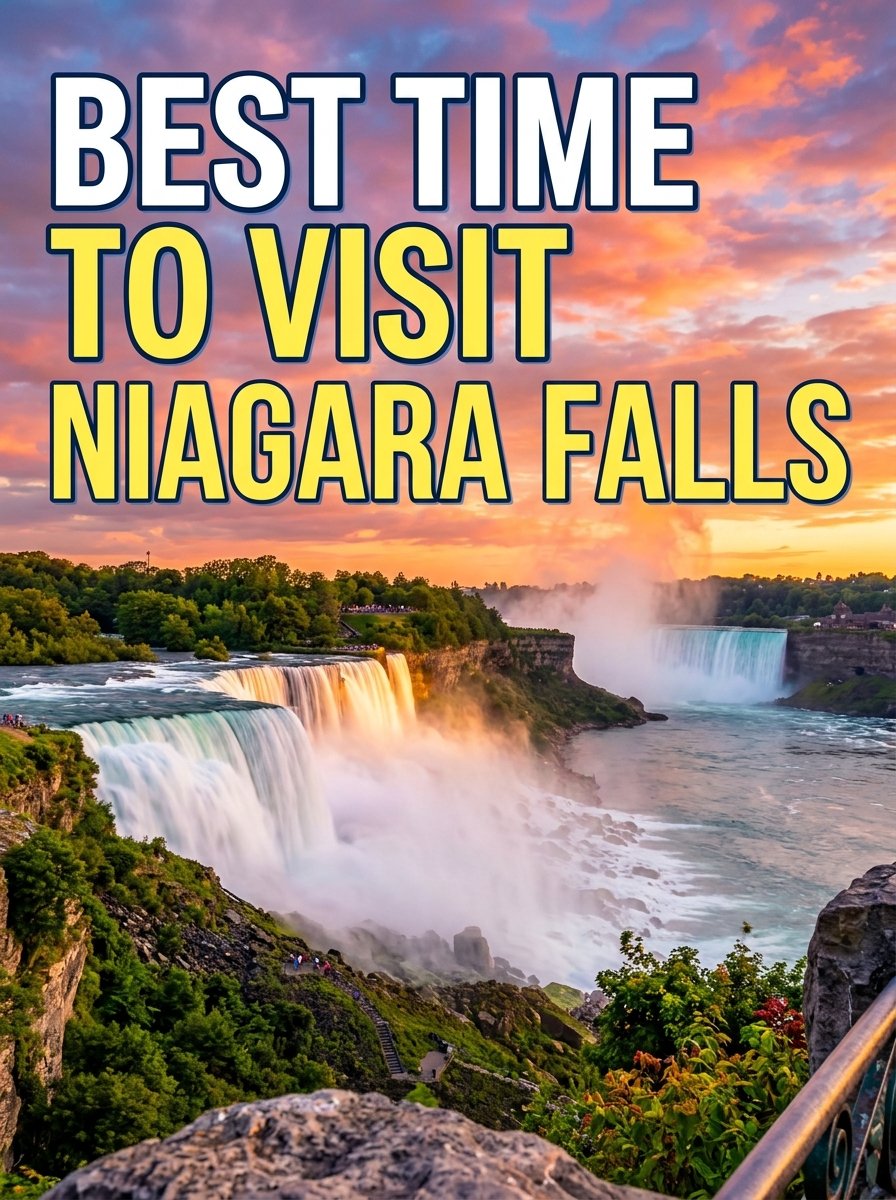
This guide explains the best time to visit based on weather, crowds, costs, and activities so you can plan the right trip.
Why Timing Your Visit Actually Matters
Most people treat Niagara Falls like a one-size-fits-all destination. It is not.
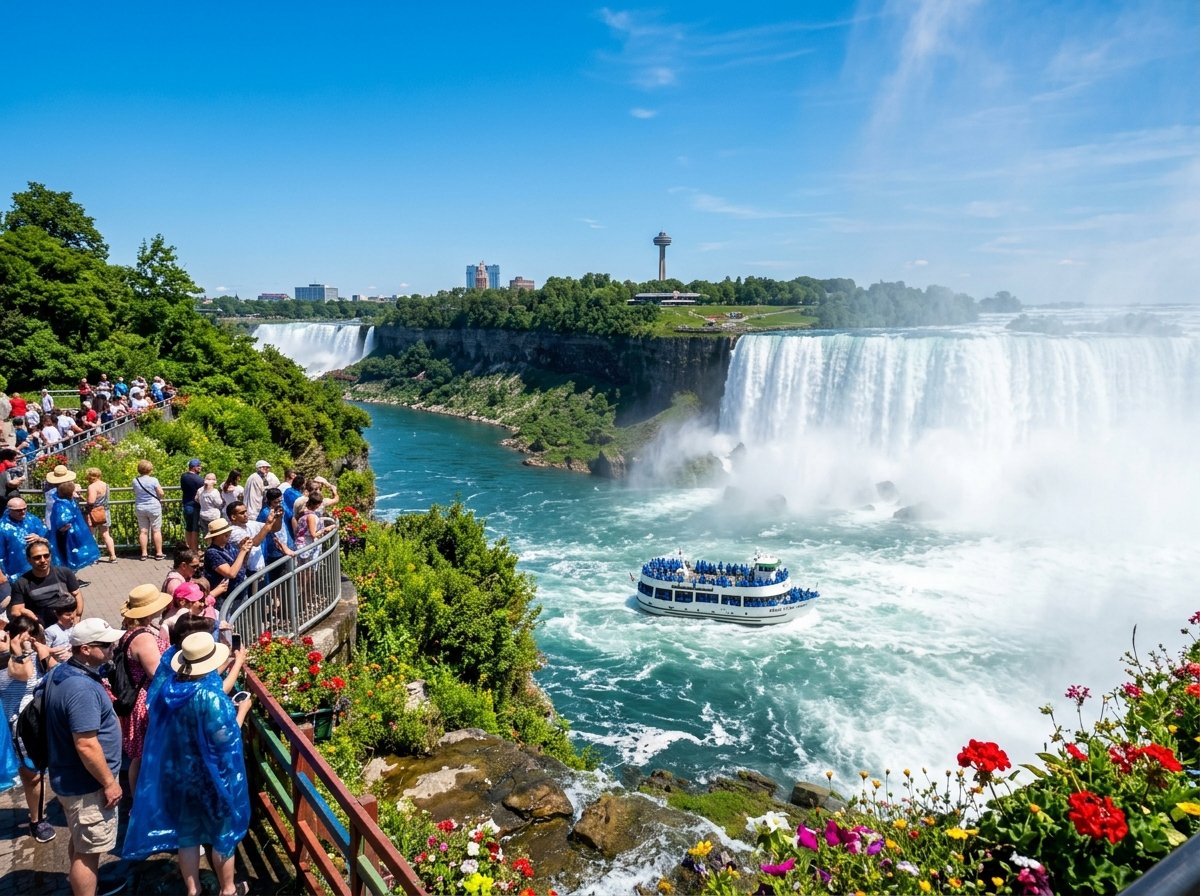
In summer, you might wait two hours for the Maid of the Mist. In winter, you might walk right onto the boat. In spring, the water volume hits its yearly peak. In fall, the surrounding gorge explodes with color that makes the Falls look even more dramatic.
Your budget matters too. Hotel rates on the Canadian side can swing from $120 to $450 for the same room depending on the month. Attraction packages cost more in peak season. Parking doubles in price.
Then there is the practical side. Some attractions close in winter. Others only run on weekends in the shoulder seasons. If you show up expecting the Cave of the Winds in January, you will be disappointed.
The bottom line: timing is not just about pretty pictures. It shapes your entire trip.
The Quick Answer: Best Overall Time to Visit
If you want the sweet spot of good weather, manageable crowds, open attractions, and reasonable prices, late September through mid-October is your window.
Here is why this period wins:
- Temperatures hover between 55°F and 70°F — comfortable for walking, hiking, and boat tours
- Fall foliage peaks in mid-to-late October around the Niagara Gorge
- Crowds drop sharply after Labor Day (first Monday in September)
- Hotel rates fall 30–40% compared to July and August
- All major attractions remain open through mid-October
- Rainfall is lower than in spring
If you can only pick one week, aim for the second or third week of September. You get summer-like weather without summer-like chaos.
Month-by-Month Breakdown
January
Weather: Highs around 32°F, lows near 18°F. Snow is common but not guaranteed.
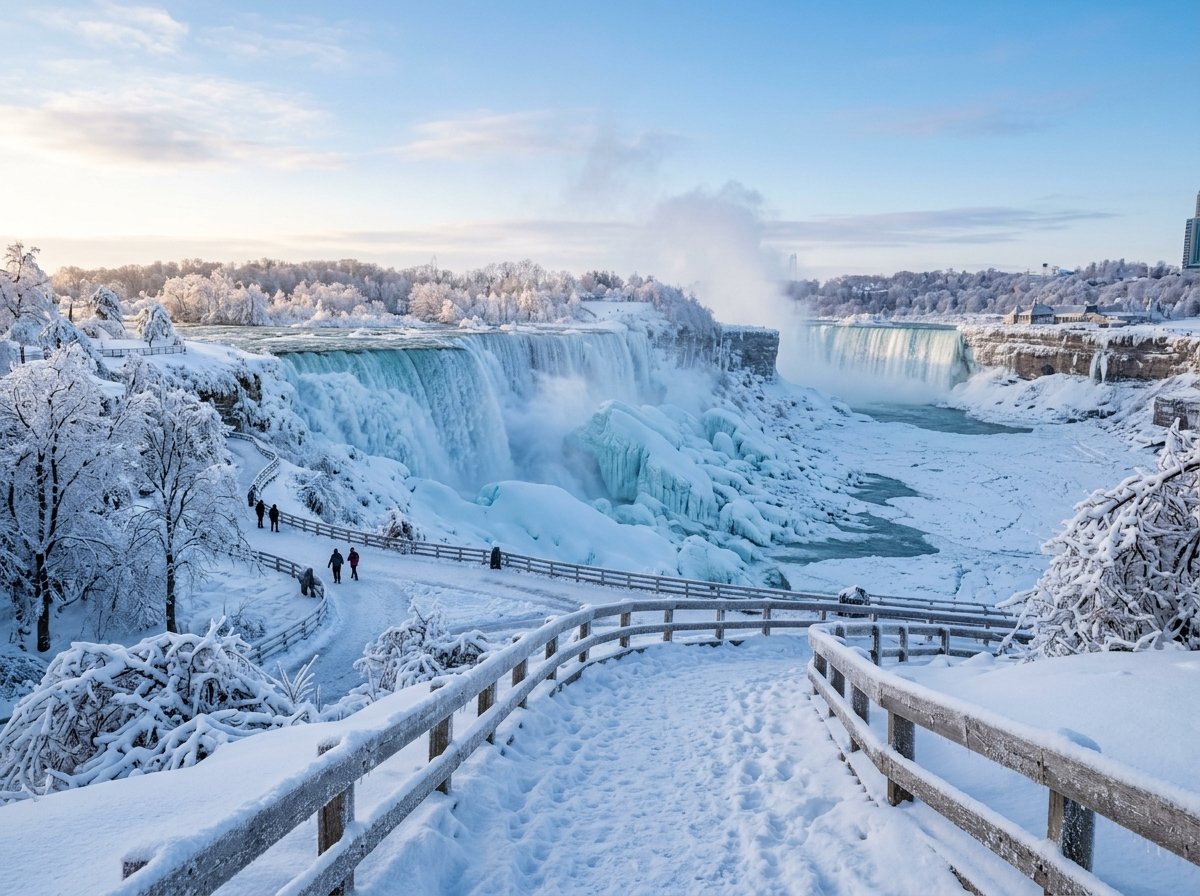
What to expect: The quietest month of the year. You might see ten other people at the main overlook. The mist from the Falls freezes onto nearby trees and railings, creating an otherworldly ice landscape. The Canadian side runs its Winter Festival of Lights through early January.
Attractions: Maid of the Mist and Cave of the Winds are closed. The Niagara Parks Power Station and tunnels stay open. The Skylon Tower runs year-round. Most Clifton Hill attractions on the Canadian side remain open.
Pros: Dirt-cheap hotels. No lines anywhere. The frozen mist is genuinely stunning.
Cons: Bitter cold. Wind off the river makes it feel worse. Limited dining and activity options. Some restaurants close for the season.
Best for: Budget travelers, photographers who want empty frames, anyone who loves winter scenery.
What to pack: Thermal base layers, waterproof boots with good traction, hand warmers, a windproof jacket. The mist will coat you in ice if you stand too close.
February
Weather: Similar to January. Highs around 33°F, lows near 19°F. This is often the coldest stretch.
What to expect: Still very quiet. The ice bridge sometimes forms at the base of the Falls when it gets cold enough, though this is rare and unpredictable. The frozen landscape is at its most dramatic.
Attractions: Same as January. Indoor attractions dominate.
Pros: Lowest hotel rates of the year. Empty viewpoints. If you catch a clear day after fresh snow, the photos are unreal.
Cons: The cold is brutal. Wind chill can drop below zero. Almost everything outdoors is closed or miserable.
Best for: Hardcore photographers, anyone doing a winter road trip through the Northeast.
What to pack: Everything from January, plus extra hand warmers. Your phone battery will die fast in the cold. Bring a portable charger.
March
Weather: Highs creep to 42°F, lows around 27°F. Still cold, but the sun starts to feel warmer. Melting snow creates muddy conditions on trails.
What to expect: A weird in-between month. Winter is technically ending, but spring has not arrived. Trails are slushy. Some attractions start reopening in late March, but schedules are inconsistent.
Pros: Hotel rates remain low. Crowds are thin.
Cons: The weather is unpredictable and often ugly. Not enough snow for winter charm, not enough warmth for comfort. This is my least favorite month.
Best for: Not many people. Skip March if you can.
April
Weather: Highs around 55°F, lows near 38°F. Rain is common — April averages about 3 inches.
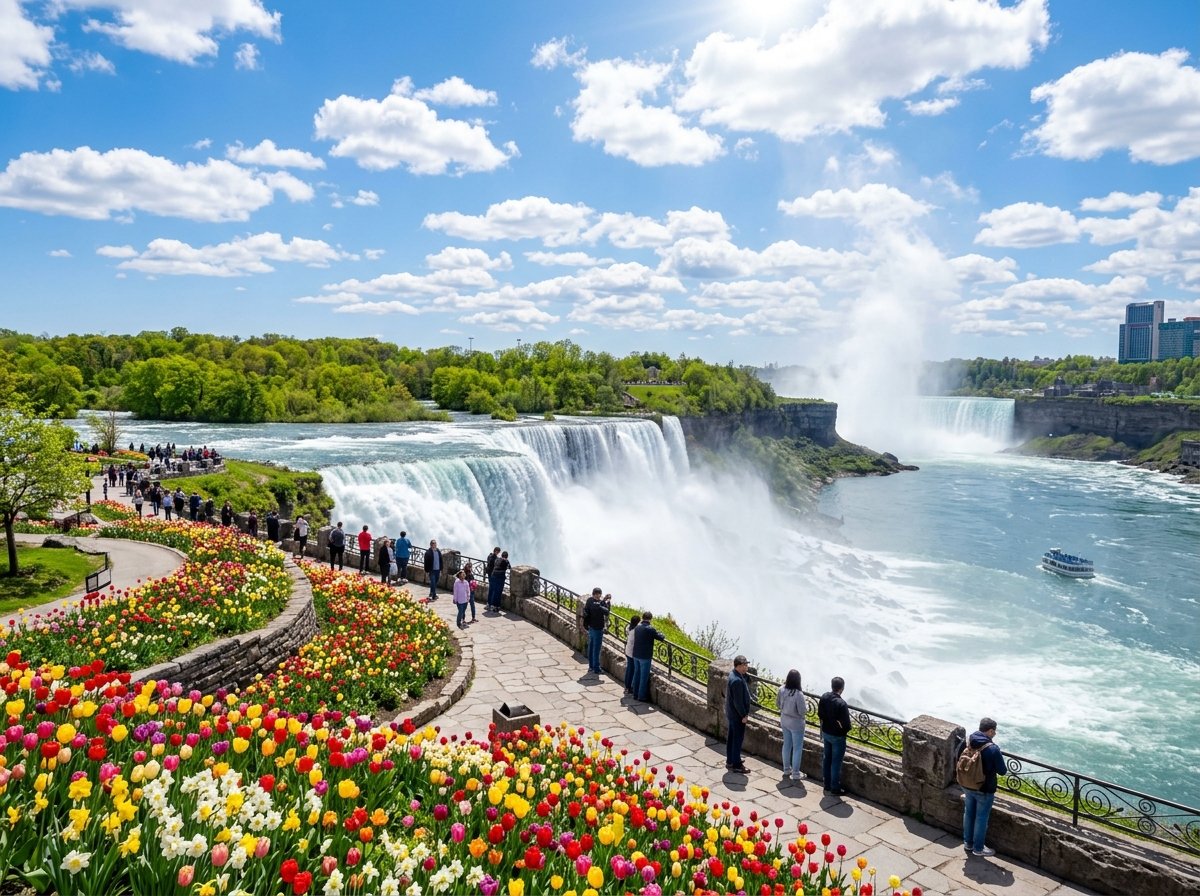
What to expect: Spring starts to show. Daffodils bloom on the Canadian side in Queen Victoria Park. The Centennial Lilac Garden starts waking up. Trails dry out by mid-month.
Attractions: Maid of the Mist typically reopens in late April. Cave of the Winds may reopen by late April depending on weather. Most Clifton Hill attractions are running.
Pros: Shoulder season pricing kicks in. Gardens are beautiful. Water flow is high from spring snowmelt.
Cons: Rain. Lots of it. Temperature swings wildly. Some days feel like summer, others like winter.
Best for: Garden lovers, anglers (spring fishing is excellent on the Niagara River).
What to pack: Layers. A waterproof jacket is non-negotiable. Comfortable walking shoes that can handle wet pavement.
May
Weather: Highs around 66°F, lows near 48°F. One of the rainier months, but the lilacs are spectacular.
What to expect: Everything is open. The Centennial Lilac Garden peaks in mid-to-late May. The tulip beds at Queen Victoria Park are in full color. The Niagara Wine Festival events start popping up. Dyngus Day in Buffalo (the Monday after Easter) is a unique local experience.
Attractions: All major attractions are running. Boat tours are fully operational.
Pros: Full access to everything. Beautiful gardens. Shoulder season crowds — busy but not overwhelming.
Cons: Rain. May averages more rainy days than any other month. Humidity starts climbing.
Best for: Garden enthusiasts, wine lovers, anyone who wants full access without peak summer prices.
June
Weather: Highs around 75°F, lows near 58°F. Pleasant and green.
What to expect: The start of peak season. Schools are still in session for most of June, so crowds build gradually. By late June, summer is in full swing.
Attractions: Everything is open and running full schedules.
Pros: Great weather. Long daylight hours. Summer festivals begin. Hotel rates are still reasonable in early June.
Cons: Crowds grow throughout the month. Humidity rises. Mosquitoes appear near the river trails.
Best for: Families with school-age kids (before school lets out), anyone who wants warm weather without peak July crowds.
July
Weather: Highs around 81°F, lows near 64°F. Humid. This is the hottest month.
What to expect: Peak everything. Peak crowds. Peak prices. Peak chaos. The Niagara Falls fireworks run nightly. The Maid of the Mist and Hornblower Niagara Cruises operate at maximum capacity.
Pros: All attractions open. Fireworks every night. Warm evenings for strolling. Best time for water activities.
Cons: Long lines for everything. Hotel rates at their highest. Parking is a nightmare. The mist from the Falls plus humidity makes it feel like a sauna. Border crossing waits can exceed an hour.
Best for: Families on summer vacation, people who thrive on energy and activity, anyone who wants the full fireworks experience.
Money-saving tip: Book hotels on the US side and drive over. Rates are 30–50% lower than the Canadian side in July.
August
Weather: Highs around 79°F, lows near 63°F. Still humid, but slightly cooler than July.
What to expect: Crowds remain heavy through mid-August. After the third week, things start to thin out as schools prepare to reopen.
Pros: All summer activities still running. Slightly better hotel availability in late August. The Niagara Peach Festival happens in late August.
Cons: Still expensive and crowded for most of the month. Humidity persists.
Best for: Families who can only travel in summer but want to avoid the absolute worst of July. Late August is noticeably better than early August.
September
Weather: Highs around 72°F, lows near 55°F. The humidity breaks. The air feels crisp and clean.
What to expect: This is the golden month. After Labor Day, the crowds vanish. Hotel rates drop 30–40%. The weather is still warm enough for boat tours and outdoor dining. The light changes — the angle of the sun creates better photography conditions than the harsh overhead light of summer.
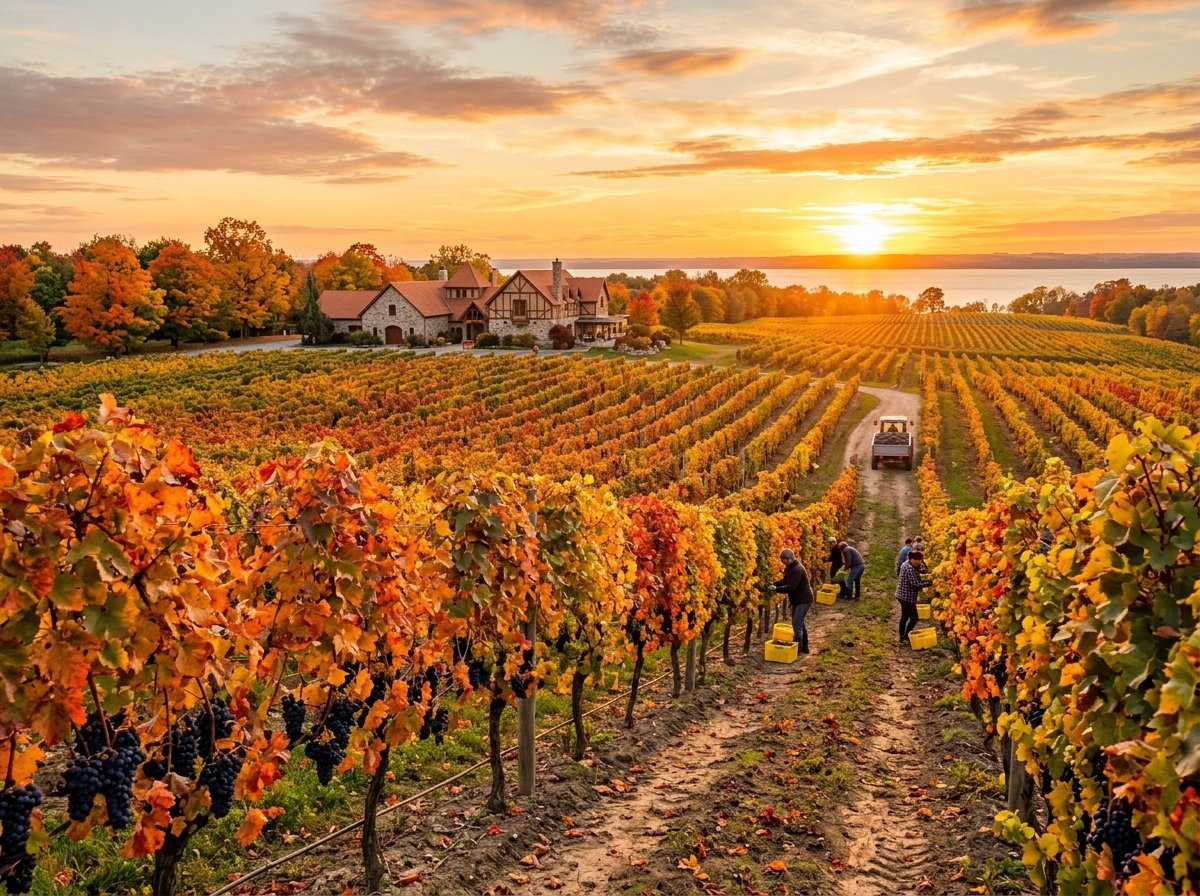
Pros: Perfect weather. Thin crowds. Lower prices. All attractions still open. The Niagara Wine Festival runs in late September. Harvest season begins at local wineries.
Cons: Some attractions start reducing hours in late September. The days get shorter.
Best for: Everyone. Seriously. If you can only visit once, come in September.
October
Weather: Highs around 60°F, lows near 43°F. Cool and crisp.
What to expect:Fall foliage peaks in mid-to-late October around the Niagara Gorge. The contrast of red and gold leaves against the blue-green water is stunning. The Niagara Grape and Wine Festival continues. Halloween events pop up on both sides.
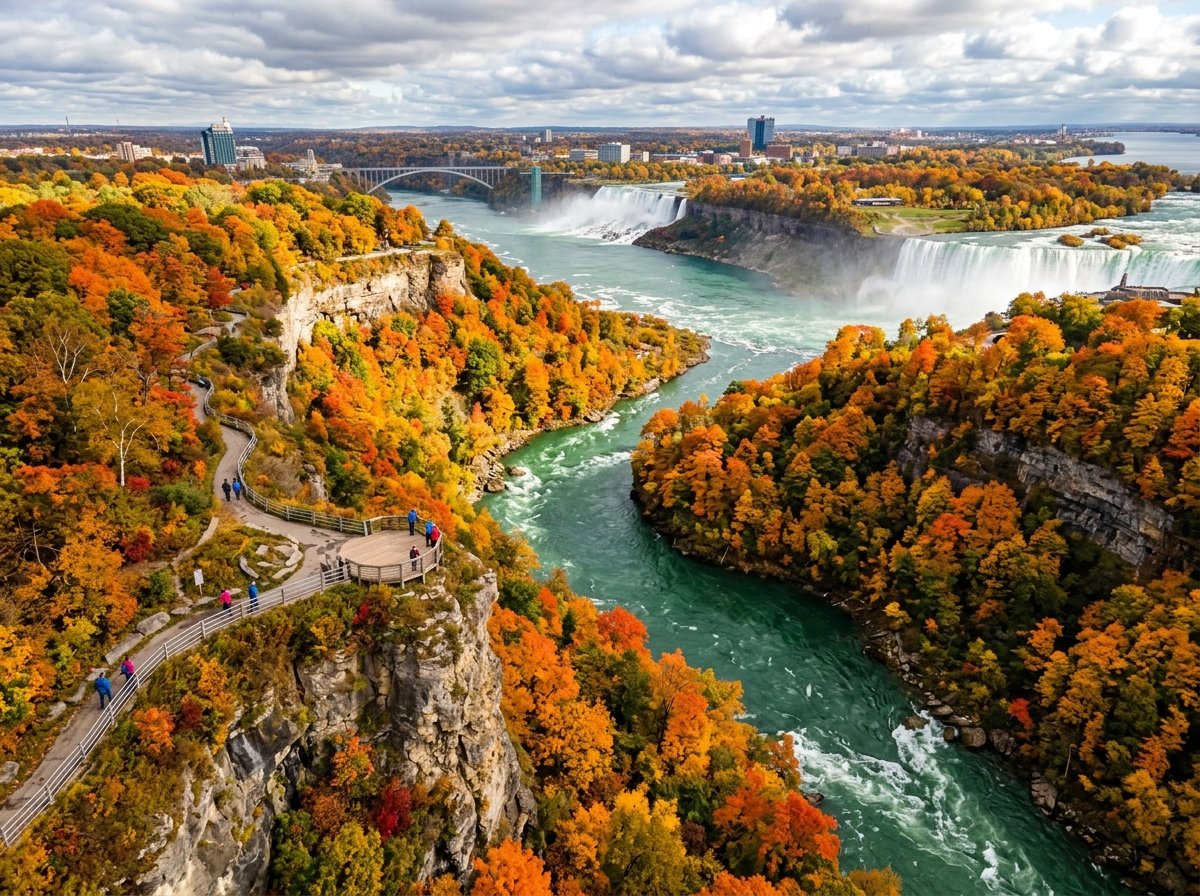
Attractions: Most attractions remain open through mid-October. Some start closing or reducing hours in late October.
Pros: Spectacular scenery. Comfortable hiking weather. Great photography light. Crowds continue to thin.
Cons: Cooler temperatures, especially in the mornings. Some boat tours may close for the season in late October depending on weather.
Best for: Photographers, hikers, leaf-peepers, couples seeking a romantic getaway.
November
Weather: Highs around 48°F, lows near 34°F. Gray, windy, and often rainy.
What to expect: The worst of the shoulder season. Fall color is gone. Winter has not arrived with its snow-covered charm. It is just cold, wet, and dreary.
Pros: Very cheap hotels. Almost no crowds.
Cons: Most outdoor attractions close or reduce hours significantly. The weather is miserable. This is the month to avoid if possible.
Best for: Not recommended unless you are passing through anyway.
December
Weather: Highs around 37°F, lows near 25°F. Snow becomes likely by mid-month.
What to expect: The Winter Festival of Lights on the Canadian side transforms the area into a twinkling wonderland. Lewiston, NY and Niagara-on-the-Lake, ON host charming Christmas events. The falls are illuminated with festive colors.
Pros: Magical holiday atmosphere. Cheap hotels (except Christmas week). Unique winter photography. Carolers, carriage rides, and seasonal markets.
Cons: Cold. Very cold. Most outdoor attractions closed. Short daylight hours.
Best for: Holiday travelers, photographers, couples wanting a cozy winter escape.
What Competitors Missed: The Details That Actually Matter
Water Flow Rates Change by Season
Here is something almost no guide mentions. The volume of water going over Niagara Falls is not constant.
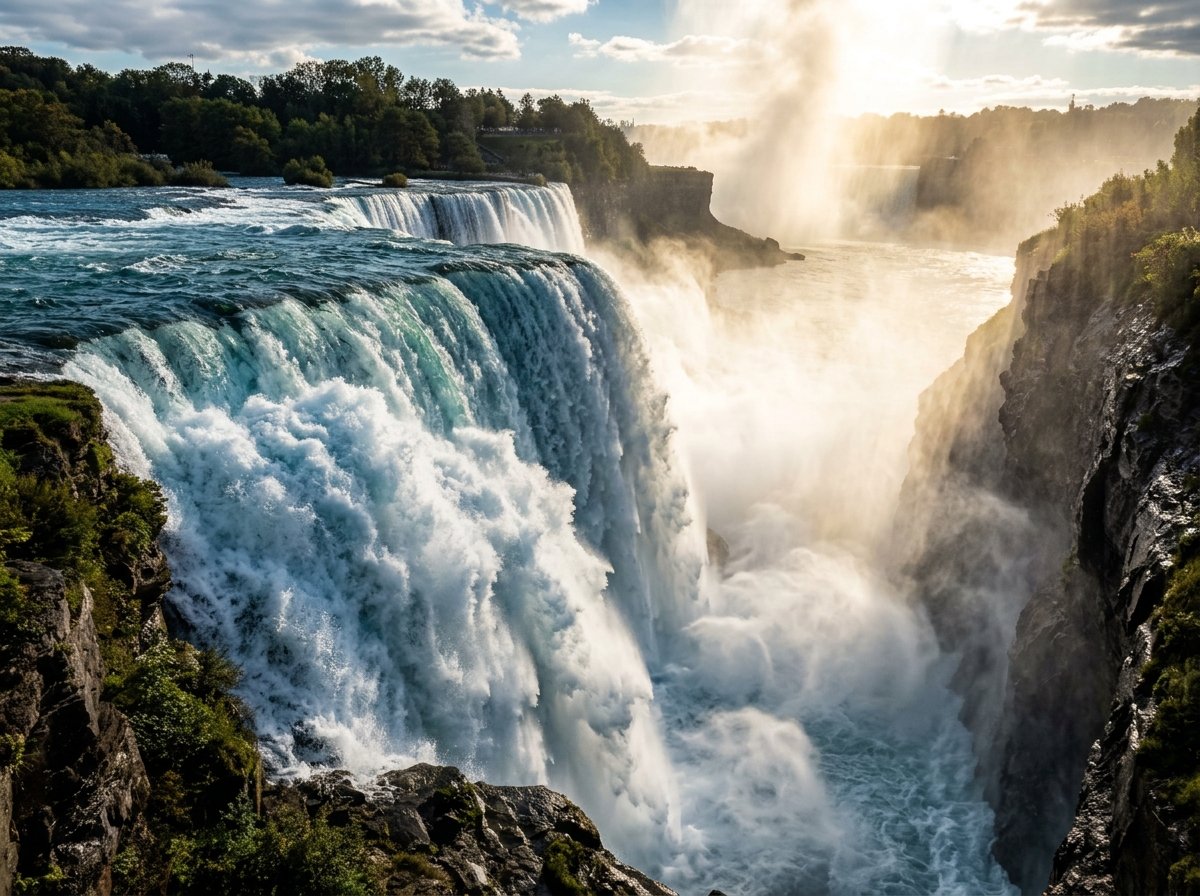
In spring — especially April and May — snowmelt from the Great Lakes and upstream rivers pushes water flow to its yearly peak. The Falls look more powerful, the mist is thicker, and the roar is louder. If you want to see Niagara at its most dramatic, spring delivers.
In late summer and early fall, water flow drops to its lowest levels. The Falls still look impressive, but the mist is lighter and the sound is less thunderous.
In winter, ice formation can partially block some smaller channels, though the main flow never stops.
The Best Time of Day to Visit
Most people show up at 10 AM and leave by 4 PM. That is exactly when it is most crowded.
For the best experience:
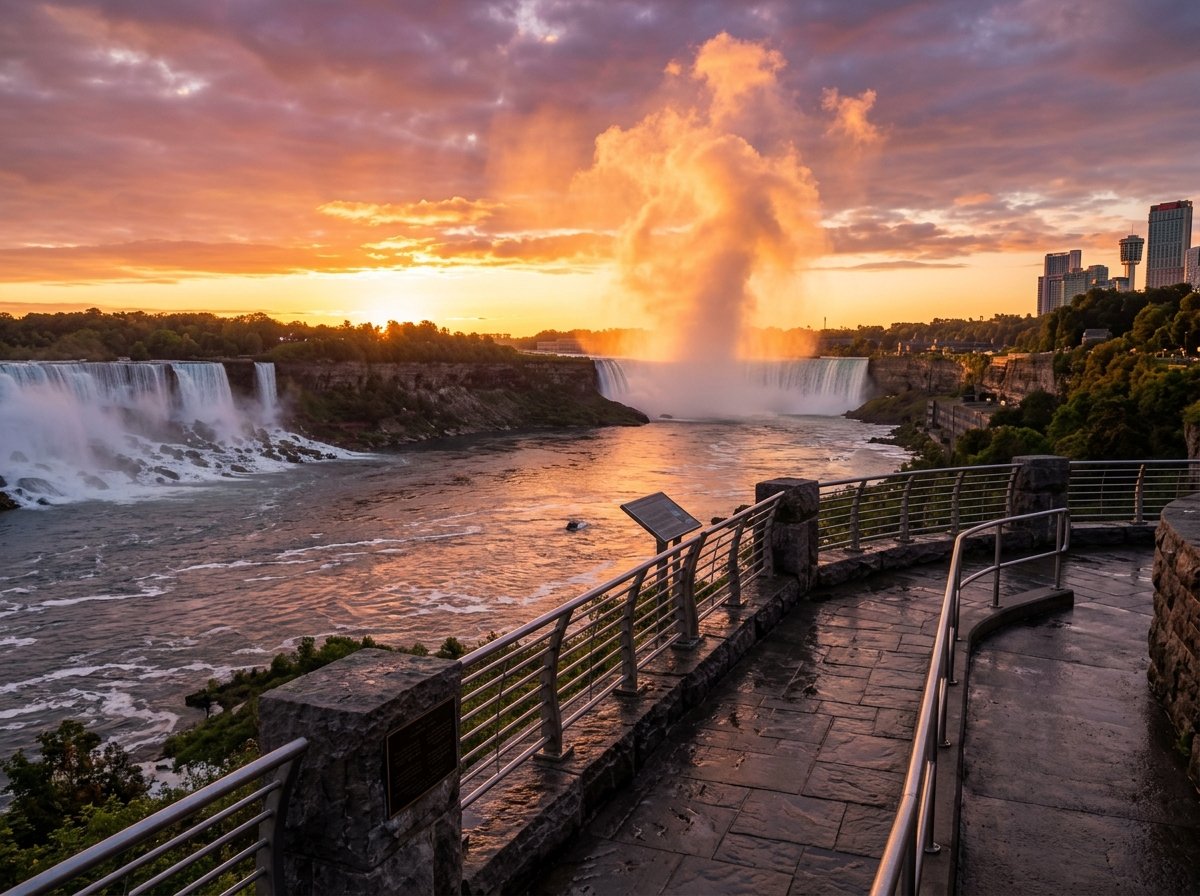
- Sunrise (around 5:30 AM in summer, 7:30 AM in winter): Almost empty. Golden light on the Canadian Horseshoe Falls. Photographers, this is your window.
- Late afternoon (4–6 PM): Day-trippers start leaving. The light softens. In summer, this avoids the midday heat.
- After dark: The Falls are illuminated in colors that change throughout the evening. In summer, fireworks add to the spectacle. In winter, the frozen mist glows under the lights.
Best Days of the Week
- Tuesday through Thursday: Fewest crowds, shortest lines, easier parking.
- Friday and Saturday: Busiest days. Arrive before 9 AM or after 5 PM.
- Sunday: Moderate crowds, but many tour buses depart by afternoon.
US Side vs. Canadian Side by Season
The two sides offer very different experiences depending on the season.
Summer: The Canadian side wins for attractions, dining, and nightlife. The US side wins for state park trails and lower hotel costs.
Fall: Both sides are beautiful, but the Canadian side has better fall foliage viewing along the Niagara Parkway.
Winter: The Canadian side is more active with the Festival of Lights and indoor attractions. The US side is quieter but offers a more natural, less commercial winter experience.
Spring: The US side has better hiking trails that dry out faster. The Canadian side has superior gardens.
Photography Tips by Season
- Spring: Overcast skies reduce harsh shadows. Bring a polarizing filter to cut through mist.
- Summer: Harsh midday light is your enemy. Shoot at sunrise or sunset. A neutral density filter helps with long exposures.
- Fall: The golden hour lasts longer. Fall colors reflect beautifully in the river.
- Winter: Overcast days actually help — the snow acts as a natural reflector. Protect your gear from moisture.
What to Pack for Each Season
Spring (March–May):
- Waterproof jacket
- Layers (temperature swings 20+ degrees in a day)
- Comfortable waterproof shoes
- Umbrella or compact rain poncho
Summer (June–August):
- Lightweight, quick-dry clothing
- Sunscreen and sunglasses
- Insect repellent for river trails
- A change of clothes if you are doing boat tours
Fall (September–November):
- Light jacket or fleece
- Layers for morning chill and afternoon warmth
- Comfortable walking shoes
- Camera with extra batteries
Winter (December–February):
- Insulated, waterproof boots
- Thermal base layers
- Windproof outer shell
- Hand and foot warmers
- Touchscreen-compatible gloves for photography
Money-Saving Tips No Matter When You Visit
- Book hotels on the US side and drive across for Canadian attractions. Rates are consistently 30–50% lower.
- Buy attraction packages online in advance. Walk-up prices are higher.
- Visit on weekdays for lower hotel rates and shorter lines.
- Pack snacks and water. Food inside the parks is overpriced.
- Use the WEGO bus system on the Canadian side instead of paying for parking repeatedly.
- Walk the Rainbow Bridge instead of driving across. You save the vehicle toll and get better views.
FAQs
Does Niagara Falls ever close?
No. The waterfalls are a natural feature and flow 24/7, 365 days a year. Some man-made attractions close seasonally, but the Falls themselves are always accessible.
Can I see the Falls for free?
Yes. Niagara Falls State Park on the US side and Queen Victoria Park on the Canadian side both offer free viewing areas. You only pay for attractions like boat tours, tunnels, and observation towers.
How long should I plan to stay?
Two full days is the sweet spot. One day for the main attractions, one day for hiking, wineries, or exploring nearby towns like Niagara-on-the-Lake or Lewiston.
Is the Canadian side really better?
It depends on what you want. The Canadian side has better panoramic views, more attractions, and livelier nightlife. The US side has a more natural, park-like setting with excellent hiking trails and lower costs. Most people prefer the Canadian side for a first visit.
Do I need a passport?
Yes, if you plan to cross between the US and Canadian sides. The Rainbow Bridge is the main pedestrian crossing. Bring your passport or enhanced driver’s license.
What is the worst time to visit?
Late November and early March. The weather is unpleasant, many attractions are closed or on reduced schedules, and you miss both the winter charm and the spring awakening.
Can I visit both sides in one day?
Yes, easily. Walking the Rainbow Bridge takes about 15–20 minutes. Just factor in border wait times, which can range from 5 minutes to over an hour depending on the day and season.
Final Verdict: Plan Your Trip Around What You Want
There is no single “best” time to visit Niagara Falls. There is only the best time for your trip.
- Want perfect weather and thin crowds? Come in September.
- Want fall colors and hiking? Come in mid-to-late October.
- Want the full fireworks-and-boat-tours experience? Come in July — but book early and bring patience.
- Want to save money and avoid people? Come in January or February.
- Want gardens and wine? Come in May or late September.
The one thing all these options have in common? Niagara Falls will still be there, roaring and misting and reminding you why 12 million people make the trip every year. The only question is when you will join them.