Peru is one of the most varied countries on Earth. Within its borders you have the driest desert in the world, the deepest canyon on the planet, the world’s highest navigable lake, dense Amazon rainforest, and some of the most sophisticated ancient ruins ever built.
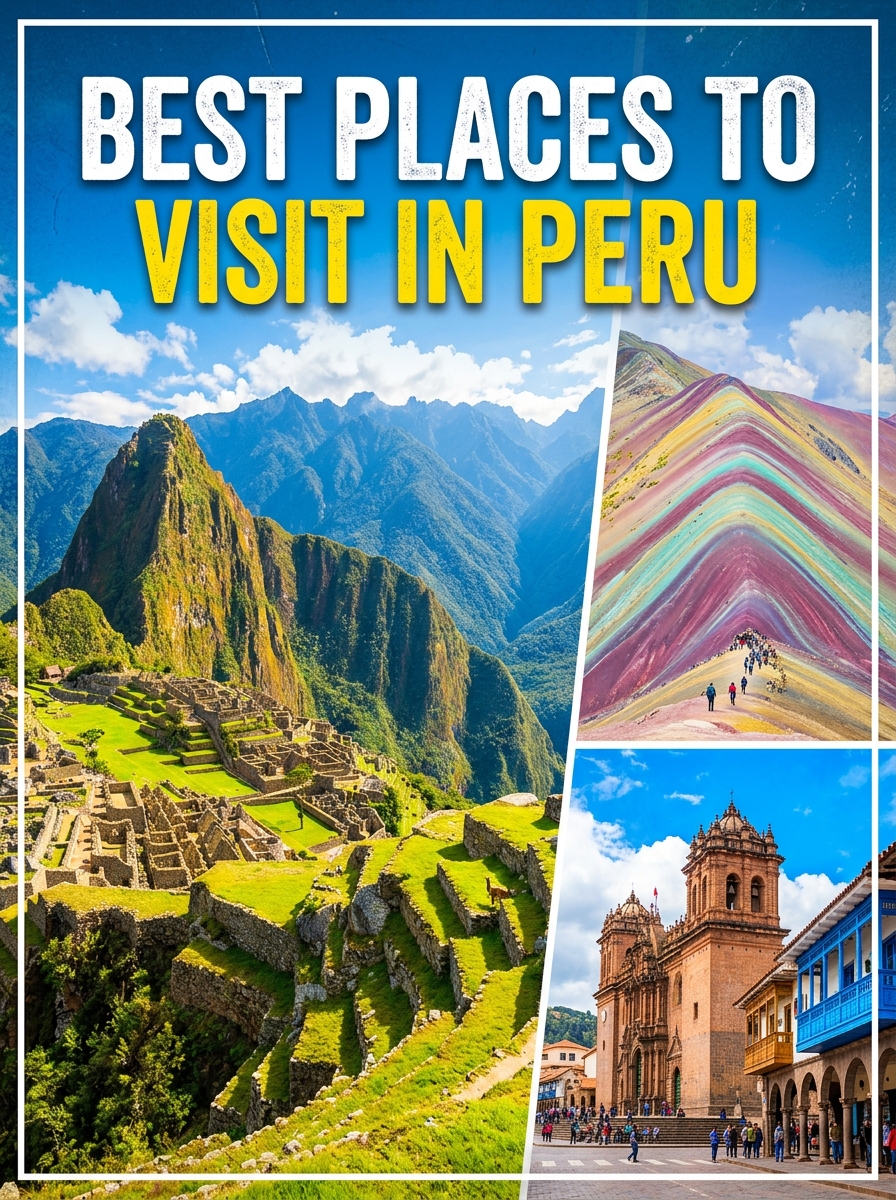
Most visitors arrive knowing about Machu Picchu. Many leave talking about Lima’s food scene, the silence of Colca Canyon at dawn, the rainbow-coloured slopes of Vinicunca, and the moment they stood on a floating reed island on Lake Titicaca with no other tourists in sight.
This guide covers the best places to visit in Peru for every type of traveller, with honest practical advice that most guides skip entirely.
Quick Answer: Best Places to Visit in Peru
For a first visit, Lima for arrival and food, Cusco as the base for Inca heritage, Machu Picchu, and the Sacred Valley. For more time, add Colca Canyon, Lake Titicaca, and the Amazon. For adventure seekers willing to go off the tourist circuit, Choquequirao and Huacachina are extraordinary.
Before You Go: Altitude is the Biggest Planning Factor
Peru’s most famous destinations sit at extraordinary elevations. Cusco is at 3,399 metres. Lake Titicaca is at 3,812 metres. Rainbow Mountain reaches 5,036 metres. Machu Picchu, at 2,430 metres, is actually one of the lower destinations on the standard tourist circuit.
Altitude sickness affects many visitors and cannot be predicted by fitness level. The symptoms include headache, nausea, fatigue, and shortness of breath. The best strategy is to acclimatise gradually.
The golden rule: Do not fly directly from sea level to Cusco and attempt Machu Picchu the next day. Spend at least two nights in Cusco or the Sacred Valley before ascending further. Drink extra water. Avoid heavy meals and alcohol on the first evening. Move slowly for the first 24 hours.
Coca tea, widely available throughout the Andes, helps many people manage altitude symptoms. It is legal in Peru and served in most hotels and restaurants in highland towns.
For high-altitude hiking anywhere in Peru, proper sun protection is essential. The thin atmosphere at altitude means UV radiation is significantly more intense than at sea level. The EltaMD UV Sport Broad-Spectrum SPF 50 Sunscreen (available on Amazon) is water-resistant, lightweight, and widely recommended for outdoor athletes and high-altitude travellers. Apply it every two hours during full days at Machu Picchu, Rainbow Mountain, or Colca Canyon.
Lima: The Underrated Starting Point
Lima is where almost every international flight to Peru arrives, and it is consistently underestimated by visitors who treat it as a transit stop.
Lima is one of the best food cities in the world. Restaurants here have held top positions on the World’s 50 Best list for years. Central, Maido, and Astrid y Gaston are all in Lima and represent three of the most celebrated dining experiences in South America. But the real Lima food culture exists in the neighborhood cevicherias and local markets, not just the fine dining tier.
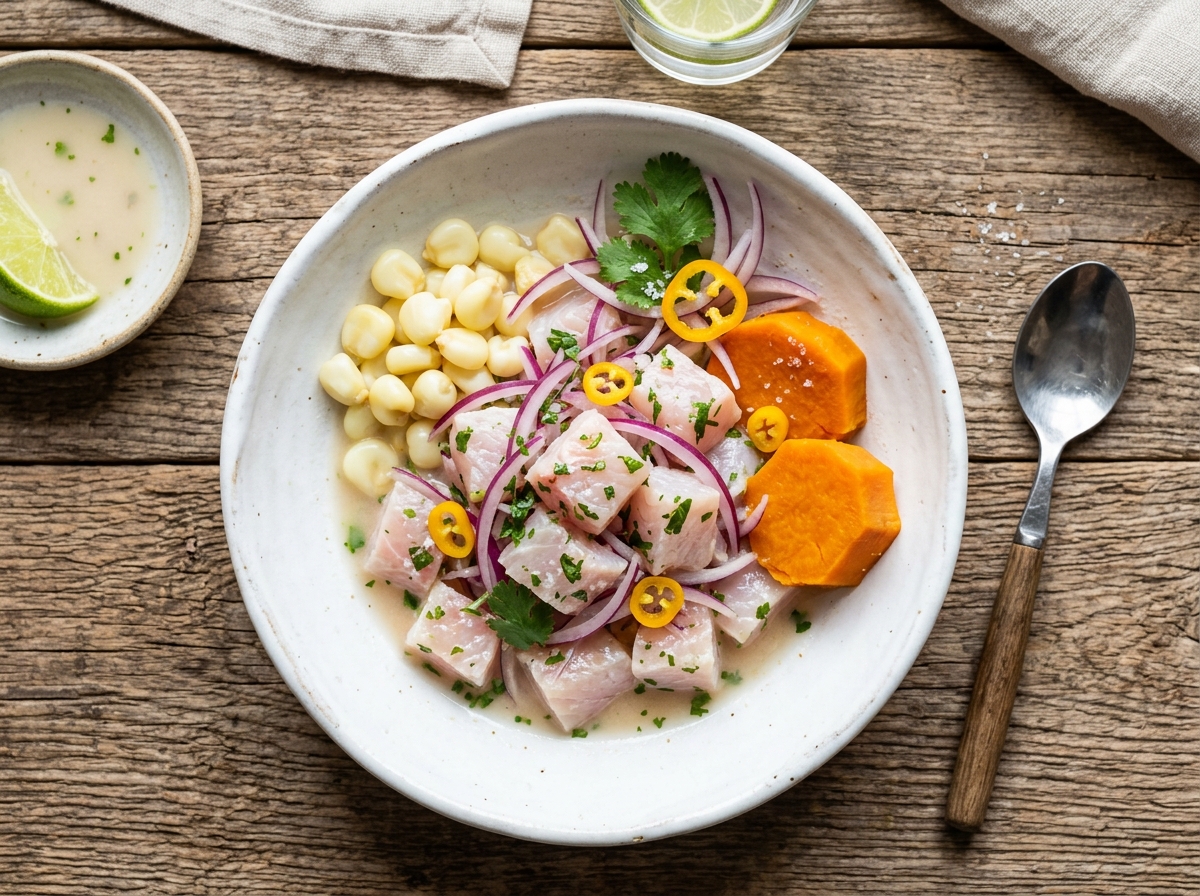
Ceviche is Peru’s national dish and Lima’s version, raw fish cured in lime juice with ají amarillo chilli and red onion, is the standard against which all other versions are judged. A good cevicheria lunch in Miraflores or Barranco costs around 40 to 60 soles and is one of the best meals you will have in Peru.
Best Neighbourhoods in Lima
Miraflores is where most visitors stay. The clifftop Parque del Amor overlooks the Pacific with paragliders launching from the edge. The Larco Museum, housed in a colonial mansion, holds an extraordinary collection of pre-Columbian gold, ceramics, and textiles with a famous erotic pottery gallery.
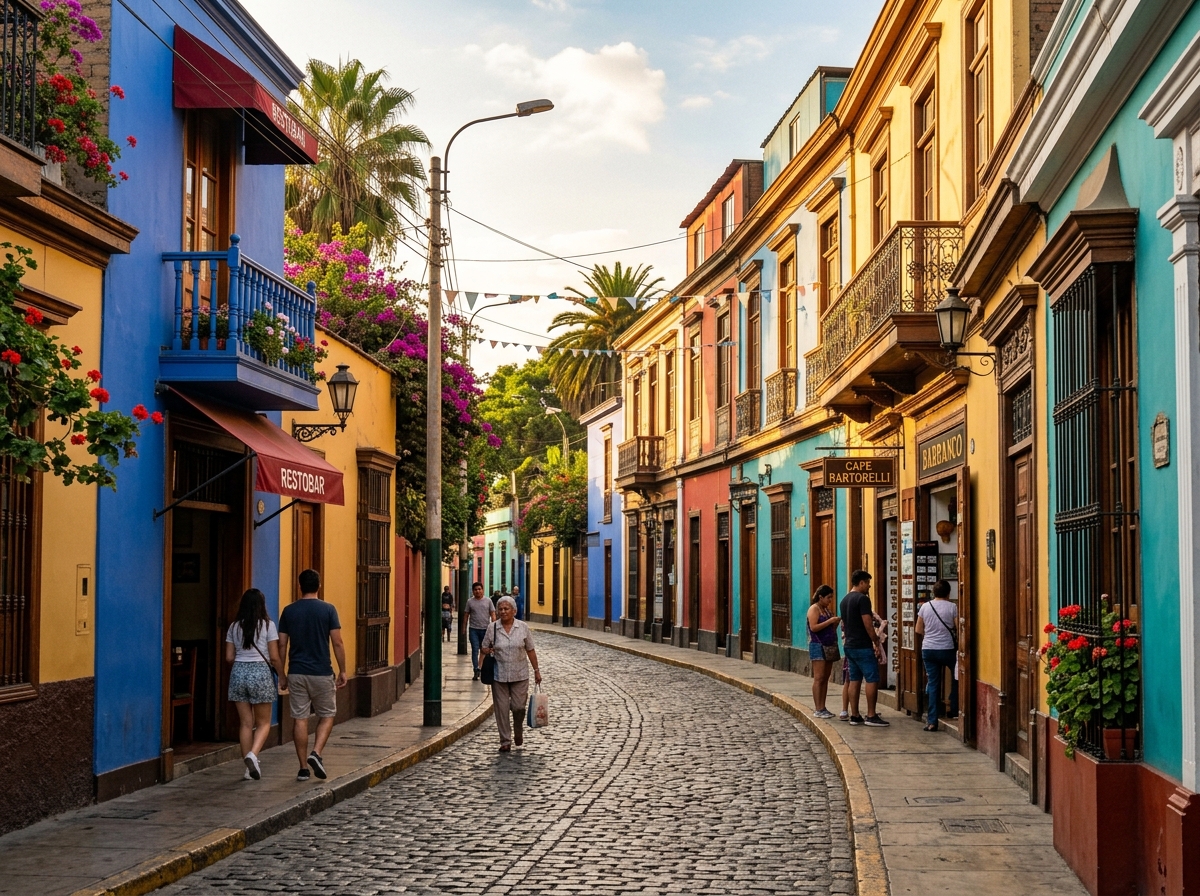
Barranco is Lima’s bohemian neighborhood, with colorful colonial houses, street art, independent restaurants, and the Bridge of Sighs, a wooden footbridge with a legend that says you can make a wish if you hold your breath crossing it.
Historic Centre (Centro Historico) is a UNESCO World Heritage Site with colonial churches, the Plaza Mayor, and the spectacular baroque facade of the San Francisco Monastery, beneath which lie catacombs holding the remains of 25,000 people.
Best for: Foodies, history lovers, those arriving or departing Peru Best time: May to November for the best weather. Lima is overcast and cool from June to October due to a coastal fog called garua, but this does not significantly affect sightseeing.
Cusco and the Sacred Valley: The Inca Heartland
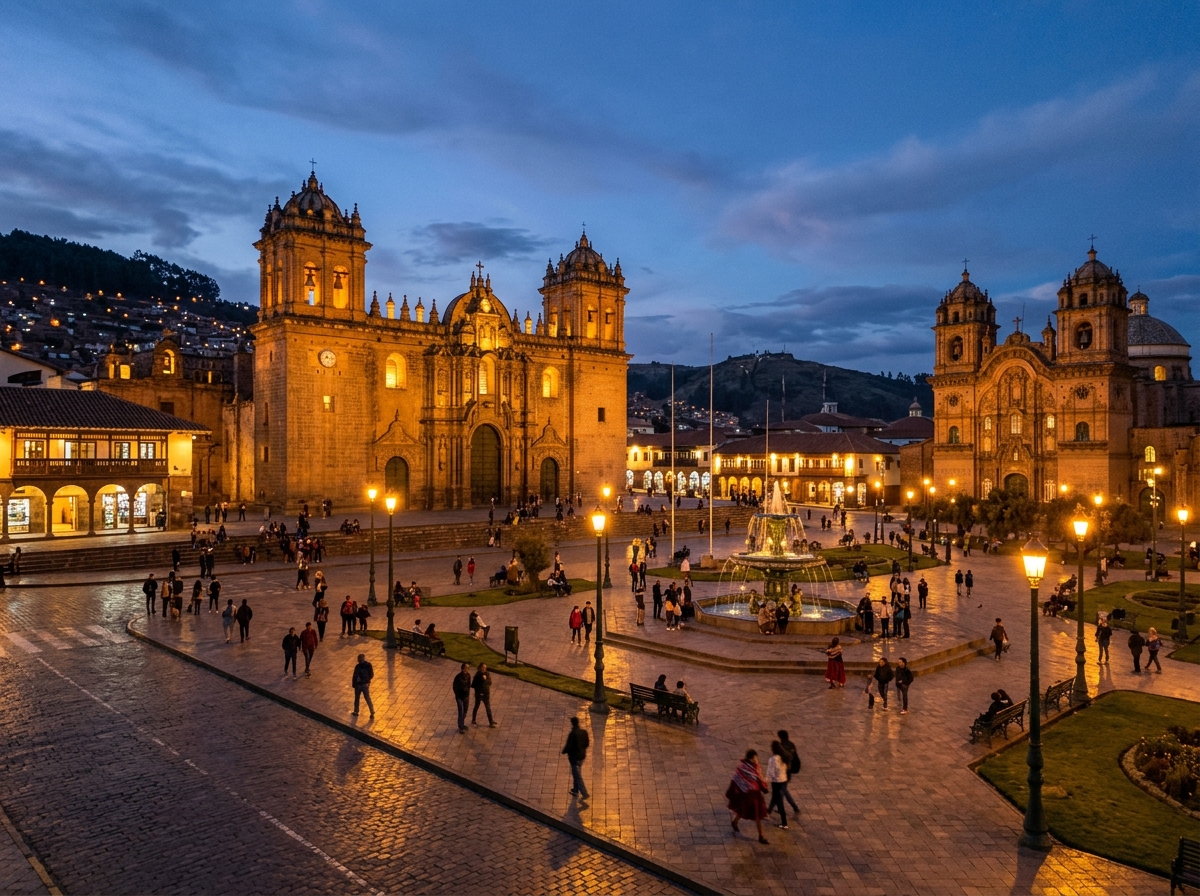
Cusco was the capital of the Inca Empire and the most important city in pre-Columbian South America. The Spanish built their colonial city directly on Inca foundations, and the contrast between massive precisely-fitted Inca stonework at the base of buildings and Spanish Baroque above it is visible throughout the historic centre.
The Plaza de Armas is one of the most beautiful main squares in South America. The Cathedral, built using stone taken from the Inca fortress of Sacsayhuaman above the city, took nearly 100 years to complete. Qorikancha, the Inca Temple of the Sun, sits beneath the Santo Domingo Church and you can still see the original curved Inca walls that once housed gold-covered chambers.
Sacsayhuaman, the massive Inca fortress overlooking Cusco, is only a 20-minute walk uphill from the Plaza de Armas. The walls are built from stones weighing up to 300 tonnes, fitted together without mortar with such precision that a knife blade cannot pass between them. The engineering remains unexplained.
The Sacred Valley
The Sacred Valley runs northwest from Cusco toward Machu Picchu along the Urubamba River. It sits at a lower altitude than Cusco, around 2,800 metres, which makes it an ideal acclimatisation base for the first night or two.
Pisac has one of the best traditional markets in Peru on Sundays, Tuesdays, and Thursdays. Local vendors sell textiles, ceramics, and produce in the market square. The Inca ruins above the town, reached by a 90-minute hike, are extensive and far less visited than Machu Picchu.
Ollantaytambo is the best-preserved Inca town in Peru and the last stronghold where the Inca successfully defeated a Spanish force. The Temple Hill ruins above the town are dramatic and the street grid of the original Inca village below them is still lived in.
Ollantaytambo is also where the train to Aguas Calientes (the base town for Machu Picchu) departs. Most visitors take the train from here rather than Cusco for a shorter journey.
Machu Picchu: How to Actually Do It Right
Machu Picchu is one of the most extraordinary places on Earth and also one of the most mismanaged tourist experiences. Getting it right requires advance planning.
The Ticket System
The Peruvian government overhauled the Machu Picchu ticket system in recent years and it is now strictly managed. Timed entry slots are mandatory and visitor numbers per slot are capped. Tickets sell out weeks and sometimes months in advance, particularly from May to September.
Buy tickets directly from the official government website: machupicchu.gob.pe. Third-party sellers charge significant markups. Tickets are non-refundable and non-transferable, so have your passport details ready when booking.
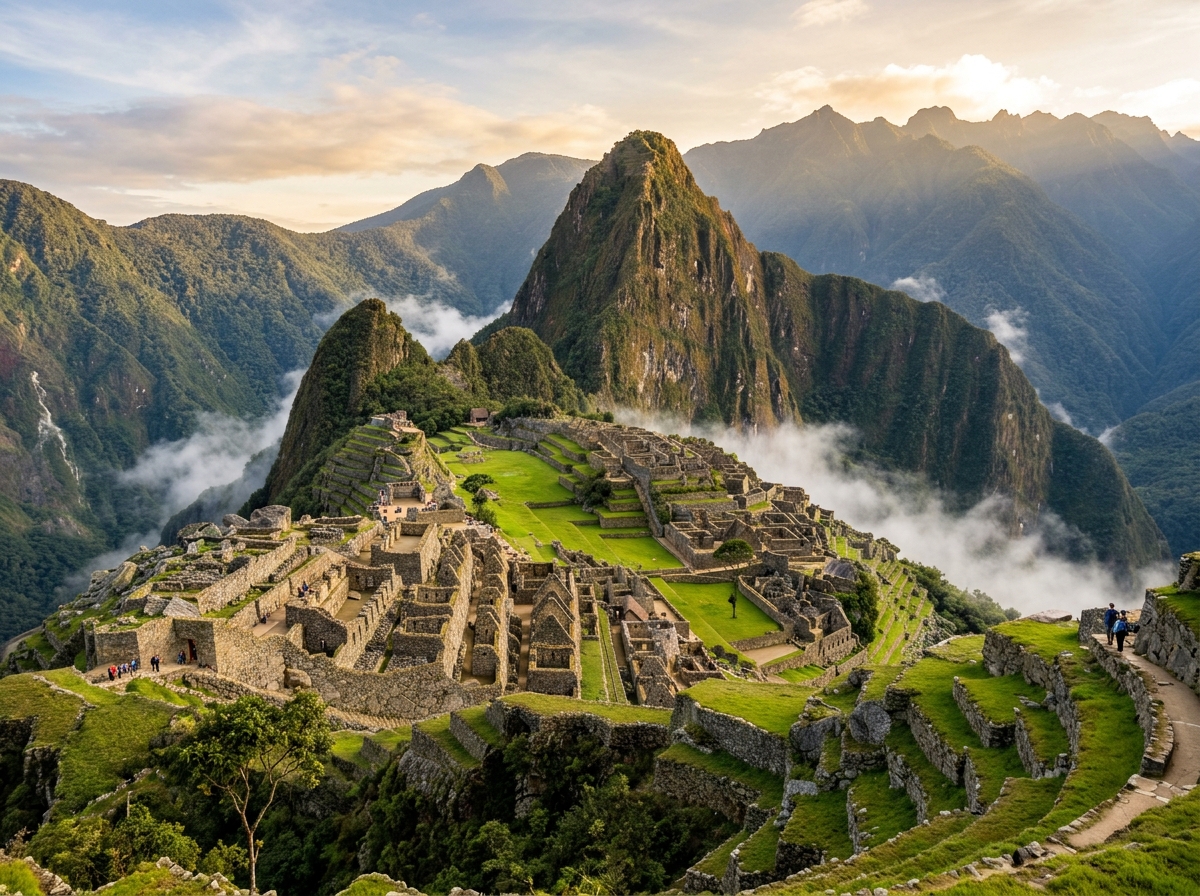
There are different circuits within the site. Circuit 1 gives you the full classic route including the iconic viewpoint. Machu Picchu Mountain and Huayna Picchu, the steep peaks visible in photographs behind the citadel, require separate tickets booked in addition to site entry.
The Train vs the Inca Trail
The Inca Trail is the 4-day, 43-kilometre trek from the Sacred Valley to Machu Picchu’s Sun Gate. It is one of the most famous hikes in the world. Permits are strictly limited to 500 people per day (including guides and porters) and sell out months in advance. Book through a licensed operator from January or February for May to September visits.
The Vistadome and Expedition trains run from Ollantaytambo and Poroy (near Cusco) to Aguas Calientes. PeruRail and Inca Rail both operate the route. Book train tickets in advance, especially for the Vistadome panoramic service.
Aguas Calientes is the town at the base of Machu Picchu. It has improved significantly over the past decade and now has good hotel options at various price points. Stay overnight here if you want to be at the site gates for the 6am first entry, which is the least crowded time of day.
Practical tip: The bus from Aguas Calientes to the Machu Picchu entrance gate runs from 5:30am and takes 25 minutes on a switchback mountain road. Book bus tickets in advance through consettur.com to avoid queuing at the bus terminal on the morning of your visit.
Colca Canyon: The World’s Deepest Canyon
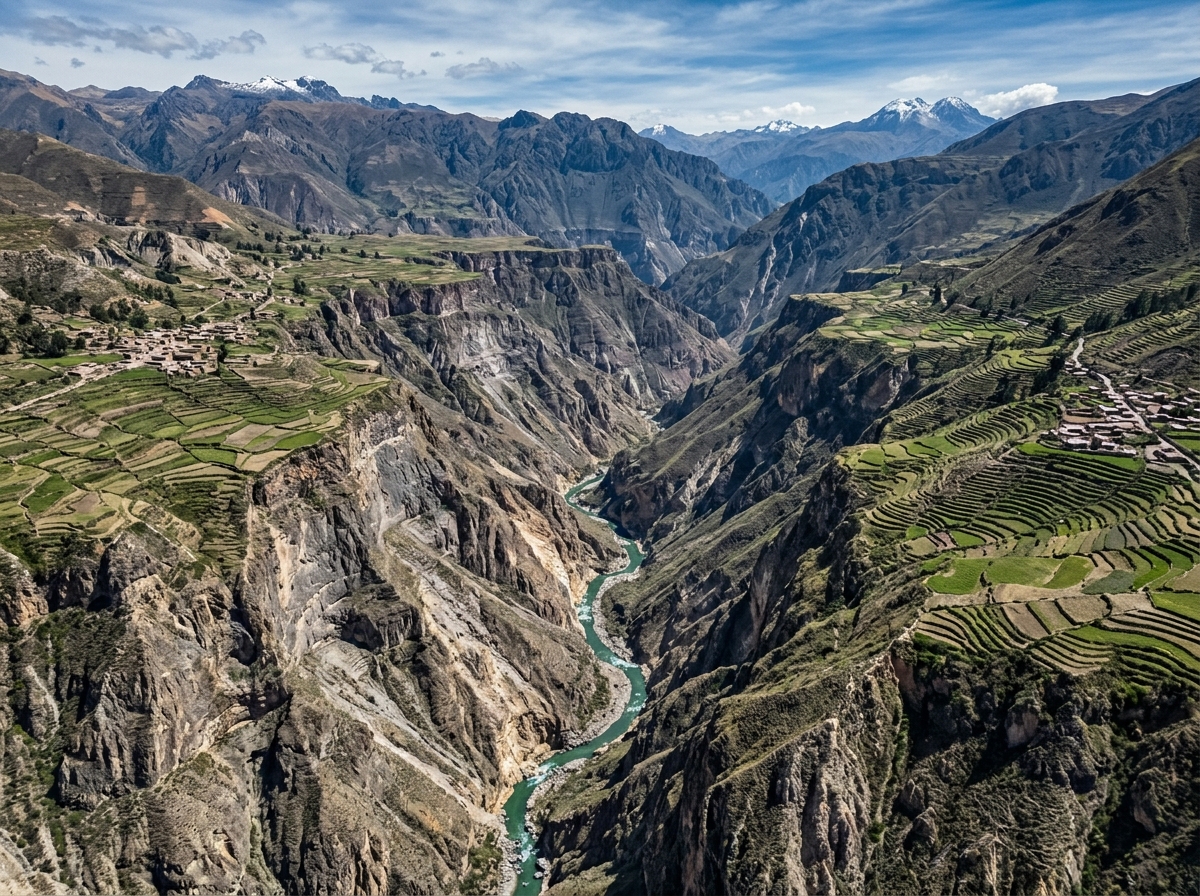
Colca Canyon, near the city of Arequipa in southern Peru, is twice as deep as the Grand Canyon in the United States and one of the best places in the world to see Andean condors in the wild.
The Cruz del Condor viewpoint, on the canyon rim about 45 kilometres from the town of Chivay, is where condors with wingspans of up to 3.2 metres ride the thermal currents rising from the canyon floor. They appear most reliably between 9am and 11am and the sight of a condor circling at eye level or below you is genuinely extraordinary.
The canyon is based out of Arequipa, Peru’s second-largest city, which has its own extraordinary historic centre built from white sillar volcanic stone. The Monastery of Santa Catalina, a 16th-century convent that occupied an entire city block and was closed to the public until 1970, is the best single sight in Arequipa.
Best for: Wildlife, dramatic landscapes, trekking, day trips from Arequipa. Getting there: Arequipa is 1 hour by plane from Lima or a 14-hour overnight bus. Colca Canyon is a 3.5-hour drive from Arequipa. Best time to visit: April to November for clear skies and best condor sightings
Lake Titicaca: The World’s Highest Navigable Lake
Lake Titicaca sits at 3,812 metres on the border between Peru and Bolivia and is the birthplace of Inca mythology. According to Andean tradition, the first Inca and his wife emerged from the lake’s waters to found their civilisation.
The Uros Floating Islands are artificial islands hand-built and maintained using totora reeds. The Uros people have lived on these islands for centuries to remain separate from mainland communities. A boat tour from the port city of Puno takes about 30 minutes to reach them.
The Taquile Island, two hours from Puno by boat, is inhabited by Quechua-speaking people who maintain a textile tradition recognised by UNESCO. The men on Taquile knit continuously, even while walking. The textiles sold here are genuinely handmade and among the best craft purchases in Peru.
Best for: Cultural experiences, Andean traditions, photography, unique accommodation Getting there: Puno is the base for Titicaca and is reached by bus from Cusco (7 hours on the Inca Express tourist bus) or by flying into Juliaca airport 45 minutes away.
For a multi-day Peru trip involving long bus journeys, cold Andean nights, and altitude hiking, a quality merino wool base layer is the single most versatile clothing item you can bring. The Smartwool Merino 150 Base Layer Top (available on Amazon) regulates body temperature from warm Lima afternoons to cold Cusco mornings, does not retain odour across multiple days of wear, and packs extremely small. It works as a standalone layer in Cusco or a base layer under a jacket at Rainbow Mountain.
Hidden Gems: Beyond the Tourist Circuit
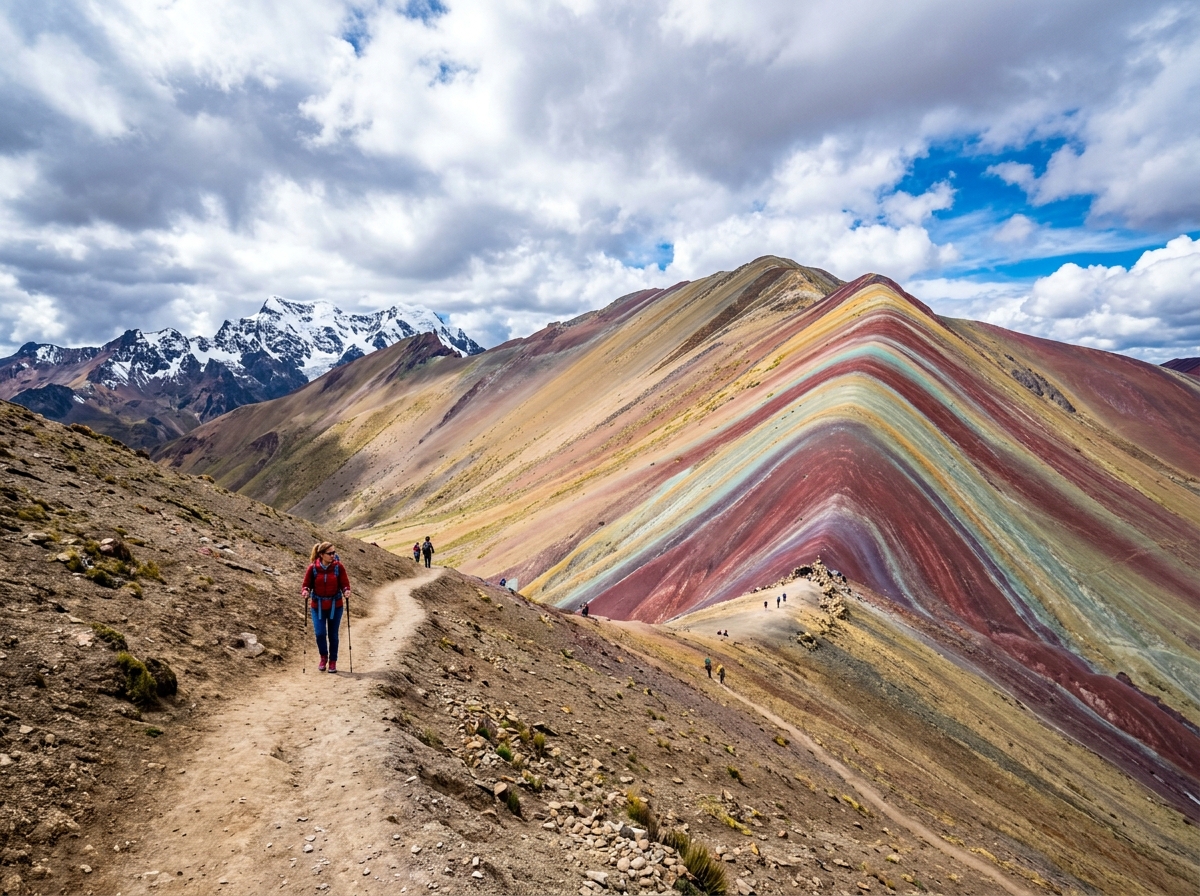
Rainbow Mountain (Vinicunca)
Rainbow Mountain, officially called Vinicunca, gained viral fame around 2015 when photos of its multicoloured mineral stripes spread across the internet. It sits at 5,036 metres and is reached by a 2-hour hike from a starting point about 3 hours by road from Cusco.
The colours are real. Layers of different minerals, including red iron oxide, green chlorite, and yellow sulphur, created the stripes. The view at the top is extraordinary.
The honest reality check: This hike is genuinely difficult due to altitude. Many visitors underestimate it. You need at minimum two nights in Cusco before attempting it. Horses are available at the starting point for those who find the ascent too difficult. Go on a weekday to avoid the weekend crowds that form a visible queue on the mountain’s face.
Choquequirao: Machu Picchu Without the Crowds
Choquequirao is an Inca citadel similar in layout and architectural quality to Machu Picchu. The main difference is that reaching it requires a 4-day round-trip hike with significant elevation changes. There is no train and no bus.
The reward is that you arrive at a site the size of Machu Picchu with almost nobody else there.
A cable car project has been planned for years that would make Choquequirao accessible without the trek. As of 2025, construction has not begun. When it does, the experience will change completely. Go before it happens.
Huacachina: The Desert Oasis
Huacachina is a small village built around a lagoon in the middle of enormous sand dunes near the city of Ica on Peru’s southern coast. It is surreal, beautiful, and completely different from anything else in Peru.
Sandboarding down the dunes and dune buggy tours at sunset are the main activities. A full afternoon experience costs around 50 to 80 soles through local operators. Stay overnight to see the stars over the dunes from the lagoon.
Getting there: 5 hours south of Lima by bus or taxi, or a quick flight to Pisco followed by a taxi.
The Amazon: Iquitos and Puerto Maldonado
Peru contains the largest section of the Amazon Basin of any country. Two main gateway cities connect visitors to the rainforest.
Iquitos is the world’s largest city unreachable by road. You reach it only by boat or plane. Lodge-based tours from Iquitos go deep into primary rainforest with opportunities to see pink river dolphins, caimans, piranhas, sloths, macaws, and hundreds of bird species.
Puerto Maldonado, connected by road to Cusco, is the easier option for first-time Amazon visitors. The Tambopata National Reserve here is one of the most biodiverse places on Earth. Most visitors take 3 to 4-day lodge-based trips booked before arrival.
Practical Tips for Visiting Peru
Best time to visit overall: May through September is dry season in the Andes and the best time for Machu Picchu and highland trekking. December through April is the wet season with heavy afternoon rains but fewer tourists and lower prices. The Amazon is excellent year-round. Lima’s coast has its own climate and is best from December to April when skies clear.
Currency and costs: The Peruvian sol (PEN) is the currency. ATMs in major cities are reliable but charge fees. Budget travellers can manage on $40 to $60 per day. Mid-range travel costs $80 to $150 per day. Machu Picchu entry costs around $65 for a standard circuit ticket. The Inca Trail costs $600 to $900 per person through licensed operators including all permits, guides, and porters.
Getting around: Domestic flights connect Lima to Cusco, Arequipa, Iquitos, and Puerto Maldonado. The journey Lima to Cusco by road is 22 hours. The journey Lima to Arequipa overnight by bus is 16 hours. Cruz del Sur and PeruHop are reliable bus operators. Book domestic flights early for the best fares.
Language: Spanish is the official language. Quechua is widely spoken in highland communities. English is understood in hotels, tour operators, and tourist restaurants but less so in markets and local establishments.
Safety: The main tourist areas in Peru are safe for travellers who take normal precautions. Use licensed taxis or Uber in Lima rather than hailing from the street. Keep bags in front of you in crowded markets. Avoid displaying expensive cameras or jewellery in busy areas.
For navigating Peru’s mix of cities, highland towns, and jungle lodges across a multi-week trip, an organised travel backpack that works both as hand luggage and a day pack is the right choice. The Osprey Farpoint 40 Travel Pack (available on Amazon) meets most airline carry-on restrictions, converts between a backpack and a travel bag with a zip-away harness, and is the most recommended pack for South American travel among long-term backpackers and organized travelers alike.
Best Places in Peru by Traveller Type
First-time visitors: Lima arrival (2 nights), Sacred Valley acclimatization (1 to 2 nights), Cusco (2 nights), Machu Picchu (1 to 2 nights). A 9 to 10-day trip covers this comfortably.
History and archaeology: Cusco and surroundings (Sacsayhuaman, Qorikancha); Sacred Valley (Pisac, Ollantaytambo), Machu Picchu, Choquequirao for serious adventurers.
Food lovers: Lima is the destination. Ceviche at a local cevicheria, a meal at Central or Maido, the Surquillo Market for local ingredients. Two to three days in Lima for food alone is not excessive.
Adventure and trekking: Inca Trail or Salkantay Trek to Machu Picchu, Ausangate trek around a sacred peak, Colca Canyon 2-day trek, Rainbow Mountain, Choquequirao 4-day hike.
Wildlife: Amazon lodges from Iquitos or Puerto Maldonado, Colca Canyon for condors, Paracas National Reserve on the coast for sea lions and Humboldt penguins, Ballestas Islands.
Budget travellers: Huacachina, Arequipa as a base (lower cost than Cusco), local buses between cities, ceviche and menu del dia lunches, free Walking Tours in Lima and Cusco.
Quick Reference Table
| Destination | Region | Altitude | Best Season | Approx Cost |
|---|---|---|---|---|
| Lima | Coast | Sea level | Dec to Apr | $$ |
| Cusco | Andes | 3,399m | May to Sep | $$$ |
| Machu Picchu | Andes | 2,430m | May to Sep | $$$$ |
| Sacred Valley | Andes | 2,800m | May to Sep | $$ |
| Colca Canyon | Andes | 3,600m | Apr to Nov | $$ |
| Lake Titicaca | Andes | 3,812m | May to Sep | $$ |
| Rainbow Mountain | Andes | 5,036m | May to Sep | $$ |
| Arequipa | Andes | 2,335m | Apr to Nov | $$ |
| Huacachina | Coast/Desert | 400m | Year-round | $ |
| Amazon (Iquitos) | Amazon | 100m | Year-round | $$$ |
Frequently Asked Questions
What is the most visited place in Peru?
Machu Picchu is the most visited attraction in Peru and one of the most visited archaeological sites in the world. It receives around 1.5 million visitors per year with strict daily entry caps in place since 2023.
How many days do you need in Peru?
Two weeks gives you enough time for Lima, the Sacred Valley, Cusco, Machu Picchu, and one additional region such as Colca Canyon or Lake Titicaca. A 10-day trip covers the core Cusco and Machu Picchu circuit well. Three weeks or more allows you to add the Amazon and more off-the-beaten-path destinations.
Do I need to book Machu Picchu tickets in advance?
Yes, always. Tickets sell out weeks to months ahead during peak season (May to September). Book at machupicchu.gob.pe as soon as your travel dates are confirmed. Third-party sellers are significantly more expensive.
Is Peru safe for tourists?
Peru is safe for tourists in the main destinations. Use Uber or licensed taxis in Lima. Keep bags secured in crowded areas. Avoid displaying expensive electronics or jewellery in markets. The highland and tourist areas of Cusco, Machu Picchu, and Arequipa are considered safe for independent travellers.
What should I eat in Peru?
Ceviche is essential. Lomo saltado (stir-fried beef with tomatoes and chips, a mix of Peruvian and Chinese influences) is a national comfort dish. Ají de gallina (creamy chicken stew with yellow chilli) is extraordinary. Chicha morada (purple corn drink) is refreshing and distinctly Peruvian. In Cusco, try cuy (guinea pig), the traditional highland protein.
When is the best time to visit Machu Picchu?
May through September is dry season with the clearest skies and best visibility. June and July have the most visitors. The wet season from December to March brings daily rain but also lush green landscapes and significantly fewer tourists. The Inca Trail closes for maintenance in February.
How do I deal with altitude sickness in Peru?
Acclimatize gradually. Spend at least two nights in Cusco or the Sacred Valley before ascending further. Drink extra water, avoid alcohol on the first night, eat lightly, and move slowly. Coca tea helps many visitors. Diamox (acetazolamide) is a prescription medication that helps prevent altitude sickness and is worth discussing with a doctor before your trip.
Final Thoughts
Peru is the kind of country that changes the way you think about travel.
The ruins are extraordinary. Machu Picchu deserves every bit of its reputation. But the country is also so much more than a single archaeological site. The food in Lima rivals any city in the world. The silence at Colca Canyon at dawn when condors begin to circle is unforgettable. The experience of arriving at Choquequirao after four days of hiking with nobody else in sight makes you feel like you have discovered something.
Give Peru more time than you think you need. Acclimatise properly. Eat ceviche on your first day in Lima. And book your Machu Picchu tickets before you book your flights.