
Where you stay in London changes your entire experience of the city.
London is not built around one centre the way Paris or Amsterdam are. It is a collection of villages and districts, each with its own character, pace, and identity. Staying in the wrong area for your trip means spending time and money on transport you did not plan for. Staying in the right one means stepping out of your hotel into exactly the London you came for.

This guide covers the best places to stay in London by neighbourhood, with honest assessments, real price ranges, and the practical transport and atmosphere details most guides leave out.
Quick Answer: Best Places to Stay in London
For first-time visitors who want to walk to major sights, stay in Covent Garden or South Bank. For a lively neighbourhood feel with good food and transport, try Soho or Marylebone. For budget travel with excellent transport links, King’s Cross or Paddington both work well. For luxury, Mayfair and Knightsbridge are the obvious choices.
Before You Choose: One Thing Most Guides Get Wrong
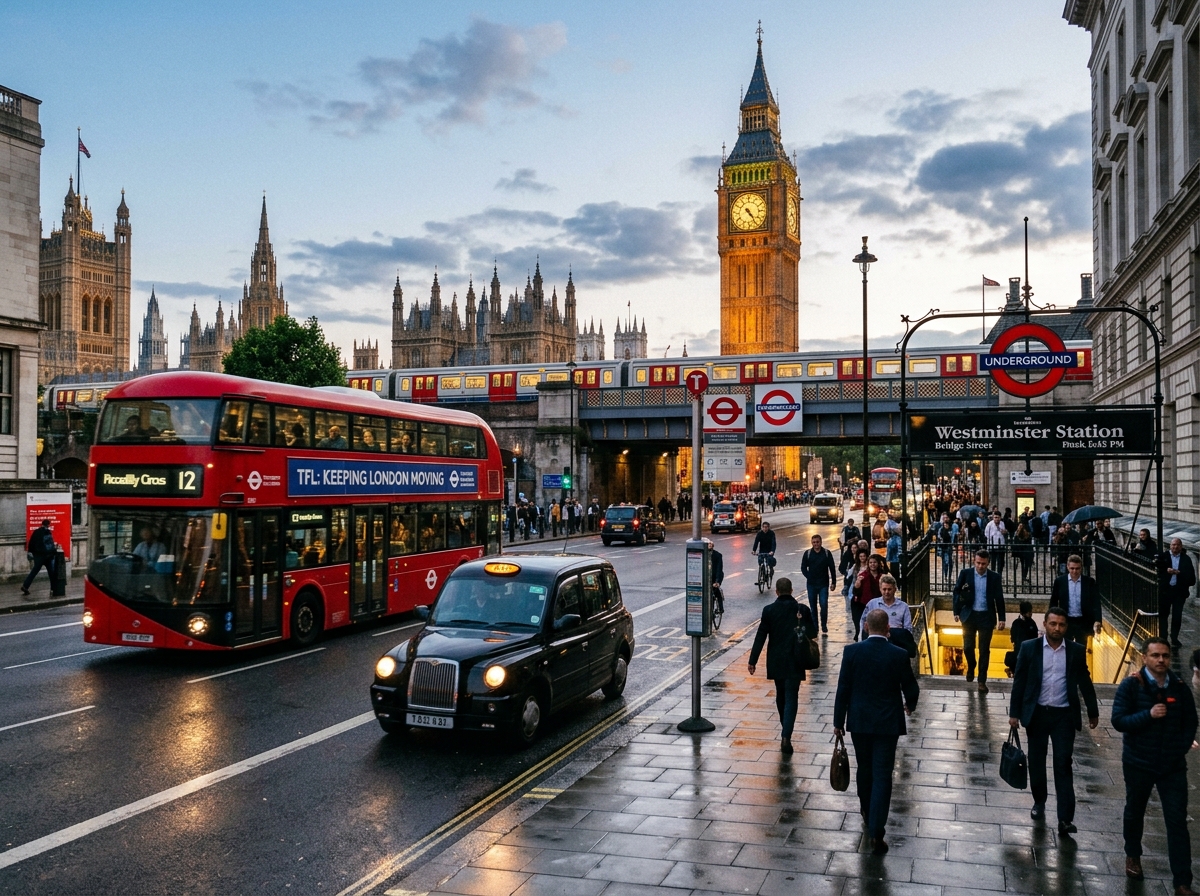
Many guides recommend staying in Westminster, near Big Ben and Buckingham Palace, because it sounds central. This is usually a mistake.
Westminster is an area of government buildings, office blocks, and tourist attractions. Very few actual Londoners live there. After 7pm, it empties out. The restaurants around Westminster are largely tourist-trap pricing. And while the sights are nearby, you pay a significant premium to be close to things you will visit once.
The same applies to areas immediately around Leicester Square. Vibrant during the day, expensive, and not particularly pleasant to be based in once the cinemas close.
Better areas are one or two Tube stops away from the iconic sights but have actual local life, better food, and more interesting streets to walk.
London’s public transport makes this easy. The Tube, buses, and Overground cover the city well. Staying slightly off the main tourist drag rarely means inconvenience.
Best Areas to Stay in London
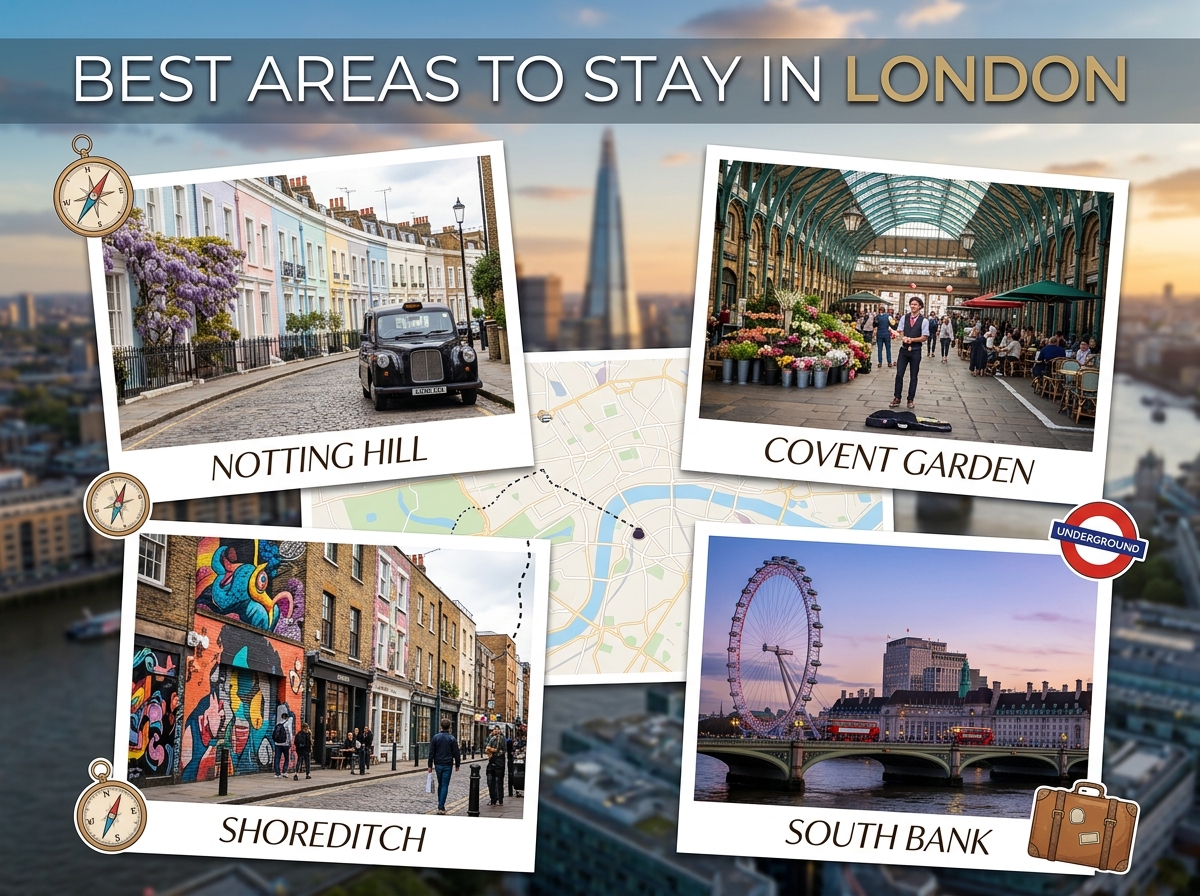
Covent Garden and the West End
Covent Garden is the most consistently recommended area for first-time visitors and it earns that status. The streets around the market piazza, Neal’s Yard, and Long Acre are walkable, attractive, and genuinely lively at all hours. You can walk to the National Gallery, Trafalgar Square, the British Museum, and the South Bank in under 20 minutes in most directions.
The West End theatre district is immediately on your doorstep. Booking a show and walking back to your hotel without navigating the Tube is one of the genuine pleasures of staying here.
The downside is cost. Hotels in Covent Garden are in the mid to upper range, with most good options starting at GBP 150 to 250 per night.
Best for: First-time visitors, theatre-goers, sightseers who want walkability Transport: Covent Garden station (Piccadilly line), plus short walks to Holborn and Charing Cross Price range: Mid-range to luxury (GBP 150 to 400 per night) Honest note: Covent Garden market itself is extremely touristy. The surrounding streets are far better for eating and drinking than the market plaza.
Soho
Soho is London’s most energetic neighbourhood and a brilliant base if you want to be in the middle of the city’s restaurant and bar culture. Berwick Street Market, Chinatown, Carnaby Street, and some of the best independent restaurants in London are all within a five-minute walk of any hotel here.
Soho skews mid-range to luxury for hotels. The neighbourhood is genuinely vibrant until late, which is an asset if you enjoy that energy and a drawback if you want quiet evenings.
Best for: Foodies, nightlife, solo travellers, return visitors who know London Transport: Oxford Circus, Tottenham Court Road, Piccadilly Circus (multiple lines) Price range: Mid-range to luxury (GBP 130 to 500 per night) Honest note: Street noise can be significant on Friday and Saturday nights. Ask for a room facing away from the street or check that windows are double-glazed.
South Bank and Southwark
The South Bank is one of the most underused bases for London visitors and one of the best.
The riverfront walk between Westminster Bridge and London Bridge runs entirely along the south side of the Thames and passes Tate Modern, the Globe Theatre, Borough Market, and Southwark Cathedral. All of these are within walking distance of South Bank hotels. Borough Market is one of the best food markets in Britain and is open most mornings from Tuesday to Saturday.
Staying here also gives you a completely different perspective on central London. You look north across the river and see St. Paul’s Cathedral, the skyline of the City, and the Thames in between. The views from South Bank hotel rooms facing the river are among the best in the city.
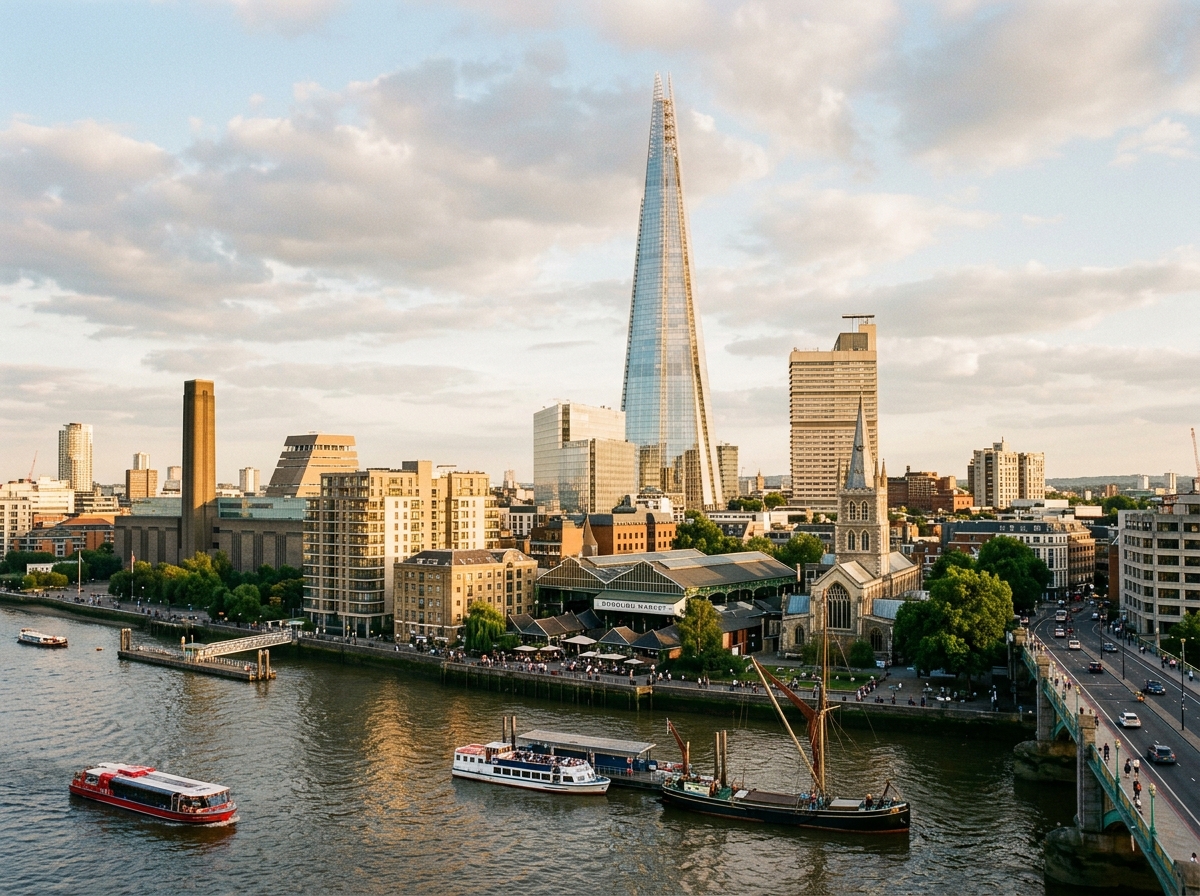
Best for: Foodies, culture lovers, couples, anyone who wants river views Transport: Waterloo, London Bridge, Southwark (multiple lines and trains) Price range: Mid-range to luxury (GBP 140 to 350 per night) Honest note: The Southbank Centre area feels empty on weekday evenings away from the riverfront strip. Borough Market neighbourhood and Bermondsey are better for evening atmosphere.
Marylebone
Marylebone is consistently cited by people who know London well as one of the best places to stay. High Street Marylebone is a refined, village-scale shopping street with independent cafes, excellent restaurants, and bookshops. Regents Park is a ten-minute walk north. The Wallace Collection, one of London’s finest smaller museums, is free and extraordinary.
Hotels in Marylebone range from boutique mid-range options to the grand luxury of The Langham. The neighbourhood feels genuinely residential in a way that Covent Garden and Soho do not.
Best for: Couples, return visitors, those who want a neighbourhood feel without sacrificing central access Transport: Baker Street, Bond Street, Marble Arch (multiple lines) Price range: Mid-range to luxury (GBP 130 to 450 per night)
Kensington and South Kensington
South Kensington is museum central. The Victoria and Albert Museum, the Natural History Museum, and the Science Museum are all within a five-minute walk of each other and all three are world-class. Hyde Park is immediately to the north. Knightsbridge and Harrods are a short walk east.
The neighbourhood is well-maintained, quieter than Soho or Covent Garden, and very popular with families and those visiting for longer stays. Serviced apartments are plentiful here and often better value than hotels for stays of four nights or more.
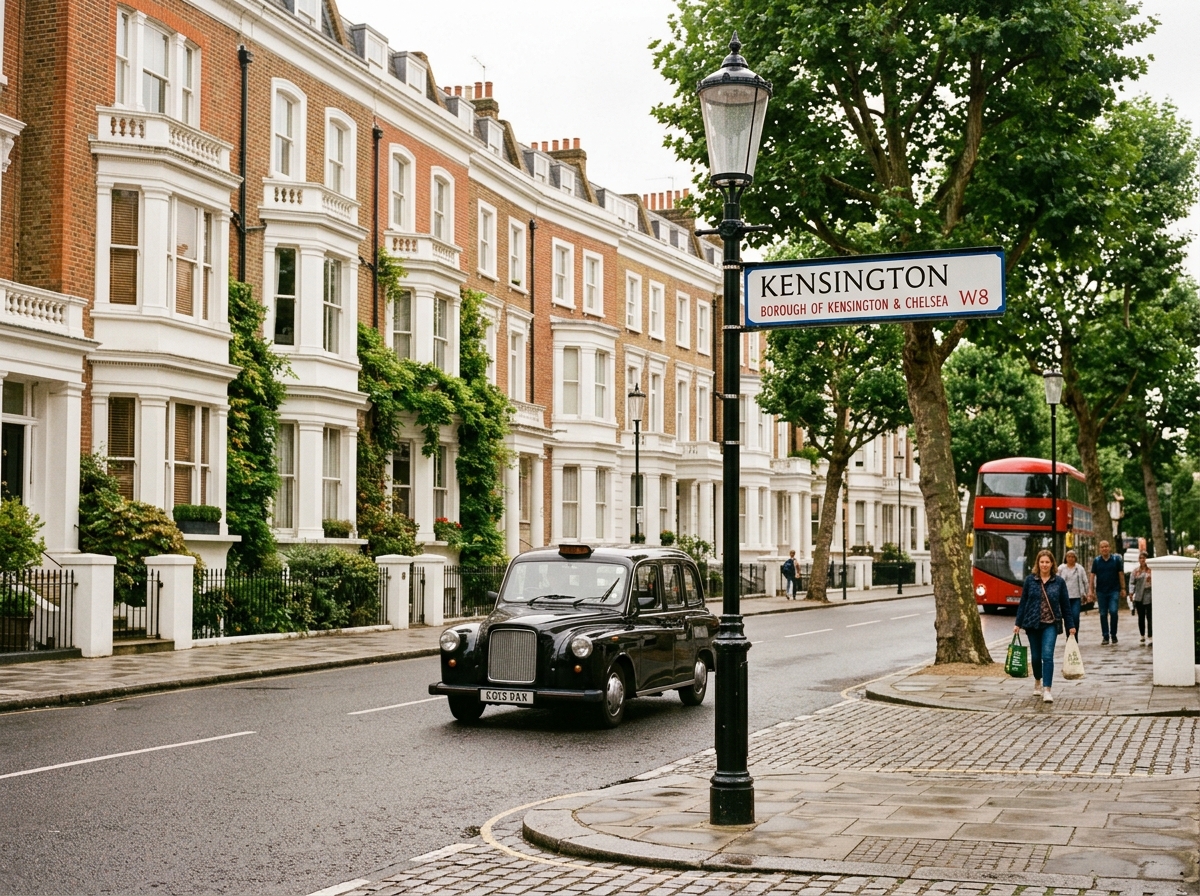
Best for: Families, museum lovers, longer stays, visitors who prefer quieter evenings Transport: South Kensington, Gloucester Road (District, Circle, Piccadilly lines) Price range: Mid-range to high (GBP 120 to 350 per night) Honest note: South Kensington is elegant but not particularly characterful. Nearby Chelsea and Brompton Road are more interesting for evening exploration.
For families staying in South Kensington or anywhere in central London with children, a compact lightweight travel stroller is genuinely useful for long museum days and Tube journeys. The UPPAbaby MINU V2 Stroller (available on Amazon) folds in one motion, fits in Tube luggage areas, and handles London’s mix of smooth pavements and cobbled streets well.
Shoreditch and East London
Shoreditch is the right choice for travellers who want to experience a genuinely different side of London from the tourist circuit.
The area around Old Street, Brick Lane, Spitalfields Market, and the Columbia Road Flower Market (Sunday mornings) is full of independent restaurants, street art, vintage markets, and creative energy. It is where younger Londoners and the city’s tech and creative industries concentrate.
Hotels in Shoreditch are noticeably more affordable than Mayfair or Covent Garden for comparable quality. The neighbourhood is well-connected by the Overground and the Elizabeth line makes Bank and Liverpool Street extremely quick from here.
Best for: Solo travellers, younger visitors, creatives, those who want to avoid the tourist bubble Transport: Shoreditch High Street (Overground), Old Street (Northern line), Liverpool Street (multiple lines, Elizabeth line) Price range: Budget to mid-range (GBP 80 to 200 per night) Honest note: Shoreditch is significantly further from the main tourist sights than central areas. The British Museum, National Gallery, and Buckingham Palace all require at least 20 to 30 minutes by Tube. Plan accordingly.
King’s Cross and St. Pancras
King’s Cross has transformed dramatically over the past decade. The area around the stations, Coal Drops Yard shopping and dining development, Granary Square, and Regent’s Canal is now one of the most attractive urban regeneration projects in London.
The main practical advantage is transport. From King’s Cross St. Pancras you can reach almost anywhere in London. The Victoria, Northern, Piccadilly, Metropolitan, Circle, and Hammersmith and City lines all stop here. Heathrow is 50 minutes away directly on the Piccadilly line. Eurostar trains to Paris and Brussels depart from St. Pancras next door.
Hotels here are more affordable than further south and the neighbourhood now has enough restaurants and bars to make an evening base genuinely enjoyable.
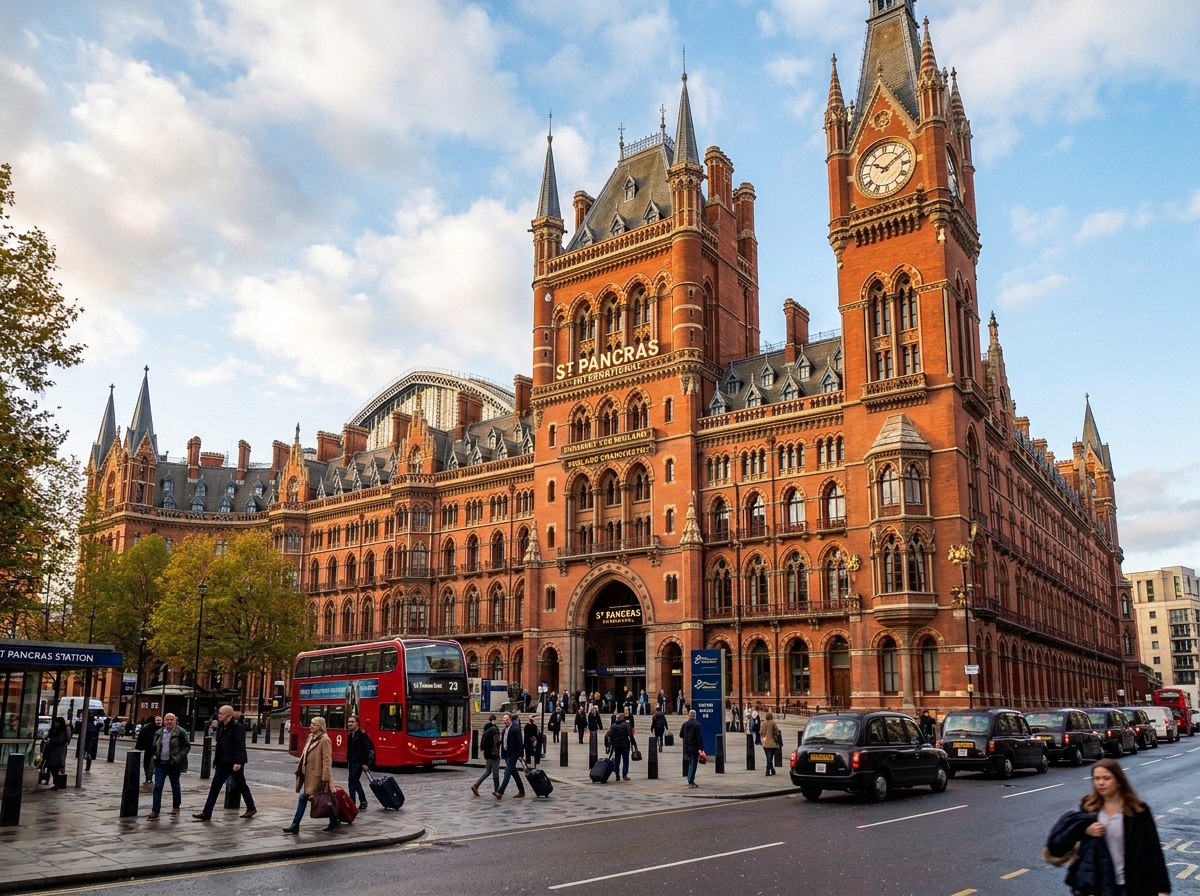
Best for: Budget to mid-range travellers, those arriving by Eurostar, anyone wanting maximum transport flexibility Transport: King’s Cross St. Pancras (6 Tube lines plus trains plus Eurostar) Price range: Budget to mid-range (GBP 70 to 180 per night)
Mayfair and Knightsbridge
If budget is not the primary concern, Mayfair and Knightsbridge offer London at its most exclusive.
Mayfair is the neighbourhood of Claridge’s, The Connaught, The Dorchester, and The Berkeley. These are not just hotels. They are institutions with decades of service culture, extraordinary concierge teams, and the kind of quiet, confident luxury that takes years to build. Berkeley Square, Mount Street, and the galleries and restaurants of Mayfair are genuinely beautiful.
Knightsbridge sits adjacent to Hyde Park with Harrods as its anchor. The Harvey Nichols department store, Pont Street, and Sloane Street restaurants give you access to some of London’s most refined dining and shopping.
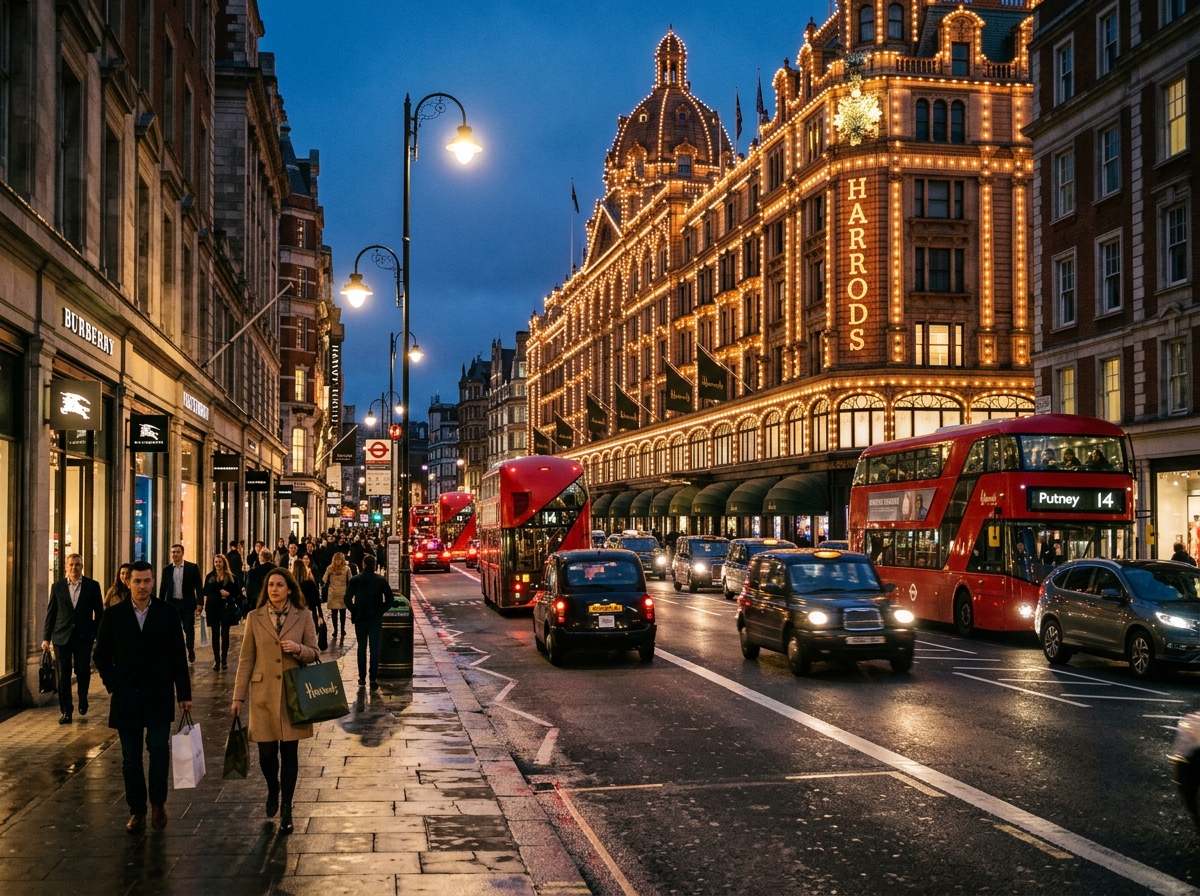
Best for: Luxury travellers, business visitors, special occasions Transport: Green Park, Bond Street, Knightsbridge (Jubilee, Victoria, Piccadilly lines) Price range: Luxury (GBP 300 to 1,000 or more per night)
London Transport: What You Need to Know Before Booking
The neighbourhood you stay in only matters in the context of how you plan to get around. London’s transport system is excellent but understanding a few basics makes all the difference.
Use contactless, not cash. The Tube, buses, and most London transport no longer accepts cash payment. Use a contactless debit or credit card, or an Apple Pay or Google Pay device, and you automatically receive daily and weekly caps. An Oyster card works the same way and can be loaded at any station.
The Elizabeth line changes everything. The Elizabeth line opened in 2022 and runs east-west across the city from Reading in the west to Shenfield and Abbey Wood in the east, stopping at Paddington, Bond Street, Tottenham Court Road, Liverpool Street, Canary Wharf, and beyond. If any of these stations are on your route, journey times have dramatically reduced compared to older Tube lines.
Heathrow to central London options: The Heathrow Express from Heathrow to Paddington takes 15 minutes and costs around GBP 25. The Elizabeth line takes 50 minutes to central London and costs under GBP 5. For most travellers, the Elizabeth line is the right choice unless you are arriving late and very tired.
Buses are underused by tourists. London buses show you the city in a way the underground never does. Routes 11, 23, and RV1 pass major sights on the surface. The fare is around GBP 1.75 and cheaper than the Tube for short journeys.
For anyone travelling with significant luggage between airports, stations, and hotels in London, a well-designed cabin bag that handles Tube staircases and overhead racks without stress is essential. The Samsonite Flux Spinner 55cm Cabin Case (available on Amazon) meets most airline cabin restrictions, has a sturdy telescopic handle, and rolls smoothly on London’s mix of pavement, station floors, and occasional cobblestones.
Best Areas by Traveller Type
First-time visitors: Covent Garden or South Bank. Both put you within walking distance of major sights with good transport backup and interesting evening streets.
Budget travellers: King’s Cross, Paddington, or Shoreditch. All three offer noticeably lower hotel prices than the West End with good transport to the centre.
Families: South Kensington for museum access. Marylebone for the park and neighbourhood feel. Both have good serviced apartment options for longer stays.
Couples: South Bank for river views and Borough Market. Marylebone for the village atmosphere and excellent restaurants.
Solo travellers: Soho or Shoreditch, depending on whether you want West End energy or East London creative culture.
Luxury: Mayfair or Knightsbridge. No other areas come close for service, setting, and prestige.
Business travellers: The City (around Bank and Moorgate) for financial district meetings. King’s Cross for Eurostar access. Canary Wharf if meetings are in Docklands.
Quick Reference Table
| Neighbourhood | Best For | Avg Nightly Cost | Tube Zones |
|---|---|---|---|
| Covent Garden | First-timers, theatre | GBP 150 to 400 | Zone 1 |
| Soho | Foodies, nightlife | GBP 130 to 500 | Zone 1 |
| South Bank | Couples, culture, views | GBP 140 to 350 | Zone 1 |
| Marylebone | Couples, neighbourhood feel | GBP 130 to 450 | Zone 1 |
| South Kensington | Families, museums | GBP 120 to 350 | Zone 1 |
| Shoreditch | Solo, budget, creatives | GBP 80 to 200 | Zone 1-2 |
| King’s Cross | Budget, transport access | GBP 70 to 180 | Zone 1 |
| Mayfair/Knightsbridge | Luxury | GBP 300 to 1,000 | Zone 1 |
Practical Tips Before You Book
Book early for central London. Good mid-range hotels in Zone 1 areas like Covent Garden, Soho, and South Bank fill up quickly, especially on weekends and during major events. For summer visits, booking two to three months ahead for the best selection is sensible. January and February offer the lowest prices.
Check what events are on. London hosts major events that cause accommodation prices to spike: Wimbledon in late June and early July, Notting Hill Carnival in late August, major football fixtures, and royal events. Prices around these dates can double or triple in nearby neighbourhoods.
Consider serviced apartments for four nights or more. For longer stays, serviced apartments in South Kensington, Marylebone, and Paddington often give you significantly more space than a hotel room at a similar or lower price per night. Look at Sonder, Aparthotel Adagio, and SACO for reliable options.
Zone 1 is not always necessary. Zones 2 and 3 in north London (Islington, Stoke Newington) and south London (Brixton, Peckham) offer genuinely interesting neighbourhood experiences at lower prices. A Zone 2 Tube journey to central London costs the same as a Zone 1 journey under the daily cap system.
Avoid Leicester Square for accommodation. It is expensive, crowded with tourists at all hours, has poor-quality restaurants nearby, and is not meaningfully more convenient for sightseeing than Covent Garden, which is five minutes’ walk away but substantially better as a base.
London’s weather is famously unpredictable at every time of year. A compact packable umbrella that fits in a day bag without weight or bulk is a non-negotiable London travel item. The Repel Windproof Travel Umbrella (available on Amazon) is windproof, opens and closes in one motion, and packs into a small sleeve that fits any shoulder bag or coat pocket. It is one of the most consistently reviewed travel umbrellas available.
Frequently Asked Questions
What is the best area to stay in London for first-time visitors?
Covent Garden gives you the best combination of walkability, atmosphere, and access to major sights. South Bank is an excellent alternative if you want river views and access to Borough Market and Tate Modern.
Where should I stay in London on a budget?
King’s Cross, Paddington, and Shoreditch all offer lower prices with good transport. Expect GBP 70 to 130 per night for a decent mid-range hotel in these areas. Hostels across the city start around GBP 20 to 35 per dorm bed.
Is it safe to stay in East London or Shoreditch?
Yes. Shoreditch and the surrounding areas of Hackney and Bethnal Green are safe and popular neighbourhoods. Normal city precautions apply everywhere in London.
How far in advance should I book a London hotel?
For summer visits (June through August) and major event periods, two to three months ahead for the best mid-range options in central areas. For January through March, you can often book two to three weeks ahead with good availability.
Is it worth staying in Mayfair?
If budget allows, yes. The hotel quality, service level, and neighbourhood atmosphere in Mayfair are genuinely exceptional. Claridge’s, The Connaught, and The Dorchester consistently rank among the best hotels in the world. If the price point is comfortable, it is worth the experience.
What is the best transport option from Heathrow to my hotel?
The Elizabeth line to your nearest central London station is the best option for most travellers. It takes around 50 minutes to Paddington or 45 minutes to Bond Street and costs under GBP 5. The Heathrow Express is faster at 15 minutes but costs around GBP 25 and only goes to Paddington.
Which London neighbourhoods are quiet at night?
Westminster, the City of London (the financial district around Bank station), and Canary Wharf are largely empty after 8pm on weeknights. They work as bases but lack evening atmosphere. Stick to Soho, Covent Garden, South Bank, Marylebone, Shoreditch, or Notting Hill for neighbourhoods that feel alive after dark.
Final Thoughts
Getting the neighbourhood right in London matters more than in most cities. A well-chosen base puts you in a place with character, good restaurants, and convenient transport. A poorly-chosen one in the wrong tourist zone means expensive, mediocre meals and an evening view of crowds outside a Leicester Square cinema.
The best areas for most visitors are Covent Garden for walkability, South Bank for atmosphere and views, Marylebone for a genuine neighbourhood feel, and Shoreditch for budget travel with a different perspective on the city.
Choose based on what you plan to do, not just on what looks central on a map. London’s transport makes almost anywhere workable. The right neighbourhood makes the whole trip better.