6:47 AM: My alarm is a garbage truck.
Not birdsong. Not church bells. A reversing garbage truck with that high-pitched European beep-beep-beep that sounds like it’s inside my skull. I’ve been awake since 5:30 anyway, thanks to jet lag from our trip to Lisbon three days ago. My body still thinks it’s midnight.
This is living abroad. Some mornings you wake up in a fairytale. Others you wake up confused, underslept, and vaguely angry at waste management.
7:15 AM: I feed the dogs Luna, our anxious rescue, and Marco, the cat-dog who thinks he’s human. They eat the same kibble they ate in Portland, shipped here at ridiculous expense because Portuguese pet food gives Luna diarrhea.
I make coffee in our “cozy” (read: microscopic) kitchen. The coffee maker is from Continente, the local supermarket. It cost €19 and sounds like a dying tractor. I miss my $200 Breville back home, currently in storage along with everything else I used to think mattered.
7:45 AM: Morning walk along the Tagus River.

This part is actually magic. Lisbon’s light hits different golden, ancient, forgiving. The 25 de Abril Bridge (Golden Gate’s red cousin) looms in the distance. Fishermen cast lines. Old men play cards on benches. Luna sniffs every cobblestone while Marco marks territory on 500-year-old walls.
I pass the same elderly woman every morning. She says “Bom dia.” I say “Bom dia” back. We’ve never spoken beyond this. I don’t know her name. She doesn’t know I’m American. This is the extent of my Portuguese community after eight months.
8:30 AM: Back home. Time to tackle the bureaucracy.

Today I need to renew my residence permit. I’ve been preparing for three weeks. I have: my passport, proof of address, bank statements, health insurance certificate, criminal background check (apostilled, translated, notarized), passport photos, and a €150 fee.
I also have anxiety. Last time, the clerk rejected my application because my bank statement was from “yesterday” instead of “today.” The time before, they changed locations without updating the website. I spent €40 on taxis going to the wrong office.
9:00 AM: The SEF office (Portuguese immigration).
I take a number. 47. They’re serving 23. The waiting room smells like stress and perfume. I open my laptop to work, but the WiFi requires a Portuguese phone number I don’t have.
I watch a Brazilian family get rejected their documents are “insufficient” though they look identical to mine. The mother cries quietly. The father argues in rapid Portuguese. The security guard looks bored.
My number is called at 11:47. The clerk reviews my folder in silence. She asks one question: “Why do you want to live in Portugal?” I freeze. I wasn’t prepared for philosophy.
“Because… it’s beautiful?” I say.
She stamps my papers. Approved for another year. I feel relief and resentment in equal measure grateful to stay, angry that my presence requires this much justification.
12:30 PM: Lunch at the mercado.
I buy a bifana (pork sandwich) and a Super Bock beer for €4.50. This is the trade-off. Bureaucratic mornings become affordable afternoons. The market vendors know me now. José, the butcher, saves me chicken thighs when they’re fresh. Ana, the cheese lady, lets me taste before buying.
I eat standing at a high table, watching Lisbon swirl around me. Tourists with maps. Locals with purpose. I fit neither category. I’m the in-between too settled to be a visitor, too foreign to be native.
1:30 PM: Afternoon work session.
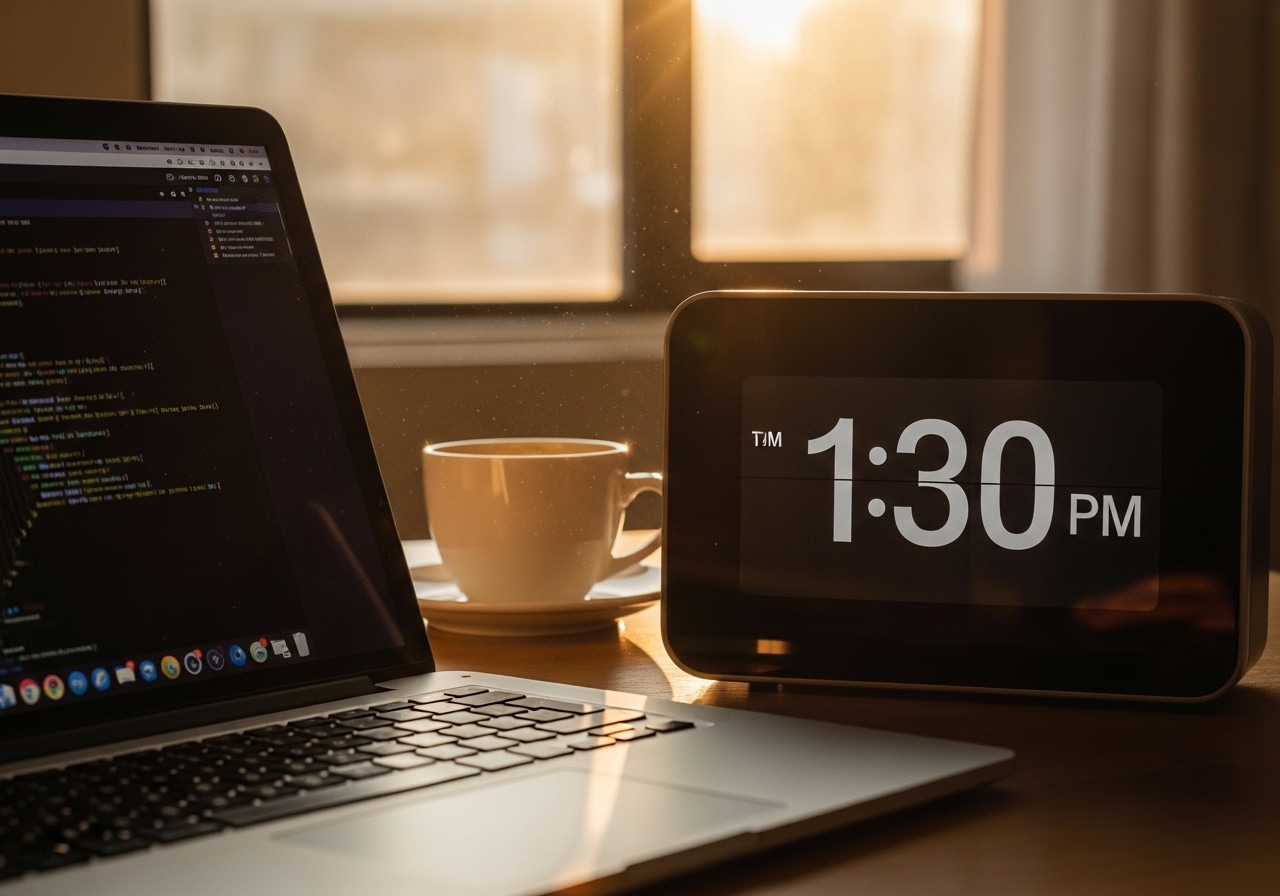
I run a remote content strategy business for US clients. My mornings are Europe, my afternoons are America. This time zone juggling pays the bills but destroys my sleep schedule.
Today I’m editing a blog post about “work-life balance.” The irony is not lost on me.
The workspace reality: Our apartment is 45 square meters. My “office” is a corner of the living room with a folding table from IKEA. I use a Laptop Stand for Desk the Rain Design mStand to save my neck from hunching. It’s aluminum, matches the MacBook, and raises the screen to eye level. Small thing, but after eight hours of editing, the difference between functional and crippling.
I also wear Sony WH-1000XM4 Noise Cancelling Headphones because Lisbon is loud. Trams screech. Neighbors argue. Construction never stops. The noise cancellation creates a bubble of focus in chaos. Expensive, but I bill hourly every interruption costs money.
4:00 PM: The afternoon slump hits.
I walk to my favorite café, Café Tati, for a galão (Portuguese latte) and a pastel de nata. The owner, Fernando, asks about my morning. I try to explain the SEF office in broken Portuguese. He corrects my grammar gently. This is my language lesson €1.80 for coffee, free tutoring included.
5:30 PM: Grocery shopping.
This is where the glamour dies. I shop like a local now small, daily purchases because our fridge is dorm-room sized. No Costco runs. No stockpiling. Every day, I decide what we’re eating based on what’s fresh and what I can carry up four flights of stairs.
Tonight: grilled sardines, roasted peppers, bread from the padaria that costs €0.30 and tastes better than any $6 artisanal loaf in Portland.
I navigate the supermarket with my phone translator ready. Did you know Portuguese has fourteen different words for “cream,” and using the wrong one ruins your coffee? I learned this the expensive way.
6:30 PM: The climb home.
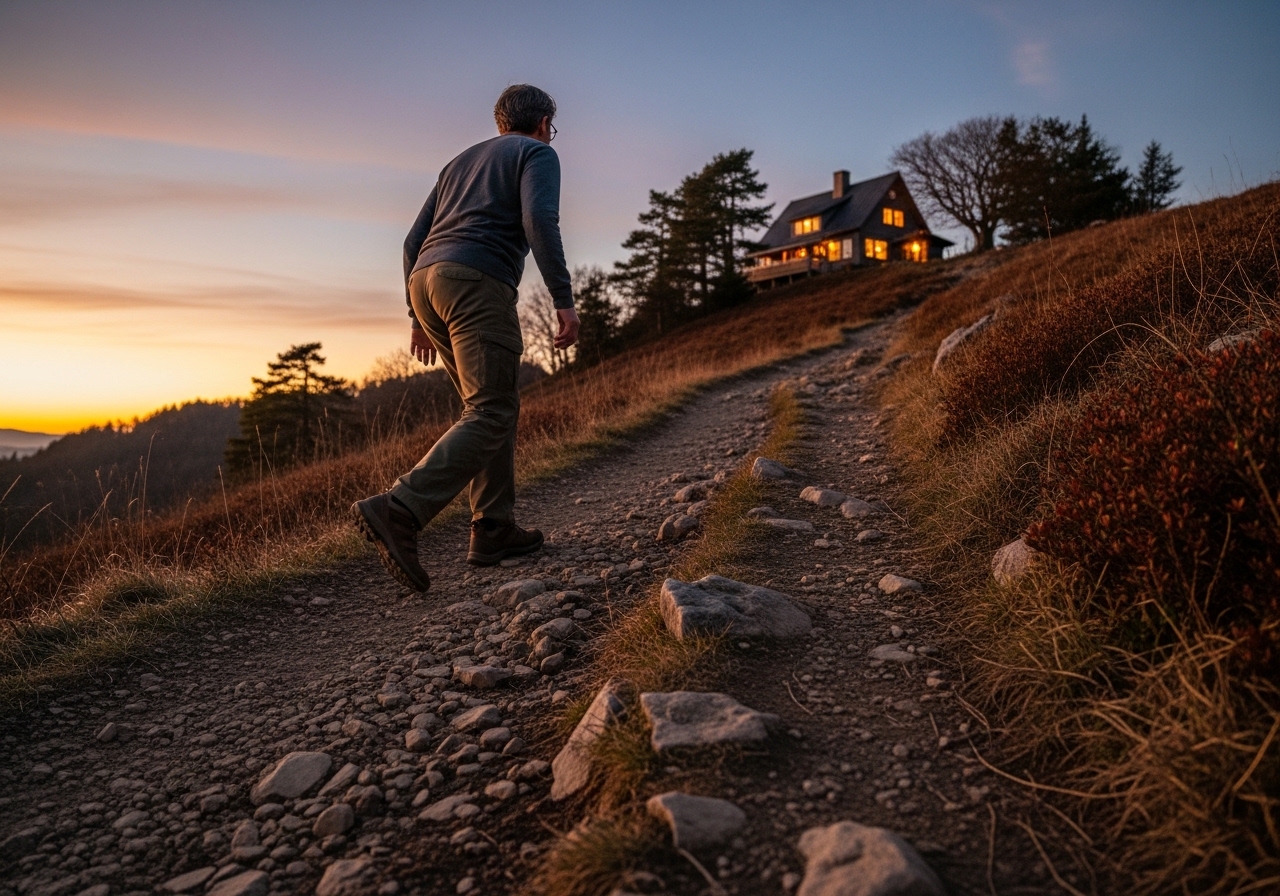
Four flights of stairs. No elevator. Built in 1890, our building predates accessibility standards. I carry groceries in a Baggu Reusable Shopping Bag the ripstop nylon one that holds 50 pounds and scrunches to nothing. I’ve tried canvas totes, wheeled carts, backpack coolers. The Baggu is the only thing that survives cobblestones, staircases, and sudden rain.
Marco greets me at the door with the enthusiasm of someone who thought I’d died. Luna hides under the bed because she heard a motorcycle outside. Rescue dogs in foreign countries have special anxieties.
7:00 PM: Dinner prep.
Our kitchen has one electrical outlet, a two-burner stove, and an oven that fits one dish at a time. I’ve become a minimalist chef by necessity. Everything happens in stages. Roast vegetables first. Keep warm on the stove. Grill fish second. Bread goes in last.
My husband, David, gets home at 7:30. He works for a Portuguese company actual local employment, rare for expats. His Portuguese is better than mine. He navigates the systems I find impenetrable. Sometimes I resent his competence. Mostly I’m grateful.
8:00 PM: Dinner on our balcony.
Three feet wide, overlooking a narrow street where neighbors hang laundry and sing fado on Fridays. Tonight it’s quiet. We eat sardines with our hands, tear bread, drink vinho verde from €3 bottles that taste like summer.
This is why we moved. Not for the Instagram moments. For this simple food, warm air, the feeling of being slightly outside ordinary life.
9:00 PM: Evening walk through Alfama.

The oldest neighborhood in Lisbon. Moorish walls. Fado bars spilling music. Cats everywhere Lisbon’s true residents. We don’t have a destination. We wander, which is the point.
David points out architectural details I miss. I notice street art he walks past. After twelve years together, we still see differently. This is why it works.
10:30 PM: Home. Final dog walk.
Lisbon at night feels safe in ways American cities don’t. Old women walk alone at midnight. Teenagers smoke on corners without menace. The drug dealers in Príncipe Real are polite, businesslike.
I buy a beer from the corner shop open until 2 AM, unlike the restrictive Oregon liquor laws I escaped. Drink it on the balcony. Watch the moon over the castle.
11:30 PM: Bed, finally.
But first: check emails from US clients (afternoon there), set alarm for tomorrow’s early call, remember I need to schedule a dentist appointment (find one who speaks English?), worry about the visa renewal in eleven months, miss my sister’s birthday because I miscalculated time zones, feel guilty, feel grateful, feel tired.
Sleep comes around 1 AM. Garbage trucks start at 6:47.
What This Day Actually Means
The unspoken truth: Living abroad isn’t a vacation extended. It’s building a life with fewer tools, in a language you don’t fully grasp, with the constant low-grade anxiety of being slightly out of place.
The benefits are real:
- €4 lunches that would cost $18 in Portland
- Healthcare that doesn’t require insurance negotiations
- Walking everywhere, feeling healthier
- The daily adventure of not knowing exactly what will happen
The costs are real too:
- Professional regression (I was senior-level; now I’m grateful for freelance scraps)
- Social isolation (deep friendships take years; I have acquaintances)
- Decision fatigue (every small task requires effort)
- The permanent feeling of being “other”
The Gear That Makes It Work
After eight months, I’ve learned what actually matters:
Communication: The Pocketalk Classic Language Translator stays in my bag. Not for daily interactions I need to learn Portuguese. For emergencies. For medical appointments. For the moments when charades fail and Google Translate needs internet. It’s a safety net, not a crutch.
Connectivity:Google Fi phone service keeps my US number active while giving me data in 200+ countries. One less thing to manage. Clients can reach me. I can navigate. The bill is predictable, which matters when everything else fluctuates.
Comfort: The Casper Original Pillow traveled in my suitcase because sleep is non-negotiable. Portuguese pillows are either concrete slabs or feather pancakes. I need consistency. Small luxuries anchor you when everything else changes.
The Questions You Actually Have
Do you regret it?
Not yet. Ask me when I need serious dental work or when my parents get sick and I’m 5,000 miles away.
Is it cheaper?
Yes and no. Rent is 40% less. Groceries are 30% less. But we spend more on travel (because Europe), shipping (because Amazon doesn’t work the same), and convenience (because time is money when you’re rebuilding).
Do you feel at home?
Sometimes. When Fernando remembers my coffee order. When I navigate the metro without thinking. When the sunset hits the terracotta roofs just right.
Other times when I can’t explain my symptoms to a doctor, when I miss a cultural reference, when I realize I haven’t spoken to a friend in weeks I feel like I’m performing a life rather than living one.
Will you stay?
We have a year left on visas. Then we decide. Renew, return, or relocate elsewhere. The luxury of this lifestyle is flexibility. The burden is permanent uncertainty.
The Bottom Line
A day in the life of living abroad looks like this: mundane beauty, bureaucratic frustration, simple pleasures, complex isolation. It’s not better than home. It’s not worse. It’s different in ways that expand you and shrink you simultaneously.
Tonight, I’ll fall asleep to the sound of trams and distant fado. Tomorrow, the garbage truck will wake me. I’ll make mediocre coffee, walk beautiful streets, struggle with a language I may never master, and build a life that doesn’t quite fit any category.
That’s the real day. The one between the Instagram posts.
This post contains affiliate links. If you purchase through these links, I earn a small commission at no extra cost to you. I only recommend products I actually use to survive expat life.