Sicily is the largest island in the Mediterranean. It has been ruled by Greeks, Romans, Arabs, Normans, and Spaniards. Each civilization left something behind. The result is an island where ancient Greek temples stand near Baroque cathedrals. Where Arab spices flavor Norman architecture. Where volcanic soil produces wine that tastes like nowhere else.
But Sicily is not a simple vacation. It is an island that demands planning. The roads wind through mountains. The summer heat is intense. The famous beaches are not always what you expect. And the crowds in places like Taormina can test your patience.
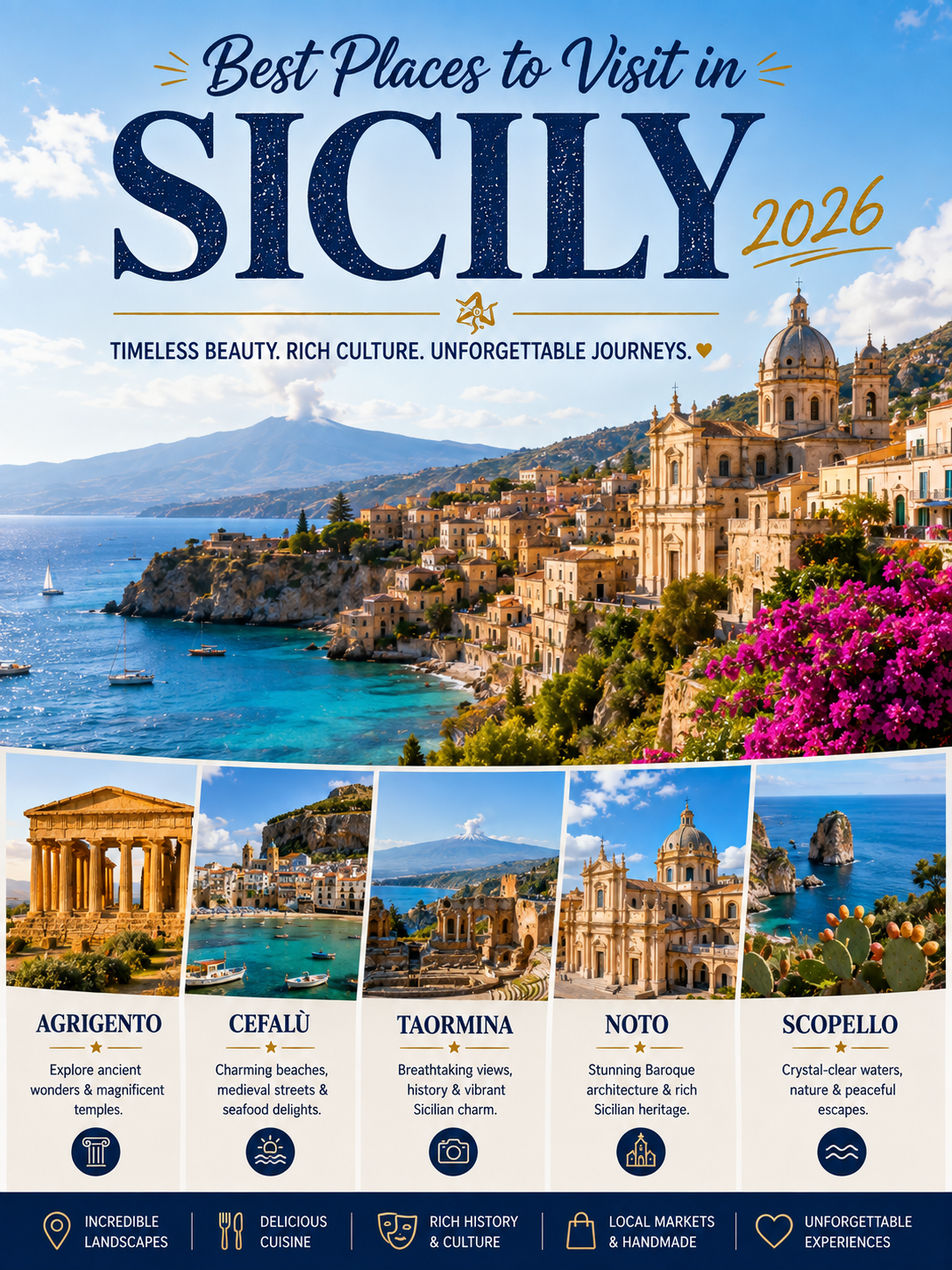
This guide helps you see Sicily properly. It covers the iconic spots with honest timing. It covers the hidden spots other lists ignore. It answers the questions you will actually have while driving narrow mountain roads or searching for parking in Cefalu.
Palermo: Where to Start and What to Actually Eat
Palermo is the capital. It is chaotic, beautiful, and essential. Many travelers use it only as an entry point. That is a mistake.
The street food reality. Palermo has one of the best street food cultures in Europe. But the Vucciria and Ballaro markets can overwhelm first timers. Vendors shout. Scooters zip through. The smells hit you from every direction.
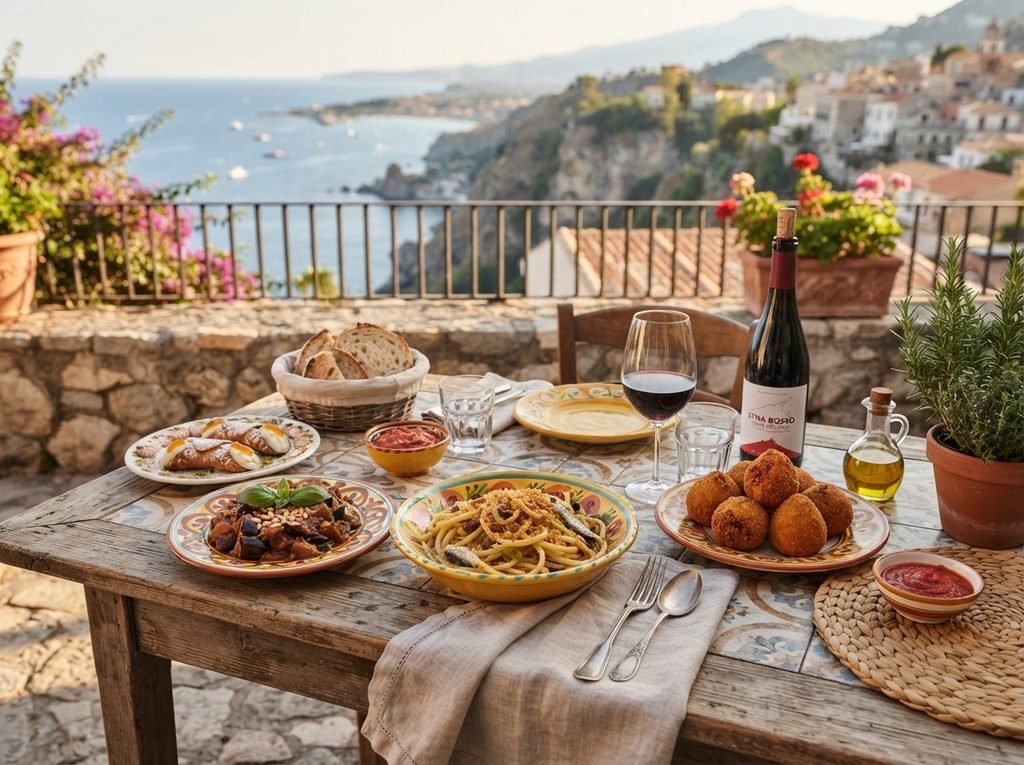
Start slow. Find a market stall with a line of locals. Order panelle. These are chickpea flour fritters. They are crispy, salty, and cost about one euro. Move on to arancini. These are fried rice balls filled with meat or cheese. In Palermo they are round. In Catania they are pointed. Locals will correct you if you confuse the two.
Try caponata. It is a sweet and sour eggplant dish with tomatoes, celery, and olives. It is served at room temperature. It is deeply flavored and completely Sicilian.
Pasta con le sarde is the dish that surprises visitors most. It is spaghetti with sardines, fennel, pine nuts, raisins, and saffron. The combination of sweet raisins and salty fish confuses some travelers. But it is the essence of Sicilian cooking. Arab spices meet Mediterranean seafood.
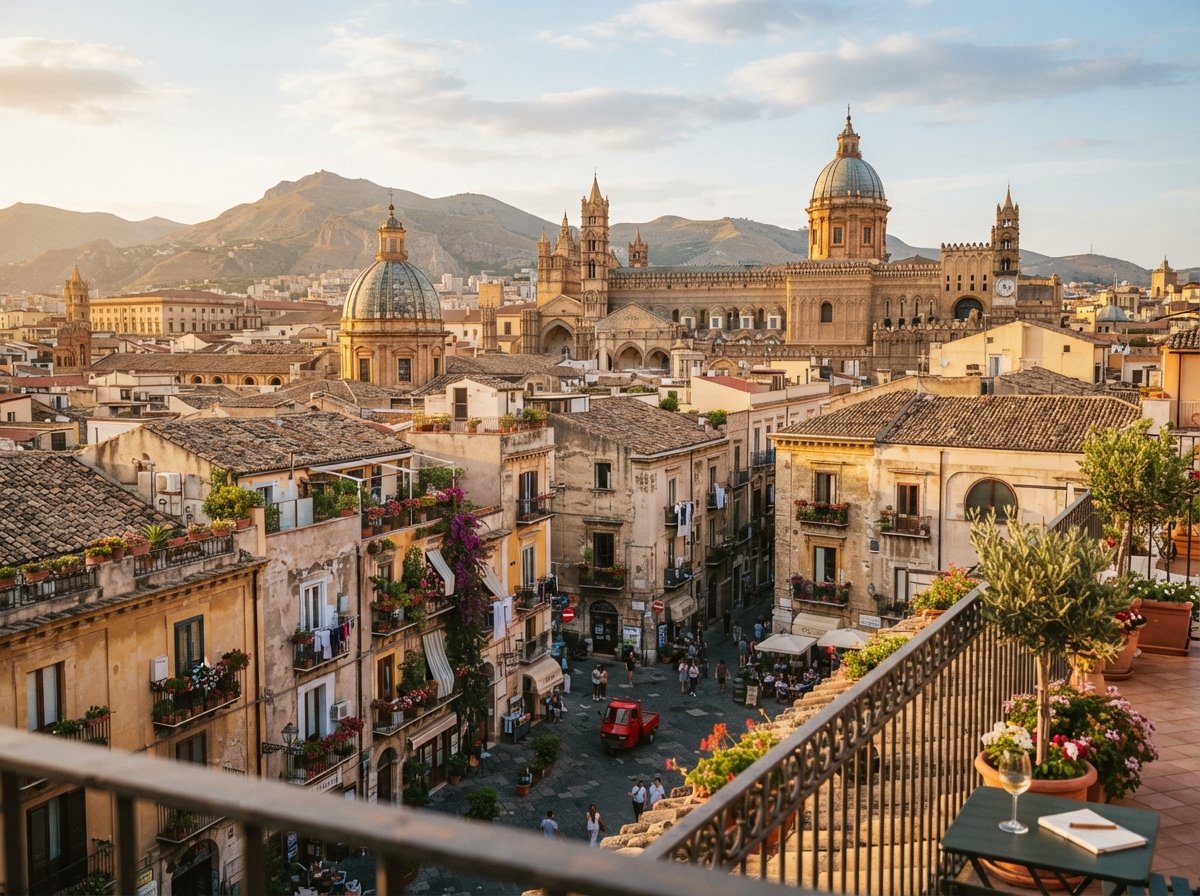
What to see. The Palermo Cathedral mixes Norman, Moorish, and Baroque styles. The Quattro Canti is a Baroque square where four palaces meet. The Palazzo dei Normanni houses the Palatine Chapel with gold Byzantine mosaics that will stop you in your tracks.
Take the bus or a taxi to Monreale. The cathedral there has the finest medieval mosaics in Italy. The entire interior glitters with gold and blue tiles.
Cefalu: The Beach Town That Needs a Strategy
Cefalu is a postcard. A medieval town with a Norman cathedral and a beach that curves along the Tyrrhenian Sea. But in 2026, the parking situation is genuinely difficult.
The smart way to visit. Do not drive into Cefalu in July or August. The parking lots fill by 9 AM. The streets become gridlocked. Instead, take the train from Palermo. It takes one hour. The station is a five minute walk from the old town. You avoid the stress entirely.
The beach gets crowded. The main stretch fills with umbrellas. If you want space, walk east toward the less developed sections. Or hike La Rocca. The trail starts near the old town and climbs to castle ruins. The view over Cefalu and the sea is worth the sweat.
The cathedral interior is stunning. The Byzantine mosaics include a golden Christ Pantocrator. It rivals Monreale in beauty but in a much smaller space.
Taormina: How to Handle the Crowds
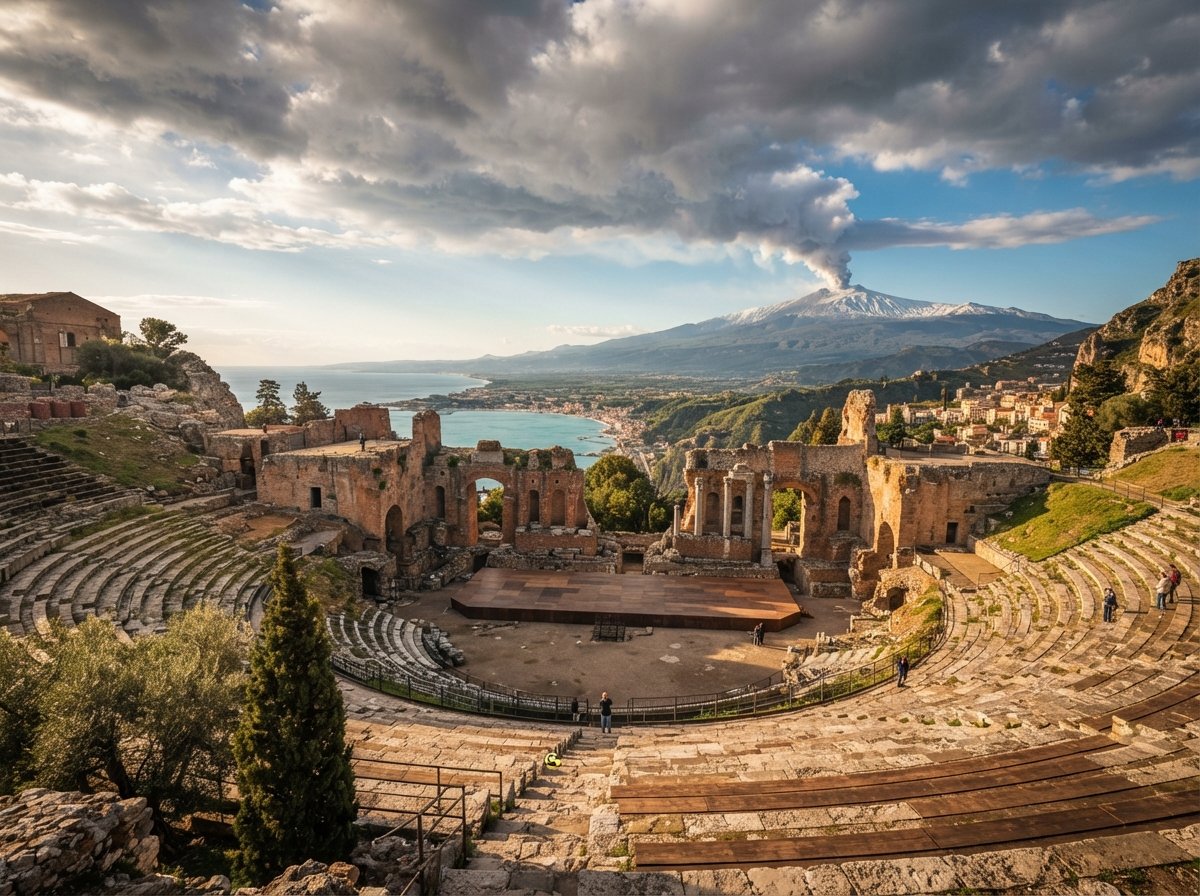
Taormina is famous for good reason. The Greek Theater has Mount Etna as its backdrop. The views are spectacular. The gardens are beautiful. But after the White Lotus effect, the crowds are real.
The reality. Corso Umberto, the main street, can feel like a theme park in July and August. Prices have risen. A simple granita can cost double what it costs in Catania.
The solution. Stay in Mazzaro, the beach area below Taormina. Take the cable car up to the old town for dinner. Time your visit for after 6 PM when the cruise ship crowds depart. You get the views without the shoulder to shoulder shuffle.
The Greek Theater is best visited at opening time. Buy tickets online in advance. The morning light on the columns with Etna behind them is the photo you came for.
Isola Bella is beautiful from above. The beach itself is pebbles. It gets cramped by 10 AM. Go early for the view. Then move to Letojanni or Giardini Naxos for an actual swim.
Mount Etna is the real star. You can see it from Taormina. But you should also visit it up close. Guided tours take you to the craters. The landscape is lunar and dramatic. Wear layers. The summit is cold even when the coast is hot.
The Val di Noto: Baroque Towns That Define Sicily
The southeastern corner of Sicily holds eight UNESCO listed Baroque towns. Three of them are essential.
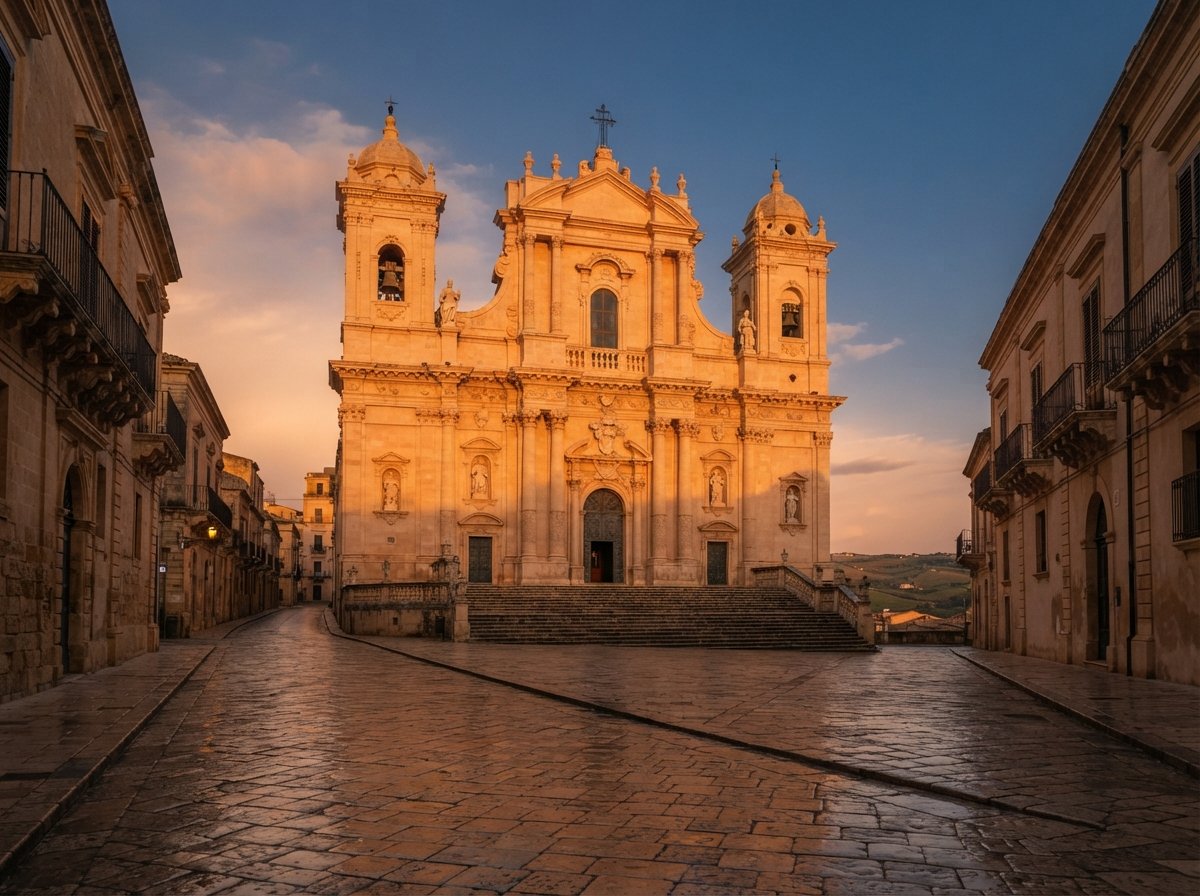
Noto. This town was rebuilt after the 1693 earthquake in a uniform Baroque style. The main street, Corso Vittorio Emanuele, is lined with honey-colored limestone buildings. The cathedral facade is stunning at golden hour. In May, the Infiorata flower festival covers the streets in petal designs. It is one of the most beautiful events in Italy.
Modica. This town is famous for chocolate. The local style is called modicana. It is made using an Aztec method the Spanish brought over. The sugar is not melted. It remains grainy. The texture is unique. Antica Dolceria Bonajuto has been making it since 1880. Try the chili pepper variety.
The Duomo di San Giorgio climbs a staircase that seems to go straight to heaven. It is one of the most dramatic church approaches in Sicily.
Ragusa. The town splits in two. Ragusa Superiore is the modern part. Ragusa Ibla is the historic heart. Ibla is a maze of Baroque churches and quiet lanes. The Duomo di San Giorgio dominates the main square. Eat at Locanda Don Serafino. It is a cave turned restaurant. The food is refined Sicilian.
Scicli. This smaller Baroque town is often skipped. It should not be. The town hall facade is striking. It appeared in the Inspector Montalbano TV series. The streets are quiet. The pace is slow. It offers the Baroque experience without the tour buses.
Syracuse and Ortigia: Ancient and Modern Together
Syracuse was once the most powerful Greek city in the Mediterranean. The Neapolis Archaeological Park holds the Greek Theater, the Roman Amphitheater, and the Ear of Dionysius. The Ear is a cave shaped like a human ear. It has perfect acoustics. A whisper at one end travels to the other.
The Greek Theater hosts classical performances in late spring and early summer. The 2026 season ran from May 8 to June 28. If you missed it, plan for 2027. The experience of watching Greek drama in a 2,500 year old theater is unmatched.
But the real magic is Ortigia. This small island is the historic center. It connects to the mainland by two short bridges. The Piazza del Duomo is one of the finest squares in Italy. The cathedral was built inside a Greek temple. The original columns still form part of the walls.
Walk the narrow lanes. Swim off the rocks at Forte Vigliena. Eat at Don Camilo. The wine cellar has over 800 varieties. The fish is fresh. The setting is intimate.
Agrigento and the South Coast
The Valley of the Temples is one of the most important archaeological sites in the world. It is not a valley. It is a ridge. Seven Greek temples stand along a path with the sea in the distance. The Temple of Concordia is the best preserved. It looks like something from Athens but with better weather.
Go early. The site has almost no shade. The morning light is better for photos. The afternoon heat is brutal. Wear a hat. Bring water. The walk is longer than it looks.
Scala dei Turchi. This white limestone cliff looks like a staircase carved by giants. It sits between two beaches. You cannot climb it anymore. Conservation efforts have restricted access. You now need tickets to visit the viewpoint. Check availability online before you go.
The south coast beaches near Agrigento are sandy and less crowded than the east coast. San Leone has beach bars and easy swimming. Torre Salsa nature reserve offers wild coastline with no facilities.
The West Coast: Trapani, Erice, and the Egadi Islands
The west coast feels different from the east. It is windier. The salt flats shimmer pink. The Arab influence is stronger.
Trapani. This port city is the gateway to the Egadi Islands. The old town has a relaxed feel. The cathedral is impressive. The fish market is worth a morning visit. Try couscous alla trapanese. This is fish couscous with a light broth. It reflects the Arab history of the region.
Erice. Take the cable car up from Trapani. This medieval town sits on a mountain top. The clouds often roll in below you. It feels like an island in the sky. Venus Castle offers panoramic views. Maria Grammatico’s bakery makes almond pastries that are worth the trip alone.
The Egadi Islands. Favignana is the largest. Rent a bike and circle the island. The water is impossibly blue. Cala Rossa is the most famous swimming spot. It is a former rock quarry filled with seawater. The colors are surreal. Rent a small boat if you have time. You do not need a license for small electric boats.
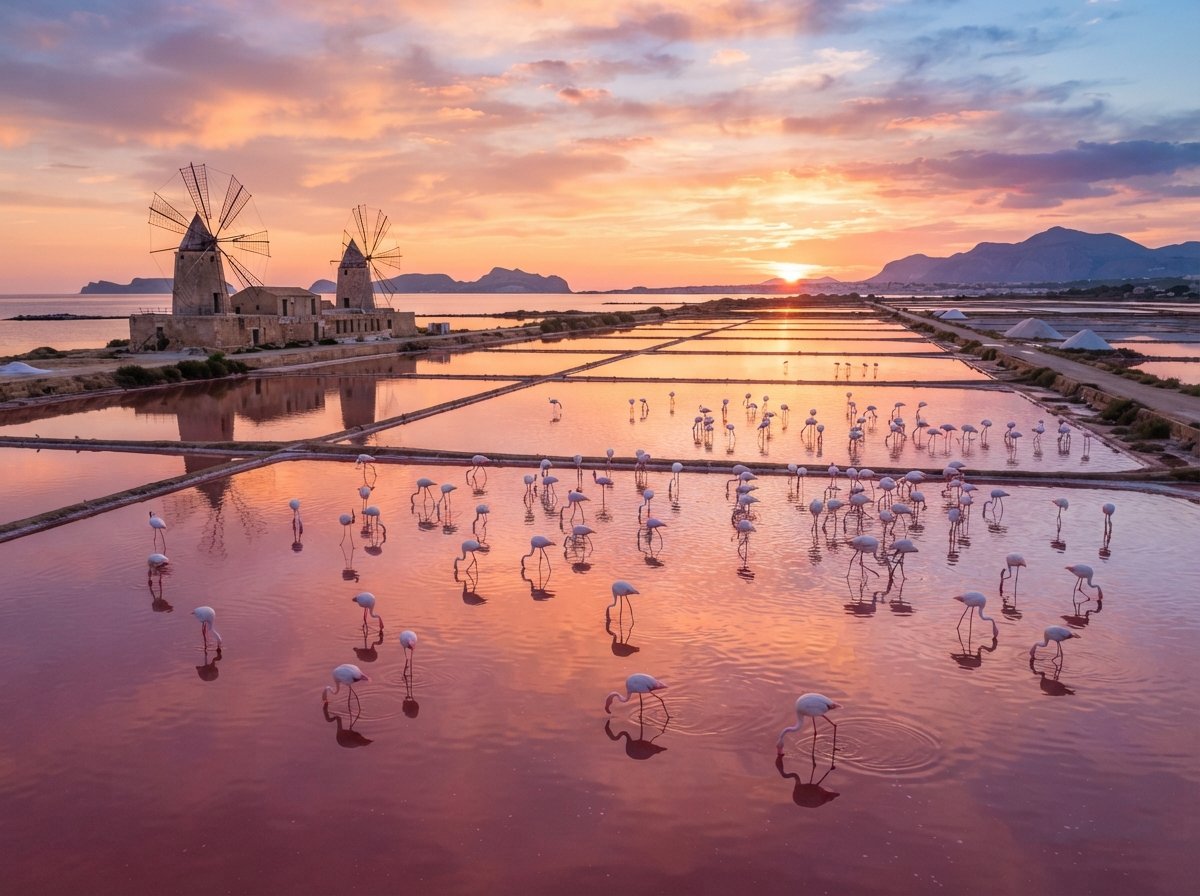
The Salt Pans. Between Trapani and Marsala, windmills pump water through shallow pools. The salt turns pink as it dries. Flamingos feed in the pools during migration season. Sunset here is spectacular. The light turns everything golden and rose.
The Interior: What Competitors Ignore
Most articles treat Sicily as a coastline. They miss the mountains, forests, and villages in the middle.
The Nebrodi Mountains. This is the largest natural park in Sicily. It has forests of oak and beech. Lakes hide in the valleys. Wild boar roam freely. The air is cool even in August. Small villages like San Marco d’Alunzio and Mistretta offer traditional food and zero crowds.
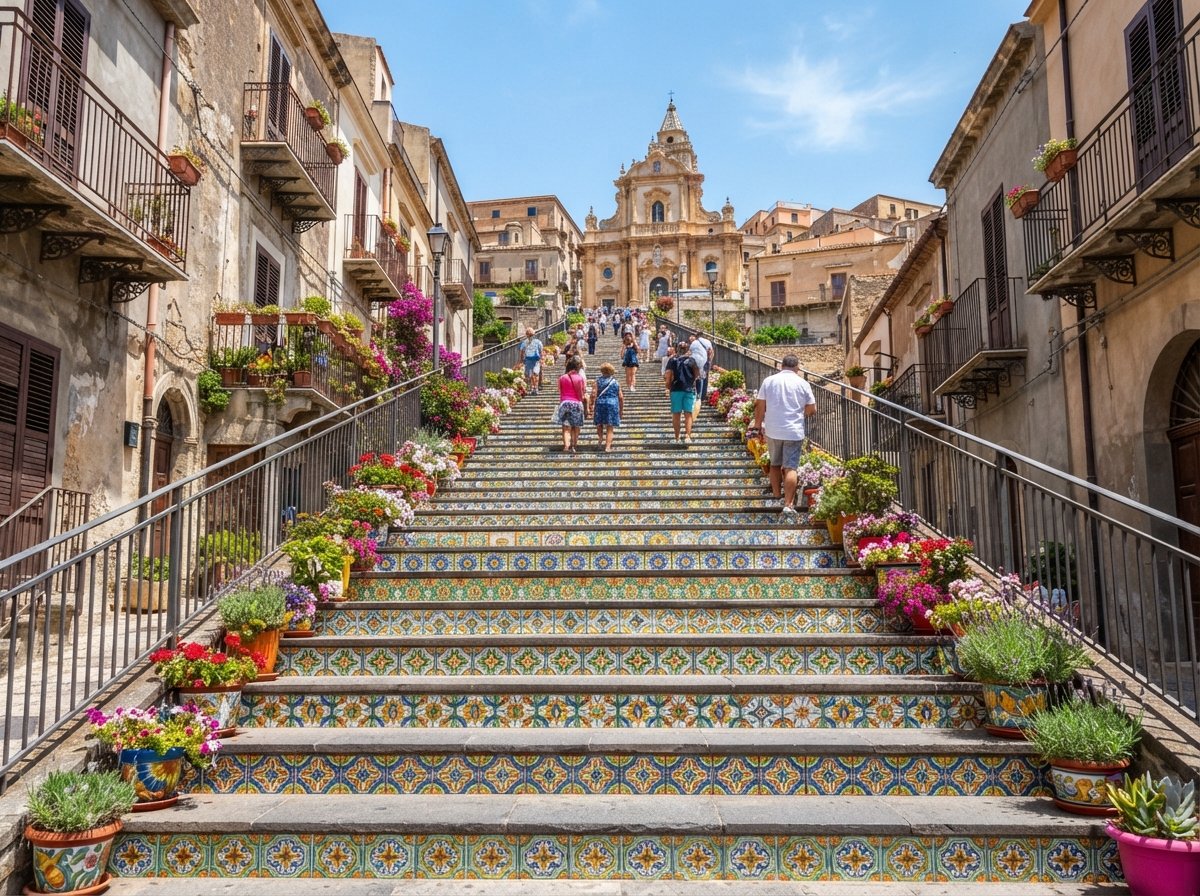
Caltagirone. This town is famous for ceramics. A staircase of 142 steps climbs through the center. Each step is decorated with hand painted tiles. The tradition dates back centuries. Shops sell vases, plates, and decorative tiles. It is colorful, artistic, and completely overlooked by international tourists.
Piazza Armerina. The Roman villa here has the finest floor mosaics in Europe. They depict hunting scenes, bikini-clad gymnasts, and exotic animals. The detail is astonishing. The site is inland, so few visitors make the effort. Those who do have the place almost to themselves.
The Aeolian Islands: Volcanic Magic
This chain of seven islands sits off the north coast. They are UNESCO-listed for their volcanic nature.
Stromboli. This island has one of the most active volcanoes in Europe. It erupts almost constantly. Small explosions send lava into the air every few minutes. Guided hikes take you to the summit at sunset. You watch the eruptions in the dark. It is one of the most thrilling experiences in Italy. Book the guide in advance. The hike is demanding.
Vulcano. This island smells of sulfur. You can swim in warm mud baths near the port. You can hike to the crater rim. The view over the other islands is stunning.
Lipari. This is the largest island. It has the most facilities. The old town is charming. The archaeological museum holds artifacts from Greek and Roman shipwrecks.
Panarea. This is the smallest inhabited island. It is the most exclusive. The beaches are rocky but beautiful. The nightlife is lively in summer.
Ferries run from Milazzo on the north coast. Book high speed hydrofoils at least four to five months in advance for July and August. They sell out.
The Best Beaches: Honest Advice
Sicily has beaches for every taste. But you need to know what you are getting.
San Vito Lo Capo. This is the most famous beach in the northwest. The sand is white. The water is clear. It is beautiful. It is also packed in August. Arrive early. Parking is difficult. The town hosts a couscous festival in September that draws huge crowds.
The Zingaro Reserve. This stretch of coastline between San Vito Lo Capo and Castellammare del Golfo has no roads. You hike between coves. The water is turquoise. The trails are easy. Bring water and snacks. There are no shops inside the reserve.
Castellammare del Golfo. This town has a beautiful harbor and good beaches nearby. It is less crowded than Cefalu. It has excellent seafood restaurants. It is a better base than Cefalu if you want to explore the west coast.
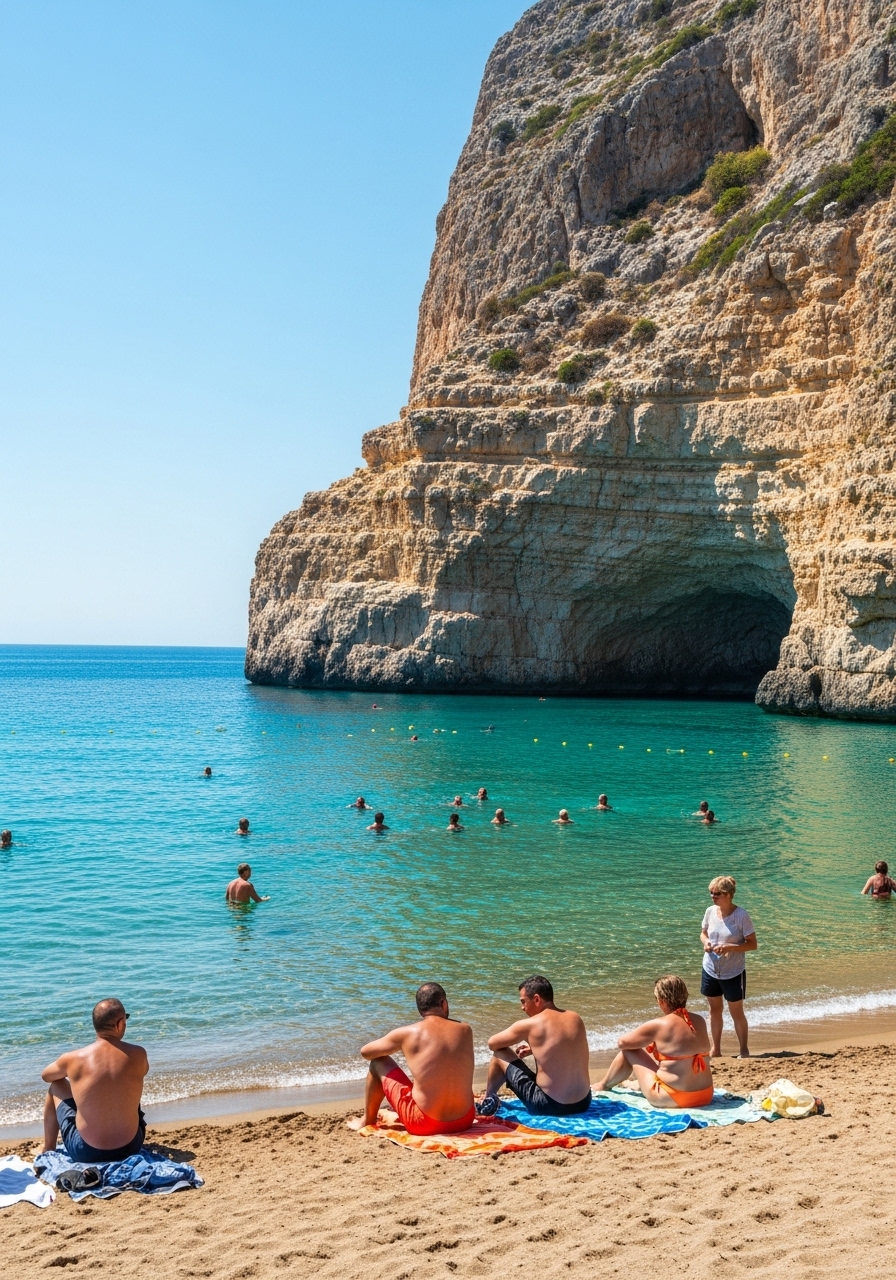
The volcanic sand warning. Many Sicilian beaches, especially near Etna and the Aeolian Islands, have black volcanic sand. In July and August, this sand reaches temperatures that burn bare feet in seconds. Regular flip flops sink and melt. A pair of Aleader quick dry water shoes protects your feet and lets you walk comfortably from your towel to the water. They drain instantly and grip slippery rocks. They cost little and save your beach day from pain.

ALEADER Women’s Energycloud Lightweight Slip On Walking Running Shoes
A 2026 Autumn Event You Should Know About
Most travelers visit Sicily in summer and miss the autumn festivals. In October 2026, the Ottobrata Zafferanese takes place in Zafferana Etnea, a town on the eastern slopes of Mount Etna. This monthly food festival celebrates the harvest bounty of the volcano. Local producers sell honey, wine, mushrooms, apples, and pistachios. The streets fill with music and the smell of grilled sausage. The backdrop is Mount Etna itself, often with its first autumn snow cap.
This is the Sicily that summer tourists never see. The crowds are gone. The air is crisp. The food is at its peak. If your schedule allows, plan your trip for early October instead of August. You will pay less, see more, and eat better.
Practical Tips for Driving and Getting Around
Renting a car. Sicily is best explored by car. The train connects major cities but misses the villages and beaches. However, driving in Sicily requires patience. Highways are good. Mountain roads are narrow and winding. Local drivers are fast and creative with lane usage.
ZTL zones. Historic centers in Palermo, Catania, Syracuse, and many smaller towns have Zona a Traffico Limitato. These are restricted traffic zones. Cameras photograph license plates. Fines arrive months later. Your rental company will charge you an admin fee on top of the fine. Park outside the center and walk in.
Parking in Cefalu and Taormina. Do not attempt street parking in these towns in summer. Use the designated lots. In Cefalu, take the train instead. In Taormina, stay outside the center and use the cable car.
Ferries. Book Aeolian and Egadi island ferries months in advance for summer. Use the Direct Ferries website to compare operators.
Cash and cards. Most restaurants and hotels take cards. Small bakeries, market stalls, and some parking meters take cash only. Carry euros in small denominations.
The sun. The Sicilian sun is intense. The light reflects off white buildings and pale ruins. A reef-safe sunscreen like Sun Bum Original SPF 50 protects your skin without harming marine life when you swim. Reapply every two hours. The reflection from the water and stone doubles your exposure.
Phone battery. You will use your phone for maps, photos, ferry tickets, and translation. The sun drains batteries fast. An Anker Zolo Power Bank fits in a daypack and charges your phone two to three times. On a long day of ruins and mountain roads, it keeps you connected.

Anker Zolo Power Bank
Frequently Asked Questions
How many days do I need in Sicily? Ten to fourteen days is ideal for a first visit. This allows you to see the east coast, the south coast, and one other region without rushing. Seven days is the minimum. Focus on either the east or the west. Do not try to see everything in a week.
Is Sicily expensive? Sicily is one of the most affordable regions in Italy. But prices in Taormina and Ortigia have risen. For a mid range budget, expect 120 to 180 euros per day for a couple including meals and local transport. You can travel for less by eating street food and staying in smaller towns.
Do I need a car in Sicily? Yes, if you want to see villages, nature reserves, and multiple regions. No, if you only visit Palermo, Cefalu, and Catania. The train connects these cities well. For the Val di Noto, a car is essential.
Is Sicily safe for tourists? Yes. Sicily is generally safe. Use normal precautions in busy markets and tourist areas. The mafia exists but does not target tourists. Petty theft happens in crowded places. Keep your bag closed and in front of you.
What is the best time to visit Sicily? May, June, September, and October offer the best balance of good weather and manageable crowds. July and August are hot and busy. March and April are good for wildflowers and lower prices. November is quiet and mild.
Can I swim in Sicily in October? Yes. The sea holds its warmth through October. The air is cooler but beach days are still possible, especially in the south.
What should I eat that is unique to Sicily? Try pasta con le sarde, caponata, panelle, arancine, cannoli with ricotta, granita with brioche for breakfast, and couscous alla trapanese in the west. Each region has its own specialties.
Are the Aeolian Islands worth it? Yes. They are one of the highlights of Italy. Stromboli alone is worth the trip. But they require planning. Book ferries and accommodation well in advance.
Can I visit Mount Etna without a guide? You can take the cable car and jeep to a certain altitude without a guide. But to reach the summit craters, you need a certified guide. The landscape is dangerous, and regulations require guides for the upper zones.
Conclusion
Sicily rewards travelers who look past the obvious. Taormina is beautiful but crowded. The real magic often happens in Sicily, in the Nebrodi Mountains, or at a salt flat sunset in Trapani.
Eat the sardine pasta. Walk the 142 ceramic steps in Caltagirone. Swim in a volcanic cove. Hike Stromboli at dusk. Visit the October food festival on the Etna slopes. Plan around the heat. Protect your feet on volcanic sand. Charge your phone. Respect the ZTL zones. Book your ferries early.
Sicily is not a place you visit once. It is a place that keeps calling you back. Do it right the first time. The island will give you memories that last a lifetime.