Barcelona is one of those cities that genuinely lives up to its reputation and then surprises you with something you never expected.
Most people arrive knowing about Sagrada Familia and Park Guell. They leave talking about the corner tapas bar they found in El Born, the sunset they watched from the Bunkers del Carmel with a bottle of local cava, and the tiled rooftop of Casa Mila that made no architectural sense and was completely perfect.
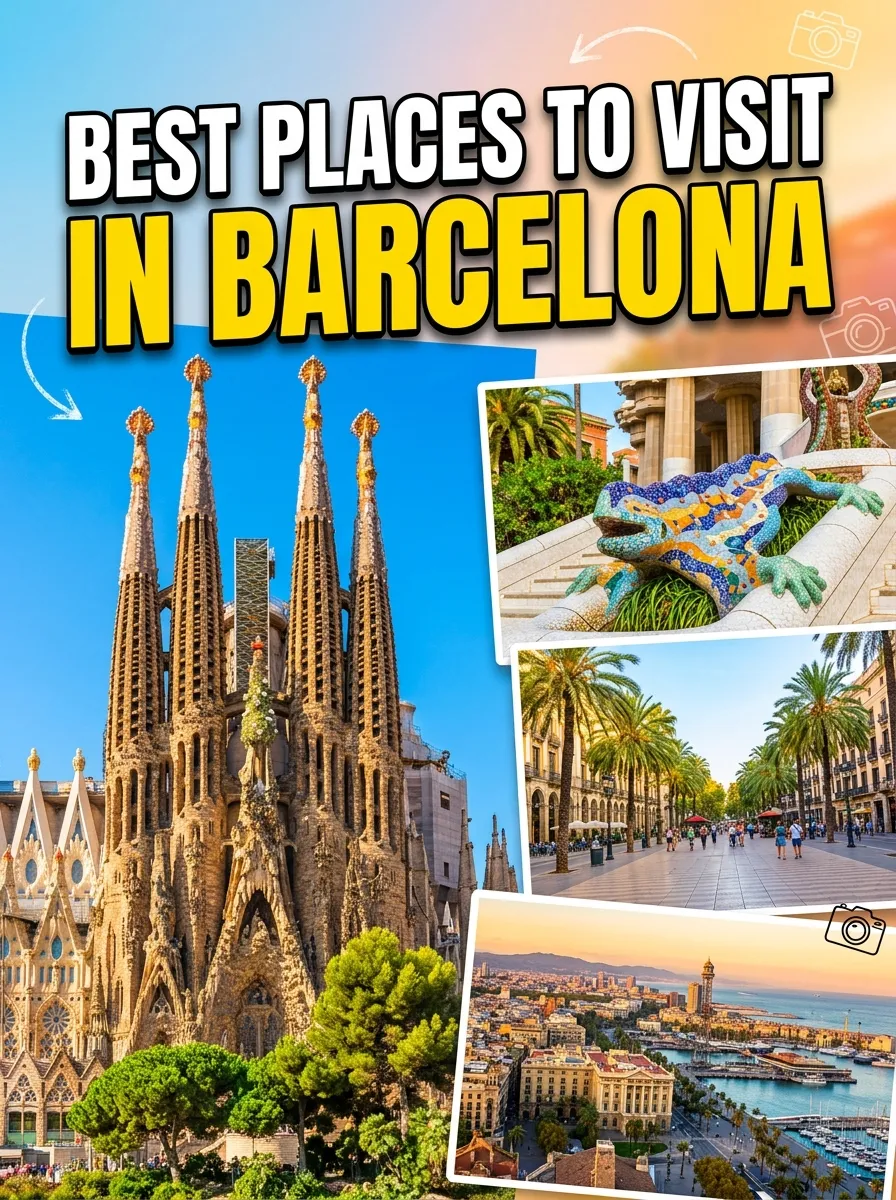
This guide covers the best places to visit in Barcelona for first-timers and repeat visitors, with honest practical advice that most travel articles skip.
Quick Answer: Best Places to Visit in Barcelona
For a first visit, cover the Sagrada Familia, the Gothic Quarter, Passeig de Gracia, and La Boqueria market. Add one viewpoint and one beach afternoon. That is a solid three-day foundation.
For a deeper experience, focus on El Born, Gracia, Poblenou, and the Recinte Modernista de Sant Pau. These are where the real city lives.
Gaudi’s Barcelona: The Architecture You Cannot Miss
Sagrada Familia
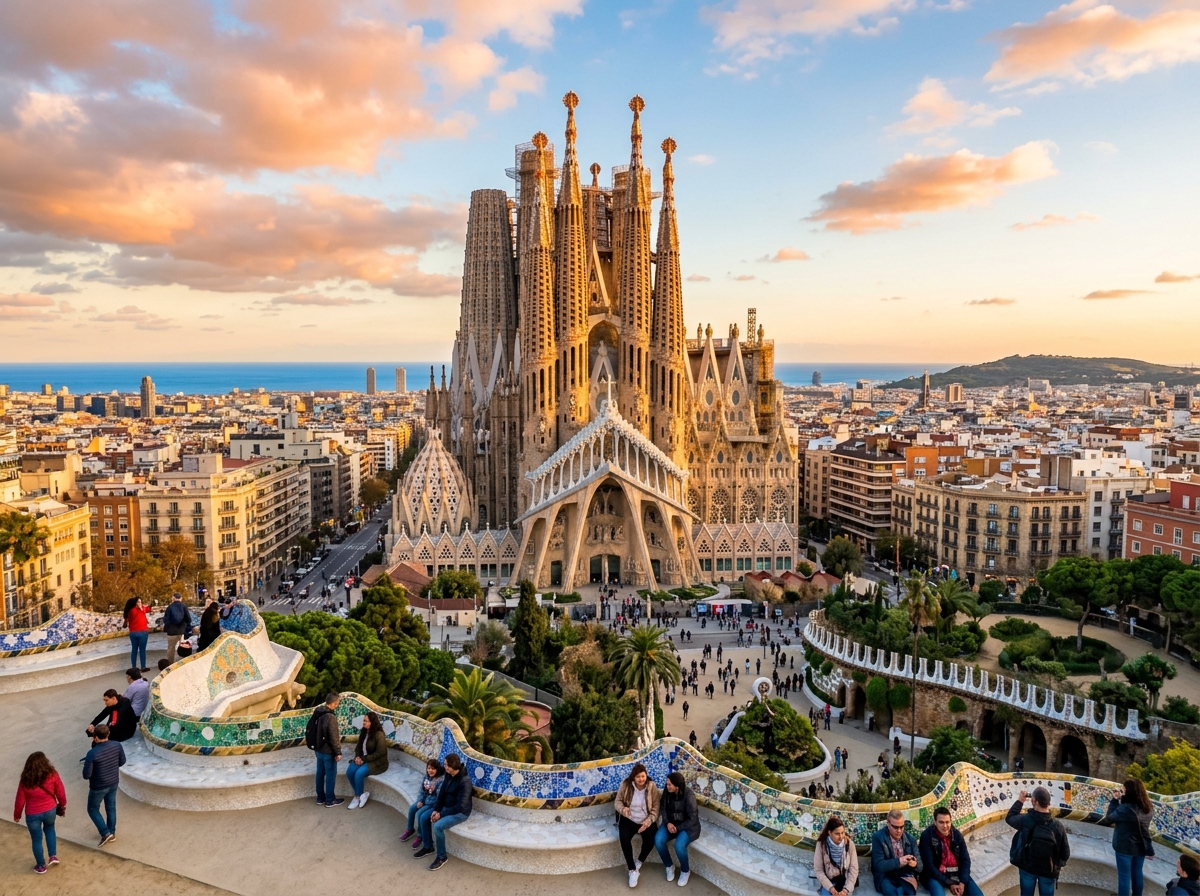
There is no building in the world quite like the Sagrada Familia. Antoni Gaudi’s unfinished basilica has been under construction since 1882 and is still not complete, with a projected finish date of 2026. The exterior is extraordinary. The interior is even more so, with light filtering through stained glass in a way that transforms the whole space depending on the time of day.
Morning visits from the east side fill the nave with warm amber and gold light. Afternoon visits from the west side bring deep blue and purple. If you can only go once, morning is the better choice.
Tickets: Book online at least two to three weeks in advance, and further ahead in summer. They sell out completely. Walk-up tickets at the door are not reliably available. Best for: Architecture lovers, first-time visitors, photography Tip: Add the tower access ticket when booking. The views over the city from the towers are outstanding and most people skip it.
Park Guell
Park Guell is the colourful mosaic park on the hillside of Carmel that appears on every Barcelona postcard. The iconic terrace with its serpentine bench covered in broken ceramic tiles is genuinely stunning in person.
The Monumental Zone, which includes the main terrace and the iconic columns, requires a timed entry ticket. The surrounding park is free and much less crowded. Walk through the free sections before or after your timed entry and you will have the place largely to yourself.
Tickets: Book online. Numbers are strictly limited and sell out on busy days. Best for: Families, photography, Gaudi fans Honest tip: The uphill walk from the metro is steep and about 20 minutes. Wear comfortable shoes or take a taxi to the entrance directly.
Passeig de Gracia: Casa Batllo and Casa Mila
Passeig de Gracia is Barcelona’s most elegant boulevard, lined with modernist architecture that ranges from stunning to surreal.
Casa Batllo has a facade covered in blue and green ceramic scales, curved balconies shaped like skulls and bones, and a roof designed to look like a dragon’s back. Evening visits are particularly atmospheric. The audio guide inside is genuinely one of the best in the city.
Casa Mila, known as La Pedrera, sits a few blocks north. The wavy stone facade is striking but it is the rooftop that makes it extraordinary. Chimney stacks shaped like twisted warriors stand against the Barcelona sky. The evening Gaudi Experience on the rooftop with live jazz is one of the best things you can do in the city.
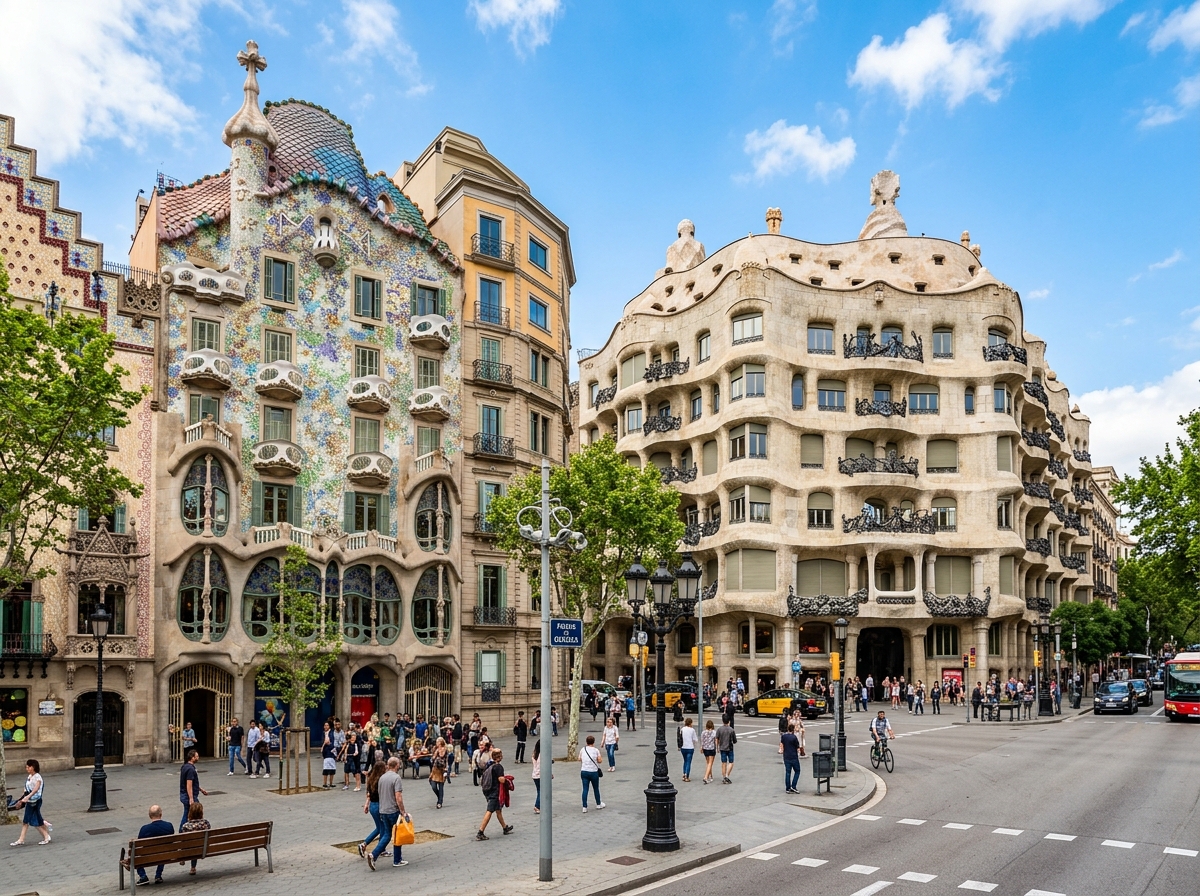
Tip: You do not need to pay entry to admire the facades. Stand on the pavement opposite each building for the best photographs.
Recinte Modernista de Sant Pau
This is one of the most beautiful buildings in Barcelona and one of the most underappreciated.
The Recinte Modernista de Sant Pau was designed by architect Lluis Domènech i Montaner, a contemporary of Gaudi who rivalled him in creativity. It is a UNESCO World Heritage Site and the largest Art Nouveau complex in the world. The coloured ceramic domes, the mosaic pavilions, and the underground tunnels connecting the buildings are extraordinary.
Unlike Casa Batllo or Sagrada Familia, you can walk in without booking weeks ahead. The crowds are a fraction of Gaudi’s sites. It is half the price of most major attractions and twice as peaceful.
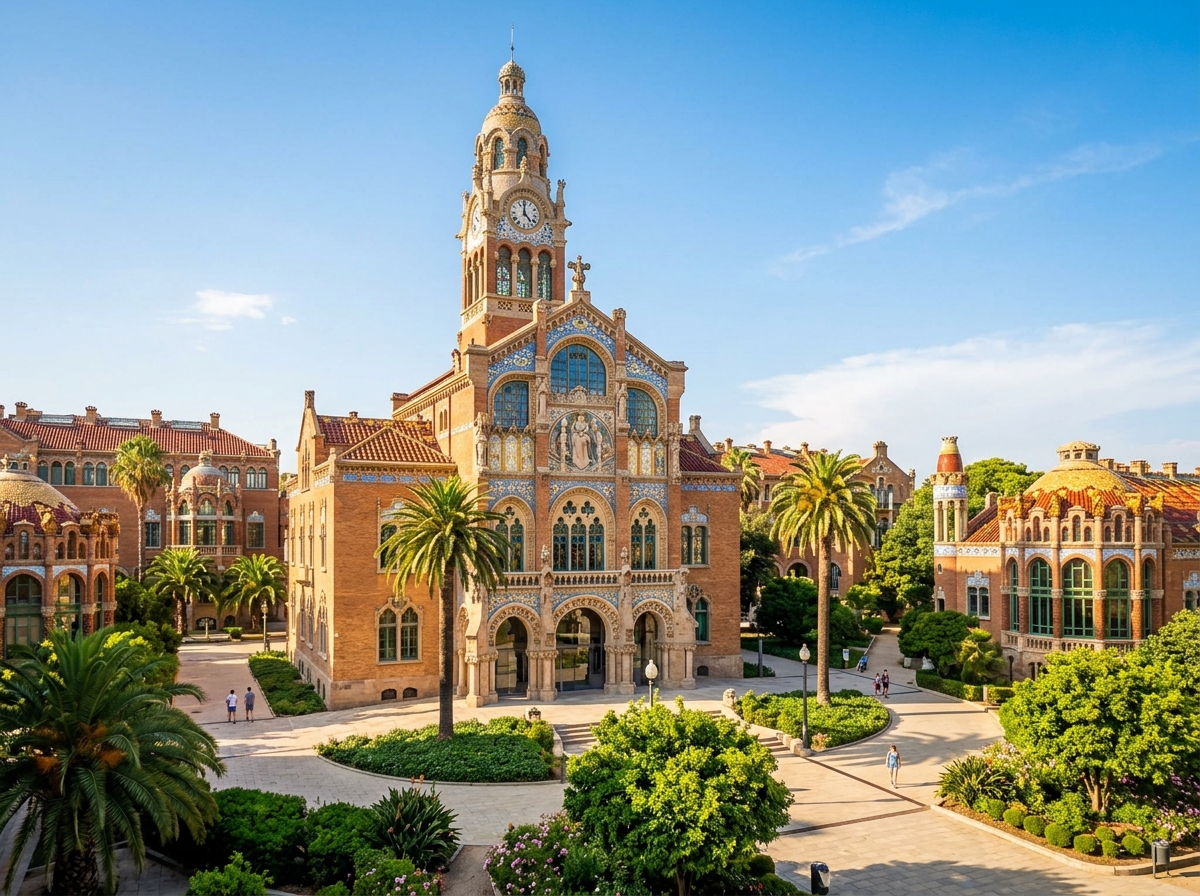
Address: Carrer de Sant Antoni Maria Claret, 167 Tip: Walk straight up Avinguda de Gaudi from the Sagrada Familia. It is a 10-minute walk and the two sites pair perfectly together in one morning.
Best Neighbourhoods to Explore in Barcelona
The Gothic Quarter (Barri Gotic)
The Gothic Quarter is the oldest part of Barcelona, built on the site of the original Roman settlement. You can still see sections of the Roman wall. The streets are narrow, the squares are beautiful, and getting genuinely lost here is one of the pleasures of visiting Barcelona.
Highlights include Plaça de Sant Felip Neri, a quiet square with a church facade still marked by bullet holes from the Spanish Civil War. It is one of the most haunting and atmospheric spots in the city. Plaça Reial, with its ornate lamp posts designed by a young Gaudi, is worth a coffee in the early morning before the crowds arrive.
Watch out for: Pickpockets in the Gothic Quarter are a serious issue. Keep bags closed in front of you and do not use your phone while walking through narrow alleyways.
El Born (Sant Pere, Santa Caterina i la Ribera)
El Born sits just east of the Gothic Quarter and is where the city’s creative and culinary energy concentrates.
The Mercat de Santa Caterina is the local alternative to La Boqueria, with a spectacular tiled roof designed by Enric Miralles and far fewer tourists. It is genuinely used by locals for their daily shopping, which means the produce is fresh and the atmosphere is real.
El Born neighbourhood itself is full of independent boutiques, natural wine bars, and small restaurants that open late and stay open later. Bar del Pla on Carrer de la Montcada is a neighbourhood favourite for vermouth and pintxos.
The Picasso Museum is here too. It holds over 4,000 works and gives an extraordinary view of his early development as an artist. Book tickets in advance.
Gracia
Gracia was an independent village before Barcelona absorbed it in the 19th century. It still feels like one. The neighbourhood has its own squares, each with its own personality, and a population of artists, students, and long-term residents who have resisted the tourism pressure better than most other areas.
Plaça del Sol and Plaça de la Vila de Gracia are both excellent for an evening vermouth. The neighbourhood fills up after 7pm when locals come out for the paseo, the early evening walk that is central to Barcelona social life.
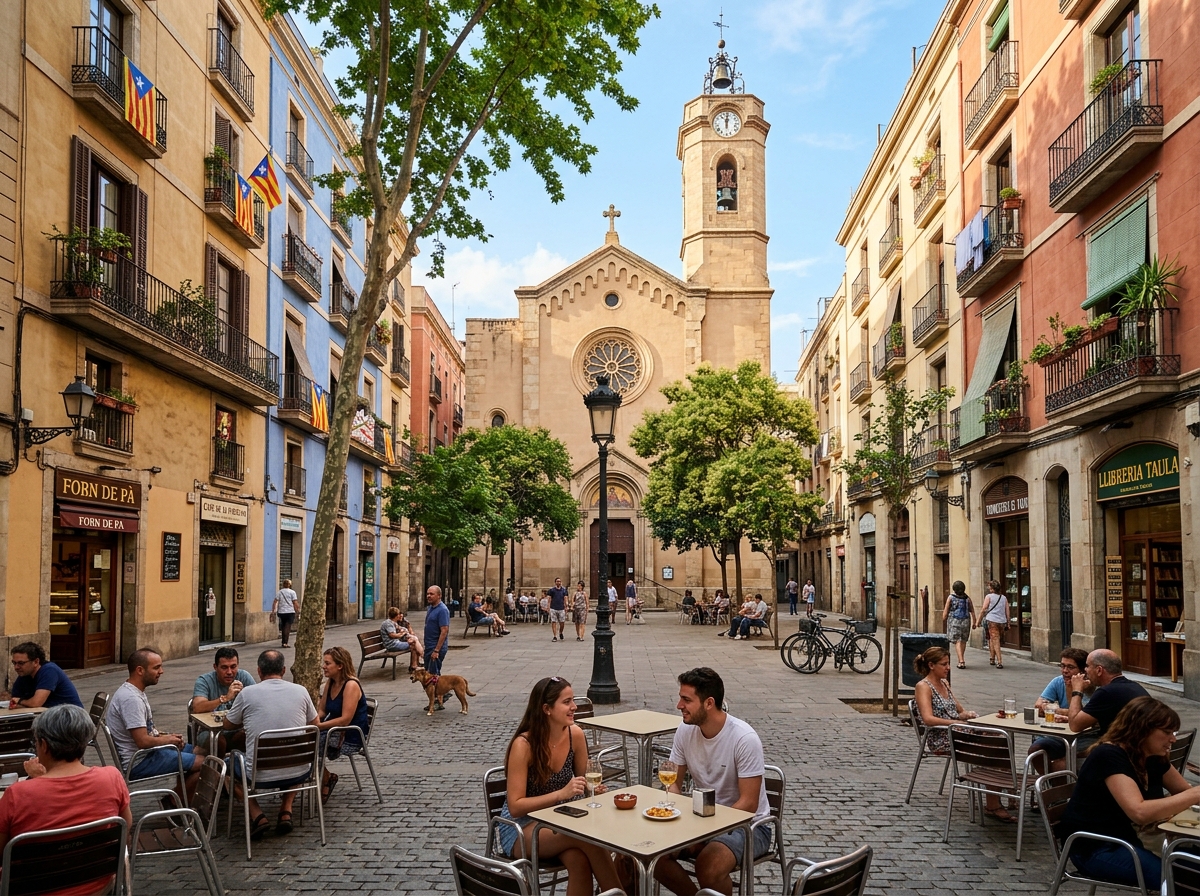
Casa Vicens, Gaudi’s very first project, is in Gracia. It is less famous than his later work but fascinating for how it shows where his visual language began. Much cheaper and quieter than any of his other open buildings.
Poblenou
Poblenou is Barcelona’s former industrial neighbourhood, now transformed into the city’s design and tech district. The Rambla del Poblenou is a quieter, local version of La Rambla where you will find almost no tourists and excellent neighbourhood cafes.
The area around the Rambla del Poblenou and Carrer del Pallars is full of converted warehouses now housing design studios, independent restaurants, and concept stores. It feels like what El Born was 15 years ago before rents pushed out the people who made it interesting.
Best Viewpoints in Barcelona
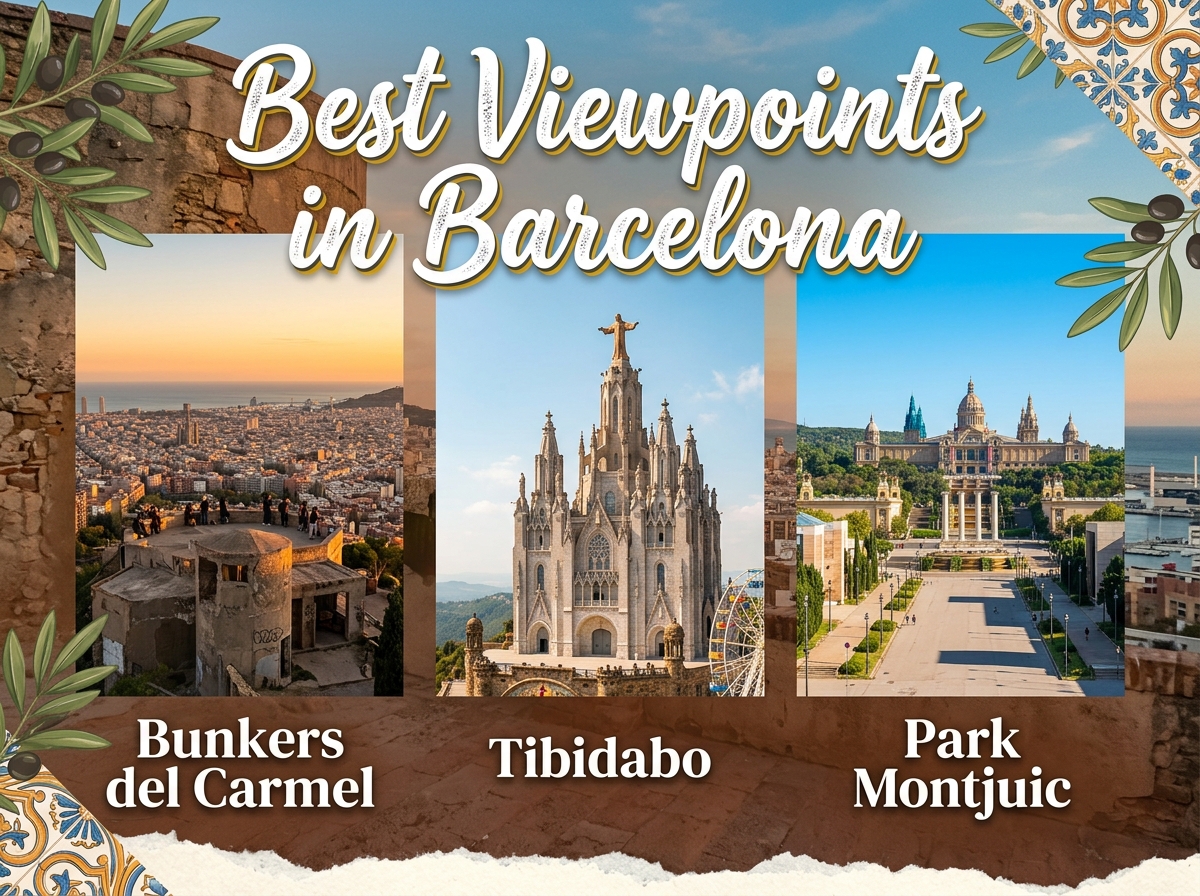
Bunkers del Carmel
The Bunkers del Carmel are the ruins of an anti-aircraft battery used during the Spanish Civil War, sitting on a hill above the Carmel neighbourhood with a 360-degree view of the entire city and the sea.
This is where locals come at sunset with a bottle of cava and a bag of snacks. It is completely free. The atmosphere is relaxed and genuine in a way that paid viewpoints cannot replicate.
Getting there requires a walk uphill of about 15 to 20 minutes from the nearest bus stop. It is worth every step. Go about 45 minutes before sunset to get a good spot.
Tibidabo
Tibidabo is the mountain that sits behind Barcelona and provides the dramatic backdrop to the city’s skyline. The Temple of the Sacred Heart at the summit is a neo-Gothic church with a panoramic terrace offering views over the entire city and out to sea.
A vintage amusement park has sat at the summit since 1901. It is one of the oldest amusement parks in Europe and a genuinely charming piece of Barcelona history. The funicular ride to reach the summit is an experience in itself.
Park Montjuic
Montjuic is the hill that rises above the port. The castle at the top has had a dark history as a military prison but now offers excellent views from its rooftop terrace. The Jardins de Mossen Costa i Llobera on the hillside below the castle are cactus gardens with Mediterranean panoramas that very few tourists ever find.
Best Food Experiences in Barcelona
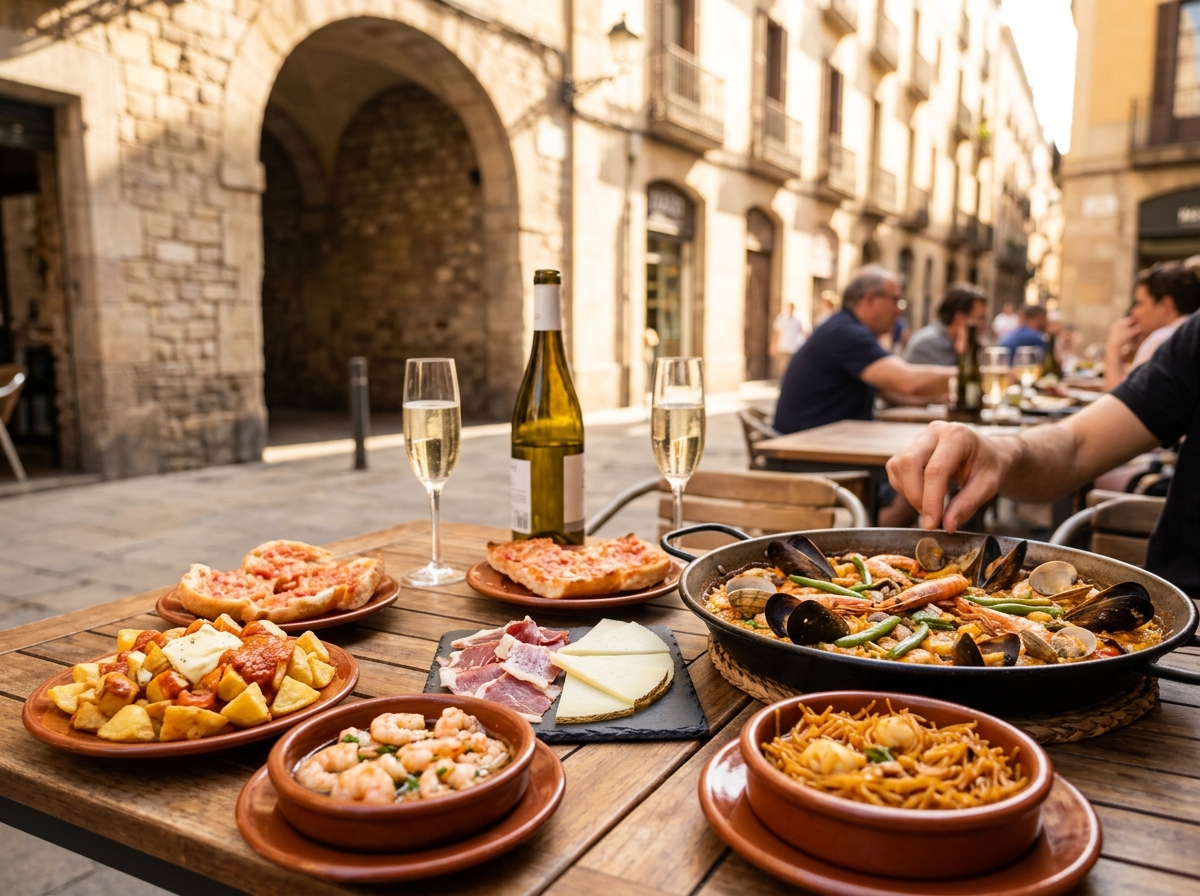
La Boqueria Market
La Boqueria on La Rambla is one of the most famous markets in the world. It is also increasingly oriented toward tourists, with juice bars and seafood counters charging prices that would make a local wince.
The best way to use La Boqueria is to go on a weekday morning before 10am and head toward the back of the market where the local stalls are. The jamón, cheese, and olive vendors toward the rear of the building are the real heart of the market. The front counters with the photogenic fruit bowls are tourist-priced.
Eating Like a Local: What to Order
Barcelona food has its own identity distinct from the rest of Spain. Do not just order generic tapas. Look for:
Pa amb tomaquet: Bread rubbed with tomato and olive oil. It is the foundation of Catalan cuisine and appears on every table. Simple and completely right.
Esqueixada: Salt cod salad with tomato, onion, and black olives. Deeply Catalan and almost never on tourist menus.
Croquetes de bacalla: Cod croquettes. Every bar has them. Quality varies enormously and finding a good one is one of the pleasures of exploring the city.
Crema catalana: The Catalan version of crème brûlée, made with lemon zest and cinnamon. Lighter than the French version and better.
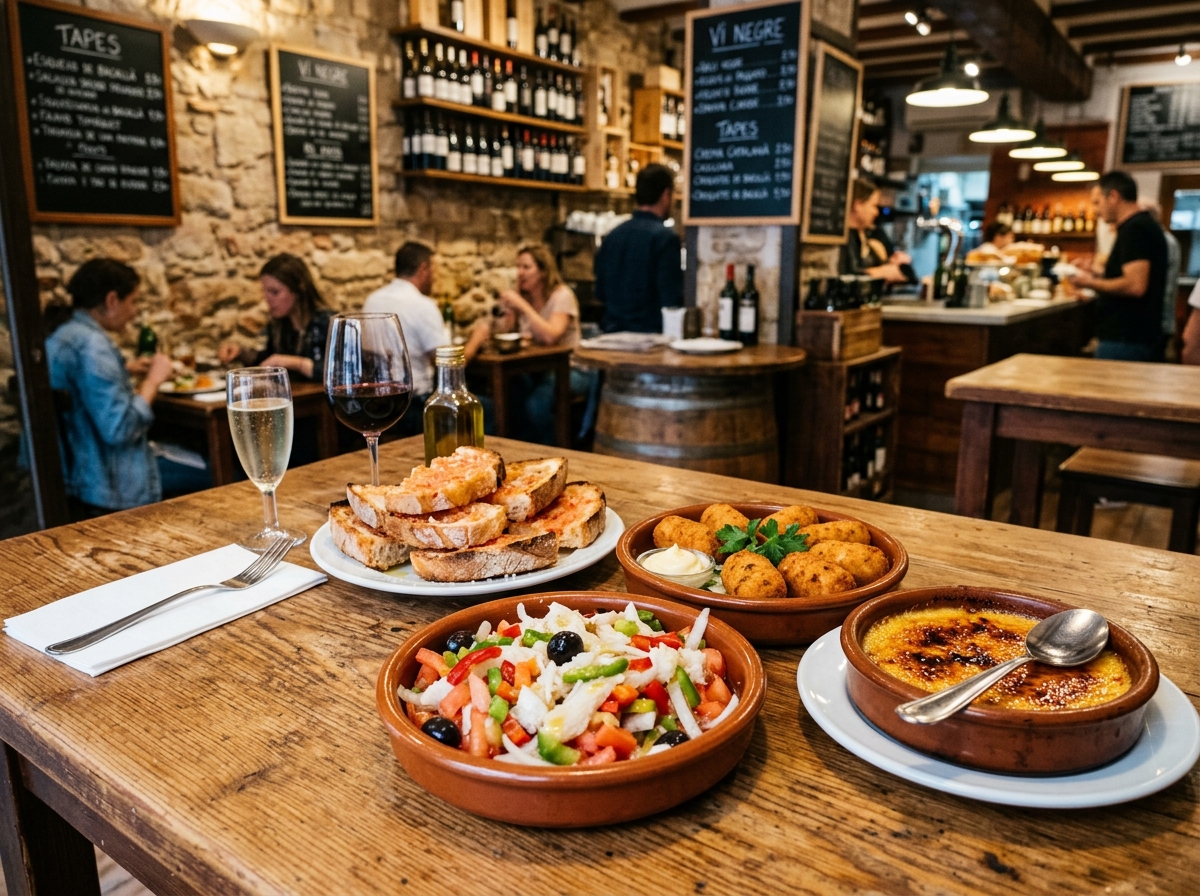
Vermouth (vermut): In Barcelona, vermouth is a ritual. Sunday vermut culture means gathering at a bar between noon and 2pm for a glass of local vermouth, some olives, and whatever the house is offering. El Xampanyet in El Born is a classic. Bar Calders in Sant Antoni is a neighborhood favorite.
Where to Eat
Skip the restaurants on La Rambla entirely. The food is poor, and the prices are high.
In El Born, Carrer del Parlament in the Sant Antoni neighborhood has excellent restaurants at genuine prices. Bar del Pla, La Cova Fumada in Barceloneta for the original bomba (the bar that invented this potato-and-meat dish), and Parking Pizza in the Esquerra de l’Eixample for one of the best pizzas in Spain.
Practical Tips for Visiting Barcelona
Ticket booking is not optional. Sagrada Familia and Park Guell sell out days and sometimes weeks in advance in peak season. Book both before you book your accommodation.
Avoid La Rambla for everything except walking through once. It is fine to experience it briefly. Do not eat there, do not change money there, and keep your belongings secured throughout.
Use the metro. Barcelona’s metro system is excellent, cheap, and covers the whole city. A T-Casual card (10 journeys) costs around EUR 12 and works on the metro, buses, and some trains. It can be shared between people.
The city runs late. Dinner before 9pm marks you as a tourist. Locals eat at 9pm or later. Restaurants fill up between 9pm and 10pm. Lunch is the main meal of the day, usually from 2pm to 4pm, and many restaurants offer a fantastic menu del dia for around EUR 12 to 15.
Overtourism is a real issue. Barcelona receives 32 million visitors per year in a city of 1.6 million residents. Protests against mass tourism have been significant. Choosing to eat at local restaurants rather than tourist-trap ones, staying in hotels rather than unlicensed holiday apartments, and visiting lesser-known attractions alongside the famous ones all make a genuine difference.
Barcelona’s streets are warm and bright for most of the year. A lightweight linen shirt or blouse works perfectly for daytime exploration without overheating. The Uniqlo Linen Blend Shirt is available on Amazon in multiple colors and is the kind of packable, breathable piece that makes walking the city comfortable from morning to late evening tapas.
For a full day of walking from the Gothic Quarter to Park Guell, comfortable footwear matters more than most people plan for. The Skechers GOwalk Arch Fit sneakers (available on Amazon) are lightweight, supportive, and good-looking enough for a city where style is taken seriously.
A compact anti-theft crossbody bag is genuinely useful in Barcelona given the pickpocket situation in tourist areas. The Pacsafe Citysafe crossbody bag (available on Amazon) has locking zips, RFID protection, and slash-resistant straps. It sits flat and looks like a regular bag, which is exactly the point.
Best Places in Barcelona by Traveller Type
First-time visitors: Sagrada Familia, Gothic Quarter, Passeig de Gracia, La Boqueria, Barceloneta beach. Classic for a reason.
Culture and architecture lovers: Recinte Modernista de Sant Pau, Picasso Museum, Casa Vicens, MACBA (Museum of Contemporary Art), Fundacio Joan Miro on Montjuic.
Food lovers: Mercat de Santa Caterina, El Born neighbourhood, Sant Antoni market on weekends, Sunday vermut culture anywhere in Gracia or Poble Sec.
Off the beaten path: Bunkers del Carmel, Poblenou, Gracia squares, Parc de la Ciutadella on a Sunday morning, the Palau de la Musica Catalana concert hall.
Families: Park Guell, Tibidabo amusement park, Barcelona Aquarium, Parc de la Ciutadella with rowing boats on the lake, cable car to Montjuic.
Quick Reference Table
| Place | Best For | Book Ahead? | Cost |
|---|---|---|---|
| Sagrada Familia | Architecture, first visit | Yes, weeks ahead | EUR 26 to 36 |
| Park Guell | Views, Gaudi, photos | Yes | EUR 10 |
| Casa Batllo | Architecture, evening visit | Yes | EUR 35 to 49 |
| Casa Mila (La Pedrera) | Rooftop, jazz evenings | Recommended | EUR 25 to 32 |
| Recinte Modernista Sant Pau | Architecture, quiet visit | No | EUR 16 |
| Gothic Quarter | History, wandering | No | Free |
| Bunkers del Carmel | Sunset, views, local feel | No | Free |
| Picasso Museum | Art, early Picasso | Yes | EUR 14 |
| Tibidabo | Views, families | No | EUR 15 to 28 |
Frequently Asked Questions
What is the most famous place to visit in Barcelona? The Sagrada Familia is the most visited attraction in Spain. It is genuinely extraordinary and worth the ticket price. Book weeks in advance to guarantee entry.
How many days do you need in Barcelona? Three days covers the main attractions well. Four to five days lets you slow down, explore neighbourhoods, and have proper meals. A week gives you time to do day trips to Montserrat or the Costa Brava.
Is Barcelona safe for tourists? Yes, but pickpocketing in the Gothic Quarter, La Rambla, and on the metro is extremely common. Keep bags closed and in front of you. Do not use your phone while walking in narrow streets or crowded areas.
What is the best area to stay in Barcelona? El Born or the Eixample are the best areas for first-time visitors. El Born for a lively, walkable neighbourhood feel. Eixample for central location, excellent transport links, and great restaurants.
When is the best time to visit Barcelona? May, June, September, and October are the best months. July and August are the most crowded and hottest. Spring and early autumn give you good weather without the peak summer pressure on popular attractions.
Is Barcelona expensive? Compared to London or Paris, Barcelona is reasonably priced. A good meal for two with wine costs EUR 40 to 60 at a genuine local restaurant. Tourist-area restaurants charge London prices for worse food. The metro is cheap. Attraction entry adds up quickly, so prioritise and book the two or three things that matter most to you.
What food should I try in Barcelona? Pa amb tomaquet, croquetes, patatas bravas, fresh seafood, crema catalana, and local vermouth. Avoid paella in Barcelona: it is a Valencia dish and most tourist-area paella in Barcelona is poor quality and overpriced.
Final Thoughts
Barcelona rewards the visitor who goes beyond the headline attractions.
The Sagrada Familia is unmissable and lives up to the hype. Park Guell is beautiful. But the city that stays with you is the one found in a Gracia square at 10pm, a Sunday morning vermut in Poble Sec, or an hour spent alone in the Recinte Modernista while the rest of the city queues for Casa Batllo.
Give yourself time to wander without an agenda for at least one half-day. Barcelona is one of those cities that gives back exactly as much as you allow it to.