
Charleston is one of the most beautiful and historically layered cities in the United States. The antebellum architecture, the live oaks draped in Spanish moss, the cobblestone streets south of Broad, and the Lowcountry food culture together create something genuinely unlike anywhere else in America.
But Charleston rewards visitors who go beyond the postcard. The Gullah Geechee cultural heritage is as significant as any antebellum mansion. The Angel Oak on Johns Island is one of the most extraordinary living things on the East Coast. And the food culture, built on centuries of African and West African culinary tradition, is much deeper than the shrimp and grits that appear on every tourist menu.

This guide covers the best places to visit in Charleston, SC, with honest practical advice and the context most guides skip.
Quick Answer: Best Places to Visit in Charleston, SC
For a first visit: the Historic District on foot (Rainbow Row, Battery, White Point Gardens), a carriage tour through the streets south of Broad, Charleston City Market, King Street, and at least one plantation with a focus on the Gullah Geechee history. Add Fort Sumter, the Angel Oak, and a beach afternoon at Sullivan’s Island or Folly Beach for a complete trip.
The Historic District: Where to Start
Rainbow Row
Rainbow Row is the most photographed street in Charleston. The 13 pastel-coloured Georgian row houses on East Bay Street, painted in shades of pink, yellow, green, and coral, date from the 1700s when they were merchant warehouses. They were restored and painted in the 1930s, beginning the historic preservation movement that saved most of downtown Charleston from demolition.
The best time to photograph Rainbow Row is early morning before tour groups arrive. The light on the pastel facades in the first hour after sunrise is extraordinary.
The Battery and White Point Gardens
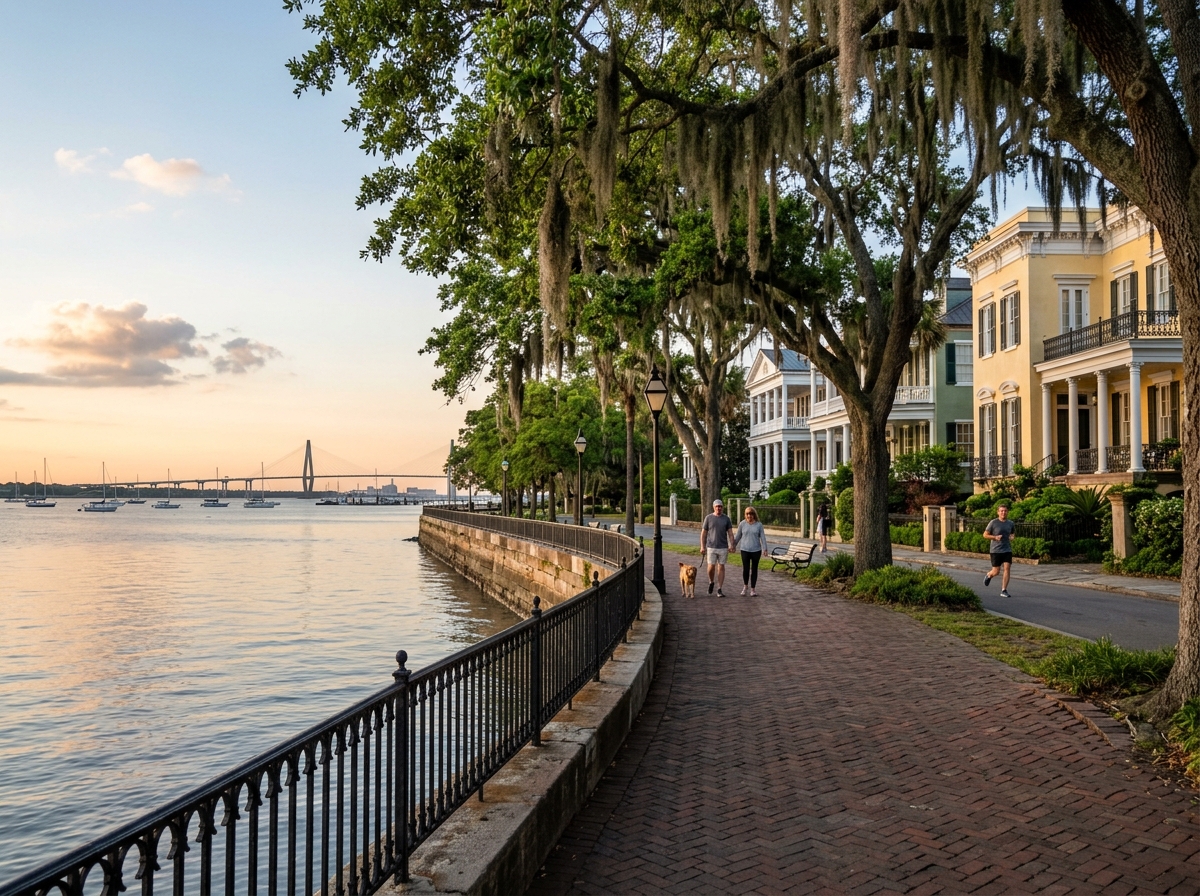
The Battery is the historic sea wall at the southern tip of the Charleston peninsula, where the Ashley and Cooper Rivers meet. White Point Gardens sits directly on the Battery, shaded by enormous live oaks draped in Spanish moss, with Civil War-era cannons and Confederate monuments. The views of Charleston Harbor from the promenade are excellent.
This is one of the best free experiences in Charleston. Walking the Battery in the early morning, when the light is low and the street is quiet, gives you a version of Charleston that tour buses cannot.
Streets South of Broad
The residential streets south of Broad Street contain the greatest concentration of antebellum architecture in the United States. Legare, Tradd, Church, and Meeting Streets are all lined with 18th and 19th-century homes, each with piazzas (Charleston’s distinctive side-entry porches designed for cross-ventilation) and formal gardens.
This is a living neighbourhood. The homes are private residences. Walk these streets to admire the architecture, read the historical markers, and understand what the historic preservation movement saved, but treat it as a residential area with appropriate respect.
A good pair of comfortable walking shoes is genuinely essential in Charleston. The streets are beautiful and the historic district is best seen on foot, but the cobblestones on streets like Chalmers and the uneven brick pavement throughout downtown require proper footwear. The HOKA Clifton 9 Walking Shoe (available on Amazon) is a top choice for all-day city walking with its lightweight cushioning that handles both smooth pavement and uneven historic brick without fatigue.

Hoka Womens Clifton 10
Charleston City Market
The Charleston City Market runs four blocks in the heart of the historic district and has been operating continuously since the early 1800s. The market is home to hundreds of vendors selling local art, jewellery, food, and the item most associated with Charleston: Gullah sweetgrass baskets.
Gullah Sweetgrass Baskets
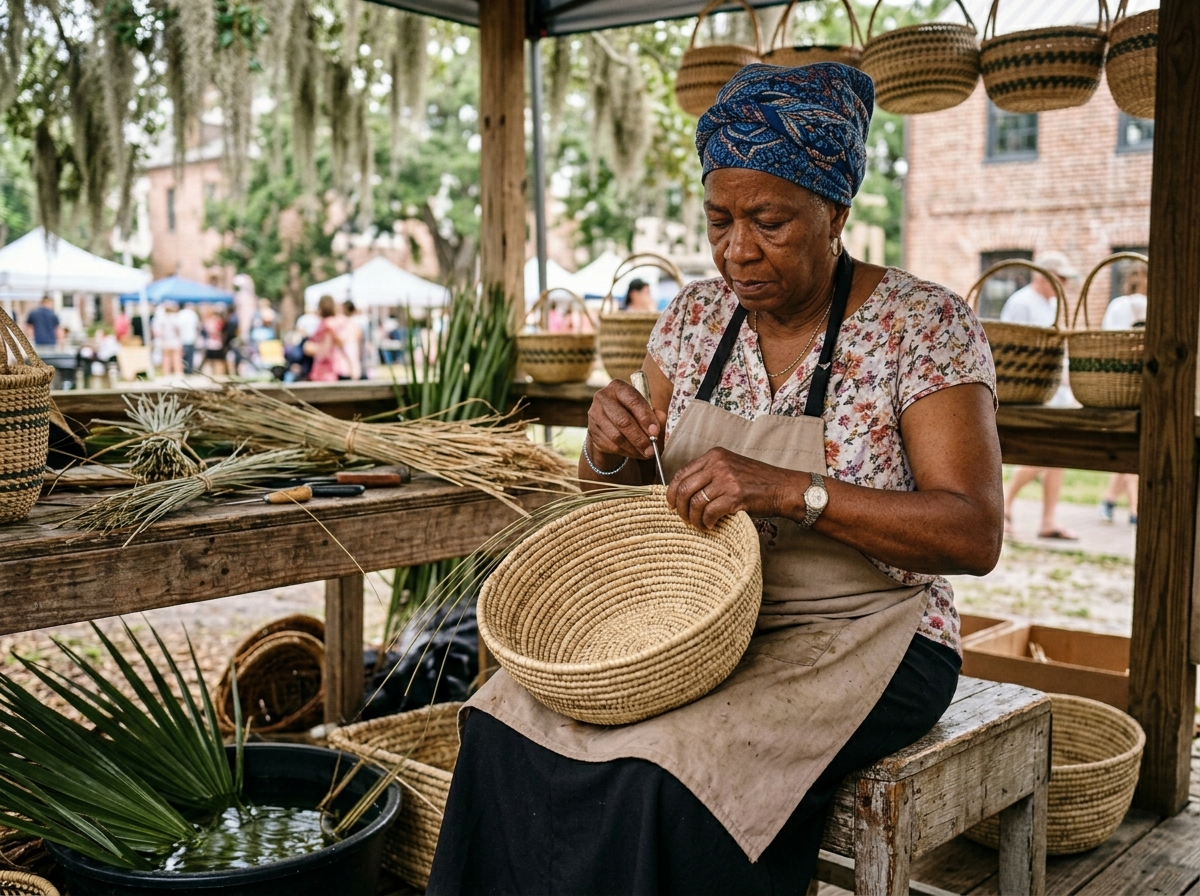
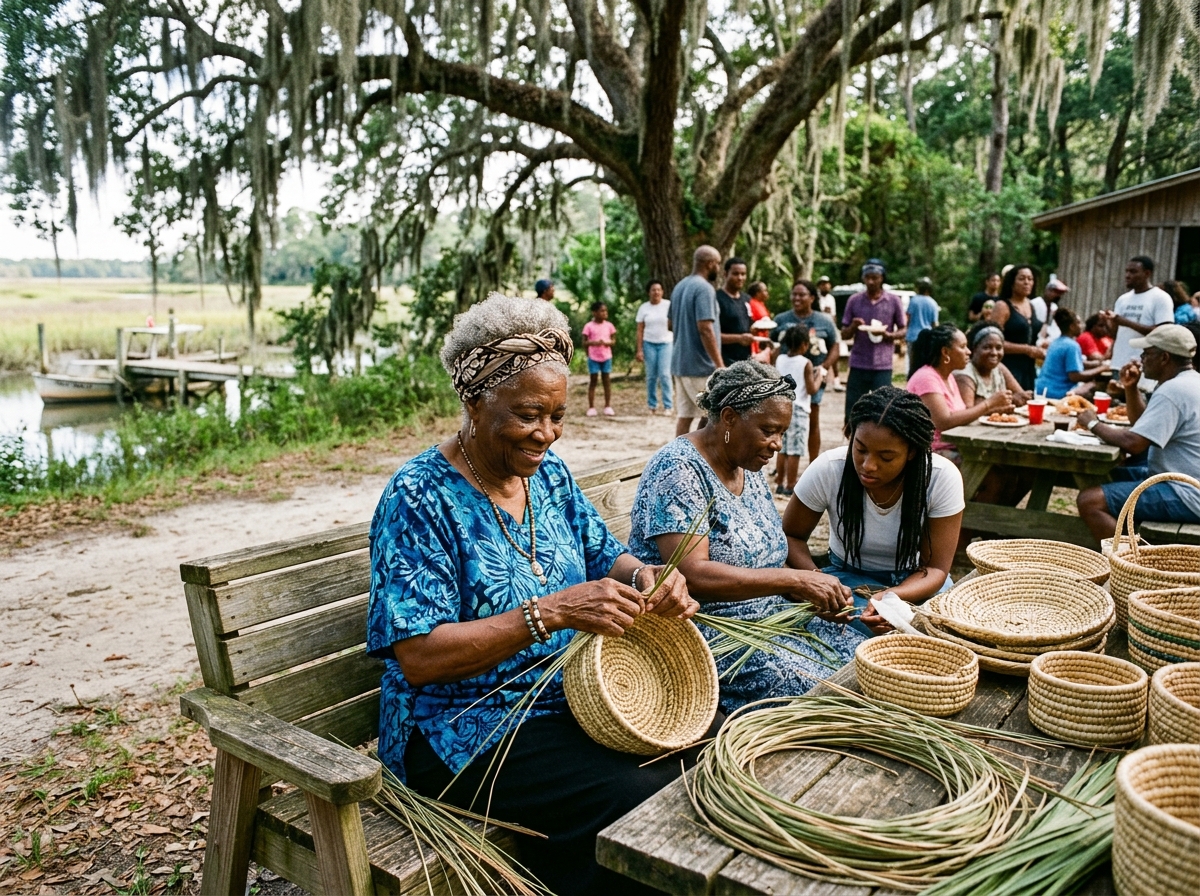
Sweetgrass basket weaving is one of the oldest continuing African craft traditions in North America. The baskets are hand-woven by Gullah Geechee artisans using sweetgrass, bulrush, and pine needles, following techniques brought directly from West Africa. A single basket can take 15 to 20 hours to make. The weavers at the market are the direct cultural descendants of enslaved people brought to the Lowcountry for their agricultural expertise.
Buying a basket from a Gullah weaver supports an artisan tradition that has survived for over 300 years and is listed on UNESCO’s Intangible Cultural Heritage list.
A practical tip: The baskets at the City Market are excellent but command full retail prices. For a wider selection at more variable prices, drive north from Charleston on Route 17 toward Mount Pleasant and Georgetown. Gullah basket weavers sell from roadside stands along this stretch, and the direct-from-artisan experience is memorable.
Plantation Sites: How to Approach Them
Charleston has more antebellum plantation sites than anywhere else in the South. Visiting them thoughtfully, as places of both beauty and profound suffering, makes the experience more meaningful and more honest.
Boone Hall Plantation
Boone Hall is one of the most visited plantations in the South. The entrance avenue of ancient live oaks dripping with Spanish moss is one of the iconic images of South Carolina. Founded in 1681, it is one of America’s oldest working farms.
Boone Hall is currently the only plantation in South Carolina Lowcountry offering a live presentation of Gullah culture. The “Black History in America” exhibit and tours of the slave quarters give context to the plantation that many similar sites lack. The Avenue of Oaks alone is worth the visit.
Address: 1235 Long Point Road, Mount Pleasant
Magnolia Plantation and Gardens
Magnolia Plantation has the oldest continuously landscaped gardens in America, dating from the 1670s. The Audubon Swamp Garden, the azalea collection (bloom season in late March and April is extraordinary), and the Barboo Swamp area are all open for self-guided exploration.
The “From Slavery to Freedom” tour provides historical context for the plantation’s enslaved workforce and is included with garden admission. Separate tours of the main house are available.
Address: 3550 Ashley River Road
McLeod Plantation Historic Site
McLeod Plantation on James Island is operated by Charleston County Parks and takes a more honest and comprehensive approach to plantation history than most sites. The guided tour covers not just the main house but the slave cabins, the freedom years after emancipation, and the Gullah Geechee heritage of the community that lived here across multiple generations. It is a sobering and educational experience that does justice to the full history of this landscape.
Entry is included with a Charleston County Parks annual pass or charged per visit. The site is less commercially polished than Boone Hall or Magnolia, which is exactly why it deserves a visit.
Address: 325 Country Club Drive, James Island
Fort Sumter: Where the Civil War Began
Fort Sumter sits in Charleston Harbor on a man-made island and was the site of the first shots of the American Civil War on April 12, 1861. The Confederate attack on the Union-held fort launched the conflict that killed more Americans than any other war.
Access is by ferry only, departing from Liberty Square near Waterfront Park. The ferry ride takes about 30 minutes each way. The fort is managed by the National Park Service and admission is free. The ferry costs around $25 for adults.
Practical tips:
- Book ferry tickets in advance at fortsumtertours.com, especially for spring and summer visits.
- The last ferry of the day returns around 5pm. Check the current schedule.
- The National Monument Museum at Liberty Square is excellent and free. Allow 30 minutes here before your ferry.
Carriage Tours: How They Actually Work
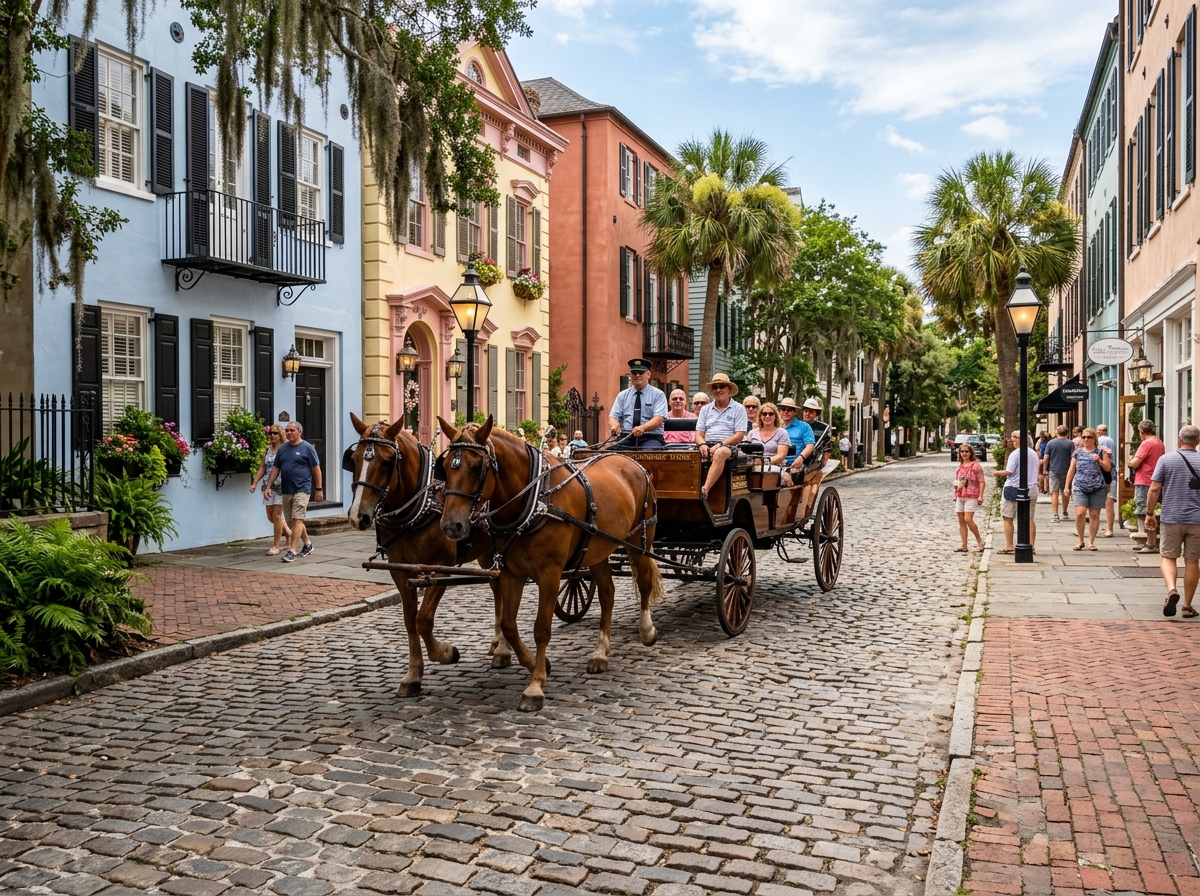
Horse-drawn carriage tours are one of the signature Charleston experiences and they work differently from most people expect.
The city strictly limits carriage tour routes and assigns them by lottery each morning. Your carriage company picks a route from the lottery draw, which means no two tours follow the same path. If you take multiple tours with different companies, you will see different parts of the city each time.
What to know before booking:
- Tours last approximately one hour.
- The narration quality varies significantly between companies and individual guides. Old South Carriage Company and Palmetto Carriage Works both have strong reputations.
- Evening ghost tours by carriage are popular and cover different content from daytime tours.
- Book in advance for peak season (March through May and October).
King Street: Shopping and Food
King Street is Charleston’s main commercial corridor and one of the best shopping streets in the South. It runs from the Market area south through the Antiques District and further south through the Upper King restaurant corridor.
Upper King Street (above Calhoun Street) has become the city’s most exciting restaurant zone with James Beard-nominated chefs and independent restaurants that have transformed the strip over the past decade. Chez Nous for tiny, focused French-influenced menus. Leon’s Oyster Shop for fried chicken and oysters in a former auto body shop. Darling Oyster Bar for a more polished shellfish experience.
Middle King Street has a mix of national retailers and local boutiques. Worthwhile independent stops include Indigo (local jewellery), Hampden Clothing (upscale women’s fashion), and the Blue Bicycle Books used bookshop.
Lower King Street (the Antiques District) runs south toward Broad Street and is lined with antique dealers and fine art galleries. This stretch has been Charleston’s antique hub for decades and the quality of what turns up here is genuinely exceptional.
For a full day of walking King Street and the historic district, a lightweight tote that holds purchases, a water bottle, and a light jacket without becoming unwieldy is exactly what you need in Charleston’s warm climate. The L.L.Bean Boat and Tote Bag (available on Amazon) is a Charleston staple, genuinely. Canvas with reinforced handles, it holds up to a day’s shopping and is the kind of bag you see on King Street regularly because it is the right tool for the job.
Angel Oak Tree: One of the Living Wonders of the East Coast
The Angel Oak on Johns Island is estimated to be between 300 and 500 years old. It stands 65 feet tall with a canopy that provides 17,000 square feet of shade. The limbs are so large they rest on the ground before curving back upward.
Standing under the Angel Oak is one of those experiences that genuinely changes your sense of time. This tree was alive before the United States existed. Before European contact with South Carolina. It is a living connection to a world completely different from the one around it.
Entry is free. The site is managed by the City of Charleston. Arrive in the morning on a weekday to avoid the crowds that build on weekend afternoons. The tree is 12 miles from downtown Charleston on Johns Island.
Address: 3688 Angel Oak Road, Johns Island
Charleston’s Beaches
Sullivan’s Island
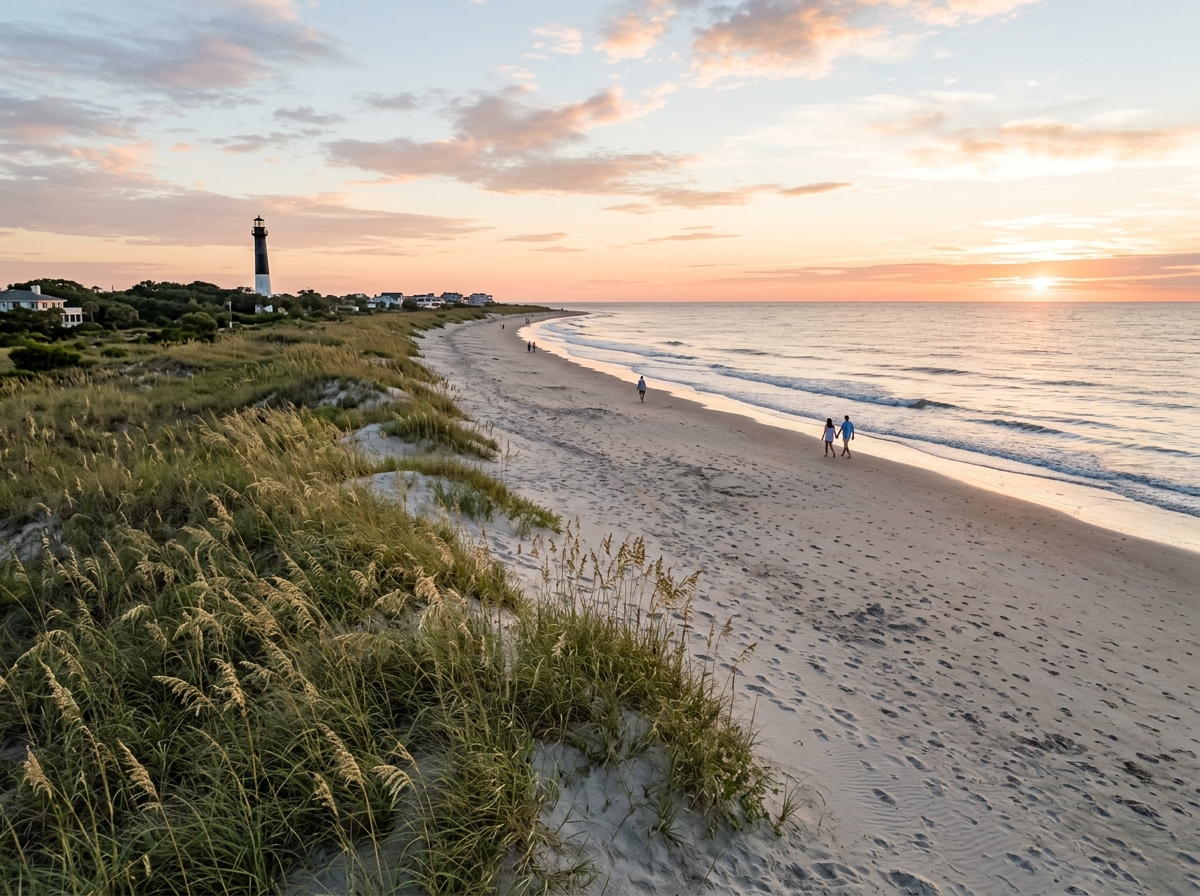
Sullivan’s Island is the more upscale and quieter of Charleston’s two main beach communities. No high-rise hotels. No tourist infrastructure. A small beach town with excellent restaurants, a historic lighthouse, and Fort Moultrie (where the first British attack on Charleston was repelled in 1776). The beach is wide and uncrowded by comparison to Folly Beach.
Getting there: About 20 minutes from downtown Charleston.
Folly Beach
Folly Beach is the more accessible and livelier beach option. The Folly Beach County Park at the western end of the island has a wide beach with lifeguards and facilities. The surfing is the best available near Charleston. The island has a laid-back music culture and a strip of beach bars and restaurants.
Getting there: About 25 minutes from downtown Charleston.
Gullah Geechee Culture: The Heart of the Lowcountry
The Gullah Geechee people are the descendants of enslaved Africans brought to the South Carolina and Georgia Sea Islands for their expertise in rice cultivation. Because of the geographic isolation of the Sea Islands, they preserved a distinct language, culture, religion, and culinary tradition that is unlike anything else in the United States.
Gullah culture is visible throughout Charleston if you know where to look. The sweetgrass baskets in the City Market. The rice-centred Lowcountry cuisine in every serious restaurant. The worship songs at historic Black churches on Sunday mornings.
Gullah experiences worth seeking out:
Gullah Tours departs from downtown Charleston and focuses specifically on the African American heritage of the city, covering sites and stories that standard historic tours often minimize or skip entirely.
McLeod Plantation (covered above) gives the most honest account of Gullah history in the plantation context.
Penn Center on St. Helena Island, about 75 miles south of Charleston near Beaufort, is the most significant Gullah cultural institution in the country. Founded by abolitionists during the Civil War to educate formerly enslaved people, it is now a museum and cultural centre on the National Register of Historic Places.
Practical Tips for Visiting Charleston, SC
Best time to visit: March through May is the most popular time with mild temperatures (65 to 80F) and the azalea and wisteria bloom. October through November is equally good and slightly less crowded. Summer in Charleston is genuinely hot and humid, with heat indexes regularly exceeding 100F. Many outdoor activities are best done in early morning during July and August.
Getting around: Charleston’s historic district is walkable for most visitors. For plantations, the Angel Oak, and beaches, a car or rideshare is necessary. Parking in the historic district is limited and expensive. Consider staying within walking distance of the Market area and using rideshares for out-of-town destinations.
Hurricane season: June through November. Charleston has been hit by significant hurricanes historically. Travel insurance is worth having for late summer bookings.
Budget: Charleston is mid to upper range for accommodation, particularly in the historic district. Boutique hotels on King Street and south of Broad run $200 to $400 per night in peak season. The beach communities and North Charleston have more affordable options. Meals at serious King Street restaurants run $30 to $60 per person. There are excellent budget meals available at local lunch spots.
The heat: If you visit in summer, start all outdoor sightseeing before 9am. The Battery walk, the Battery gardens, Rainbow Row photographs, and carriage departure are all better in the early morning. Take a long lunch in air conditioning and resume outdoor activities after 4pm.
For full days of outdoor sightseeing in Charleston’s summer heat, staying hydrated is genuinely important. The Stanley IceFlow Flip Straw Tumbler 30oz (available on Amazon) keeps ice for hours in high heat, fits in a car cup holder, and is the right size for a full day of walking between the Battery, City Market, King Street, and the plantations without needing constant refills.

Stanley IceFlow 2.0 Flip Straw Tumbler with Handle 30 oz
Best Places in Charleston, SC, by Traveller Type
First-time visitors: Historic District walk, carriage tour, Charleston City Market, one plantation, King Street dinner.
History enthusiasts: Fort Sumter, McLeod Plantation, The Old Exchange and Provost Dungeon, Aiken-Rhett House (the most unrestored antebellum mansion in the US), Gullah Tours.
Families: South Carolina Aquarium (excellent, waterfront), Children’s Museum of the Lowcountry, Angel Oak, Folly Beach, Fort Sumter ferry.
Food lovers: Upper King Street restaurants (Leon’s, Chez Nous, Darling Oyster Bar), the City Market for Gullah food vendors, Sullivan’s Island restaurants, the Saturday farmers market at Marion Square.
Couples: Carriage tour at dusk, dinner on Upper King Street, morning walk south of Broad, Angel Oak day trip, Middleton Place garden evening stroll.
Budget travellers: Free Battery and White Point Gardens, free Angel Oak, free Waterfront Park, picnic at Hampton Park, Gullah food vendors at City Market, Caroline Rose Travel’s budget hotel tips for the North Charleston area.
Quick Reference Table
| Place | Type | Cost | Distance from Downtown |
|---|---|---|---|
| Rainbow Row | Scenic, historic | Free | Walking |
| Battery and White Point Gardens | Park, scenic | Free | Walking |
| Charleston City Market | Market, culture | Free to enter | Walking |
| Boone Hall Plantation | History, gardens | $30 adults | 15 min |
| Magnolia Plantation | Gardens, history | $25 adults | 15 min |
| McLeod Plantation | History, Gullah culture | $15 adults | 15 min |
| Fort Sumter | History | Free plus ferry $25 | 30 min by ferry |
| Angel Oak | Nature | Free | 20 min |
| Sullivan’s Island | Beach | Free | 20 min |
| Folly Beach | Beach | Parking fee | 25 min |
Frequently Asked Questions
What is Charleston SC most known for?
Charleston is known for its antebellum architecture, the historic district south of Broad Street, Rainbow Row, its Gullah Geechee cultural heritage, Lowcountry cuisine (shrimp and grits, she-crab soup, rice dishes), Fort Sumter, and one of the most preserved collections of 18th and 19th-century buildings in America.
How many days do you need in Charleston, SC?
Three days covers the historic district, one plantation, Fort Sumter or the Angel Oak, and a beach day. Four to five days lets you add Gullah cultural experiences, multiple plantations, both beaches, and day trips to Beaufort or the ACE Basin.
What is the best area to stay in Charleston?
The historic district on or near King Street gives you walkable access to the best restaurants, the market, and the Battery. South of Broad is quieter and more residential. The French Quarter around the Market is the most central for first-time visitors.
When is the best time to visit Charleston?
March through May for the best weather and bloom season. October and November for slightly lower crowds and beautiful fall temperatures. Avoid July and August if heat and humidity are a concern.
Are the plantations worth visiting in Charleston?
Yes, if you approach them as educational experiences about the full history of the Lowcountry including slavery and Gullah culture, not just as scenic gardens. Boone Hall has the best Gullah cultural programming. Magnolia has the most beautiful gardens. McLeod gives the most honest historical account.
What is Gullah culture in Charleston?
The Gullah Geechee people are the descendants of enslaved Africans brought to the Carolina and Georgia Sea Islands. Their language, food, sweetgrass basket weaving, and spiritual traditions have been preserved for over 300 years. Gullah culture is visible in the sweetgrass baskets at City Market, in Lowcountry cuisine, and through dedicated tours and cultural centres throughout the region.
Is Charleston safe for tourists?
Yes. The historic district, King Street, and the main tourist areas are safe for visitors. Standard city precautions apply, particularly at night in less-trafficked streets outside the main tourist zone.
Final Thoughts
Charleston is one of those cities that reveals itself slowly.
The first afternoon you are charmed by the architecture. By the second day you are understanding the layers, the wealth that built these streets, and the labor that made it possible. By the third day you are seeking out the Gullah basket weavers, eating where locals eat, and starting to understand why people come back to Charleston year after year.
Give it the time it deserves. Walk south of Broad on a quiet morning. Stand under the Angel Oak. Eat lunch at a table in Boone Hall’s Gullah exhibit. Let the city show you its full history, not just its prettiest streets.