
The United States is genuinely too big for a single ranked list.
It covers 3.8 million square miles across deserts, rainforests, arctic tundra, subtropical beaches, alpine peaks, and the most culturally diverse collection of cities in the world. The continental US stretches wider than Europe. Alaska adds another time zone and a wilderness that dwarfs most countries. Hawaii sits in the Pacific, four hours by plane from the mainland.
Saying “here are the top 10 places in the US” without regional context is like saying “here are the top 10 places in Europe” without mentioning that you are comparing Paris to the Scottish Highlands.

This guide organizes the US into regions, gives each one honest context, and tells you what the right answer actually is depending on what you are looking for.
Quick Answer: Best Places to Visit in the US
For natural wonders, the American Southwest (Utah’s Mighty Five national parks, the Grand Canyon, and Zion) and California’s national parks are unmatched anywhere in the world. For cities, New York and New Orleans deliver the most complete and distinctive urban experiences. For history and culture, Washington DC and Charleston offer depth that most visitors underestimate. For hidden gems and local character, Asheville, Savannah, and the Hudson Valley are all significantly undervisited.
2026: Two Reasons This Year Is Different
America 250: July 4, 2026 marks the 250th anniversary of American independence, and celebrations are planned in Philadelphia (the Declaration signing city), Washington DC, and cities across the country. If history and American culture are your primary interest, 2026 is the most meaningful year for a US trip in a generation.
Route 66 Centennial: The historic highway from Chicago to Los Angeles turns 100 in 2026, with new visitor centres, murals, events, and investment in the roadside heritage that defined American road trip culture. A Route 66 road trip this year is more rewarding than at any point in recent decades.
The Southwest: America’s Greatest Natural Landscape
No region in the United States, and arguably no region in the world, concentrates as many extraordinary natural landscapes within driving distance of each other as the American Southwest.
Utah’s Mighty Five
Utah contains five national parks within a manageable driving circuit: Zion, Bryce Canyon, Capitol Reef, Canyonlands, and Arches. Together they are called the Mighty Five, and spending seven to ten days driving between them is one of the most dramatic road trips available anywhere.
Zion National Park has the Narrows (a slot canyon river hike) and Angels Landing (a permit-required exposed ridge with chains and a 1,488-foot drop on either side). Both require some planning but deliver experiences that have no equivalent in the eastern US.
Bryce Canyon is technically not a canyon but an amphitheatre of hoodoos, orange-red limestone columns in extraordinary formations. The Navajo Loop Trail drops into the amphitheatre and back up in about two hours and is one of the most rewarding short hikes in the country.
Arches National Park holds over 2,000 natural stone arches, including Delicate Arch, the most photographed feature in Utah. The park now requires a timed entry reservation from April through October, bookable at recreation.gov.
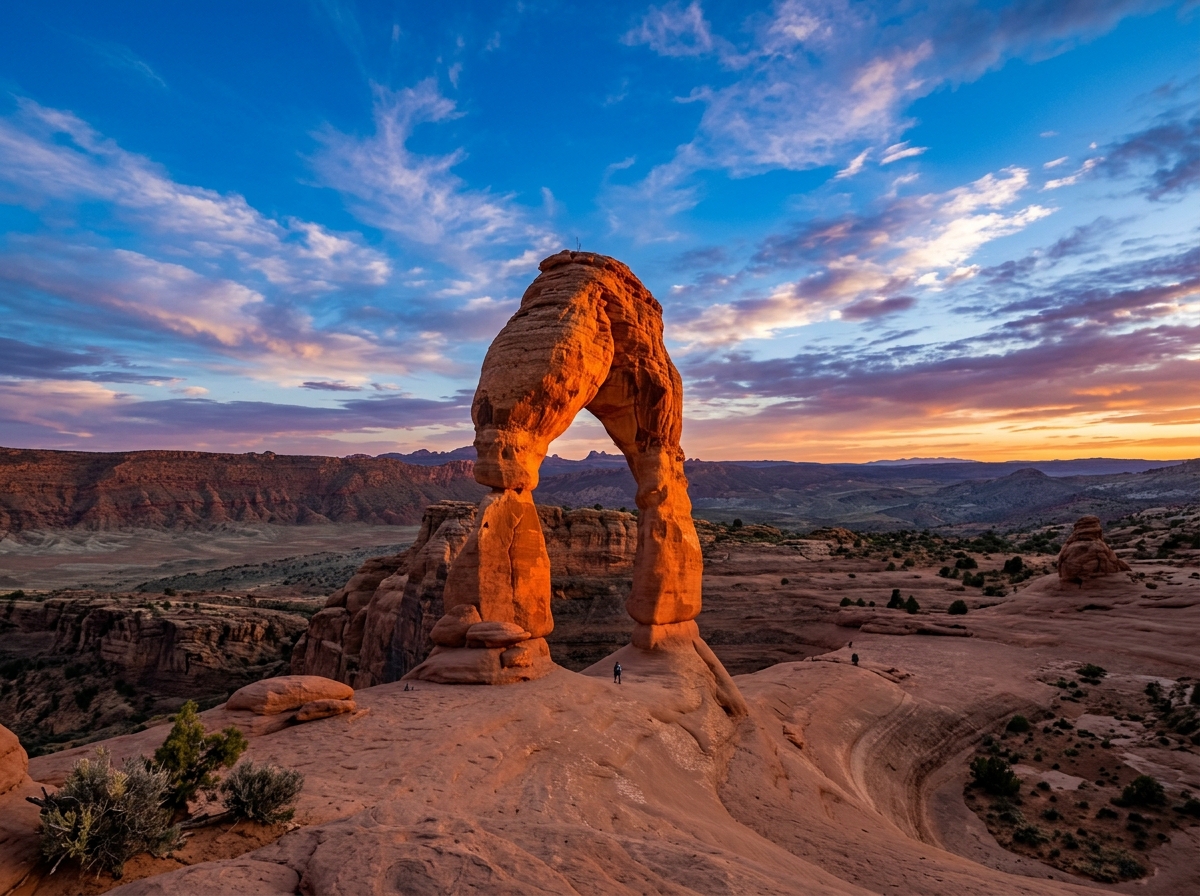
Monument Valley, technically in the Navajo Nation near the Arizona-Utah border, is not a national park but is one of the most iconic landscapes in America, recognisable from almost every Western film ever made. A Navajo guide-led tour gives context that independent visits cannot.
The America the Beautiful Annual Pass at $80 covers entry to all five parks plus hundreds of other federal sites. If your trip includes three or more national parks, it pays for itself immediately.
Grand Canyon
The Grand Canyon is the most visited national park in the US for good reason. The scale is simply not communicated by photographs. The canyon is 277 miles long, up to 18 miles wide, and over a mile deep.
The South Rim is open year-round and accessible without special equipment. The North Rim is open May through October and is significantly quieter than the South Rim. Both are extraordinary.
The key practical tip almost every guide repeats but does not emphasise strongly enough: do not hike to the river and back in one day in summer. The temperature difference between the rim (around 7,000 feet) and the canyon floor can be 25 degrees Fahrenheit, and the canyon floor in July regularly exceeds 110F. Heat-related emergencies here are common.
Sedona, Arizona
Sedona sits about two hours south of the Grand Canyon and combines red rock formations, hiking, mountain biking, spiritual wellness culture, and a genuinely beautiful small city in a way that no other Southwest destination does. It is one of the best day trips from Phoenix and a strong destination in its own right for a two to three-night stay.
Spring and fall are the best seasons. Summer heat in the desert is extreme.
For any Southwest road trip through multiple national parks and long desert drives, proper sun protection is essential. The UV index in the American Southwest is among the highest in the country, and a day at the Grand Canyon or Arches without adequate sunscreen causes burns that last the rest of the trip. The Neutrogena Ultra Sheer Dry-Touch Sunscreen SPF 100+ (available on Amazon) is lightweight, non-greasy, water-resistant, and widely recommended by dermatologists for high-UV outdoor environments like the Southwest desert.

Neutrogena Ultra Sheer Dry-Touch Sunscreen Lotion
The West Coast: Cities, Redwoods, and Pacific Scenery
California
California alone could fill an entire travel guide, and the best places to visit in California are genuinely as varied as the state’s climate zones.
San Francisco gives you one of the most beautiful city settings in the world, with the Golden Gate Bridge, the fog-draped bay, the Ferry Building food market, and Wine Country an hour north. The best time to visit is September and October when the summer fog lifts and the city has its clearest, warmest weather.
Los Angeles is too big to see in a single trip but rewards visitors who pick specific neighbourhoods. Santa Monica and Venice Beach for the Pacific. Griffith Observatory for the best view of the Hollywood Sign. The Arts District and Silver Lake for independent food and culture.
The national parks in California include Yosemite, Sequoia, Kings Canyon, Joshua Tree, and Death Valley, each with a completely different landscape and character. Yosemite in particular sees significant crowds in summer, and a timed-entry reservation is required from May through October.
Pacific Northwest
Seattle combines Pike Place Market (one of the most authentic and best-run public markets in the US), a waterfront with spectacular views toward the Olympic Mountains, and easy access to some of the most dramatic wilderness in the country.
Portland, Oregon has the best urban food cart culture in the US, a craft brewing scene that is genuinely exceptional, Powell’s City of Books (the largest independent bookstore in the world), and Forest Park, 5,200 acres of wilderness within city limits.
Olympic National Park in Washington state is one of the most undervisited major national parks in the country despite consistently ranking among the most diverse: it contains temperate rainforest, glaciated mountain peaks, hot springs, and over 70 miles of Pacific coastline within a single park.
The Northeast: History and Urban Energy
New York City
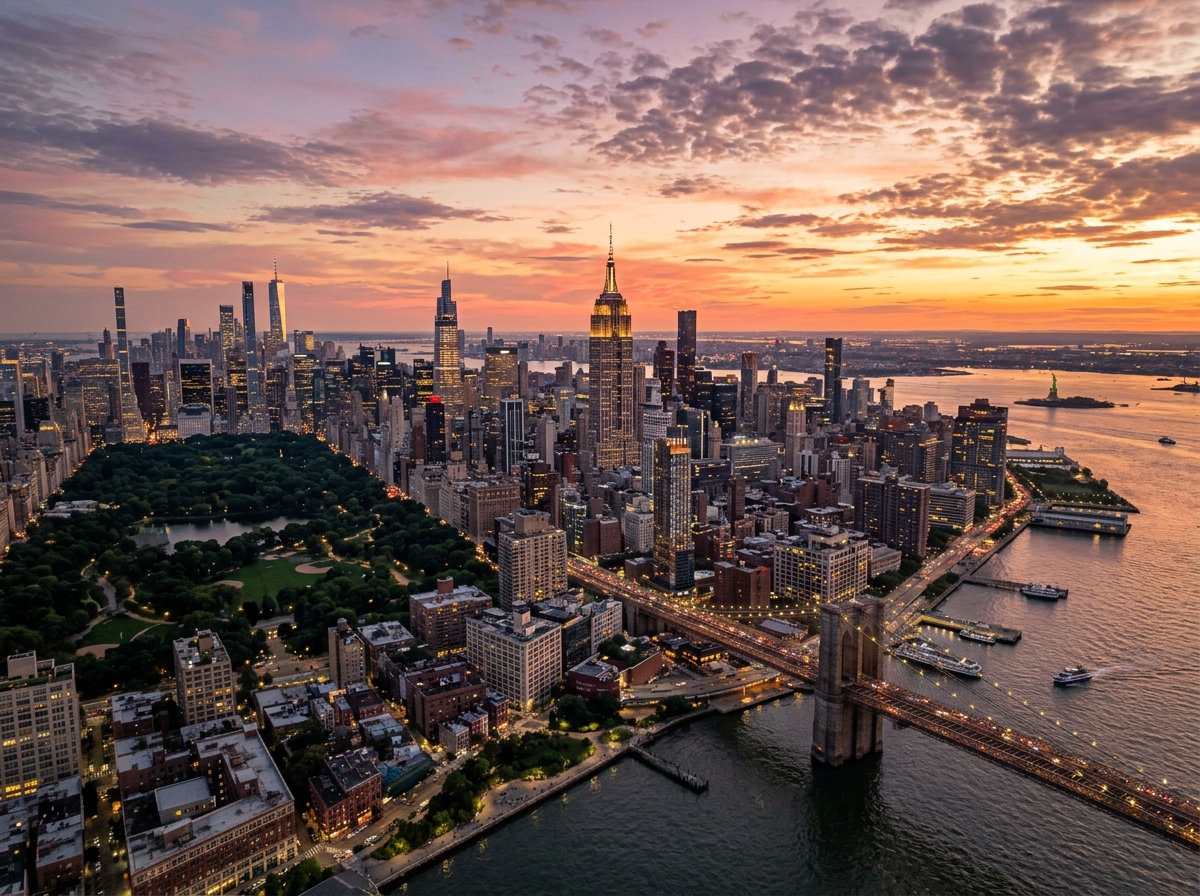
New York is the most visited city in the US by international visitors and the one where the gap between what you see in two days and what is actually there is the largest of any city in the country.
Manhattan is extraordinary. Central Park, the Met, MoMA, the High Line, Brooklyn Bridge, and the energy of the streets at any hour all justify the visit. But New York’s soul is also in Brooklyn (Williamsburg for nightlife and food, DUMBO for the Manhattan skyline view, Prospect Park for a Sunday morning unlike anywhere else), Queens (Flushing for the best Chinese food outside China, Astoria for Greek culture), and the Bronx (the Botanical Garden, Yankee Stadium, and Arthur Avenue’s genuine Italian American food market).
2026 note: The FIFA World Cup Final is at MetLife Stadium in New Jersey on July 19, 2026, with eight total matches in the New York area from June 11 through July 19. Hotel prices during the tournament period are significantly elevated. Book well ahead if visiting in June or July.
Washington DC
Washington DC is one of the best-value destinations in the US for cultural sightseeing. The Smithsonian complex of 19 museums, the National Gallery of Art, and the National Mall with its monuments and memorials are all free and genuinely world-class.
The National Museum of African American History and Culture on the Mall requires timed entry passes booked at si.edu/visit, and they go fast. Book as soon as your dates are confirmed.
The America 250 celebrations on July 4, 2026 will be centred partly in Washington DC. If history and American civic culture are central to your trip, this date in this city in this specific year is genuinely meaningful.
Boston
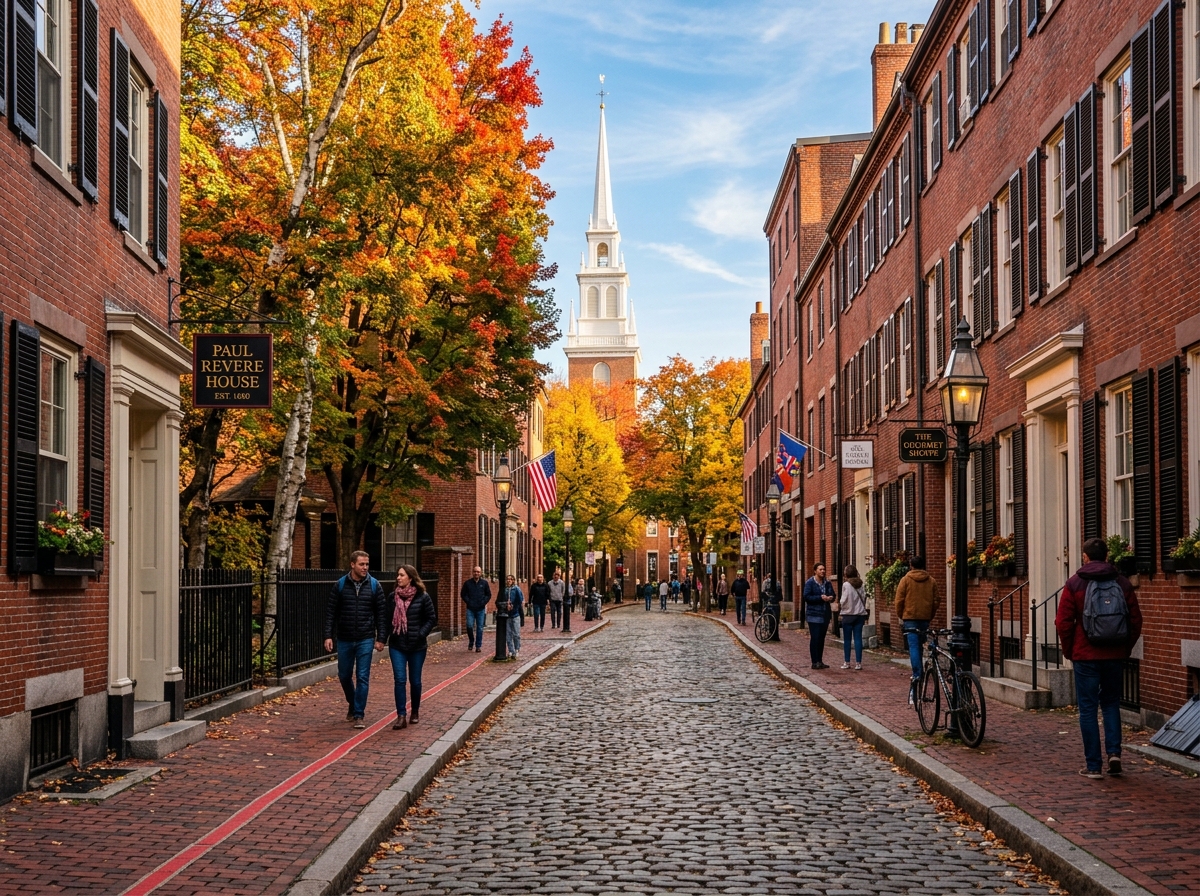
Boston is one of the most walkable and historically dense American cities. The Freedom Trail, a two-mile walking route linking 16 sites from the colonial and revolutionary period, is the best single-day history experience in the country. Harvard and MIT are across the Charles River in Cambridge, and the surrounding area has excellent food and bookshops.
Cape Cod is two hours from Boston and one of the most beautiful parts of New England, with the National Seashore’s undeveloped Atlantic beaches, the distinctive villages of Chatham and Wellfleet, and Provincetown at the tip offering the most complete single-destination experience in the region.
The South: Music, Food, and History
New Orleans
New Orleans is the most distinctive American city, and no description quite captures what it actually feels like to be there.
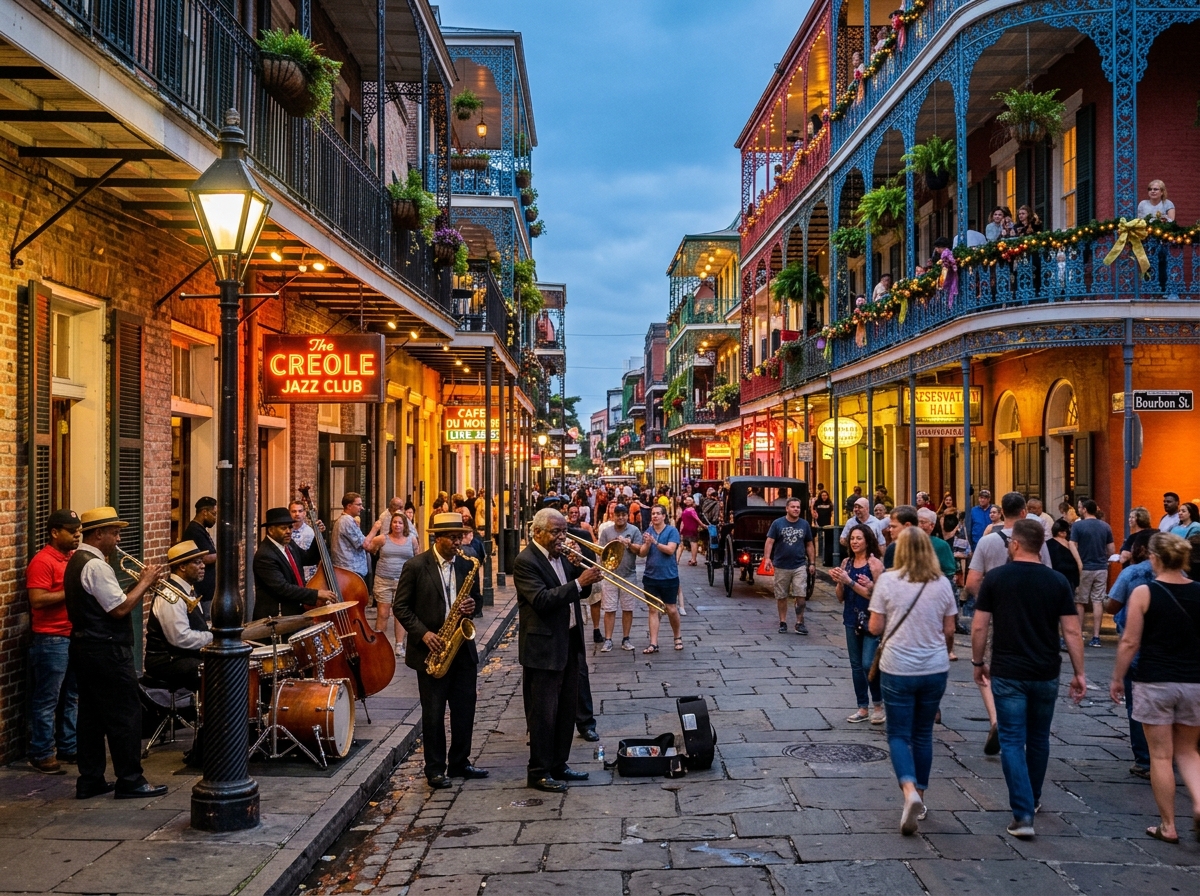
The French Quarter is genuine, not manufactured. The above-ground cemeteries are genuinely historic. The jazz on Frenchmen Street (better for actual music than Bourbon Street) is authentic and extraordinary. The Creole and Cajun food culture, built over centuries of French, Spanish, West African, and Native American culinary traditions, produces dishes that exist nowhere else in the country.
The best time to visit is spring (March through May) for the Jazz Fest, or October and November when the heat drops. August is hot, humid, and in hurricane season.
Nashville
Nashville has evolved from a country music city to one of the fastest-growing and most complete mid-size American cities. The Grand Ole Opry, the honky-tonks on Broadway, the excellent new restaurant culture of East Nashville, and the Parthenon replica in Centennial Park all coexist in a city that rewards more than a weekend.
The surrounding Tennessee countryside, including a day trip to Jack Daniel’s Distillery in Lynchburg, adds genuine regional character to what could otherwise be purely an urban trip.
Charleston, South Carolina
Charleston is the most architecturally beautiful city in the South. The streets south of Broad Street hold the greatest concentration of antebellum architecture in the United States. Rainbow Row, the Battery overlooking the harbor, the Gullah Geechee cultural heritage, Fort Sumter, and some of the best Southern food in the country make it one of the most complete smaller-city destinations in the US.
The Angel Oak on nearby Johns Island, an estimated 300 to 500-year-old live oak tree with a canopy covering 17,000 square feet, is one of the most extraordinary living things on the East Coast and is free to visit.
Savannah, Georgia
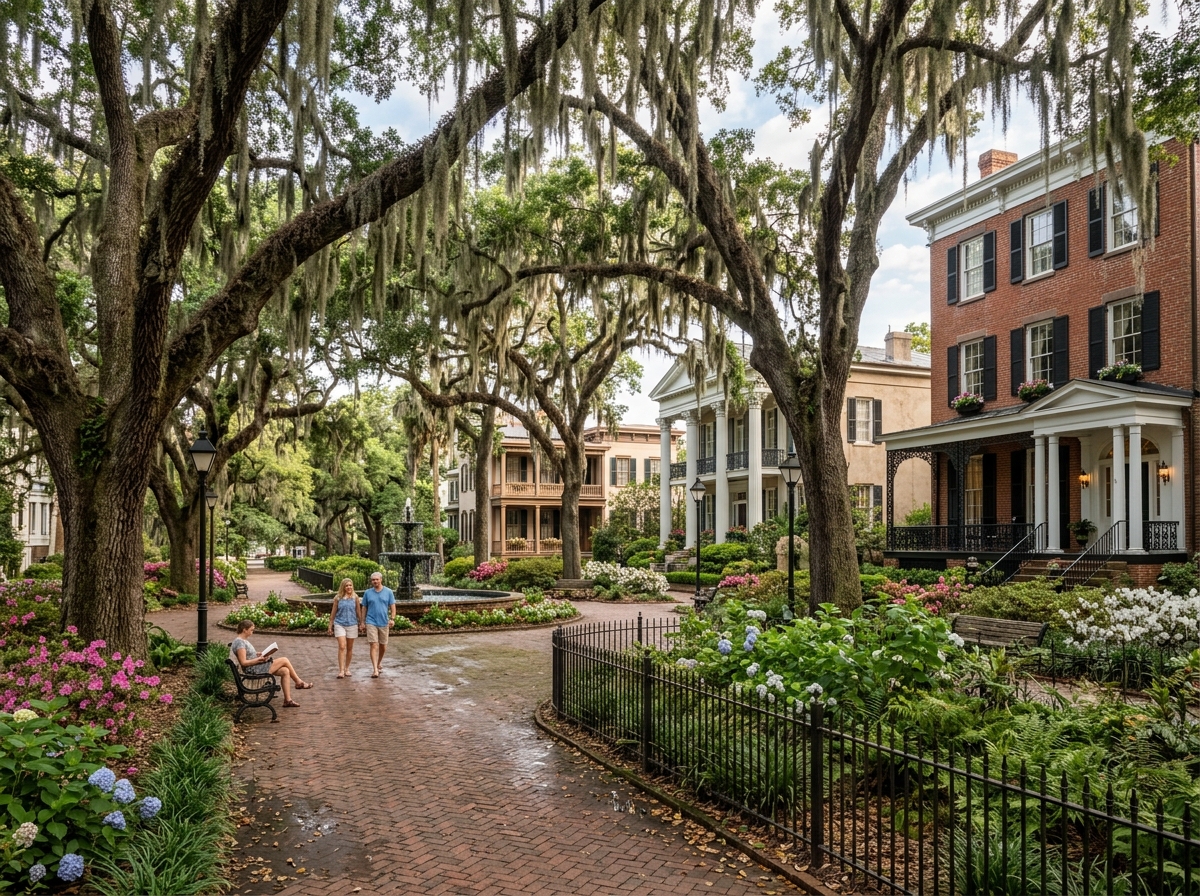
Savannah is the most beautiful city in the South that most visitors from outside the region have never seriously considered. Twenty-two historic squares shaded by enormous live oaks draped in Spanish moss create a walking experience unlike any other American city. It is genuinely compact, charming, and significantly less visited than Charleston despite comparable quality.
The Midwest: More Than a Flyover
Chicago
Chicago is consistently underestimated by visitors who assume it is just “the American city that is not on the coast.” It is, in fact, one of the great cities in the world.
The architecture is unmatched. Chicago essentially invented the modern skyscraper after the Great Fire of 1871, and an architecture boat tour on the Chicago River is one of the best single activities in any American city. The Art Institute holds one of the finest Impressionist collections in the world. The lakefront gives Chicago an openness and scale that most inland cities lack.
Chicago in summer, when the city comes alive after its brutal winter, has a particular energy. The Chicago Jazz Festival in September is free and excellent.
Minneapolis and the Twin Cities
Minneapolis-Saint Paul is consistently overlooked in guides to US travel and consistently surprises visitors who arrive. The Walker Art Center is one of the best contemporary art museums in the country. The city’s music scene produced Prince and the Replacements. The Boundary Waters Canoe Area Wilderness, three hours north, is one of the most pristine paddling environments in North America.
Hawaii and Alaska: America’s Exceptional Outposts
Hawaii
Hawaii is technically the United States but feels completely unlike the mainland. Each island has a distinct character.
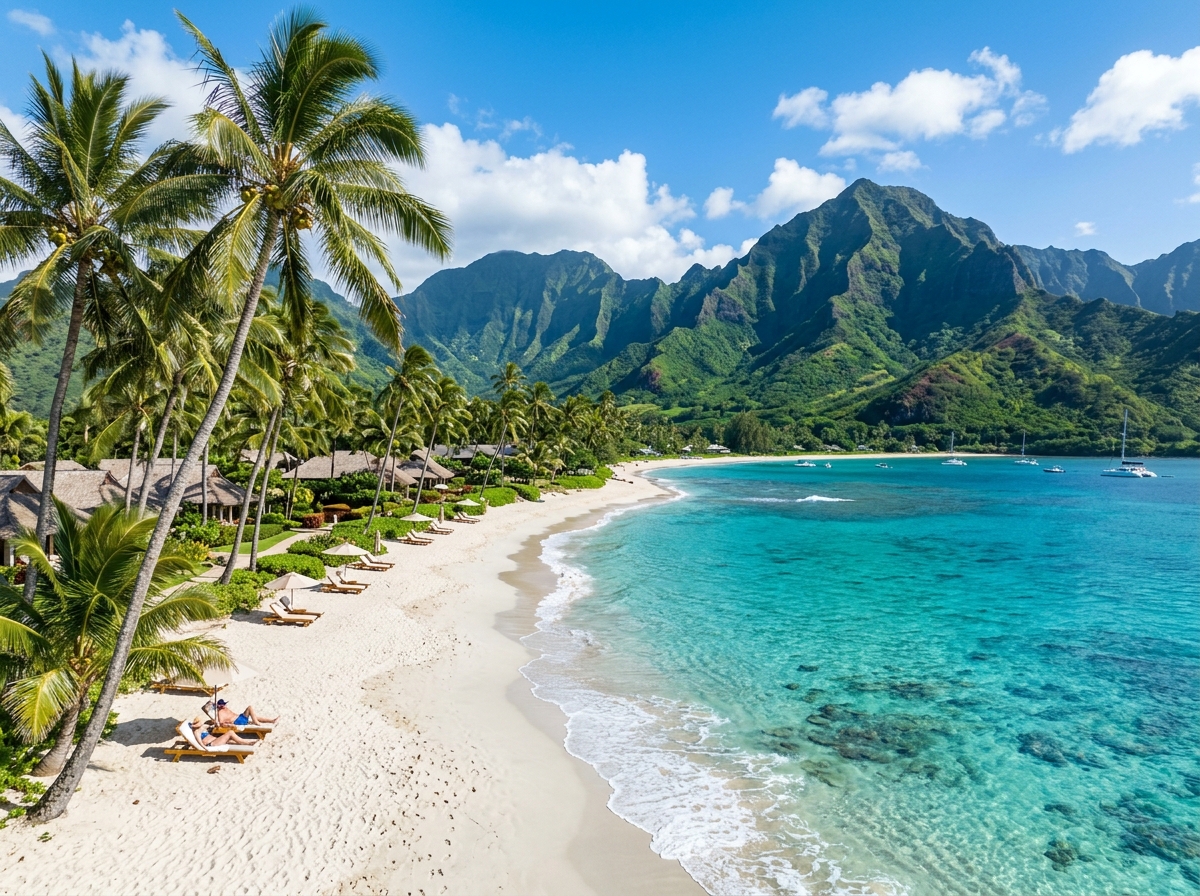
Maui is the most complete combination of beach, landscape, and food culture, with the Road to Hana as one of the great scenic drives in the country and Haleakalā Crater offering a sunrise above the clouds at 10,000 feet.
The Big Island spans five distinct climate zones from tropical beach to alpine snow-dusted volcano. Volcanoes National Park has active lava flows that change the landscape continuously.
Kauai is the most beautiful Hawaiian island to most people who have seen all of them, with the Na Pali Coast’s dramatic sea cliffs and the Waimea Canyon providing scenery that photographs genuinely underserve.
The best time to visit Hawaii is April and May (lower prices before peak summer) or September and October (warm water, thinner crowds, excellent pricing).
Alaska
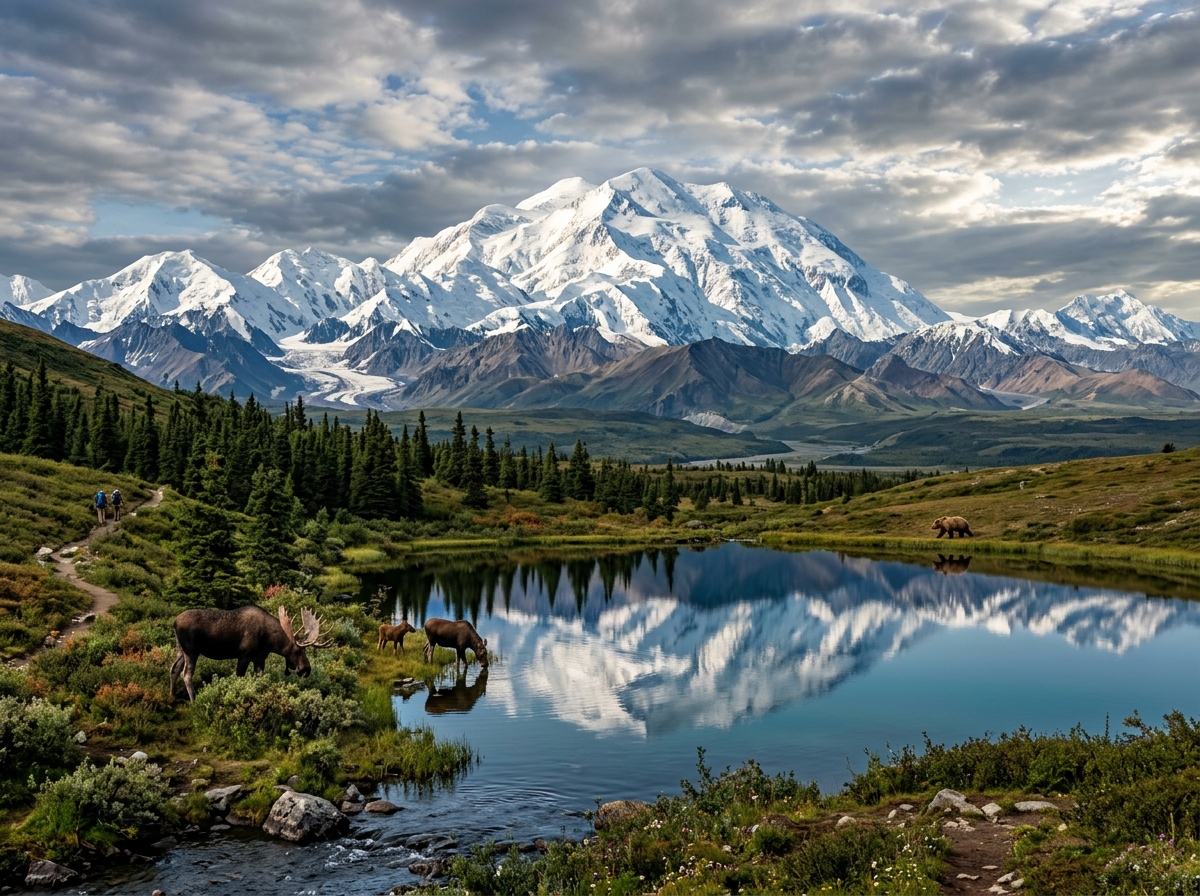
Alaska in summer delivers wilderness at a scale that has no equivalent in the lower 48. Denali National Park, the Inside Passage by cruise or ferry, bear watching at Brooks Falls in Katmai in August, and whale watching near Juneau all provide experiences that cannot be approximated elsewhere in the US.
August is the peak month for bear viewing at Brooks Falls, when salmon runs bring brown bears to the falls in concentrations that are extraordinary to witness. Book permits and accommodation many months ahead.
Hidden Gems Worth the Journey
Asheville, North Carolina
Asheville is what happens when you put a genuine arts community, an exceptional craft beer culture, the Blue Ridge Parkway, and the largest private home in America (the Biltmore Estate) in the same mountain city. It is consistently named one of the most liveable cities in the South and consistently undervisited by travellers from outside the region.
The surrounding Black Mountains have some of the best hiking in the eastern US, including the trail to Mount Mitchell, the highest peak east of the Mississippi.
The Hudson Valley, New York
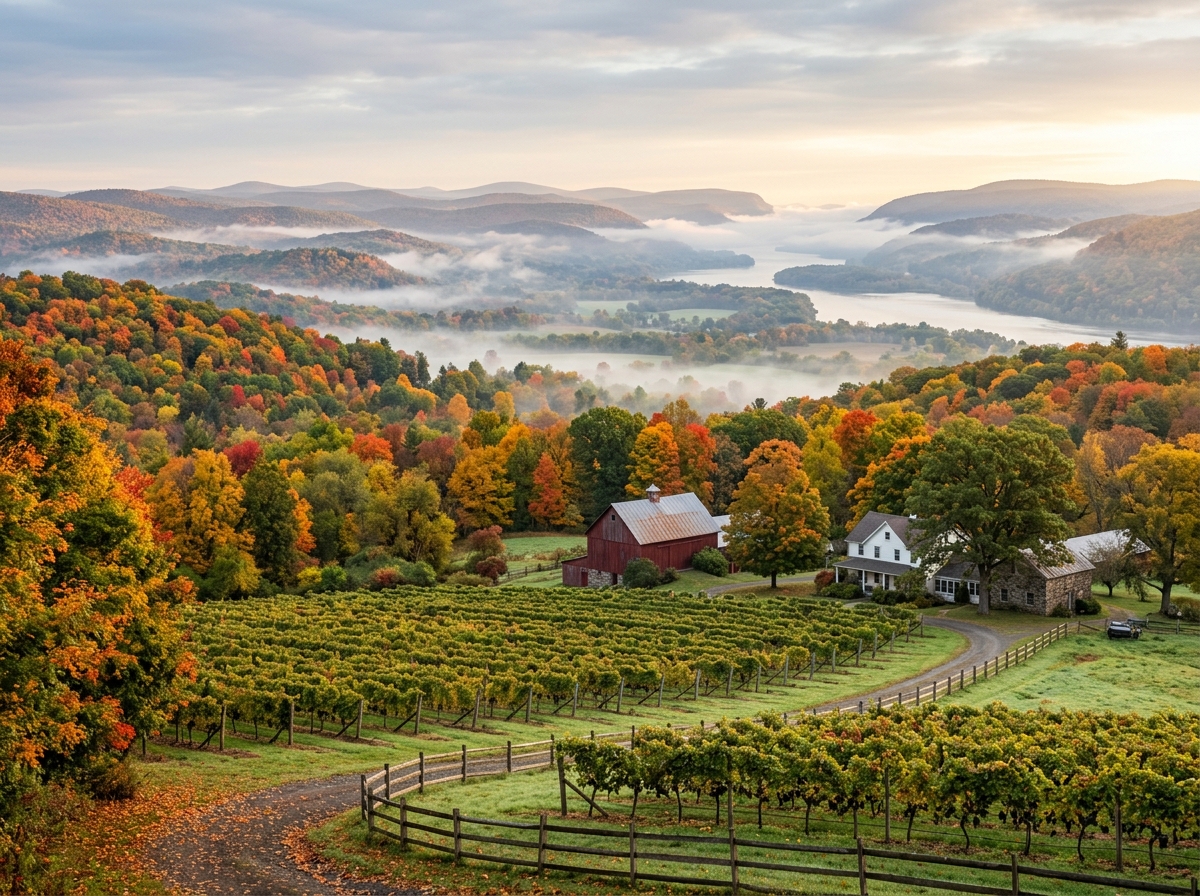
The Hudson Valley begins about an hour north of New York City and is one of the best examples of the “destination detour” trend that is reshaping American travel, where visitors spend time in compelling smaller destinations near major cities rather than the cities themselves.
Storm King Art Center, an outdoor sculpture park on 500 acres of Hudson Valley hillside, is one of the most extraordinary art experiences in the country. Dia:Beacon, the contemporary art museum in Beacon, is world-class. The Catskill Mountains behind the valley add hiking, skiing, and the farm-to-table food culture that has made the region one of the most talked-about in American food media.
The Florida Keys
The Overseas Highway, which connects Miami to Key West across a chain of tropical islands on 42 bridges over 113 miles of ocean, is one of the great American drives. John Pennekamp Coral Reef State Park in Key Largo is the first underwater state park in the US. Key West is a genuinely unusual small city with a literary heritage (Hemingway’s house is a museum), a sunset tradition that draws the entire town to Mallory Square every evening, and a laid-back culture that mainland Florida does not replicate.
For any multi-destination US road trip or national park tour, the single most practical piece of gear is a well-organised daypack that handles hiking, city exploring, and day trips from a hotel base without needing to be checked at airports. The Osprey Daylite Plus 20L Backpack (available on Amazon) is hydration-compatible, comfortable for full-day hikes at places like Arches and Zion, compact enough to stow under an airline seat on domestic flights, and durable enough for the full range of activities a US road trip involves.

Osprey Daylite Expandable 26+6 Travel Pack, Black
Planning a US Trip: What No One Tells You
Distances are the main constraint. The US is the size of continental Europe. Building an itinerary that crosses too many regions means spending more time in airports or on freeways than at destinations. Pick one or two regions and go deep rather than trying to touch the East Coast, the Southwest, and the Pacific Northwest in ten days.
The America the Beautiful Pass is the best value in US travel. At $80 per year, it covers entry for the vehicle and all passengers at over 80 national parks and federal recreation areas. Arches, Zion, Bryce, Grand Canyon, Yosemite, and Olympic National Park all charge individual entry fees of $20 to $35 per vehicle. Two or three park visits cover the $80 cost.
Regional cost differences are significant. New York City, San Francisco, and Hawaii are among the most expensive destinations in the US. Nashville, New Orleans, Asheville, and Savannah are significantly cheaper for comparable quality of experience. The South and Midwest are consistently more affordable than the coasts.
Free things in the US are actually free. Washington DC’s Smithsonian museums, the national parks’ visitor centres, the Staten Island Ferry with its Statue of Liberty views, Chicago’s Millennium Park and Grant Park, New Orleans’ Frenchmen Street live music, and the beach access along most of the US coastline are all genuinely free.
Rental cars are necessary outside cities. The US lacks meaningful intercity public transport outside the northeast corridor (Boston to Washington DC by Amtrak). For national parks, the Southwest, the South, and the Pacific Northwest, a rental car is not optional. Budget for it when planning.
Best Places in the US by Traveller Type
First-time international visitors: New York City for urban energy and cultural breadth, Washington DC for history and free world-class museums, and either the Grand Canyon or Yosemite for a natural wonder. This triangle covers the best of what makes the US distinctive.
National park enthusiasts: Utah’s Mighty Five as a single circuit, supplemented by Yellowstone and Grand Teton in Wyoming, and the California parks covered in our guide to the best places to visit in California.
Food and music lovers: New Orleans for the deepest food and music culture in the country, Nashville for country and Americana, Memphis for blues and the National Civil Rights Museum, Charleston for Southern Lowcountry cuisine.
Beach travellers: Hawaii for the most beautiful beaches. Miami and the Florida Keys for the most reliably warm winter beaches. Cape Cod for the most dramatic East Coast beach scenery. Outer Banks, North Carolina for wild, undeveloped Atlantic beaches without the crowds.
Road trippers: Pacific Coast Highway from San Francisco to Los Angeles. Utah’s Mighty Five circuit. Route 66 from Chicago to Los Angeles (particularly meaningful in 2026 for the centennial). Blue Ridge Parkway from Virginia to North Carolina.
Budget travellers: Washington DC (free museums), New Orleans (free street music, affordable food), Asheville (hostels, free hiking), and national park camping with the America the Beautiful Pass all enable excellent US travel on a limited budget.
Quick Reference Table
| Destination | Region | Best For | Best Season | Rough Cost Level |
|---|---|---|---|---|
| New York City | Northeast | Urban culture, everything | Sep to Nov | High |
| Washington DC | Northeast | History, free museums | Mar to May, Sep to Oct | Moderate |
| New Orleans | South | Music, food, culture | Oct to May | Moderate |
| Asheville | Southeast | Mountains, food, craft beer | May to Oct | Low-moderate |
| Charleston | Southeast | History, architecture, food | Mar to May, Sep to Nov | Moderate-high |
| Chicago | Midwest | Architecture, food, lakefront | Jun to Sep | Moderate |
| Utah Mighty Five | Southwest | National parks, hiking | Apr to Jun, Sep to Oct | Low with pass |
| Grand Canyon | Southwest | Natural wonder | Mar to May, Sep to Nov | Low with pass |
| San Francisco | West Coast | City, wine country, parks | Sep to Nov | High |
| Hawaii | Pacific | Beaches, volcanoes, food | Apr to May, Sep to Oct | High |
| Alaska | Pacific Northwest | Wilderness, wildlife | Jun to Aug | High |
| The Florida Keys | South | Driving, beaches, diving | Nov to May | Moderate |
Frequently Asked Questions
What is the most visited place in the US?
New York City receives more international visitors than any other US city. Within natural attractions, the Grand Canyon is the most visited national park by international tourists, followed by Yellowstone and Yosemite.
What is the cheapest part of the US to visit?
The South and Midwest are consistently more affordable than the coasts. Cities like Nashville, New Orleans, Memphis, Asheville, and Savannah offer excellent food and culture at significantly lower prices than New York, San Francisco, or Miami.
Do I need a car to visit the US?
In the Northeast corridor from Boston to Washington DC, Amtrak trains work well. In cities like New York, Chicago, and Seattle, public transport handles most needs. For national parks, the South, the Southwest, and anything outside major cities, a rental car is essentially required.
How many days do you need to see the US?
No single trip covers the entire country. Two weeks covers one region well, whether that is the East Coast cities, the Southwest national parks, or the Pacific Coast. Trying to cross the country in two weeks leaves more time on planes and in rental cars than at actual destinations.
What is the America the Beautiful Pass?
The America the Beautiful Annual Pass costs $80 per year and covers entry fees for the driver and all passengers at over 80 US national parks and federal recreation areas. If your trip includes three or more national parks, it pays for itself. Available at recreation.gov or at any park entrance.
When is the best time to visit the US?
It depends entirely on the region. The Southwest national parks are best in spring and fall. Hawaii is excellent in April to May and September to October. New York and Washington DC are best in September and October. New Orleans is best from October through April. Alaska is best in June through August.
What is different about visiting the US in 2026?
Two major reasons to visit in 2026 specifically: the America 250 celebrations on July 4 marking the 250th anniversary of independence, with major events in Philadelphia and Washington DC, and the Route 66 centennial, with new visitor centres, murals, and events along the historic highway from Chicago to Los Angeles. The FIFA World Cup Final at MetLife Stadium in New Jersey on July 19, 2026 also makes the New York area particularly significant for football fans.
Final Thoughts
The US rewards the traveller who stops trying to see all of it and starts trying to actually experience a piece of it.
Two weeks in Utah and the Southwest gives you a depth of natural landscape encounter that no amount of ticking destinations off a list can replicate. A week in New Orleans sitting on Frenchmen Street at midnight listening to jazz that costs nothing to hear is a different but equally complete travel experience.
Pick the version of America that matches what you actually came for. Then give it enough time to deliver.
For a US trip that combines multiple accommodation types across cities, national parks, and road trip stops, a lightweight packable jacket that handles the temperature swings between air-conditioned hotel lobbies and outdoor desert evenings is one of the most useful single items you can bring. The Uniqlo Ultra Light Down Compact Jacket (available on Amazon) packs into its own small pouch, weighs under 300 grams, and adds genuine warmth for cool canyon mornings or breezy city evenings without taking up meaningful suitcase space.
The country is enormous, varied, and genuinely extraordinary in ways that are hard to describe before you experience them. Start anywhere. It will not disappoint.