Vermont is one of those states where the photographs never quite do the real thing justice.
The fall foliage is genuinely as extraordinary as people say. But Vermont is also a world-class ski destination in winter, a green and brilliant hiking state in summer, and home to some of the most charming small towns in New England in every season. The maple syrup, the craft beer, the farm-to-table food culture, and the covered bridges are all real and all as good as advertised.
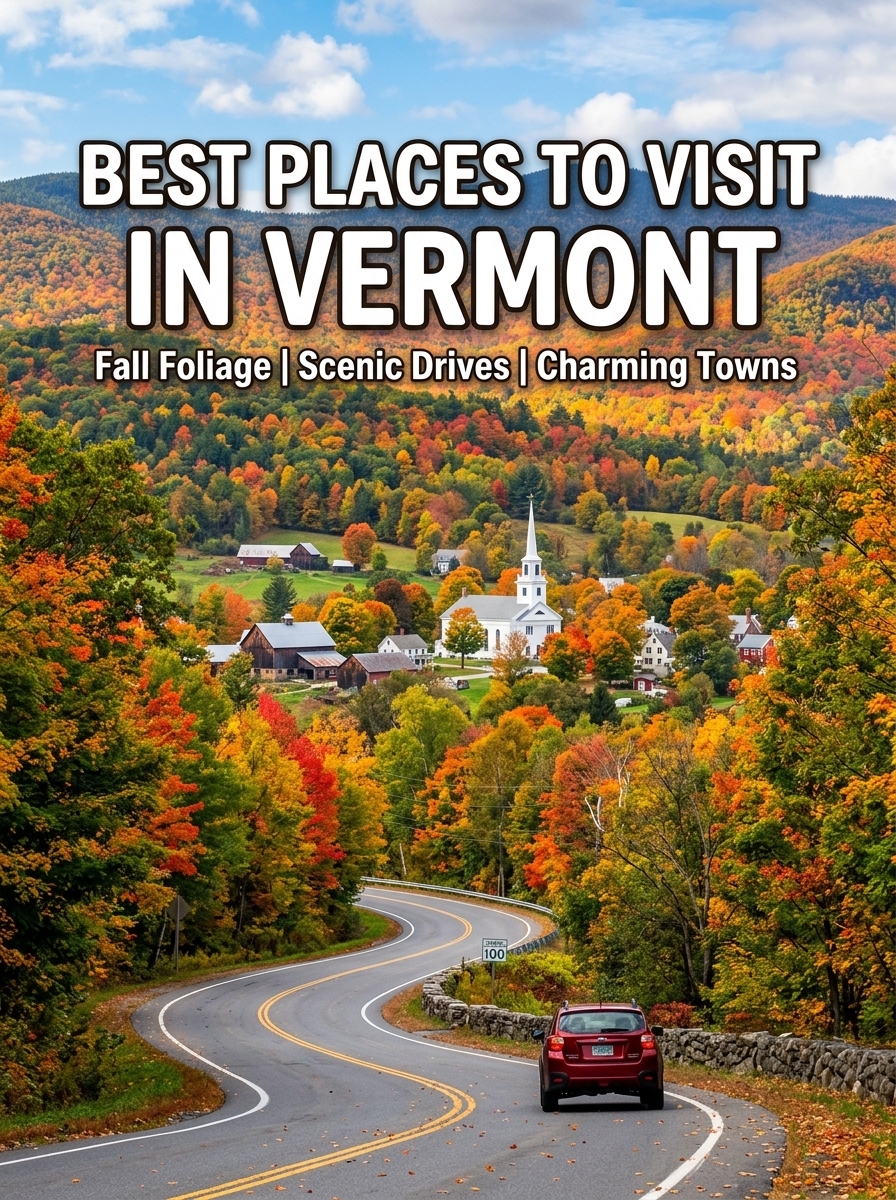
This guide covers the best places to visit in Vermont across all four seasons, with the practical context and honest details most articles leave out.
Quick Answer: Best Places to Visit in Vermont
For a first visit, Stowe and Burlington together cover the mountain experience and the lake city in one trip. For fall foliage, Stowe, Woodstock, and the Northeast Kingdom are the strongest choices. For winter skiing, Stowe and the Mad River Valley are the most rewarding. For a quieter, more local Vermont experience, the Northeast Kingdom and Southern Vermont around Manchester and Woodstock deliver genuine character without the peak-season crowds.
Burlington: Vermont’s Most Vibrant City
Burlington is Vermont’s largest city, which still means a population of around 45,000, and it sits on the eastern shore of Lake Champlain with the Adirondack Mountains visible across the water on clear days.
Church Street Marketplace is the pedestrian heart of the city, a tree-lined street of independent shops, restaurants, and street musicians that feels genuinely alive at all hours. It is easy to spend a full afternoon here before walking down to the waterfront.
The Burlington Waterfront gives you views across Lake Champlain to New York State, with a recreational path along the shore, boat rentals, kayak launches, and a farmers market that runs weekly through fall. The ECHO Leahy Center for Lake Champlain is an excellent natural science museum on the waterfront, particularly good for families.
The craft beer scene in Burlington is genuinely one of the best in New England per capita. Switchback Brewing, Zero Gravity, and Foam Brewers all have taprooms worth visiting. Magic Hat Brewery in South Burlington does tours. The Burlington area has more craft breweries than almost any small American city.
Shelburne Museum and Shelburne Farms, both about 10 minutes south of Burlington, together make one of the best cultural day trips in Vermont. Shelburne Museum holds 45 buildings of American folk art and artifacts on a 45-acre campus. Shelburne Farms is a 1,400-acre working farm and environmental education center on Lake Champlain, with hiking trails, a cheese-making facility, and one of the most beautiful farm settings in New England.
Best for: Year-round visits, foodies, craft beer lovers, families, anyone who wants city infrastructure with Vermont scenery Best time: June through October for the waterfront and outdoor activities, December for holiday market atmosphere
Stowe: Vermont’s Mountain Town
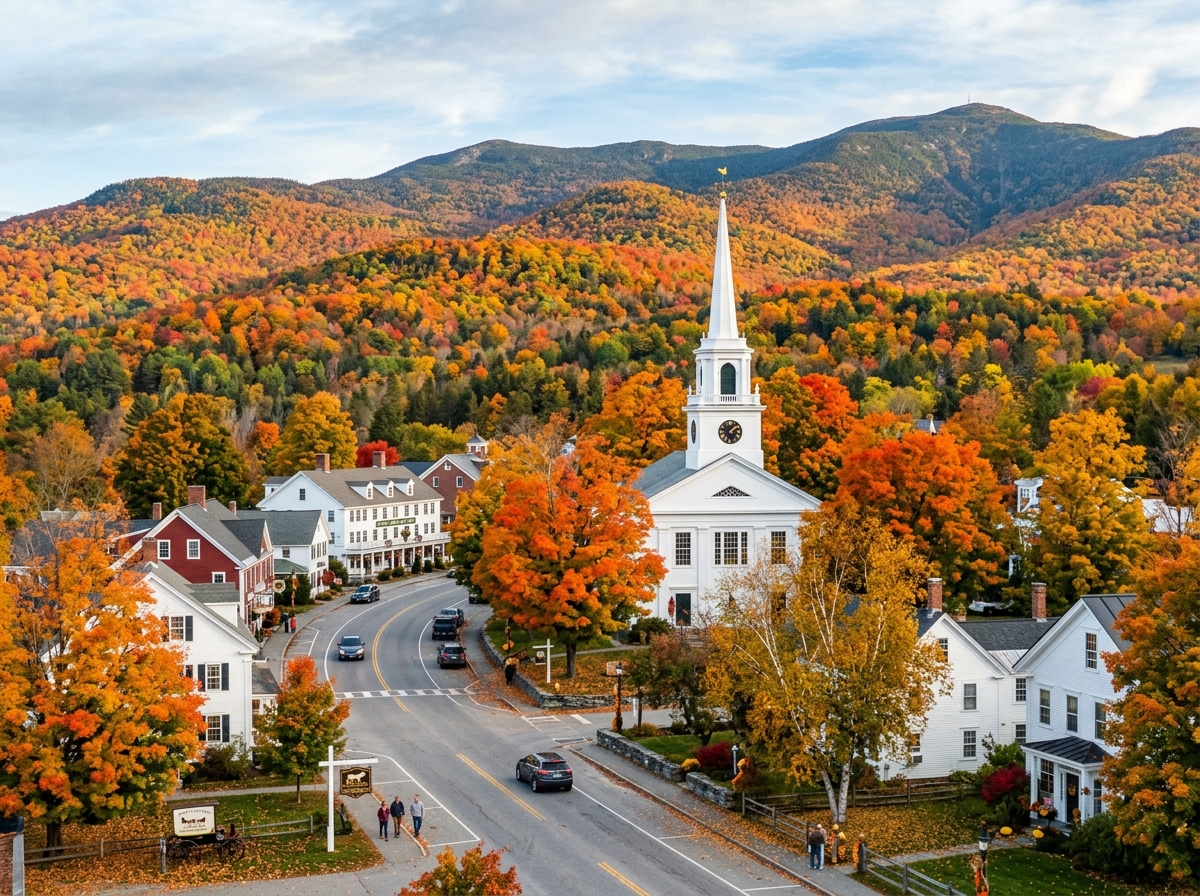
Stowe is the most famous destination in Vermont for good reason. Mount Mansfield, Vermont’s highest peak at 4,393 feet, rises directly behind the charming village, and the combination of skiing, hiking, fall foliage, and genuine mountain-town character makes it one of the best destinations in New England across all four seasons.
Fall Foliage in Stowe
Route 108 through Smuggler’s Notch connects Stowe with Jeffersonville in a narrow, winding road lined with maples that blaze red and gold in fall. Though you could drive it in about 30 minutes, it is worth pulling over to take it slow.
Peak foliage in Stowe and central Vermont typically falls around Indigenous People’s Weekend and the second week of October. This is when accommodation in Stowe fills up weeks in advance and the roads are their most scenic.
The Stowe Recreation Path, a 5.3-mile paved path running from the village to the Topnotch Resort, is one of the best ways to experience the fall colors on foot or by bike, away from road traffic.
Skiing and Winter in Stowe
Stowe Mountain Resort operates two peaks, Mount Mansfield and Spruce Peak, connected by a gondola. The skiing is genuinely excellent, with a vertical drop of 2,360 feet and consistent snowfall throughout the season. The resort village at Spruce Peak has skating, dining, and a spa, making it a well-rounded winter destination even for non-skiers.
The Stowe village itself is charming in winter, with restaurants and shops that remain active through the ski season.
Hiking in Stowe
Summer hiking on and around Mount Mansfield is outstanding. The Sunset Ridge Trail from Underhill State Park is a strenuous 5.1-mile round trip to Vermont’s highest summit with views across five states on clear days. The gondola at the ski resort provides an alternative for those who want the summit view without the climb.
Moss Glen Falls, a beautiful waterfall surrounded by fall foliage, and Gold Brook Covered Bridge, one of the few remaining historic covered bridges in Vermont, are both worth including in any Stowe visit.
Best for: Skiing, fall foliage, hiking, couples, families, a classic Vermont mountain town experience Best time: Late September through mid-October for foliage, December through March for skiing, June through August for hiking
For any Stowe fall visit involving hiking and leaf-peeping in variable autumn weather, layering properly makes the difference between a comfortable day and a cold one. The Patagonia Nano Puff Jacket (available on Amazon) weighs under 200 grams, packs into its own pocket, and adds genuine warmth without bulk for morning hikes when temperatures can be in the 40s even in October.
Woodstock: The Most Charming Village in Vermont
Woodstock is consistently named one of the most beautiful small towns in America, and the description holds up in person. The village green, the covered bridge over the Ottauquechee River, the Federal and Greek Revival architecture, and the surrounding hills combine into a setting that looks almost too perfect to be real.
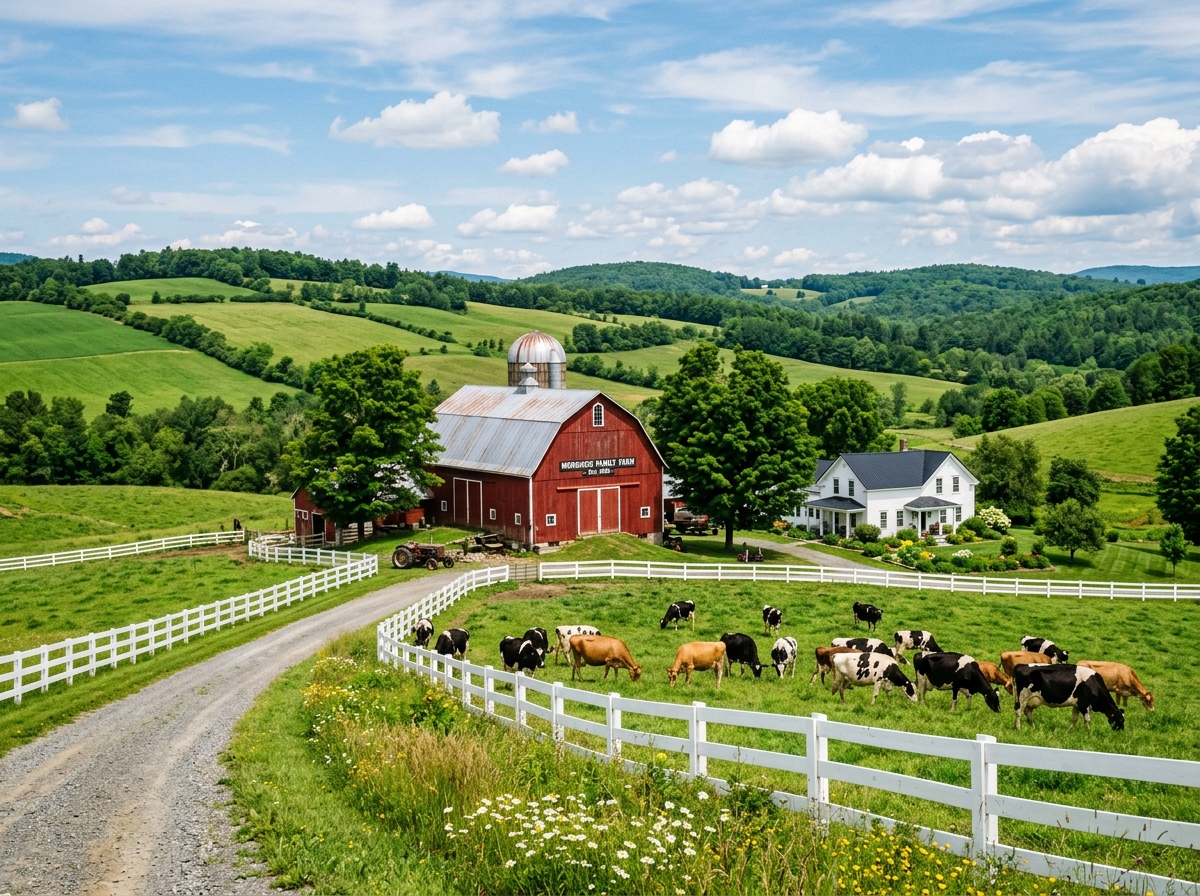
Billings Farm and Museum sits just outside the village and is one of the most complete working farm museums in the country. More than just a working farm, it is a thoughtful blend of history, education, and hands-on experience that appeals to all ages, with heritage livestock, exhibits, and a restored farmhouse from the late 1800s.
Quechee Gorge, about five miles east of Woodstock, is a 165-foot deep gorge carved by the Ottauquechee River through sheer walls of granite. A bridge on Route 4 spans the gorge and provides the most dramatic view, though hiking trails along the rim and down to the river give a better perspective on the scale.
The Marsh-Billings-Rockefeller National Historical Park in Woodstock is the only national park in Vermont and covers the history of conservation in America through the story of three generations of one family’s stewardship of the same farm property.
Woodstock in winter is beautiful and significantly less crowded than in fall. The village is compact and walkable, cross-country skiing at the Woodstock Inn’s Nordic Center is excellent, and the atmosphere is genuinely peaceful.
Best for: Couples, history lovers, first-time Vermont visitors, anyone who wants the quintessential New England village experience Best time: September through November for foliage, January through March for a quieter, cozy experience
The Northeast Kingdom: Vermont’s Hidden Side
The Northeast Kingdom is a hidden gem for those looking to avoid crowds. Places like Lake Willoughby and Burke Mountain offer dramatic scenery with fewer visitors. The mix of lakes, rolling hills, and mountains makes it a top spot for foliage viewing.
The Northeast Kingdom covers the three northeastern counties of Vermont and has a genuinely wild, remote character that the more tourist-heavy central and southern Vermont have lost. It is the Vermont that Vermonters themselves love most.
Lake Willoughby is a glacially-carved lake flanked by two mountains that drop directly into the water. The effect is more alpine than anything else in Vermont and is completely distinctive from the rolling green hills most visitors picture. Swimming, kayaking, and the drive along the lake road are all extraordinary.
St. Johnsbury is the largest town in the Northeast Kingdom and holds the Fairbanks Museum and Planetarium, a Victorian-era natural history museum that is one of the most charming small museums in New England. The St. Johnsbury Athenaeum, a 19th-century art gallery and library, holds the largest Hudson River School painting in existence.
Burke Mountain is a ski resort with a fraction of Stowe’s crowds and a quieter, more local culture that many serious skiers prefer. Kingdom Trails, a network of 100 miles of mountain bike trails around East Burke, is considered one of the best mountain biking destinations in the eastern United States.
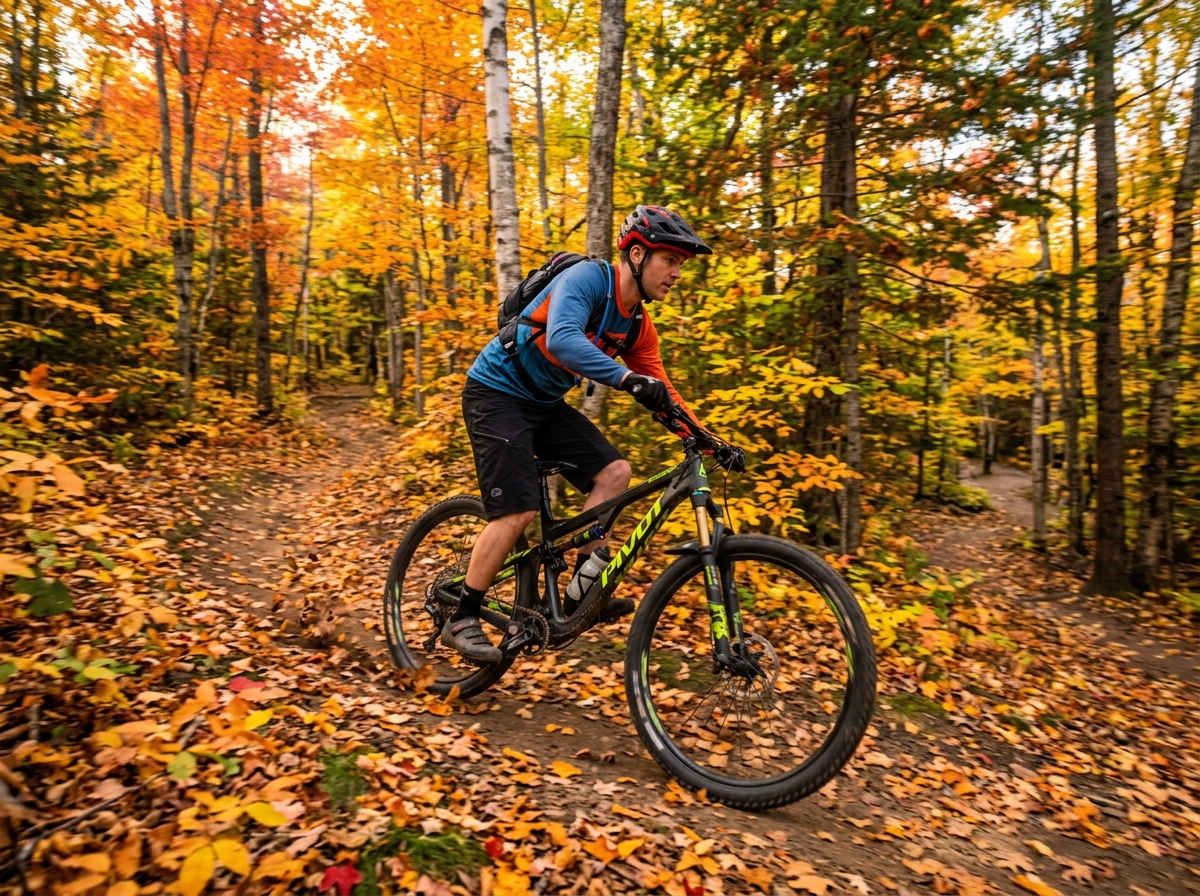
Best for: Adventurous travellers, mountain bikers, paddlers, anyone wanting less-crowded Vermont Best time: Late September for foliage (slightly earlier than central Vermont), June through August for outdoor activities
Southern Vermont: Manchester, Bennington, and the Covered Bridge Country
Southern Vermont gets overlooked in many guides that focus on the central and northern regions, but it has its own strong appeal.
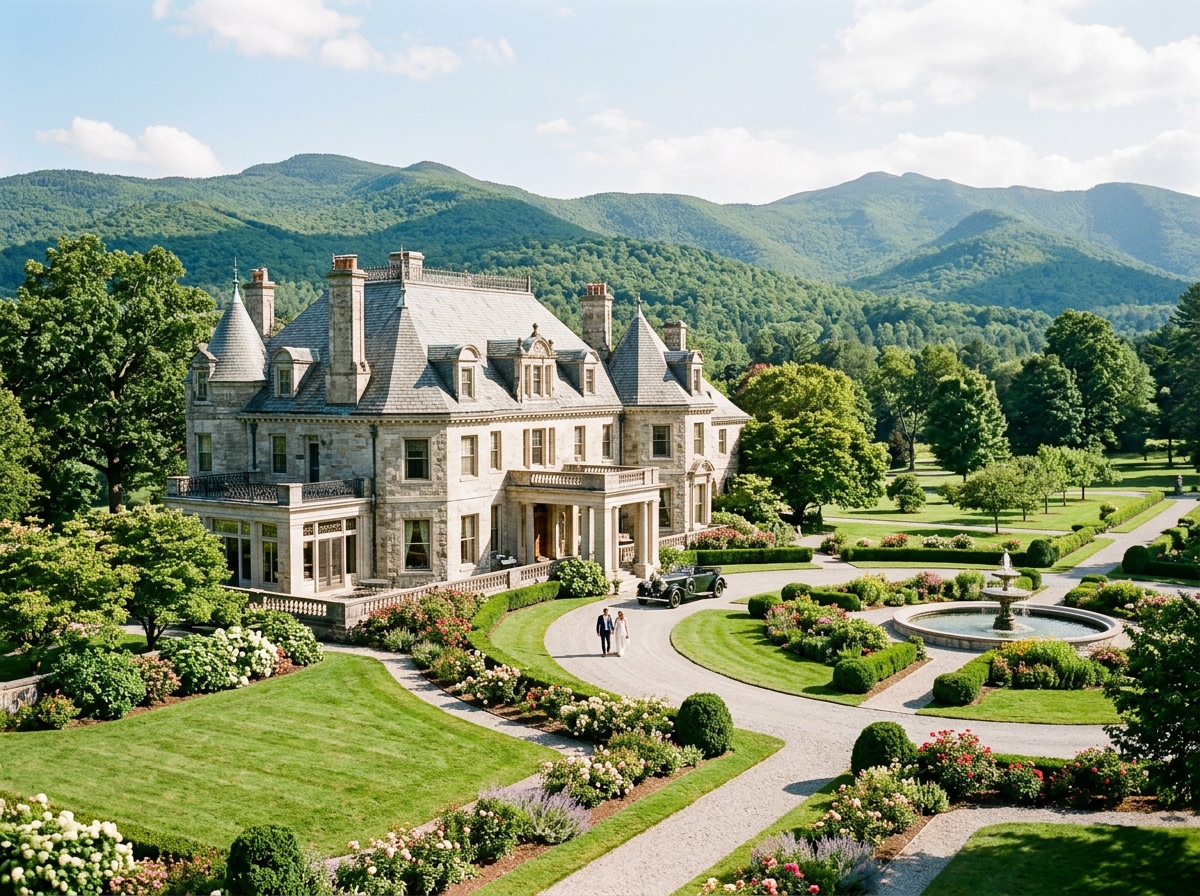
Manchester is an upscale village with a concentration of designer outlet stores, excellent restaurants, and the Hildene estate, the historic home of Robert Todd Lincoln, Abraham Lincoln’s son. Hildene’s 412 acres include restored formal gardens, working farm programs, and a Pullman car exhibit that gives the most complete picture of the Lincoln family’s private life available anywhere. Woodstock, the Northeast Kingdom, and Bennington are all lovely spots for a Vermont fall visit.
Fly fishing on the Battenkill River around Manchester is considered some of the best in the Northeast. The Orvis flagship store in Manchester is the original location of the company and a destination for fly fishing and outdoor enthusiasts.
Bennington is Vermont’s southwestern corner, home to the Bennington Battle Monument (the tallest structure in Vermont at 306 feet), the Bennington Museum (with an important collection of Grandma Moses paintings), and the grave of Robert Frost in the village cemetery.
Covered Bridges: Vermont has 100 historic covered bridges still standing, more than any other state relative to its size. The highest concentration is in the Addison County and Lamoille County areas. The Powerhouse covered bridge in Pittsford and the Covered Bridge of the Green Mountains tour map from the state tourism office give you the best framework for a covered bridge road trip.
The Mad River Valley: Vermont’s Ski Soul
The Mad River Valley, centered around Warren and Waitsfield, is where Vermont’s ski culture originated and where it still feels most authentic.
Mad River Glen is one of the few ski areas in the United States still operating a single chairlift as its primary lift. It is also one of the only resorts cooperatively owned by skiers and has a strict no-snowboard policy, creating a culture of serious, old-school skiing that is genuinely unlike anywhere else. The skiing here is expert-level challenging and the regulars are intensely loyal.
Sugarbush Resort in Warren is a larger, more conventional ski resort with two connected mountains and excellent terrain across all ability levels. It combines well with Mad River Glen for a ski week that covers both extremes.
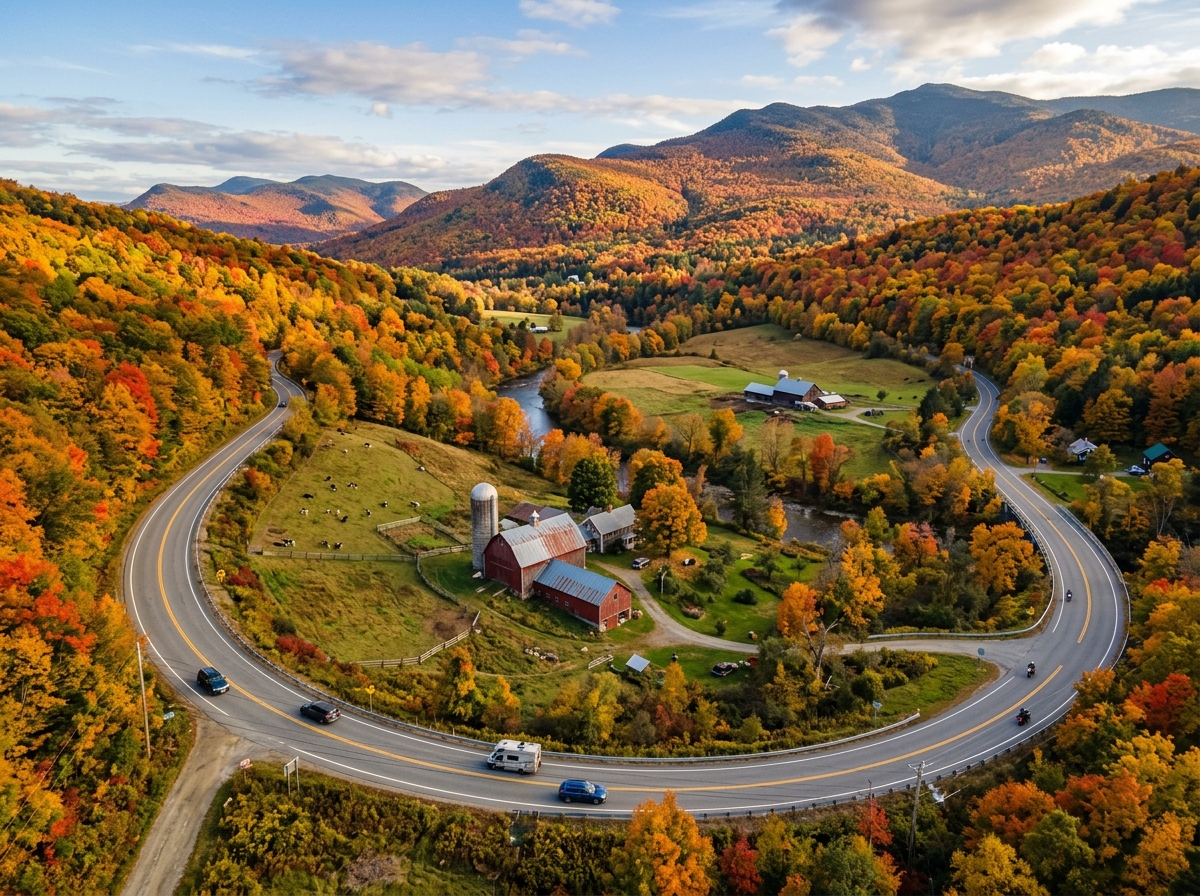
The Mad River Valley also has excellent hiking, mountain biking, and farm stands in summer and fall. The drive along Route 100 through the valley, Vermont’s most scenic highway, is as good in October as any drive in New England.
The Ben and Jerry’s Factory: An Honest Assessment
The Ben and Jerry’s factory tour in Waterbury is one of Vermont’s most visited attractions. The honest version: the factory tour is short (about 30 minutes), fairly superficial about the actual ice cream-making process, and ends with a sample. The Flavor Graveyard behind the factory, where discontinued flavors are buried with headstones and epitaphs, is genuinely charming.
The real reason to stop in Waterbury is that it sits between Stowe and Burlington on Route 2 and makes a logical stop for anyone moving between the two. The ice cream is genuinely good and the visit is fun for families. Just do not expect a deep dive into manufacturing.
Cold Hollow Cider Mill in Waterbury Center, making fresh cider through a rack-and-cloth press, is worth stopping at in any season and is a better representation of Vermont food culture than the Ben and Jerry’s experience.
Maple Syrup Season: Vermont’s Other Great Draw
Vermont produces about 40 percent of all maple syrup made in the United States, and maple season (sugaring season) runs roughly from late February through early April depending on the weather. The season requires alternating freezing nights and thawing days to get the sap running, and the window can be as short as a few weeks.
Several Vermont sugarhouses welcome visitors during the season, and the Vermont Maple Open House Weekend in late March or early April invites visitors to dozens of sugarhouses across the state for tours, tastings, and the experience of watching maple sap become syrup.
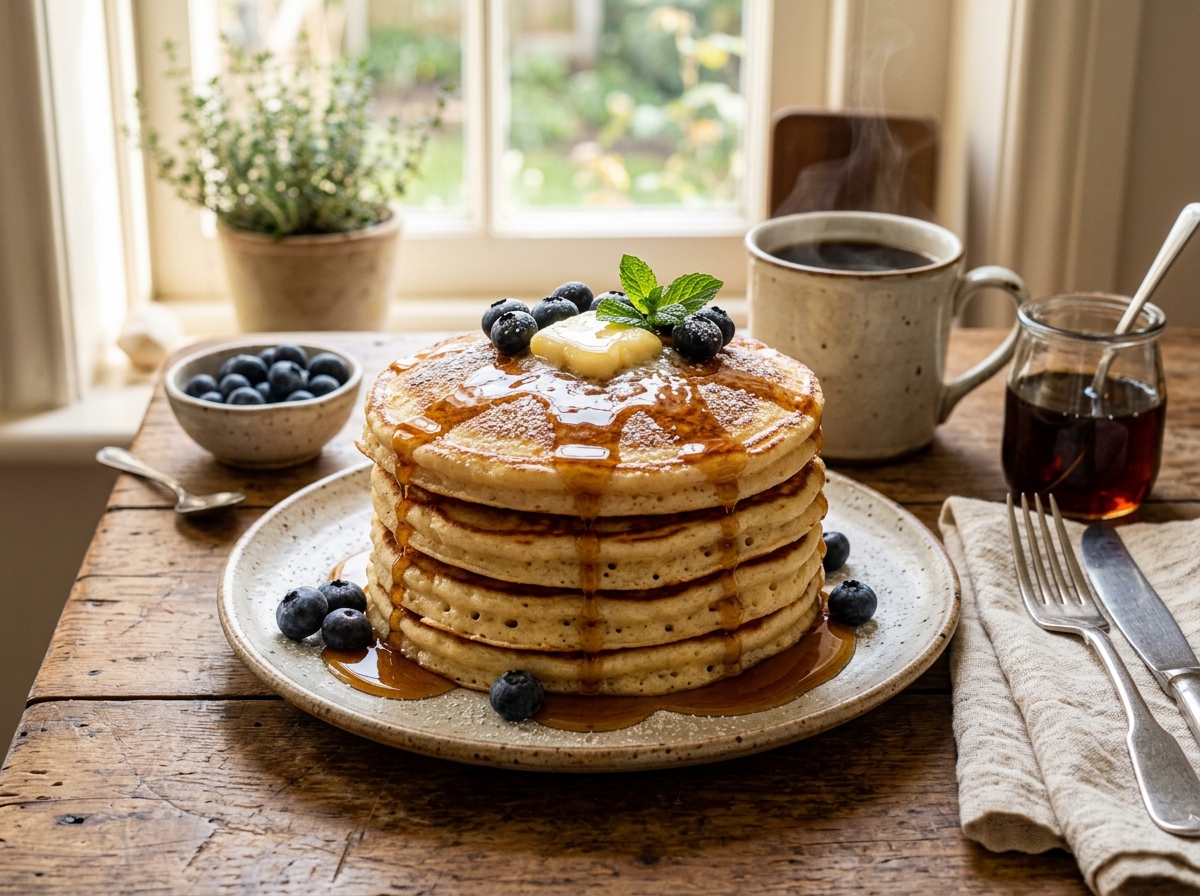
Fresh maple syrup tasted directly from the evaporator, or poured over fresh-made pancakes at a sugarhouse, is one of those distinctly Vermont food experiences worth building a trip around if your dates allow.
Honest Vermont Planning Tips
A car is essential. Vermont has essentially no public transportation between towns, and the best experiences are scattered across rural roads, farm stands, mountain trailheads, and small villages. A rental car is not optional for any multi-destination Vermont trip.
Mud season is real. Vermont’s mud season, typically April through mid-May, is when frost leaves the ground and unpaved roads become genuinely impassable in some areas. Some attractions close, some country roads are posted (legally restricted to light vehicles), and the general aesthetic of the state is wet and grey. Plan around it.
Fall foliage accommodation books out months ahead. The best inns and B and Bs in Stowe, Woodstock, and the Northeast Kingdom fill up for the peak foliage weeks (late September through mid-October) by late July or August. If you are planning a fall visit, book accommodation as soon as you have dates confirmed.
Foliage timing varies by location and by year. Northern Vermont peaks around the second week of October for central regions, while southern Vermont peaks in the third week. Weather patterns as late as early September can drastically affect timing. The Vermont Fall Foliage Report at foliage.vermont.gov provides weekly updates during the season.
Book ski accommodation weeks ahead. Peak ski weekends, particularly around holidays, fill up significantly. For Stowe especially, weekend and holiday accommodation during ski season requires planning comparable to fall foliage.
For Vermont road trips across the four seasons, a quality insulated tote keeps farm stand purchases, cider jugs, maple syrup bottles, and local cheese cold or temperature-stable on long drives between towns. The L.L.Bean Boat and Tote Medium Zip-Top (available on Amazon) is made for exactly this kind of New England errand, holds more than it looks like it should, and is the kind of bag you see at every Vermont farmers market for good reason.

Handbag Tote Purse
Best Places in Vermont by Traveller Type
First-time visitors: Stowe for the mountain experience, Burlington for the city and waterfront, Woodstock for the classic Vermont village. A 4 to 5-day trip covers all three comfortably.
Fall foliage: Stowe and Woodstock for the most beautiful concentrated experience. Add the Northeast Kingdom (Lake Willoughby and St. Johnsbury) for a quieter, more dramatic alternative.
Skiers and snowboarders: Stowe and Sugarbush for the best overall resorts. Mad River Glen for a genuinely different ski experience. Killington, further south, for the longest season in the East.
Hikers: Mount Mansfield via Stowe, the Long Trail (Vermont’s section of the Appalachian Trail), Kingdom Trails for mountain biking and trail running, and the trails around Lake Willoughby in the Northeast Kingdom.
Foodies: Burlington for the broadest restaurant scene. Woodstock for farm-to-table dining. Manchester for upscale options. Any Vermont farm stand anywhere in the state for produce, cheese, and maple products.
Budget travellers: Vermont is not the cheapest New England state, but camping at state parks, eating at general stores and diners, and hiking free trails make a budget Vermont trip very workable. Avoid peak fall foliage weekends when accommodation prices peak.
Families: Burlington’s ECHO Museum, Shelburne Farms, Billings Farm in Woodstock, Ben and Jerry’s in Waterbury, and the gondola ride at Stowe Mountain Resort are all excellent family stops.
Quick Reference Table
| Destination | Best For | Best Season | Drive from Burlington |
|---|---|---|---|
| Burlington | City, waterfront, craft beer | Year-round | Base |
| Stowe | Skiing, foliage, hiking | Fall and winter | 45 min |
| Woodstock | Village charm, history | Fall and winter | 2 hrs |
| Northeast Kingdom | Solitude, outdoor adventure | Late summer, fall | 1.5 hrs |
| Manchester | Outlet shopping, fly fishing | Fall, spring | 2.5 hrs |
| Mad River Valley | Skiing, scenic drives | Winter, fall | 1 hr |
| Shelburne | Museums, farms | Year-round | 10 min |
| Bennington | History, covered bridges | Fall | 3 hrs |
Frequently Asked Questions
What is Vermont most known for?
Vermont is most known for fall foliage, maple syrup, skiing (particularly Stowe and Killington), cheese (Cabot Creamery, Vermont Creamery), craft beer, Ben and Jerry’s ice cream, and one of the most beautiful collections of small towns and covered bridges in America.
When is the best time to visit Vermont?
Fall, from late September through mid-October, for foliage. December through March for skiing. June through August for hiking, cycling, and outdoor activities in pleasant temperatures. There is no single best time; each season has something genuinely worthwhile.
What is the best town to stay in Vermont?
Stowe for mountain-focused trips and the best overall Vermont experience. Burlington for those wanting city infrastructure and access. Woodstock for couples and those wanting the quintessential village experience. The Northeast Kingdom for those seeking quiet and solitude.
Do you need a car in Vermont?
Yes. Vermont has no meaningful public transportation between towns. A rental car is essential for any trip that involves more than staying in Burlington city centre.
What is mud season in Vermont?
Mud season runs roughly from April through mid-May when frost leaves the ground and turns unpaved roads into soft, vehicle-swallowing mud. It is a real season that locals plan around and visitors should be aware of. Some accommodations and attractions close during this period.
When does fall foliage peak in Vermont?
Timing varies by location and by year. Northern Vermont peaks first, typically the first week of October. Central Vermont around Stowe and Woodstock peaks in the second week. Southern Vermont peaks in the third week. The Vermont foliage tracker at foliage.vermont.gov provides real-time updates each season.
Is Vermont good to visit in summer?
Yes. Vermont in summer is green, beautiful, and significantly less crowded than fall. Hiking the Long Trail, kayaking on Lake Champlain, visiting the Northeast Kingdom’s lakes, and cycling the gentle roads through farm country are all excellent summer activities. Temperatures are mild and pleasant throughout the Green Mountains.
Final Thoughts
Vermont is worth exploring beyond its famous fall foliage. Every season offers something special, from maple sugaring in spring and skiing in winter to hiking in summer and vibrant farmers markets.
Plan at least 3 to 5 days to enjoy regions like Stowe, Burlington, Woodstock, or Manchester without rushing. No matter when you visit, you’ll find scenic covered bridges, maple syrup, beautiful landscapes, and excellent local food.
Since Vermont’s weather can change quickly, packing a lightweight waterproof rain jacket is a smart choice for any season.