Portland is one of those cities that genuinely delivers on its reputation.
The food cart culture is real and extraordinary. Powell’s City of Books genuinely takes hours to explore properly. Forest Park is a 5,200-acre wilderness inside city limits. The Japanese Garden is one of the most authentic outside Japan. And the craft beer scene, with over 70 breweries, is the best in the country by most serious measures.
But Portland also rewards visitors who go beyond the obvious. The East Side neighbourhoods have a creative energy that the Pearl District polished veneer does not. The Columbia River Gorge is one of the most spectacular day trips from any American city. And the food cart pods have evolved far beyond what most guides describe.
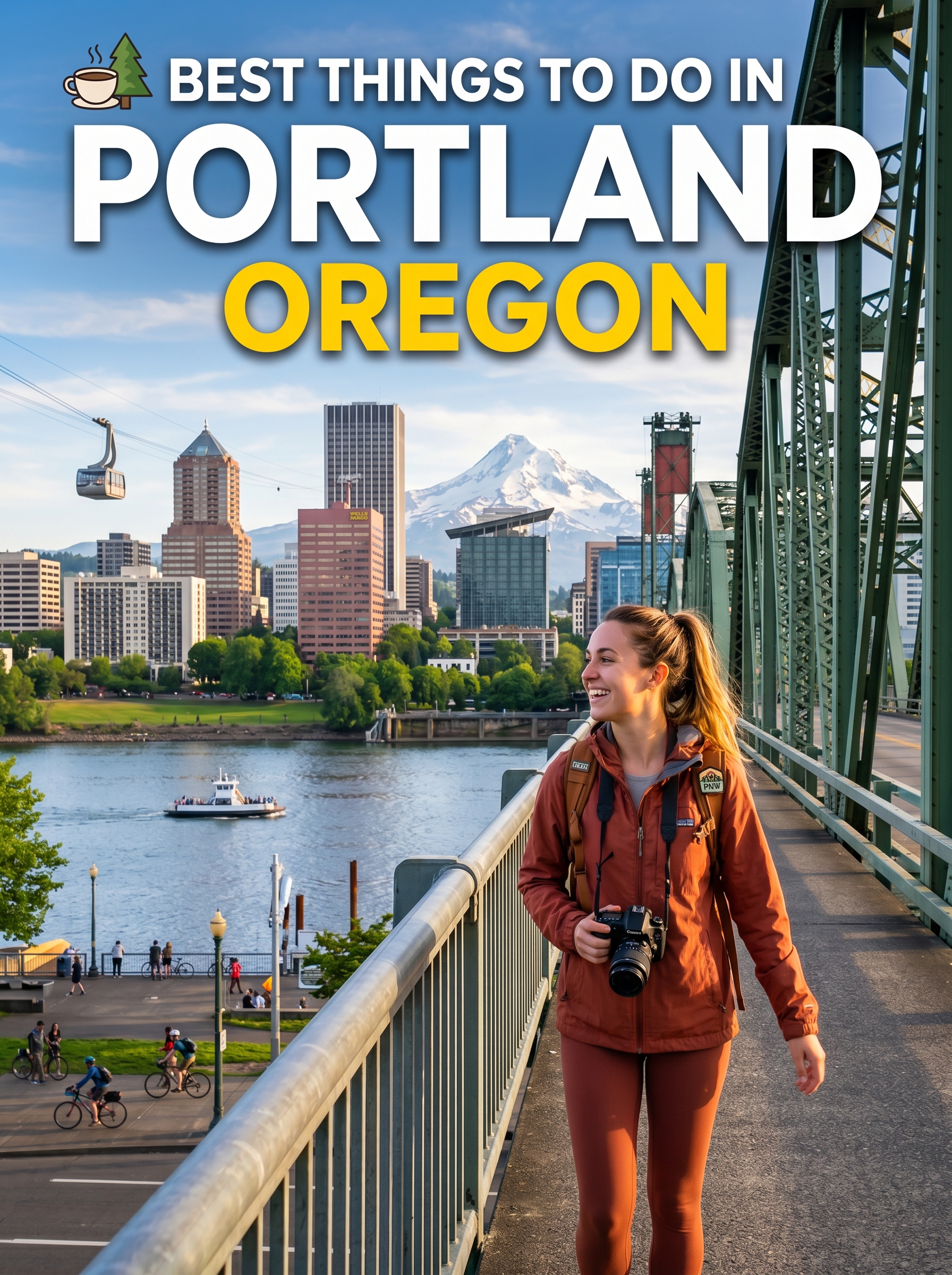
This guide covers the best things to do in Portland for every type of visitor, with honest practical advice and current recommendations.
Quick Answer: Best Things to Do in Portland, Oregon
For a first visit: Powell’s City of Books, the Japanese Garden, Portland Japanese American Historical Plaza, the food cart pod experience, and a long walk through the Pearl District and NW 23rd Avenue. Add one East Side neighbourhood, either Alberta Arts District or Mississippi Avenue, for the most complete Portland experience.
Portland’s Food Cart Culture: The Real Story
Portland is legitimately one of the greatest street food cities in the world. Not just in America. In the world. The food cart pods, clusters of semi-permanent carts sharing outdoor seating areas, have been a Portland institution since the 1990s and have evolved into something genuinely extraordinary.
How Food Cart Pods Work
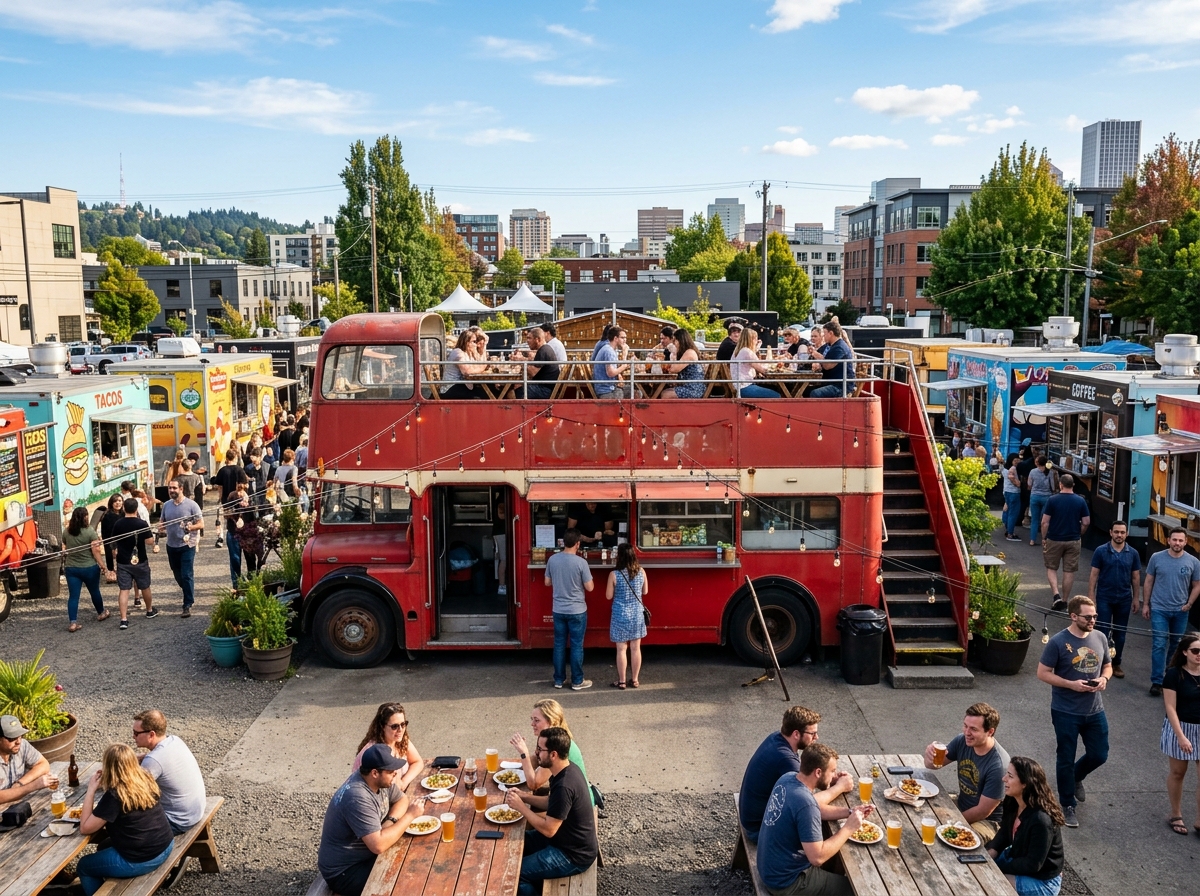
A pod is a collection of individual food carts operating around shared seating, often with its own bar or beverage cart. Each cart is an independent business, often run by one person or a family, focusing on a single cuisine done exceptionally well. You order from multiple carts in the same sitting, which means a Korean taco from one cart and a Vietnamese sandwich from another, both eaten at the same picnic table, is a completely normal Portland lunch.
Best Food Cart Pods to Visit
Alder Street Pod in the downtown is the city’s largest, with dozens of carts offering cuisines from across the world. It is immediately accessible and the best starting point for food cart newcomers.
Cart Blocks near Powell’s is a newer pod with a highlight that has become its own attraction: a triple-decker bus converted into a rooftop dining area. Cookie McCakeface, a dessert cart that won Best Food Cart in Portland, operates here. The pod is two blocks from Powell’s and makes for an excellent combined visit.
The Mercado in inner SE Portland is a pod built around Latin American culture and entrepreneurship. It houses carts from across Latin America alongside a performance stage and communal space. The quality of the food is exceptional and the atmosphere is unlike anything in downtown.
Cartopia on Hawthorne Boulevard in Southeast Portland is a late-night pod with a fire pit and picnic tables. Open until 2am on weekends. The perfect post-concert or post-bar stop for anyone spending the evening in the SE neighbourhoods.
PSU Saturday Market Pod at Portland State University comes alive on Saturday mornings alongside the Portland Saturday Market, one of the largest continuously operating outdoor markets in the US.
Powell’s City of Books
Powell’s City of Books at 1005 W Burnside Street is the largest independent bookstore in the world. It occupies an entire city block. There are colour-coded rooms, each dedicated to a different subject area, with maps at the entrance. Used and new books sit side by side on the same shelves, often with staff handwritten recommendation notes.
The downtown store remains the one best suited for visitors, with miles of used reads, a tightly curated selection from the knowledgeable staff, and every Portland-themed book you could hope to find under one roof.
Practical tips:
- Allow at least two hours. Most first-time visitors stay longer.
- The Rare Book Room on the second floor has books going back centuries.
- Powell’s hosts author readings, often with significant names, in the Pearl Room upstairs.
- The coffee shop inside is a genuine Portland institution.
Location: Corner of Burnside and 10th in the Pearl District. Open daily.
For serious book lovers who visit Portland and want to carry their Powell’s haul home without checking a bag, a lightweight packable tote that holds books without tearing is essential. The Baggu Standard Reusable Bag (available on Amazon) holds up to 50 pounds, folds into a small pouch, and is the most-recommended book-carrying tote among Portland regulars for exactly this reason.

BAGGU Big Set of 2
Washington Park: Japanese Garden, Rose Garden, Hoyt Arboretum
Washington Park sits on the West Hills above downtown and contains more worth visiting than most cities have in their entirety.
Portland Japanese Garden
The Portland Japanese Garden is consistently rated one of the most authentic Japanese gardens outside Japan itself. The garden was designed in 1967 with input from Japanese garden experts and has been expanded and refined over 60 years. It covers 12 acres on the hillside above downtown with five distinct garden styles: the Strolling Pond Garden, the Tea Garden, the Natural Garden, the Sand and Stone Garden, and the Flat Garden.
Admission is around $19 for adults. Book tickets in advance for weekend visits in spring when cherry blossoms draw larger crowds.
The Kengo Kuma-designed Cultural Village expansion opened in 2017 and adds exhibition space, a tea house, and a restaurant with views over the city.
International Rose Test Garden
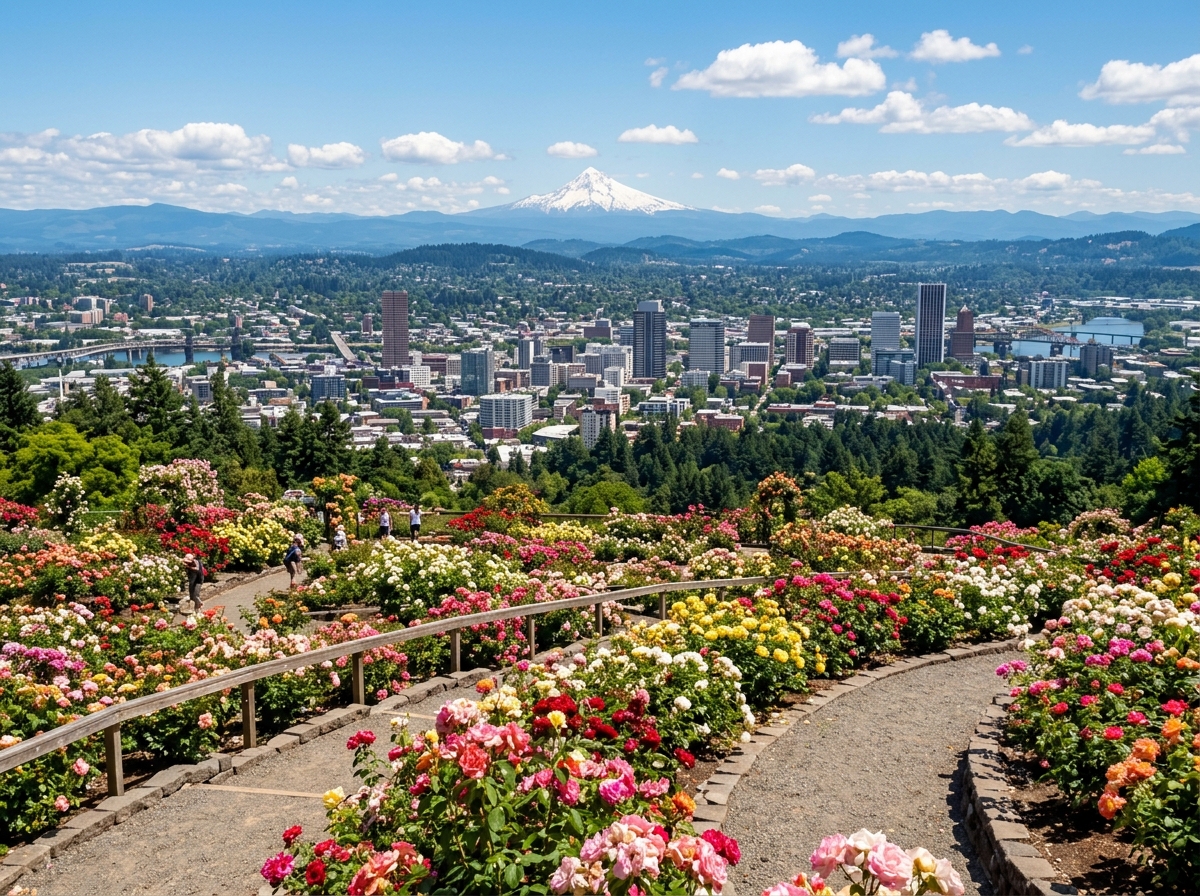
Portland has been called the City of Roses for over a century. The International Rose Test Garden in Washington Park is a free outdoor garden holding over 10,000 rose plants representing more than 650 varieties. It blooms from late spring through autumn, peaking in June and July.
Entry is free. The view from the upper terraces over downtown Portland and, on clear days, Mount Hood, is one of the best in the city.
Hoyt Arboretum
Often overlooked in favour of the Japanese Garden and Rose Test Garden, Hoyt Arboretum is a 190-acre collection of trees from around the world connected by 12 miles of trails. The dawn redwood grove, the magnolia collection in spring, and the conifer forest are all worth an hour of walking.
Forest Park: The Largest Urban Forest in America
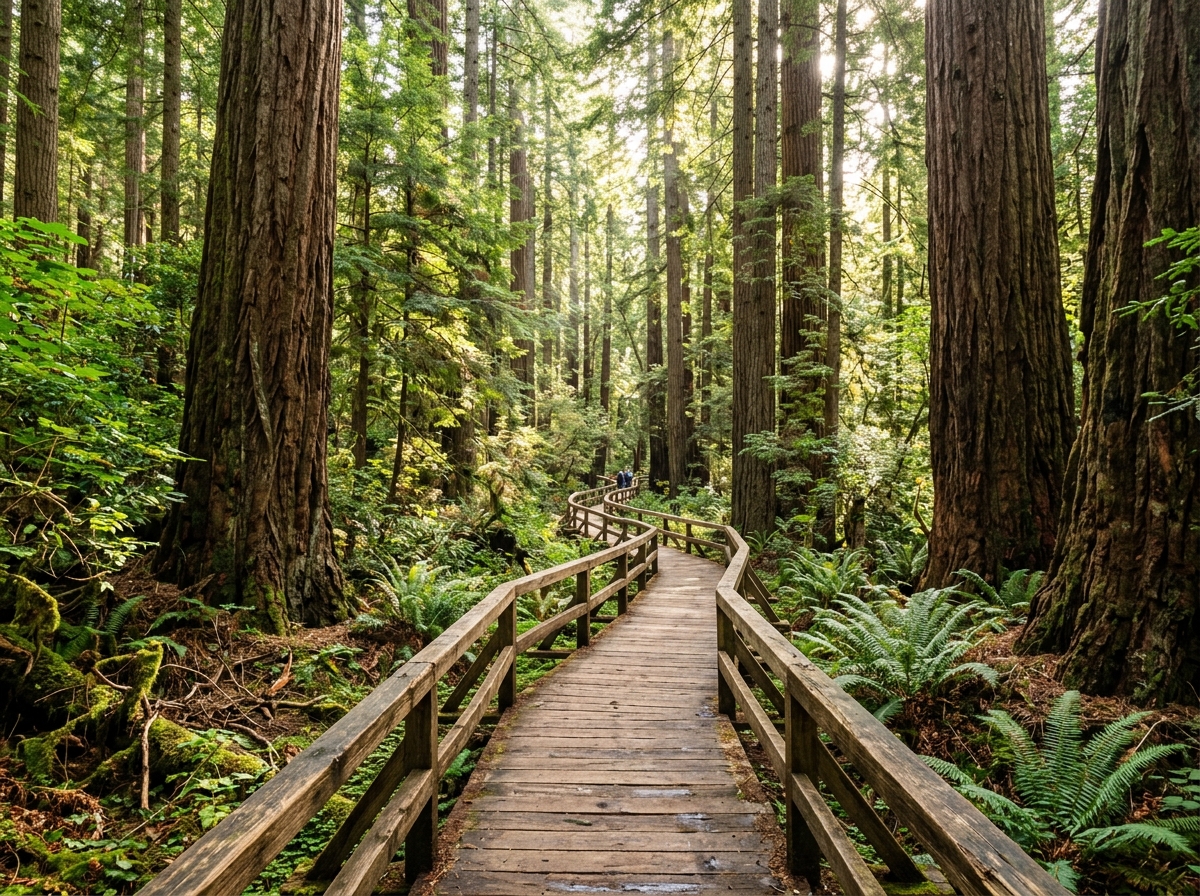
Forest Park covers 5,200 acres of the West Hills immediately north and west of central Portland. It is the largest urban forest in the United States and contains over 80 miles of trails. On a weekday morning, you can hike for an hour from Thurman Street and feel completely removed from the city below.
The Wildwood Trail runs for 30 miles through the park from Washington Park in the south to the Newberry Road trailhead in the north. Most visitors walk a section of 3 to 5 miles.
Lower Macleay Park Trailhead on NW Upshur Street is the most accessible entry point. The trail from here follows Balch Creek through an old-growth-like forest before climbing to the Pittock Mansion.
Pittock Mansion: The 1914 French Renaissance chateau of Henry and Georgiana Pittock, former publishers of The Oregonian, sits at 1,000 feet elevation in the West Hills with views over the entire city, the Willamette River, and on clear days, five Cascade volcanoes. House tours and the grounds are open daily.
Portland’s Best Neighbourhoods
The Pearl District
The Pearl District is Portland’s most polished neighbourhood, a former warehouse and railroad district transformed into the city’s design, gallery, and restaurant hub. The cobblestone streets, converted brick buildings, and concentration of independent galleries make it excellent for a morning or afternoon walk.
First Thursday Art Walk happens on the first Thursday of every month when Pearl District galleries open late with free entry and often free wine. It is one of Portland’s best free events.
Powell’s Books is technically in the Pearl District. NW 23rd Avenue, known as “Trendy-Third,” runs north from Burnside with independent boutiques, cafes, and restaurants.
Alberta Arts District
Alberta Street in Northeast Portland is the city’s creative arts hub. The street runs east from about 15th Avenue for a mile, lined with independent galleries, vintage shops, tattoo studios, and neighbourhood restaurants that have been built over decades of genuine community investment.
Last Thursday on Alberta Arts District happens on the last Thursday of every month from May through September. The street closes to traffic and becomes an outdoor art fair, performance space, and community gathering that has been running since 1997.
Mississippi Avenue
Mississippi Avenue in North Portland has transformed from a neglected street to one of Portland’s best neighbourhood strips over 20 years. The Rebuilding Center at one end (a massive salvage hardware and materials store that is fascinating to browse) and small restaurants, bars, and boutiques running south.
Mississippi Studios is one of Portland’s best small music venues, hosting national touring acts in an intimate converted church space.
Southeast Division Street
SE Division Street has become one of Portland’s best food streets, with a concentration of James Beard-recognised restaurants, natural wine bars, and neighbourhood spots that attract serious food visitors from across the Pacific Northwest.
Pok Pok (now relocated but still operating) brought the fish sauce chicken wings that became one of Portland’s most talked-about dishes. Tasty n Daughters for breakfast. Han Oak for Korean food. Fermenter for the most interesting natural wine shop in the city.
Craft Beer in Portland: Where to Start
Portland has more craft breweries per capita than any major American city, with over 70 operating within city limits. Oregon craft beer culture began here in the 1980s and the depth of the scene is genuinely unmatched.
Best neighbourhoods for brewery visits:
Mississippi Avenue has several breweries including Ecliptic Brewing, founded by John Harris who helped create Mirror Pond Pale Ale and Full Sail Amber. The taproom is excellent and the food menu is significantly better than most brewery kitchens.
Southeast Portland (Division and Hawthorne area) has Gigantic Brewing, one of the most creative small breweries in the city, and Migration Brewing for a comfortable neighbourhood taproom experience.
The Pearl District has BridgePort Brewing (one of the original Oregon craft breweries) and several newer taprooms within walking distance.
Saraveza on North Mississippi is the best beer bar in Portland for those who want to explore the full breadth of Oregon brewing without committing to a single brewery.
Best Day Trips from Portland
Columbia River Gorge
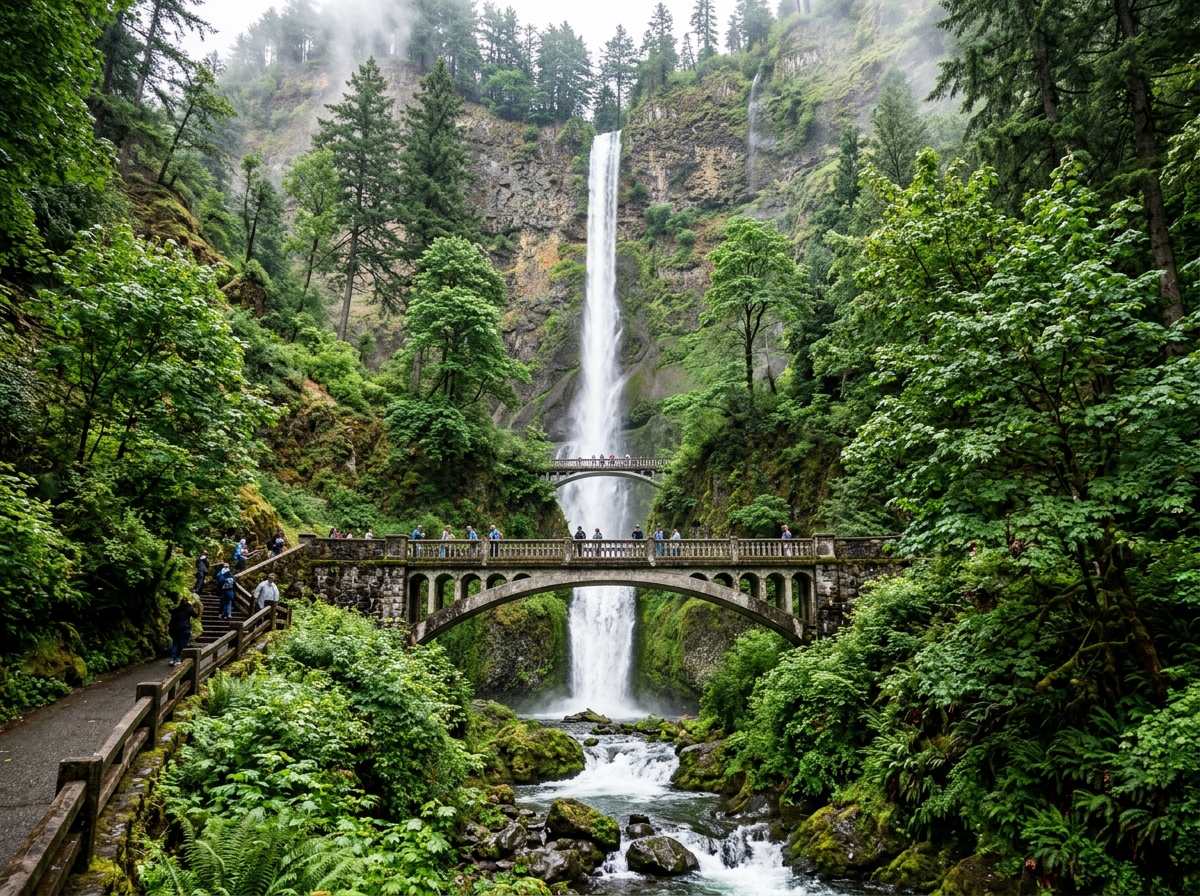
The Columbia River Gorge is 30 miles east of Portland and one of the most spectacular landscapes in the Pacific Northwest. The Historic Columbia River Highway, built in 1916, runs along the south wall of the gorge past a series of waterfalls accessible directly from the road.
Multnomah Falls is the most visited natural site in Oregon. The 620-foot two-tiered waterfall is accessible by a short paved walk from the parking area. A longer trail climbs to the top of the falls with views up and down the gorge. In summer, timed parking reservations are required. Book at recreation.gov in advance.
Crown Point Vista House is a 1918 octagonal building perched on a basalt promontory 700 feet above the river with panoramic gorge views. Free to visit, extraordinary on a clear day.
The full gorge drive from Portland to Hood River, Oregon’s windsurfing and kiteboarding capital at the eastern end of the gorge, takes about two hours each way and is one of the best day drives in the United States.
Willamette Valley Wine Country
The Willamette Valley begins 30 minutes south of Portland and is one of the world’s great Pinot Noir growing regions. Wine Enthusiast named it Wine Region of the Year in 2016 and the quality has only deepened since.
The town of McMinnville, about an hour from Portland, is the hub of the valley with excellent tasting rooms, restaurants, and the Spruce Goose aviation museum. The Red Hills of Dundee area has the highest concentration of significant producers, including Domaine Drouhin, Eyrie Vineyards (which started the Oregon Pinot Noir revolution), and Adelsheim.
Mount Hood and Timberline Lodge
Mount Hood, the 11,250-foot volcanic peak visible from Portland on clear days, is 65 miles east of the city. Timberline Lodge, a National Historic Landmark built by the Works Progress Administration during the 1930s, sits at the 6,000-foot level and is open year-round for skiing, snowshoeing in winter, and hiking in summer.
The view from the lodge back toward Portland and the Willamette Valley on a clear day, with the Cascades stretching in both directions, is extraordinary.
For a day trip to the Columbia Gorge or Mount Hood involving outdoor walking, a compact waterproof shell jacket that packs into its own pocket handles the Pacific Northwest’s variable weather without adding bulk to your day bag. The Marmot PreCip Eco Jacket (available on Amazon) is a lightweight fully waterproof, and breathable jacket that packs into its own chest pocket. It is the most recommended affordable waterproof layer for Pacific Northwest outdoor days and weighs under 10 ounces.

MARMOT Men’s Precip Eco Waterproof Rain Jacket
Free Things to Do in Portland
Portland is more affordable than many American cities for cultural activities. Several major institutions have free admission days.
Portland Art Museum is free on the first Thursday of every month after 5pm. The permanent collection includes a significant Pacific Northwest Native American art collection and an exceptional Northwest art wing.
Oregon Museum of Science and Industry (OMSI) has an occasional free Sunday program. Check the website before visiting.
Forest Park is entirely free to access and offers more hiking than most visitors can cover in a week.
The Japanese American Historical Plaza at Waterfront Park commemorates the experience of Japanese Americans during World War II internment with a series of basalt stones inscribed with poetry and testimony. Free, open always, and one of the most moving public memorials in the Pacific Northwest.
The Lan Su Chinese Garden in Old Town Chinatown is a full-block classical Chinese garden built in partnership with Portland’s sister city Suzhou. Entry is around $14. It is one of the most complete classical Chinese gardens in the United States and almost always less crowded than the Japanese Garden.
Practical Tips for Visiting Portland
Getting around: Portland’s MAX Light Rail system connects the airport to downtown in 40 minutes for a standard transit fare (around $2.50). The same system connects downtown to neighbourhoods including Lloyd District, Convention Center, and east Portland. TriMet buses cover the rest. Day passes are good value for visitors doing multiple neighbourhoods.
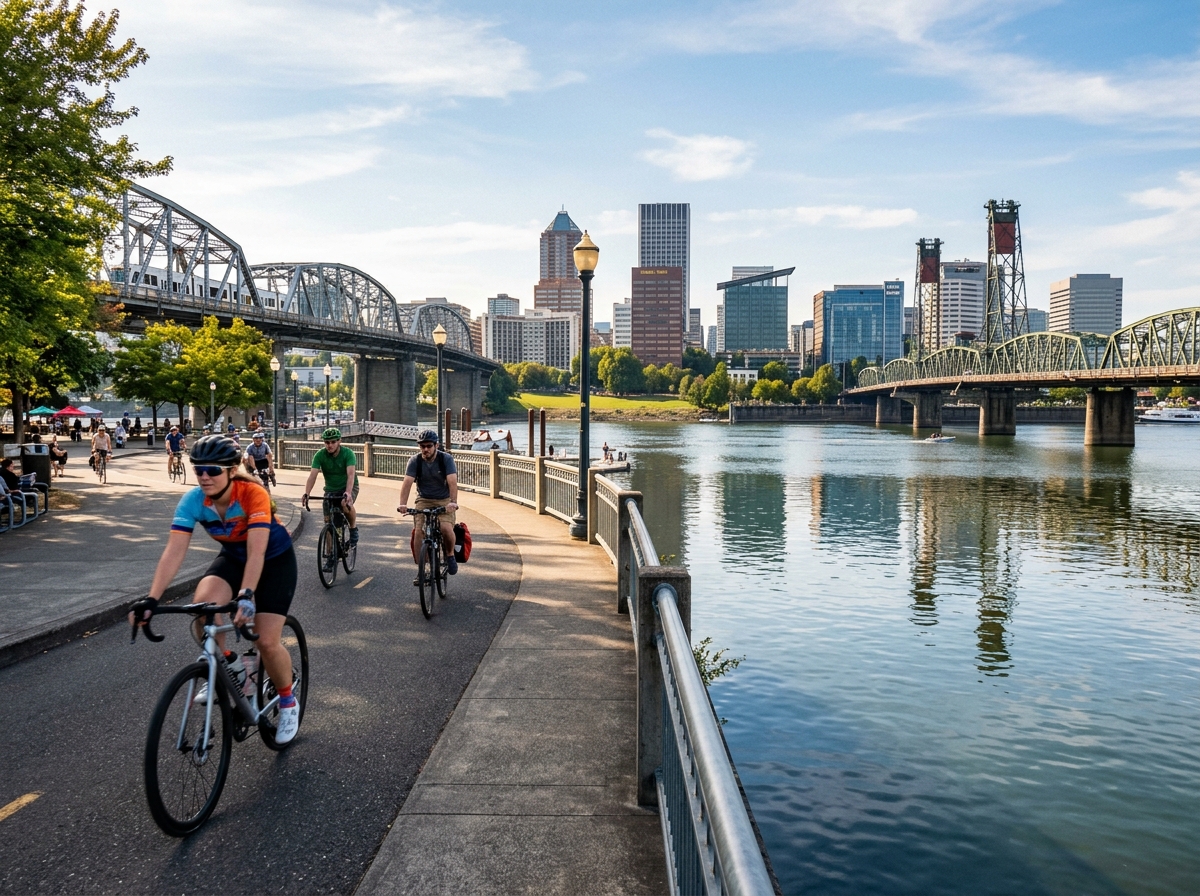
Bike Portland: Portland has one of the best urban cycling infrastructures in the United States. Biketown, Portland’s bike share system, covers most of the central city and East Side neighbourhoods. A day pass is around $10. Cycling the Eastbank Esplanade along the Willamette River from the Steel Bridge to the Hawthorne Bridge is a genuinely excellent Portland experience.
Best time to visit: June through September for reliable dry weather and all outdoor events running. Portland summers are genuinely warm (70 to 85F) and largely dry. The rest of the year is overcast and rainy but the city functions fully regardless. Autumn has its own beauty and spring wildflowers along the gorge are extraordinary.
Free Museum First Thursdays: Several Portland institutions participate in First Thursday evening events with free or reduced admission. The Portland Art Museum free evening is the most reliable.
What not to miss by category:
- Food: Food cart pod lunch, SE Division dinner, craft brewery evening
- Culture: Powell’s Books, Portland Art Museum, Alberta Last Thursday
- Nature: Japanese Garden, Forest Park hike, Columbia Gorge day trip
- Local life: Saturday Market, Mississippi Avenue browsing, Lan Su Chinese Garden
For spending a full day across Portland’s different neighbourhoods, a well-organised backpack that handles a daypack role without looking out of place in bookshops, galleries, and restaurants makes the whole day easier. The Bellroy Transit Backpack (available on Amazon) is a 28-litre bag with a clean exterior design, padded laptop sleeve, and thoughtful internal organisation for a full day out. It is the kind of bag that works as well at Powell’s as it does on a Forest Park trail.
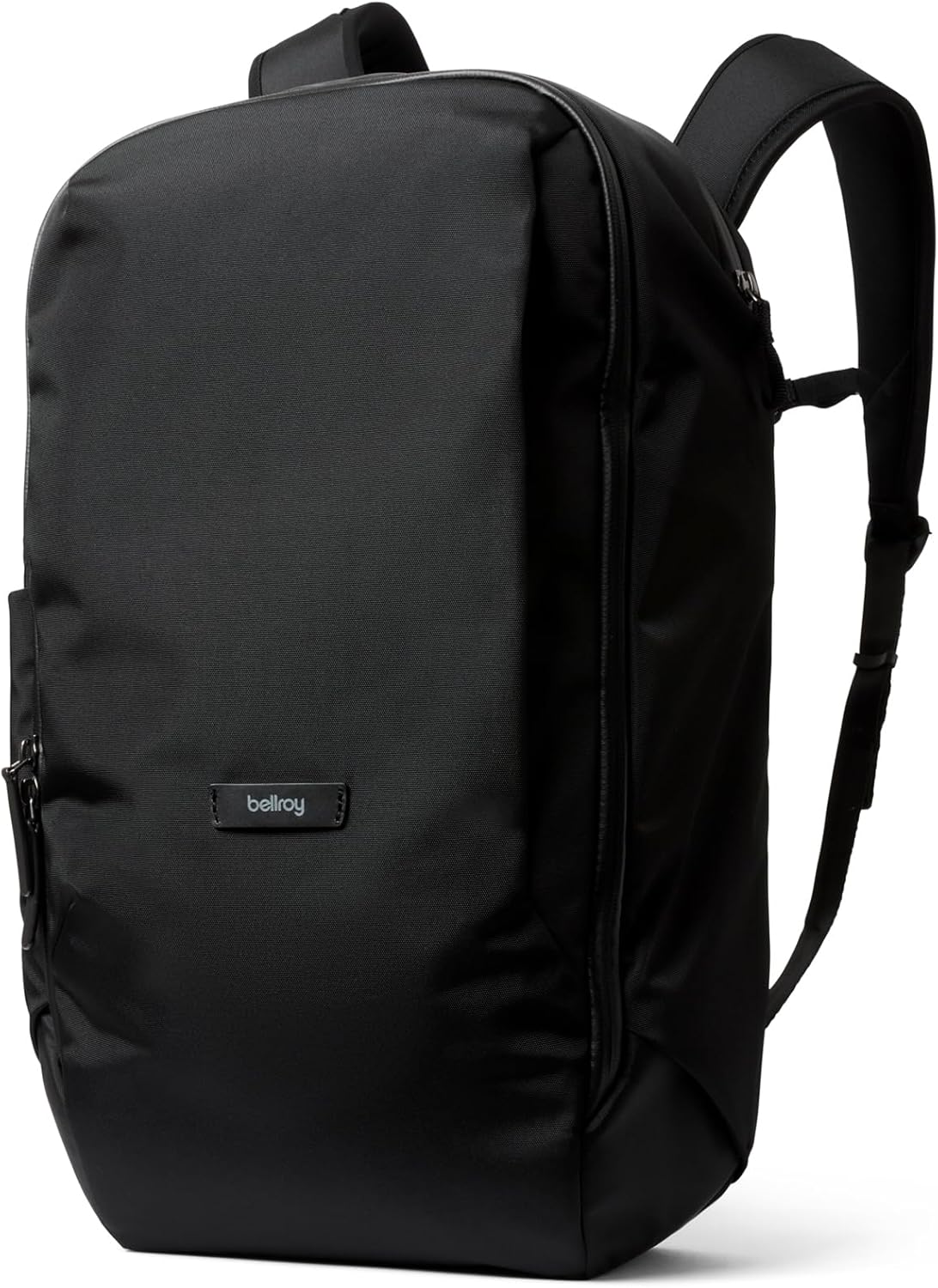
Bellroy Transit Workpack
Best Things to Do in Portland by Traveller Type
First-time visitors: Powell’s Books, Japanese Garden, food cart pod lunch at Alder Pod, Pearl District walk, one East Side neighbourhood (Alberta or Mississippi).
Foodies: Food cart pods (Alder, Cart Blocks, The Mercado, Cartopia), SE Division Street dinner, Saturday Farmers Market, Lan Su Chinese Garden for a different cultural food experience.
Craft beer lovers: Ecliptic on Mississippi, Gigantic in SE, BridgePort in the Pearl, Saraveza as a beer bar tour starting point.
Outdoor enthusiasts: Forest Park, Columbia River Gorge day trip (Multnomah Falls, Crown Point), Mount Hood and Timberline Lodge, Sauvie Island for swimming and farm experiences in summer.
Arts and culture: Alberta Arts District and Last Thursday, Pearl District First Thursday, Portland Art Museum, Mississippi Studios for live music.
Families: OMSI (science museum with submarine and IMAX), Oregon Zoo in Washington Park, Saturday Market, Hoyt Arboretum, the Portland Children’s Museum.
Budget travellers: Forest Park (free), Saturday Market browsing (free to enter), food cart pods (affordable), Alberta Arts District Last Thursday (free), Rose Test Garden (free).
Quick Reference Table
| Activity | Neighbourhood | Cost | Best For |
|---|---|---|---|
| Powell’s City of Books | Pearl District | Free to browse | Everyone |
| Japanese Garden | Washington Park | $19 | Culture, photography |
| Rose Test Garden | Washington Park | Free | Flowers, views |
| Forest Park | West Hills | Free | Hiking, nature |
| Food Cart Pods | Various | $8 to $15 per meal | Food, local culture |
| Alberta Arts District | Northeast | Free to explore | Arts, local life |
| Lan Su Chinese Garden | Old Town | $14 | Culture, calm |
| Columbia River Gorge | Day trip | Parking reservation | Waterfalls, scenery |
| Craft Brewery Tour | Various | $5 to $15 per pint | Beer culture |
| Pittock Mansion | West Hills | $18 adults | History, views |
Frequently Asked Questions
What is Portland Oregon most known for? Portland is best known for Powell’s City of Books (the world’s largest independent bookstore), its food cart culture with hundreds of independent carts in pods across the city, the craft beer scene with over 70 breweries, Forest Park (the largest urban forest in the US), and its famously quirky “Keep Portland Weird” independent culture.
How many days do you need in Portland Oregon? Three days gives you a solid first visit covering the main attractions and a neighbourhood or two. Four to five days lets you add a day trip to the Columbia Gorge or wine country and explore more of the East Side. Most visitors wish they had an extra day.
Is Portland Oregon worth visiting? Yes. Portland is one of the most interesting mid-sized cities in the United States. The food scene alone justifies a trip. The combination of urban culture, accessible nature, and the Pacific Northwest’s outdoor playground within an hour of the city makes it genuinely exceptional.
What is the food cart culture in Portland? Food cart pods are clusters of individual food carts sharing outdoor seating areas. Each cart is independently owned and focused on a specific cuisine. The pods allow visitors to sample multiple cuisines from multiple vendors in one sitting. Portland has hundreds of food carts operating in dozens of pods across the city.
Is Portland safe for tourists? Portland’s tourist areas, including the Pearl District, NW 23rd Avenue, Washington Park, and East Side neighbourhoods like Alberta Arts District and Mississippi Avenue, are all considered safe. Downtown Portland around the transit mall has experienced challenges in recent years that are worth being aware of. Staying on well-trafficked streets in the central core is sensible. The neighbourhoods where visitors spend most of their time are consistently considered safe.
What is the best neighbourhood in Portland? It depends on what you want. The Pearl District is polished and convenient for first-time visitors. Alberta Arts District has the most genuine creative neighbourhood energy. Mississippi Avenue is excellent for a mix of food, boutiques, and local life. SE Division Street has the best restaurant concentration.
When is the best time to visit Portland? June through September for dry, warm weather and all outdoor events. The Columbia Gorge and Oregon Coast are both at their best in summer. Portland’s rainy season from October through May does not prevent visiting, and the city remains fully active year-round.
Final Thoughts
Portland does not try to be anything other than itself. That is part of what makes it so good.
The food cart culture is genuinely what it sounds like. Powell’s is genuinely that good. The Japanese Garden is genuinely that beautiful. Forest Park is genuinely that big. And the craft beer scene is genuinely the best in the country if you care about that.
Give yourself more than two days. Eat at a different food cart pod every lunch. Walk into Powell’s with no agenda. Find a neighbourhood you did not plan to visit. Portland always rewards the slight detour.