St Lucia is not a beach. It is not a resort. It is a volcano that grew out of the sea and turned into something magical. The Pitons rise straight from the water like green pyramids. The rainforest smells of cocoa and nutmeg. The water shifts from turquoise to navy blue in the space of a boat length.
But St Lucia can also frustrate you. The airport is ninety minutes from the best hotels. The humidity wilts you in minutes. A taxi costs more than your flight. And every travel blog sends you to the exact same five spots.

This guide goes deeper than the usual “visit the Pitons” advice. I will tell you which famous spots are worth the hype. I will tell you which ones to skip. I will show you the east coast that other guides ignore. I will give you real prices. And I will tell you about the one cultural event happening this year that you should plan around.
The Pitons: The Reason You Came
Gros Piton and Petit Piton are the twin volcanic peaks that dominate the south of the island. They are a UNESCO World Heritage site. They rise 2,500 feet from the Caribbean Sea. They are the most photographed sight in the eastern Caribbean.
You can hike Gros Piton. It is a steep, slippery, four hour round trip. You need a guide. The trail starts at Fond Gens Libre. The cost is about $50 per person plus tip. Bring at least two liters of water. Start at 7 AM to beat the heat. The views from the top are unreal. You see the entire island spread below you.
Petit Piton is steeper and more dangerous. Most travelers admire it from below. Anse Chastanet beach sits at its base. The black sand here is volcanic and dramatic. The snorkeling is excellent.
If hiking sounds miserable, see the Pitons by boat. A catamaran cruise from Rodney Bay or Castries gives you the classic postcard angle. The boat stops for snorkeling and a beach BBQ. It costs about $100 to $120 per person.
Sugar Beach sits between the two Pitons. It is a luxury resort with rooms starting at $600 per night. You do not need to stay there to visit the beach. All beaches in St Lucia are public. But parking is limited and the resort controls the main access road. A water taxi from Soufriere is your best bet.
Soufriere: Volcanos, Waterfalls, and Mud
Soufriere is the town at the foot of the Pitons. It was the original French capital. Today it is the adventure hub of the south.
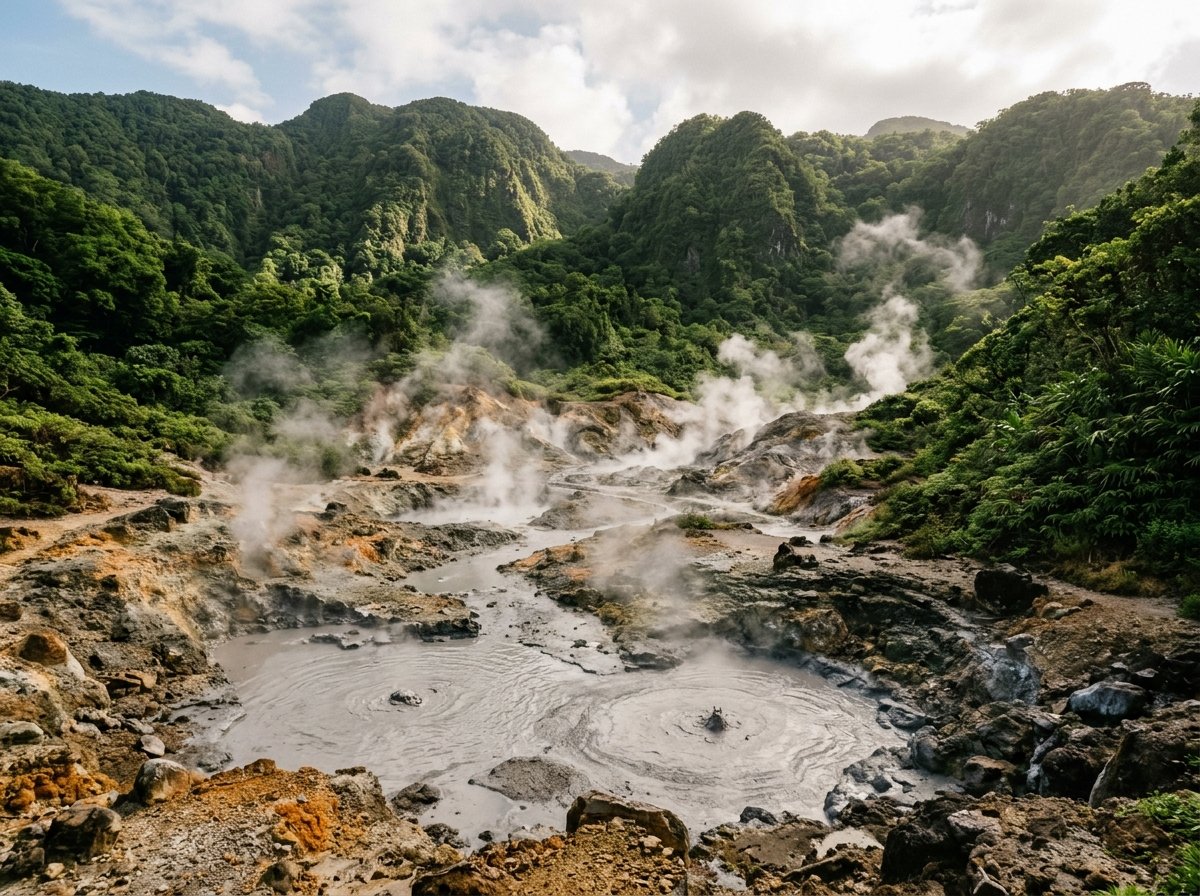
The Sulphur Springs are billed as the world’s only drive in volcano. You drive to the crater rim. You see bubbling mud pools and steam vents. The smell is intense. It smells like rotten eggs. The tour takes about fifteen minutes. It costs $8.80. It is worth doing once. It is not worth the hype that travel blogs give it.
The mud baths next door are more fun. You coat yourself in warm volcanic mud. You rinse off in a mineral pool. Locals swear it makes your skin younger. Science says maybe. It costs about $12 for a combo ticket. Wear a dark swimsuit. The mud stains.
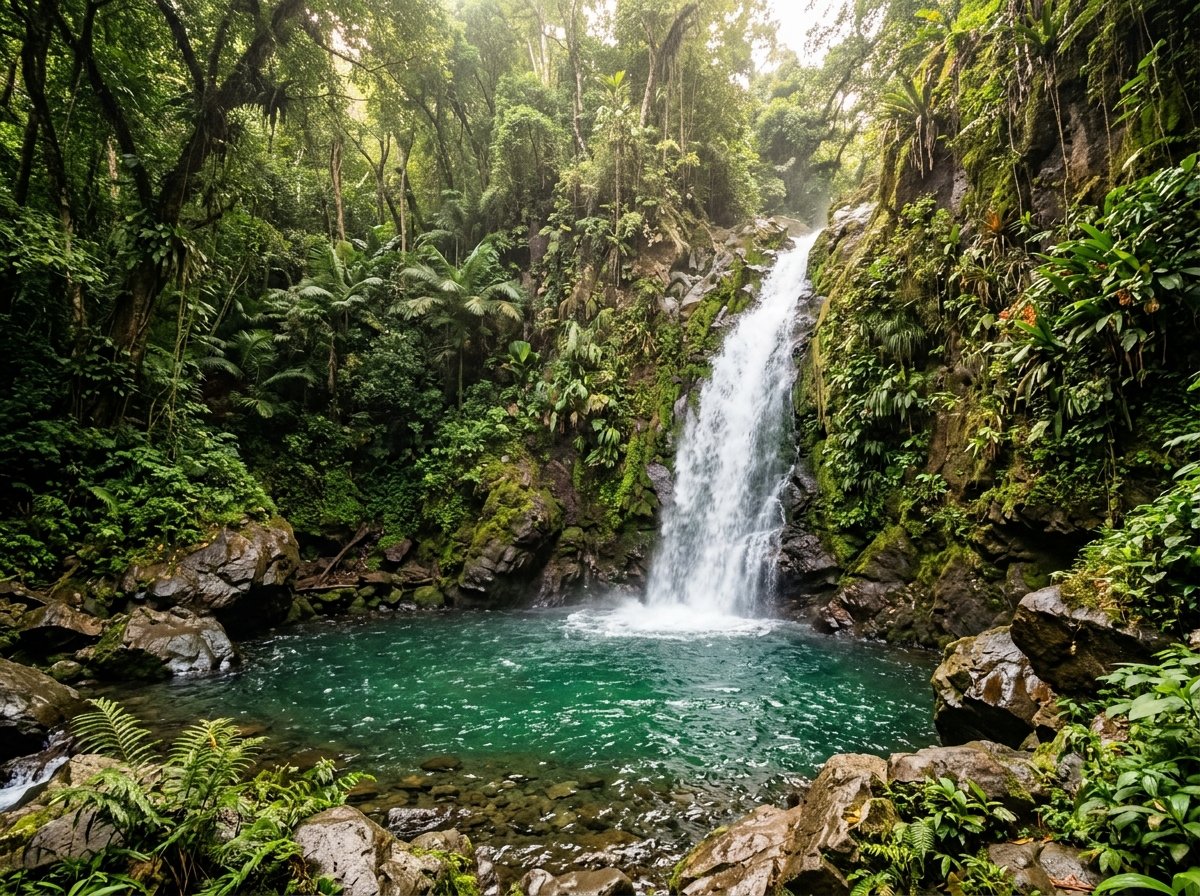
Toraille Waterfall is nearby. It is a 50 foot drop into a pool you can swim in. The water crashes down hard. It feels like a massage. It costs a few dollars to enter. Combine it with the volcano and mud baths for a full day in Soufriere.
Diamond Falls Botanical Garden is also in the area. The gardens are lush and well kept. The waterfall inside runs orange from mineral deposits. A scene from Romancing the Stone was filmed here. It is peaceful. It is pretty. It costs $7. Budget about an hour.
Martha’s Tables is a local restaurant near Soufriere. It is not fancy. It is a small spot with plastic chairs and home cooked Creole food. The grilled fish is fresh. The stewed chicken is rich. The macaroni pie is baked and cheesy. This is where locals eat. Tourists rarely find it.
Rodney Bay and Gros Islet: The North’s Playground
Rodney Bay is where the action is. It has the best beach in the north. Reduit Beach is long, golden, and calm. It is perfect for swimming. There are beach bars, water sports, and loungers for rent.
Pigeon Island National Landmark is a short water taxi ride away. It is a historic site with British military ruins. The hike to Fort Rodney takes twenty minutes. The views over the Caribbean and Atlantic are stunning. Plan to spend a full day here. Bring sunscreen and water.
Gros Islet is the town next to Rodney Bay. Every Friday night, the streets explode into a street party. This is the famous Jump Up. Vendors sell grilled fish and chicken. Bars blast reggae and soca. Rum punch flows freely. It is crowded. It is loud. It is fun. Keep your wallet secure. Take a taxi there and back. Do not drive.
The north has the flattest terrain on the island. If you want to walk or bike, this is the place. The south is steep and mountainous. The north feels more developed. Some travelers love the energy. Some find it too touristy.
Castries: The Capital Most Tourists Miss
Castries is the capital and the cruise ship port. Most travelers pass through on their way somewhere else. That is a mistake.
The Central Market is the best place to experience real St Lucia. It is loud and colorful. Vendors sell mangoes, soursop, breadfruit, and hot peppers. The spice stalls fill the air with nutmeg and cinnamon. The craft section has madras fabric, straw baskets, and wood carvings. Saturday is the busiest day. Locals come from all over the island.
Derek Walcott Square is named after the St Lucian poet who won the Nobel Prize for Literature. A 400 year old Saman tree shades the park. The Basilica of the Immaculate Conception sits next door. The interior has faded frescoes and painted panels.
Howelton House sits on a hill above Castries. It is a 100 year old estate with a batik shop and a chocolate workshop. You can watch cocoa beans turn into chocolate bars. You can buy hand printed fabric. The terrace has views over the harbor.
Pink Plantation House is nearby. It is a 130 year old house painted pink. The restaurant serves local fish and tropical salads. The art gallery next door sells pottery by owner Michelle Elliot. It is a quiet lunch spot away from the cruise crowds.
The East Coast: The St Lucia Nobody Shows You
Here is the biggest gap in every competitor article. The east coast faces the Atlantic. It is windier. It is wilder. It is where locals live and tourists rarely go.
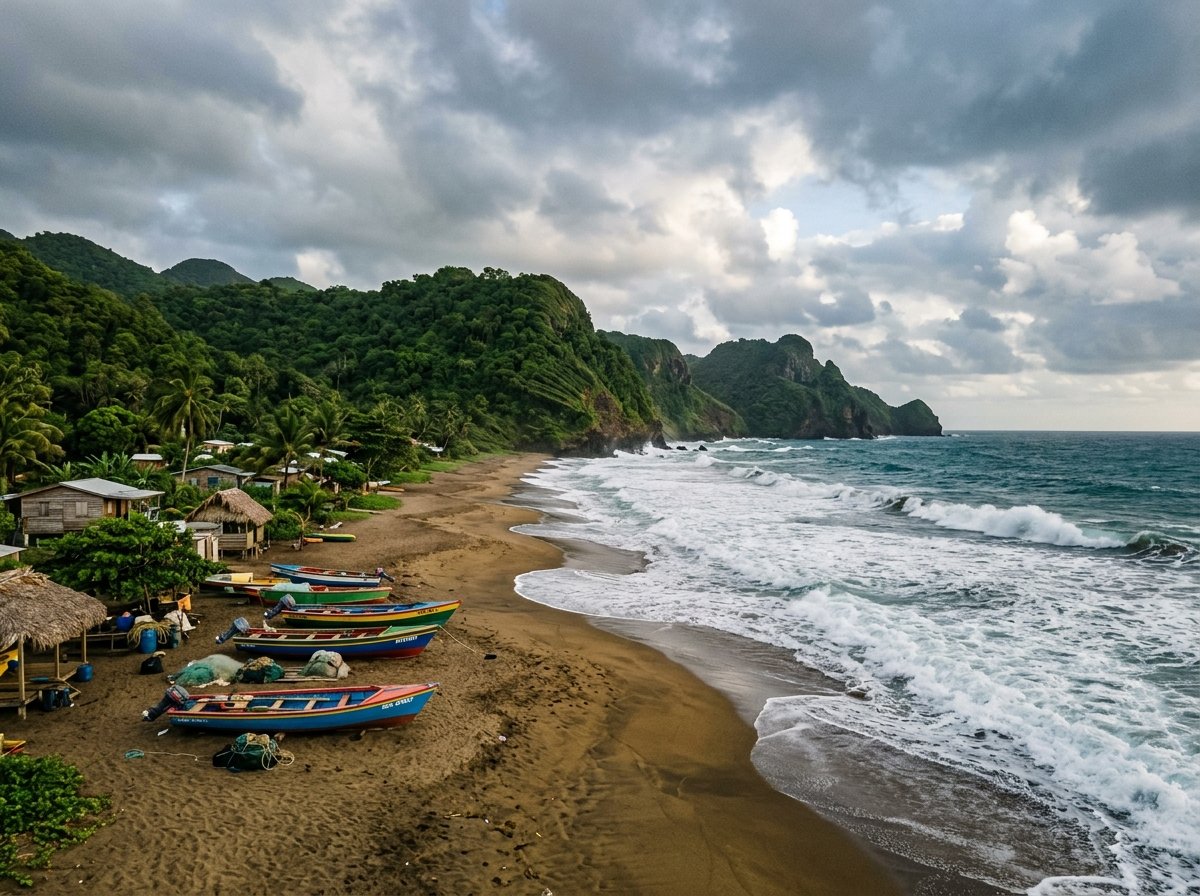
Dennery is a fishing village on the east coast. It is not pretty in a postcard way. It is real. Colorful wooden boats pull up on the beach. Fishermen sell fresh tuna and mahi mahi. The Dennery Fish Saturday happens every weekend. It is like the Gros Islet street party but smaller and more local. There is less rum punch and more coconut water.
Sault Falls is near Dennery. It is a waterfall in the rainforest that requires a guide to reach. The hike is muddy and beautiful. You will likely have it to yourself.
Micoud is further south on the east coast. It has a long, empty beach with Atlantic waves. It is not safe for swimming. It is perfect for walking and thinking. The village has a quiet, friendly vibe. No resorts. No tour buses.
The east coast shows you what St Lucia was before tourism. It is worth a day trip even if you stay in the west.
Marigot Bay: The Prettiest Harbor in the Caribbean
Marigot Bay is a deep, sheltered inlet on the west coast. Palm trees line the shore. Yachts bob in the water. It looks exactly like a movie set. In fact, the 1967 Doctor Dolittle film was shot here.
The Hurricane Hole restaurant sits on the water. It has a yacht club feel. The accras, which are salt cod fritters, are crispy and good. The chicken roti is a solid lunch. You can take a water taxi across the bay to a small beach. Roots Beach Bar serves fresh coconut water and local BBQ.
Marigot Bay is quieter than Rodney Bay. It is more romantic. It is less of a party scene. The resort here is luxury priced. But you can visit for lunch and a stroll without staying overnight.
Anse La Raye and Canaries: Fishing Villages on the West Coast
Anse La Raye is a sleepy fishing village between Marigot Bay and Soufriere. It has one main street and a waterfront. The Anse La Raye Fish Fry happens every Friday night. It is smaller than Gros Islet. The food is fresher. The crowd is more local. The grilled lobster is the thing to order.
Canaries is even smaller. It is a village of colorful houses climbing a hillside. There is not much to do. That is the point. You stop for a cold Piton beer. You watch the fishing boats. You feel the pace slow down.
Beaches: Where to Swim and Where to Skip
Not all St Lucia beaches are the same. Here is the honest breakdown.
Reduit Beach in Rodney Bay has golden sand and calm water. It is the best swimming beach in the north. It gets crowded.
Anse Chastanet has black volcanic sand and excellent snorkeling. The sand gets hot. Bring water shoes. The beach is dramatic and beautiful.
Sugar Beach sits between the Pitons. The sand is mixed. The setting is unbeatable. It is worth the effort to reach even if you do not stay at the resort.
Anse Cochon is a quiet cove near Anse La Raye. It has good snorkeling and few people. You need a boat or a hike to reach it.
Marigot Bay beach is tiny. It is more about the view than the swimming.
The east coast beaches are wild and Atlantic facing. They are beautiful for walking. They are not safe for casual swimming.
The La Rose Flower Festival 2026
If you are reading this in 2026, you have a chance to see something most tourists never witness. The La Rose Flower Festival takes place on August 30, 2026. It is one of St Lucia’s two traditional flower festivals.
The festival comes from a historic rivalry between two cultural societies. The La Rose society honors the rose. Members dress in red. They create elaborate floral displays. They sing traditional songs. They parade through communities across the island.
This is not a tourist show. It is a real community celebration. You will see St Lucians celebrating their heritage with pride and color. The music, costumes, and rituals reflect a tradition that goes back generations.
If you are on the island in late August, find a local La Rose celebration. Ask your hotel or a taxi driver where the nearest parade is happening. Bring your camera. Wear red if you want to join the spirit. This is the St Lucia that travel brochures cannot sell you.
What Competitors Do Not Tell You
The two airport reality
Hewanorra International Airport is in the south near Vieux Fort. George F.L. Charles Airport is in the north near Castries. Most international flights land at Hewanorra. That means a ninety minute drive to Rodney Bay or an hour to Soufriere. Arrange a transfer before you arrive. Taxis at the airport charge premium rates. A pre booked private transfer costs about $80 to $100 to the north. Shared shuttles cost less but stop at multiple hotels.
Mosquitoes are not a joke
St Lucia has dengue and chikungunya. Mosquitoes are worst at dawn and dusk. They love standing water and dense vegetation. The rainforest and the south coast have more of both.
You need a repellent that works in high humidity. The Sawyer Premium Insect Repellent with Picaridin lasts twelve hours. It does not melt plastic. It does not smell like chemicals. It works better than DEET in tropical heat. Spray it on before any hike, waterfall visit, or evening street party. Reapply after swimming. This is not optional. It is essential.

Sawyer Products SP544 Premium Insect Repellent
Reef safe sunscreen is the law
St Lucia’s coral reefs are fragile. Regular sunscreen kills coral. Many marine parks require reef safe sunscreen. Even where it is not required, you should use it. Look for zinc oxide or titanium dioxide based formulas. Avoid oxybenzone and octinoxate.
Driving is not for everyone
St Lucia drives on the left. Roads are narrow, steep, and full of blind corners. Potholes appear without warning. Local drivers know the roads. Tourists do not. If you are not confident driving on the left in mountains, use taxis. They are expensive but safer. A taxi from Rodney Bay to Soufriere costs about $80 one way. Negotiate the price before you get in.
All beaches are public
By law, all beaches in St Lucia are public up to the high water mark. But resorts own the land behind the beach. They control parking and access paths. You can walk on any beach. But getting to the beach can require a water taxi, a hike, or a polite request to walk through a resort.
The rainy season is real
June through November is hurricane season. It does not mean hurricanes hit every year. It means rain. Short, heavy afternoon showers are common. The humidity is intense. Pack light, quick dry clothing. Cotton stays wet forever. Synthetic fabrics and linen work better.
What to Eat in St Lucia
Green figs and saltfish is the national dish. Green figs are unripe bananas boiled and sliced. The saltfish is flaked and sautéed with peppers and onions. It is eaten for breakfast. It is hearty and filling.
Callaloo soup is made from leafy greens similar to spinach. It is creamy and spiced with coconut milk.
Accras are salt cod fritters. They are crispy, salty, and perfect with a cold beer.
Roti is a wrap filled with curried meat or vegetables. It comes from Indian influence. It is a popular lunch.
Breadfruit is a starchy fruit roasted or fried. It tastes like a potato crossed with bread.
Cocoa tea is not hot chocolate. It is made from grated cocoa sticks, hot water, and spices. It has a dark, bitter chocolate flavor. Locals drink it for breakfast.
Fresh lobster is available on the west coast. The Anse La Raye Fish Fry is the best place to try it.
Piton beer is the local lager. It is light and refreshing. Chairman’s Reserve is the local rum. It is smooth and dangerous.
Budget Breakdown: What St Lucia Actually Costs
St Lucia is not a cheap Caribbean island. Here are real numbers.
A mid range hotel in Rodney Bay costs $150 to $250 per night. A luxury resort like Jade Mountain costs $1,400 to $5,000 per night. A guesthouse or Airbnb can cost $80 to $120.
A meal at a local restaurant costs $10 to $20. A meal at a tourist restaurant costs $25 to $50. A meal at a luxury resort costs $75 and up.
A taxi from Hewanorra Airport to Rodney Bay costs $80 to $100. A taxi from Rodney Bay to Soufriere costs $80 one way. Renting a car costs $50 to $70 per day plus insurance.
A catamaran day cruise costs $100 to $120. The Gros Piton hike with guide costs $50 plus tip. Pigeon Island entry costs $10.
A Piton beer at a local bar costs $2.50. The same beer at a resort costs $6 to $8.
Budget travelers can get by on $100 to $130 per day. Mid range travelers spend $200 to $350 per day. Luxury travelers spend $600 and up.
Sample One Week Itinerary
Day one: Arrive at Hewanorra. Transfer to Soufriere. Settle in. Watch the sunset behind the Pitons.
Day two: Hike Gros Piton in the morning. Relax at Anse Chastanet in the afternoon.
Day three: Visit Sulphur Springs and the mud baths. Swim at Toraille Waterfall. Explore Diamond Falls Botanical Garden.
Day four: Transfer to the north. Stop at Anse La Raye for lunch. Settle in Rodney Bay.
Day five: Spend the day at Reduit Beach. Visit Pigeon Island in the afternoon.
Day six: Take a catamaran cruise to the Pitons. Snorkel and beach BBQ.
Day seven: Visit Castries Central Market. Fly home from George F.L. Charles if possible.
Frequently Asked Questions
What is the best time to visit St Lucia?
December to April is the dry season. The weather is sunny and less humid. May and June are greener and less crowded. July to November is rainy season with afternoon showers. Hurricane risk is low but real.
Is St Lucia safe?
Yes, for tourists who use common sense. Petty theft happens. Do not leave valuables on the beach. Do not walk alone at night in isolated areas. The Gros Islet street party is safe but crowded. Keep your wallet secure.
Do I need a visa?
US citizens do not need a visa for stays up to six weeks. You need a passport and a return ticket.
Which airport should I use?
Hewanorra is the main international airport. George F.L. Charles handles regional flights. If you stay in the south, Hewanorra is closer. If you stay in the north, the drive from Hewanorra is long.
Can I drink the water?
Tap water is generally safe in tourist areas. But bottled water is cheap and available everywhere. Many travelers prefer bottled to avoid any stomach issues.
What should I pack?
Light, quick dry clothing. A rain jacket. Strong sunscreen. Insect repellent. Water shoes for rocky beaches and waterfalls. Hiking shoes if you plan to climb the Pitons. A dry bag for boat trips.
The Earth Pak Waterproof Dry Bag is ideal for St Lucia. It keeps your phone, camera, and towel dry during waterfall hikes, boat trips, and sudden rain showers. The 10 liter size fits a daypack worth of gear. It floats if dropped overboard. The shoulder strap makes it easy to carry on the Pitons hike or to the beach. Every traveler in St Lucia needs one.
Is St Lucia good for snorkeling?
Yes. Anse Chastanet and the marine reserve near Soufriere have excellent coral and fish. Sugar Beach has good snorkeling too. Bring your own mask and snorkel if possible. Rental gear is available but quality varies.
How do I get around St Lucia?
Taxis are the easiest option. They are expensive. Renting a car gives you freedom but driving is challenging. Buses exist but are unpredictable. Water taxis connect some coastal spots.
Final Thoughts
St Lucia is not a place you rush. It is a place you absorb. The Pitons look different at sunrise than at sunset. The rainforest sounds different in the rain than in the sun. A fishing village in the east feels like a different country than a resort in the west.
Do not try to see everything. Pick a few places. Stay longer. Talk to the fisherman selling his catch. Drink cocoa tea with a local. Hike the Pitons even if you are tired. Swim in a waterfall even if the water is cold.
St Lucia rewards the traveler who looks past the resort walls. The island has two Nobel Prize winners. It has a culture older than the tourism industry. It has beaches where you will be the only person on the sand.
Get the guidebook. Pack the repellent. Bring a dry bag. And give yourself time to slow down. St Lucia is not just another Caribbean island. It is the one that stays with you.