
Buying rafting and kayaking gear feels overwhelming because the internet throws hundreds of items at you. Most guides list fifty things and call it a day. That is not helpful. What you need is a clear order of operations. Safety gear first. Comfort gear second. Fancy accessories last. This guide gives you exactly that.
We analyzed the top-ranking articles from REI, NOLS, Paddling Magazine, and major outfitters. Most of them do a fine job listing clothing. Almost all of them skip the mechanical details that keep you alive. They do not explain how a PFD should actually fit. They do not tell you why paddle length matters. They rarely mention foot entrapment, which is one of the most common dangers on rivers. This article fills those gaps.
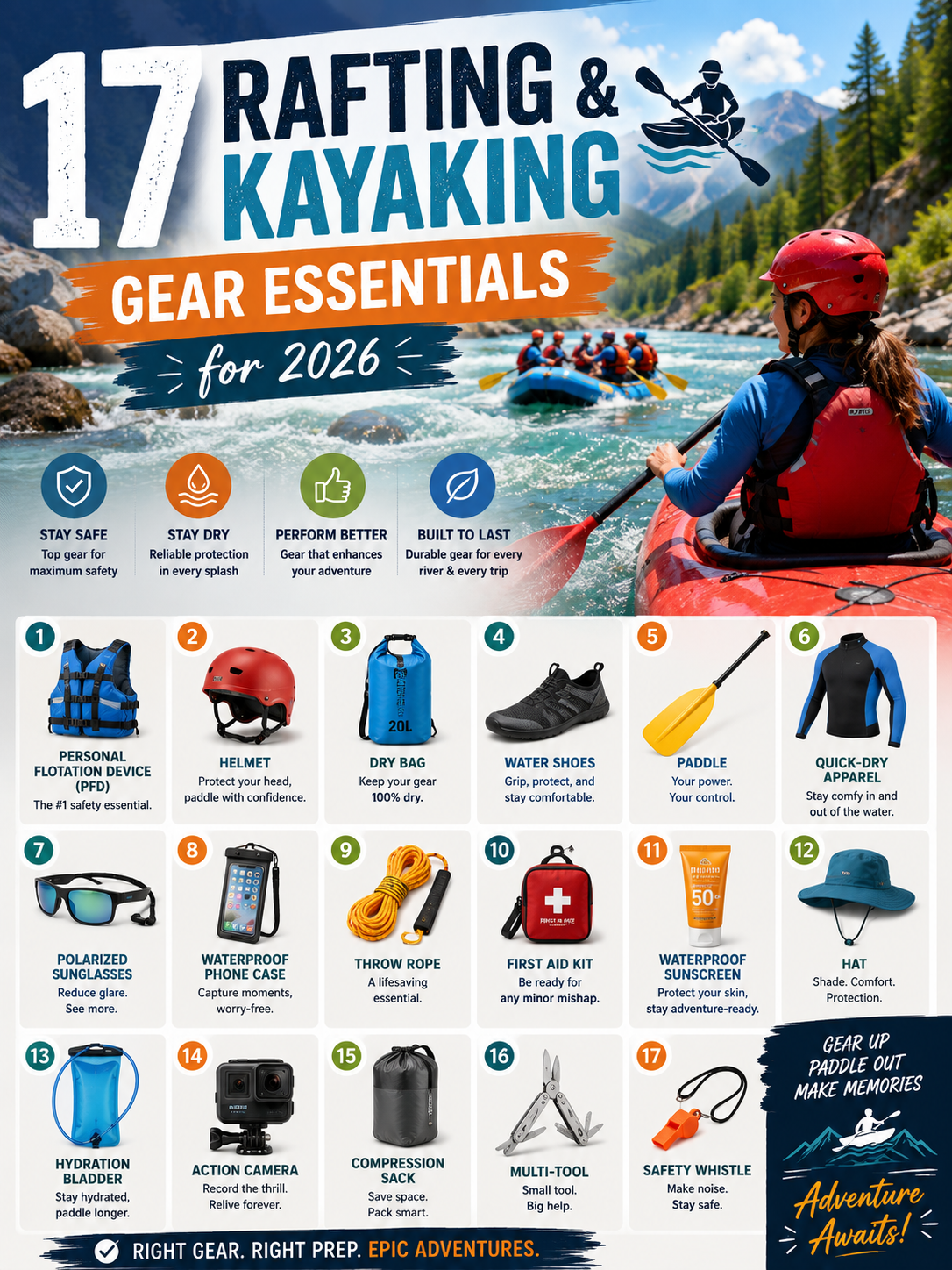
The Core Safety Gear
Personal Flotation Device
Your PFD is the most important item you will own. Not the kayak. Not the paddle. The PFD. A poorly fitted life jacket is almost as bad as no life jacket at all.
Look for a Coast Guard approved model with a snug fit. When you tighten all the straps, the PFD should not ride up past your ears if someone pulls on the shoulders. Test this in a store before you buy. Lift your arms straight up. If the jacket hits your chin, it is too loose.
For whitewater kayaking, avoid fishing or wakeboarding PFDs. They have extra pockets and bulk that limit your range of motion. The NRS Vapor is a popular choice among beginners because it is comfortable, affordable, and allows full arm movement. For women, the Astral Abba offers a better torso cut and the same safety rating.
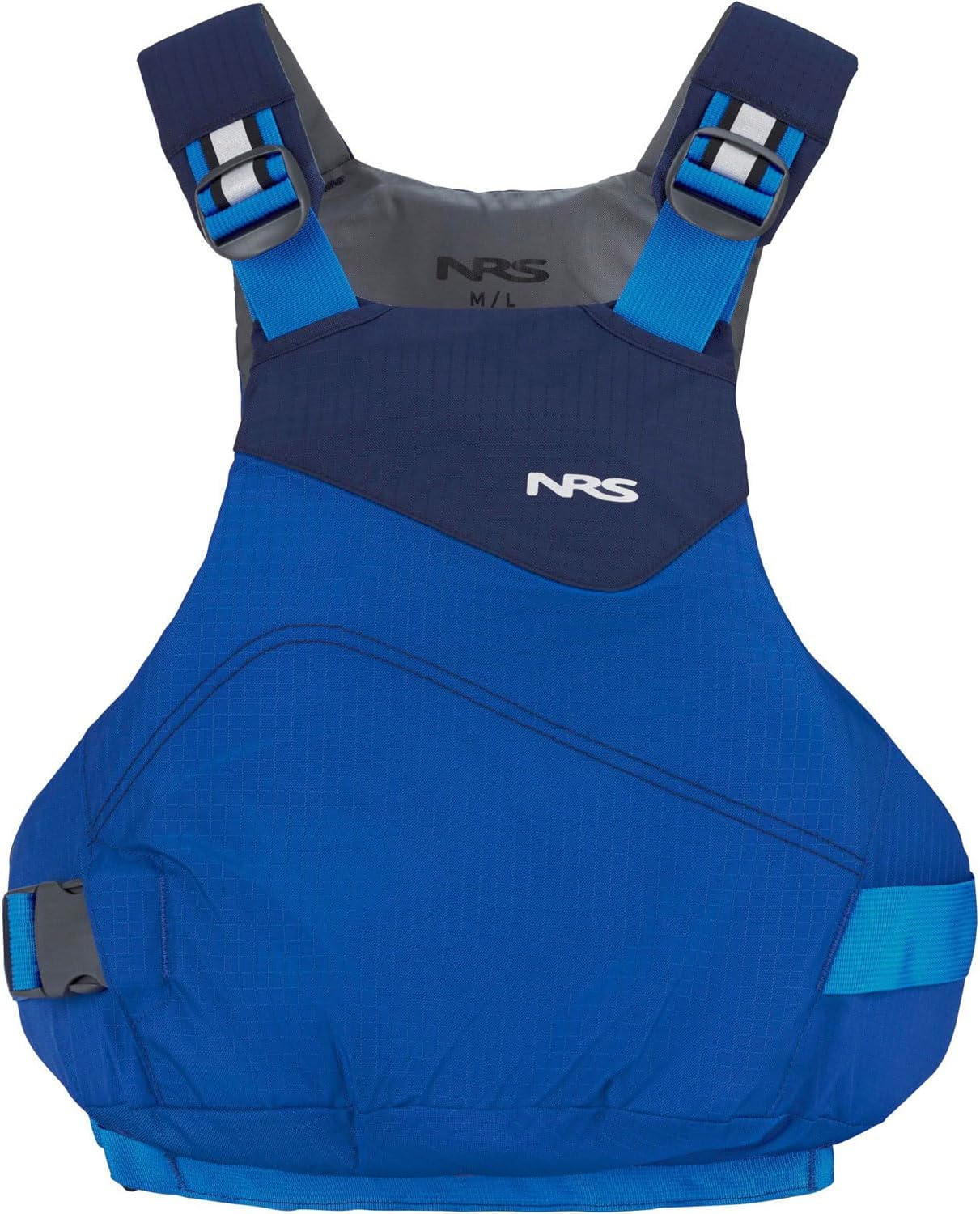
NRS Vapor PFD
Helmet
Any time you are in whitewater, you need a helmet. Rocks do not move. Your head does. A good paddling helmet stays in place when water hits it. Look for models with multiple adjustment points. The WRSI Current is a solid entry level option. It has a retention system that holds the helmet steady even under pressure. Make sure your helmet fits over a thin cap or buff if you paddle in cold weather.
Whistle
A whistle is not optional. It is required by Coast Guard regulations for most paddlers and it is your voice when rapids drown out shouting. Attach a plastic pea less whistle to your PFD shoulder strap. Fox 40 makes a reliable model that works even when soaked. Keep it where you can reach it with either hand.
Paddles Explained Simply
Blade Material
Paddles come in four main materials. Plastic is cheap and heavy. It works for rentals but it will tire you out fast. Fiberglass is the sweet spot for most beginners. It is light, strong, and lasts for years. Carbon fiber is lighter and stiffer but costs more. Foam core is the premium option. It offers the best performance and buoyancy but the price jumps significantly.
For your first paddle, go with fiberglass. The Werner Rio is a budget friendly plastic option if money is tight, but the upgrade to fiberglass pays off within a season.
Shaft Length
Paddle length depends on your height and the type of paddling you do. For whitewater kayaking, shorter paddles give you faster stroke rates and better control in tight spots. For recreational kayaking and rafting, longer paddles provide more reach and power.
A simple guide is this. Under five foot two, use a 188 to 191 centimeter paddle. Five foot two to five foot eight, use 194 centimeters. Five foot eight to six feet, use 197 centimeters. Over six feet, use 200 centimeters. If you plan to do mostly river running, go toward the longer end. If freestyle or technical whitewater is your goal, go shorter.

Rio FG 1 Piece Straight Shaft Kayak Paddle
Feather Angle
Feather angle refers to how much the two blades are offset from each other. A thirty degree feather is common for whitewater because it reduces wind resistance and wrist strain. Beginners often start with zero degree or low feather paddles because they are easier to learn. As you advance, you can experiment with higher angles.
What to Wear: Your Kayaking Outfit and River Rafting Outfit
Dress for Water Temperature, Not Air Temperature
This is the rule most beginners break. A sunny eighty degree day feels great. But if the river is fifty five degrees, falling in can trigger cold water shock. Your breathing becomes rapid and uncontrolled. Your muscles stiffen. Hypothermia sets in faster than you think.
If water temperature is below seventy degrees Fahrenheit, wear a wetsuit or dry suit. No exceptions. A wetsuit traps a thin layer of water against your skin. Your body warms that water, creating insulation. You stay warm but damp. Wetsuit booties do the same for your feet.
A dry suit keeps water out entirely. It has gaskets at the neck, wrists, and ankles. You wear insulating layers underneath. Dry suits cost more but they keep you completely dry and comfortable in cold conditions. For most recreational paddlers in mild climates, a wetsuit is enough. For year round paddlers in cold regions, a dry suit is worth the investment.
The Layering System
Your base layer should be synthetic or merino wool. Polyester, nylon, and Smartwool all work. They wick moisture and retain warmth when wet. Cotton does not. When cotton gets wet, it stays wet and pulls heat from your body. Do not wear cotton on the river. Not even cotton underwear.
Your mid layer adds insulation. A fleece or synthetic long sleeve shirt works well. Your outer layer blocks wind and water. A paddle jacket or quality rain jacket with sealed seams keeps spray out. Splash pants seal at the ankles and work better than regular rain pants for sitting in a kayak or raft.
A proper kayaking outfit starts with these layers. For rafting, the same rules apply. A good river rafting outfit includes a quick dry top, board shorts or splash pants, and a secure layer underneath.
Rafting Outfit Women Should Know About
Women often face fit issues with standard gear. PFDs designed for men can ride up on a shorter torso. Helmets may sit too low. A rafting outfit women actually enjoy wearing includes a women specific PFD like the Astral Abba, a properly fitted helmet with adjustable retention, and a top with a higher neckline to prevent chafing from the PFD straps. Many brands now make splash tops and dry tops cut for female proportions. Try them on before you buy.
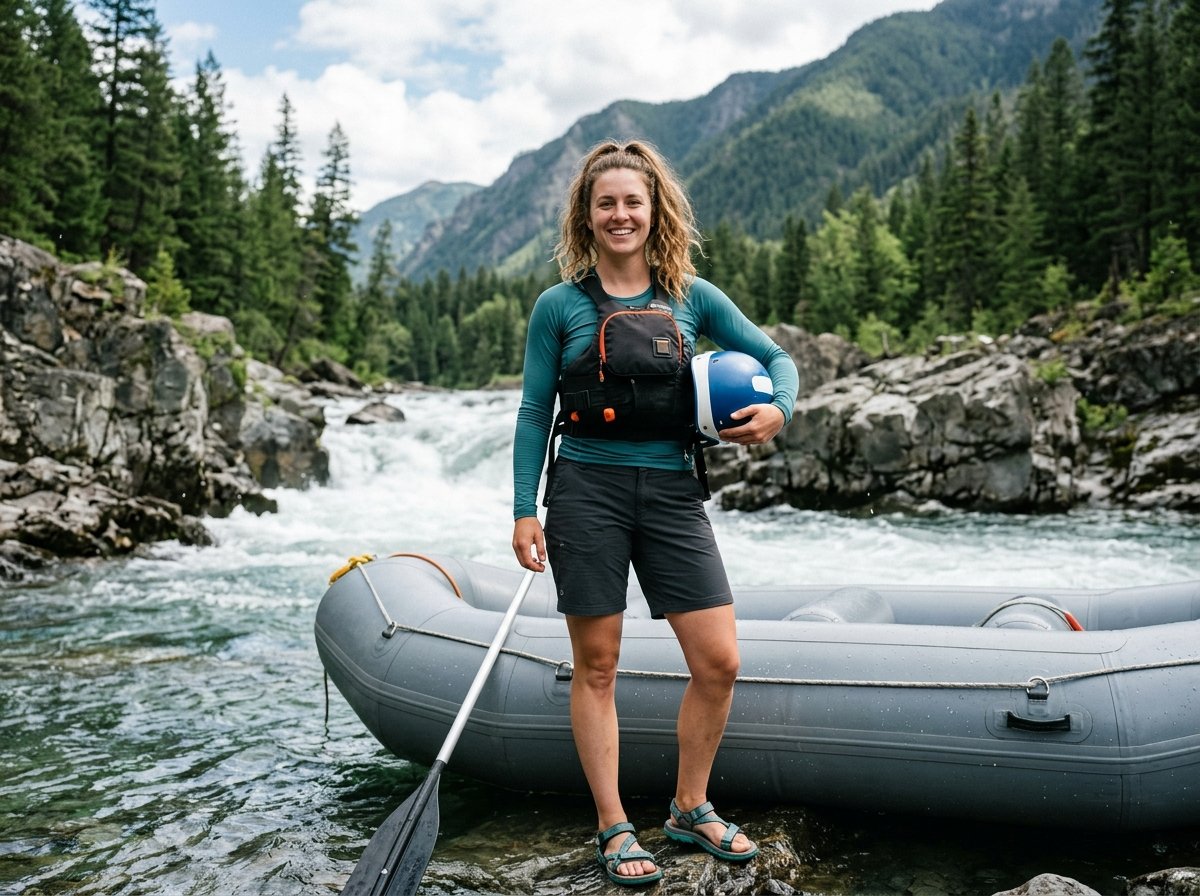
White Water Rafting Outfit Tips
A white water rafting outfit needs to handle immersion. Rapids flip rafts. You will get wet. Avoid cotton completely. Wear synthetic or wool layers. Secure everything. Sunglasses need straps. Hats need chin cords. Shoes need heel straps. A white water rafting outfit is not about fashion. It is about function when the river decides to test you.
Sun Protection
Water reflects sunlight upward. You get burned in places you forget exist. The tops of your thighs, the underside of your nose, and your ears all take a beating. Wear a hat with a chin strap. A baseball cap works under a helmet. A wide brim hat works for flatwater rafting.
Use SPF 50 or higher waterproof sunscreen. Reapply every two hours. Bring lip balm with SPF. Polarized sunglasses reduce glare and help you read the river surface. Always use a retaining strap. Chums or Croakies work well. Do not bring your designer shades. Rivers eat sunglasses.

Sun Bum Original SPF 50 Broad Spectrum Sunscreen Body Spray
Footwear That Saves Your Life
Foot entrapment is one of the most serious hazards in moving water. It happens when your foot gets wedged between rocks on the riverbed. The current pushes your body down while your foot stays stuck. In seconds, you can drown in water that looks calm.
The prevention is simple. Wear shoes that stay on your feet and have grippy soles. Old sneakers work in a pinch. Better options include water shoes with heel straps, neoprene booties, or sturdy sandals like Chacos or Bedrocks. Do not wear flip flops. Do not wear Crocs. They come off instantly in current and offer zero protection.
For cold water, wear wool or synthetic socks under your water shoes. Neoprene socks add warmth without bulk.

Astral Brewer 3.0 Shoes
Kayak Specific Gear
Spray Skirt
A spray skirt covers the cockpit and keeps water out. For whitewater kayaking, it is essential. For recreational flatwater, it is optional. Spray skirts come in two types. Shock cord skirts stretch over the cockpit rim and are easier for beginners to put on. Rand skirts create a tighter seal for advanced whitewater but require more effort to attach.
Size matters for both the tube around your waist and the deck around the cockpit. Most kayaks use a large cockpit size. Measure before you buy. A loose skirt lets water in. A skirt that is too tight is impossible to remove quickly in an emergency.
Paddle Float
A paddle float helps you get back into your kayak after a capsize. It slides over one blade and acts as an outrigger for stability. Inflatable floats pack small. Foam floats are bulkier but faster to deploy. Keep it clipped to your deck where you can grab it quickly.
Bilge Pump
A handheld pump removes water from your cockpit after a wet exit or roll practice. Store it on your deck, not inside the hatch. You need it before you can access the hatch anyway.
Throw Bag
A throw bag is a rope stuffed into a small bag. If another paddler swims, you throw the bag and they grab the rope. You pull them to safety. Every kayaker and rafter should carry one. The NRS Wedge Rescue Throw Bag is a reliable beginner option. Learn how to throw it before you need it. Practice on land first. A bad throw is worse than no throw because it wastes time and creates a rope hazard in the water.

Rescue Throw Bag with 50-Feet of Floating MFP Rope
Spare Paddle
Paddles break. They get lost in rapids. A two piece spare paddle strapped to your deck is standard for sea kayaking and recommended for any multiday trip.
Rafting Specific Gear
Rafting Paddles
Rafting paddles are longer and have bigger blades than kayak paddles. They are single bladed with a T grip at the top. The guide steers from the back. Everyone else provides power. Paddle sizing for rafting is less precise than kayaking because you are not feathering blades. A general rule is that the T grip should reach about nose height when the blade is on the ground.
Dry Bags
Dry bags keep your gear dry when the raft flips or rain hits. For day trips, a small dry bag holds your phone, keys, and extra layers. For overnight trips, you need large dry bags for sleeping gear and clothing. Roll the top at least three times and buckle it. Test it in a bathtub before your trip. A failed dry bag ruins cameras, sleeping bags, and moods.
Carabiners and Straps
Carabiners clip dry bags to the raft. Cam straps secure gear to roof racks. Bring a few extra. Someone always forgets theirs. Non locking carabiners work for gear attachment. Locking carabiners are better for rigging rescue systems.
The Gap Coverage: What Competitors Miss
River Knife
A river knife cuts rope in an emergency. If a swimmer gets tangled in a throw rope or a raft line, seconds matter. A blunt tipped knife attaches to your PFD or sprayskirt. It should be stainless steel and easy to open with one hand. Do not bring a serrated kitchen knife. Do not bring a folding pocket knife that rusts shut.

Pilot Knife | Safety Knife
Tow Rope
A waist belt tow rope with a quick release lets you pull another kayaker to safety or to an eddy. The quick release is critical. If you get pulled into danger, you must be able to disconnect instantly. Practice clipping in and releasing before you need it in moving water.
VHF Radio
For sea kayakers and large river groups, a waterproof VHF radio is essential. Cell phones fail where there is no signal. A radio lets you communicate with other boats, marinas, and rescue services. Learn the basic channels and emergency protocols before you rely on it.
Signal Mirror and Flares
For remote paddling, carry a signal mirror and marine flares. Check flare expiration dates before each season. These are backup tools for when electronics die.
Gear Repair Kit
Duct tape fixes almost everything. Wrap a few feet around your water bottle or paddle shaft. Add a small tube of aquaseal for wetsuit and drysuit repairs. A few zip ties and a multi tool round out the kit. A torn spray skirt or leaking valve can end a trip early if you cannot patch it.
First Aid Kit
Build your own instead of buying a pre made kit. Include blister pads, antiseptic wipes, gauze, medical tape, pain relievers, and any personal medications. Store it in a waterproof bag inside your dry bag. Guides carry group first aid but self guided paddlers are on their own.
Sunscreen Strategy
Spray sunscreen is convenient but do not use it on a raft full of people. Everyone breathes the aerosol. Use lotion instead. Apply it before you get on the water. Reapply at lunch. The reflection off the river burns the underside of your nose, your chin, and the tops of your knees. Cover those spots deliberately.
Lip Balm and Lotion
River air and sun destroy your skin. Bring SPF lip balm and a small tube of hand lotion. Non fragrant lotion is best because scented products attract insects.
Gear Care
Rinse your gear with fresh water after every trip. Salt and sand degrade fabric and metal. Hang your PFD to dry instead of stuffing it in a hot car. Store your kayak out of direct sunlight. UV rays make plastic brittle over time. A little maintenance extends gear life by years.
Popular Destinations: Rishikesh River and Adventure Hubs
The Rishikesh river in India is one of the most famous water rafting destinations in Asia. Stretching through the Himalayan foothills, it offers rapids ranging from gentle floats to class four white water. Outfitters there rent full gear packages, so beginners can try the sport without buying everything upfront. Many travelers combine a trip to Rishikesh with bungee jumping at nearby Jumpin Heights, making it a complete adventure destination. If you are planning a water rafting trip abroad, Rishikesh proves you do not need to own every piece of gear to start. Local guides provide helmets, PFDs, and paddles. You bring the right clothing and attitude.
Transport and Storage
Roof Racks
Thule and Yakima both make crossbars that fit most vehicles. You need the bars and cam straps or ropes. Quick and easy rack systems work for cars with rain gutters. For kayaks, use foam blocks or a proper kayak cradle. For rafts, deflate and roll them. Secure them with straps every few feet.
Carrying Your Kayak
A kayak weighs more than it looks. A kayak cart helps on flat ground. For short distances, learn the shoulder carry. Balance the boat on your shoulder with the cockpit rim resting against your hip. It takes practice but it saves your back.
Event Spotlight: The Paddle Sport Show Strasbourg 2026
If you want to see the future of paddling gear in person, book your trip to Strasbourg, France. The Paddle Sport Show runs from September 30 to October 2, 2026, at Le Parc des Expositions de Strasbourg. This is the largest international trade show for board and paddle sports in Europe.
Around 150 exhibitors will display kayaks, canoes, stand up paddleboards, foil boards, wing foils, and every accessory you can imagine. The show includes on water demos, a film festival, equipment tests, and the Paddle Sports Product of the Year Awards. The venue sits right on the banks of the Ill River, so you can test boats where they belong. On the water.
September 30 is opening day with an apero stand party in the evening. October 1 features the industry party and awards ceremony. October 2 closes with final demos and a film festival at 4 PM. The show is trade only, not open to the public, but if you work in the industry or run a rental business, this is where you find next season’s best gear before anyone else.
Actionable Tips for Building Your Kit
Buy safety gear first. A PFD, helmet, and whistle come before anything else. Without them, you do not belong on the water.
Rent before you buy. Most outfitters rent kayaks, paddles, and PFDs. Try different styles. Figure out what feels right before you spend hundreds.
Try on everything wet. A PFD that feels fine in a dry store may chafe after an hour of paddling. A helmet that fits perfectly in the shop may shift when soaked. Splash water on your face and move around before you commit.
Start with one activity. Do not buy sea kayaking gear and whitewater gear at the same time. Master one discipline. Then expand.
Label your gear. Sharpie your name on paddles, PFDs, and dry bags. At busy launch sites, gear looks identical. A name saves arguments.
Pack a dry change of clothes for after the trip. You will be wet. You will be cold. Changing into dry cotton at the takeout is one of the best feelings in paddling.
Frequently Asked Questions
What is the first piece of gear I should buy?
A properly fitted PFD. Everything else can be rented. Your life jacket is personal. It needs to fit your body and you need to trust it.
Do I need a wetsuit or a dry suit?
If the water is below seventy degrees, wear a wetsuit at minimum. If you paddle in cold water regularly or do winter trips, invest in a dry suit. It costs more but it keeps you dry and warm.
Can I wear old sneakers instead of water shoes?
Yes, but only for casual rafting. For kayaking and serious whitewater, get proper water shoes. Old sneakers fill with water, get heavy, and offer poor grip on rocks. They also take forever to dry.
What is the difference between a kayak and a raft in terms of gear?
Kayakers need a spray skirt, paddle float, bilge pump, and spare paddle. Rafters need larger dry bags, a single bladed paddle, and less personal rescue gear because the raft itself provides flotation. Both need the same safety basics. PFD, helmet, whistle, and throw bag.
How do I know if my helmet fits right?
Shake your head hard. The helmet should not move. You should be able to fit one finger between the strap and your chin. If you can fit two fingers, tighten it.
Is a throw bag really necessary for beginners?
Yes. Even if you are not the one swimming, someone in your group might be. A throw bag is a simple tool that turns a scary situation into a quick rescue. Learn to throw it on land first.
How do I transport a kayak without a roof rack?
Foam blocks and cam straps work on most cars. Place the blocks under the hull. Run straps through the doors or windows. Use bow and stern lines to prevent the kayak from lifting at highway speeds. A red flag on the back helps if the kayak overhangs.
Conclusion
Rafting and kayaking gear does not need to be complicated. Start with safety. Add comfort. Upgrade as you go. The river does not care about brand names or price tags. It cares about preparation. A cheap PFD that fits well beats an expensive one that rides up past your ears. A basic fiberglass paddle that matches your height beats a carbon fiber model that is six inches too long.
Buy smart. Test everything. Maintain your gear. And then get on the water. That is where the real learning happens.