Europe never gets old. Whether it’s your first trip or your fifteenth, there’s always a new street to wander, a new dish to try, and a new view that stops you in your tracks.
But here’s the thing – with 44 countries and hundreds of cities to choose from, planning a European trip can feel overwhelming. Where do you even start?
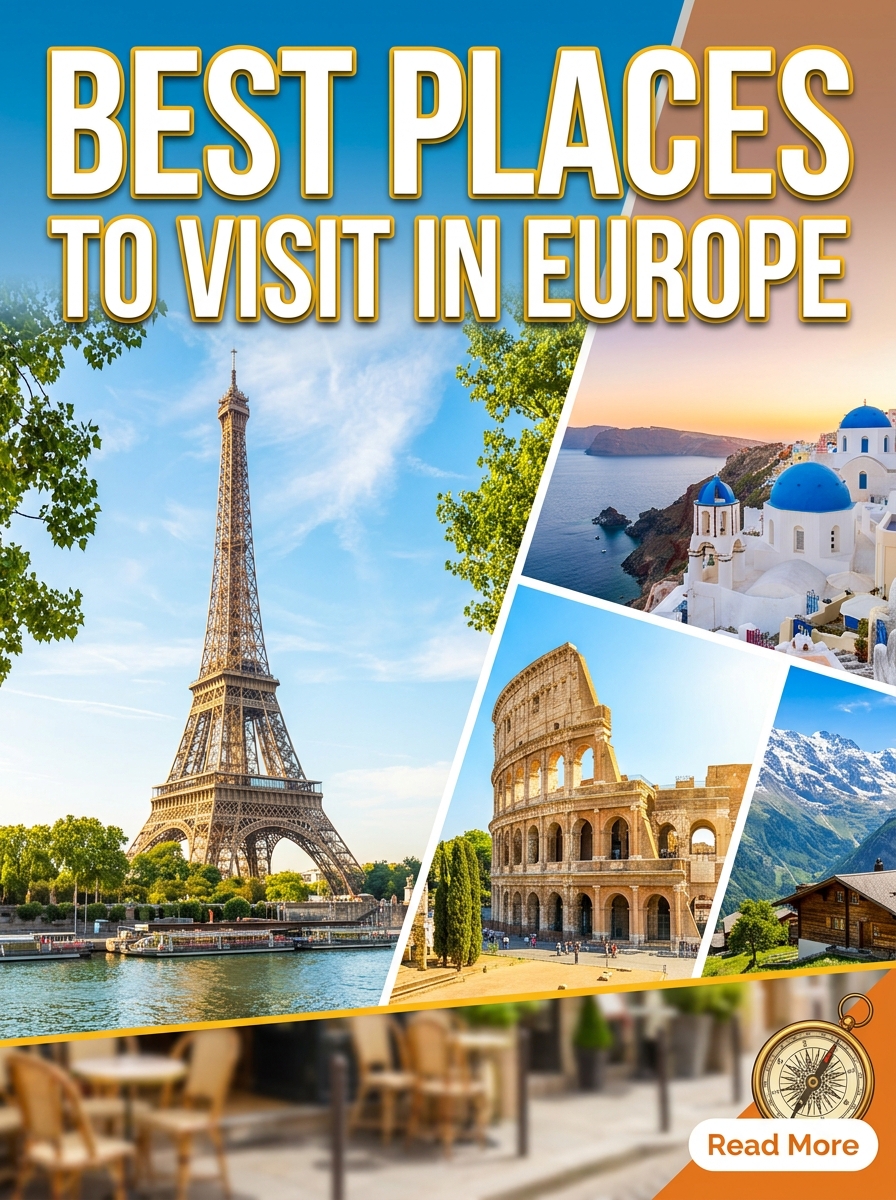
This guide cuts through the noise. You’ll find the best places to visit in Europe for different types of travellers – first-timers, budget explorers, luxury seekers, solo adventurers, and families. You’ll also get honest advice on when to go, what to skip, and a few hidden gems that most travel guides never mention.
What Makes a European Destination Worth Visiting?
Not every “top 10 Europe” list tells you why a place is worth your time and money. A great destination should offer:
- Something genuinely unique (culture, food, landscape, or history)
- Good value for your budget (at whatever level you travel)
- Accessibility – easy to get to and navigate
- The ability to hold your attention for at least 2-3 days
With that in mind, here are the best places to visit in Europe, organized by what they’re best for.
Best European Cities for First-Time Visitors
If you’ve never been to Europe before, start with cities that are easy to navigate, rich in history, and genuinely exciting.
1. Rome, Italy
Rome is one of those cities where you turn a corner and stumble onto a 2,000-year-old ruin. The Colosseum, the Pantheon, the Vatican – none of it feels real until you’re standing in front of it.
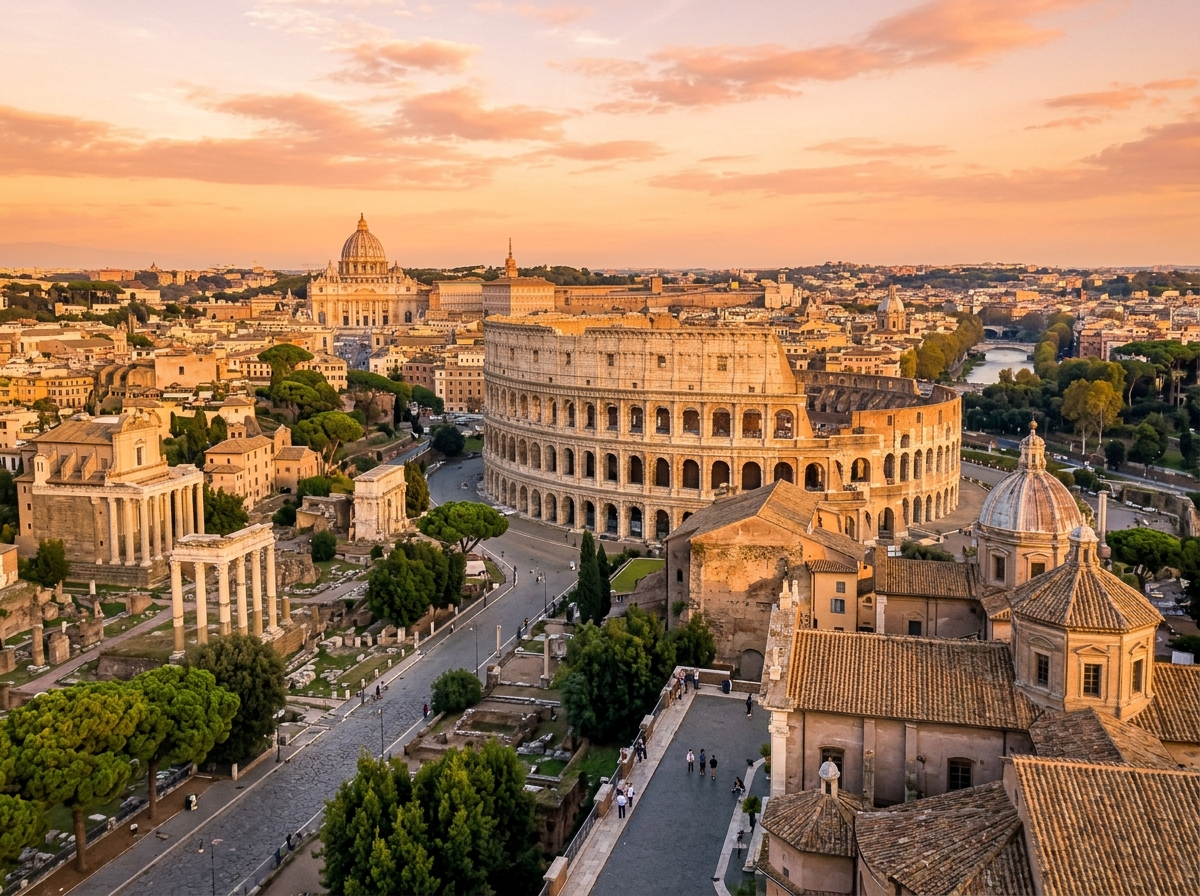
Best for: History lovers, foodies, architecture fans Best time to visit: April-May or September-October (avoid August – it’s scorching and packed). Budget tip: The Vatican Museums get very crowded. Book skip-the-line tickets at least a week in advance. Eat lunch away from tourist squares, and your bill drops significantly. Honest downside: Pickpocketing around major tourist sites is common. Keep your bag in front of you.
2. Barcelona, Spain
Barcelona has everything – Gothic medieval lanes, Gaudí’s surreal architecture, world-class food markets, and a beach. It’s a city that genuinely delivers on its hype.
Best for: Art and architecture, nightlife, beach breaks, foodies Best time to visit: May, June, or September Don’t miss: La Boqueria market in the morning, Sagrada Família at golden hour, and a late dinner in El Born neighbourhood Honest downside: It’s expensive compared to the rest of Spain, and La Rambla is a tourist trap. Skip it for dinner.
3. Prague, Czech Republic
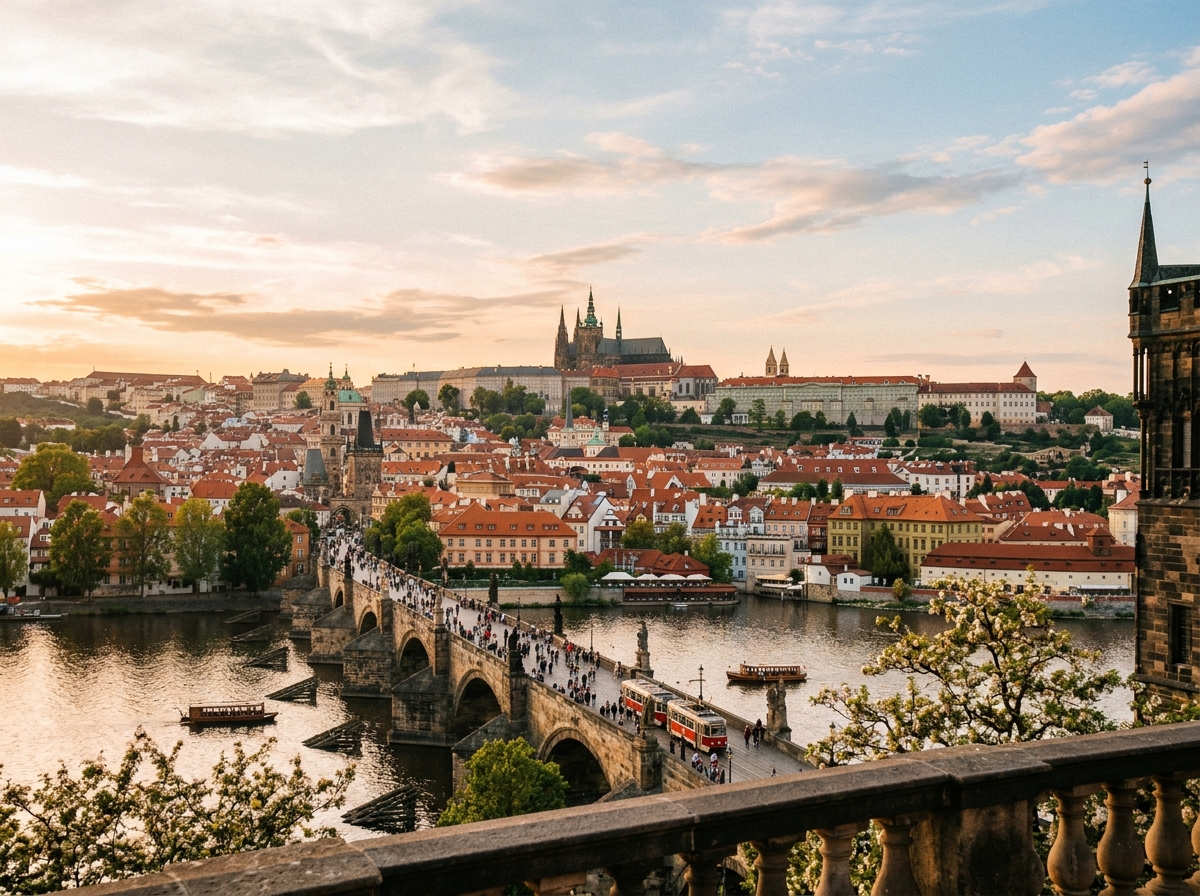
Prague looks like it was designed by a fantasy novelist. The Old Town Square, Charles Bridge at dawn, and the castle district are genuinely breathtaking. It’s also one of the most affordable capitals in Europe.
Best for: Budget travellers, first-timers, couples Best time to visit: March-May or September-November Budget tip: Beer in Prague costs less than bottled water in Paris. Local restaurants away from the square are great value. Honest downside: The Old Town gets extremely crowded in summer. Wake up early to see the famous spots before the crowds arrive.
Best Places in Europe for Budget Travellers
You don’t need to spend a fortune to have an incredible time in Europe. These destinations give you a lot for your money.
4. Kraków, Poland
Kraków might be the best-value city in Europe right now. Beautiful medieval architecture, a vibrant food scene, excellent nightlife, and incredibly low prices compared to Western Europe.
A solid meal at a traditional Polish milk bar (bar mleczny) costs around €3-5. A pint of local beer is under €2 in most places.
Best for: budget travelers, history lovers, solo travellers Don’t miss Wawel Castle, the Kazimierz Jewish Quarter, and a day trip to the Wieliczka Salt Mine Hidden gem: Take the tram out to Nowa Huta – a perfectly preserved Soviet-era town that’s completely unlike anything else in Europe
5. Tbilisi, Georgia
Technically on the edge of Europe, Georgia has become one of the most talked-about travel destinations in recent years – and for good reason. Tbilisi is visually stunning, with crumbling Baroque balconies, ancient churches, and a thriving café and wine culture.
Georgia is the birthplace of wine (they’ve been making it for 8,000 years), and the local amber wines are unlike anything you’ll find elsewhere.
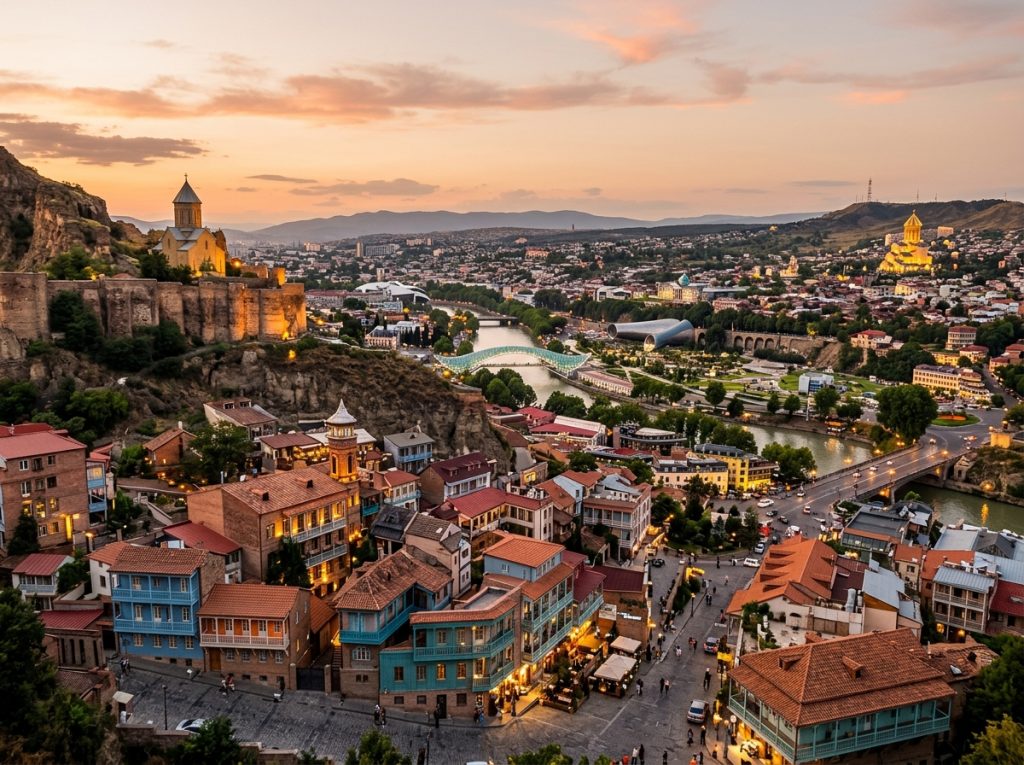
Best for: adventurous travelers, foodies, budget explorers Best time to visit: April-June or September-November Budget tip: A full meal with wine costs around €8-12. Accommodation is significantly cheaper than anywhere in Western Europe.
6. Porto, Portugal
Porto has quietly overtaken Lisbon as many travelers’ favorite Portuguese city. It’s smaller and more manageable and has a raw, working-city energy that Lisbon has lost a little.
The riverfront Ribeira district is gorgeous, the port wine cellars in Vila Nova de Gaia are worth an afternoon, and the city’s street art scene is one of the best in Europe.
Best for: Wine lovers, architecture fans, solo travellers Best time to visit: May-June or September Budget tip: Porto is cheaper than Lisbon. Francesinha sandwiches (a local specialty) are hearty, delicious, and cost around €8-10.
Best Places in Europe for Nature and Outdoor Adventure
Europe isn’t just cities. Some of its most extraordinary landscapes rival anything in the world.
7. The Dolomites, Italy
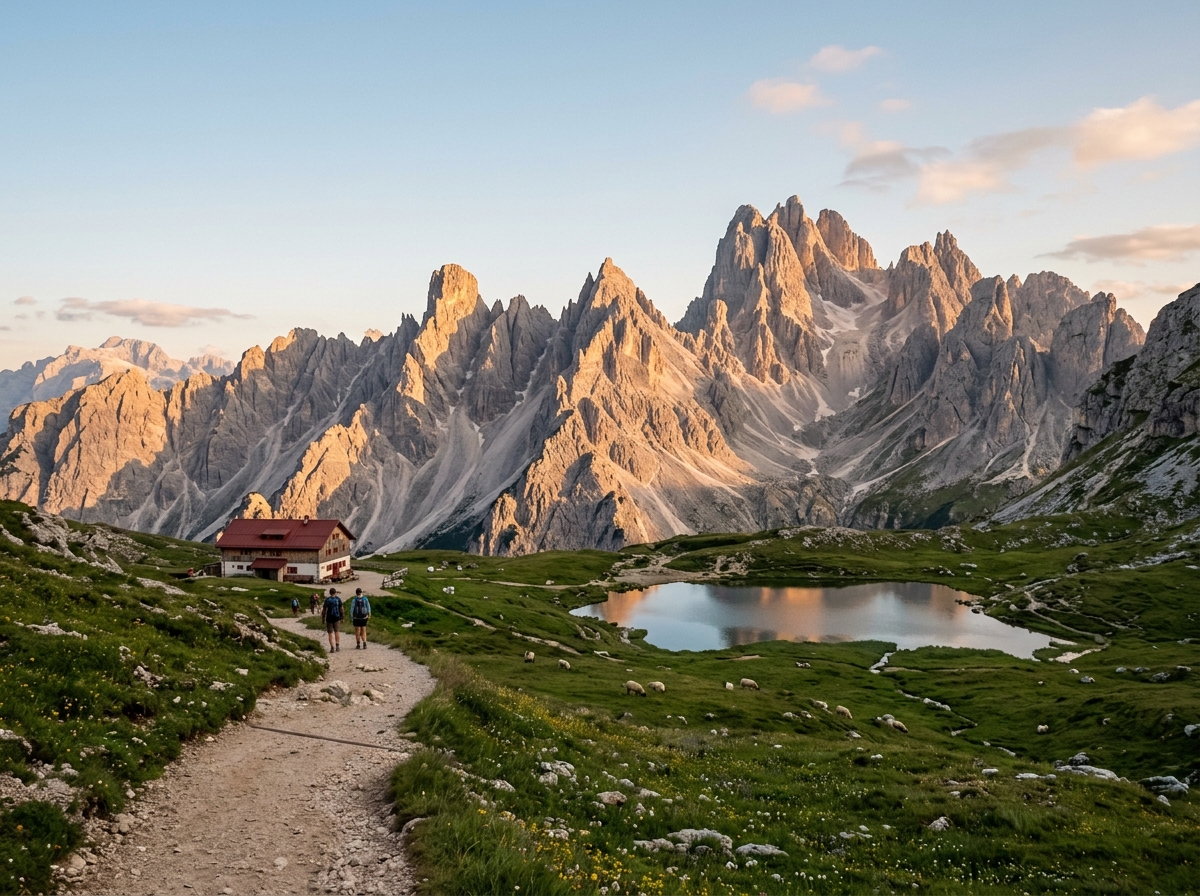
The Dolomites are among the most dramatic mountain landscapes on Earth – jagged limestone peaks, flower-filled meadows, and crystal-clear alpine lakes. They sit in northeastern Italy near the Austrian border.
Hiking, skiing, cycling, and photography – the Dolomites deliver on all of it. The famous Tre Cime di Lavaredo circuit is one of the most beautiful day hikes in Europe.
Best for: Hikers, skiers, photographers, nature lovers Best time to visit: June-September for hiking; December-March for skiing Practical tip: Base yourself in Cortina d’Ampezzo or Bolzano. Rent a car – public transport in the mountains is limited.
If you’re planning to do serious hiking, a good pair of trekking poles makes a real difference on descents. The Black Diamond Trail Ergo Cork Trekking Poles (available on Amazon) are lightweight, durable, and popular among European hikers for their cork grip that adjusts to temperature changes.
8. Plitvice Lakes, Croatia
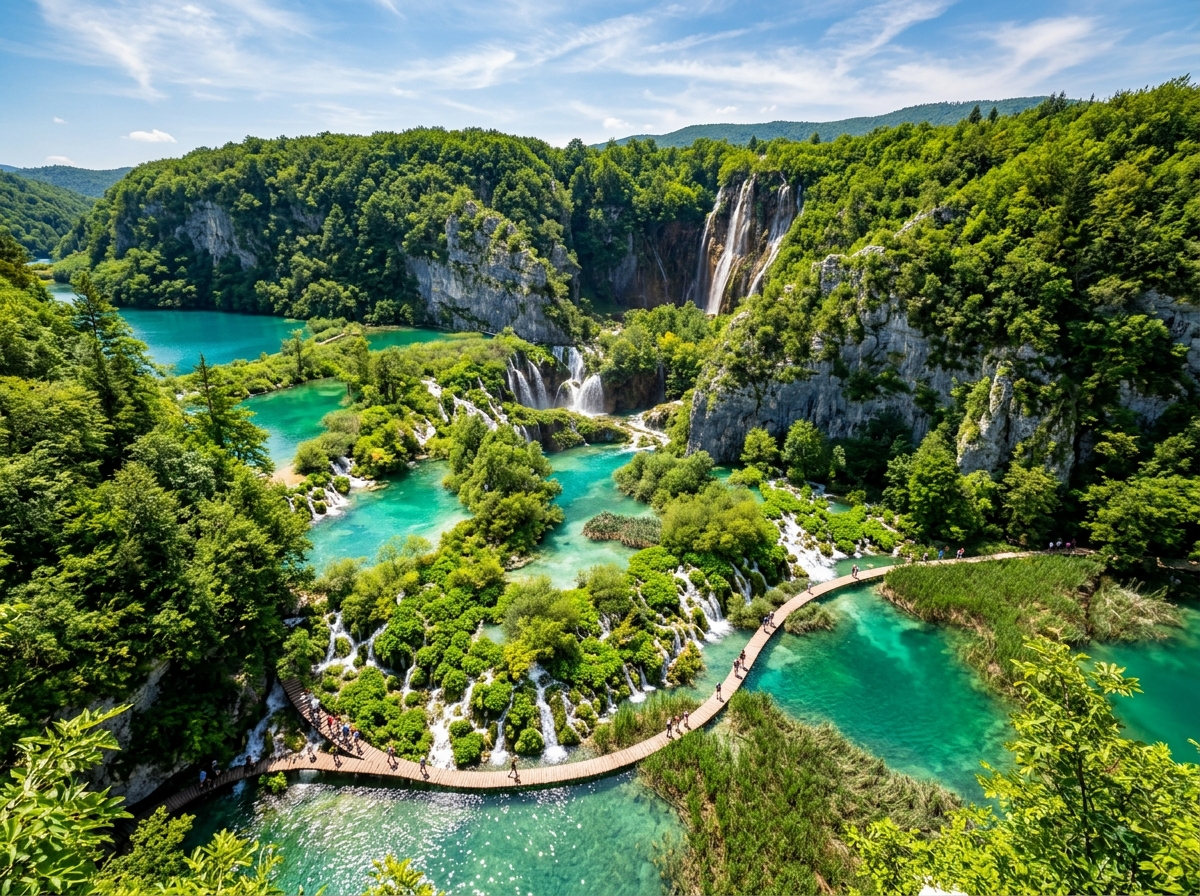
Sixteen terraced lakes connected by waterfalls in a cascade of electric blue and green. Plitvice is the kind of place that makes you feel like you’ve walked into a screensaver – except it’s real.
It’s a UNESCO World Heritage Site and Croatia’s most visited national park, so it does get busy. But arriving early in the morning or visiting in late September means you’ll have more of it to yourself.
Best for: Nature lovers, photographers, families Best time to visit: April-May or September-October Practical tip: Book park entry tickets online in advance – they sell out, especially in summer.
9. Scottish Highlands, Scotland
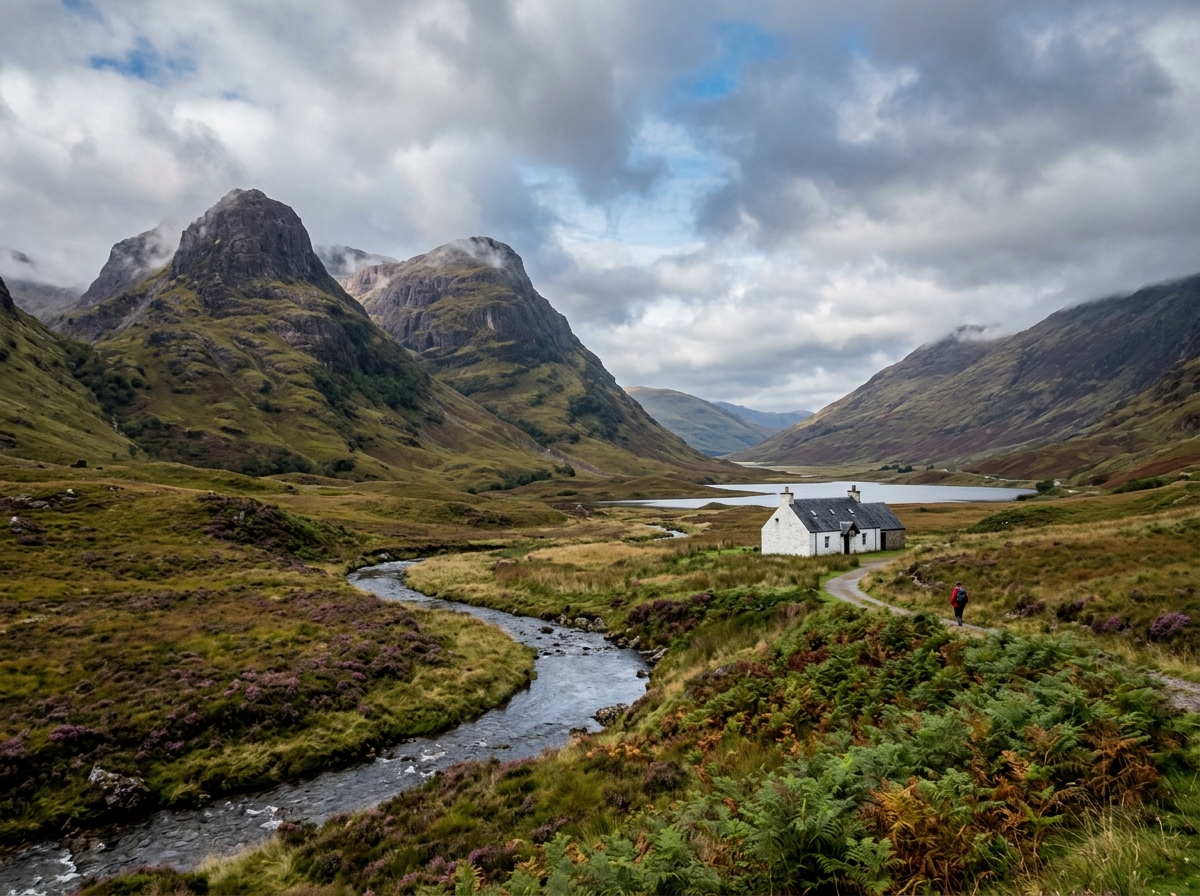
If dramatic, moody landscapes are what you’re after, nothing in Europe compares to the Scottish Highlands. Glens, lochs, ancient castles, and a sky that changes every ten minutes.
The North Coast 500 route is often called Scotland’s answer to Route 66 – a 500-mile coastal road trip through some of the most remote and beautiful scenery on the continent.
Best for: Road trippers, nature lovers, whisky enthusiasts Best time to visit: May-September (summer) for long days; October-March for a more atmospheric, dramatic experience Honest downside: Scotland’s weather is notoriously unpredictable. Pack a waterproof jacket no matter what month you visit.
For a Scotland road trip, a good waterproof travel jacket is essential. The Columbia Men’s Watertight II Rain Jacket (on Amazon) is lightweight, packable, and genuinely keeps you dry – ideal for unpredictable Highland weather without taking up half your luggage.
Best Places in Europe for Culture and History
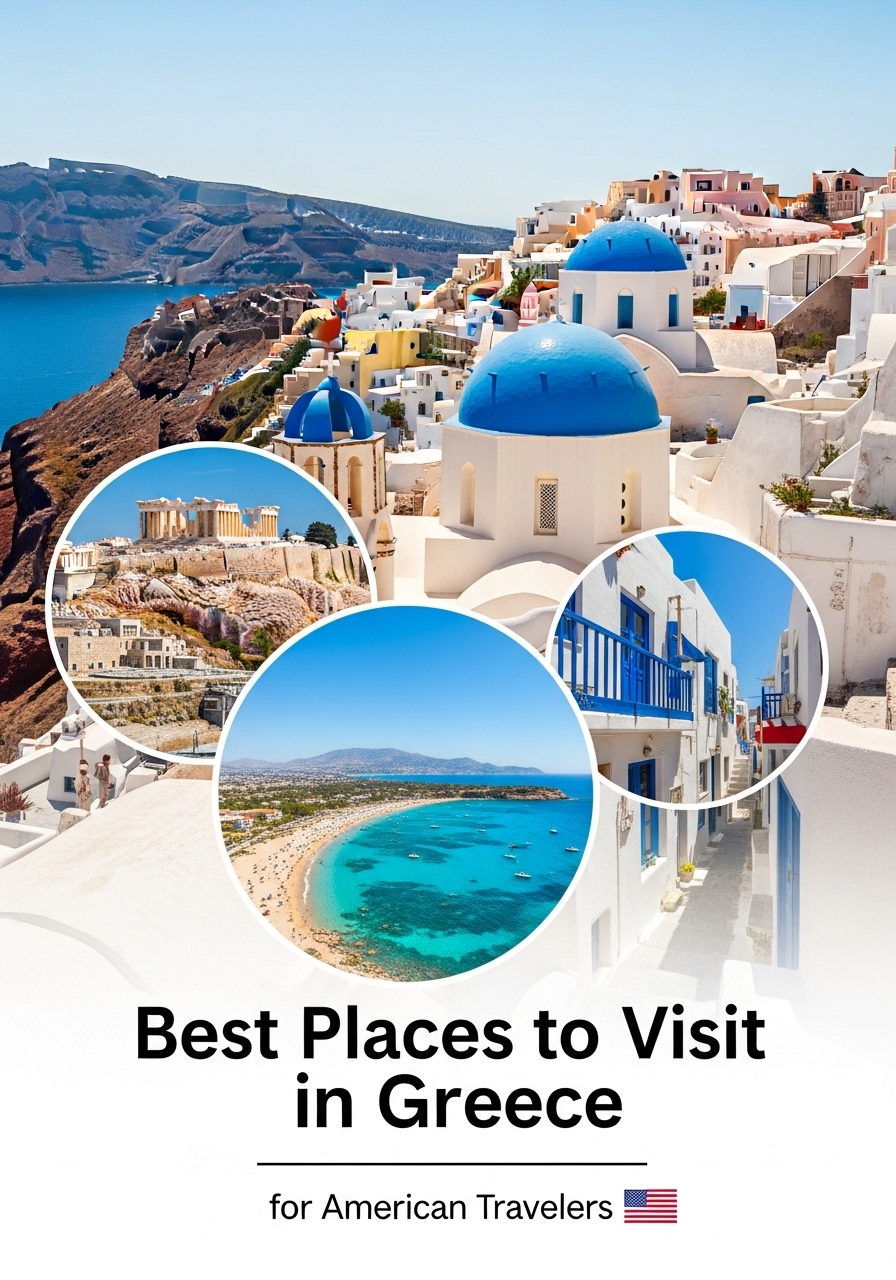
10. Athens, Greece
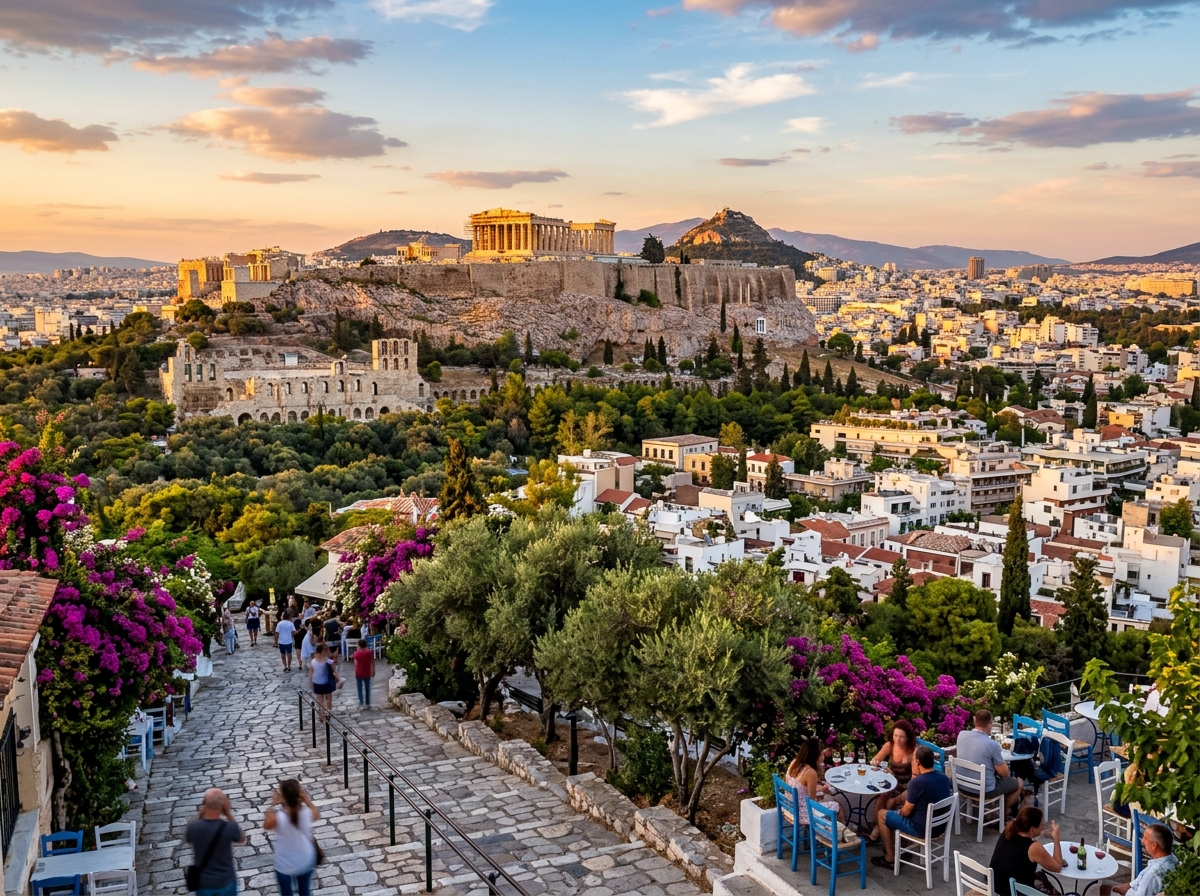
Athens is older than Rome. Walking through the city, you’re moving through layers of history – Minoan, Classical, Byzantine, Ottoman, and modern all stacked on top of each other.
The Acropolis and the Parthenon are as extraordinary in person as they are in photographs. But Athens beyond the tourist trail is equally rewarding – the Monastiraki flea market, Psirri neighbourhood for food, and the National Archaeological Museum are all worth your time.
Best for: History enthusiasts, foodies, architecture lovers Best time to visit: April-May or September-October (summer heat is brutal) Hidden gem: Take the metro to Piraeus and spend a half-day at the Athens Riviera – beautiful coastal villages just 30-40 minutes from the city centre
11. Bruges, Belgium
Bruges is one of the best-preserved medieval cities in the world. Canals, Gothic churches, cobblestone lanes, and a chocolate shop on every corner. It’s genuinely magical.
It’s also small enough to cover on foot in a day, which makes it ideal as a day trip from Brussels or as an overnight stop.
Best for: Couples, day-trippers, architecture and art lovers Best time to visit: November-March for a quieter experience; the Christmas market in December is one of Europe’s best Honest downside: It can feel touristy in summer. Visit on a weekday and in the morning to avoid tour groups.
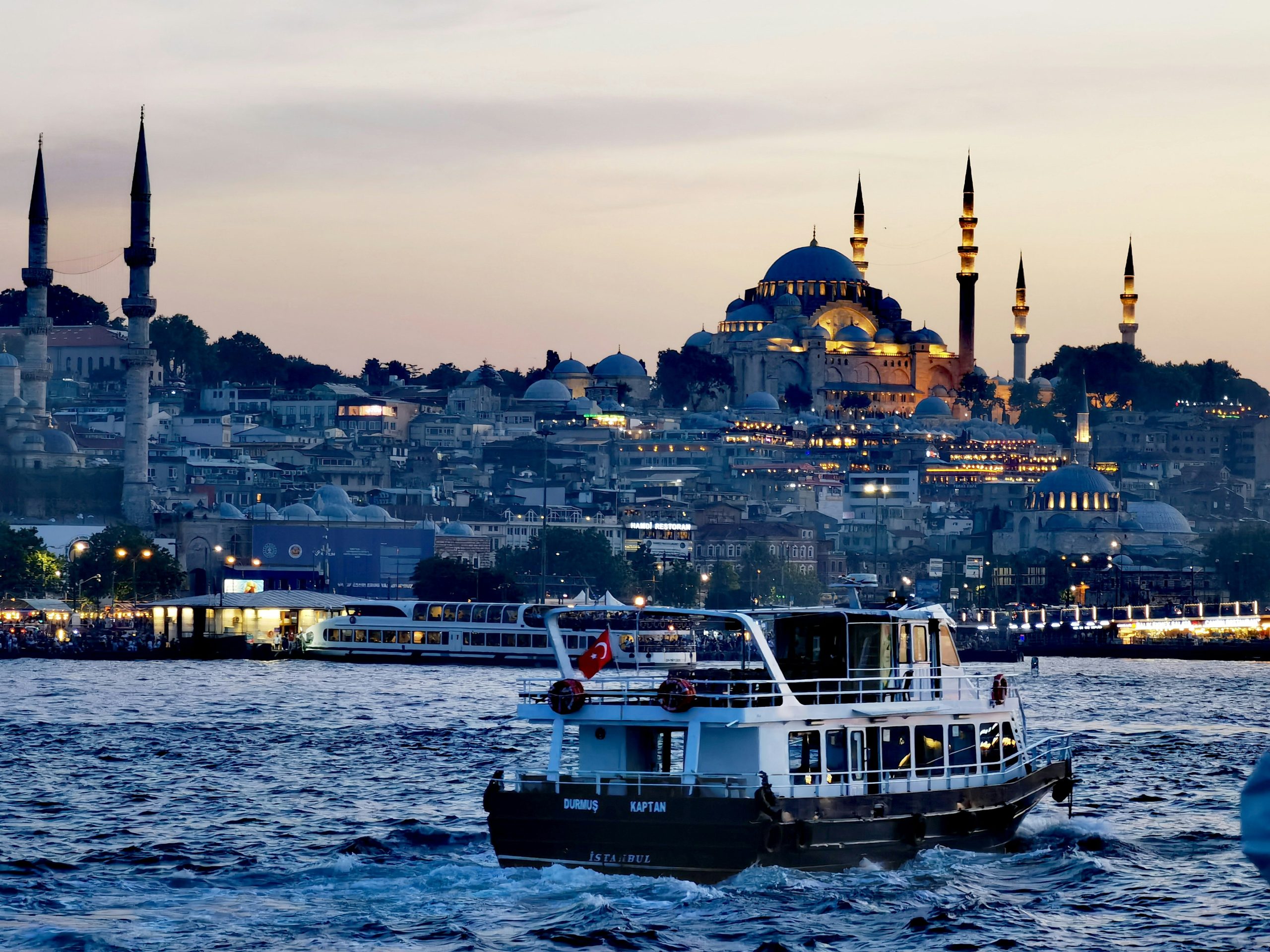
12. Istanbul, Turkey
Istanbul is technically split between Europe and Asia, but its European side (and its full identity) belongs firmly on any Europe travel list. It’s one of the most historically rich and culturally fascinating cities anywhere on Earth.
The Hagia Sophia, the Blue Mosque, the Grand Bazaar, the Topkapi Palace – the scale of history here is staggering. And the food scene is extraordinary, from street-side simit (sesame bread rings) to full fish dinners overlooking the Bosphorus.
Best for: Culture lovers, foodies, history enthusiasts Best time to visit: April-May or September-October Budget tip: Istanbul is significantly cheaper than most major European cities. A full meal at a traditional lokanta costs around €5-8.
Best Places in Europe for Families
Travelling with kids in Europe requires places that mix fun with flexibility. These destinations deliver.
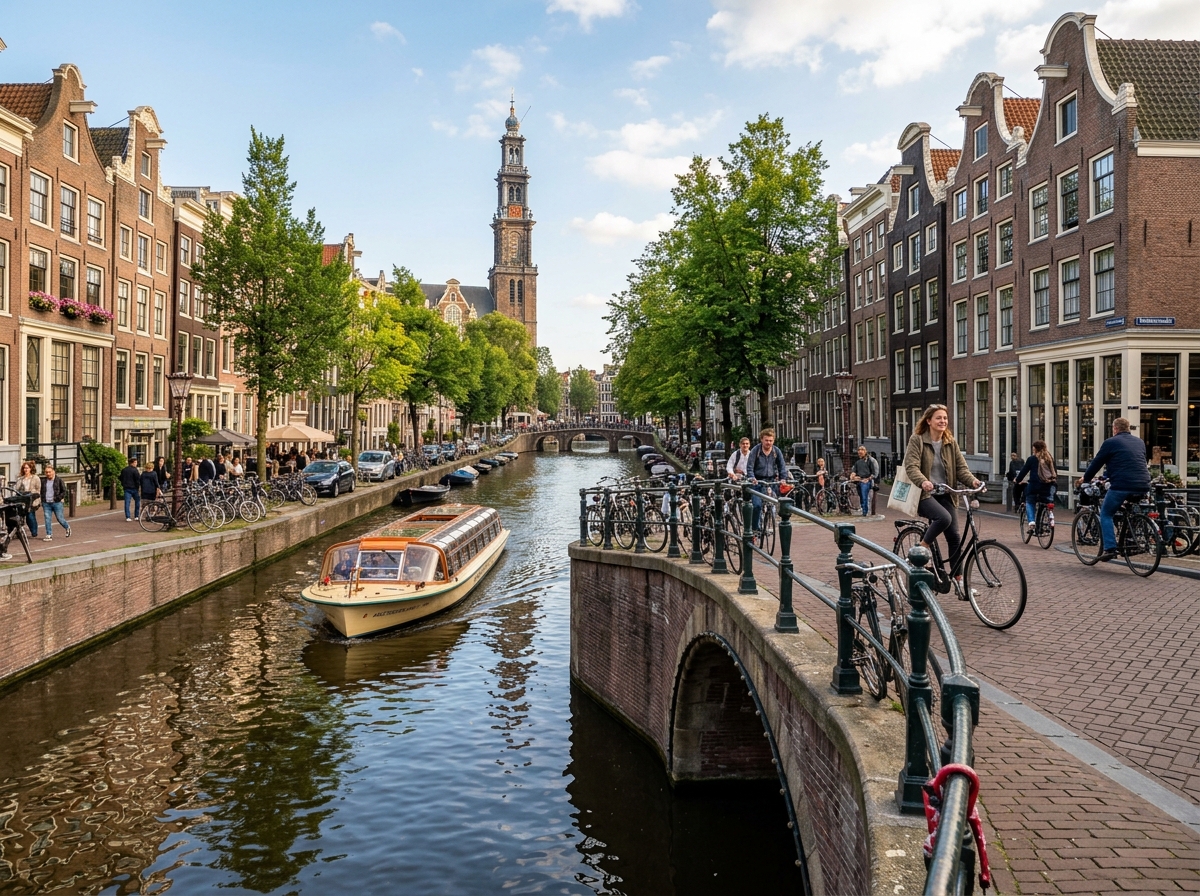
13. Amsterdam, Netherlands
Amsterdam is one of the most family-friendly cities in Europe. It’s flat (great for cycling with kids), compact, easy to navigate, and has excellent museums, including the interactive NEMO Science Museum.
Best for: Families, cycling enthusiasts, art lovers Practical tip: Rent bikes for the whole family – it’s genuinely the best way to see Amsterdam and the kids will love it.
14. Lisbon, Portugal
Lisbon is warm, walkable, and endlessly interesting for kids and adults alike. The trams, the hilltop viewpoints, the ocean proximity, and the friendliness of locals make it a great family destination.
Best for: Families, first-timers, foodies Day trip: Take the train to Sintra – a fairy-tale town of palaces in the hills, 40 minutes from Lisbon. It’s one of the most magical day trips in Europe.
Best Hidden Gems in Europe (Places You Haven’t Considered)
Every traveller’s guide lists Paris, London, and Rome. Here are the places that genuinely surprised people.
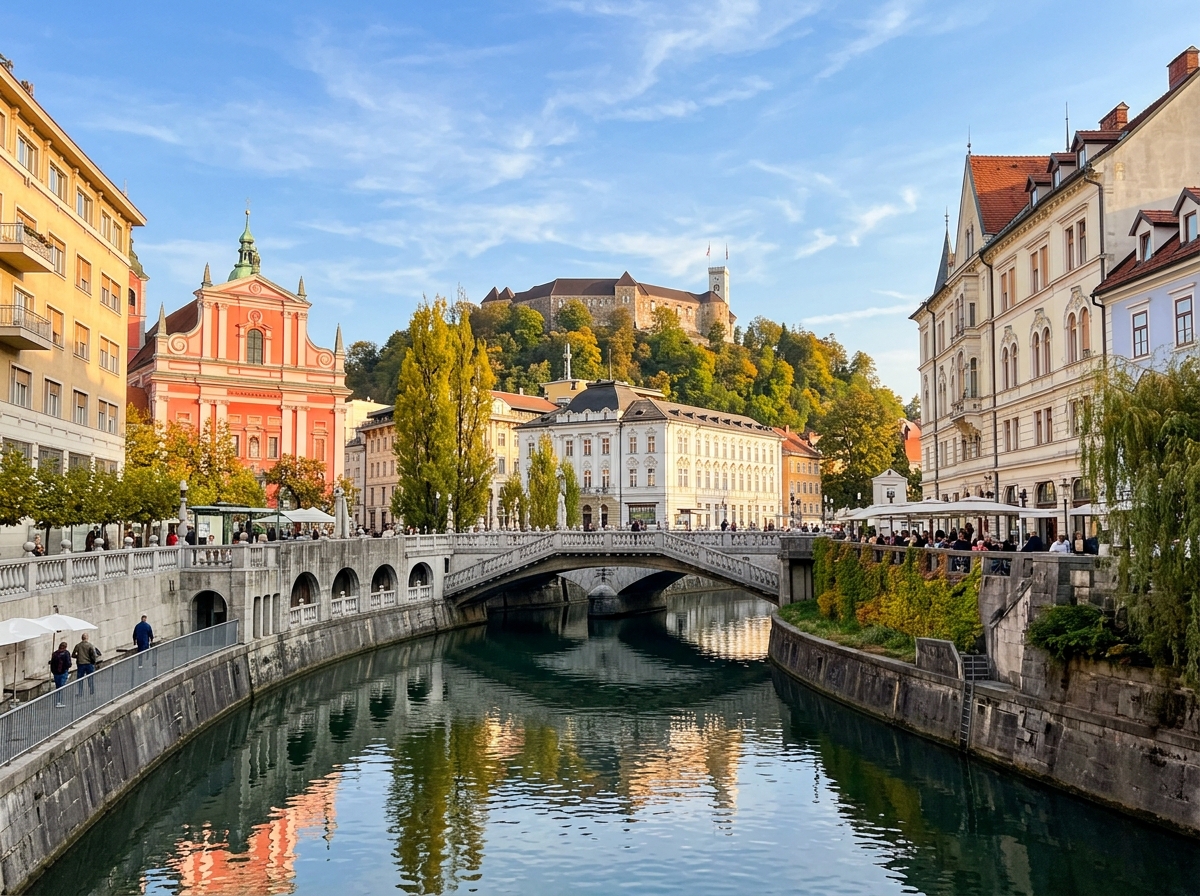
15. Ljubljana, Slovenia
Slovenia’s capital is tiny, beautiful, and almost entirely car-free in its centre. The castle overlooks a pedestrian riverside lined with outdoor cafés, the food market is excellent, and the whole city feels unhurried and genuinely livable.
It’s also the perfect base for day trips to Lake Bled – one of the most photographed lakes in Europe.
Best for: Couples, slow travellers, nature lovers Best time to visit: May-September
16. Kotor, Montenegro
Kotor sits inside a dramatic bay surrounded by medieval walls climbing up a steep mountain. It’s one of the most visually striking old towns in Europe, and Montenegro as a country remains significantly cheaper than its Croatian neighbours.
Best for: Adventure travellers, couples, budget explorers Best time to visit: May or September (July-August is very hot and crowded)
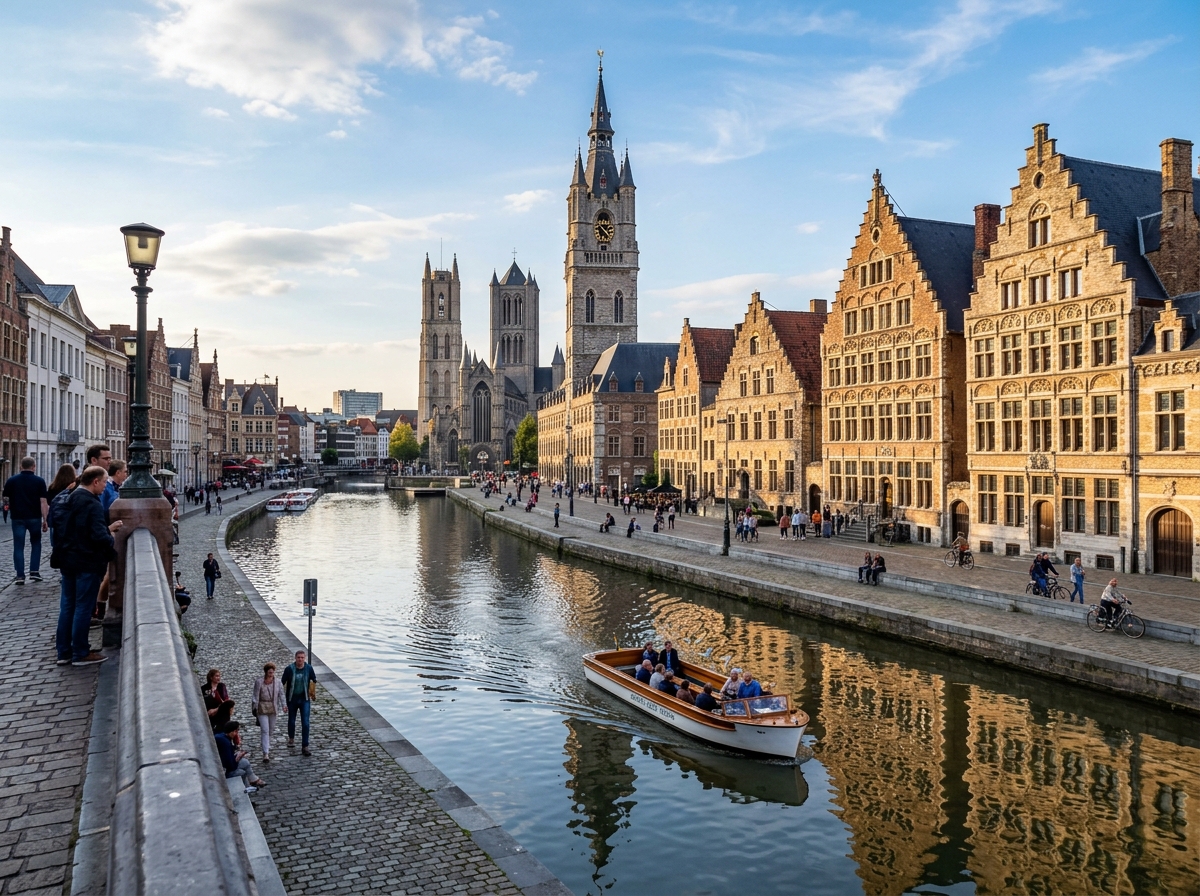
17. Ghent, Belgium
Most people visit Brussels and Bruges and skip Ghent entirely. That’s a mistake. Ghent is a university city with a thriving food scene, excellent craft beer culture, a stunning medieval centre, and far fewer tourists than Bruges.
Best for: Foodies, beer lovers, independent travellers Don’t miss: The Ghent Altarpiece at St Bavo’s Cathedral – one of the most important paintings in Western art history
When Is the Best Time to Visit Europe?
This depends on where you’re going and what you want to do.
Spring (March-May): Ideal for most of Western and Southern Europe. Mild weather, lower prices than summer, fewer crowds. Flowers are blooming and outdoor café culture comes alive.
Summer (June-August): Best for Scandinavia, Scotland, and the Baltic states where it’s rarely too hot. Avoid Southern Europe in August if you hate crowds and heat – it’s extremely busy.
Autumn (September-October): Often the best time to visit. Summer crowds disappear, prices drop, the light is beautiful, and the weather is still warm enough in Southern and Central Europe.
Winter (November-February): Perfect for Christmas markets (Vienna, Prague, and Strasbourg are the best). Also ideal for skiing in the Alps and Dolomites. Cities like Lisbon and Athens are mild even in winter.
Practical Tips Before You Go
Visas: EU citizens travel freely across most of Europe. UK passport holders can currently visit EU countries for up to 90 days in any 180-day period. From 2025, a new ETIAS travel authorisation is required for visa-exempt visitors to Schengen countries – check the latest requirements before booking.
Getting around: Train travel is often the best option in Europe. Interrail (for Europeans) and Eurail (for non-Europeans) passes give you flexibility. Book fast trains (like TGV in France or Eurostar) well in advance for the best prices.
Money: Cards are accepted almost everywhere, but carry some cash in smaller cities and rural areas. Avoid airport currency exchange – use a no-fee card like Revolut or Wise for the best exchange rates.
Data and connectivity: An eSIM for Europe is the easiest option for staying connected. Skyroam Solis and similar travel routers are popular with long-term travellers; for most trips, a local SIM from a supermarket on arrival is the cheapest solution.
Travel journal: If you’re the type who likes to document your travels, a quality travel journal makes all the difference. The Lemome Dotted Bullet Notebook (available on Amazon) is compact, durable, and lies flat – perfect for sketching maps or jotting down restaurant recommendations on the road.
Language: English is widely spoken in tourist areas across most of Europe. In smaller towns in Eastern Europe, a few words of local language go a long way. Download Google Translate with offline maps before you leave – it’s invaluable.
Europe Travel: What Competitors Don’t Tell You
Most travel guides tell you where to go. They rarely tell you what to avoid or what to do when things go wrong. Here’s the honest version:
The “must-see” trap: Not every bucket-list sight is worth the queue. The Mona Lisa in Paris is genuinely tiny and you’ll see it from 10 feet away behind a crowd. The Trevi Fountain is beautiful but impossibly crowded at any time of day. Have realistic expectations for iconic spots.
Over-tourism is real: Venice, Santorini, and Dubrovnik are all dealing with serious over-tourism. If you visit, do so in the shoulder season (May or September) and stay overnight – day-trippers cause the most congestion and spend the least.
Solo travel in Europe is extremely safe: Europe consistently ranks among the safest regions in the world for solo travellers, including solo women. Normal precautions apply (watch your bag, don’t walk alone at 3am in unfamiliar areas), but it’s genuinely one of the best continents to explore alone.
Booking accommodation last-minute in summer is risky: In July and August, popular cities fill up fast. Book at least 4-6 weeks ahead.
Quick Comparison: Best European Destinations at a Glance
| Destination | Best For | Budget Level | Best Season |
|---|---|---|---|
| Rome | History, food | Mid-range | Apr-May, Sep-Oct |
| Barcelona | Culture, beach | Mid-range | May, Sep |
| Prague | First-timers, budget | Budget | Mar-May, Sep-Nov |
| Kraków | Budget, history | Budget | Apr-Oct |
| Porto | Wine, architecture | Budget-mid | May-Jun, Sep |
| Tbilisi | Adventure, food | Budget | Apr-Jun, Sep-Nov |
| Dolomites | Hiking, skiing | Mid-high | Jun-Sep, Dec-Mar |
| Athens | History, culture | Budget-mid | Apr-May, Sep-Oct |
| Amsterdam | Families, cycling | Mid-range | Apr-Sep |
| Ljubljana | Couples, slow travel | Budget | May-Sep |
Frequently Asked Questions
What is the most beautiful place in Europe? Beauty is subjective, but places that consistently stop travellers in their tracks include the Amalfi Coast in Italy, Lake Bled in Slovenia, the Dolomites, and the Scottish Highlands. For city beauty, Prague, Bruges, and Porto are hard to beat.
Which European country is the cheapest to visit? Georgia, Albania, North Macedonia, Bosnia and Herzegovina, and Poland are consistently among the cheapest countries in Europe. Budget travellers can live well on €30-50 per day in these countries, including accommodation, food, and transport.
What is the best country in Europe to visit for the first time? Italy or Spain. Both offer iconic sights, world-class food, great weather, and a variety of experiences in a single country. Italy alone has Rome, Florence, Venice, the Amalfi Coast, and Sicily – each completely different.
Is Europe safe for solo female travellers? Yes. Europe is one of the safest regions in the world for solo female travel. Countries like Iceland, Portugal, Ireland, and the Netherlands consistently rank among the safest globally. Standard precautions apply, as they would anywhere.
How many days do you need in Europe? For a single country, 7-10 days gives you enough time to explore properly without rushing. For a multi-country trip, allow at least 2-3 weeks and try not to visit more than 3-4 countries – spending too little time in each place is one of the most common first-timer mistakes.
What is the best month to visit Europe overall? September is widely considered the best month for Europe travel. The weather is warm but not extreme, summer crowds have thinned, prices have dropped slightly, and the light is beautiful. May is a close second.
Do I need travel insurance for Europe? Yes. Travel insurance is strongly recommended. If you’re visiting EU countries with a UK or EU health card (GHIC or EHIC), you have basic medical coverage – but it doesn’t cover cancellations, lost luggage, or emergency repatriation. A full travel insurance policy covers all of these.
Final Thoughts
Europe rewards curiosity. The more willing you are to step off the main tourist circuit – eat where locals eat, take slower trains, stay in smaller towns – the better your trip will be.
Start with the classics if it’s your first visit. But don’t stop there. The places that tend to surprise you most are the ones you almost didn’t go to.
Whether you have a week or a month, a backpacker’s budget or a luxury itinerary, Europe has something that will stay with you long after you’re home.