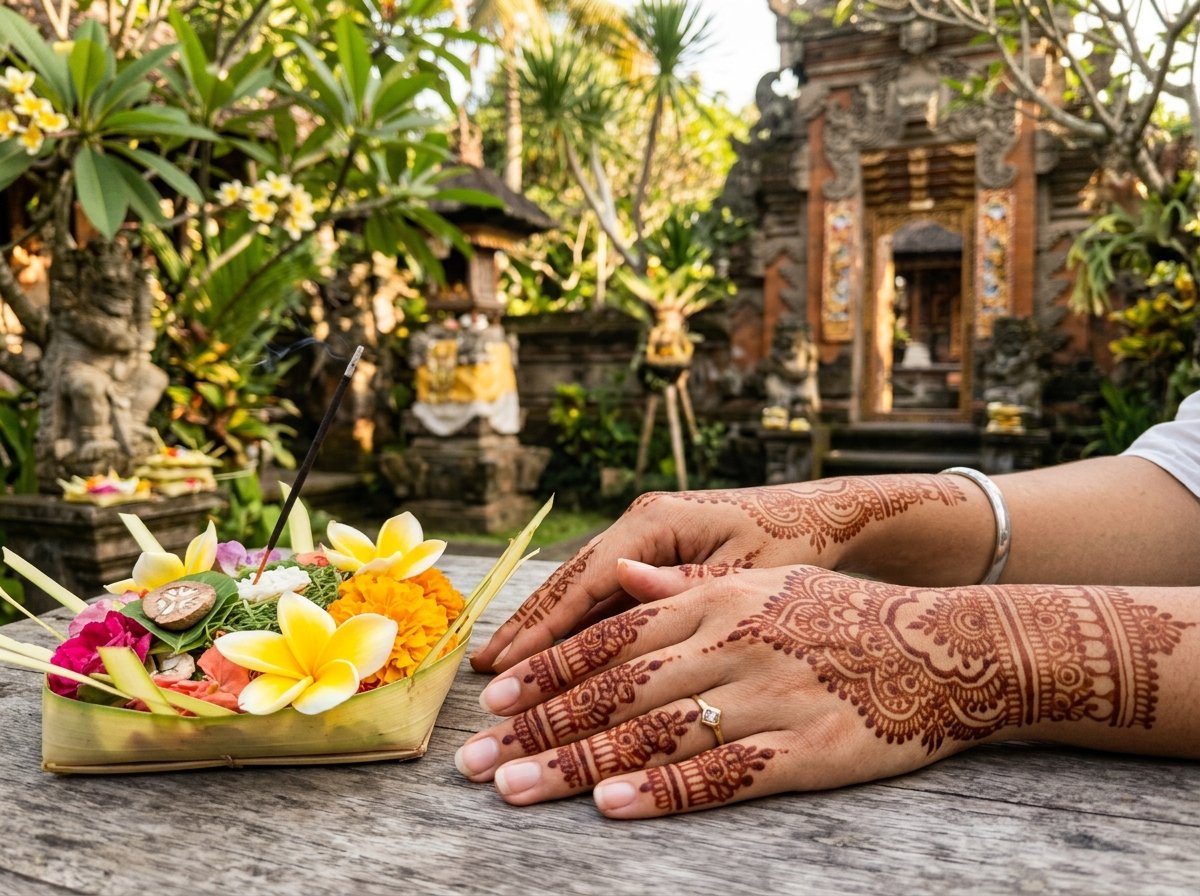
Bali has a way of making you want to decorate yourself. The island is already a visual feast. Frangipani flowers fall on stone paths. Temple offerings sit on every corner. The sunsets paint the sky in colors that do not seem real. It is no surprise that tourists want to add their own art to the experience. Henna feels like the perfect match. It is temporary. It is beautiful. It carries the spirit of the tropics on your skin.
But Bali henna comes with a warning that too many travelers learn the hard way. Beach vendors in Kuta and Seminyak often use black henna. This is not real henna. It is hair dye mixed with chemicals that can burn your skin and leave permanent scars. The good news is that safe, natural henna exists all over the island. You just need to know what to look for.

This guide will show you how to enjoy Bali holiday henna art without the risks. You will learn which designs work best in tropical heat. You will know exactly where to go and what to ask. You will understand aftercare that survives beach days and pool afternoons. And you will discover how henna fits into one of Bali’s most inspiring cultural events in 2026.
Why Tourists Love Henna in Bali
Henna is not a Balinese tradition. The island’s native body art is more connected to tattoo culture and ceremonial markings. Henna arrived with Indian weddings, Middle Eastern travelers, and global tourists who wanted temporary decoration. Over time, it became part of the Bali holiday experience.
Tourists love it because it feels like a souvenir you wear. A palm design on day one becomes a deeper stain by day five. You watch it change as your trip unfolds. It looks stunning in photos at beach clubs, rice terraces, and temple gates. It is also painless, which makes it appealing to families with children.
The problem is that demand grew faster than safety standards. When thousands of tourists want quick henna on the beach, unlicensed vendors see an opportunity. They use cheap black dye because it looks dramatic and dries fast. Natural henna takes hours to darken. Black henna looks instantly dark. Tourists think they are getting a better deal. They are not.
Natural Henna vs Black Henna: Know the Difference
This is the most important section of this guide. If you remember nothing else, remember this.
Natural henna comes from the leaves of the Lawsonia inermis plant. It is mixed with lemon juice, sugar, tea, and essential oils. The paste goes on greenish brown. It smells earthy and herbal. The stain starts orange and deepens to reddish brown over two days. It lasts one to two weeks. Natural henna rarely causes reactions.
Black henna is a chemical cocktail. It contains paraphenylenediamine, or PPD. This is the same ingredient found in black hair dye. PPD can cause chemical burns, blistering, itching, and lifelong scarring. Some samples tested from Kuta Beach contained over twelve percent PPD. Doctors say even less than one percent can harm the skin.
How to tell them apart before you sit down.
- Real henna paste is brown or greenish brown, never jet black.
- Real henna smells like herbs or tea. Black henna smells like chemicals or ammonia.
- Real henna artists will tell you the color develops over time. Black henna vendors promise instant dark results.
- Real henna artists work from studios or booked appointments. Black henna is often sold by wandering beach vendors with pre made cones.
If a vendor cannot tell you what is in their paste, walk away. If they promise a black stain that lasts a month, walk away. If they pressure you while you are sunburned or tired, walk away.
Where to Get Safe Henna in Bali
Location matters. The place you choose says a lot about the quality you will receive.
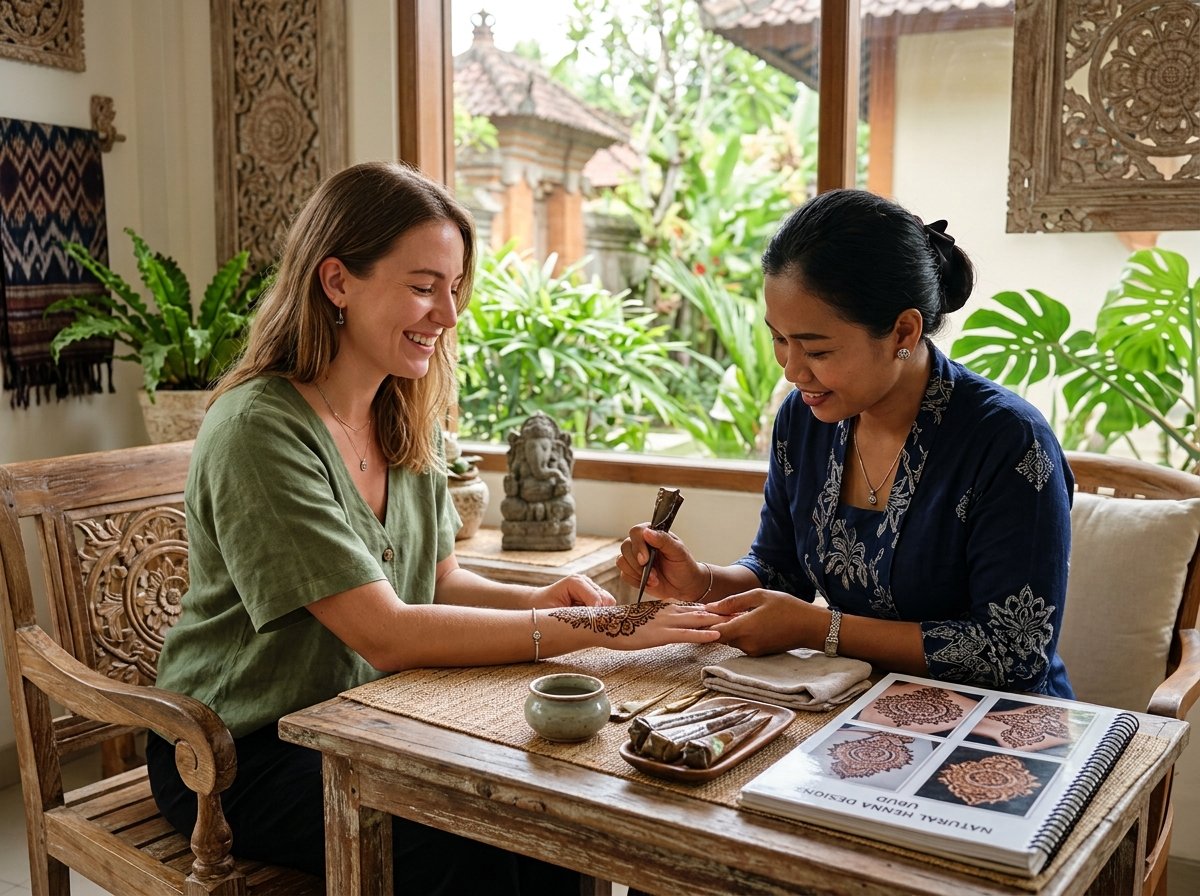
Professional studios in Seminyak and Ubud. These are your safest option. Studios like HiSUGARS in Seminyak and Ubud offer natural henna with trained artists. They use BPOM-registered products. They do patch tests. They work from a curated design catalog. You book ahead. You know what you are getting. Prices start around two hundred fifty thousand rupiah per hand for soft designs and go up to four hundred eighty thousand for luxe coverage.
Hotel spas and resort services. Many mid range and luxury hotels now offer henna as part of their spa menu. The quality varies, but hotels have a reputation to protect. They are less likely to use dangerous products. Ask the spa manager directly about ingredients. If they hesitate, skip it.
Beach vendors in Kuta, Seminyak, and Canggu. This is the highest risk option. Some beach artists use natural henna. Many do not. There is no way to verify ingredients while you are sitting on a lounger with a coconut drink. The Australian Department of Foreign Affairs and Trade specifically advises travelers to avoid temporary black henna tattoos in Indonesia. If you must use a beach vendor, ask to see them mix the paste fresh. Ask about ingredients. If anything feels off, politely decline.
Indian wedding henna artists. Bali hosts many Indian destination weddings. The henna artists who fly in for these events are often highly skilled. Some offer sessions for tourists between wedding bookings. These artists use traditional natural paste. The designs are intricate and authentic. You can find them through wedding planners or Instagram.
Best Henna Designs for Bali’s Tropical Climate
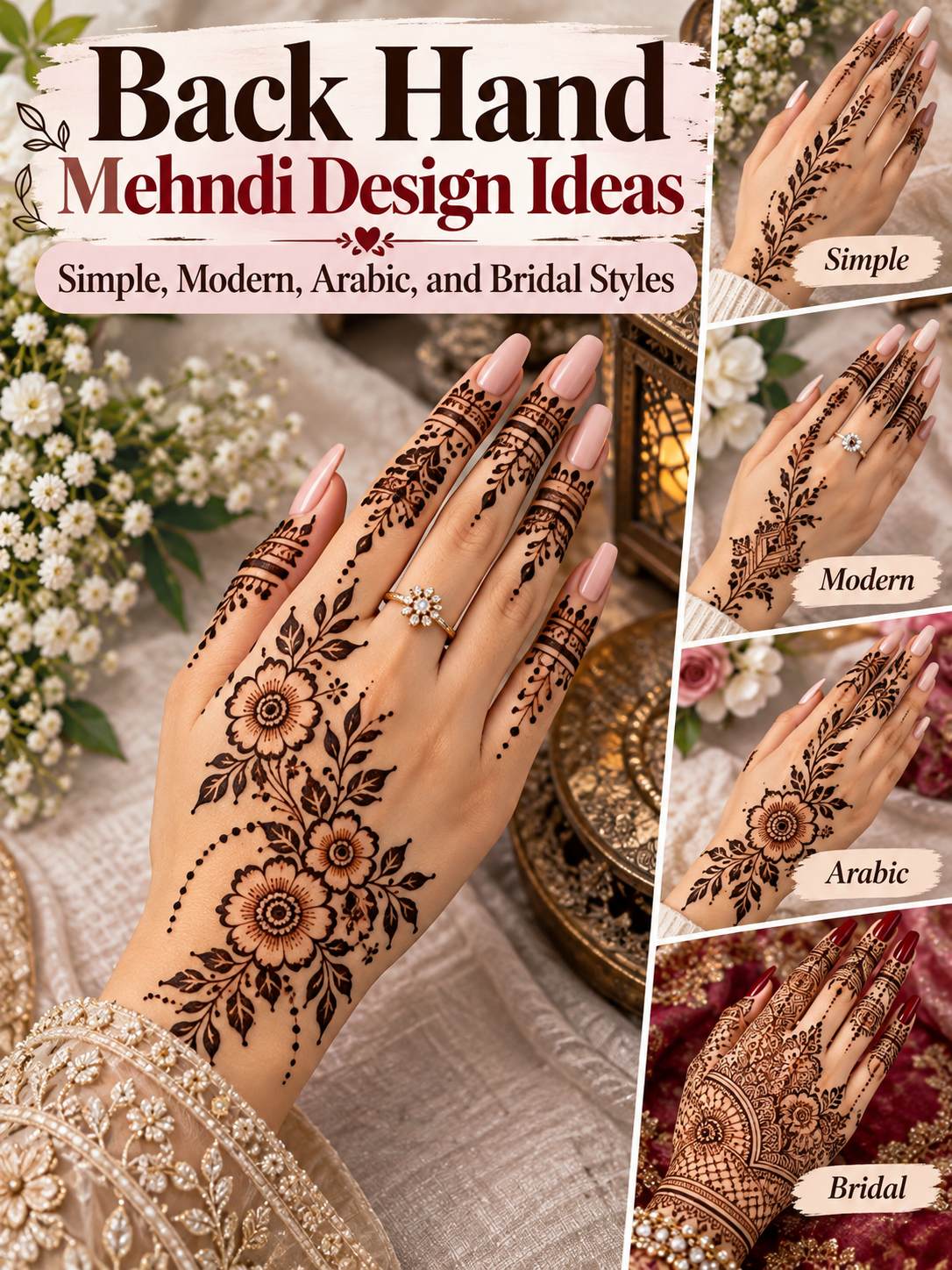
Bali is hot. It is humid. Your skin sweats. You swim. You apply sunscreen. Not every mehndi design survives this environment. If you want your henna to look good for your whole trip, choose wisely.
Open and airy designs dry faster. Dense bridal patterns trap moisture under thick paste. In Bali humidity, that paste can take hours to set. Choose designs with space between the lines. Floral trails, wrist mandalas, and finger bands work better than full palm coverage.
Wrist and ankle placements survive best. Your hands touch everything. Door handles, taxi seats, restaurant menus, surfboard wax. Wrist designs avoid most of this contact. Ankle designs stay hidden inside sneakers during active days and emerge beautifully at dinner. They also face less friction than palms.
Avoid fingertip details if you swim daily. Fingertips stain the darkest but also fade the fastest. If you plan to surf, snorkel, or spend hours in the pool, keep the design on the back of your hand or wrist.
Single side designs for surfers. If you surf, get henna on your back hand only. Your front hand grips the board. The wax and salt water will destroy detailed work within a day.
For more ideas on travel friendly styles that work anywhere, including Bali, see our guide to ten travel friendly mehndi designs for your next trip. It covers quick drying patterns, best body placements for active travelers, and packing tips for henna supplies.
Natural vs Instant Henna: Which One Suits Your Trip
Some Bali studios now offer instant henna. This is different from black henna. It is worth understanding so you can choose what fits your holiday.
Natural henna takes six to twelve hours to set. The color develops over forty eight to seventy two hours. It lasts six to ten days. It is one hundred percent plant based. This is the best choice if you are in Bali for two weeks or more. It is also the only safe option for children.
Instant henna dries in ten to fifteen minutes. The color appears immediately in red or maroon tones. It lasts four to seven days. It contains henna powder plus a skin safe synthetic dye. It is BPOM registered and tested. This works well if you are only in Bali for five days and want color right away. It is not recommended for kids under five or anyone with sensitive skin.
If you are attending a special event like a beach club party or a festival, instant henna gives you immediate results. If you want the stain to deepen as your trip unfolds, go natural.
Timing Your Henna Around Bali Activities
When you get henna matters as much as where you get it. Plan around your itinerary.
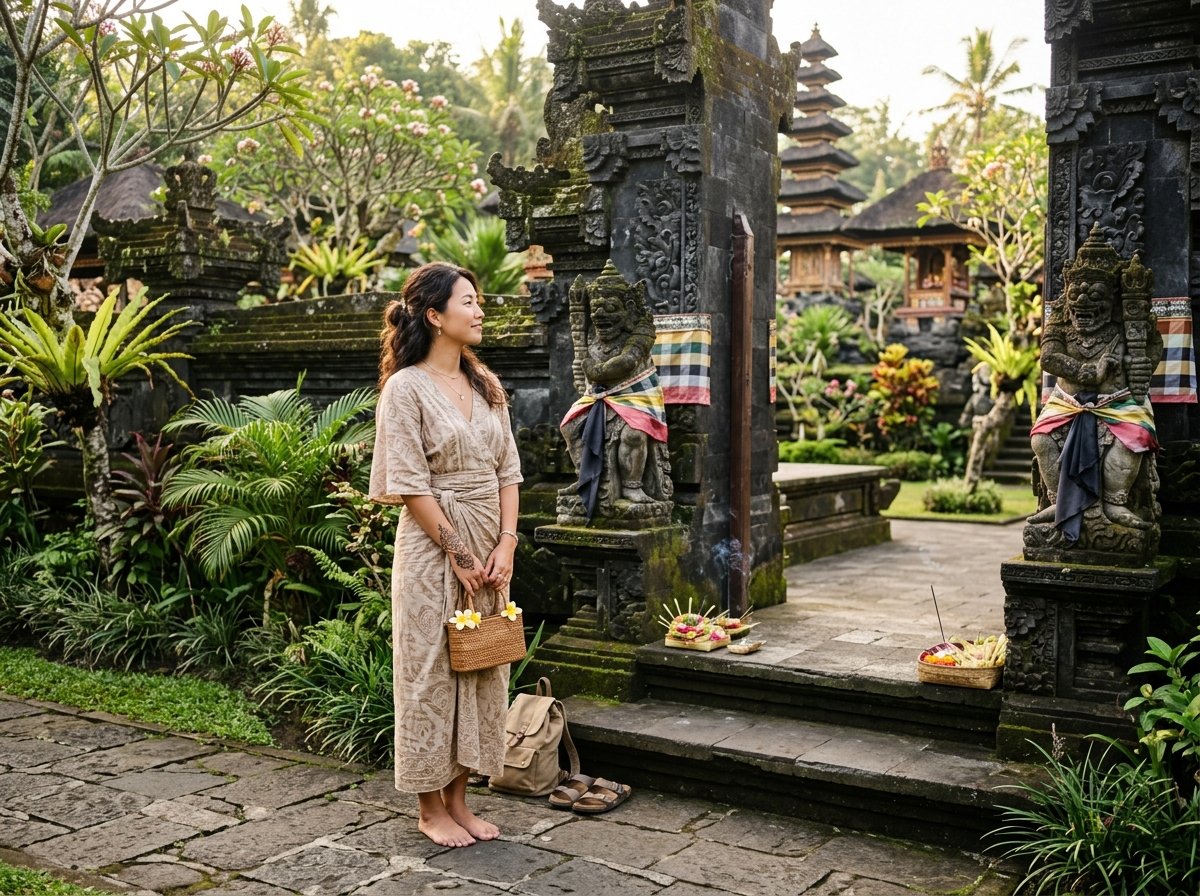
Get henna two days before temple visits. Many temples require you to wash hands and feet before entering. Fresh henna hates water. Give it forty eight hours to set before you visit Uluwatu, Tanah Lot, or Tirta Empul.
Avoid henna the day before surfing. Salt water, board wax, and constant hand contact in the water will ruin fresh paste. Wait until after your surf sessions.
Apply the night before a beach club day. By morning the paste is ready to scrape off. The stain has all day to oxidize while you lounge at Potato Head or Finns. Just avoid swimming for the first twenty four hours after removing the paste.
Do not get henna on sunburned skin. Bali sun is strong. Henna on burned skin can cause irritation even with natural paste. Wait until your skin recovers.
Plan around Nyepi if visiting in March. The island shuts down completely for twenty four hours. No flights, no traffic, no lights. You cannot get henna done on Nyepi day. In 2026, Nyepi falls on March 19.
Aftercare That Works in Bali Humidity
Standard henna aftercare assumes dry air. Bali is the opposite. Here is how to protect your stain in tropical conditions.
Keep the paste on overnight. In dry climates, six hours is enough. In Bali humidity, the paste needs more time to penetrate. Sleep with it on. Scrape it off in the morning with a butter knife or old card. Do not wash it off with water.
Use coconut oil as a barrier. Bali is full of fresh coconut oil. Apply a thin layer after removing the paste. It protects against sweat and salt air. Reapply before swimming or showering.
Avoid sunscreen on the design for two days. Sunscreen chemicals can react with fresh henna and lighten the stain. Cover the area with a light sarong or sleeve instead.
Sleep with loose cotton gloves or socks. Hotel sheets in Bali are often white. Fresh henna can stain fabric. Cover hand designs with soft tissue paper and loose cotton gloves. Cover foot designs with clean socks.
Stay cool after application. Heat helps darken henna, but sweating while the paste is still wet makes it smudge. Sit in air conditioning for the first two hours if possible.
Henna and the 2026 Ubud Writers and Readers Festival
If you want henna to be part of a truly memorable Bali moment, plan your trip around the Ubud Writers and Readers Festival. This event runs from October 21 to October 25, 2026. It is one of Southeast Asia’s most respected literary gatherings. Authors, poets, and artists from across the world come to Ubud for four days of talks, workshops, and performances.
Ubud is Bali’s cultural heart. The town is full of galleries, yoga studios, and craft markets. A delicate wrist mandala or a floral hand design fits perfectly here. It feels artistic without being touristy. Many festival attendees wear small pieces of body art as a form of self-expression.
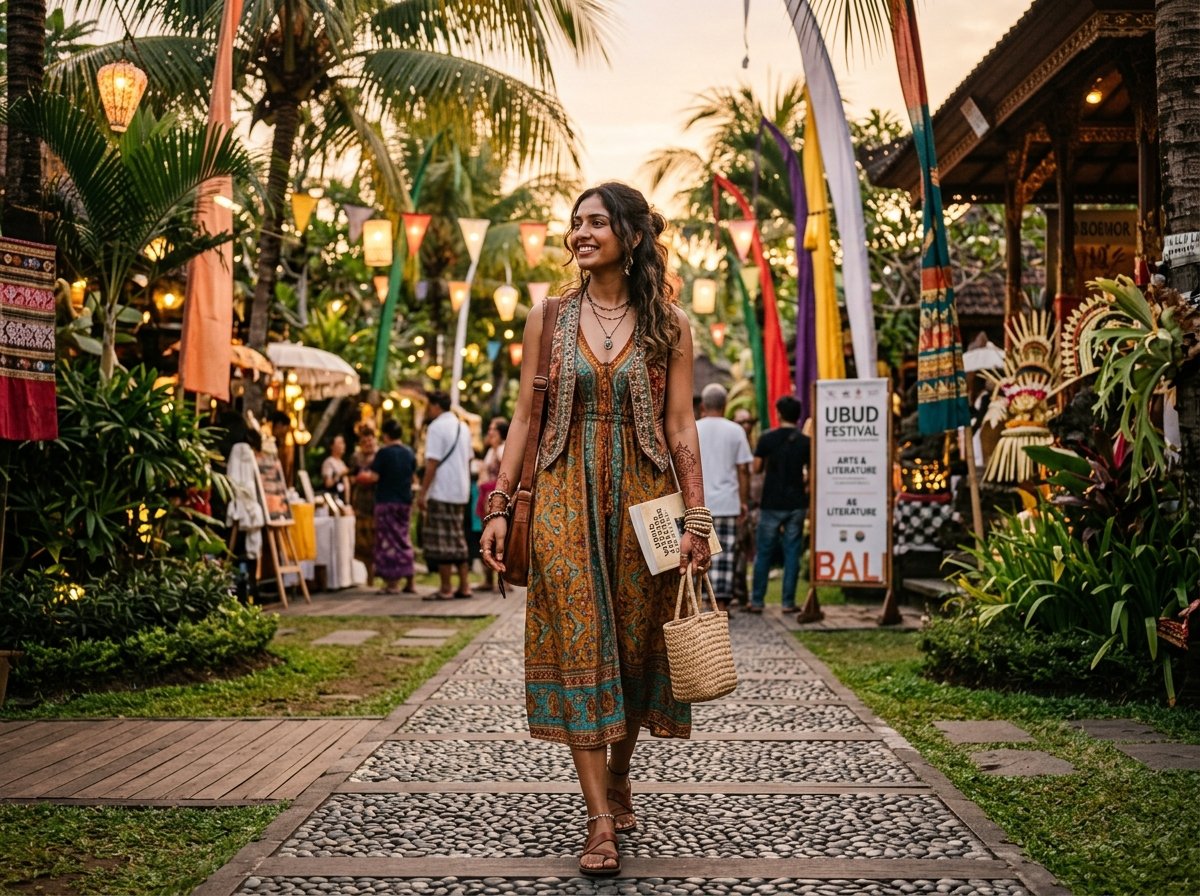
The weather in late October is warm but less humid than the peak summer months. This is ideal for henna application. Your stain will set cleanly without the heavy sweat of July or August.
If you attend the opening night on October 21, get your henna done on October 19. This gives the stain two full days to deepen before the festival begins. You will walk into events with rich, dark art on your skin. It becomes part of your festival story.
Family Safety: Henna with Kids in Bali
Parents see the horror stories and panic. You do not need to ban henna entirely. You just need to be smart.
Choose studios over beach vendors for children. A professional space with visible hygiene standards is always safer than a random sidewalk setup.
Insist on natural henna only. Instant henna is not recommended for young kids. Natural henna made from pure Lawsonia inermis is gentle and safe for children aged five and up.
Request a patch test. Good studios offer a small patch test on the inner arm. Wait five minutes. If the skin turns red or itchy, do not proceed.
Keep designs small. Kids touch everything. They scratch. They swim. A small wrist flower or ankle dot is easier to protect than a full palm design.
Watch for reactions even with natural henna. Allergies are rare but possible. If your child complains of itching, burning, or pain, wash the area immediately and seek medical help.
Products That Make Bali Henna Easier
You do not need to bring much from home. Three smart products help you enjoy henna safely while traveling.
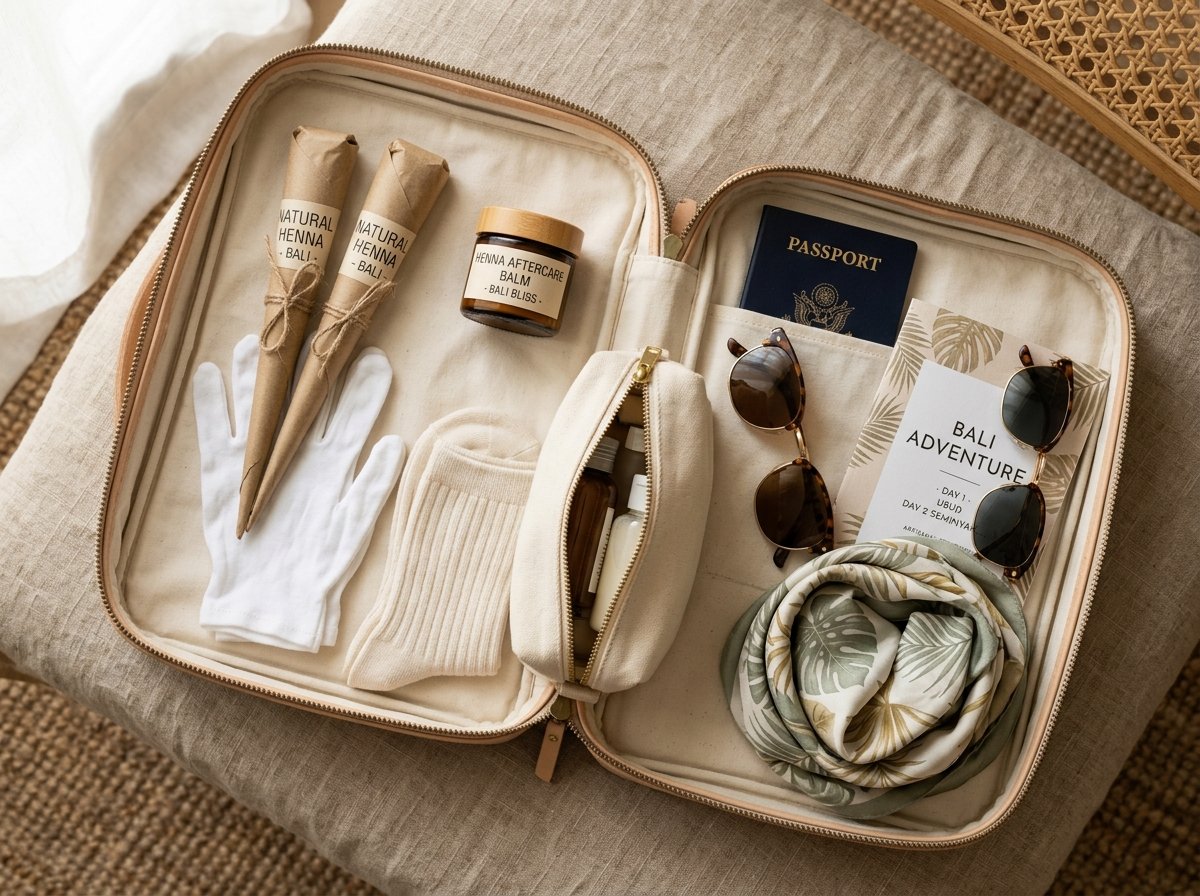
Natural Henna Cone Set. A pack of premixed natural henna cones is perfect if you want to apply your own design in your villa or hotel room. Look for cones that list only henna powder, lemon juice, sugar, and essential oils. No PPD. No synthetic dyes. These are great for touch ups or for small designs between studio visits.

Henna Cones 3 × 30 g Pack
Henna Aftercare Balm. A small tin of natural balm made with shea butter and coconut oil keeps your stain dark in Bali humidity. Apply it twice daily. It creates a barrier against salt water, sweat, and sunscreen.

Hustle Butter Fragrance Free Tattoo Aftercare 5oz Tattoo Balm
Cotton Gloves and Socks Set. Fresh henna and white hotel sheets do not mix. A pack of soft cotton gloves and ankle socks lets you sleep comfortably without ruining the bedding. They are lightweight and take up almost no suitcase space.

4 Pairs White Cotton Moisturizing Socks Gloves
Other Temporary Body Art Options in Bali
Henna is not the only temporary art on the island. If you want something different, consider these.
Jagua tattoos. This comes from the juice of the Genipa americana fruit. It stains the skin blue black and lasts one to two weeks. It is natural and safe. Some studios in Seminyak and Canggu offer it as an alternative to black henna.
White henna. This is not real henna. It is a body paint that sits on top of the skin. It looks stunning in photos against tanned skin. It washes off in one to three days. Perfect for a single event or party night.
Henna inspired jewelry. If you do not want anything on your skin, many Bali markets sell silver jewelry with henna inspired filigree patterns. It gives the same visual effect without any aftercare.
Frequently Asked Questions
Is henna legal in Bali?
Yes. Natural henna is legal and widely available. Black henna containing PPD is technically restricted but still sold by some beach vendors.
How much does henna cost in Bali?
Studio prices range from two hundred fifty thousand to four hundred eighty thousand rupiah per hand depending on design complexity. Beach vendors may charge less, but the risk is higher.
Can I get henna if I have sensitive skin?
Yes, but choose natural henna only. Request a patch test at any professional studio. Avoid instant henna and never use black henna.
How long before my flight should I get henna?
Get it at least two days before you fly. Fresh henna can stain airplane seats and tray tables if the paste is not fully set. Dark stains also attract attention at security, though they will not stop you from flying.
Will sunscreen ruin my henna?
Sunscreen can lighten fresh stains during the first forty eight hours. After that, it has minimal effect. Use physical barriers like sleeves or cloth for the first two days.
Can I swim with henna?
Wait twenty four hours after removing the paste before swimming. After that, apply coconut oil before entering salt water or pools. This protects the stain.
Is henna part of Balinese culture?
Not traditionally. Henna comes from Indian and Middle Eastern traditions. It became popular in Bali through tourism and destination weddings. Balinese native body art includes permanent tattoos and ceremonial markings.
What should I do if I react to henna?
Wash the area immediately with mild soap and water. Apply a cold compress. If blistering or severe itching occurs, see a doctor. Tell them you may have been exposed to PPD.
Final Thoughts
Bali holiday henna art can be one of the most beautiful parts of your trip. The key is knowledge. Know the difference between natural and black henna. Know where to go. Know how to time it around your activities. Know how to care for it in tropical weather.
A safe henna experience in Bali is absolutely possible. Thousands of tourists enjoy it every year without any problems. They choose studios over sketchy beach vendors. They ask questions about ingredients. They plan their designs around surf sessions and temple visits.
Whether you want a single wrist flower for a sunset dinner in Jimbaran or an intricate ankle vine for the Ubud Writers and Readers Festival in October 2026, Bali has safe options for you. Do your research. Trust your instincts. And let your holiday art become part of your island story.