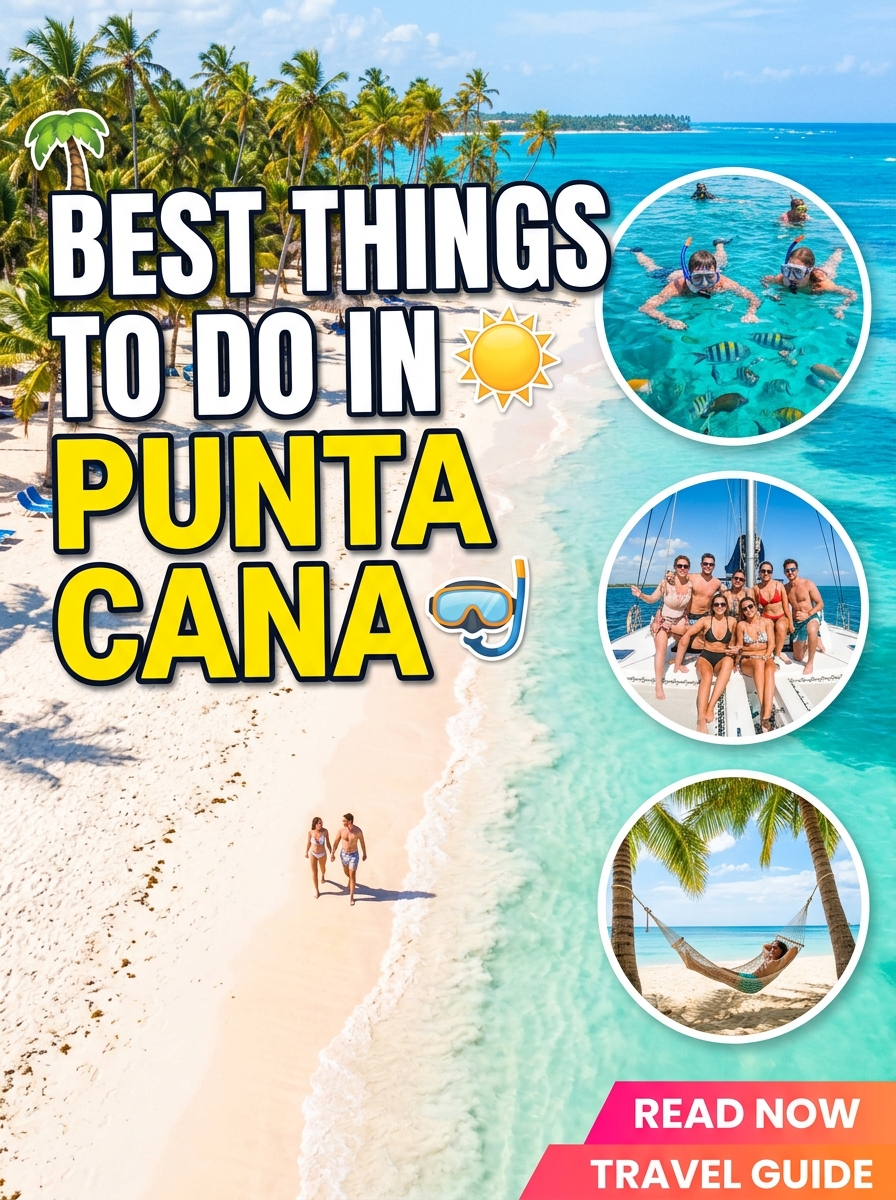
Punta Cana is the kind of place that makes you forget you have emails.
It sits on the eastern tip of the Dominican Republic, where the Caribbean Sea meets the Atlantic Ocean. The result? 62 miles of coastline, warm turquoise water, coconut palms that look photoshopped, and a mix of activities that works for everyone: beach lovers, adventure seekers, foodies, families, and honeymooners.
Most people book an all-inclusive and assume the pool is the plan. That’s a mistake. The real Punta Cana is outside the resort gates, and this guide covers all of it the classics, the underrated spots, and the things competitors rarely mention.
And if you’re the type who loves exploring beyond one destination, Punta Cana is actually a brilliant base. From here you can branch out and explore the best places to visit in the Dominican Republic from colonial Santo Domingo to the waterfalls of Jarabacoa.
1. Spend a Day on Bávaro Beach
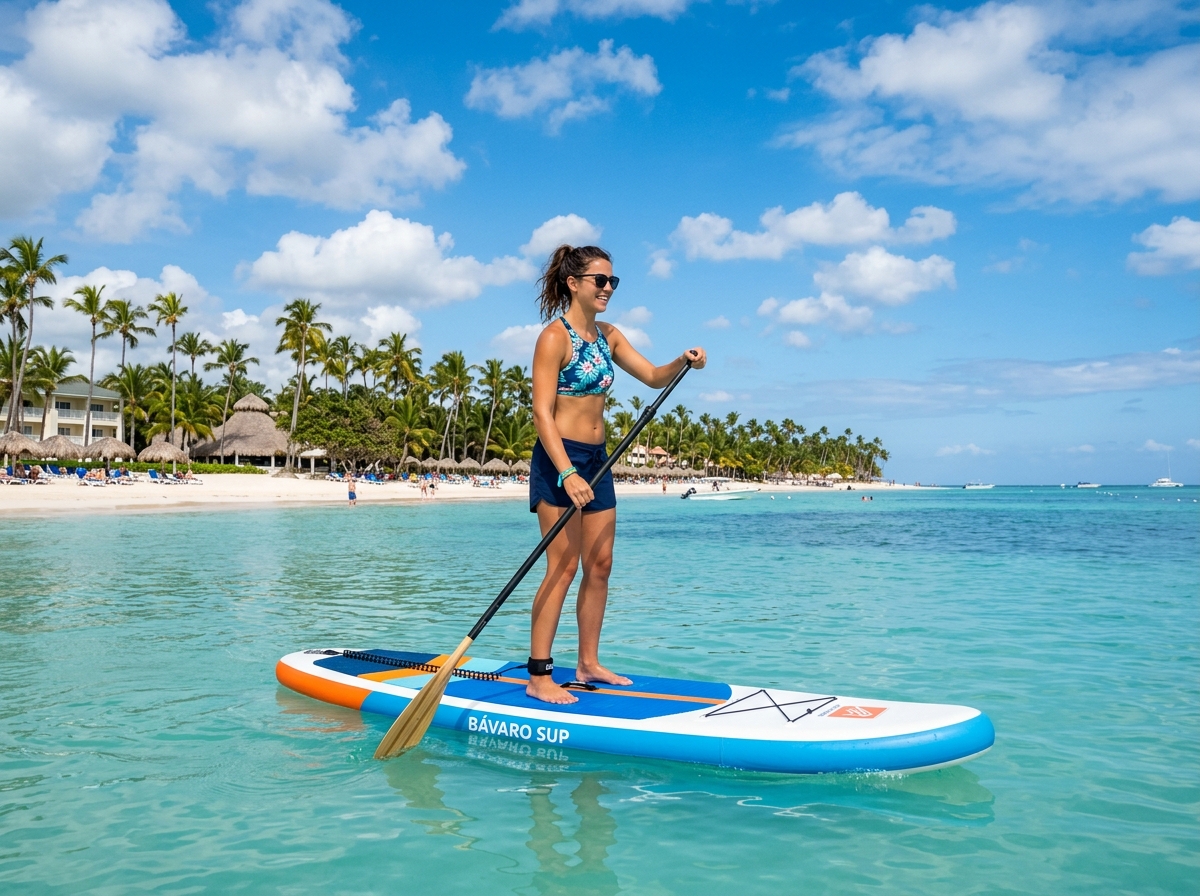
This is non-negotiable. Bávaro Beach is one of the most beautiful beaches in the Caribbean — wide, white, powdery sand, and water so clear you can see your feet at waist depth.
It stretches for miles and has several sections. El Cortecito is the most lively, with vendors, restaurants, and easy public access. Arena Gorda is wider with calmer water, perfect for families with small kids. Corales sits next to the main resort strip.
Tips for Bávaro Beach:
- Go early (before 9 a.m.) to get a good spot and beat the heat
- Public access points exist at Bibijagua and El Cortecito — you don’t need a resort stay
- Bring reef-safe sunscreen — the coral reefs here are protected
- Water sports operators along the beach offer parasailing, jet skiing, and paddleboarding
2. Take a Day Trip to Saona Island
If there is one thing you do in Punta Cana, make it this.
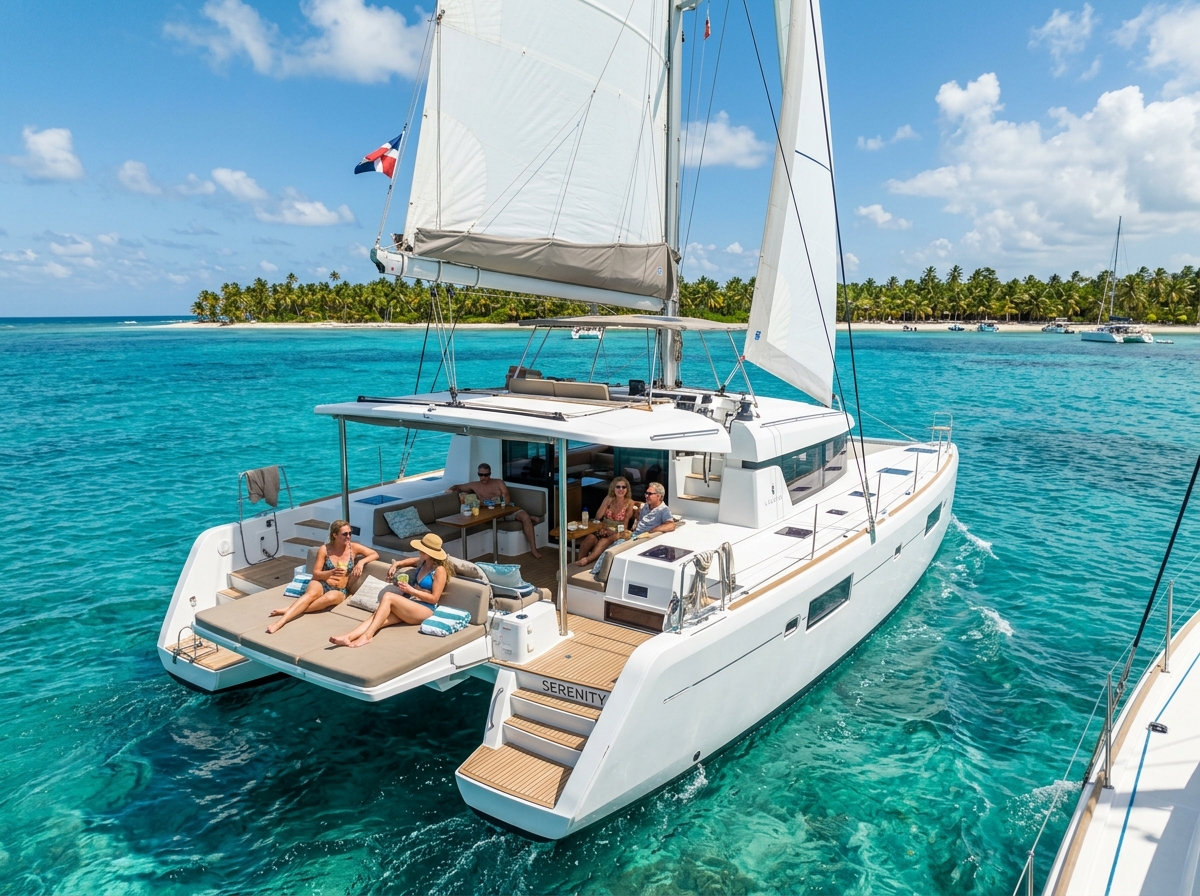
Saona Island is a protected nature reserve about two hours from Punta Cana. The water is almost impossibly blue, the beaches are empty except for a small fishing village, and the ride there on a catamaran — with music, drinks, and a stop at a natural pool full of starfish — is half the fun.
Most tours depart from Bayahibe and include round-trip transport, lunch, and open bar. It’s a full-day experience and worth every penny.
What to expect:
- Crystal-clear natural pools with starfish on the way over
- White-sand beaches with no high-rise buildings in sight
- Snorkeling over vibrant coral reefs
- A visit to Mano Juan village, where the island’s small community lives
- Dolphins, iguanas, and pelicans are common sightings
Tour prices range from around $70 to $150 depending on the type of boat and what’s included. Catamaran party tours are the most popular. Private charters are available for couples or small groups who want something quieter.
3. Explore Scape Park and Swim in Hoyo Azul
Scape Park is an eco-adventure park in Cap Cana that honestly deserves a full day.
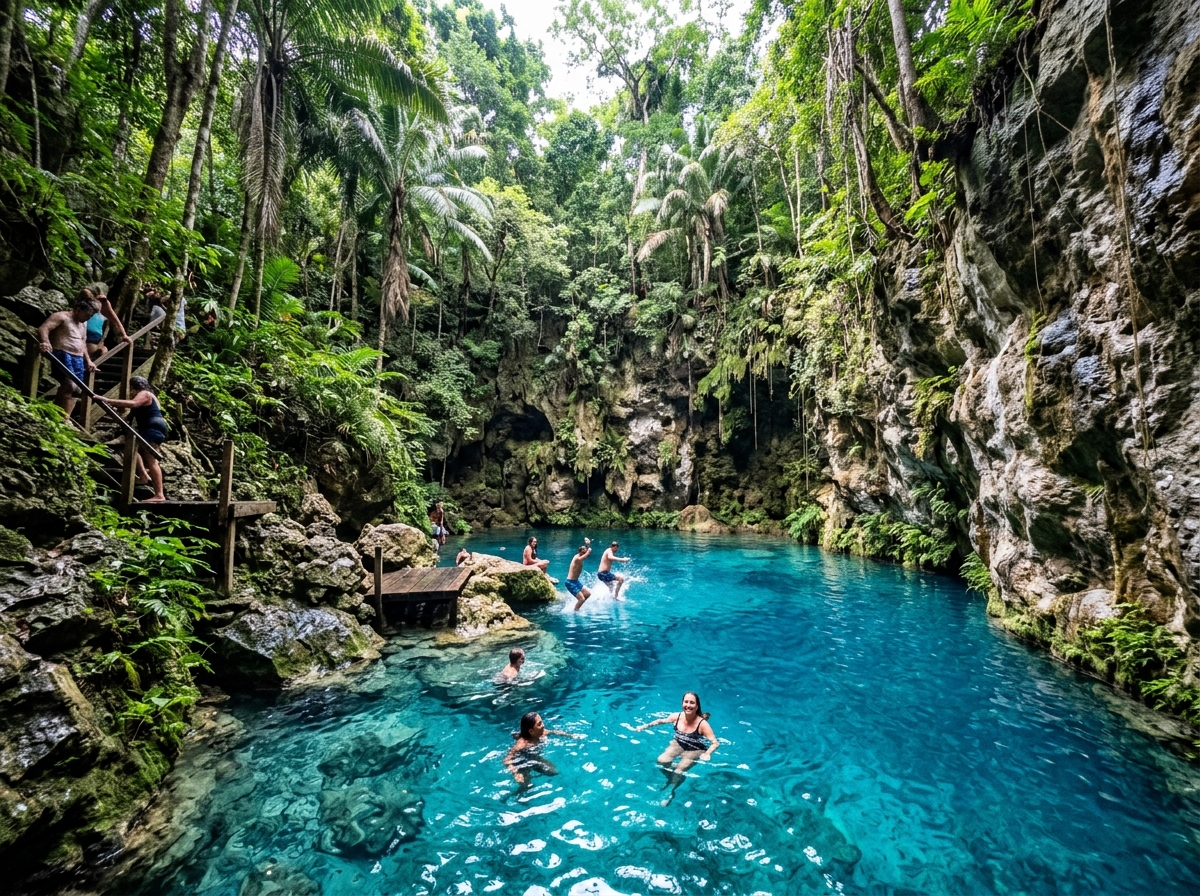
The star attraction is Hoyo Azul — a natural cenote with strikingly blue water surrounded by jungle walls. The Taíno people considered it sacred, and once you see it, you’ll understand why. The water temperature stays cool even in peak summer, which makes jumping in feel incredible.
Beyond the cenote, Scape Park offers:
- Zip-lining over the jungle canopy
- Underground cave exploration
- Parrot Island (yes, you walk through a parrot habitat)
- Iguanaland, where you can get up close with rhinoceros iguanas
- ATV trails through the forest
It’s great for families, adventure couples, or anyone who wants something more than a beach chair.
4. Book a Dune Buggy or ATV Tour
This is one of those activities that sounds a bit touristy but is genuinely, unexpectedly fun.
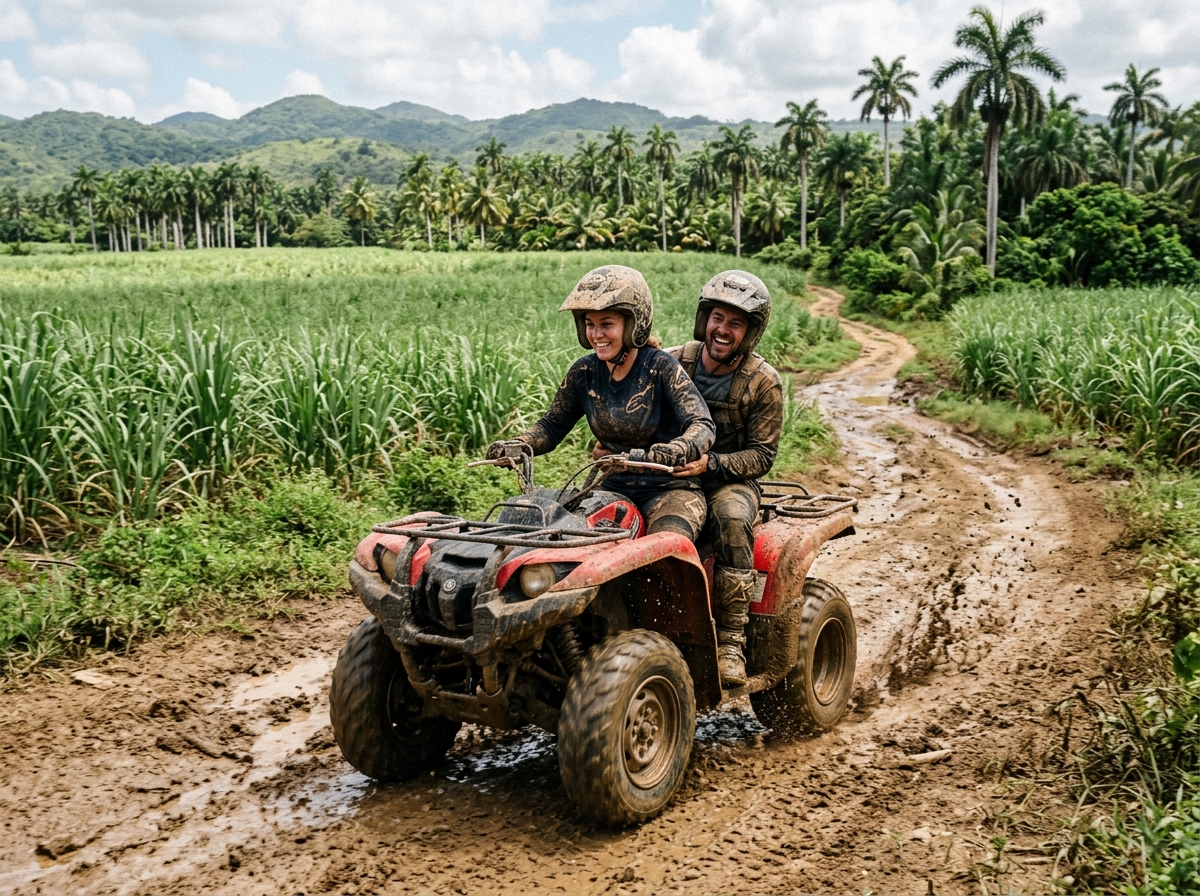
You ride through rural Dominican countryside — past sugarcane fields, small villages, and cocoa plantations — before stopping at a cenote to swim. Most tours also include a stop where you learn how cacao becomes chocolate and taste fresh Dominican coffee straight from the source.
You come back muddy and covered in dust, which is somehow part of the appeal.
What different tours offer:
- Solo ATVs or two-person buggies
- Guided rides from 2 to 5 hours
- Cultural stops at local farms
- Cenote or beach swim at the end
- Pick-up and drop-off from most resorts
Price range: $60–$120 per person. Book through your resort activity desk or a reputable local operator to avoid scams.
5. Take a Catamaran Party Cruise
A catamaran tour is a Punta Cana rite of passage.
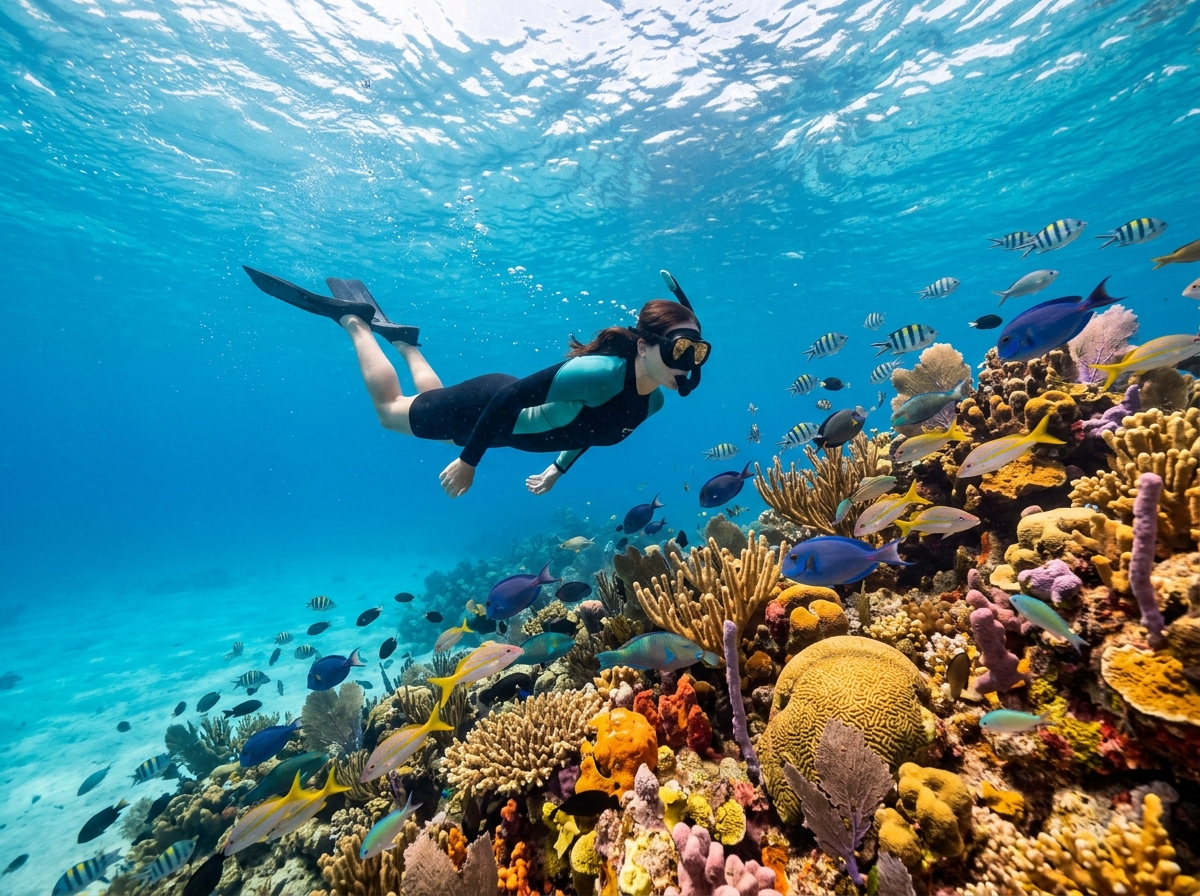
You sail along the coconut coast with a group, snorkel over reefs, swim with stingrays, and generally have the best afternoon of your trip. The boats have open bars (rum punch is the default), good music, and a crew that actually knows how to throw a party on water.
For a quieter version, some operators offer sunset cruises with smaller boats, wine, and without the bass-heavy speakers.
Good to know:
- Most tours last 3–5 hours
- Snorkeling gear is usually included
- Some tours stop at Catalina Island for snorkeling
- Prices range from $50–$100 per person
A waterproof phone pouch is essential on these boats — the JOTO Waterproof Phone Pouch is a bestseller among travelers for exactly this kind of day. It keeps your phone dry, takes photos underwater, and costs almost nothing.

JOTO 2 Pack Universal Waterproof Phone Case
6. Visit the Indigenous Eyes Ecological Reserve
Most resort guests walk right past the sign for this place. Don’t.
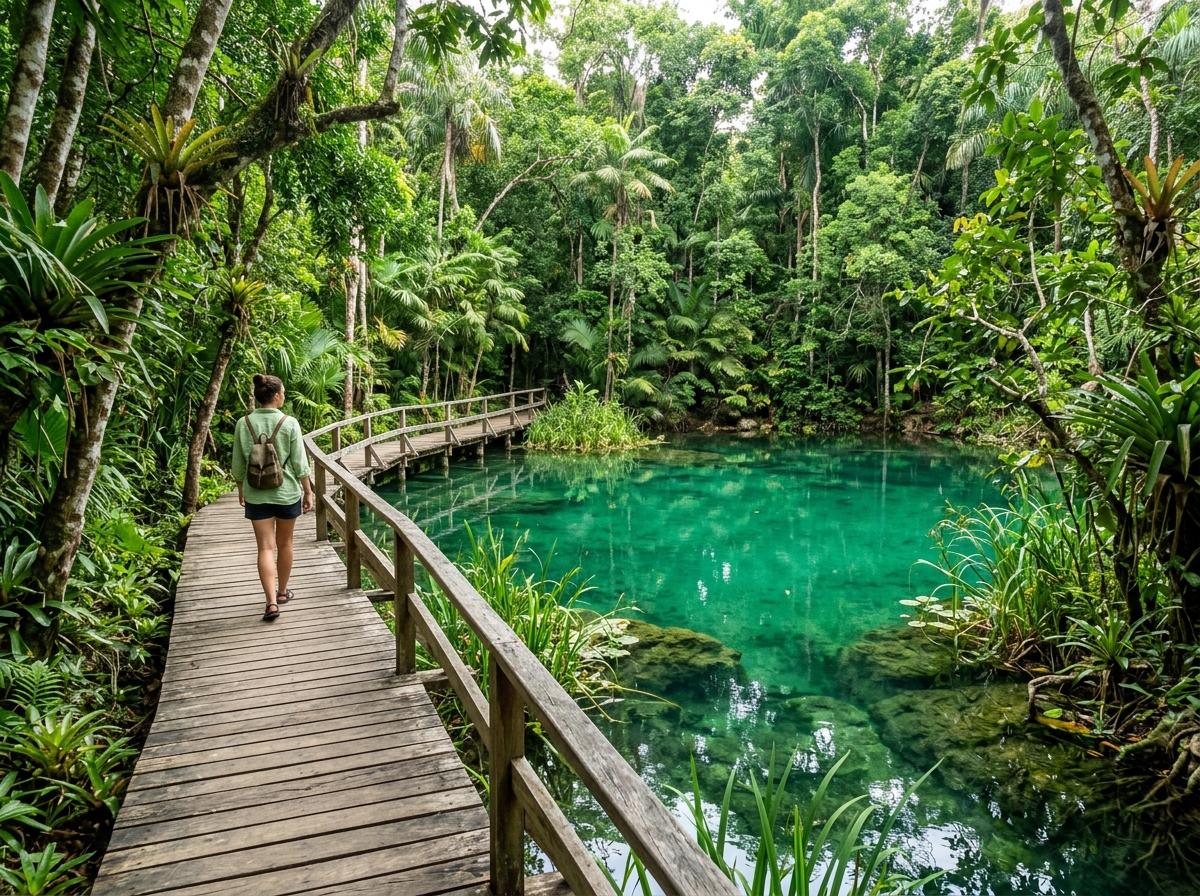
The Indigenous Eyes Ecological Reserve sits inside the Punta Cana Resort & Club property — a 1,500-acre protected forest with 12 freshwater lagoons (the “eyes”) formed by the Yauya River. The water is clear, the jungle is dense, and in a few designated spots you can swim in the lagoons themselves.
It’s one of the most peaceful things you can do in Punta Cana, and it feels a world away from the resort pool.
Bring water shoes — the trail gets muddy and the lagoon entry points have slippery rocks.
7. Try the Nightlife: Coco Bongo or ORO Nightclub
When the sun goes down, Punta Cana does not slow down.
Coco Bongo is the most famous venue — a massive entertainment complex with acrobatic performers, live impersonations, and non-stop music that blends reggaeton, pop, and bachata. It’s more show than club, and it’s genuinely impressive. Doors open around 10 p.m. and things get going well past midnight.
ORO Nightclub inside the Hard Rock Hotel is for people who want a proper nightclub experience. Two levels, a two-story LED wall with over 300 screens, world-class DJs, and space for 1,000 people. VIP tables book out fast during peak season — reserve in advance.
For something more local and relaxed, head to El Cortecito area where small bars play live bachata and merengue. Much cheaper, much more authentic.
8. Play Golf at La Cana or Corales
Punta Cana is one of the Caribbean’s best golf destinations, and this is something most articles treat as a footnote.
La Cana Golf Course has ocean views on almost every hole and is considered one of the most scenic courses in the Caribbean.
Corales Golf Course at Puntacana Resort & Club hosted the Dominican Republic’s first PGA Tour event in 2025 — which tells you everything about its quality. Eighteen holes, oceanfront holes that drop toward the sea, and facilities that rival anything in Florida.
Green fees range from $150 to $300+, but for serious golfers, this is a bucket-list round.

9. Learn to Surf at Macao Beach
Macao Beach is the only major beach in Punta Cana that doesn’t have resort development along it. That’s a big deal.
The waves here are real — consistent and strong enough for surfing, which makes it unusual for this coastline. Several surf schools operate right on the beach and offer lessons for complete beginners. If you’ve never surfed and want to try, this is an ideal low-pressure spot.
The beach itself is wider and wilder than Bávaro. Fewer crowds, bigger waves, darker sand, and more dramatic scenery. It’s worth visiting even if you skip the surfing.
10. Do a Cultural Excursion to a Local Village
This is the gap most Punta Cana travel guides completely ignore.
The Dominican Republic has a rich, layered culture — Taíno roots, African heritage, Spanish colonial history, and a Caribbean energy all its own. The best way to touch that culture is to leave the resort zone and spend even half a day somewhere real.
Options:
- Higüey — a 30-minute drive west, home to the Basilica of Our Lady of Altagracia, one of the most important pilgrimage sites in the Caribbean. The architecture alone is worth the trip.
- Monkeyland — part wildlife encounter, part cultural experience, where you meet friendly squirrel monkeys and see demonstrations of rural Dominican farming life
- Local cooking classes — several operators offer hands-on classes teaching sancocho, mangu, and fresh seafood dishes. You eat what you cook.
Punta Cana is a fantastic destination, but the Dominican Republic itself is much deeper than the tourist zone. If you want to explore beyond Punta Cana, check out our guide to the best places to visit in the Dominican Republic for everything from Santo Domingo’s colonial city to the mountain waterfalls of the interior.
11. Snorkel or Dive at Catalina Island
Catalina Island is Saona’s quieter, more dive-focused cousin.
The water around the island is exceptionally clear, and the coral reefs are home to stingrays, colorful parrotfish, sea turtles, and moray eels. It’s one of the best snorkeling spots in the country and a top-rated beginner scuba site.
Most day tours from Punta Cana combine Catalina Island with a catamaran ride and a beach lunch. The island itself has a small beach and a simple bar — no development beyond that.
If you’re a certified diver, a two-tank dive trip to Catalina costs around $100–$140 and is genuinely worth it.
12. Watch the Sunset From a Beachfront Bar
This costs nothing and is one of the best things you can do.
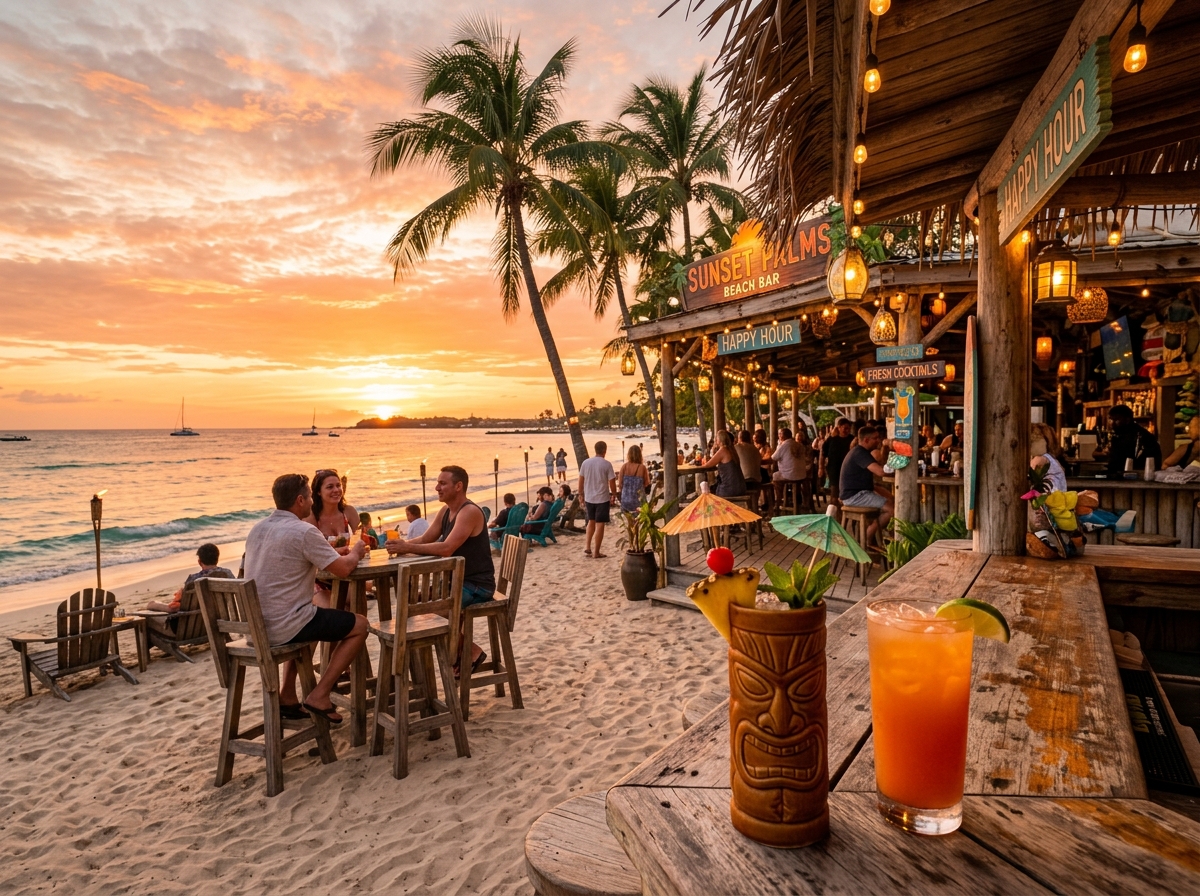
Punta Cana faces east, which means mornings are sunrise territory. But the light in the late afternoon turns everything gold, and a cold Presidente beer (Dominican lager, do not leave without trying one) on a beachfront terrace as the sky changes color is the exact image you came here for.
Bars in El Cortecito and along the Cap Cana marina are especially good for this.
Practical Tips Before You Go
Best time to visit: December to April (dry season, lower humidity, sunny every day). May to June and September to November are shoulder season — fewer crowds, better prices, occasional showers.
Getting around: Most resorts offer shuttle buses to popular spots. For flexibility, hire a private driver or use a reputable local tour operator. Taxis from the airport to Bávaro take about 25–30 minutes and cost $30–$40.
Money: US dollars are widely accepted in tourist zones. Carry small bills for tips and beach vendors. ATMs are available in the resort areas.
Safety: Punta Cana is generally very safe for tourists. Stick to established tourist areas, book tours through reputable operators, and use hotel safes for valuables.
Packing essentials: High-SPF reef-safe sunscreen, water shoes for cenotes and rocky beaches, a dry bag for boat trips. The Sea to Summit Ultra-Sil Dry Sack is lightweight, packable, and keeps your camera and documents dry on catamaran tours or rainy-day excursions.
FAQs
What is Punta Cana best known for?
Its beaches — especially Bávaro Beach, which consistently ranks among the best in the Caribbean. It’s also known for all-inclusive resorts, watersports, and proximity to Saona Island.
Is Punta Cana good for families?
Yes. The calm, shallow water at Bávaro and Arena Gorda is ideal for kids. Monkeyland, Scape Park, and the Indigenous Eyes Reserve are all family-friendly. Most resorts also have kids’ clubs and pools.
How many days do you need in Punta Cana?
Five to seven days is ideal. That gives you time for beach days, a Saona Island trip, an adventure tour, and some evenings out without feeling rushed.
Is it safe to leave the resort in Punta Cana?
Yes, with basic common sense. The main tourist areas are very safe. Book excursions through established operators, keep valuables secured, and you’ll have no problems.
What food should you try in Punta Cana?
Don’t leave without eating fresh grilled lobster from a beachside shack, sancocho (a hearty Dominican stew), mangu (mashed plantains), and chicharrón. Drink a Presidente beer and try Mamajuana — a local rum-based infusion.
Can you visit Punta Cana on a budget?
Compared to other Caribbean islands, yes. Public beaches are free, local restaurants are cheap, and shoulder-season flights and hotels can be very affordable.
Final Thoughts
Punta Cana is more than a pool and a buffet.
The best version of a Punta Cana trip involves a morning at Bávaro Beach, a full day on Saona Island, one adventure tour through the countryside, and at least one late night somewhere with live bachata music. That combination covers everything this destination does well.
The beaches are genuinely world-class. The activities are varied enough that no two days need to look the same. And the Dominican warmth — from hotel staff to local vendors to strangers on the street — makes the whole trip feel easy.
Book the trip. Go outside the resort. Eat the lobster.