
Alaska is massive. It stretches across four time zones and feels like a different world depending on the month. Pick the wrong time and you might fight crowds, pay top dollar, or miss the very things you came for like bears scooping salmon or the northern lights lighting up the sky.
The good news? There is no single “best” time. It depends on what you want. Most travelers from the Lower 48 come for summer wildlife and long days. Others chase the aurora or winter snow sports. Shoulder months give you the sweet spot of good weather and lower prices.
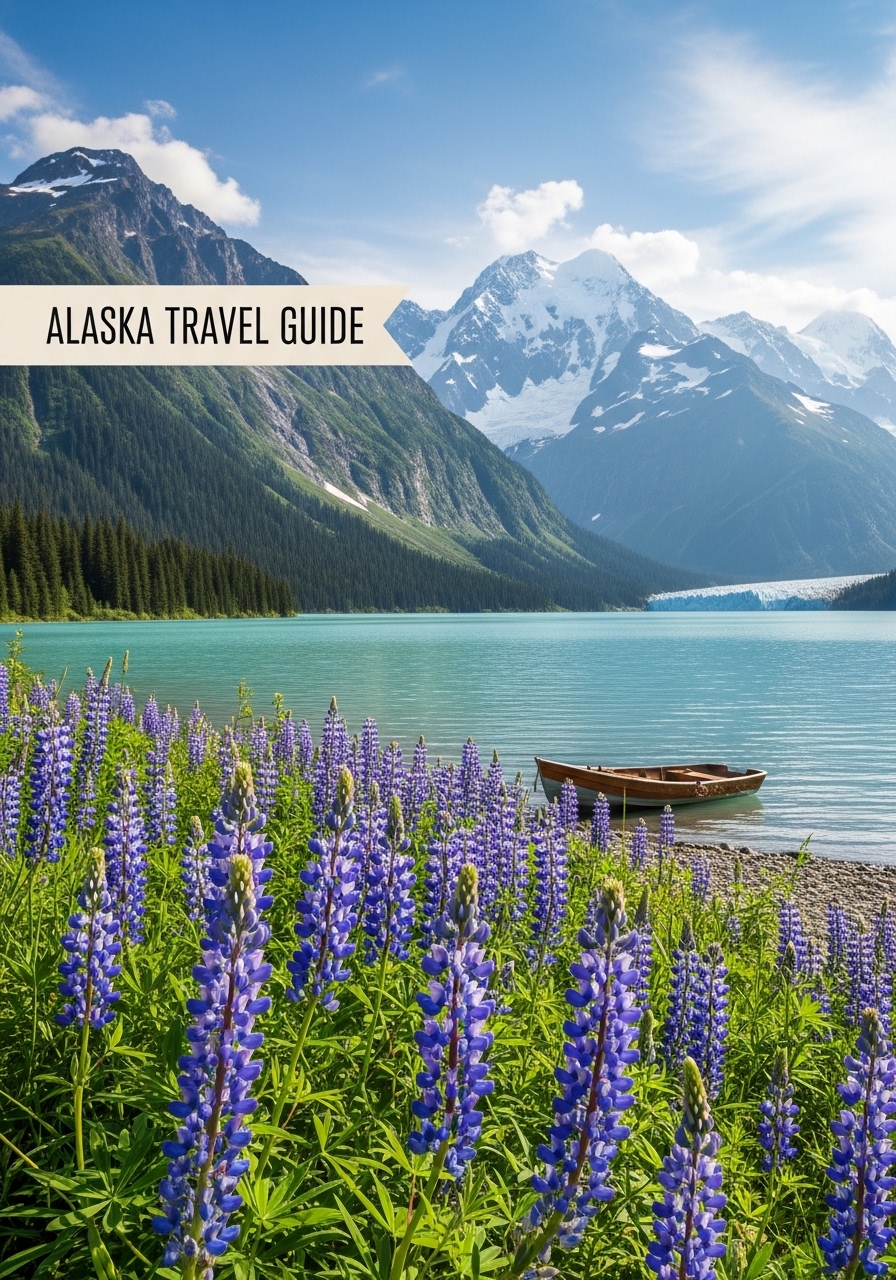
Here is the straightforward breakdown so you can match Alaska to your trip.
Alaska’s Seasons at a Glance
Summer (May–September)
- Warmest weather (60–75°F days)
- Nearly 24 hours of daylight in June
- Peak wildlife, hiking, and cruises
- Busiest and most expensive
Shoulder Seasons (May and September)
- Fewer people
- 10–25% lower prices
- Still plenty of daylight and animals active
Winter (October–April)
- Northern lights season
- Snow-covered landscapes and winter sports
- Quiet and much cheaper
- Short days and cold
Mid-June through mid-August works great for most first-time visitors. If you want deals and space, aim for late May or early September.
Summer in Alaska: The Classic Trip (June–August)
This is when Alaska shines for most people. Days are long. Parks are open. Wildlife is everywhere.
June
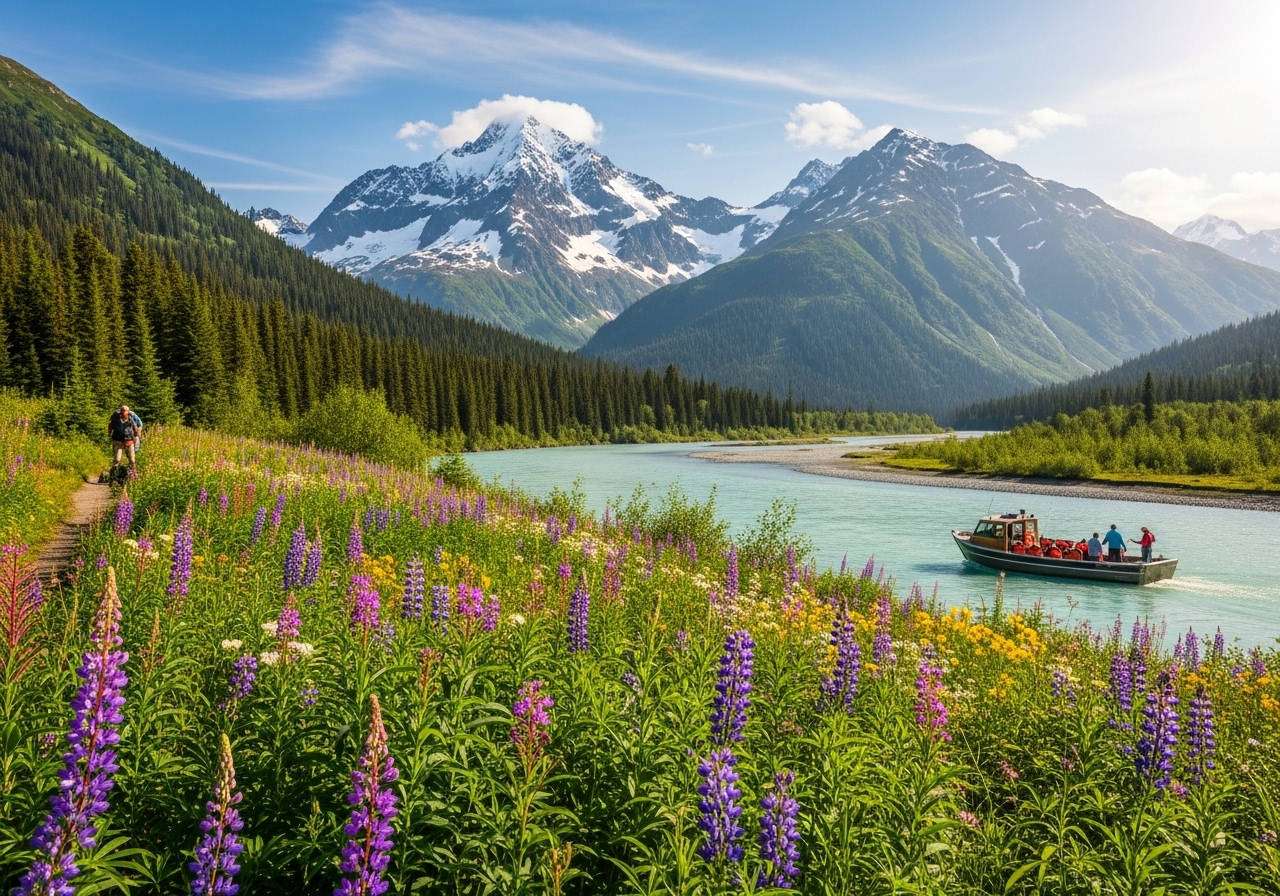
Longest daylight. Mosquitoes just starting. Great for hiking in Denali and early whale watching. Crowds build but not overwhelming yet. Perfect if you want wildflowers and fewer bugs than July.
July
Warmest month. Salmon runs hit full swing. Bears are out fishing like crazy. This is prime time for fly-in bear viewing at places like Katmai. Expect the most energy and the most people.
August
Still warm but bugs fade. Fall colors start showing in the tundra by mid-month. Northern lights can appear late in the month if you are far north. A nice bridge between summer fun and aurora season.
What to expect
- Highs in the 60s, sometimes 70s inland.
- Rain is possible any day pack accordingly.
- Hotels run $275–$350 per night in Anchorage or Fairbanks. A 7-day trip for one person usually lands between $3,000 and $4,000 total (flights, lodging, food, some tours).
Shoulder Seasons: Smart Money and Fewer Crowds
May
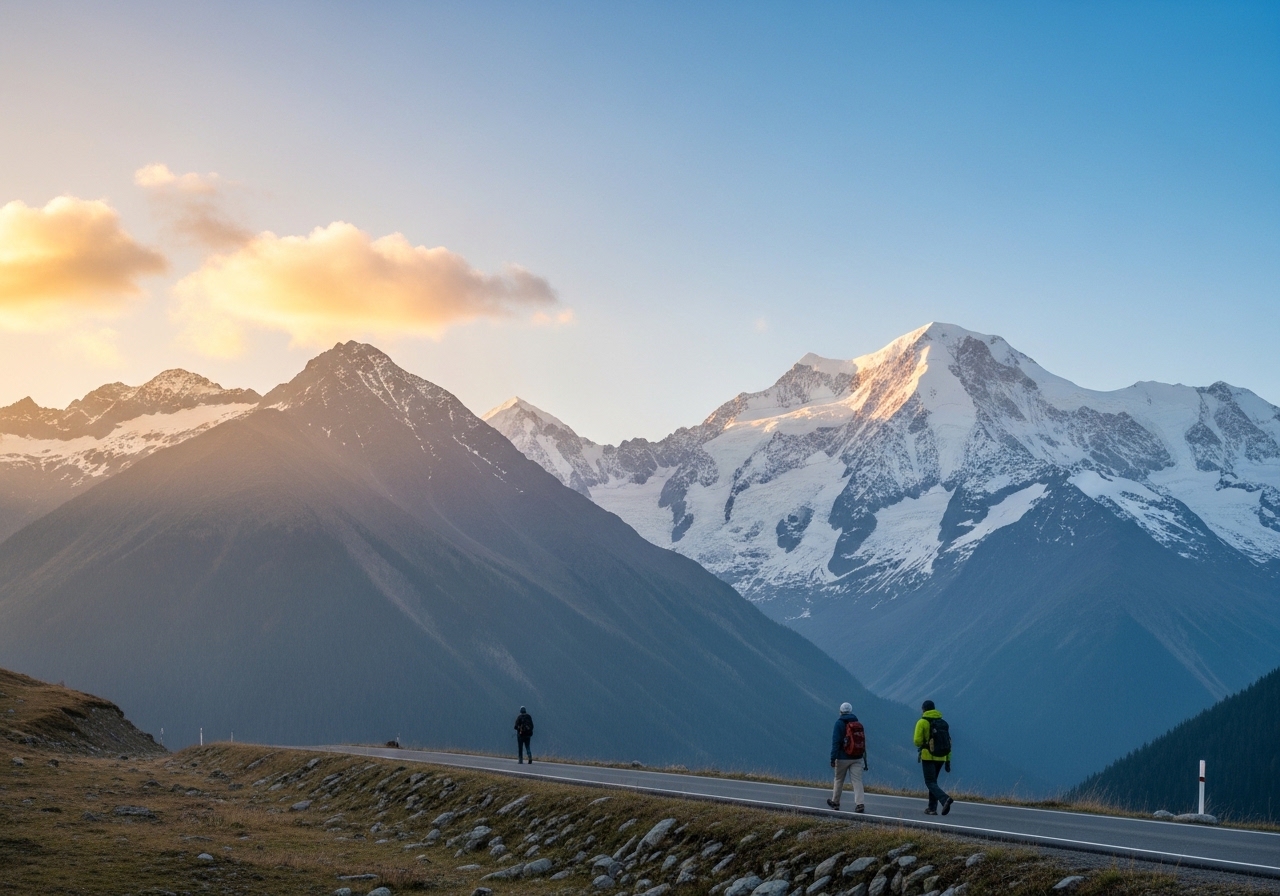
Driest early month. Snow melts at lower elevations. Cruises and tours ramp up. Wildlife wakes up. Prices drop and lines are short. Excellent for Southeast Alaska boat trips to see whales and otters.
September
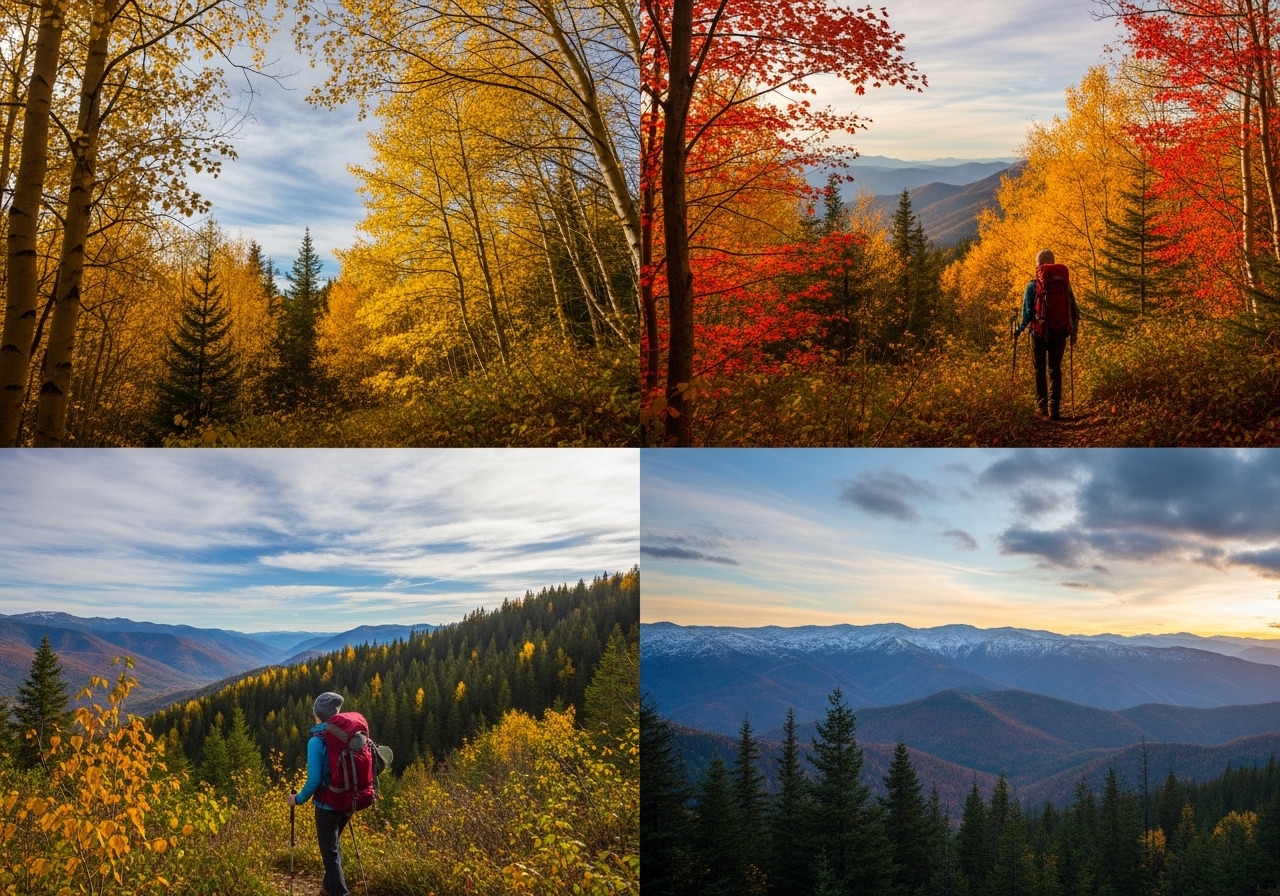
Fall foliage lights up the mountains. Bugs are gone. Northern lights start showing more reliably. Many lodges still open but with discounts. A favorite for photographers and people who like a quieter vibe.
Travelers who visit in these months often say they got the best of both worlds good weather without the summer rush.
Winter in Alaska: Northern Lights and Snow Adventures
If you want the aurora borealis, come between late August and April. The clearest skies and best activity often hit February and March when days are lengthening but nights stay dark.
What winter brings
- Dog sledding, snowmobiling, ice skating
- Iditarod Trail Sled Dog Race in March
- Fewer tourists and lower hotel rates
- Temps from the teens to 30s (dress in layers)
Fairbanks is the northern lights capital. Many lodges offer wake-up calls when the lights appear.
Best Time to Visit Alaska for Your Specific Interests
Wildlife viewing
July is king for bears and salmon. May–September for whales and orcas. Bring good binoculars you will use them daily.
Northern lights
September–October or February–March. Head north and away from city lights.
Cruises
May–September. Shoulder months often include free upgrades or onboard credit.
Hiking and national parks
June–August. Denali Park Road opens mid-May and stays open until mid-September.
Fishing
King salmon peaks mid-May to July. Silver salmon run strong in August.
Family travel
Summer. Kids love the long days, easy park access, and hands-on activities like panning for gold or short glacier cruises. Winter works if your crew loves snow think dog sled rides and holiday lights in Anchorage.
Budget travel
Shoulder or winter months. You can shave hundreds off flights, lodging, and tours.
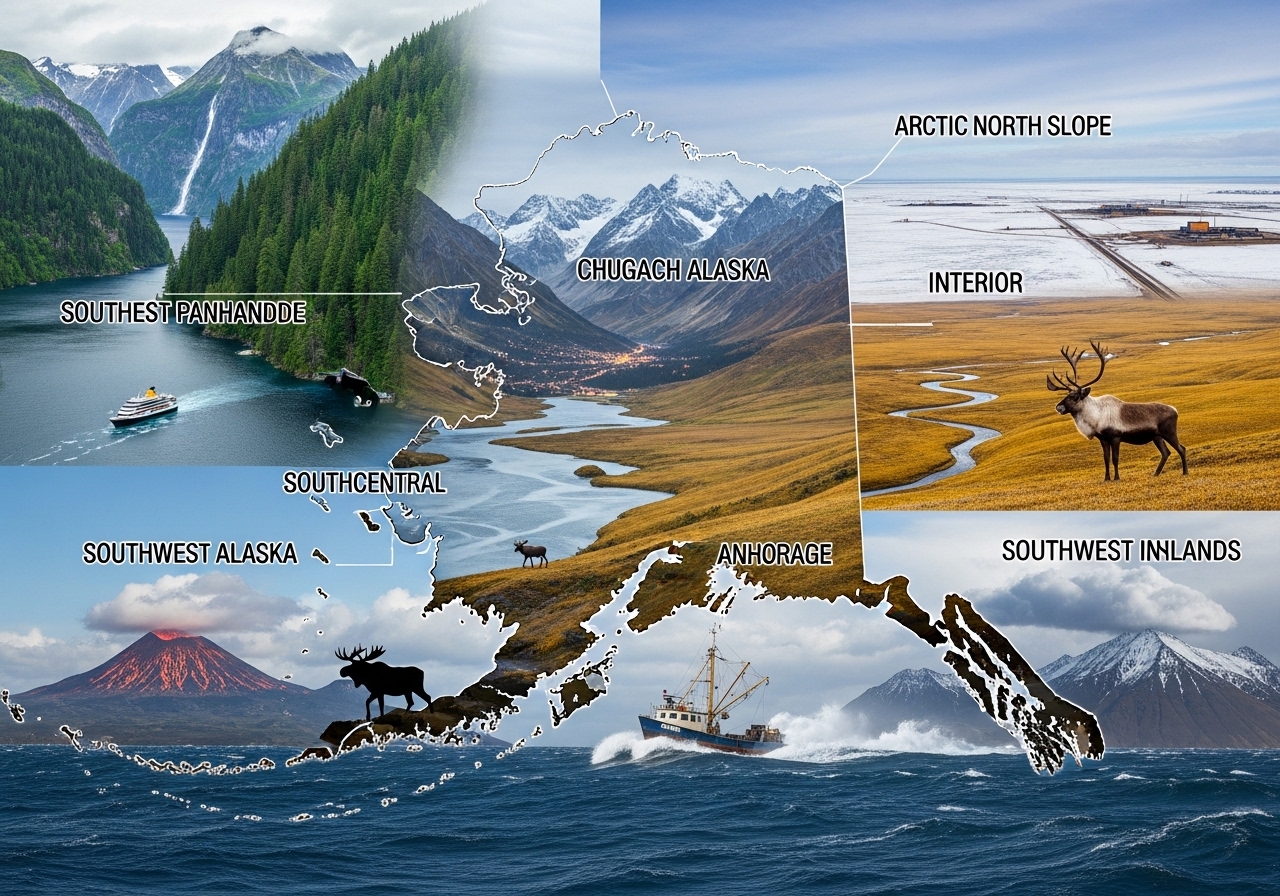
How Alaska Changes by Region
Southeast (Juneau, Ketchikan, Inside Passage)
Milder, rainier. Best for cruises and marine wildlife year-round.
Southcentral (Anchorage, Seward, Kenai)
Easiest to reach. Mix of mountains, glaciers, and towns. Great base for first-timers.
Interior (Fairbanks, Denali)
Bigger temperature swings. Prime for northern lights and vast wilderness.
Far North (Arctic)
Extreme. Summer for the midnight sun and tundra; winter for polar darkness.
Real Costs and How to Save
A typical 7-day Alaska trip costs $2,500–$7,000 per person depending on style. Mid-range travelers usually spend around $3,000–$4,000. Flights from the Lower 48 run $500–$1,200 round-trip. Book 6–12 months ahead for summer.
Save money by:
- Traveling in May or September
- Staying in smaller towns instead of Anchorage
- Mixing self-drive days with a few guided tours
Packing Tips That Actually Help
Alaska weather changes fast. Layers are your friend.
- Light base layers
- Waterproof rain jacket (I swear by the Columbia Glennaker Lake II lightweight, packs small, and handles Southeast drizzle perfectly)
- Sturdy hiking shoes
- Binoculars grab a solid pair like Nikon PROSTAFF P3 10×42. They are waterproof, clear in low light, and let you spot bears and eagles without getting too close.
- Mosquito repellent or long sleeves for June–July (bugs peak then)
One more useful item: a small daypack with rain cover. You will thank yourself on every hike and cruise.
How to Get Around Once You Arrive
Fly into Anchorage (ANC) or Fairbanks (FAI). Rent a car for flexibility in the Interior. The Alaska Railroad is scenic and relaxing between Anchorage and Denali. Cruises handle Southeast perfectly. For remote spots, small-plane flightseeing is worth every penny.
Actionable Tips Before You Book
- Check daylight hours for your exact dates June feels magical with 20+ hours of light.
- Book popular tours (bear viewing, glacier cruises) early.
- Download a sunrise/sunset app so you plan around the light.
- Leave room in your schedule for “Alaska time” weather can shift plans last minute.
Conclusion
The best time to visit Alaska is the time that matches what you love most. Summer gives you the classic postcard trip full of wildlife and endless days. Shoulder seasons deliver value and breathing room. Winter rewards you with the northern lights and a side of Alaska few people see.
Figure out your top two or three must-dos, then pick your month. Book flights and big activities early. Pack layers and a sense of adventure. You will come home with stories you will tell for years.
Safe travels Alaska is waiting.
FAQs About the Best Time to Visit Alaska
What is the cheapest month to visit Alaska?
December through February. Prices drop, crowds vanish, and you still get northern lights and winter activities.
Is September a good time to visit Alaska?
Yes. Fewer people, beautiful fall colors, no mosquitoes, and the start of aurora season. Many say it is their favorite month.
When is the best time to see the northern lights in Alaska?
Late August through April. February and March often give the best mix of clear skies, longer days for activities, and dark nights.
When should I avoid Alaska?
April can feel in-between too late for winter sports, too early for summer. Late October and November bring short, gray days before snow fully arrives.
Do I need a car in Alaska?
It helps a lot outside of cruise ports. In Anchorage or Fairbanks, rentals give you freedom to explore at your own pace.
Is Alaska family-friendly in summer?
Very. Long days keep kids energized, and parks have easy trails and visitor centers with ranger programs.
Plan your trip right and Alaska will feel like it was made just for you.