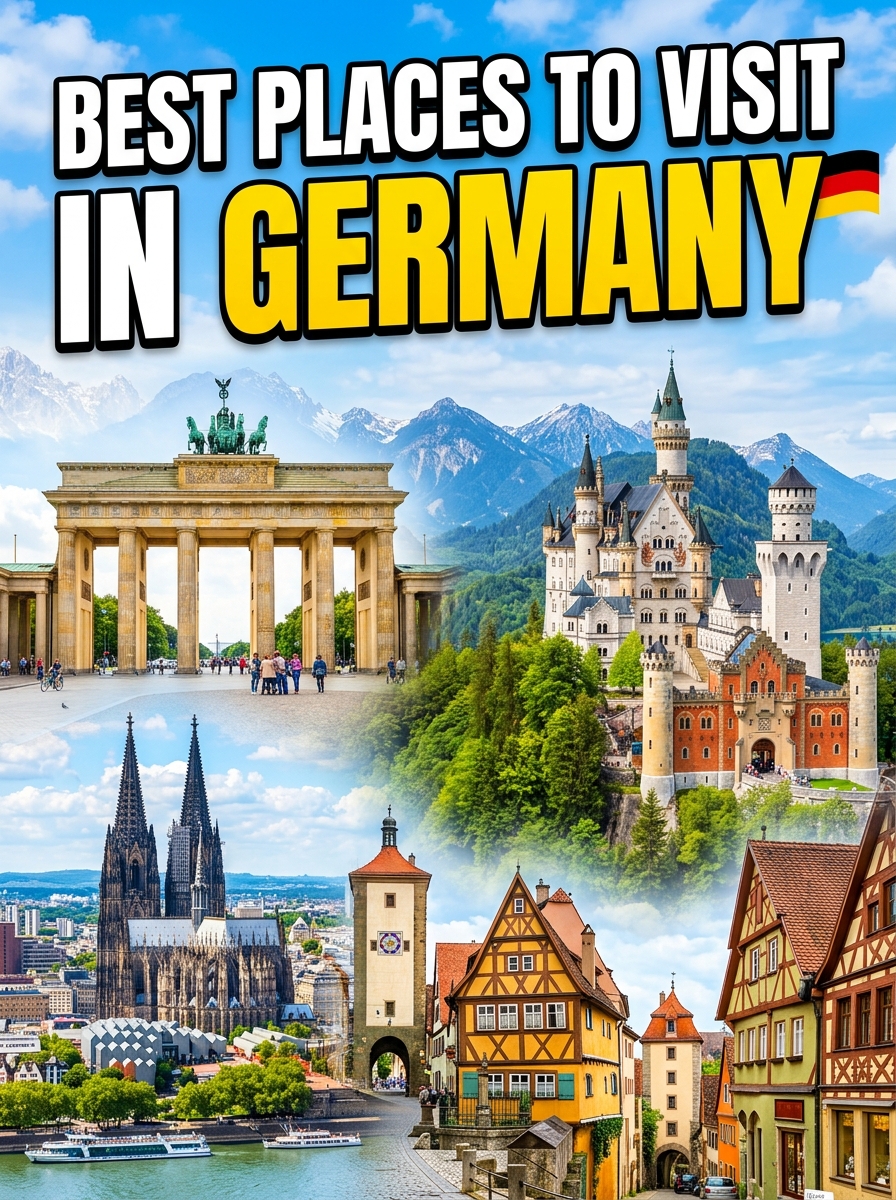
There is a reason Switzerland fills so many camera rolls and phone galleries. The mountains rise like ancient guards over valleys painted in green. Lakes glow in shades of turquoise that seem impossible. Waterfalls spill from cliffs hundreds of meters high.
For anyone searching for a Switzerland aesthetic wallpaper, the real country delivers scenes so perfect they feel designed. This guide covers the most beautiful Switzerland nature spots for photography and travel.
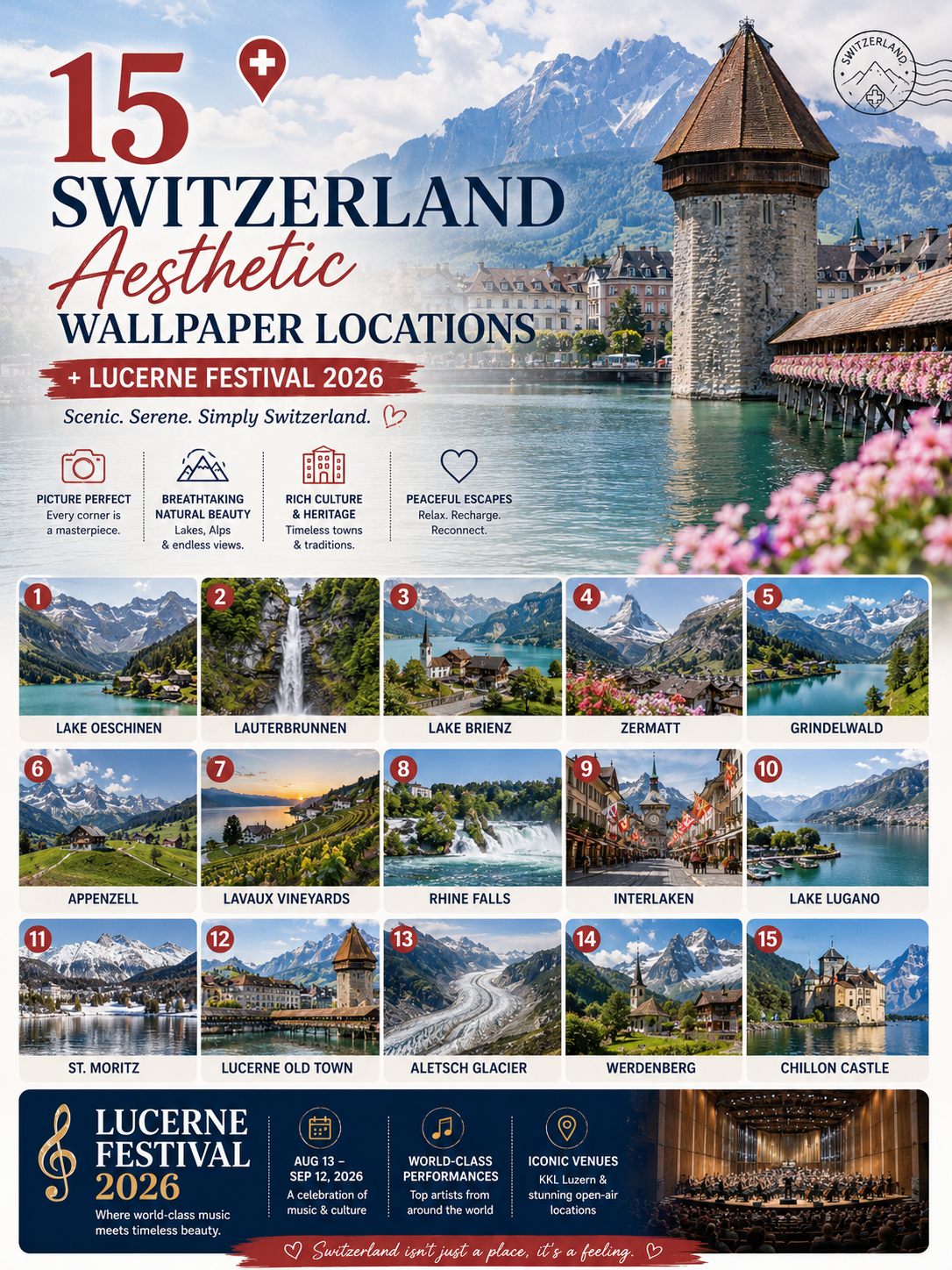
You will learn where to go, when to visit, and how to capture images worthy of becoming your next Switzerland wallpaper. Whether you want a Switzerland wallpaper HD for your desktop or simply want to stand in front of real alpine magic, this is for you.
Why Switzerland Nature Scenes Captivate the World
Switzerland sits at a crossroads of natural forces. Glaciers carved deep valleys during the ice age. Those glaciers melted into lakes that now mirror the sky. The Alps push skyward along the southern edge, creating dramatic backdrops everywhere you look.
The color palette alone is enough to stop you in your tracks. The grass in summer is a deep, saturated green. Alpine lakes shift between emerald and sapphire depending on the light. Autumn brings gold from larch trees that light entire mountainsides. Winter covers everything in clean white snow that makes the shadows look blue.
This variety is why nature Switzerland images work so well as screen backgrounds. A Swiss wallpaper aesthetic gives you a window into calm, open space during a busy workday.
The most beautiful Switzerland nature shots contain layers. Foreground flowers. Midground lakes. Background peaks. That depth draws your eye in every time you unlock your screen.
Swiss landscapes also benefit from human care. Trails are maintained, villages are clean, and cows graze in pastures managed for centuries. This harmony between people and land creates scenes that feel complete. Nothing looks out of place.
The Most Beautiful Switzerland Nature Spots for Photography
Zermatt and the Matterhorn
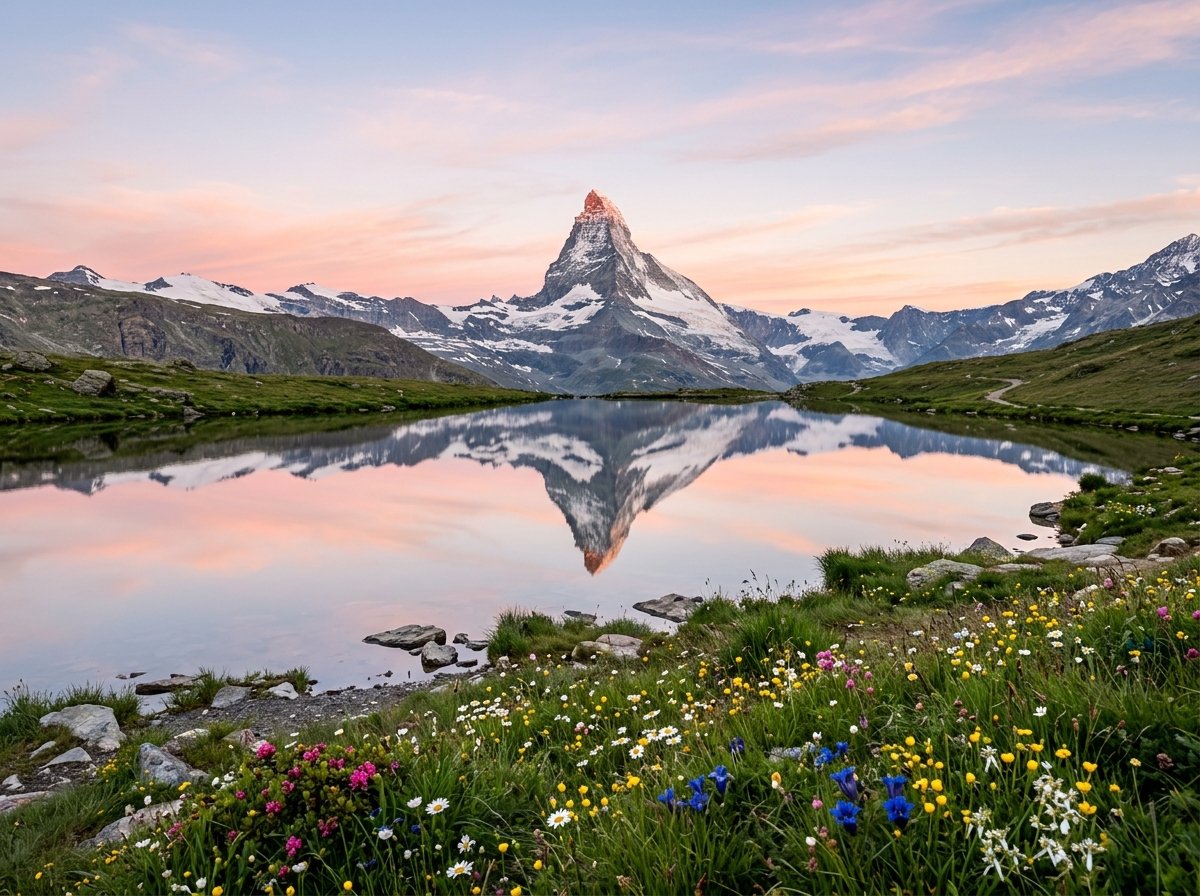
Zermatt is a car-free village that sits directly below the Matterhorn. The village itself is charming, but the real photography magic happens when you get above the tree line.
Riffelsee is a small lake reached by the Gornergrat Railway. On still mornings, the Matterhorn reflects perfectly in the water. This is the classic Switzerland photography shot you have probably seen a thousand times. It is famous because it works.
Arrive early to avoid wind. The first train up leaves before sunrise in summer. Book a priority boarding ticket for seven Swiss francs to guarantee a window seat.
The Five Lakes Trail offers multiple reflection opportunities without the crowds. Each lake frames the Matterhorn differently. Bring a wide-angle lens. The mountains are bigger than your eyes expect. The trail takes about three hours.
For a different angle, walk up to the Riedweg Viewpoint just above the village. It takes twenty minutes from the town center. From there, you can capture the Matterhorn with village lights below during blue hour. This shot works well as a Switzerland wallpaper because the warm lights contrast with the cool mountain shadows.
Lauterbrunnen Valley
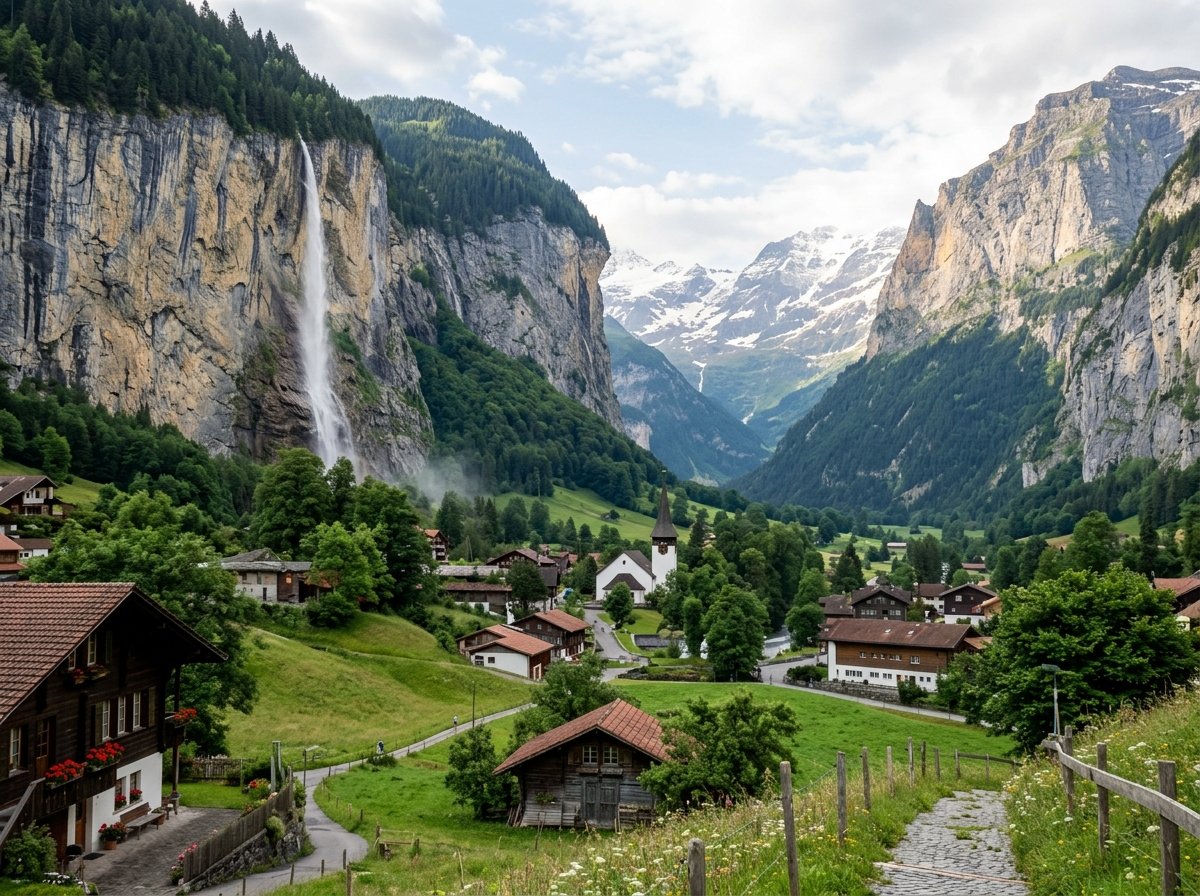
Lauterbrunnen sits in a deep valley surrounded by vertical rock walls. Staubbach Falls drops nearly three hundred meters from the cliff edge. The village church with the waterfall behind it is one of the most iconic beautiful Switzerland views.
Go early in the morning. Tour buses arrive by ten. The light in the valley stays soft until midmorning because the cliffs block direct sunrise. That soft light is ideal for Switzerland wallpaper shots. It avoids harsh shadows and keeps the greens looking fresh.
The Wengernalp Railway climbs from Lauterbrunnen to Wengen. Sit on the right side going up. The views down the valley are some of the best in the Bernese Oberland. Wengen itself is a car-free village perched on a sunny terrace with full views back down the valley.
For a moody take, visit when the weather is overcast. Low clouds hide the upper cliffs and make the mountains feel even taller. Rain brings out the saturation in the meadows. Some of the most atmospheric Switzerland nature shots happen in mist and drizzle.
Lake Brienz and Lake Thun
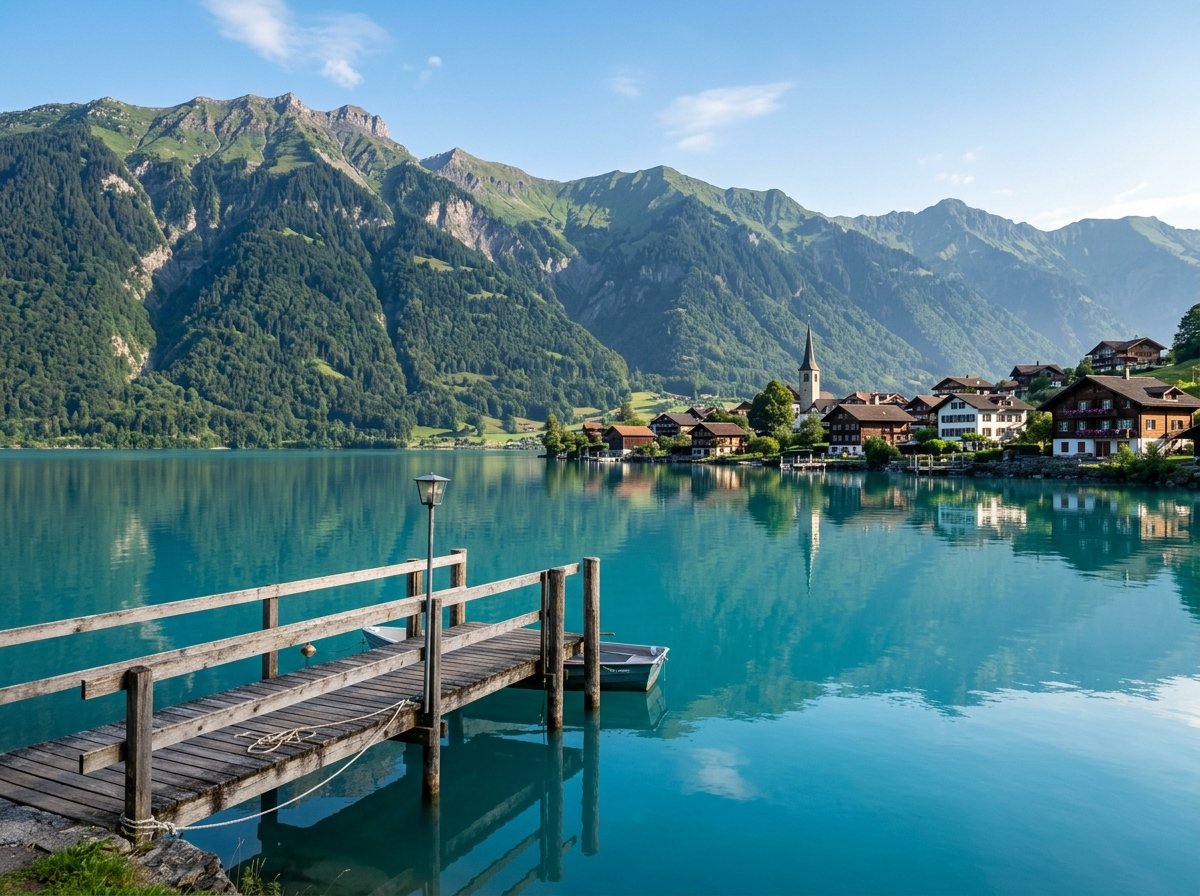
These two lakes sit on either side of Interlaken. Lake Brienz is famous for its vivid blue water. The color comes from glacial flour, fine rock particles suspended in the water. Those particles reflect light and make the lake look almost neon.
Iseltwald on Lake Brienz is a small village that juts into the water. The wooden pier and turquoise backdrop create an instant Switzerland aesthetic wallpaper. Lake Thun offers a softer blue with castle views and vineyard hills.
A polarizing filter helps cut glare on the water surface. If you are serious about Switzerland photography, a circular polarizer is worth packing. The Hoya Pro1 Digital Circular Polarizer dramatically improves lake shots by removing reflections.
A boat cruise on either lake gives you moving perspectives. The public boats are part of the Swiss Travel System. First-class tickets give you access to upper decks with fewer people. Morning cruises often have the calmest water.
Oeschinensee
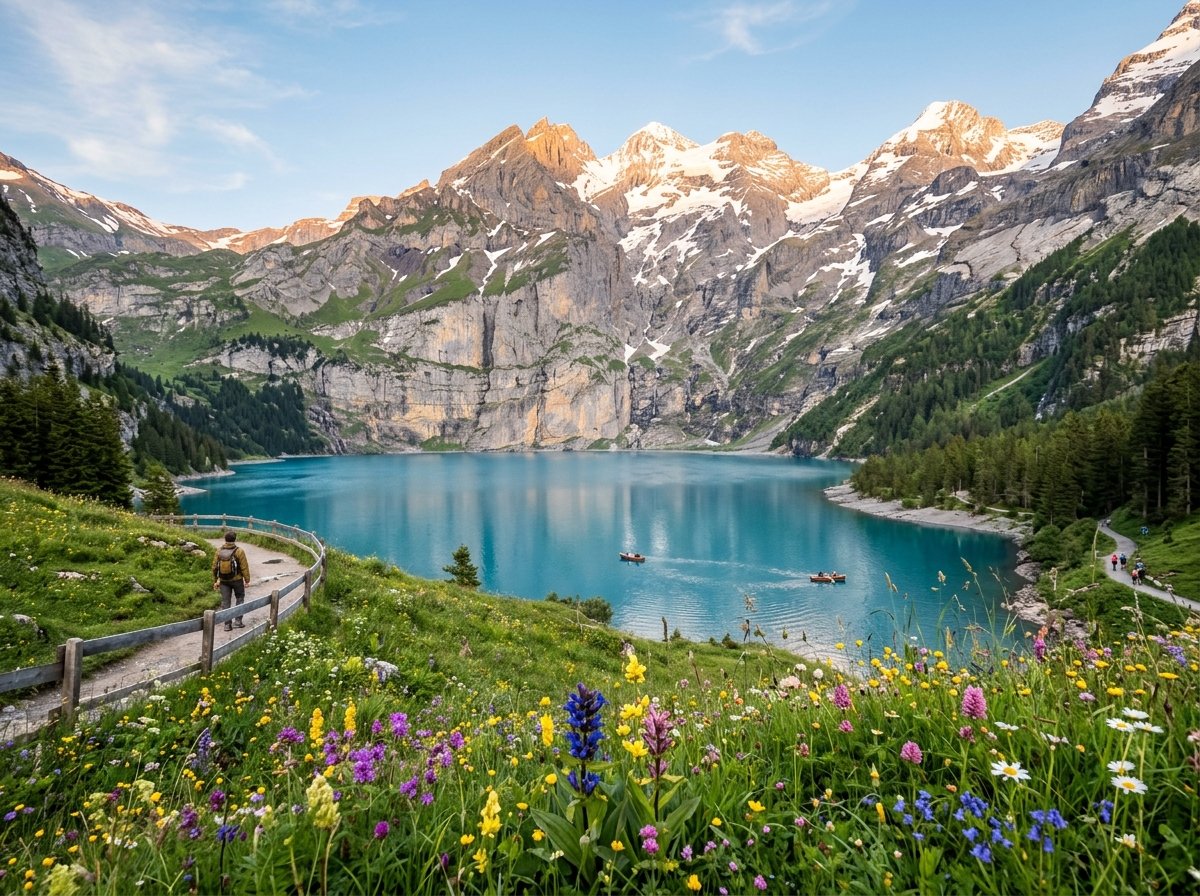
Oeschinensee is often called the most beautiful lake in the Alps. It sits above Kandersteg, reached by cable car and a short walk. The water is an unreal shade of turquoise. Mountains rise directly from the shoreline. Wildflowers cover the meadows in July.
The trail that loops above the lake gives the best angles. From up there, you can see the full bowl of peaks surrounding the water. Bring a wide-angle lens. A 16mm to 35mm range works perfectly here.
This spot gets crowded by late morning. Take the first cable car up. The early light hits the peaks first and creates a beautiful contrast with the shadowed lake surface. If you want reflection shots, the eastern shore near the restaurant is calmest before nine.
Swimming is allowed. The water is cold even in summer, but jumping in gives you a story to tell. The brave few who swim create great foreground interest for photos shot from the shore.
Appenzell and Seealpsee
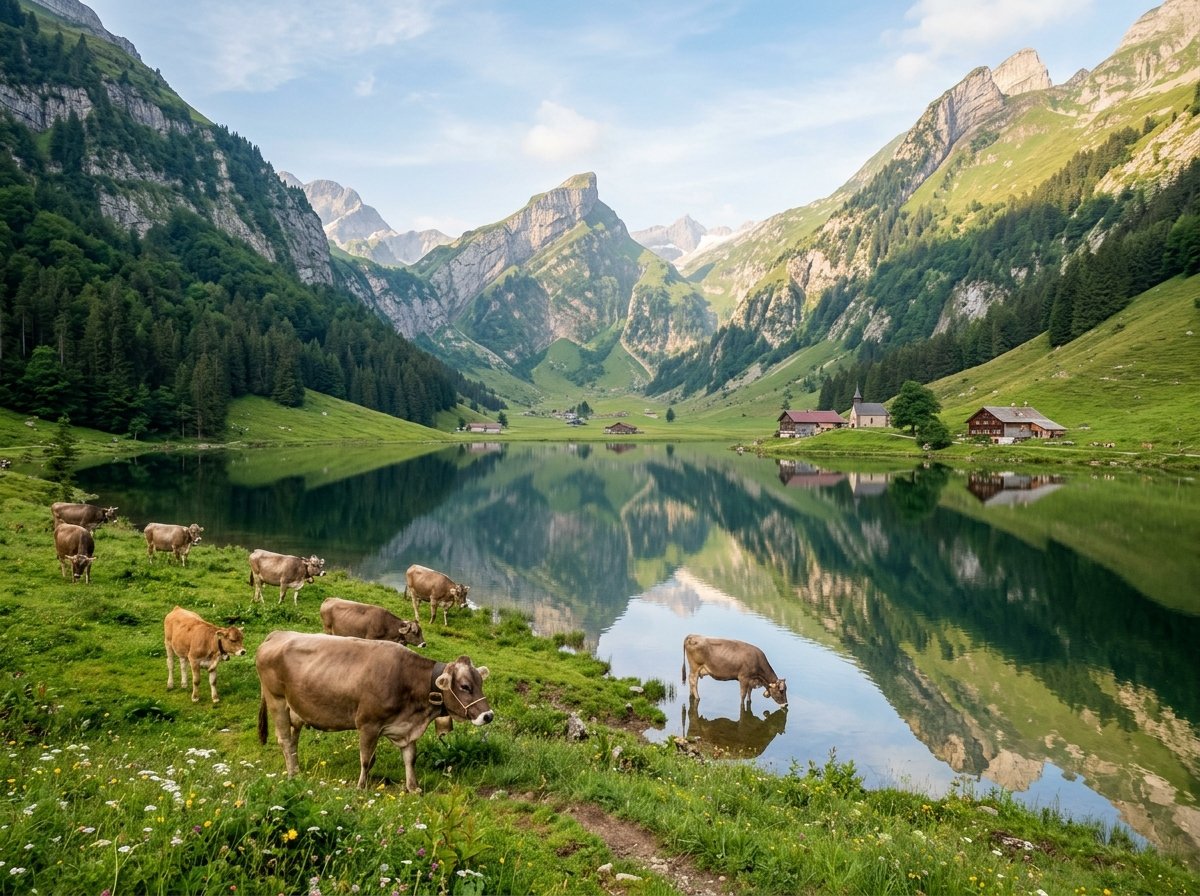
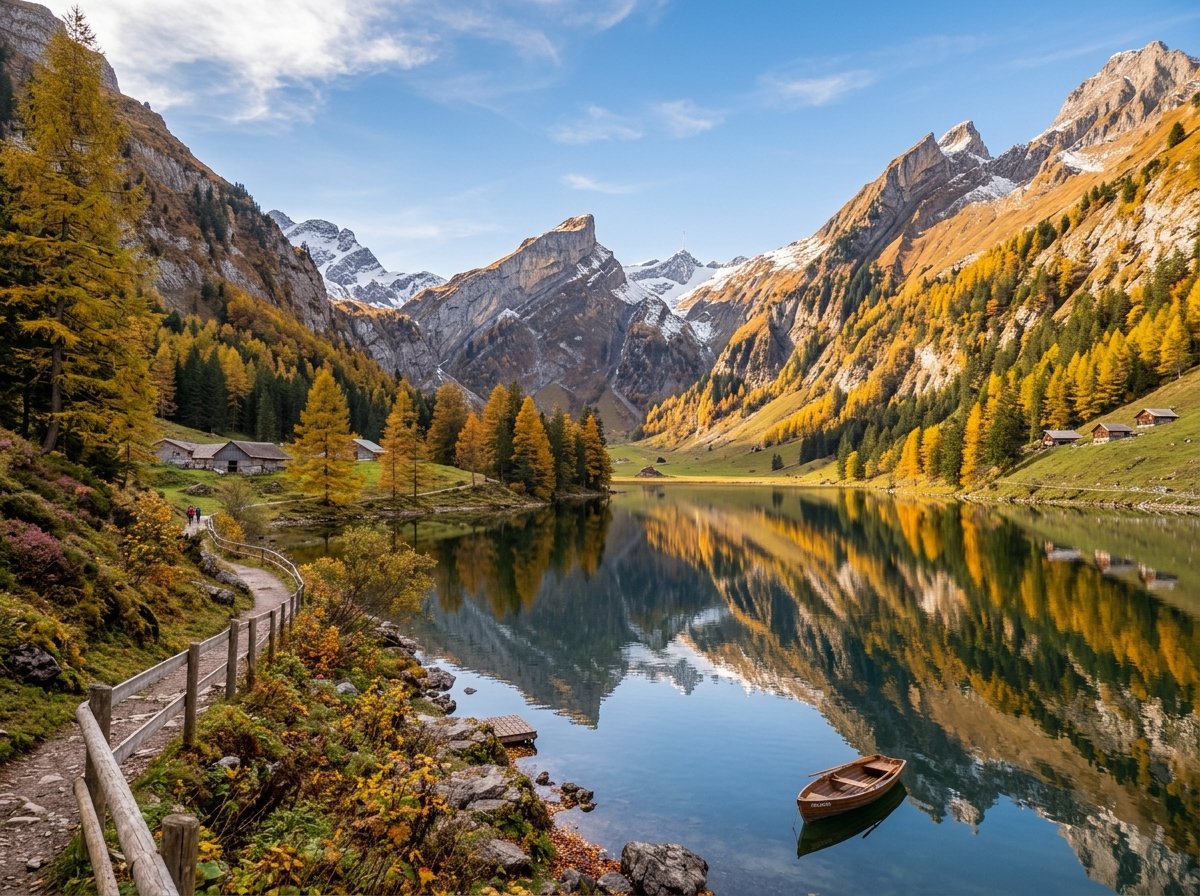
Appenzell is in the northeast, far from the busy Bernese Oberland. The mountains here are softer and rounder, but the scenery is just as stunning. Seealpsee is a small lake surrounded by pasture and rock faces. Cows graze nearby with bells that echo across the water.
The hike from Wasserauen is under three kilometers. It is manageable for most fitness levels. The reflection potential is excellent on calm mornings. Schafler Ridge nearby offers dramatic ridgeline views that look completely different from the classic Matterhorn shots.
Appenzell receives fewer international visitors. That means more space and a more authentic rural atmosphere. The nature here feels lived in, not staged. The traditional architecture of the villages adds character to wide landscape shots.
Ticino and Valle Verzasca
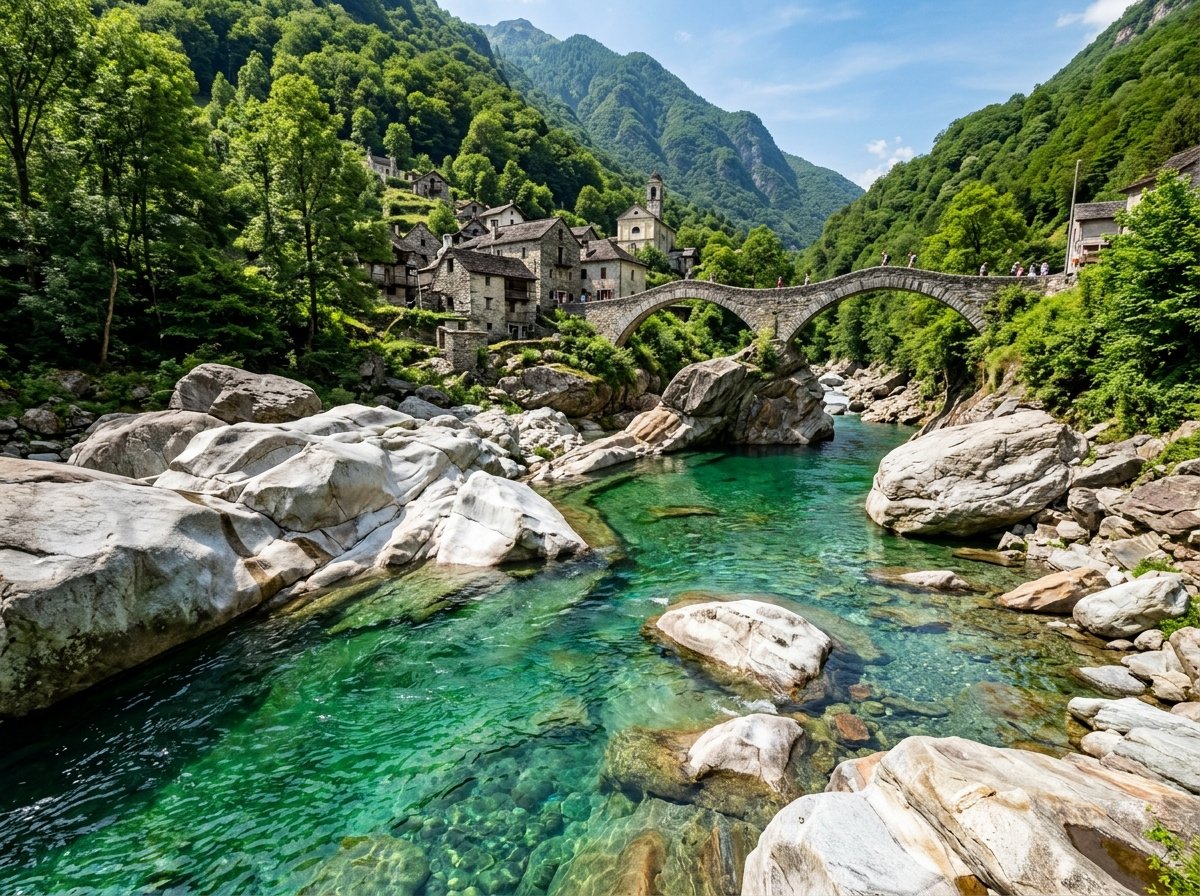
Ticino is the Italian-speaking canton in the south. The landscape changes completely. Palm trees appear. The Verzasca River runs over smooth stone shelves, creating pools of emerald water. The Roman Bridge at Lavertezzo is a popular photo spot.
This region proves that Switzerland’s nature is not just about snow and ice. The warm climate, stone villages, and clear river water offer a completely different aesthetic. For a Switzerland wallpaper that looks like summer itself, Ticino delivers.
The river water is so clear you can see every stone on the bottom. This transparency creates interesting abstract shots when looking straight down. The green of the forest reflects off the surface and mixes with the stone colors below.
Season by Season Guide to Switzerland Photography
Spring: May and June bring melting snow and blooming meadows. Waterfalls are at their most powerful because of snowmelt. The lakes are full and reflective. Crowds are smaller than in summer. Some high mountain passes stay closed until late June.
Summer: July and August offer the best hiking conditions. All cable cars and mountain trains run. The alpine meadows are in full flower. This is peak season, so book early. The light is strong, so shoot during golden hour. Afternoon thunderstorms are common.
Autumn: September and October create what locals call the Indian Summer of the Alps. Larch trees turn gold and orange. The Engadin Valley is especially famous for this color display. The weather stays stable, with crisp air and clear skies. This is my personal favorite season for Switzerland nature photography.
Winter: November through March covers the mountains in snow. The scenes become minimalist and clean. A fresh snowfall turns every village into a storybook setting. Winter light stays soft all day because the sun stays low. Perfect for moody Switzerland wallpaper HD images.
How to Capture Switzerland Wallpaper-Worthy Shots
Shoot during golden hour. The hour after sunrise and the hour before sunset give the warmest light. Swiss peaks block the sun earlier than the official sunset time. Arrive at least ninety minutes before sunset. Stay half an hour after the sun disappears. The best colors often come when the light is almost gone.
Use leading lines. Rivers lead to mountains. Fences lead to barns. Roads curve through valleys. Place these lines in the lower third of your frame. They pull the viewer into the image.
Think about aspect ratio. Most phone wallpapers use a 9 by 19 ratio. Leave space at the top for your clock and notifications. Do not place the main subject dead center. For desktop wallpapers, a 16 by 9 horizontal shot works best.
Stabilize your camera. A lightweight tripod is essential. It lets you shoot at lower ISO values for cleaner images. The Peak Design Travel Tripod folds small enough to strap onto a hiking pack but holds steady in mountain wind.

Peak Design Travel Tripod
Power matters. Cold mountain air drains batteries fast. The Anker PowerCore 26800 offers enough capacity for multiple charges without much weight. Slip it into your daypack and forget about it until you need it.
Storage speed counts. When the light changes fast, you will shoot in bursts. A slow memory card creates lag and missed moments. The SanDisk Extreme Pro SD Card writes quickly enough to keep up.

SANDISK 128GB Extreme PRO SD Memory Card
Edit with intention. Swiss scenes rarely need heavy editing. Slightly boost contrast. Add a touch of clarity to make the peaks pop. Do not oversaturate the blues. The lakes are already vivid. Keep it natural.
Hidden Spots That Most Guides Miss
Most articles repeat the same five locations. Switzerland has far more to offer.
The Jura Mountains run along the French border. These are rolling limestone hills covered in forest. They receive almost no international tourism. The Creux du Van is a natural amphitheater of rock that looks like something from another planet.
Muottas Muragl overlooks the Engadin Valley near St. Moritz. The view spans from Samedan to the Bernina Range. It is accessible by funicular. The sunset views here are some of the widest in Switzerland.
Foroglio in Ticino is a stone village with a waterfall plunging through its center. The combination of stone architecture, water, and surrounding forest creates a unique Switzerland aesthetic wallpaper opportunity.
Rosenlaui Valley in the Bernese Oberland offers a quiet road that lines up perfectly with a river and glacier in the background. The scale is hard to believe until you see it. There is a small parking area just before the Rosenlaui Hotel. The view is free and takes no hiking at all.
Lucerne Festival 2026: Where the Alps Meet the Concert Hall
Switzerland is not only about quiet peaks and silent lakes. Once a year, the city of Lucerne turns into the cultural capital of classical music.
The Lucerne Festival 2026 runs from 13 August to 13 September 2026. That is thirty-two days, with more than 120 events. It is a perfect way to pair your nature trip with a world-class cultural experience.
The Theme: American Dreams
The 2026 summer edition is built around the theme “American Dreams.” The programming stretches from Copland and Bernstein to Gershwin, Ives, Barber, and Adams. It is the first summer festival under the new Executive and Artistic Director Sebastian Nordmann.
There is room for jazz inflections, film score echoes, and contemporary American classics alongside the European canon.
Opening Night, 13 August 2026
The festival opens on Thursday, 13 August, at 21:00. It is a free Classical Music for All Open Air concert on the Europaplatz, the public square in front of the KKL Luzern right on the lakefront.
The opening performance features the Havana Lyceum Orchestra. It is conducted by José Antonio Méndez Padrón, with horn soloist Sarah Willis.
The mountains across the lake catch the last of the sunset light. The music carries across the water. If you want one photo that captures both Swiss nature and Swiss culture in a single frame, this is it.
The Lucerne Festival Orchestra
The crown jewel of the festival is the Lucerne Festival Orchestra (LFO). It is a handpicked ensemble that gathers the world’s best orchestral players every summer.
Music Director Riccardo Chailly, whose contract runs through 2028, opens the formal orchestral season. That opening is on Friday 14 August at 18:30 in the KKL Concert Hall. The program features works by Gershwin, Bernstein, and Ives.
The LFO performs six evening concerts during the festival, plus two short “Classical Music for All: 40min” events for the wider public.
Highlights of the LFO season include Klaus Mäkelä conducting Stravinsky’s Firebird. Jakub Hrůša leads Richard Strauss’s Alpine Symphony, a sonic painting of the mountains you will be photographing all day.
The orchestra also performs with Anne-Sophie Mutter. In 2026, she marks her fiftieth anniversary on the Lucerne stage.
The Closing Concert, 13 September 2026
The festival closes on Sunday 13 September 2026 with two final events. At 11:00 at Venue 246, the Ensemble Helix / Hochschule Luzern performs Michael Gordon’s Trance.
Then at 16:00 in the KKL Concert Hall, the Chinese! The orchestra joins the Cape Town Opera Vocal Ensemble. Enrique Mazzola conducts a full performance of Gershwin’s Porgy and Bess.
Tickets start at CHF 30. The final notes will ring out over Lake Lucerne as the autumn light begins to shift the mountains toward gold.
Tickets, Prices, and How to Plan
Ticket prices vary by event. Free events include the opening night on 13 August and the “In the Streets” program running 25 to 30 August. Most concert hall events start from CHF 30. LFO main concerts start from CHF 40. The MEUTE techno marching band event on Saturday, 12 September, at 21:00 starts from CHF 90.
Online ticket sales opened on 24 March 2026 through the official site at lucernefestival.ch. Popular concerts sell out weeks in advance. If you are building a trip around the festival, book accommodation in Lucerne early.
Why Lucerne Festival Complements a Nature Trip
The KKL Luzern sits directly on the lake. It was designed by Jean Nouvel, with a roof that opens like a wing over the water.
In the daytime, you can take a boat from the same plaza to Mount Pilatus or Mount Rigi. Both deliver classic Switzerland wallpaper views. In the evening, you walk back to the same plaza for a concert by one of the great orchestras of the world.
If your Switzerland nature trip falls between 13 August and 13 September 2026, the Lucerne Festival is the best way to add cultural depth. Few places on earth let you photograph a glacier-fed lake in the morning and hear Strauss’s Alpine Symphony performed live in the evening.
Conclusion
Switzerland delivers on every image you have ever seen of it, and then some. The Matterhorn still stops you in your tracks even after you have looked at it a thousand times on screens. The turquoise of Oeschinensee still looks fake even when you are standing ankle deep in it.
What makes Switzerland work, both as a destination and as a wallpaper source, is the layering. Foreground wildflowers, midground lake water, and background glacier-carved peaks in a single frame.
The same week can deliver Italianate palm trees in Ticino, glacial blue in the Bernese Oberland, golden larches in the Engadin, and a Gershwin concert floating across Lake Lucerne. Few places on earth pack that much visual range into a few hours of train travel.
Pack a polarizing filter, a sturdy tripod, a power bank, and a fast memory card. Shoot during golden hour. Walk the trails that most tourists skip. And if your dates line up with the Lucerne Festival, book a concert.
The mountains will give you your wallpaper. The music will give you a memory that the wallpaper cannot capture. Switzerland is ready whenever you are.