Seattle is one of those cities people get wrong before they even arrive.
Most people hear “Seattle” and picture non-stop rain. So they either rush to visit in summer when everyone else is there, or they avoid it altogether. Both are mistakes.
The truth is, Seattle has four very different personalities depending on the season. The city you visit in July and the city you visit in October feel almost nothing alike. One is packed, sunny, and expensive. The other is calm, golden, and surprisingly easy to explore.
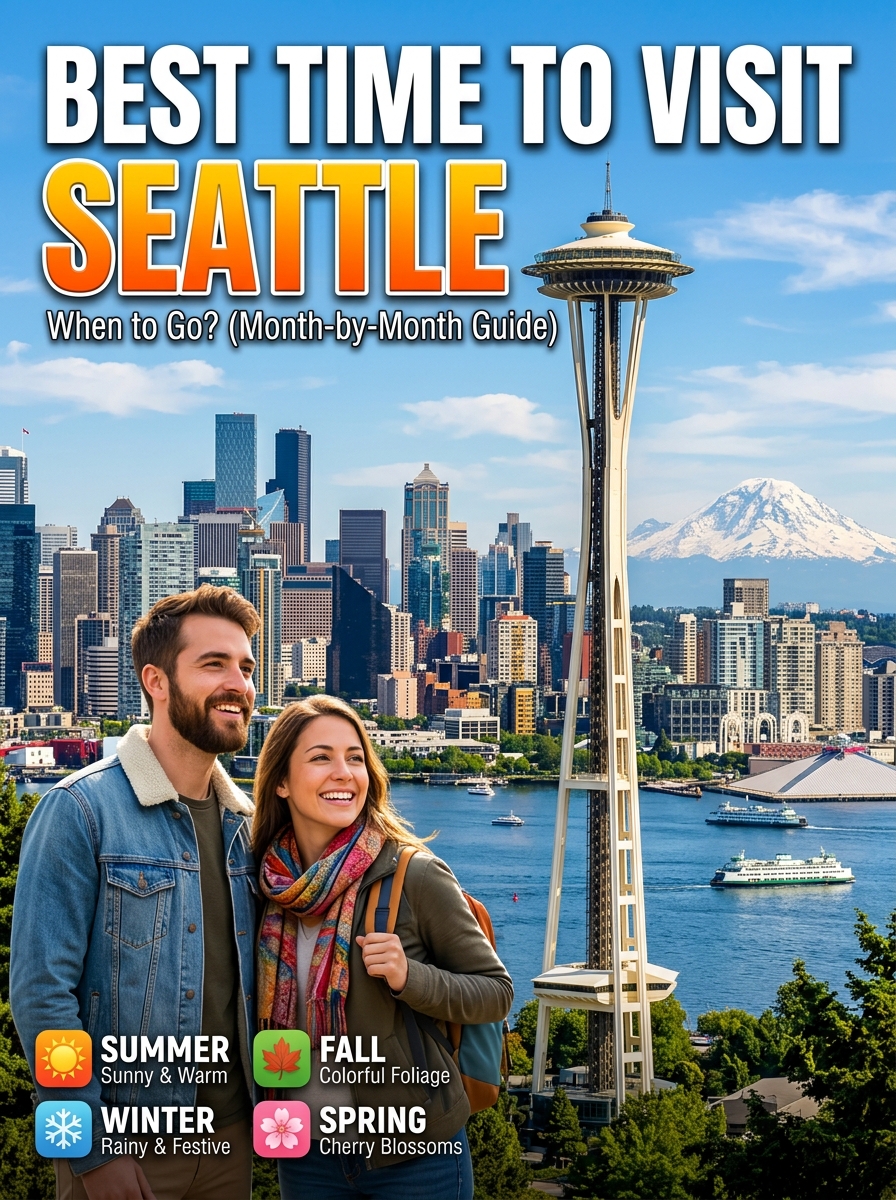
This guide breaks it all down for you, month by month, so you can match your trip to what actually matters to you: weather, budget, fewer crowds, or the best events.
Quick Answer: When Is the Best Time to Visit Seattle?
If you want the short version:
- Best overall: Late June through September
- Best for budget travelers: January and February
- Best for avoiding crowds without giving up good weather: September and early October
- Best for cherry blossoms and spring vibes: Late March and April
- Best for festivals: July and August
Now let us go deeper.
Seattle Weather: What You Actually Need to Know
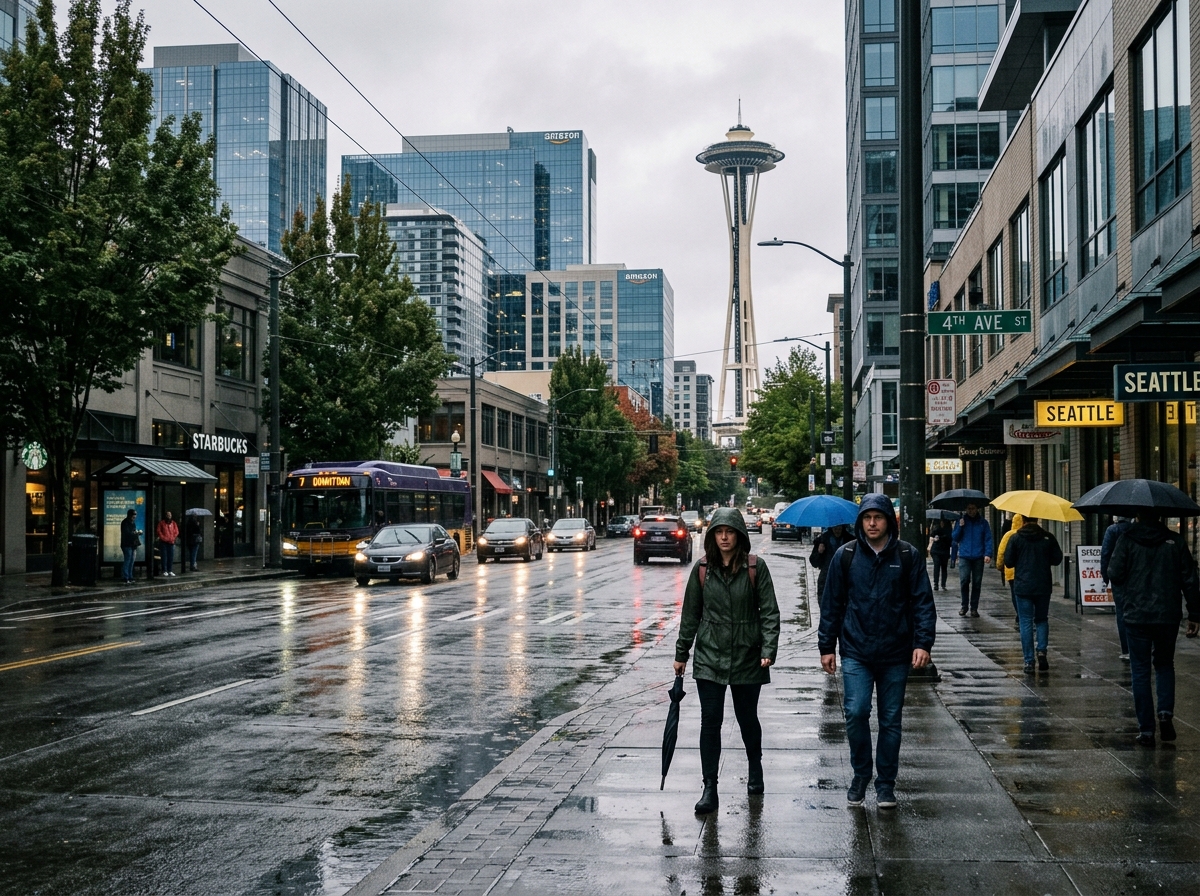
Seattle gets a bad reputation for rain. And yes, it does rain a lot, but not the way most people imagine. It is rarely heavy downpours. Most of the time it is a soft, steady drizzle that locals barely notice.
The best months weather-wise are July through September, when the weather is warm, dry, and sunny. November is typically the rainiest month, with frequent drizzle and overcast skies.
Here is a simple seasonal breakdown:
Spring (March to May): Temperatures sit between 54°F and 66°F (12°C to 18°C). There is still some rain, especially in March, but the city starts to bloom and the crowds have not arrived yet. The Skagit Valley Tulip Festival in April and cherry blossoms at the Washington Park Arboretum are must-sees for garden lovers and photographers.
Summer (June to August): This is Seattle at its sunniest. Seattle enjoys the warmest temperatures, the sunniest days, and many outdoor events. Temperatures average around 75°F (24°C), and the days are long, with up to 16 hours of daylight. August hits the highest temperatures, sometimes reaching the low 80s°F (around 27°C).
Fall (September to November): Probably the most underrated season in Seattle. September is the sweet spot for a Seattle visit. Temperatures hover in the low 70s Fahrenheit (around 21°C to 22°C), there is plenty of sunshine, and the rain mostly holds off. Crowds start to thin out.
Winter (December to February): The coldest months are December and January, with average temperatures ranging from 37°F to 48°F (2.8°C to 8.9°C). Thanks to the Pacific Ocean’s influence, winters are relatively mild compared to other northern cities.
Summer (June to August): The Classic Choice
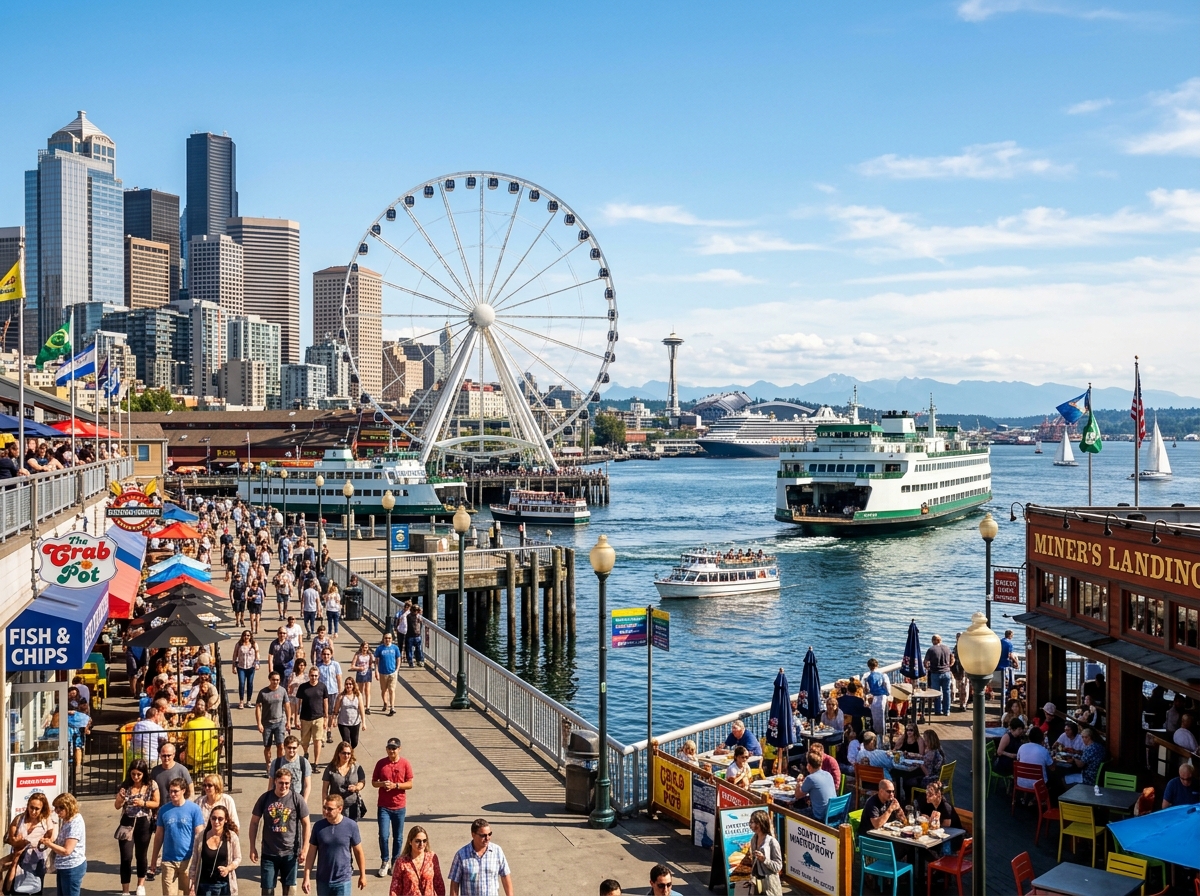
Summer is when Seattle truly opens up. The gray skies lift, Pike Place Market buzzes with energy, and the waterfront fills with people.
If you are a first-time visitor who wants classic Seattle sightseeing, this is your window.
What makes summer great:
- Long days with up to 16 hours of daylight for sightseeing
- Warm temperatures without the East Coast humidity
- Seattle’s biggest festivals all happen during summer
- Whale watching tours run throughout the season around the San Juan Islands
- Outdoor markets, rooftop bars, and parks are all at their best
What you should know before booking:
The ever-improving weather in July means bigger crowds and peak demand for flights and hotels. Expect crowds at famous Seattle sites like Pike Place Market and the Museum of Pop Culture.
Hotels fill up fast and rates climb. If you are traveling in July or August, book everything at least two to three months ahead.
A word about wildfire smoke: August is similar to July, though wildfire smoke can occasionally affect air quality. It does not happen every year, but it is worth knowing if you have respiratory sensitivities.
Packing tip for summer: Mornings and evenings can still feel cool even in August. A light jacket or packable layer is always worth throwing in your bag. A good option is the Columbia Women’s Watertight II Packable Rain Jacket on Amazon, which folds into its own pocket and weighs almost nothing.
Best Summer Festivals in Seattle
Seattle goes all out with its summer events calendar.
- Northwest Folklife Festival (Memorial Day Weekend, May 22 to 25, 2026): In its 55th year, the Northwest Folklife Festival celebrates community, culture, and shared humanity. The 2026 theme is “Ubuntu.” The festival features multi-stage performances in music, dance, and craft.
- Seattle International Film Festival (May 7 to 17, 2026): The largest and most highly attended film festival in the United States, featuring 90 plus feature films and 100 plus shorts from over 50 countries with daily screenings, events, talks, and Q&As.
- Seattle PrideFest (late June): One of the largest free Pride festivals in the country, lighting up Seattle Center.
- The Bite of Seattle (July 24 to 26, 2026): Over 40 years of gathering to celebrate the Pacific Northwest’s food scene, with 250 plus food vendors, retail pop-ups, craft beer and wine tastings, and 50 plus musical artists.
- Seafair (summer): Seattle’s ultimate summer celebration, featuring the Boeing Air Show with the U.S. Navy Blue Angels and high-speed hydroplane races.
- Bumbershoot Arts and Music Festival (September 5 to 6, 2026, Labor Day Weekend): A multi-disciplinary arts festival featuring music, comedy, visual arts, and performances that brings world-class acts to Seattle.
September and October: The Smartest Time to Visit
This is the section most travel guides bury or skip entirely. September and early October might be the single best window to visit Seattle if you want good weather without peak prices or peak crowds.
Early fall is a sweet spot for tourism: Summer weather lingers as the crowds disperse, leaving plenty of hotel rooms and lower rates up for grabs.
You can explore Pike Place Market without fighting through tour groups. You can get a Space Needle ticket without booking weeks ahead. Hotels that were charging $300 a night in August drop to $180 or less.
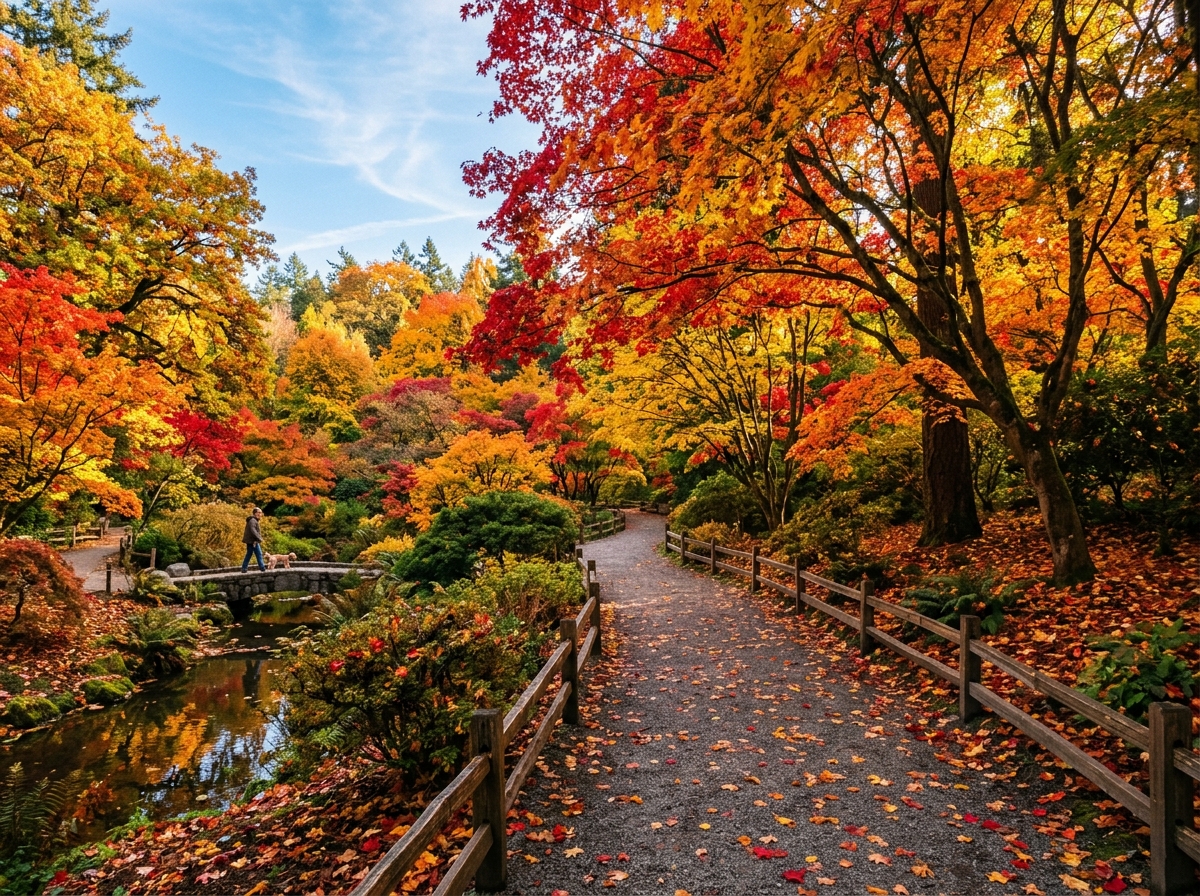
October in Seattle is a photographer’s dream with parks and neighborhoods showing off bold fall colors in gold, orange, and red. Harvest festivals and Halloween events keep things lively, and the weather stays pretty mild, ranging from the mid-40s to upper-50s Fahrenheit (about 7°C to 15°C).
Washington Park Arboretum and Volunteer Park are particularly beautiful in October when the leaves change.
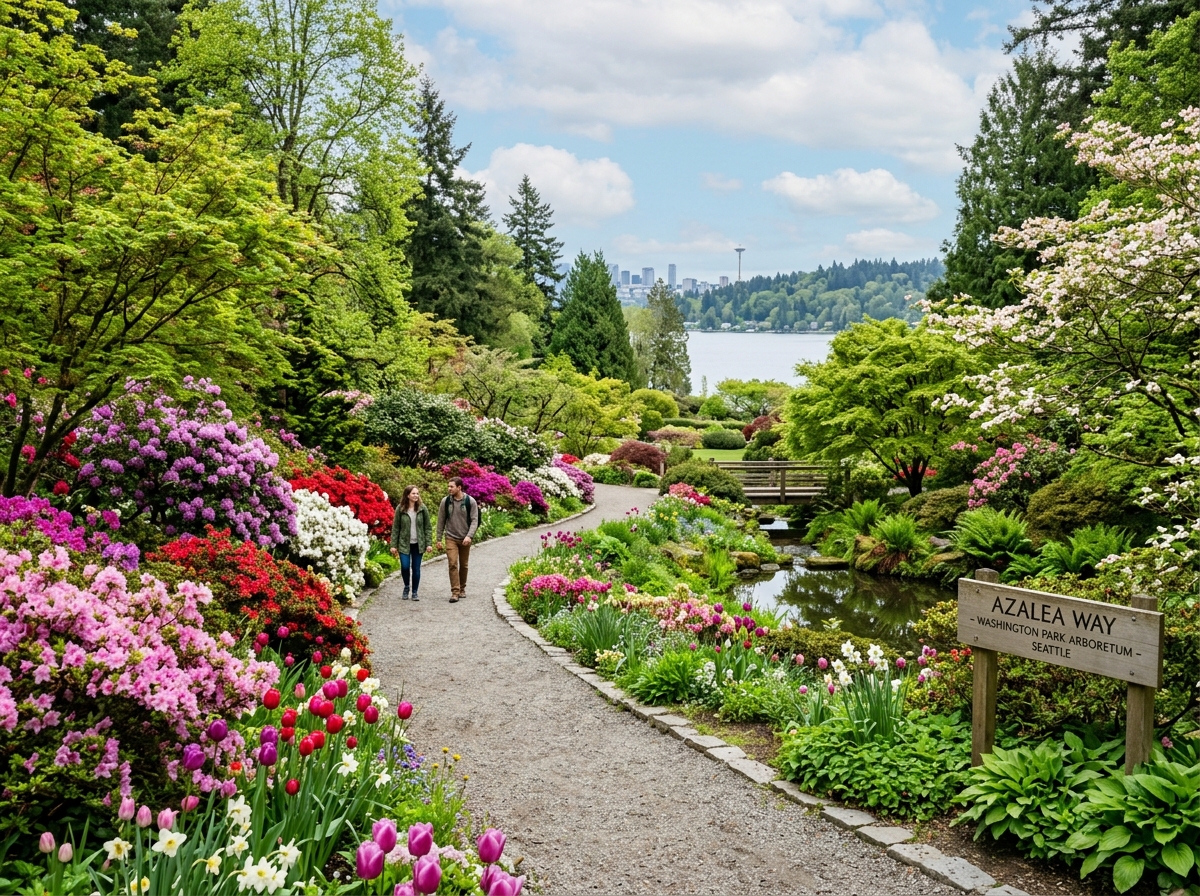
Spring (March to May): For Travelers Who Want Beauty Without the Bill
Spring in Seattle is underrated. The city wakes up slowly, the gardens start blooming, and hotel rates are still reasonable.
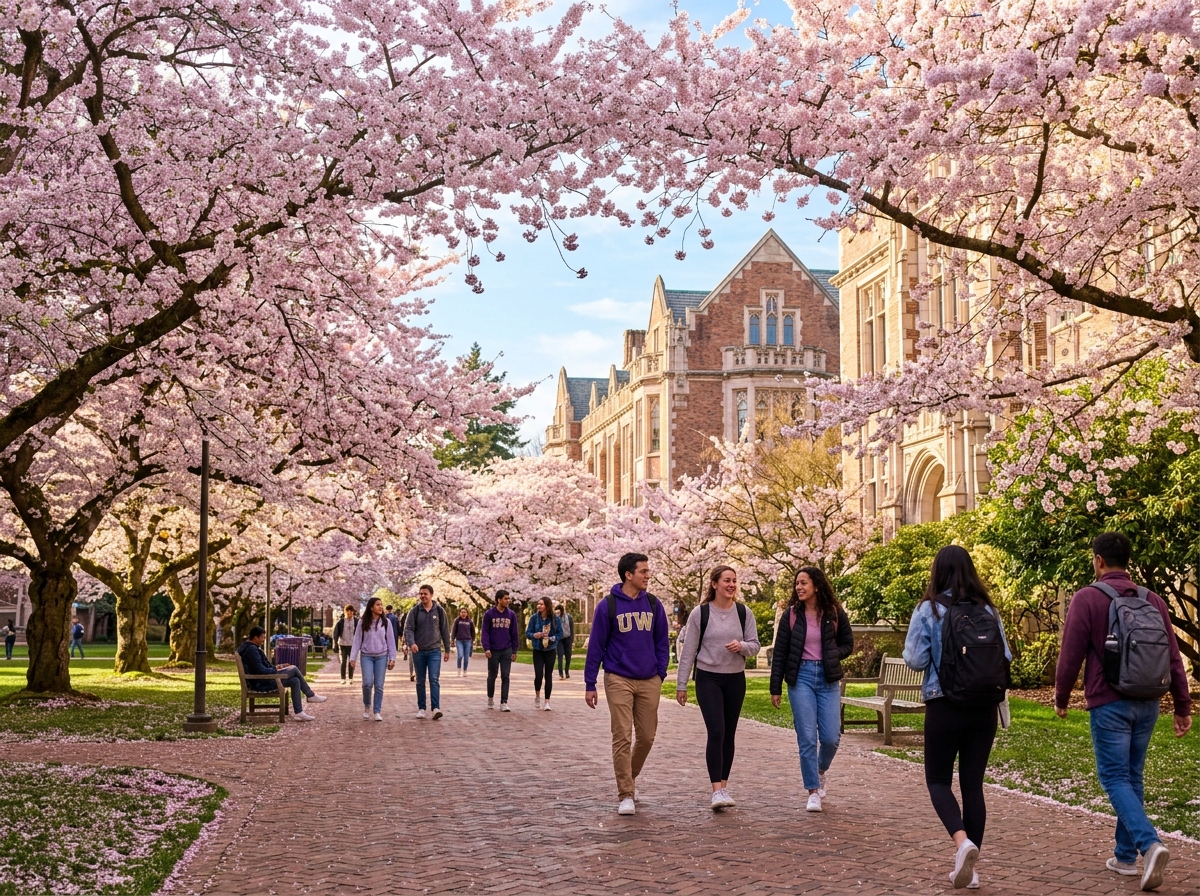
The cherry blossoms at the University of Washington typically hit their peak in late March, and the campus transforms into something that looks almost unreal. Pink blossoms arch over walkways and people come from across the city just to walk through them.
Spring in Seattle features mild temperatures ranging from 54°F to 66°F with stunning floral displays.
Rain is still a regular companion in March and early April, so pack accordingly. A waterproof layer is essential, and a good compact umbrella does not hurt either. The Repel Travel Umbrella on Amazon is a popular choice among frequent travelers because it is windproof and fits easily in a daypack.
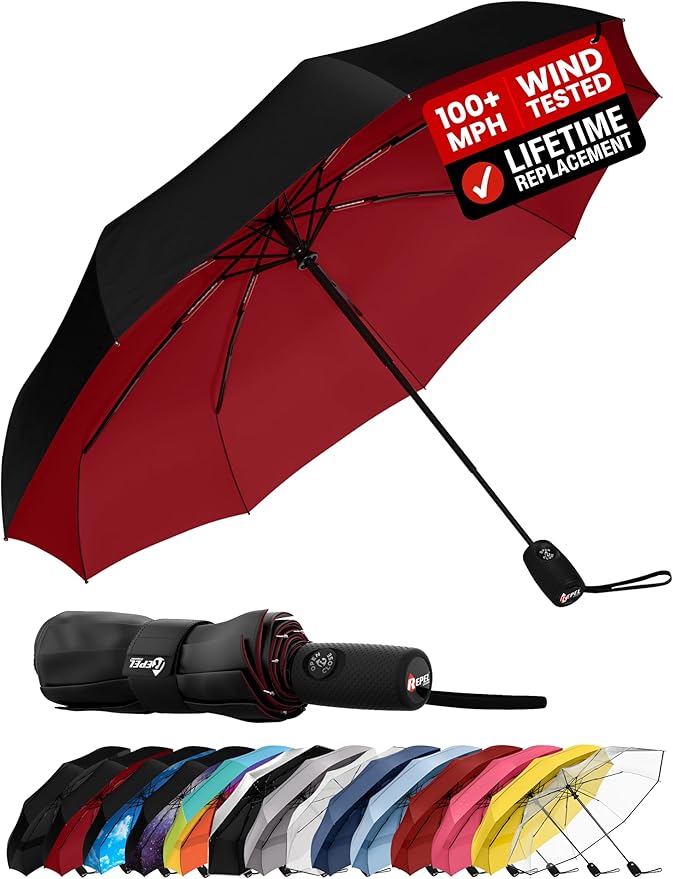
Repel Windproof Travel Umbrella
Spring is also when the Seattle International Film Festival runs in May, one of the largest film festivals in the United States.
Tourism is fairly slow through spring, which means shorter lines at the Space Needle and deals on hotel rooms. By late May, the Northwest Folklife Festival fills Seattle Center over Memorial Day weekend with thousands of performers and craft vendors, and daylight stretches past 8:30pm.
Winter (November to February): The Budget Season
Winter is the honest pick for travelers who care more about saving money than checking off perfect weather days.
If you are traveling on a budget, visit between November and March. The smaller crowds and lower costs make it a great time to explore. Plus, winter brings cozy vibes, festive events, and plenty of indoor attractions.
Seattle in winter is made for people who love coffee shops, independent bookstores, live music venues, and museum days. The city’s indoor culture is genuinely excellent.
February is especially worth knowing about. Seattle Museum Month runs all month long, unlocking 50% off at most of the city’s big museums if you are staying at a participating downtown hotel. Art, science, aviation, pop culture, you can mix it up.
December is surprisingly festive. The Christmas Ship Festival, hosted by Argosy Cruises, runs through November 28 through December 23. Nearby ski resorts in the Cascades open in December, making the city an ideal urban base for snow-related activities. New Year’s Eve at the Space Needle features one of the most impressive fireworks displays in North America.
January is the quietest month and the cheapest. It is the right choice if you genuinely want to move through Seattle at your own pace without ever feeling rushed.
Month by Month: A Fast Reference
| Month | Weather | Crowds | Prices | Good For |
|---|---|---|---|---|
| January | Cool, rainy | Very low | Lowest | Budget travel, cozy vibes |
| February | Cool, rainy | Low | Low | Museum Month deals |
| March | Mild, some rain | Low | Low to mid | Cherry blossoms (late month) |
| April | Mild, occasional rain | Moderate | Mid | Tulip festival, spring blooms |
| May | Warming up | Moderate | Mid | Film festival, long evenings |
| June | Warm, occasional drizzle | Growing | Mid to high | Pride, start of outdoor season |
| July | Warm and sunny | Peak | Highest | Best weather, festivals |
| August | Warmest, very sunny | Peak | Highest | Outdoor everything |
| September | Warm and sunny | Dropping | Mid | Best value for good weather |
| October | Mild, some rain | Low | Mid | Fall colors, photography |
| November | Cool, rainy | Low | Low | Budget, indoor culture |
| December | Cold, festive | Low to moderate | Low | Holiday events, skiing nearby |
What Type of Traveler Are You? Here Is Your Answer
You want the best possible weather: Go in July or August. Pack layers for mornings and evenings.
You hate crowds: Go in January or February. Or consider September after Labor Day.
You want good weather AND lower prices: September is your best bet. Hands down.
You are traveling with kids: Summer gives you the most to do outdoors, but school holidays make July and August very busy. Early June or September after Labor Day are calmer with most summer activities still running.
You are on a tight budget: February for Museum Month or January for rock bottom hotel rates.
You want to see fall colors: October. Washington Park Arboretum in particular.
You love festivals: July through early September is festival season. The lineup is genuinely impressive.
What to Pack for Seattle (By Season)
No matter when you visit, a few things always help.
For any season:
- A light, packable waterproof jacket (locals almost never carry full-size umbrellas)
- Comfortable walking shoes with grip, because Seattle is hilly and sidewalks get slippery when wet
- Layers, because temperatures shift between morning and afternoon even in summer
For winter visits:
A quality travel pillow and noise-canceling earbuds make long flights and rainy day downtime much more enjoyable. The Travelrest Ultimate Travel Pillow on Amazon is well reviewed for exactly this kind of trip.

BCOZZY Travel Neck Pillow
For summer visits:
Sunscreen, a reusable water bottle, and a daypack for hiking day trips to Mount Rainier or the Olympic Peninsula.
Day Trips Worth Planning Around Your Visit
One thing most Seattle guides miss is how much the surrounding region adds to a trip. The best time for day trips affects when you should visit the city itself.
- Mount Rainier National Park: Best from July through September when Paradise Road is fully open and wildflower meadows are at their peak.
- San Juan Islands: Best from late spring through early fall for whale watching and ferry hopping.
- Olympic Peninsula: Accessible year-round but most enjoyable from May through October.
- Snoqualmie Falls: Worth visiting any time, but the water volume increases by 20 to 30 times in winter, making it especially dramatic from November through March.
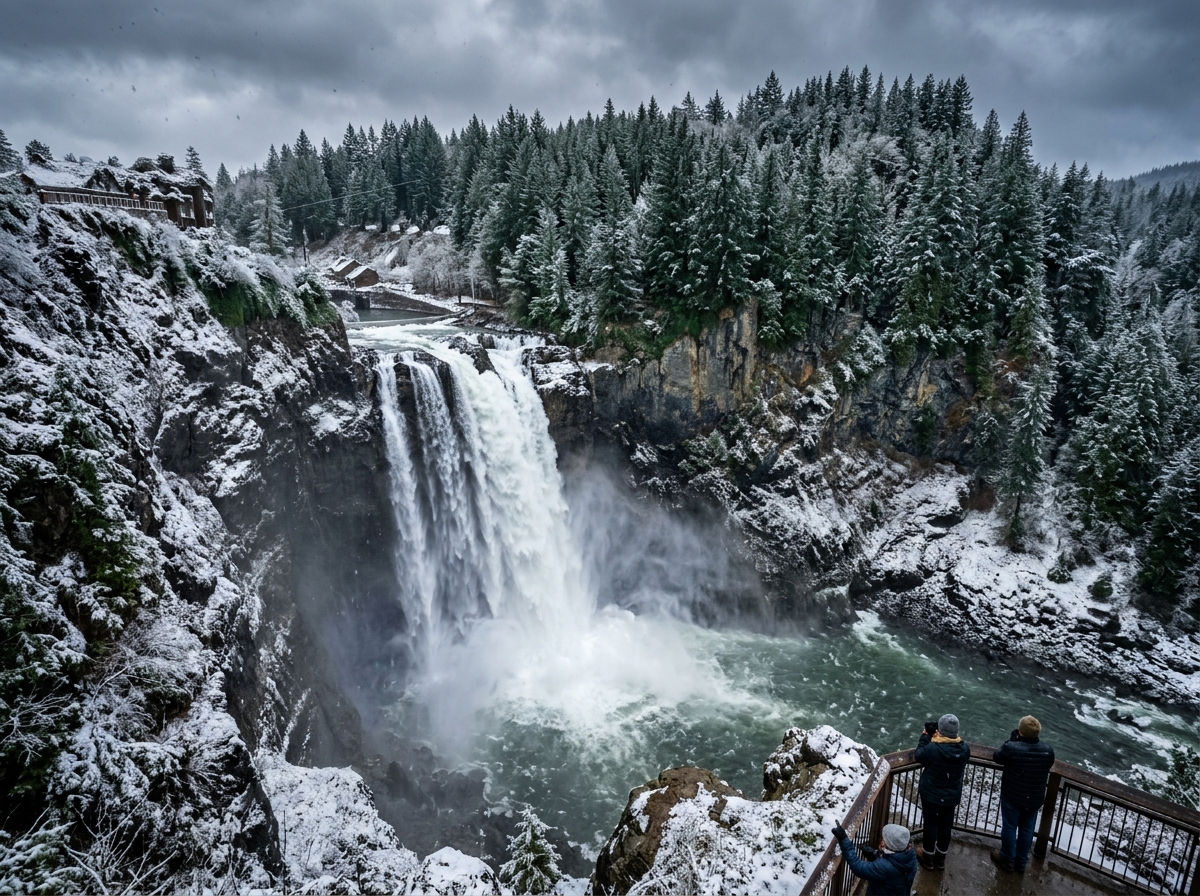
If day trips to the mountains or islands are part of your plan, summer and early fall are non-negotiable.
Practical Tips Before You Book
Book accommodation early for summer. Seattle hotel availability in July and August drops quickly. Give yourself a two to three month head start, especially for downtown properties.
Use the Link Light Rail from the airport. Seattle’s Link Light Rail connects Sea-Tac Airport to downtown in about 40 minutes and continues north through the University District. The system is clean, reliable, and the easiest way to skip traffic.
Do not rely on an umbrella. Locals wear waterproof jackets. An umbrella works against you on windy days and marks you as a tourist immediately.
Arrive at popular spots early. Pike Place Market and the Space Needle are best visited before 10am, especially in summer. The views from the Needle are sharper in the morning too.
FAQs
What is the best month to visit Seattle for the first time?
September is the best overall pick for first-timers. You get genuine summer warmth, fewer crowds than July or August, lower hotel rates, and the city feels accessible without being overwhelming.
Is Seattle worth visiting in the rain?
Yes. Seattle’s indoor culture, coffee shop scene, bookstores, and museums are among the best in any American city. A rainy day in Seattle is rarely a wasted one.
Does it snow in Seattle?
Occasionally in January and February, but it is rare and usually light. The surrounding mountains get heavy snow, which is great for skiing, but the city itself rarely sees accumulation.
When is Seattle cheapest to visit?
January and February have the lowest hotel rates. February adds the bonus of Museum Month discounts at most major attractions.
Is July or September better for visiting Seattle?
September offers nearly the same warmth as July with about half the crowd and lower prices. For most travelers, September is the better choice unless you have a specific July event you want to attend.
How many days do you need in Seattle?
Three to four days covers the main city highlights comfortably. Add two more days if you want to do a day trip to Mount Rainier or the San Juan Islands.
What should I not miss in Seattle regardless of when I visit?
Pike Place Market, the Space Needle, the Museum of Pop Culture (MoPOP), Capitol Hill neighborhood, and a ferry ride across Puget Sound. These work in any season.
Final Thoughts
Seattle rewards people who take the time to understand it. It is not just a summer city, and it is not the rain-soaked stereotype people imagine.
If you want the classic version of Seattle, July and August deliver. If you want the smarter version of the same trip, book in September. If winter is your only option, lean into the indoor culture and grab those February museum deals. Every season has something real to offer. The key is matching what the city is doing with what you actually want from a trip.
Pack a waterproof layer, get your ferry tickets in advance, and arrive early at Pike Place. The rest takes care of itself.