I’ll never forget the moment I first heard Instagram was going to hide likes. I was sipping cold brew on a warm spring morning when the notification popped up like a plot twist nobody saw coming. “Improving mental health,” the announcement read. I thought, Wow, maybe this is good. But as I dove deeper and talked to influencers from all corners of the US and beyond, I started to realize this change was more than just about feelings it was shaking up an entire ecosystem built on engagement metrics.
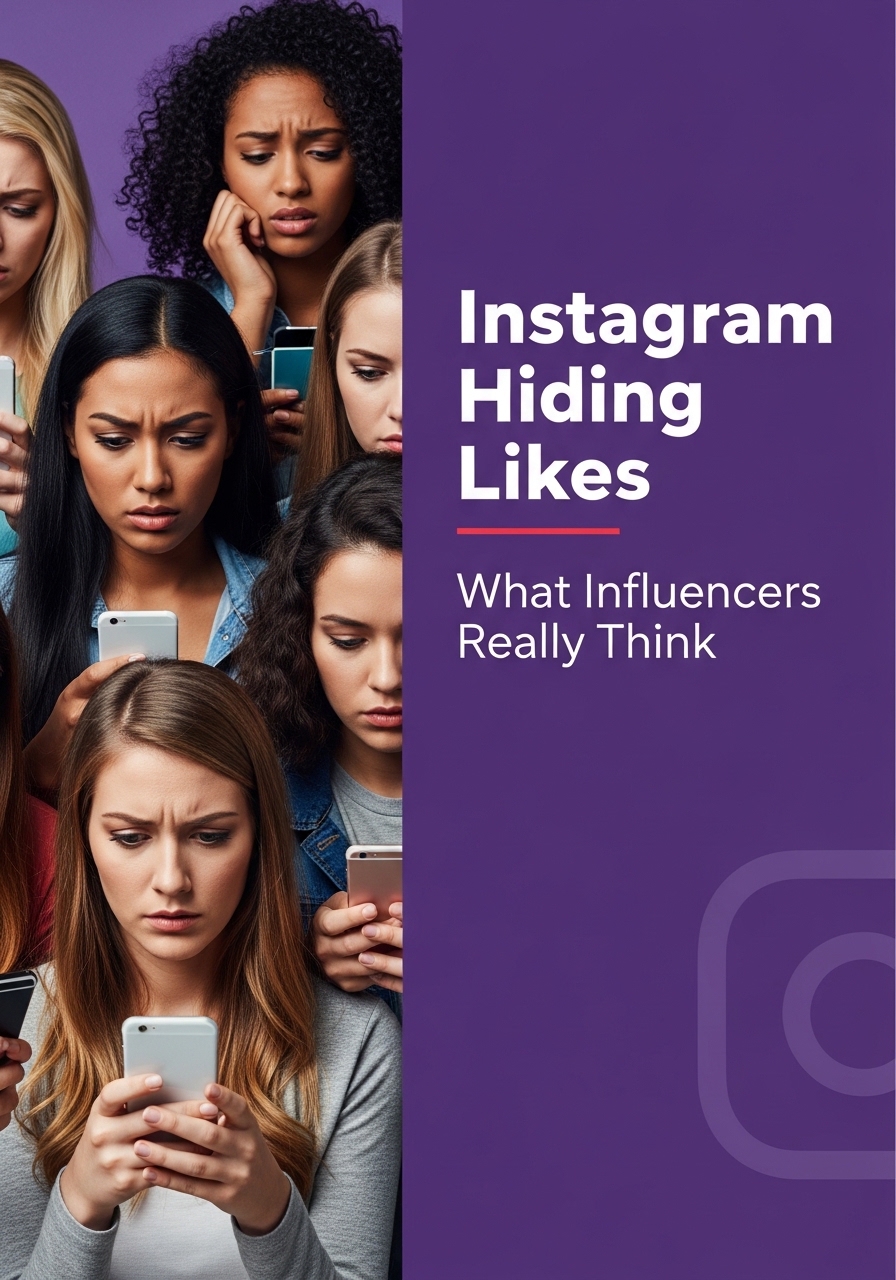
So what really happened when Instagram began hiding likes, and how do the people who depend on those numbers for their careers actually feel? Let’s walk through their stories.
The Idea Behind Hiding Likes
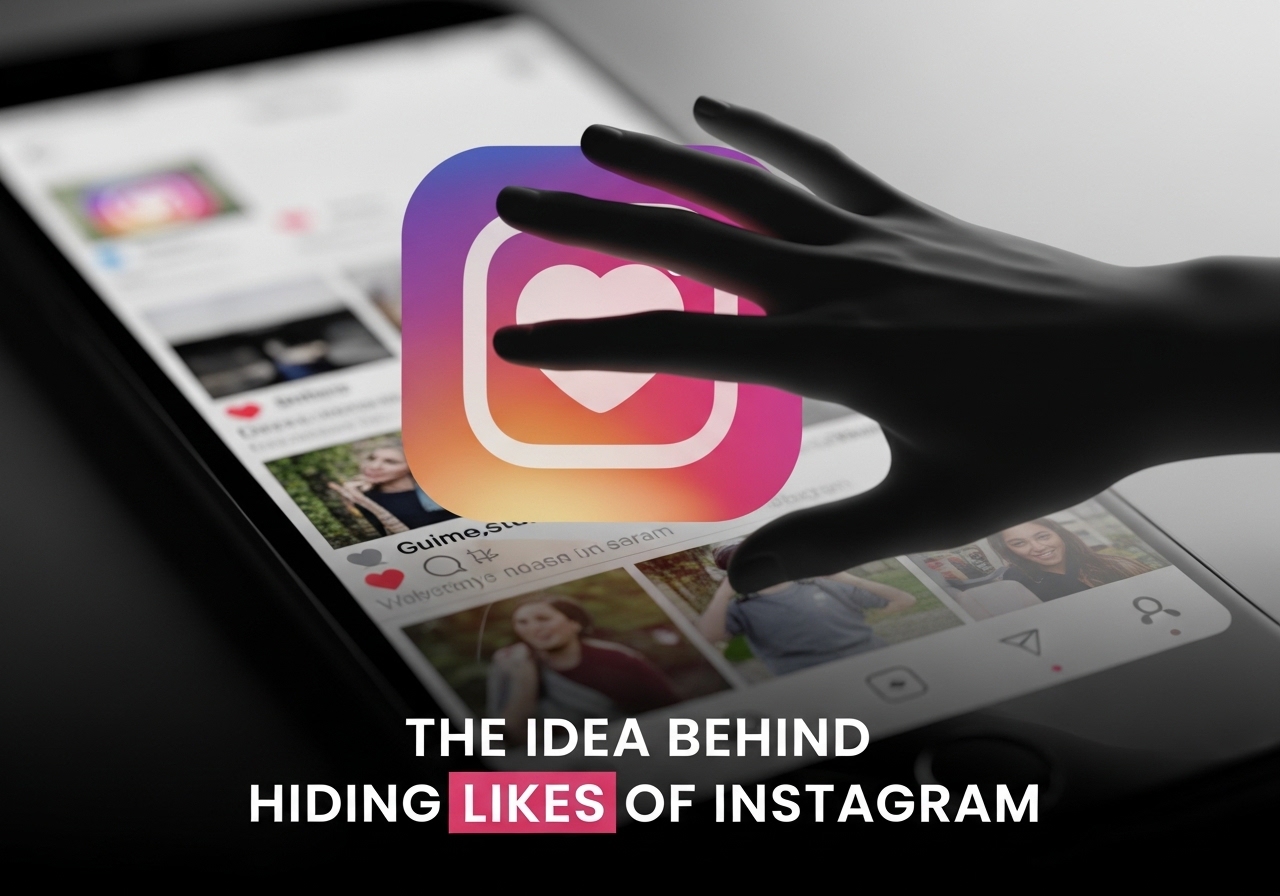
Instagram first tested hiding the number of likes to help people focus less on popularity contests and more on content that matters. In concept, it sounds thoughtful especially in a world where social platforms are frequently linked to anxiety and comparison culture. The plan was simple: only the post owner could see their full metrics, and followers would just see others like this instead of a big number of likes.
But once you tell someone who makes a living online that a key metric might go away, the reactions get complicated.
When Likes Were Everything
For years, likes were like digital currency. Influencers measured their success by how many hearts they received, and brands used these numbers as proof of reach and influence. Walk into any marketing meeting five years ago and you’d hear things like “they’ve got 50,000 likes on average, they’re a sure bet.”
That belief didn’t disappear overnight, even after the change. Many influencers found themselves explaining to brands why public like counts no longer told the real story. One long-time travel blogger I spoke to said that brands now ask for screenshots of analytics instead of just scrolling through a profile. It shifted the way creators prove their value.
Mixed Feelings Across the Industry
Not everyone had the same reaction.
Some creators felt relieved. One content creator told me hiding likes allowed her to post things she actually cared about without obsessing over numbers. She said it helped her build deeper connections with her audience, based on comments, saves, and meaningful interactions not just likes. Another influencer shared that when likes were visible, she often felt judged or insecure if her numbers were lower than her peers. Winning real engagement, rather than surface-level validation, suddenly felt more important.
On the flip side, some influencers weren’t thrilled. A few pointed out that likes historically helped hook their audience and gave new followers context a visible number makes others stop, double-tap, and engage. And for creators who rely on brand partnerships, losing public like counts made it a little harder to show off their impact at a glance.
A Shift Toward Better Metrics
One of the biggest takeaways from this change has been how influencers and brands alike are redefining measurement. Instead of obsessing over like counts:
- Marketers now focus on story interactions, reposts, and click-throughs.
- Affiliate links and conversion rates are becoming more valuable. Sometimes the real win isn’t how many people like a photo, but how many people take action after seeing it.
Honestly, it’s like switching from watching the scoreboard to watching the actual game.
What Creators Are Using Instead
Influencers are exploring tools and products that help them work smarter. For example:
Top-Rated Ring Light for Content Creators
A ring light like the Neewer 18-inch LED Ring Light Kit can make photos and videos pop, giving creators consistently clean lighting whether they’re shooting short Reels or capturing lifestyle shots.
Portable Phone Gimbal for Stable Videos
The DJI OM 5 Smartphone Gimbal stabilizes movement so influencers can produce smooth, eye-catching footage especially handy when likes are no longer the headline metric and video engagement matters more.
These tools don’t chase likes they help creators focus on quality content that lasts.
So, Is This Good or Bad?
There’s no single answer.
For some influencers, hiding likes has been freeing. For others, it’s a hurdle in a business that once valued simple visibility numbers. Many now agree this change pushes the industry toward real metrics that matter like engagement quality, story views, shares, and purchases. At the end of the day, everyone’s story is different but most agree that authenticity and real engagement are worth pursuing, with or without like counts.
FAQs
Why did Instagram hide likes in the first place?
Instagram said hiding likes was meant to help improve mental wellbeing by reducing social pressure around public engagement. But many see it as part of a broader shift toward deeper metrics and content quality.
Does hiding likes affect influencer earnings?
It can make it harder for newer brands to notice an influencer instantly, but savvy creators now use dashboards, screenshots, and affiliate results to prove their value.
Will likes ever come back?
Instagram still lets users view their own like counts, and many experts believe likes will remain useful internally. However, public visibility might stay limited as the platform continues testing new engagement approaches.