
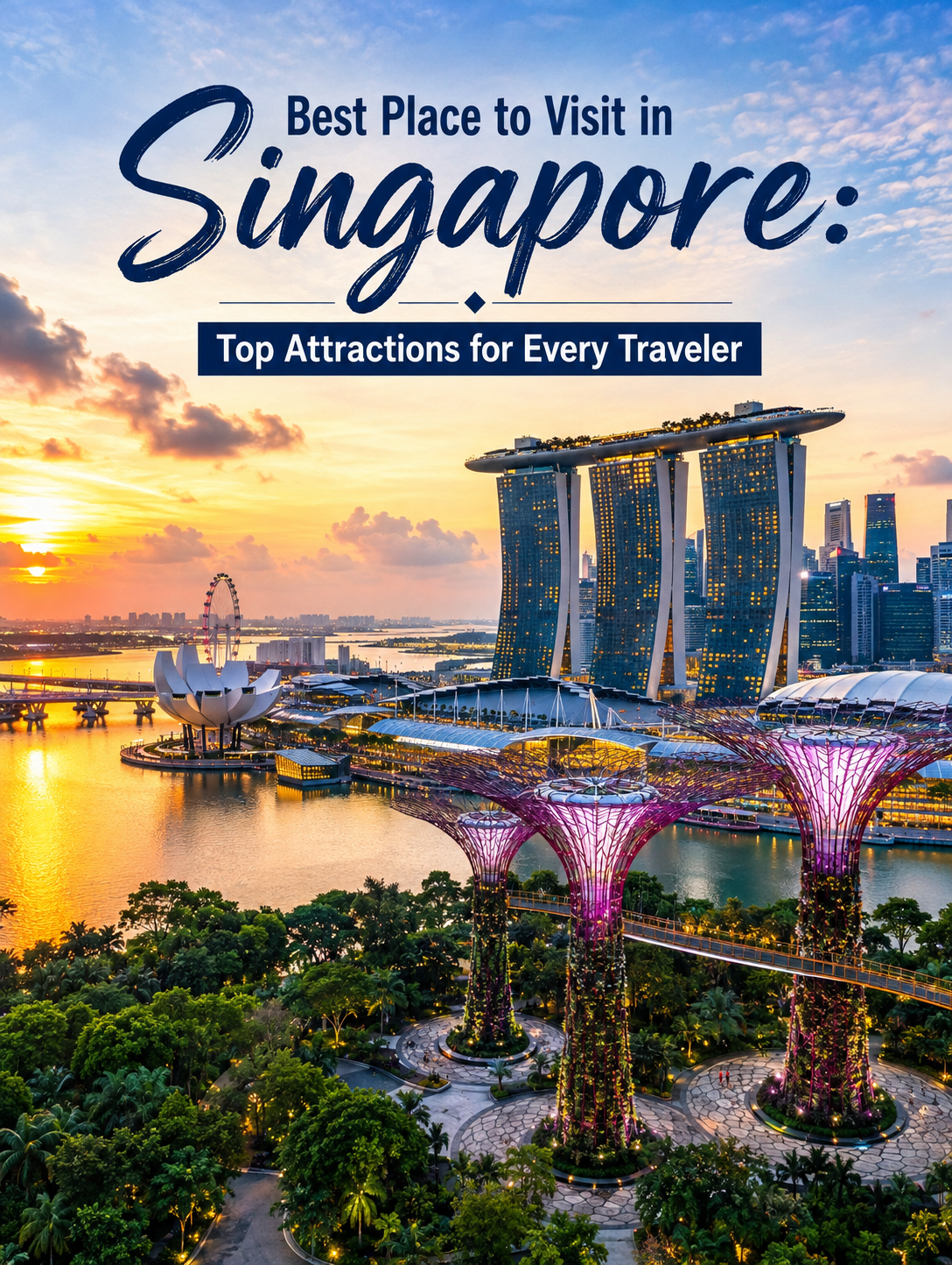
Singapore gives you more than one standout destination, but Marina Bay is the best place to visit in Singapore for a first trip, thanks to its skyline views, Gardens by the Bay, waterfront walks, and easy access to major attractions.
You can shape the rest of your itinerary around your interests, from Chinatown and Little India’s cultural character to Singapore’s nature reserves, Sentosa’s family activities, and hawker centres serving local favourites. Shopping districts and evening attractions add variety without requiring long travel times.
This guide helps you choose the right areas, balance sightseeing with downtime, and plan practical details such as transport, timing, and weather.
How To Choose Your Singapore Itinerary
Choose attractions by neighborhood, energy level, and interests so you spend less time crossing the city. Check weather forecasts, attraction schedules, and evening options before fixing each day’s plans.
Match Attractions To Your Travel Style
For culture and history, combine Chinatown, Little India, Kampong Glam, and the Civic District. You can visit temples, mosques, museums, and heritage streets without needing a full-day tour. Add hawker centers such as Maxwell Food Centre or Tekka Centre for local meals.
If you prefer modern landmarks and gardens, group Marina Bay, Gardens by the Bay, and the Singapore Flyer in one route. Gardens by the Bay works well in the late afternoon, when you can see the outdoor areas before visiting the evening light shows.
Choose Sentosa for beaches, attractions, and resort activities. Families may prefer the Singapore Zoo, River Wonders, or Night Safari, while shoppers can focus on Orchard Road, Bugis, and major malls. Limit each day to one main area and two or three nearby attractions.
Plan Around Weather And Opening Hours
Singapore stays hot and humid throughout the year, with frequent rain. Schedule outdoor walks for the morning or late afternoon, and place museums, malls, indoor gardens, or food stops during the hottest or wettest periods.
Check official websites for opening hours, ticket requirements, showtimes, and maintenance closures. Some attractions operate timed entry, while popular experiences such as Gardens by the Bay’s conservatories and Sentosa activities may require advance bookings.
Plan flexible evening options because rain can disrupt outdoor viewpoints and walking tours. You can move between covered areas through malls and sheltered walkways in central districts, but allow extra travel time during heavy showers. Use Singapore’s MRT for efficient connections and reserve taxis for late nights or journeys with luggage.
Iconic Waterfront And Skyline Experiences
Singapore’s waterfront landmarks combine elevated city views, landscaped attractions, and clear perspectives across Marina Bay. You can choose paid observation decks for height, or use public promenades and parks for flexible, lower-cost sightseeing.
Marina Bay Sands SkyPark
At Marina Bay Sands SkyPark, you stand high above the central district with broad views of Marina Bay, the Singapore Strait, Gardens by the Bay, and surrounding skyscrapers. The observation deck provides the strongest citywide perspective among these attractions, while the famous infinity pool remains reserved for hotel guests.
Visit in the late afternoon to see the skyline in daylight and watch the buildings light up after sunset. Golden hour shortly before sunset gives photos softer light, but clouds and humidity can affect visibility. Buy tickets in advance during busy periods, and check operating hours before you travel because access may change due to private events or weather.
Gardens by the Bay
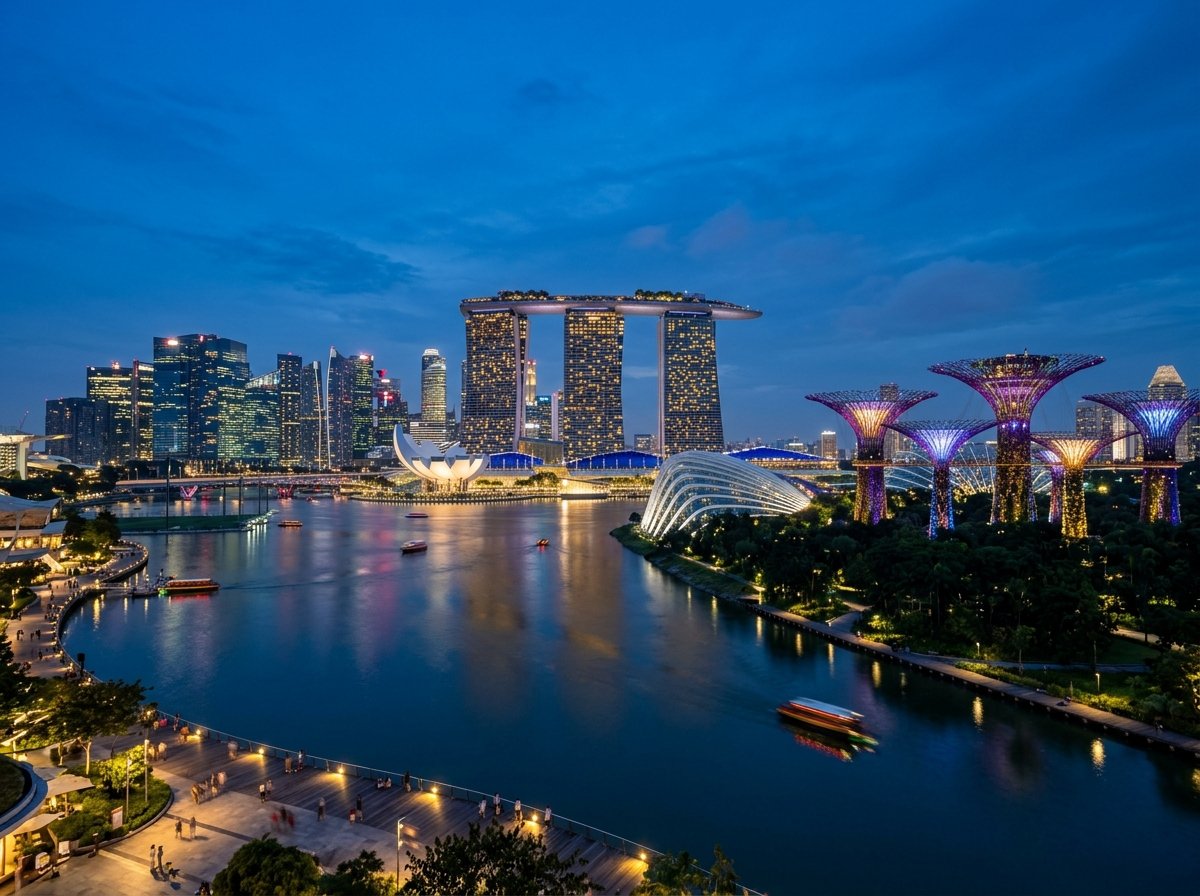
Gardens by the Bay combines waterfront scenery with distinctive architecture and large indoor conservatories. The Supertree Grove offers one of Singapore’s most recognizable photo settings, especially when the structures illuminate in the evening. You can also walk along the OCBC Skyway for an elevated view of the gardens and nearby Marina Bay skyline.
The Flower Dome and Cloud Forest provide air-conditioned spaces, which can make them useful during hot or rainy weather. Allow several hours if you plan to visit the conservatories, Supertree Grove, and waterfront paths. The outdoor gardens offer free access, while the conservatories and Skyway require separate tickets.
Merlion Park
Merlion Park gives you a convenient, central viewpoint of Marina Bay. The white Merlion statue faces the water and frames Marina Bay Sands across the bay, making the site a practical stop for daytime photographs and first-time visitors. Arrive early or later in the evening for fewer crowds and softer light.
You can reach the park from Raffles Place MRT or walk along the waterfront from the Esplanade. Combine your visit with the Marina Bay Promenade, which links several major landmarks through a scenic pedestrian route. The area works well as a short stop, but you can extend the visit by continuing toward the Helix Bridge or Gardens by the Bay.
Heritage Districts And Cultural Enclaves
Singapore’s historic districts let you experience Chinese, Indian, and Malay heritage through preserved architecture, religious sites, traditional shops, museums, and local food. You can explore each area on foot, but plan around temple opening hours and Singapore’s heat.
Chinatown
Chinatown combines historic shophouses, major Buddhist and Hindu temples, markets, and modern dining venues. Begin at Buddha Tooth Relic Temple, a Tang-style Buddhist temple on South Bridge Road, then walk to Sri Mariamman Temple, Singapore’s oldest Hindu temple, known for its detailed entrance tower.
At the Chinatown Heritage Centre, you can learn how early Chinese migrants lived and worked in the area. The surrounding streets contain traditional medicine shops, bakeries, tea merchants, and restaurants, while Chinatown Complex Food Centre offers affordable local dishes such as chicken rice, laksa, and char kway teow.
Visit in the morning for cooler temperatures and quieter streets. During Chinese New Year, lanterns, decorations, markets, and performances create a busier atmosphere.
Little India
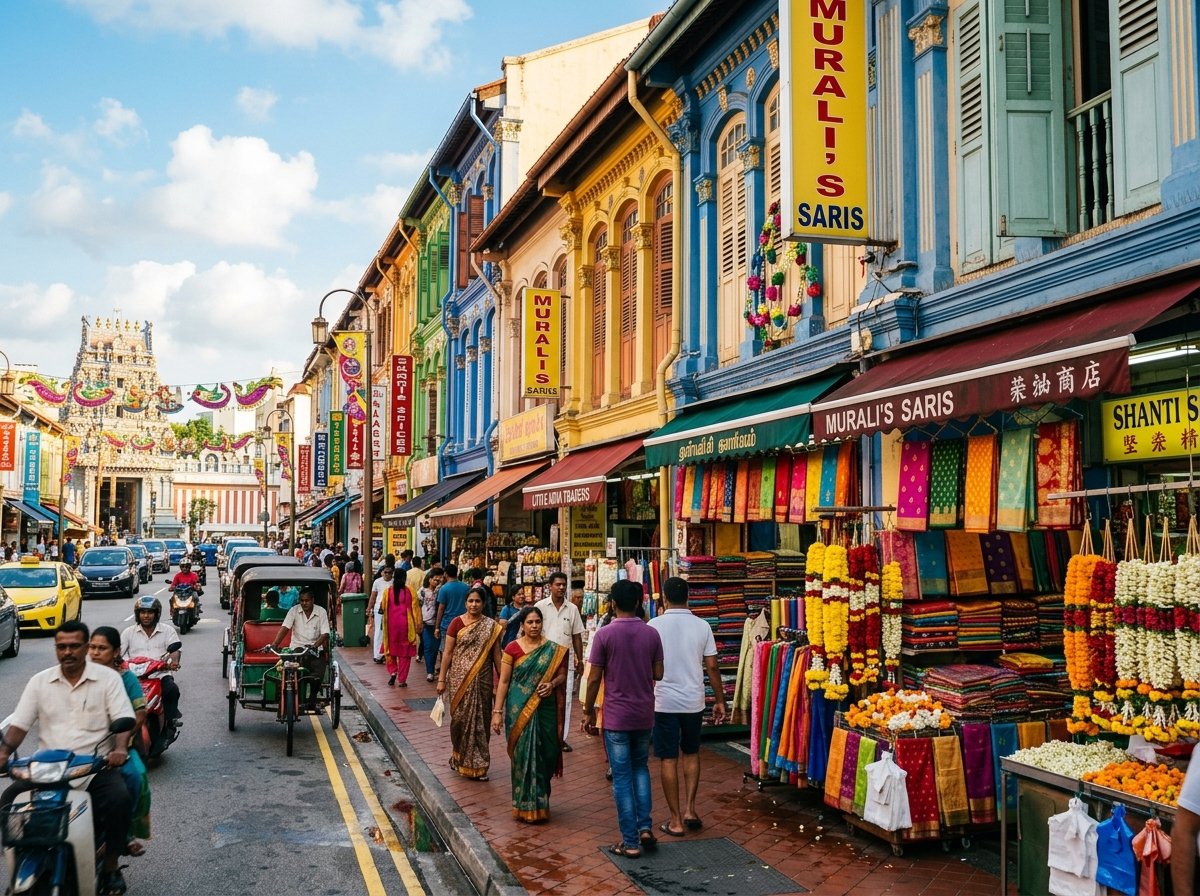
Little India gives you a concentrated look at Singapore’s South Asian heritage. Serangoon Road forms the main corridor, with jewellery shops, textile stores, spice sellers, Indian restaurants, and colourful historic buildings.
Explore Sri Veeramakaliamman Temple, dedicated to the Hindu goddess Kali, and visit the Indian Heritage Centre to understand the history of the Indian community in Singapore. The district also includes Tan Teng Niah, a brightly painted former Chinese villa that provides a distinctive contrast to the surrounding shophouses.
You can eat dosa, biryani, roti prata, and banana-leaf rice at restaurants throughout the area. Visit Tekka Centre for an Indian-Muslim food court and wet market. Dress modestly when entering temples, and remove your shoes where required.
Kampong Glam
Kampong Glam reflects Singapore’s Malay, Arab, and Muslim heritage through its mosque, palace grounds, shophouses, and independent businesses. The district’s focal point is Sultan Mosque, whose golden domes and spacious prayer hall make it one of Singapore’s most recognisable religious landmarks.
Walk along Arab Street and Haji Lane to find textile shops, perfume stores, cafés, restaurants, and small boutiques. The Malay Heritage Centre, located in the former Sultan’s palace compound, explains the neighbourhood’s royal connections and the development of Singapore’s Malay community.
Try Malay and Middle Eastern dishes such as nasi padang, beef rendang, murtabak, and biryani. Visit in the late afternoon, when the area becomes more active, but check mosque access rules and avoid photographing worshippers without permission.
Nature Escapes And Wildlife Encounters
Singapore offers easy access to mature gardens, protected rainforest, wetlands, and offshore habitats. You can pair cultivated landscapes and family-friendly animal exhibits with quieter walks where you may spot native birds, monkeys, otters, and other wildlife.
Singapore Botanic Gardens
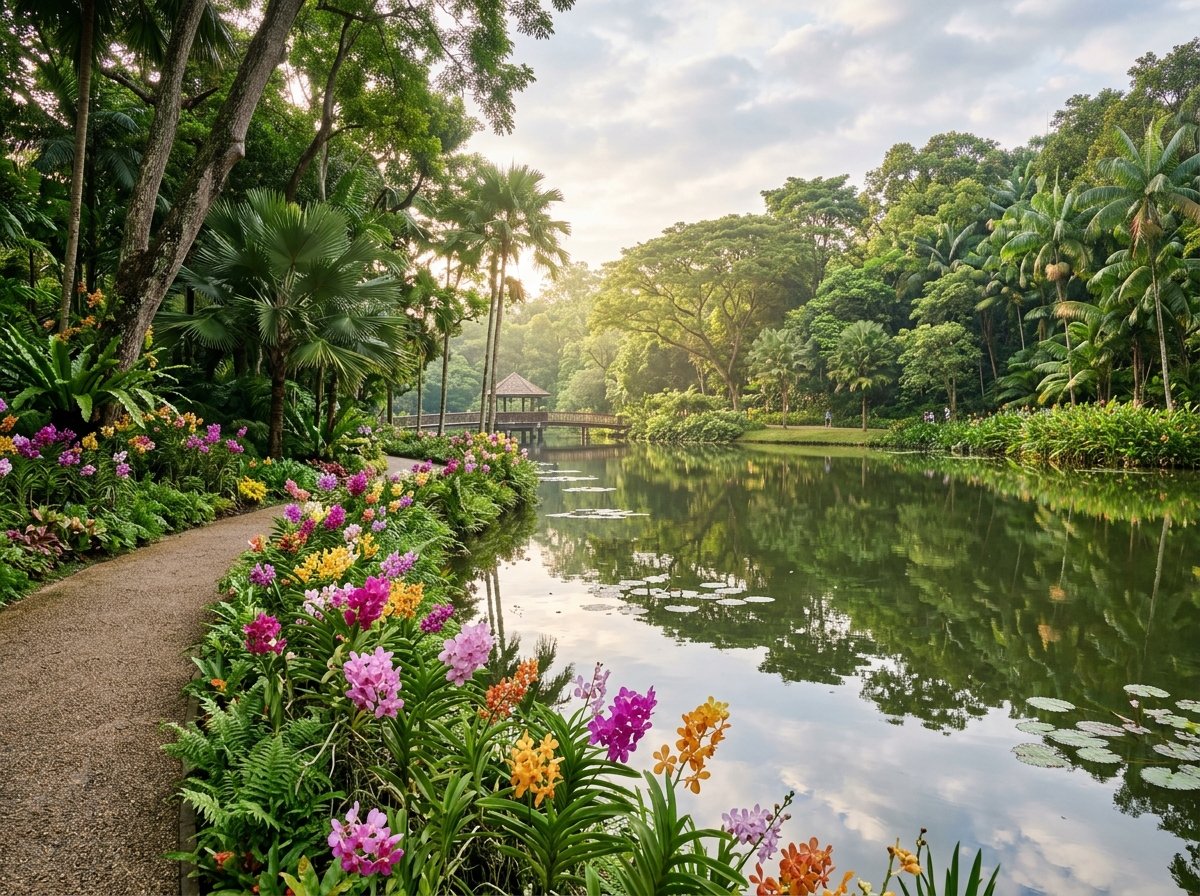
The Singapore Botanic Gardens provides a central green space near Orchard Road. You can explore broad lawns, rainforest paths, lakes, and themed plant collections without leaving the city. The National Orchid Garden stands out for its large display of tropical orchids and landscaped features.
Visit early in the morning for cooler temperatures and better chances of seeing birds and squirrels. The gardens suit relaxed walks, photography, and short breaks between city attractions. Admission to the main gardens is free, while the National Orchid Garden requires a separate ticket.
Wear comfortable shoes and bring water, especially if you plan to walk beyond the main lawns. You can reach the gardens through Botanic Gardens MRT station, which connects directly to the Downtown and Circle lines.
Mandai Wildlife Reserve
Mandai Wildlife Reserve brings several major attractions together in northern Singapore, including Singapore Zoo, Night Safari, River Wonders, and Bird Paradise. Each park focuses on different habitats and species, so you should allow several hours for one attraction or plan a full day for multiple parks.
Singapore Zoo presents animals in spacious, landscaped settings, while Night Safari lets you observe nocturnal species after dark. River Wonders focuses on freshwater ecosystems, and Bird Paradise features extensive aviaries with hundreds of bird species. Check feeding sessions and keeper presentations before your visit, as schedules can change.
Book tickets in advance during weekends and school holidays. Shuttle services within Mandai can reduce walking between parks, and you should use the reserve’s official transport information when planning connections from central Singapore.
Pulau Ubin
Pulau Ubin offers a slower, more rural experience than mainland Singapore. You can reach the island by bumboat from Changi Point Ferry Terminal, then rent a bicycle near the jetty or explore on foot. The island’s unpaved tracks pass through kampongs, coconut groves, ponds, and secondary forest.
Cycle to Chek Jawa Wetlands, where boardwalks and viewing platforms overlook coastal habitats. At low tide, you may see mudskippers, crabs, and other intertidal life; monitor tide conditions before setting out. Long-tailed macaques and numerous bird species also live on the island, but you should not feed or approach them.
Bring cash, insect repellent, sun protection, and sufficient drinking water. Mobile coverage and facilities can be limited, so download maps and return to the jetty before the last boat service.
Island Leisure And Family Entertainment
Singapore’s southern islands combine beaches, theme-park rides, wildlife experiences, and indoor attractions. Sentosa gives you the broadest choice, while Universal Studios Singapore and S.E.A. Aquarium provide focused days for families with different interests.
Sentosa
Sentosa is a convenient choice when you want several attractions in one destination. You can reach the island by the Sentosa Express from VivoCity, by cable car, on foot via the Sentosa Boardwalk, or by taxi. Check current transport fees and operating hours before you travel.
The island includes Palawan Beach, Siloso Beach, and Tanjong Beach, each offering a different atmosphere. Siloso suits active outings and water activities, while Palawan provides family-friendly facilities and easy access to attractions. You can also visit Fort Siloso, Singapore’s only preserved coastal fort, for a short historical stop.
Plan your route because Sentosa’s attractions sit across different zones. You may need a full day for major attractions, meals, and travel between locations. Bring sun protection, water, and spare clothes if you plan to use the beaches or water-play areas. A reusable insulated water bottle is also useful for staying hydrated during long, hot days while reducing the need to buy multiple single-use bottles.

Owala FreeSip Stainless Steel Water Bottle 24 oz Denim
Universal Studios Singapore
Universal Studios Singapore occupies part of Resorts World Sentosa and features themed zones based on films and television franchises. You can find roller coasters, family rides, live shows, character encounters, and seasonal events throughout the park.
Thrill-seekers can choose rides such as Battlestar Galactica: HUMAN vs. CYLON and Revenge of the Mummy. Younger visitors may prefer Sesame Street Spaghetti Space Chase, Dino-Soarin’, and the attractions in Far Far Away. Height restrictions apply, so review the official requirements before promising a ride to children.
Arrive near opening time to reduce waiting for popular attractions. An Express Pass can shorten queues, but its value depends on crowd levels and your budget. Carry a hat and refillable water bottle, and schedule indoor shows or meals during the hottest part of the day.
S.E.A. Aquarium
S.E.A. Aquarium, located at Resorts World Sentosa, offers an indoor alternative to Singapore’s heat and rain. Its large marine habitats display species such as manta rays, sharks, reef fish, and other animals from regional and global waters.
The Open Ocean Habitat forms the aquarium’s main visual highlight, giving you a broad view of marine life through a large viewing panel. Smaller exhibits explain coral reefs, coastal environments, and conservation issues. Read the displays to add context rather than treating the visit as a quick photo stop.
Allow about two hours for a comfortable visit, depending on crowd levels and your interest in each exhibit. You can combine the aquarium with Universal Studios Singapore or other Resorts World attractions, but check current opening times and ticket conditions because schedules and exhibit access can change.
Food-Focused Neighbourhoods And Hawker Centres
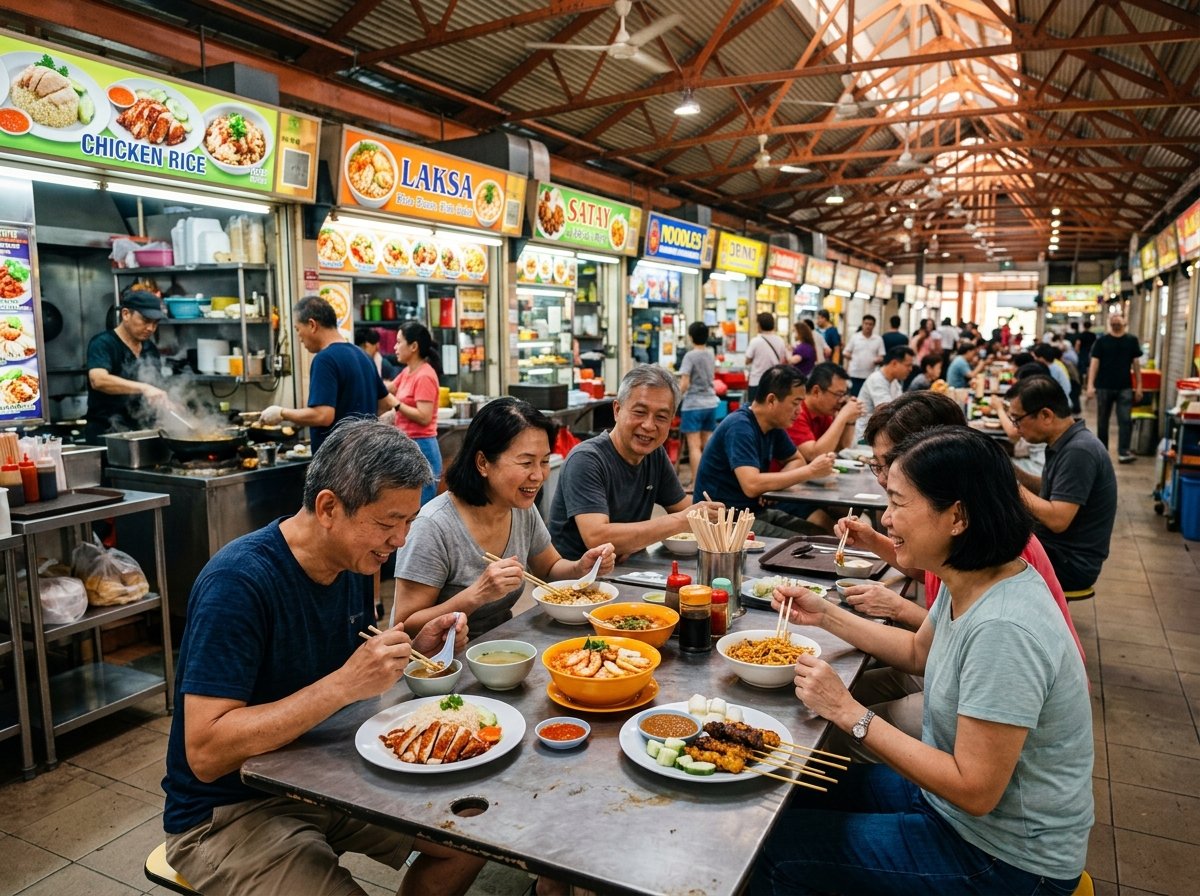
Singapore’s food culture is easiest to explore through neighbourhood centres that specialise in different dishes and dining settings. Maxwell Food Centre suits a daytime Chinatown visit, Lau Pa Sat combines heritage architecture with a central business district location, and Old Airport Road Food Centre offers one of the city’s broadest selections.
Maxwell Food Centre
Located near Chinatown, Maxwell Food Centre makes a practical stop alongside the Buddha Tooth Relic Temple, Sri Mariamman Temple, and nearby shophouses. The centre is best known for chicken rice, especially the stall made famous by Tian Tian Chicken Rice, but you can also find fish soup, congee, rojak, chee cheong fun, and fresh fruit juices.
Visit before noon or after the main lunch period if you want a better chance of finding a seat. Many stalls accept cash, while some take local cashless payments, so keep small Singapore-dollar notes available. Use the tray-return points after eating and avoid occupying a table while someone else collects food.
Lau Pa Sat
Lau Pa Sat sits in the Downtown Core, close to Raffles Place and Marina Bay, making it convenient between sightseeing stops or during an evening city walk. Its Victorian cast-iron structure creates a more formal setting than many neighbourhood centres, although the food remains casual and varied.
You can choose from satay, chicken rice, laksa, seafood, noodles, and local drinks. The satay stalls along Boon Tat Street become especially popular in the evening, when the road closes to traffic and tables move outdoors. Expect queues at peak times, and check prices before ordering seafood or other items sold by weight.
Old Airport Road Food Centre
Old Airport Road Food Centre in Dakota is one of your strongest choices when you want variety in a single visit. Stalls serve char kway teow, lor mee, oyster cake, popiah, dumplings, sugarcane juice, and other Singaporean favourites, with options ranging from quick snacks to filling meals.
The centre attracts local residents and office workers, so lunch can become crowded. MRT access is available through Dakota and Mountbatten stations, followed by a short walk. Go with a flexible plan rather than targeting one stall; popular vendors may sell out, while neighbouring stalls often offer equally useful introductions to classic dishes.
Practical Tips For Visiting Singapore
Use Singapore’s MRT for fast, affordable travel between major neighborhoods and attractions. For popular sites, reserve timed-entry tickets early, especially during weekends, school holidays, and peak travel periods.
Getting Around By MRT
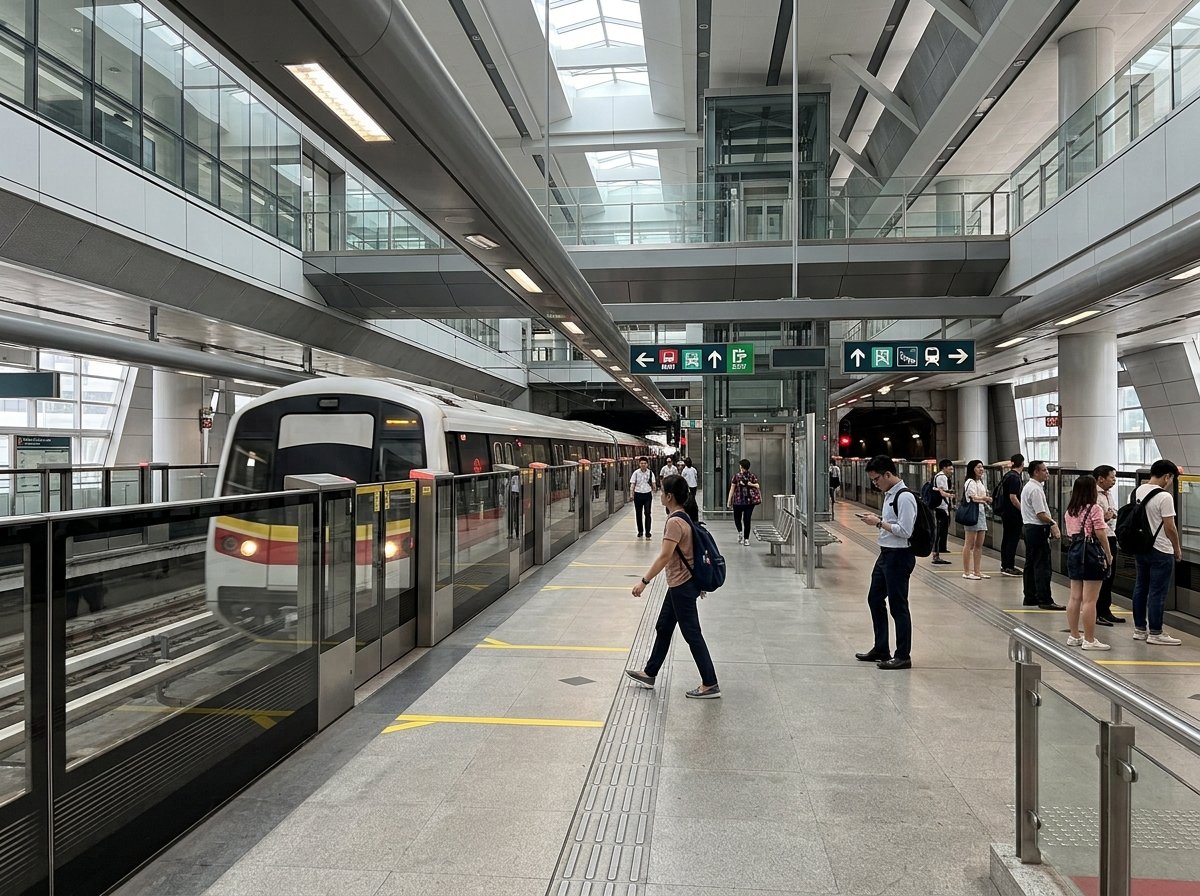
The MRT connects Changi Airport, Marina Bay, Chinatown, Little India, Orchard Road, Sentosa Gateway, and many residential districts. Trains run frequently, stations use clear English signs, and air-conditioned platforms make travel comfortable.
You can pay at fare gates with a contactless bank card, mobile wallet, or an EZ-Link card. Use the same card or device when entering and exiting. Check that your bank allows overseas contactless payments and note that each traveler needs a separate payment method.
Download the Singapore MRT map or use a navigation app to compare routes and transfer stations. Avoid blocking escalators and stand on the left; keep right when walking. Trains become busiest during weekday commuting hours, roughly 7:30–9:30 a.m. and 5:30–7:30 p.m.
Booking Popular Attractions
Book timed-entry tickets through official websites whenever possible. Advance reservations help you secure admission to attractions such as Gardens by the Bay conservatories, the Singapore Zoo, Universal Studios Singapore, the ArtScience Museum, and Marina Bay Sands SkyPark.
Check ticket conditions before paying. Some tickets cover only a specific date, while others require you to choose an entry time. Confirm opening hours, age rules, weather policies, and whether separate tickets apply to special exhibitions or experiences.
Reserve at least several days ahead for weekends and public holidays, and book earlier for school-holiday travel. Keep digital tickets available offline in case mobile service is slow. Choose morning or late-afternoon slots for outdoor attractions, when temperatures are usually more manageable, and carry water because Singapore’s climate remains hot and humid throughout the year.
For international visitors, a universal travel adapter with USB charging ports can make it easier to charge phones, cameras, power banks, and other devices. Check that the adapter supports Singapore’s Type G electrical outlets and that your devices are compatible with the local voltage.
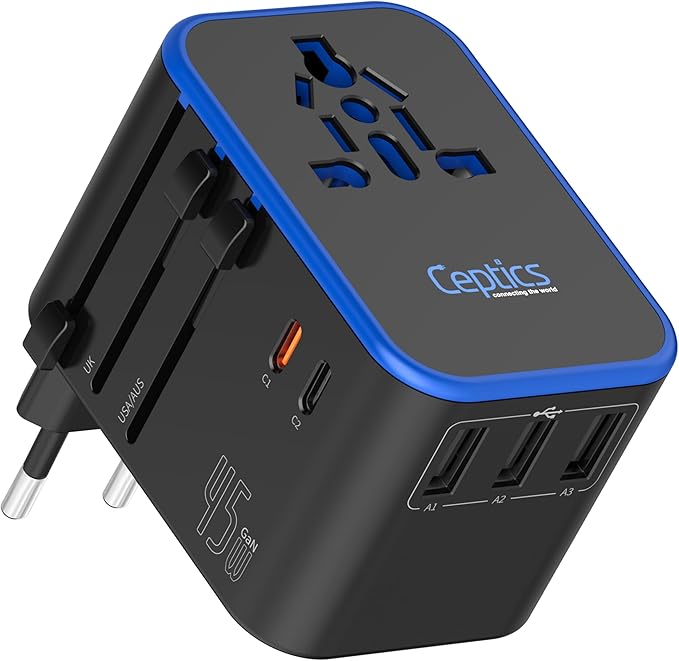
Ceptics Universal Travel Adapter, 45W International Power Adapter
Conclusion
Singapore offers a wide range of experiences in a compact and easy-to-navigate destination. Marina Bay is the best place to start for first-time visitors because it brings together iconic skyline views, Gardens by the Bay, waterfront attractions, and convenient transport connections.
Beyond Marina Bay, you can explore the cultural streets of Chinatown, Little India, and Kampong Glam, enjoy green spaces such as the Singapore Botanic Gardens, experience wildlife at Mandai, or spend a full day at Sentosa. Hawker centres provide an affordable way to discover local food, while Orchard Road, Clarke Quay, and Jewel Changi Airport offer shopping and evening activities.
Plan each day around nearby attractions, book popular experiences in advance, and prepare for Singapore’s hot and humid weather. With comfortable walking shoes, a lightweight daypack, a reusable water bottle, and the right travel adapter, you can move between the city’s major sights more comfortably and make the most of your visit.