July is the busiest travel month of the year and also one of the most misunderstood.
Most guides tell you to go to the Mediterranean. That advice is half right. July is genuinely the best month for some destinations and the worst month for others and depends entirely on what kind of trip you actually want.
This guide breaks down the best places to visit in July by region, by traveler type, and by what you are trying to avoid, with the practical context most articles skip entirely.
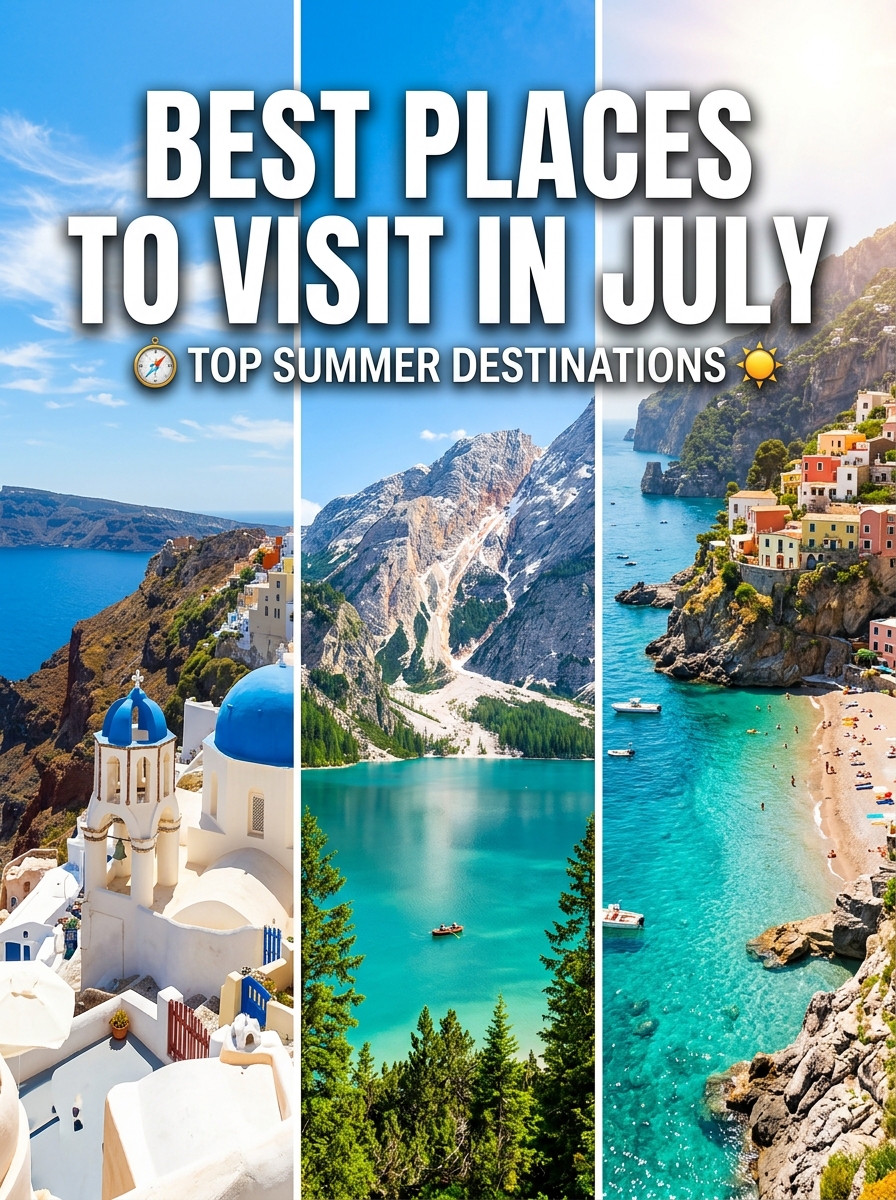
Quick Answer: Best Places to Visit in July
For beach holidays with reliable weather: the Greek islands, Croatia, and the Algarve in Portugal. For cooler escapes from northern hemisphere heat: Iceland, Norway, Scotland, and Alaska. For Southern Hemisphere adventures: South Africa for safari season and Patagonia for dramatic winter landscapes. For festivals and culture: Montreal, Salzburg, and Pamplona. For wildlife: the Serengeti and Maasai Mara during the Great Migration.
For 2026 specifically, North America is a major draw because of the FIFA World Cup, which significantly affects pricing and crowds in host cities throughout June and July.
Understanding July: Two Hemispheres, Two Seasons
July sits at completely opposite points of the year depending on where you are.
Northern Hemisphere: Peak summer. Long daylight hours, the warmest temperatures of the year in most of Europe and North America, and the highest prices and crowds of the entire calendar. School summer holidays across most of the Northern Hemisphere run from late June through August, which drives both the crowding and the cost.
Southern Hemisphere: The depths of winter. This is genuinely one of the best-kept secrets in travel planning. South Africa, Argentina, Chile, New Zealand, and Australia are all in winter during July, which means dry season safaris, snow sports, and dramatically lower prices compared to their own peak seasons.
Understanding this split is the single most useful piece of planning context for July travel, and almost no competitor guide states it as the starting point.
Best Places to Visit in July: Beaches and Coastal Escapes
The Greek Islands
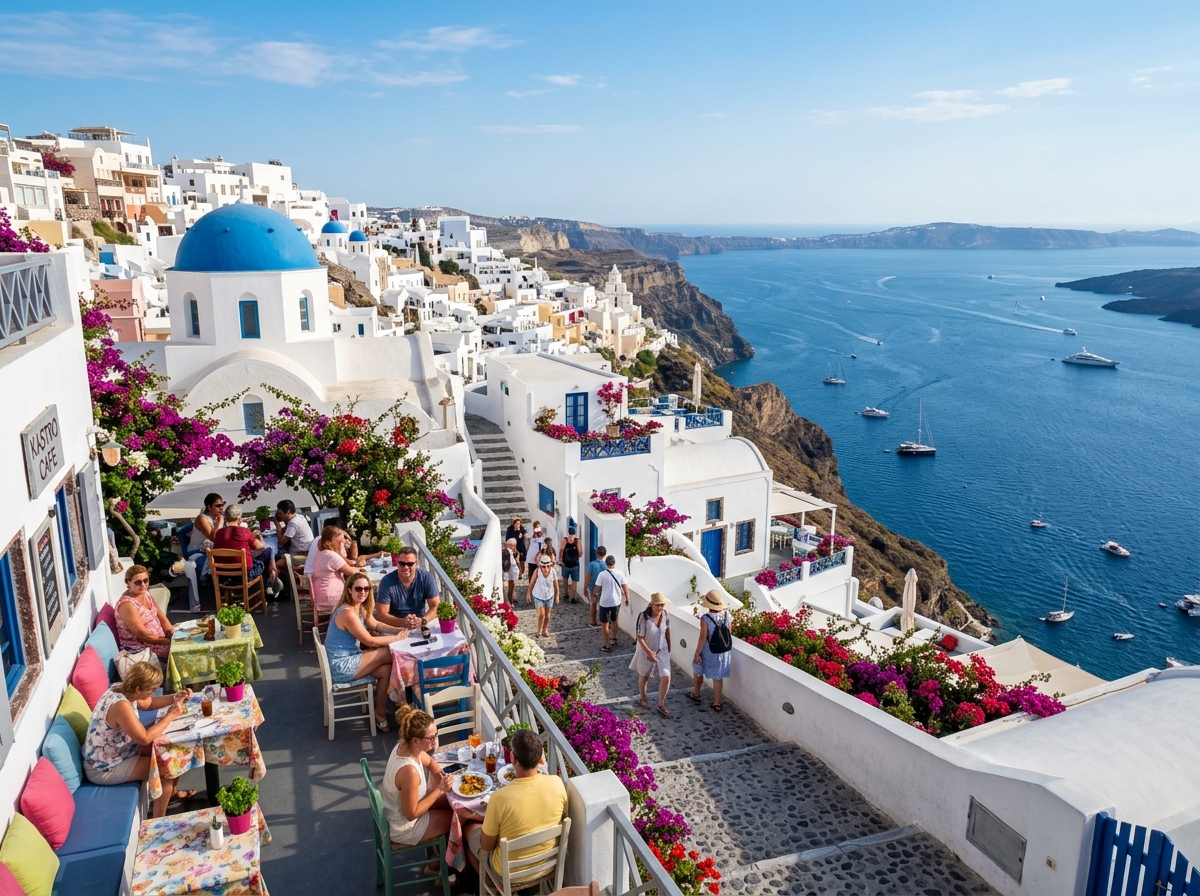
July in Greece delivers exactly what people picture: whitewashed villages, turquoise water, and long warm evenings. Santorini, Mykonos, and the smaller Cycladic islands like Naxos and Paros are all at their best.
The honest reality: July is peak season and peak price in Greece. Santorini in particular is extremely crowded. For a quieter alternative with the same quality of water and weather, consider the Ionian islands (Corfu, Kefalonia) or lesser-known Cycladic islands like Folegandros and Sifnos.
Temperatures: Athens and the islands regularly reach 30 to 33 degrees Celsius (86 to 91F) in July, with August being even hotter.
Croatia
The Dalmatian Coast in July is excellent for sailing, island-hopping, and historic towns like Dubrovnik and Split. The Adriatic Sea is warm enough for comfortable swimming and the long coastline means crowds spread out more than in Greece’s concentrated island clusters.
Hvar and the Kornati Islands National Park are both excellent for boat-based exploration. Plitvice Lakes National Park, inland, is genuinely beautiful but extremely busy in July. Visit early morning or consider September instead if crowds are a major concern.
The Algarve, Portugal
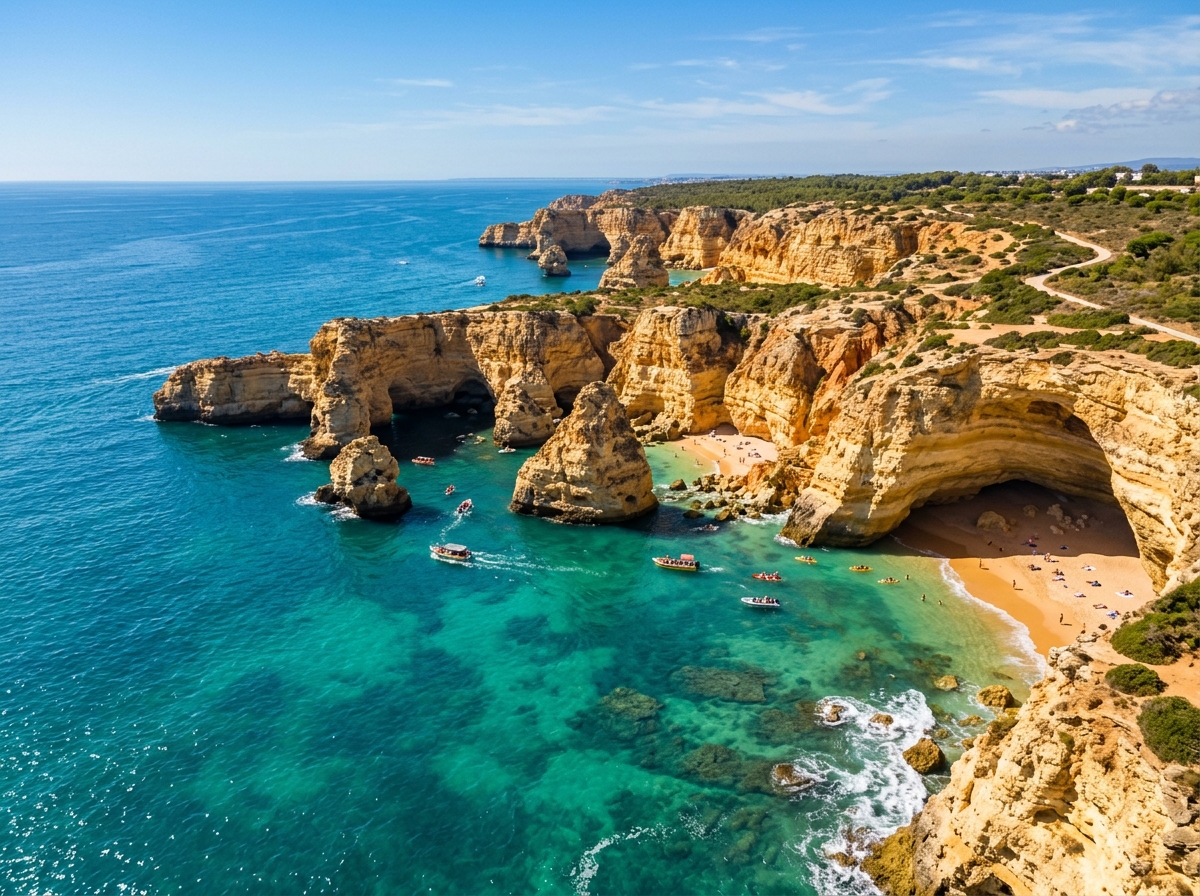
The Algarve in southern Portugal offers a slightly cooler Mediterranean alternative to Greece and Italy, with temperatures typically 2 to 4 degrees lower than the central Mediterranean due to Atlantic influence. The beaches around Lagos, with their dramatic limestone cliffs and sea caves, are among the most beautiful in Europe.
Bali, Indonesia
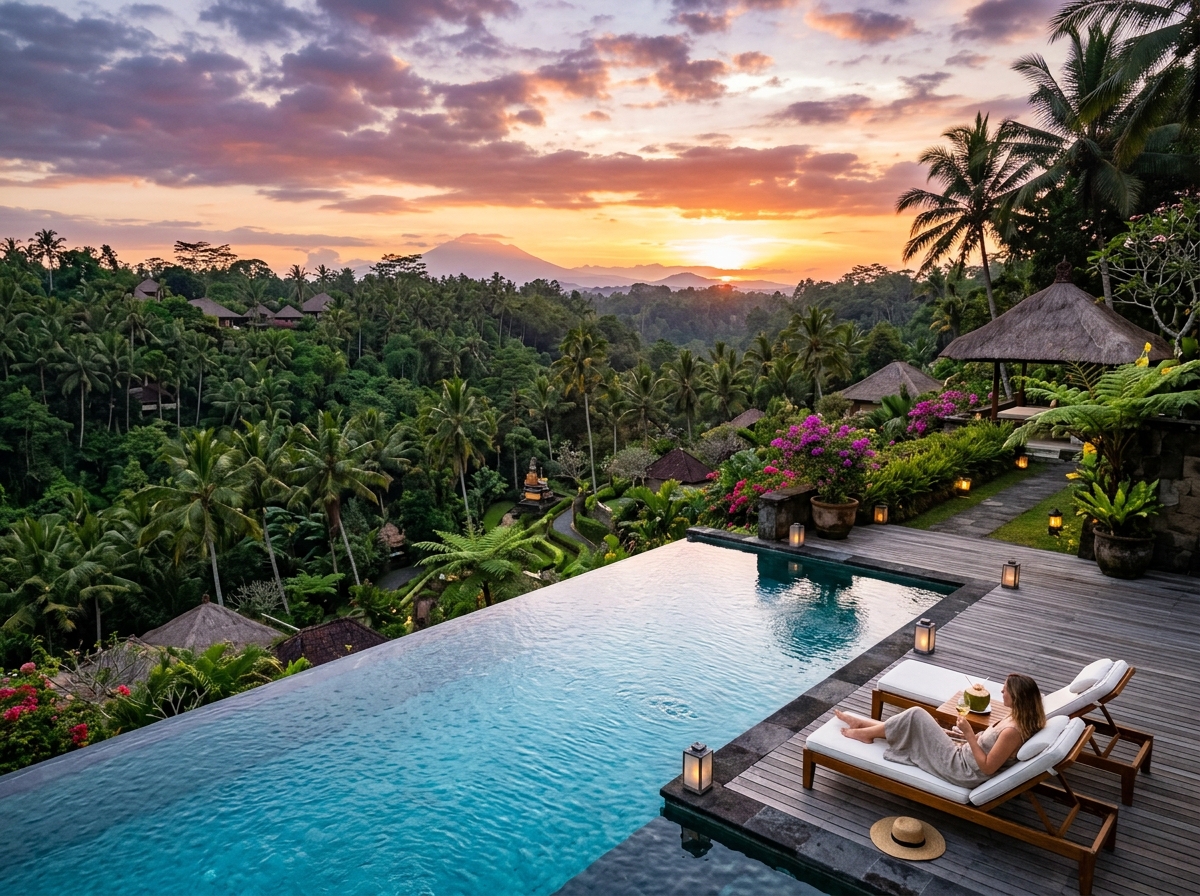
July is Bali’s dry season and one of the best times to visit. Low humidity, sunny days, and vibrant island life across both the beach areas (Seminyak, Canggu) and the cultural centre of Ubud. This is a genuine exception to the “Northern Hemisphere summer only” framing: Bali’s dry season runs opposite to much of tropical Asia’s wet season pattern, making July genuinely excellent.
For any beach destination in July, reef-safe sun protection is essential given how intense midday sun is during peak summer. The Supergoop Play Everyday Lotion SPF 50 (available on Amazon) is reef-safe, sweat-resistant, and does not leave the white residue that many sunscreens do, which matters for a beach holiday where you are reapplying multiple times a day.

Supergoop! PLAY Everyday Lotion
Best Places to Visit in July: Cool-Cation Destinations
If the idea of 35-degree heat in a crowded European city does not appeal, July is actually one of the best months for a genuinely different kind of trip.
Iceland
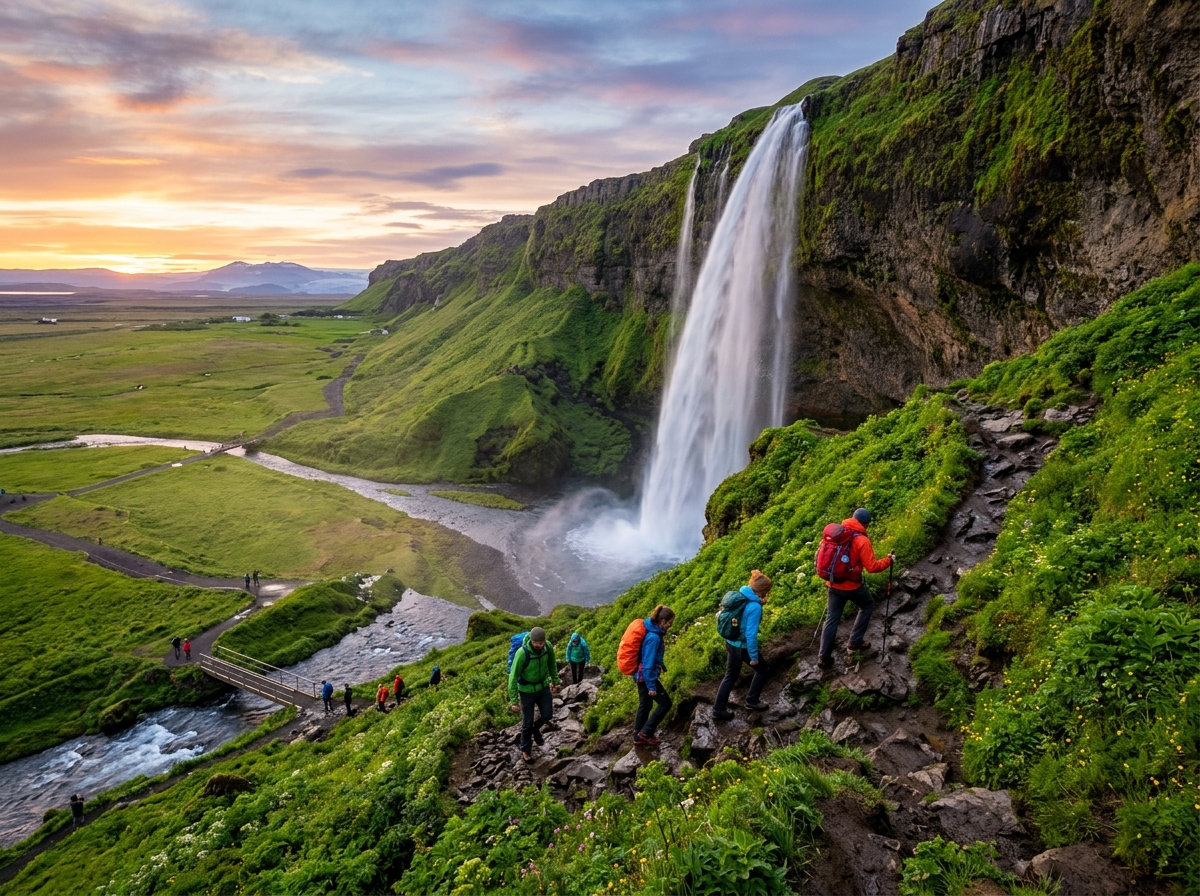
July in Iceland offers near-continuous daylight, with the sun barely setting in the north of the country. Temperatures sit comfortably in the 50s and 60s Fahrenheit (10 to 18C), perfect for hiking, waterfall chasing, and exploring the Ring Road. The Highlands, inaccessible for most of the year, open up to 4WD vehicles in late June and July, giving access to genuinely otherworldly landscapes that are closed the rest of the year.
Norway and the Arctic Circle
The midnight sun is at its peak in northern Norway in July, with the sun visible 24 hours a day above the Arctic Circle. The Lofoten Islands, the fjords around Tromsø, and the North Cape are all accessible and genuinely stunning in the extended summer light. Norway in July is significantly more expensive than shoulder season but the experience is unmatched.
Scotland
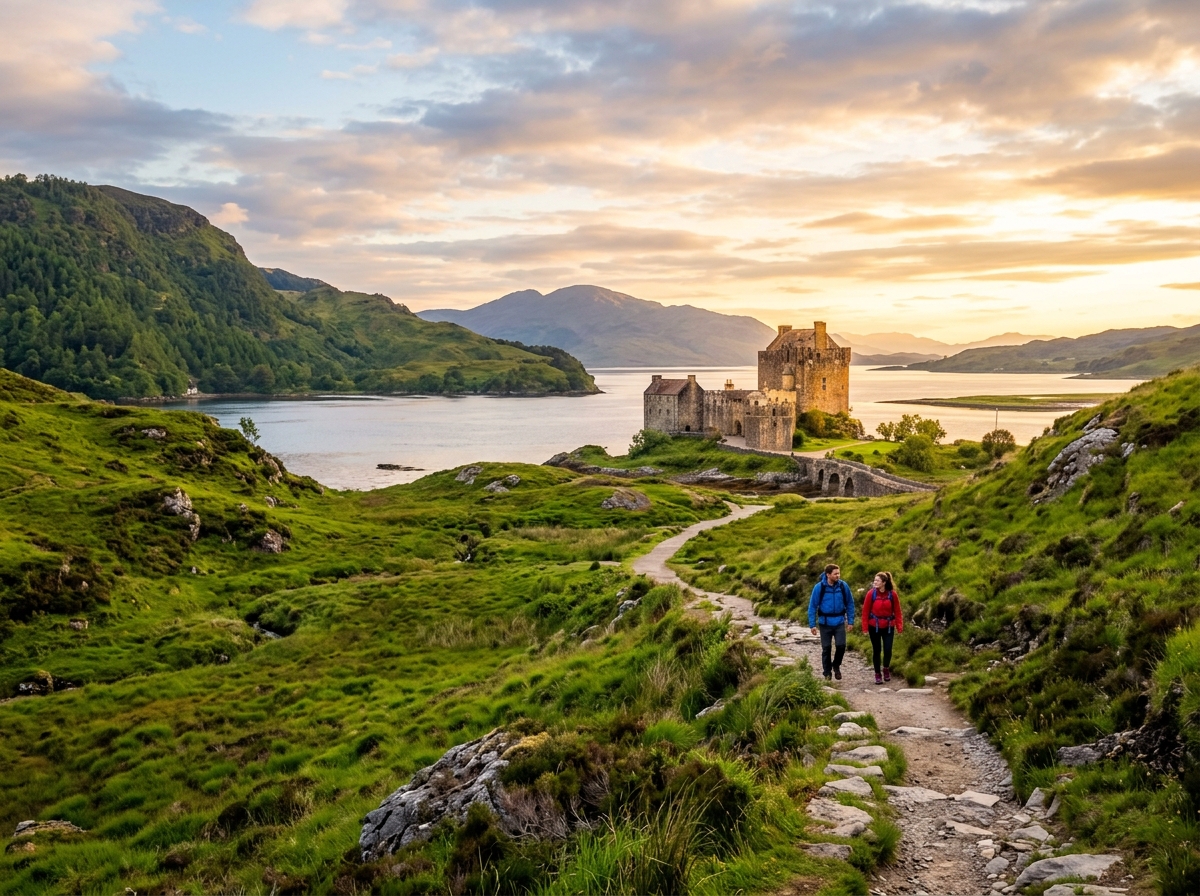
Scotland in July offers long days (over 17 hours of daylight in the north), Highland Games season in full swing, and the Edinburgh Festival approaching in August. The tradeoff is midge season, which peaks in July in the western Highlands. Check the Scottish Midge Forecast before any outdoor activity in the west.
Alaska
Alaska in July has the longest daylight of the year, peak wildlife viewing (bears, whales, and salmon runs all active), and the most reliable weather window for cruises and land tours. Denali National Park and the Inside Passage are both at their best.
Best Places to Visit in July: Southern Hemisphere Adventures
This is the section most July travel guides skip entirely, and it represents some of the best value and most extraordinary experiences of the month.
South Africa: Safari Season
July sits in the heart of South Africa’s dry winter season, which is also the best time for safari. Vegetation thins out, animals concentrate around remaining water sources, and visibility for game viewing is at its annual best. Kruger National Park and the private reserves around it deliver exceptional sightings in July.
Temperatures are mild during the day (18 to 25C) and cold at night, particularly on early morning game drives. Pack proper layers.
The Great Migration: Serengeti and Maasai Mara
July is one of the most dramatic months to witness the Great Migration, as wildebeest herds begin crossing the Mara River between Tanzania’s Serengeti and Kenya’s Maasai Mara. The river crossings, with crocodiles waiting in the water, are among the most famous wildlife spectacles on Earth. July through September is peak crossing season.
Patagonia, Argentina and Chile
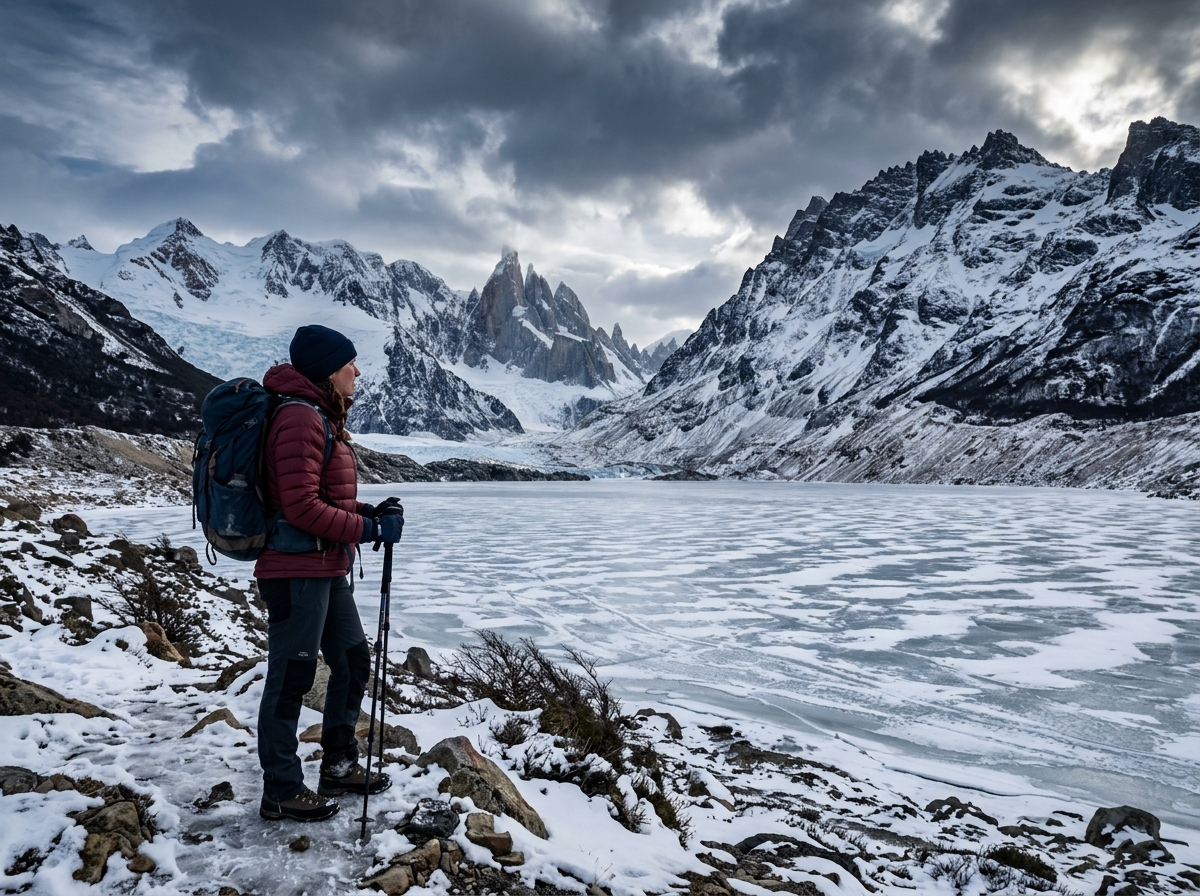
July is deep winter in Patagonia, which means snow-covered peaks, fewer crowds than the November to March summer season, and a genuinely dramatic version of landscapes like Torres del Paine and El Chaltén. This is for serious cold-weather travellers, but the photography opportunities in winter Patagonia are extraordinary and largely missed by mainstream guides.
New Zealand: Ski Season
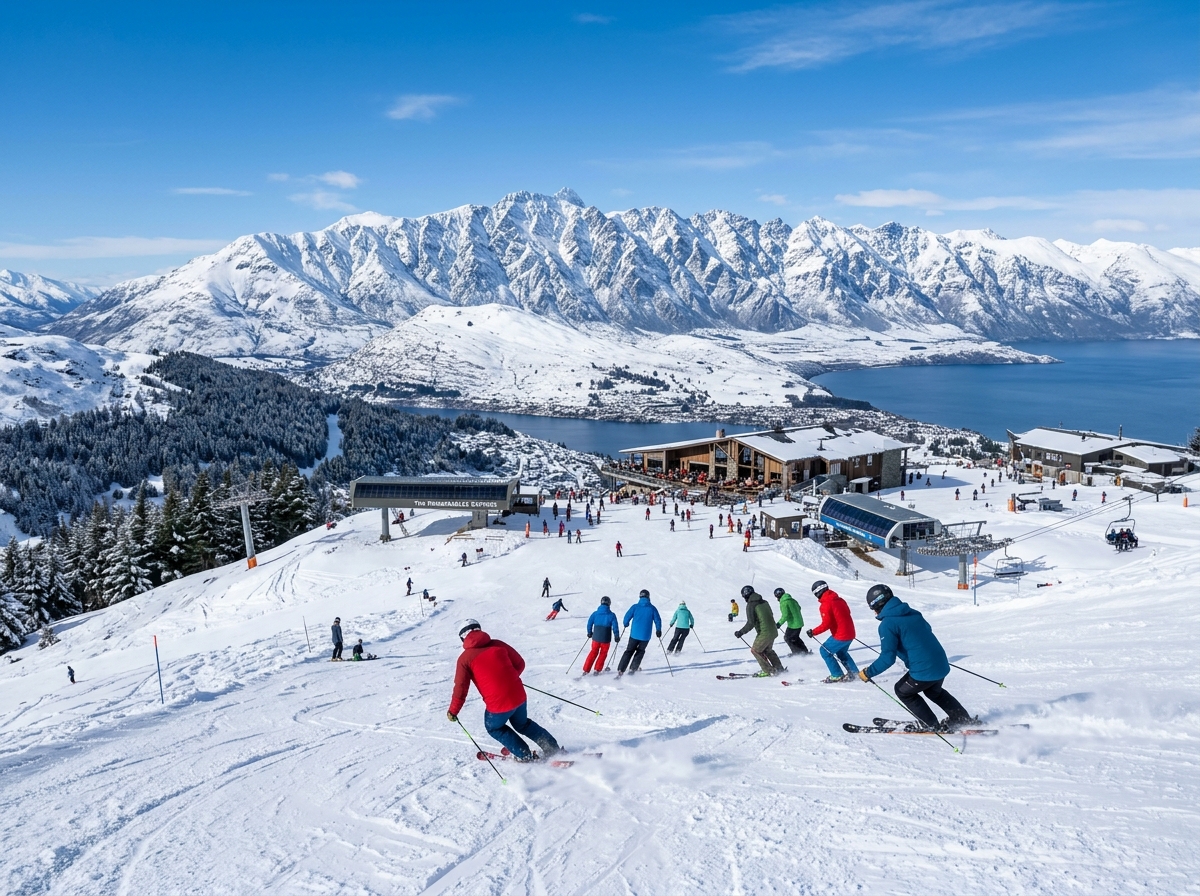
July is the heart of ski season in New Zealand. Queenstown and the Southern Alps offer skiing and snowboarding while the Northern Hemisphere is in the middle of summer. For travellers wanting two winters or two summers in a single year, this hemisphere-switching is one of the more interesting reasons to travel in July.
For any Southern Hemisphere winter trip or Arctic Circle destination, layering properly matters more than almost any other packing decision. The Smartwool Merino 250 Base Layer Set (available on Amazon) regulates temperature across cold mornings on safari, ski days in New Zealand, or hiking in Patagonia, and merino wool does not retain odour across multiple days of wear, which matters significantly on multi-day trips with limited laundry access.
Best Places to Visit in July for Festivals and Culture
July hosts some of the best cultural events of the year.
Montreal, Canada: The Montreal International Jazz Festival, one of the largest jazz festivals in the world, runs through late June and early July. The city’s French character, excellent food scene, and significantly lower prices than European equivalents make it a strong value pick for cultural travellers.
Salzburg, Austria: The Salzburg Festival, one of the most prestigious classical music and opera festivals in the world, runs from late July through August. Mozart’s birthplace, set against Alpine scenery, is extraordinary during festival season.
Pamplona, Spain: The Running of the Bulls during the Festival of San Fermín runs in mid-July and is one of the most famous and controversial cultural events in Europe. It draws enormous crowds and significant ethical debate, but remains one of the most searched July events.
Florence, Italy: Outdoor concerts and events fill Florence’s piazzas throughout July, though the city is also extremely hot and crowded during this month. Early morning sightseeing is essential.
Copenhagen, Denmark: July brings long days, waterfront jazz performances, and Denmark’s mild Baltic climate (typically around 20C/68F), making it one of the most comfortable major European cities to visit in peak summer.
Where to Avoid in July (and Why)
Most guides only tell you where to go. The honest version also tells you where not to go.
Inland Southern Europe during heatwaves: Inland areas of Spain, Italy, and Greece frequently see daytime temperatures exceeding 40 degrees Celsius (104F) in July. Seville, inland Andalusia, central Italy away from the coast, and inland Greece can become genuinely unsafe for extended outdoor activity during heatwave events, which have become more frequent and intense in recent years. If visiting these regions in July, plan around early morning and evening, and treat midday as indoor time.
Southeast Asia monsoon regions: While Bali’s dry season makes it an exception, much of mainland Southeast Asia, including Thailand, Vietnam (except the central coast), and the Philippines, experiences monsoon conditions in July. Heavy, sustained rainfall can disrupt travel plans significantly.
The Caribbean during hurricane season: July marks the early-to-mid part of Atlantic hurricane season, which runs from June through November. While July storms are less common than August and September, the risk exists and travel insurance becomes genuinely important.
Major European capitals during heatwave weeks: Paris, Rome, and similar cities without significant air conditioning infrastructure in older buildings can become genuinely uncomfortable during heatwave events. Many locals leave these cities in July and August (particularly in France, where August is the traditional holiday month), which means some restaurants and shops close.
Best Places to Visit in July for Specific Traveller Types
Families: Croatia’s Dalmatian Coast for safe swimming and historic towns, Disney destinations (accepting peak crowds and prices), Alaska cruises for an educational and scenic family trip, the Algarve for manageable beach holidays with infrastructure built for families.
Couples and honeymooners: The Greek islands (choosing quieter islands like Folegandros over Santorini), Norway’s fjords for a dramatic and romantic landscape, Tuscany’s countryside (avoiding the cities during peak heat).
Solo travellers: Iceland for safe independent exploration with long daylight hours, Montreal for an affordable and walkable city break with festival energy, Scotland for Highland hiking with manageable solo logistics.
Wildlife and nature lovers: The Great Migration in the Serengeti and Maasai Mara, South Africa’s Kruger for dry season game viewing, Alaska for bears and whales, Patagonia for winter landscapes.
Budget travellers: Montreal for North American value, Croatia for Mediterranean beauty at lower cost than Italy or Greece, Bali for excellent value during its dry season, Eastern Europe generally for lower prices than Western Europe at the same latitude.
Festival and culture seekers: Montreal Jazz Festival, Salzburg Festival, San Fermín in Pamplona (with awareness of the controversy), open-air opera and concerts across Italy and Austria.
Practical Tips for Travelling in July
Book significantly earlier than other months. July is peak season globally in the Northern Hemisphere. Flights, accommodation, and popular tours should be booked at least two to three months ahead for the best availability and prices. For 2026 specifically, North America during the FIFA World Cup period requires even earlier booking due to the additional demand on host cities.
School holidays drive the crowding. Most Northern Hemisphere countries break for summer in late June, which means the first two weeks of July are often slightly less crowded than the rest of the month. The last two weeks of August, by contrast, see crowds beginning to thin as schools prepare to return.
Heat safety is a real consideration. If travelling to destinations with extreme heat risk, carry water constantly, plan outdoor activities for early morning and evening, and know the signs of heat exhaustion. This applies as much to city sightseeing in Rome as it does to hiking in Arizona.
Consider shoulder destinations within hot regions. Coastal areas are almost always cooler than inland areas at the same latitude. If visiting Spain or Italy in July, coastal bases (Costa Brava, the Amalfi Coast, Cinque Terre) are considerably more comfortable than inland cities like Madrid or Florence.
For any July trip involving significant outdoor time, whether at the beach, on safari, or hiking in cooler climates, a reliable insulated water bottle that keeps drinks cold for hours makes a genuine difference to comfort and hydration. The Hydro Flask 32oz Wide Mouth Bottle (available on Amazon) is the most widely used option among serious travellers, keeping water cold for up to 24 hours even in extreme heat, and the wide mouth makes it easy to add ice throughout the day.

Hydro Flask Water Bottle
Quick Reference Table
| Destination | Region | Best For | July Conditions |
|---|---|---|---|
| Greek Islands | Mediterranean | Beach, island life | Hot (30-33C), very crowded |
| Croatia | Adriatic | Sailing, history | Warm, less crowded than Greece |
| Iceland | North Atlantic | Cool-cation, hiking | Mild (10-18C), midnight sun |
| Norway | Arctic | Midnight sun, fjords | Mild, expensive, peak season |
| South Africa | Southern Africa | Safari | Dry season, mild days, cold nights |
| Serengeti/Maasai Mara | East Africa | Great Migration | Dry season, river crossings |
| Patagonia | South America | Winter landscapes | Cold, dramatic, quiet |
| Bali | Southeast Asia | Beach, culture | Dry season exception, warm |
| Montreal | North America | Festivals, value | Warm, jazz festival |
| Scotland | UK | Hiking, long days | Mild, midge season peak |
Frequently Asked Questions
Where is the best place to travel in July?
It depends on your goal. For reliable beach weather, the Greek islands or Croatia. For escaping heat, Iceland or Norway. For wildlife, the Great Migration in East Africa or safari in South Africa. For value, Montreal or Croatia. There is no single best destination because July suits very different trip types depending on hemisphere and region.
Is July a good time to visit Europe?
Yes for weather, no for crowds or prices. July is reliably warm and dry across most of Europe, but it is also peak season with the highest prices and largest crowds of the year. Inland Southern Europe can experience dangerous heat. Coastal and northern European destinations are generally more comfortable.
Where should I avoid in July?
Inland Southern Europe during heatwaves (Seville, inland Greece, central Italy), Southeast Asia monsoon regions (Thailand, Vietnam excluding the central coast), and the Caribbean during early hurricane season are all worth approaching with caution or avoiding outright depending on your tolerance for heat and weather risk.
Is July a good month for a Southern Hemisphere trip?
Yes, genuinely. July is winter in the Southern Hemisphere, which means dry season safaris in Africa, ski season in New Zealand and parts of South America, and dramatically lower prices than the Southern Hemisphere’s own peak (November to March) season.
What is the cheapest place to travel in July?
Montreal offers excellent value with a major jazz festival included. Croatia is significantly cheaper than Italy or Greece for comparable Mediterranean quality. Bali offers strong value during its July dry season. Eastern European cities generally cost less than Western European equivalents at similar latitudes.
Is it too hot to travel to Greece or Italy in July?
Coastal areas remain manageable, with sea breezes moderating the heat. Inland cities and regions can become genuinely uncomfortable, with temperatures regularly exceeding 35 to 40 degrees Celsius. Plan city sightseeing for early morning, take a long midday break, and resume in early evening.
What is the best place to see wildlife in July?
The Serengeti and Maasai Mara during the Great Migration river crossings, and South Africa’s Kruger National Park during dry season game viewing, are both at their absolute best in July. Alaska is also excellent for bears, whales, and salmon runs during this month.
Final Thoughts
July rewards travellers who think beyond the obvious Mediterranean default.
If beach weather and Mediterranean atmosphere is what you want, Greece and Croatia deliver, with the caveat that you are travelling during the busiest, most expensive weeks of the year. If you want something different, July offers genuinely extraordinary alternatives: the midnight sun in Iceland and Norway, the Great Migration in East Africa, winter landscapes in Patagonia, and ski season in New Zealand.
The best place to visit in July is the one that matches what you actually want from the trip, not the one every other guide defaults to. Think about heat tolerance, crowd tolerance, and whether a hemisphere switch might give you something no Northern Hemisphere summer destination can.