Italy is one of those countries where choosing where to go can be harder than deciding to visit.
Rome is packed with ancient history. Florence holds some of Europe’s most famous Renaissance art. Venice feels unlike anywhere else. Tuscany offers vineyards and hill towns, while the Amalfi Coast brings cliffs, beaches, and Mediterranean views.
Then there are the places that first time visitors sometimes overlook. Puglia has whitewashed villages and clear water. Sicily combines ancient ruins, cities, beaches, and volcanic landscapes. The Dolomites offer some of the most dramatic mountain scenery in the country.
The best Italian destinations depend on what kind of trip you want. For a first visit, Rome, Florence, Venice, and Tuscany are easy choices. For beaches, look toward Sardinia, Sicily, Puglia, or the Amalfi Coast. For hiking, the Dolomites belong near the top of the list.
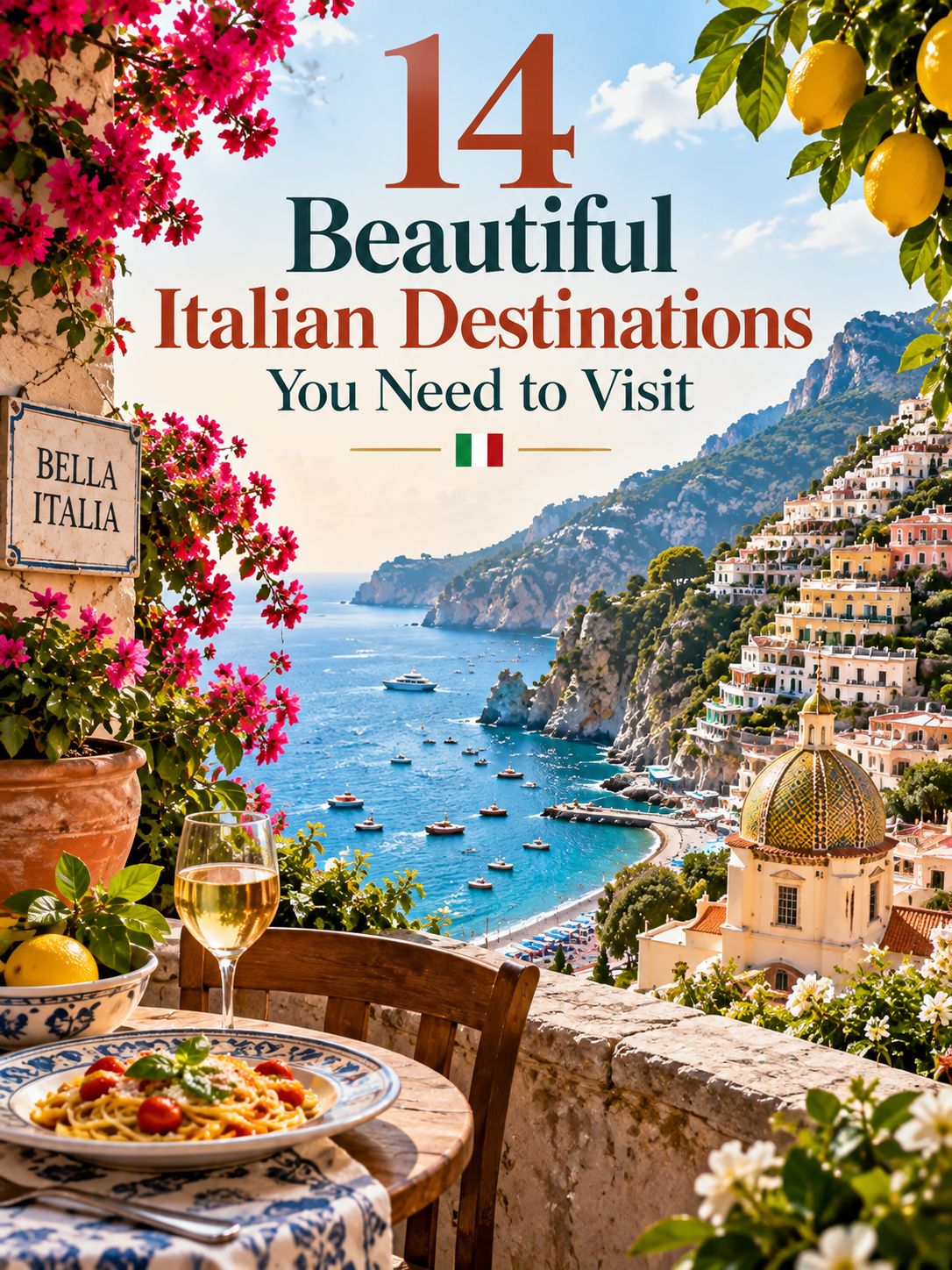
Here are 14 destinations worth considering, along with how long to stay and why each one deserves your time.
1. Rome
Best for: First time visitors, ancient history, food, museums
Ideal stay: 3 to 4 days
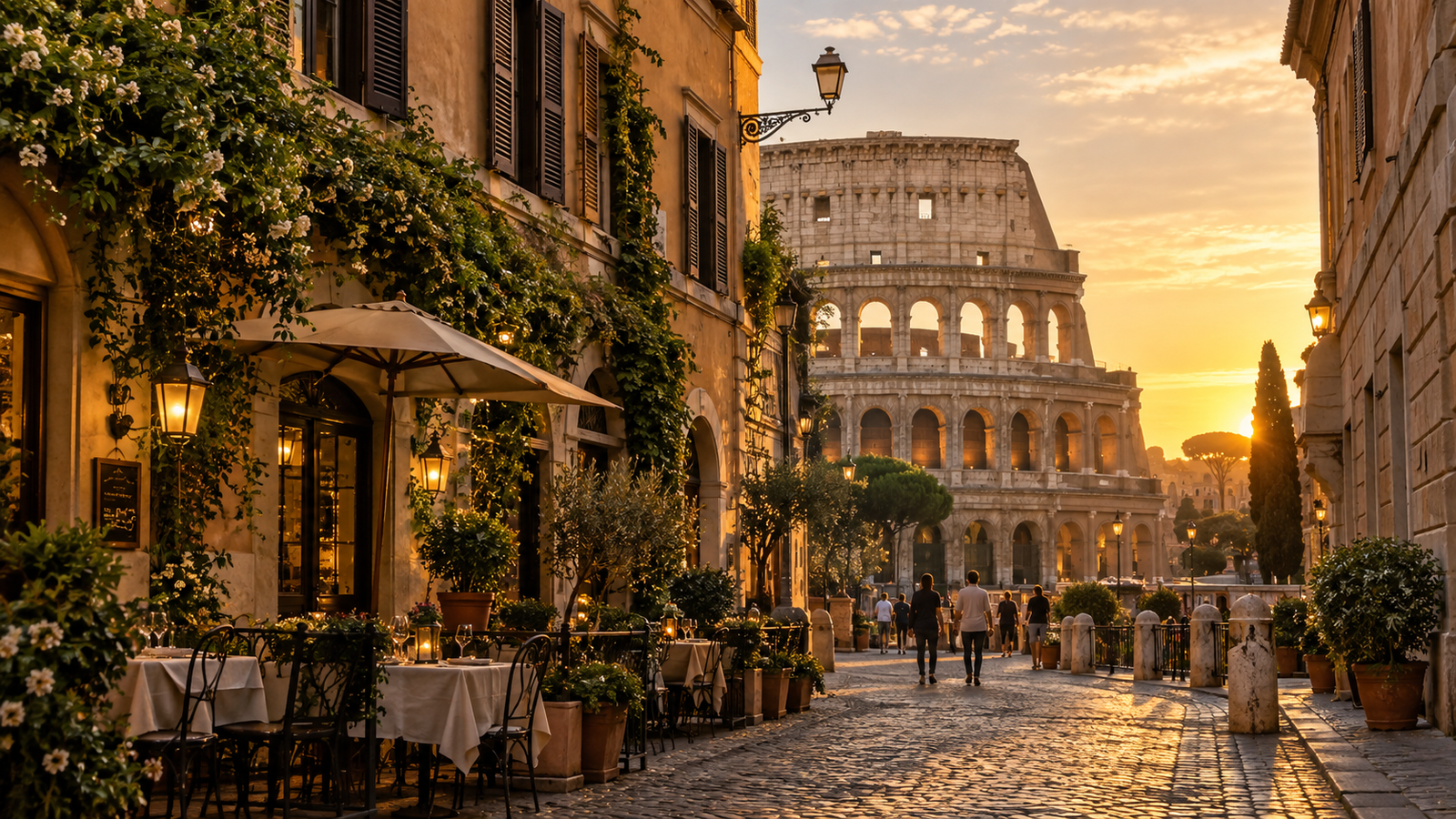
Rome is the natural starting point for many Italy trips. Few cities combine ancient ruins, churches, lively neighborhoods, famous art, and everyday street life in such a compact area.
The Colosseum and Roman Forum deserve time rather than a rushed visit. The Pantheon, Trevi Fountain, Piazza Navona, and Spanish Steps can fit naturally into a long walking day.
Vatican City needs its own block of time. If you want to see the Vatican Museums and St Peter’s Basilica without turning the day into a race, keep your schedule light afterward.
Lonely Planet places Rome at the center of a first Italy trip because of the depth of its history and the huge concentration of art and architecture.
Do not spend every meal beside a major landmark. Walk into neighborhoods such as Trastevere, Testaccio, or Monti and give yourself time for slower dinners.
Rome rewards curiosity more than a perfect checklist.
2. Florence
Best for: Renaissance art, architecture, food, couples
Ideal stay: 2 to 3 days
Florence is smaller than Rome, but it can easily fill several days.
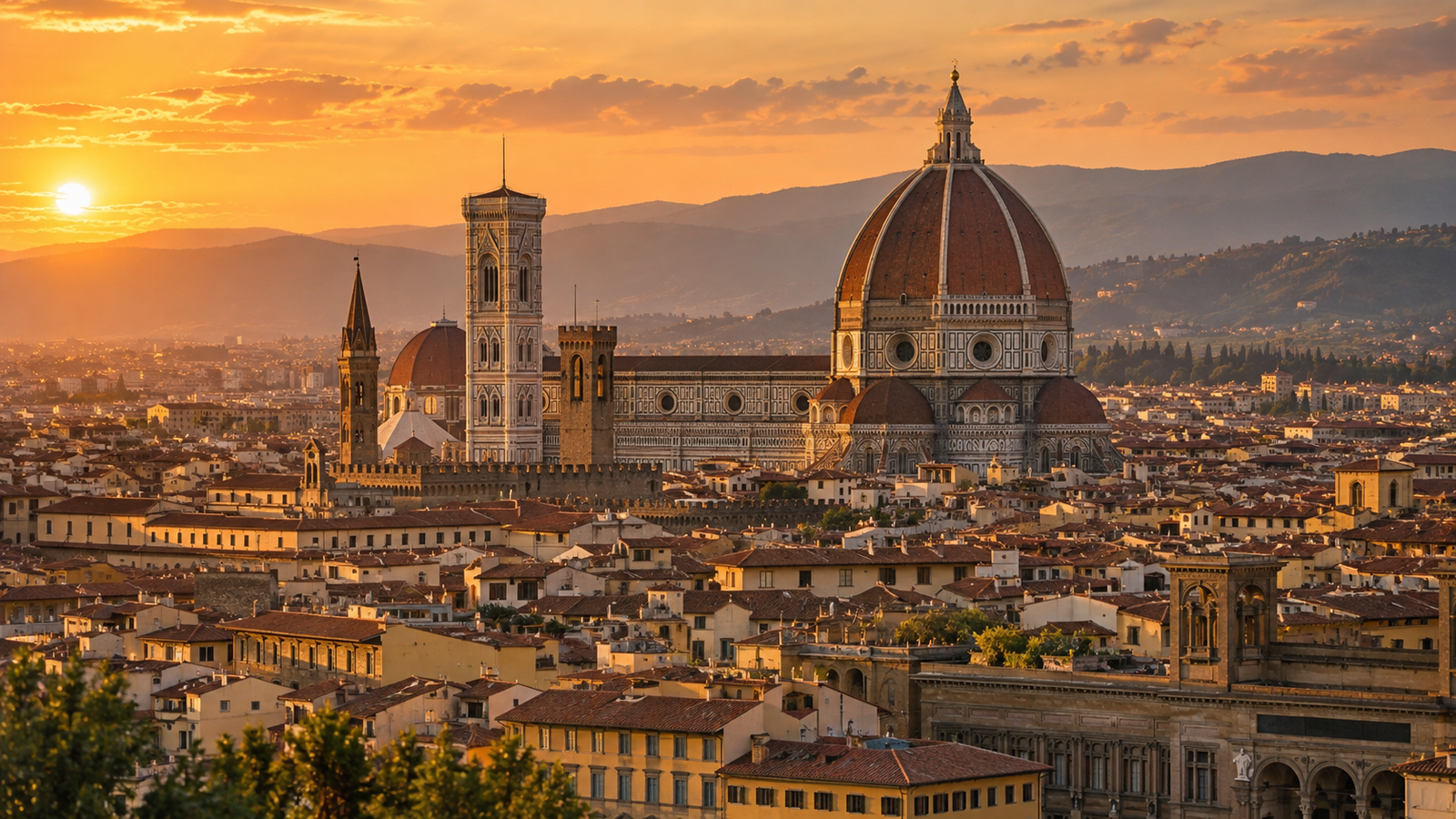
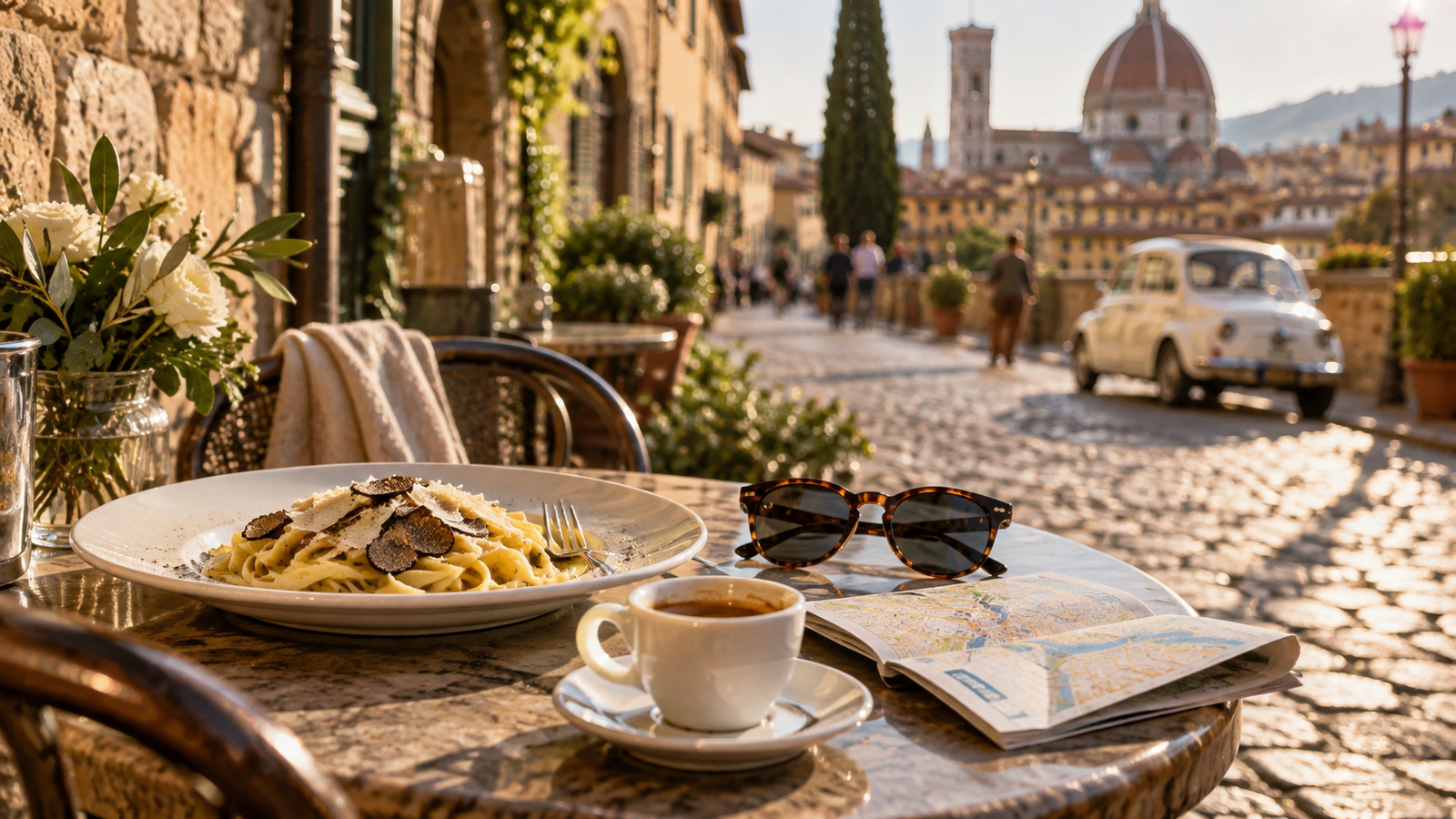
The historic center revolves around the Cathedral of Santa Maria del Fiore and its famous dome. Nearby, you will find streets filled with churches, museums, cafes, leather shops, and Renaissance architecture.
Art lovers should make time for the Uffizi Gallery and Accademia Gallery. Reservations are especially useful during busy travel periods.
Cross the Arno River toward Oltrarno when you want a quieter atmosphere. Later, climb toward Piazzale Michelangelo for a wide view over Florence.
Florence also works as a base for exploring Tuscany.
That makes it especially useful for a first Italy itinerary. You can enjoy a major art city without changing hotels every time you want to visit the countryside.
3. Venice
Best for: Romance, architecture, photography, unique city experiences
Ideal stay: 2 to 3 days
Venice can feel crowded around its most famous sights, but judging the entire city by Piazza San Marco would be a mistake.
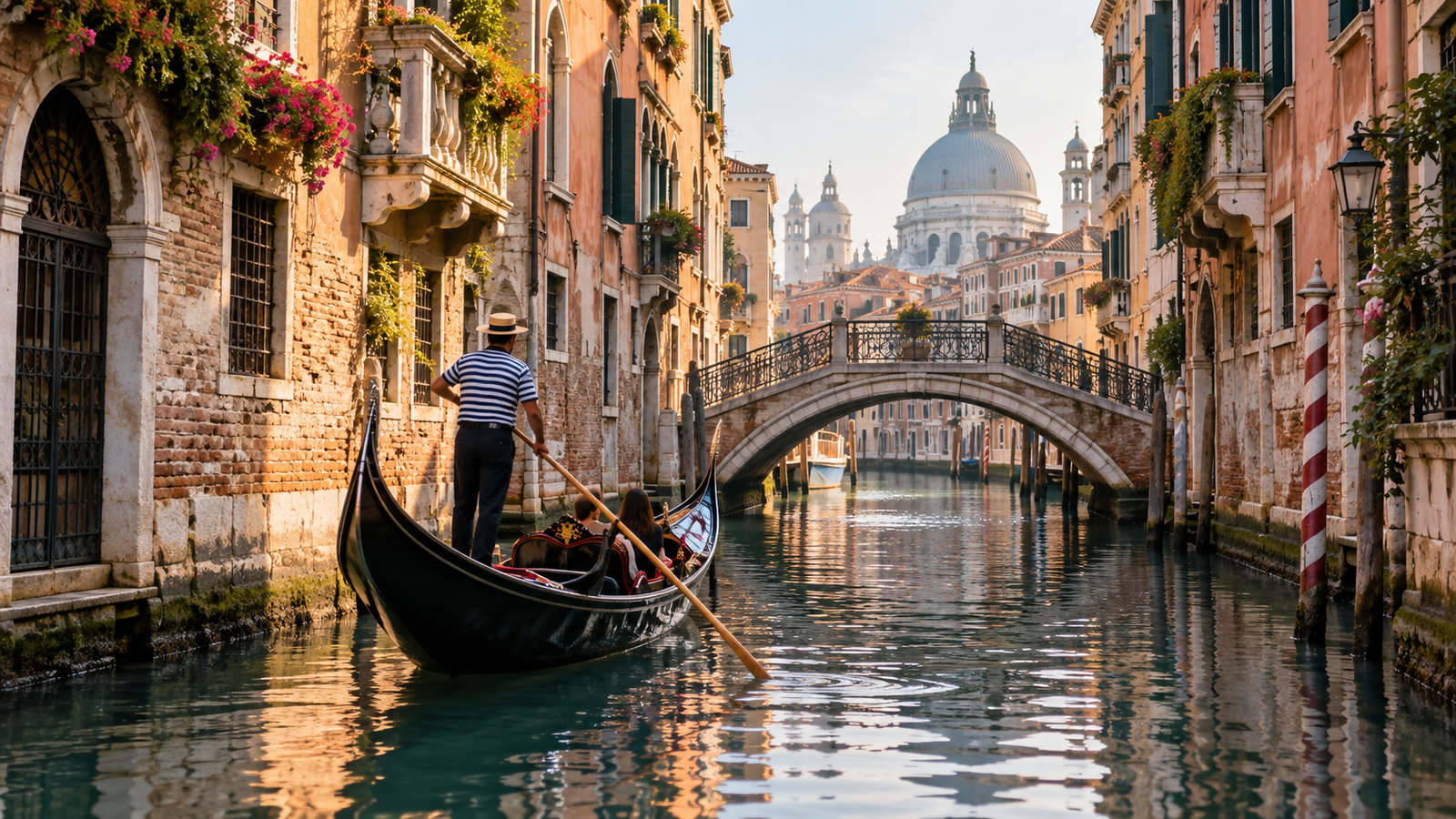
Start with St Mark’s Square, the Doge’s Palace, and the Grand Canal, then spend time walking away from the busiest routes.
Venice becomes much more interesting once you enter quieter residential streets and canals.
Get lost for a while. That is part of the experience.
You can also visit islands such as Burano and Murano if you have an extra day.
Lonely Planet recommends treating Venice as a destination that deserves real time rather than a quick stop.
Stay overnight if possible. Venice in the evening and early morning feels very different from the middle of a busy sightseeing day.
4. Tuscany
Best for: Countryside, wine, road trips, food, romantic travel
Ideal stay: 3 to 5 days
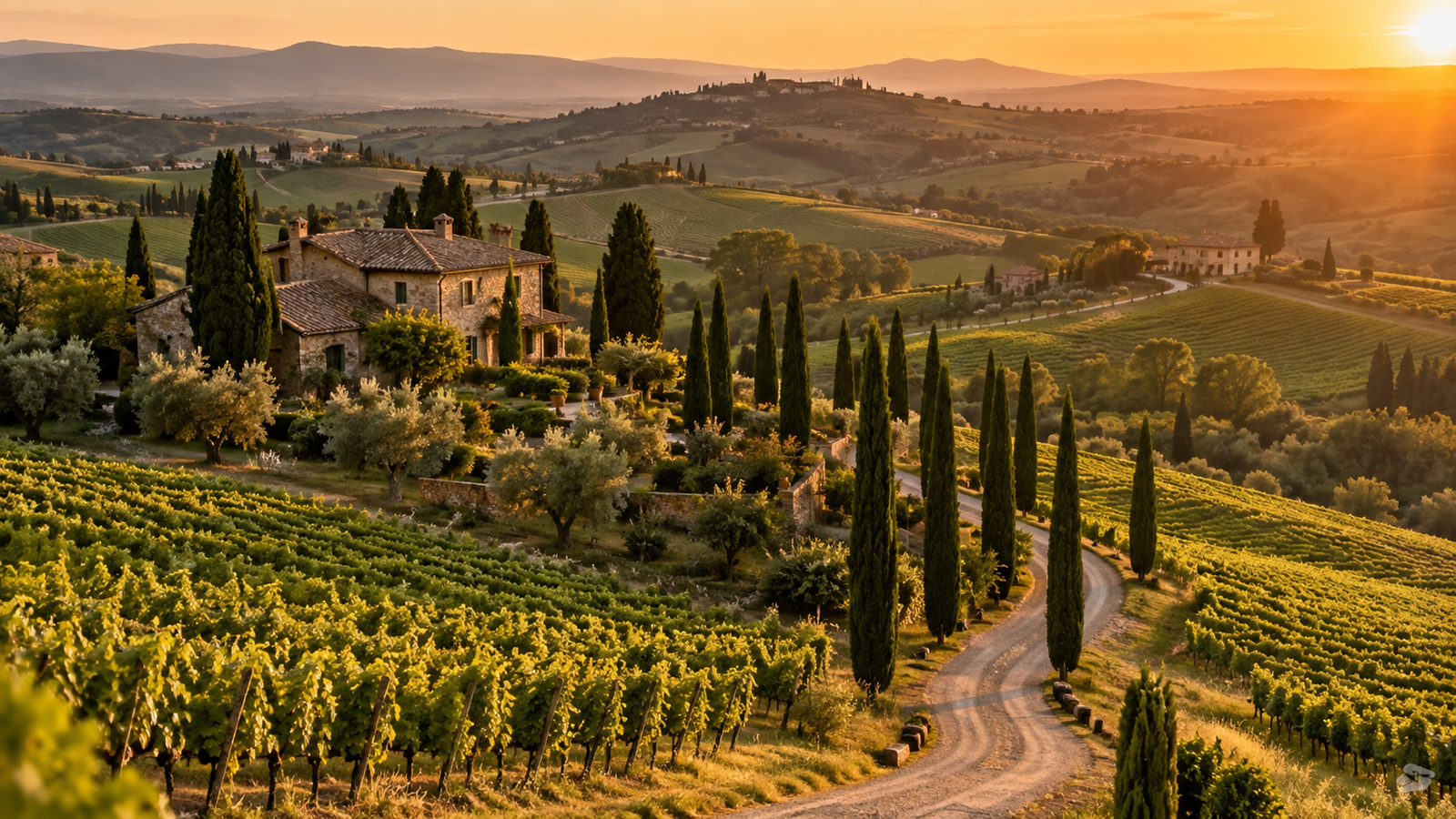
Tuscany is not one single destination. It is an entire region filled with cities, vineyards, villages, farmland, and winding country roads.
Florence is its most famous city, but the countryside provides the classic image many travelers have of Italy.
Val d’Orcia is known for rolling hills, cypress trees, stone farmhouses, and medieval towns. Siena offers historic streets and a dramatic central square. San Gimignano is famous for its medieval towers.
Italy’s official tourism site describes Tuscany as a region shaped by art cities, countryside, history, food, and varied landscapes.
This is one place where renting a car can make sense. Small towns and rural accommodation are much easier to explore independently. Do not try to visit six hill towns in one day. Choose two and enjoy them properly.
5. Amalfi Coast
Best for: Coastal scenery, couples, boat trips, luxury travel
Ideal stay: 3 to 4 days
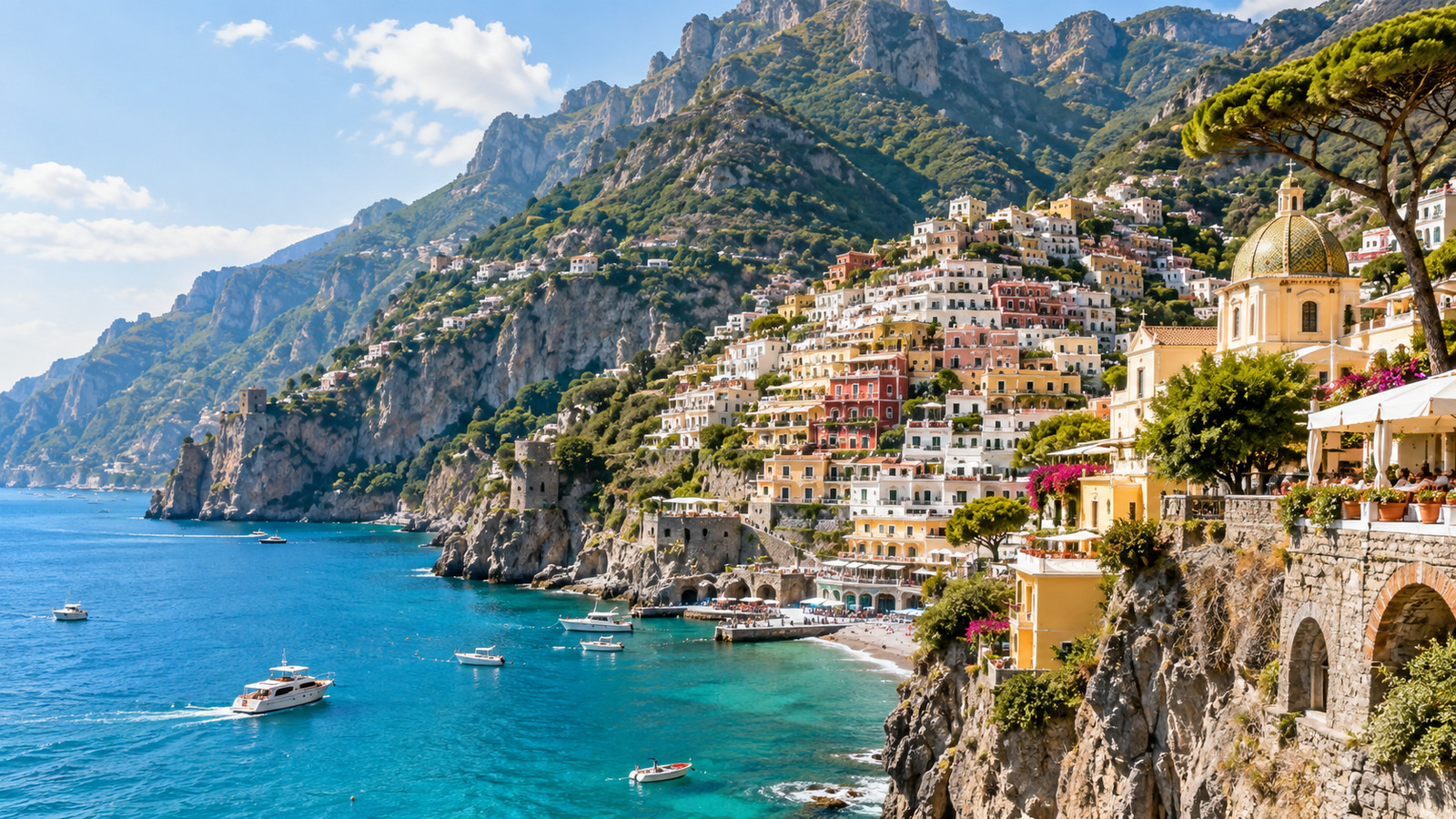
The Amalfi Coast delivers some of Italy’s most recognizable Mediterranean scenery.
Colorful towns cling to steep hills above blue water. Roads twist along cliffs. Small beaches sit below dramatic mountains.
Positano is the most photographed town, but it is not the only place worth seeing. Amalfi has an attractive historic center, while Ravello sits higher above the coast and offers spectacular gardens and views.
Boat trips can be one of the easiest ways to appreciate the coastline without spending the whole day on winding roads.
The area becomes extremely popular during the warmer months. If your schedule allows, spring or early autumn can give you pleasant weather with a more manageable feel.
For a first trip, consider staying in one base rather than moving luggage from town to town.
6. Cinque Terre
Best for: Coastal villages, walking, photography, short stays
Ideal stay: 2 to 3 days
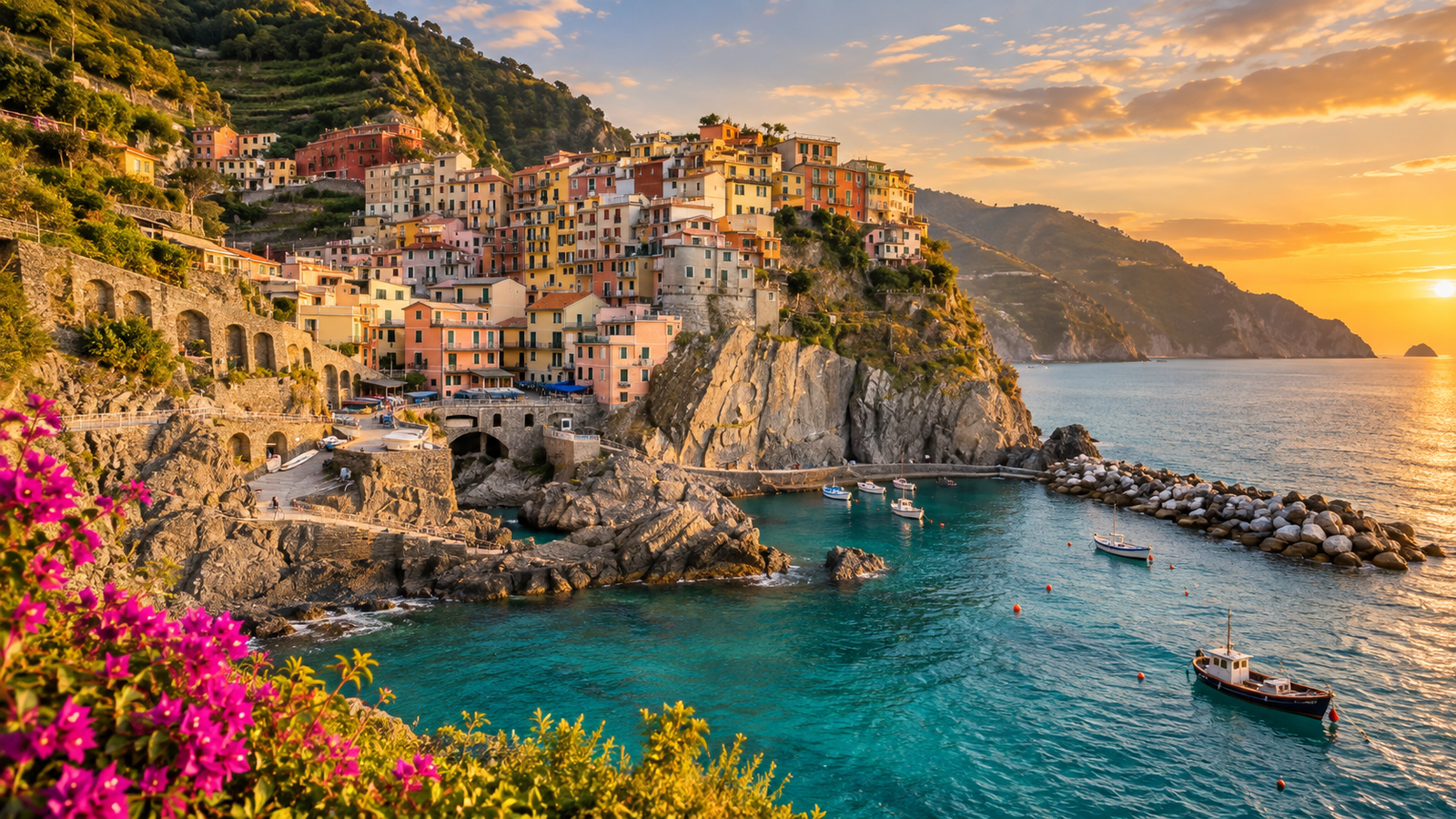
Cinque Terre consists of five small villages along the Ligurian coast.
Monterosso, Vernazza, Corniglia, Manarola, and Riomaggiore each have a different character, but all share steep terrain, colorful buildings, sea views, and rail connections.
The train makes moving between villages easy.
Walking trails can add a completely different perspective, though trail conditions and access can change. Check locally before planning a specific route.
Cinque Terre often appears in classic first trip itineraries because it fits conveniently between northern and central Italy. Earth Trekkers includes it in both ten day and two week routes alongside Rome, Florence, and Venice.
Staying overnight gives you calmer mornings and evenings after many day visitors leave.
7. Lake Como
Best for: Couples, lake scenery, elegant villages, relaxed travel
Ideal stay: 2 to 3 days
Lake Como offers a slower type of Italian trip.
Mountains rise around deep blue water, villas overlook the shoreline, and ferries connect small towns and villages.
Bellagio is the famous name, but Varenna is equally appealing for many visitors. Como itself is useful if you want straightforward transport connections.
A good lake day should not become a race to collect towns.
Pick two or three places and use the ferry as part of the experience.
Lake Como combines particularly well with Milan because the two areas are relatively close.
Spring and early autumn work well for sightseeing. Summer brings more activity but also stronger demand.
8. The Dolomites
Best for: Hiking, mountain scenery, photography, active travel
Ideal stay: 4 to 6 days
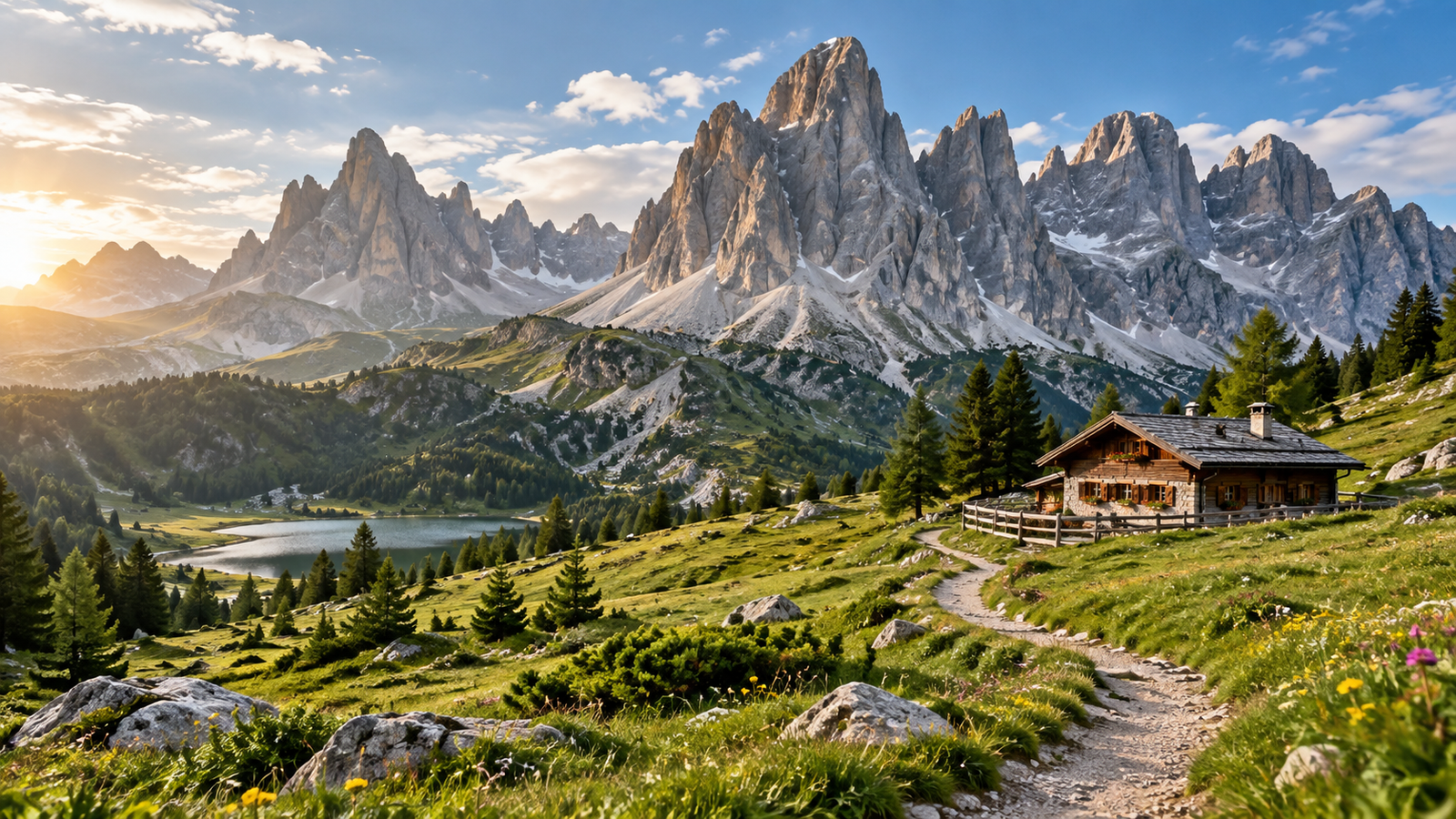
The Dolomites show a completely different side of Italy.
Instead of churches, canals, and Mediterranean beaches, you get jagged mountain peaks, green valleys, alpine lakes, cable cars, and hiking trails.
Tre Cime di Lavaredo is one of the best known landscapes. Cortina d’Ampezzo is a useful base, while Val Gardena and the area around Ortisei also provide access to dramatic scenery.
Lonely Planet includes the Dolomites among Italy’s standout destinations for hikers and mountain landscapes.
A car makes planning easier in many parts of the region, especially when your itinerary includes trailheads and smaller valleys.
Weather matters here more than in a city itinerary. Keep at least some flexibility in your plans.
9. Sicily
Best for: History, food, beaches, longer trips, variety
Ideal stay: 7 days or more
Sicily deserves more time than many travelers give it.
The island includes historic cities, Greek and Roman sites, baroque towns, beaches, fishing villages, mountains, and Mount Etna.
Palermo feels energetic and layered, with markets, churches, street food, and architecture shaped by centuries of different influences.
On the eastern side, Catania provides access to Mount Etna. Taormina combines ancient ruins with coastal views. Syracuse is another excellent choice for archaeology and historic streets.
Italy’s official tourism site emphasizes Sicily’s mix of sea, art, culture, history, and varied landscapes.
Do not treat Sicily like a quick side trip from Rome.
Choose one part of the island if you have only a few days. With a week or more, you can begin to appreciate its scale.
10. Sardinia
Best for: Beaches, clear water, summer trips, nature
Ideal stay: 5 to 7 days
Travelers looking for beautiful beaches should consider Sardinia seriously.
The island is known for clear water, pale sand, rocky coves, and dramatic coastlines. Costa Smeralda is famous, but Sardinia is much larger than its luxury northeast corner.
Italy’s tourism authority highlights the island’s beaches, granite landscapes, Mediterranean vegetation, traditions, and archaeological heritage.
A rental car makes exploring much easier.
This is not the destination to choose if your dream Italy trip is mostly Renaissance museums and famous cathedrals. Sardinia works best when the coastline and slower island rhythm are the main attraction.
Give yourself enough time to settle into one area instead of trying to drive around the entire island.
11. Puglia
Best for: White towns, beaches, food, road trips
Ideal stay: 4 to 6 days
Puglia sits in the heel of Italy and feels very different from the classic Rome, Florence, Venice route.
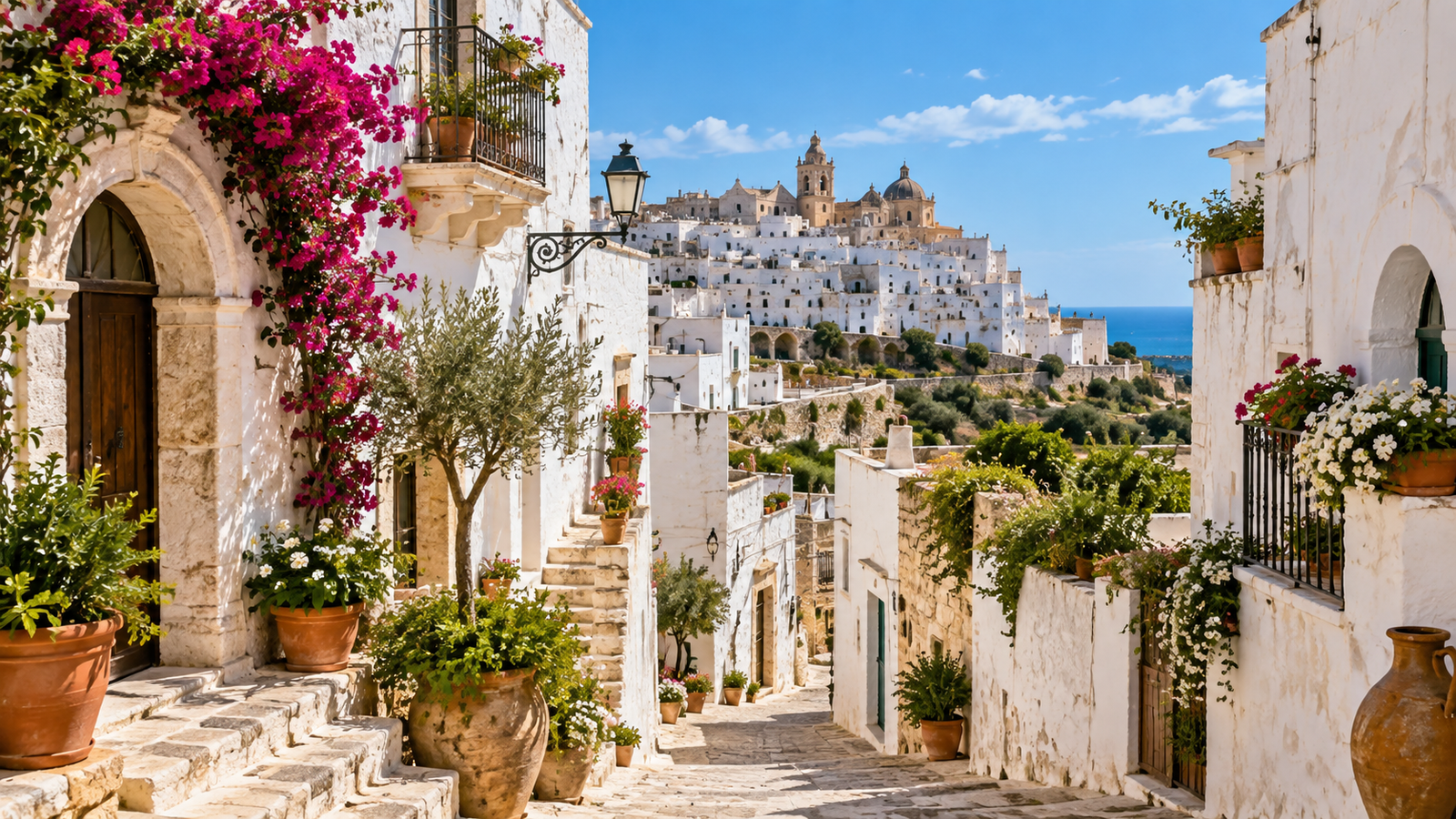
Ostuni is known for whitewashed streets. Alberobello is famous for its trulli houses. Lecce brings ornate architecture, while Polignano a Mare sits dramatically above the Adriatic.
The region also has long stretches of coast.
Italy’s official tourism site describes Puglia as a region between two seas with beaches, historic places, trulli, and distinctive landscapes.
A car gives you more freedom to move between towns and coastal areas.
Puglia works especially well for travelers returning to Italy who want somewhere different from the major art cities.
It is also a strong choice for a slower food-focused road trip.
12. Naples and Pompeii
Best for: Food, archaeology, lively city culture
Ideal stay: 2 to 3 days
Naples is intense, crowded, historic, and full of personality.
Come for pizza, churches, narrow streets, markets, underground history, and easy access to some of southern Italy’s most important sites.
Pompeii is the obvious day trip. The ancient city is large enough that you should allow several hours rather than treating it as a quick photo stop.
Herculaneum is another archaeological option.
Naples also works as a gateway toward the Amalfi Coast and nearby islands.
Travelers sometimes rush through Naples because they are heading somewhere else. That misses the point. The city has its own identity and deserves time.
Stay somewhere central enough to explore on foot and use public transport when useful.
13. Bologna
Best for: Food, porticoes, shorter city breaks, rail itineraries
Ideal stay: 2 days
Bologna is one of the easiest destinations to add to a rail based Italy trip.
Its historic center has long covered walkways, medieval towers, lively squares, markets, and one of the country’s strongest food reputations.
Try tagliatelle al ragù, tortellini, mortadella, and local cheeses.
Bologna is also extremely practical. Italy’s high speed rail network connects it easily with Florence, Rome, Milan, and Venice. Italy’s official tourism site notes that high speed services make travel between major northern and central cities fast and convenient.
This makes Bologna a useful alternative when you want another city without complicated transport.
14. Matera
Best for: Unusual architecture, history, photography
Ideal stay: 1 to 2 days
Matera is unlike the classic destinations most people picture when they think of Italy.
Its historic Sassi districts contain ancient cave dwellings and stone structures built into the landscape.
The city is especially atmospheric in the early morning and after sunset, when the stone buildings catch softer light.
Matera works well as part of a southern Italy trip, especially when combined with Puglia.
Lonely Planet includes Matera among the country’s most visually remarkable destinations.
One night is enough to experience the atmosphere, though two nights give you more time to explore without rushing.
Wear comfortable shoes. The historic areas involve steps, slopes, and uneven stone.
Which Italian Destination Should You Choose?
Your best choice depends on what you actually want from Italy.
• Best for first time visitors: Rome
• Best for art: Florence
• Best for romance: Venice
• Best for countryside: Tuscany
• Best for coastal scenery: Amalfi Coast
• Best for picturesque villages: Cinque Terre
• Best for lakes: Lake Como
• Best for hiking: Dolomites
• Best for food and variety: Sicily
• Best for beaches: Sardinia
• Best for a road trip: Puglia
• Best for archaeology: Naples and Pompeii
• Best for food focused city travel: Bologna
• Best for something unusual: Matera
Best Italy Itinerary for 7 Days
Seven days is not enough to see all of Italy, so resist the temptation to try.
A simple first trip could include Rome and Florence, with a Tuscany day trip.
Another option is Rome, Florence, and Venice, but the pace will be faster.
If you prefer southern Italy, spend time in Rome before continuing to Naples and the Amalfi Coast.
The best seven day itinerary is usually the one with fewer hotel changes.
Best Italy Itinerary for 10 Days
Ten days gives you more room.
A classic itinerary is Rome, Florence, Tuscany, and Venice. You can also add Cinque Terre if you are comfortable with a faster pace.
Earth Trekkers uses Rome, Florence, Cinque Terre, and Venice as the backbone of one of its ten day first trip routes.
Another excellent ten day trip is Rome, Naples, Pompeii, and the Amalfi Coast.
Choose northern and central Italy or central and southern Italy rather than trying to cover the entire country.
Best Italy Itinerary for 14 Days
Two weeks allows you to build a much more balanced first trip.
A strong route is Rome, Florence, Tuscany, Cinque Terre, Venice, and the Amalfi Coast.
Earth Trekkers uses a similar structure for its two week route, combining Italy’s major cities with coastal areas and Tuscany.
Another option is to spend one week in the classic cities and one week in Sicily or Puglia.
Do not underestimate transfer days. Italy may look compact on a map, but every hotel change takes time.
Train or Rental Car in Italy?
Use trains for major cities.
Rome, Florence, Bologna, Milan, Venice, and Naples are connected through Italy’s rail system, including extensive high speed services. Official tourism guidance notes that Trenitalia and Italo operate hundreds of daily connections, and high speed trains make travel between major cities particularly practical.
A car becomes more useful in Tuscany, Puglia, Sicily, Sardinia, and parts of the Dolomites.
Do not rent a car for central Rome, Florence, or Venice just because you plan to travel around Italy.
Build your itinerary around trains first. Add a car only for the countryside portion.
When Is the Best Time to Visit Italy?
Spring and early autumn are excellent for city sightseeing, countryside trips, and coastal travel.
Summer is useful for beach holidays and mountain trips, but famous destinations can become very busy.
Winter works well for major cities if museums, food, architecture, and culture matter more than beaches.
Season also changes the best destination.
Choose the Dolomites for summer hiking or winter sports. Sardinia and Puglia make more sense for warm weather travel. Rome, Florence, Venice, Bologna, and Naples can work across much of the year.
Useful Amazon Products for an Italy Trip
A few simple products can make an Italy itinerary easier.
An Anker Nano Power Bank is useful when maps, train tickets, photos, and attraction apps are using your phone throughout the day. Anker sells compact travel focused power banks with built in USB C options.
An EPICKA Universal Travel Adapter is another practical option, particularly if your home plugs are not compatible with Italian sockets. The adapter includes the European Type C format used in Italy.
An Osprey Daylite travel pack can work for sightseeing days when you need water, a light layer, sunscreen, and other small essentials without carrying your main luggage.

Osprey Daylite Expandable 26+6 Travel Pack, Black
Comfortable walking shoes matter even more than any travel accessory. Italian historic centers often include stone streets, stairs, slopes, and long walking days.
Common Italy Travel Mistakes
The biggest mistake is trying to see too much.
Three destinations experienced properly are better than six places seen through train windows and hotel check ins.
Do not assume every famous coastal town has a large sandy beach. Amalfi and Cinque Terre are primarily about scenery, villages, and coastline.
Do not drive into historic city centers without understanding local traffic restrictions.
Book major museums and attractions early when visiting during popular periods.
Avoid eating every meal beside major landmarks.
Leave room for wandering, long lunches, evening walks, and unexpected discoveries. Those unplanned hours often become the most memorable part of an Italy trip.
Conclusion
The best Italian destinations offer much more than one style of vacation.
Rome brings ancient history. Florence gives you Renaissance art. Venice offers canals and architecture that exist nowhere else. Tuscany slows the pace with vineyards and medieval towns.
The Amalfi Coast, Cinque Terre, Sardinia, and Sicily bring you toward the sea, while the Dolomites take you into a completely different alpine Italy.
For a first trip, choose three or four areas rather than attempting to see the whole country.
Italy rewards slower travel.
Spend enough time in each place to walk without a map, eat without checking the clock, and see what happens once you move away from the most famous landmark.
FAQs
What are the best Italian destinations for first time visitors?
Rome, Florence, Venice, Tuscany, and the Amalfi Coast are excellent choices. They combine history, art, food, countryside, and coastal scenery.
How many days do you need in Italy?
Seven days works for two or three main stops. Ten days gives you more flexibility. Fourteen days is much better if you want major cities plus the coast or countryside.
What are the prettiest places in Italy?
The Amalfi Coast, Tuscany, Lake Como, Dolomites, Venice, Cinque Terre, and Matera are especially scenic, but they offer very different landscapes.
What is the best city to visit in Italy?
Rome is the strongest starting point for many first time visitors because it combines ancient history, famous landmarks, food, museums, and lively neighborhoods.
Is Florence or Venice better?
Choose Florence for Renaissance art, museums, Tuscany access, and food. Choose Venice for canals, unique architecture, and a more unusual city experience.