Montana has 147,000 square miles and roughly 1.1 million residents. That works out to about seven people per square mile, which is a useful fact to carry when you are planning a trip here.
The distances are genuinely vast. Glacier National Park and Yellowstone’s northern entrance in Gardiner are 390 miles apart. Bozeman to Glacier is 280 miles. A car is not optional. Montana is a road trip state, and the most common mistake visitors make is not accounting for how long it actually takes to get from one corner to another.
This guide covers the best places to visit in Montana by region, with the 2026-specific changes that most competitor articles have not yet updated for.
Quick Answer: Best Places to Visit in Montana
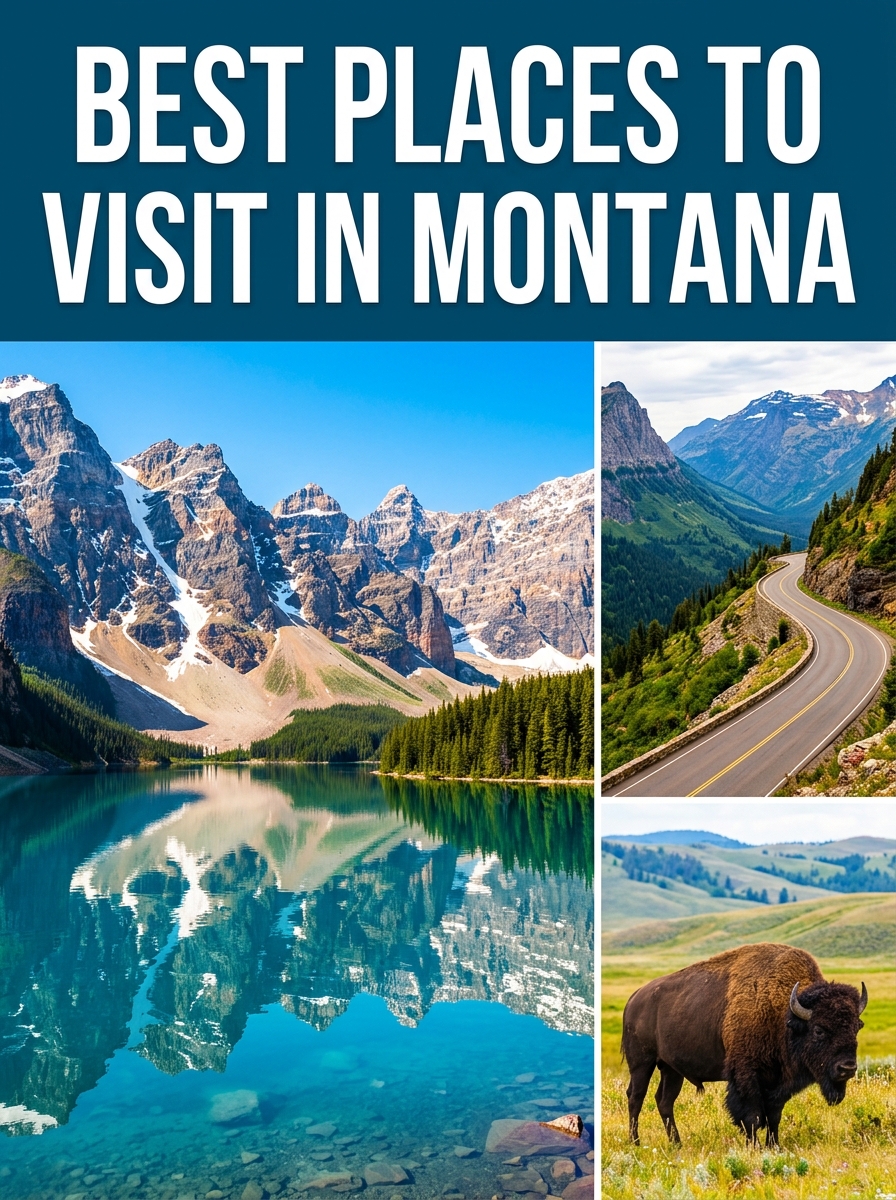
For a first visit, Glacier National Park and the Going-to-the-Sun Road are non-negotiable. Pair that with Whitefish or Kalispell as a base. For wildlife, the Lamar Valley at Yellowstone’s northeast corner delivers grizzly bears, wolves, and bison herds in numbers that rival East Africa’s game reserves. For a livable mountain city with outstanding food and access to outdoor activity, Bozeman is hard to match anywhere in the American West.
Glacier National Park: The Crown of the Continent
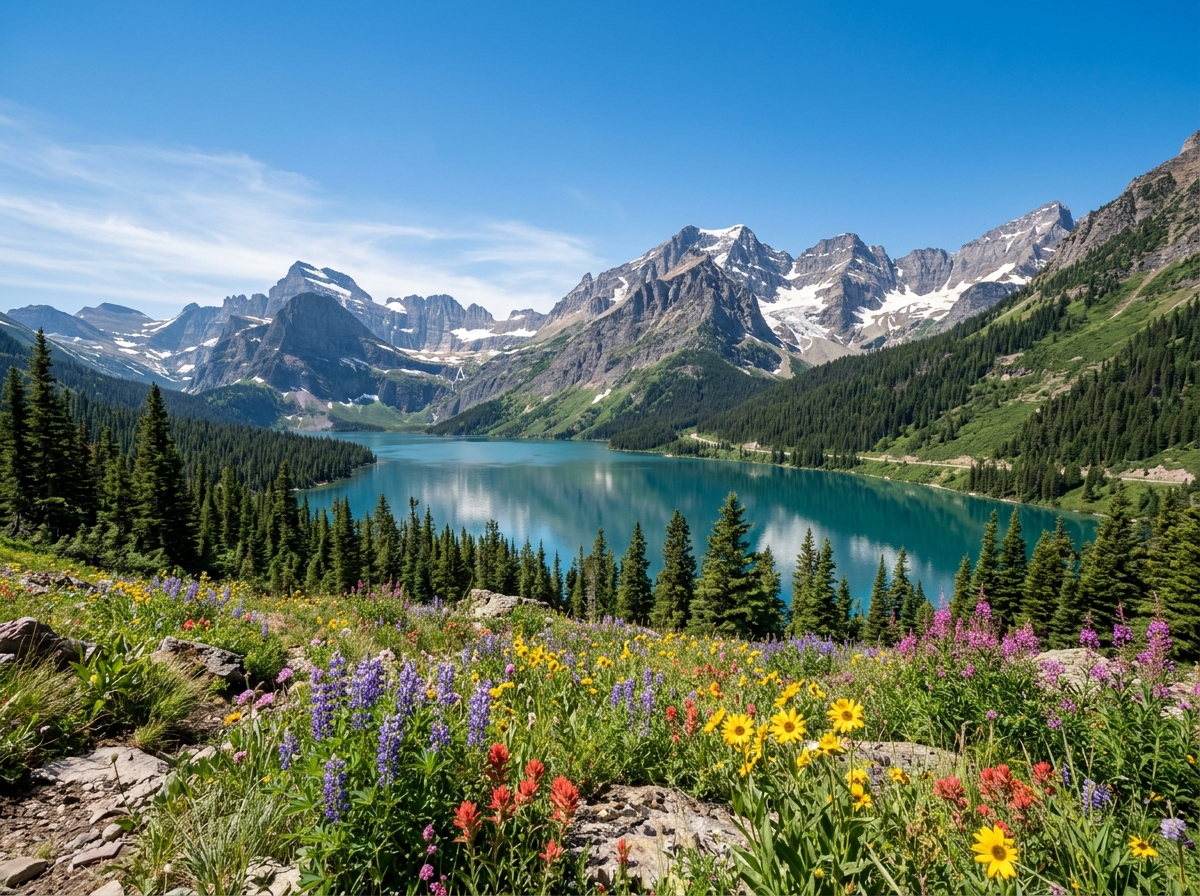
Glacier National Park is the reason most international visitors come to Montana. It covers over a million acres of the Northern Rocky Mountains near the Canadian border, with more than 700 miles of hiking trails, dozens of glacially carved lakes, and a wildlife population that includes grizzly bears, mountain goats, bighorn sheep, and moose.
Going-to-the-Sun Road: 2026 Updates Every Visitor Needs to Know
The Going-to-the-Sun Road is the most famous scenic drive in Montana. The 50-mile road crosses the Continental Divide at Logan Pass (6,646 feet) and passes through mountain scenery that genuinely stops people in their tracks on their first crossing.
Two major 2026 changes that most guides have not updated for:
First, the vehicle reservation system that required advance booking to drive the road has been eliminated for 2026. No advance reservation is needed. Any vehicle with a valid park pass can drive the road.
Second, a 3-hour parking limit at Logan Pass takes effect July 1, 2026. The parking lot at Logan Pass is the starting point for the Hidden Lake Overlook trail, the most popular day hike in the park. Under the new rules, if you plan to hike further than Hidden Lake Overlook (which most people can complete within the 3-hour window), you need to use the new Logan Pass shuttle.
The new Logan Pass Shuttle launches July 1 and costs $1 per person, bookable through Recreation.gov. This is a genuinely good option for longer hikes like the Highline Trail, which runs 11.8 miles along the Garden Wall and would require much longer than 3 hours at Logan Pass.
Additional 2026 note for international visitors: As of January 1, 2026, international visitors aged 16 and older pay an additional $100 per person on top of the standard vehicle entry fee. The standard vehicle fee is $35 per week. The America the Beautiful Annual Pass at $80 covers all national parks and is worth buying for anyone visiting more than two parks in a year.
Practical timing for the road: The Logan Pass section typically opens between mid-June and early July depending on snowpack. The lower sections near West Glacier and St. Mary open in April. Always check current road conditions at the NPS website before your visit.
The single most useful timing tip: Arrive at Logan Pass before 8 AM. By 10 AM the parking lot is full and the experience changes completely. On the road by 6:30 AM from West Glacier means Logan Pass mostly to yourself in the early light.
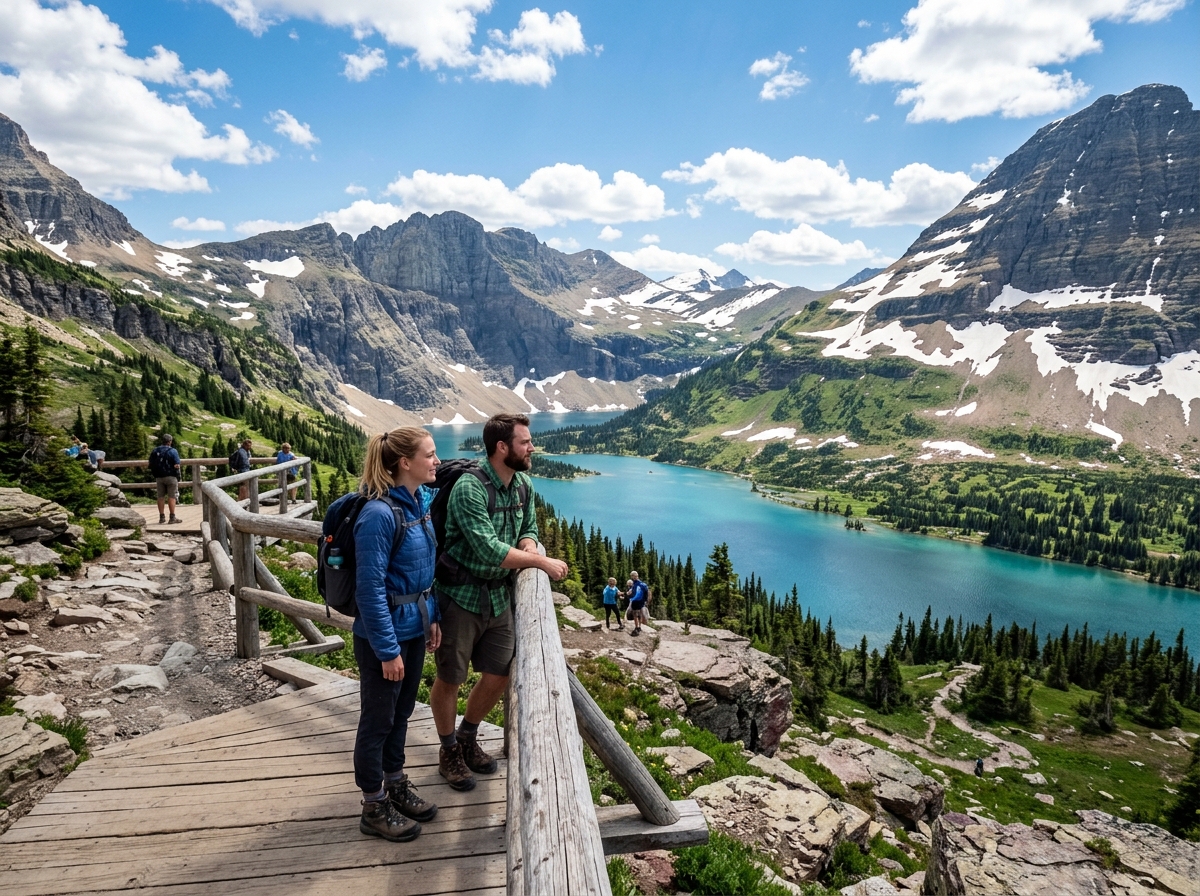
Many Glacier: The Most Dramatic Valley
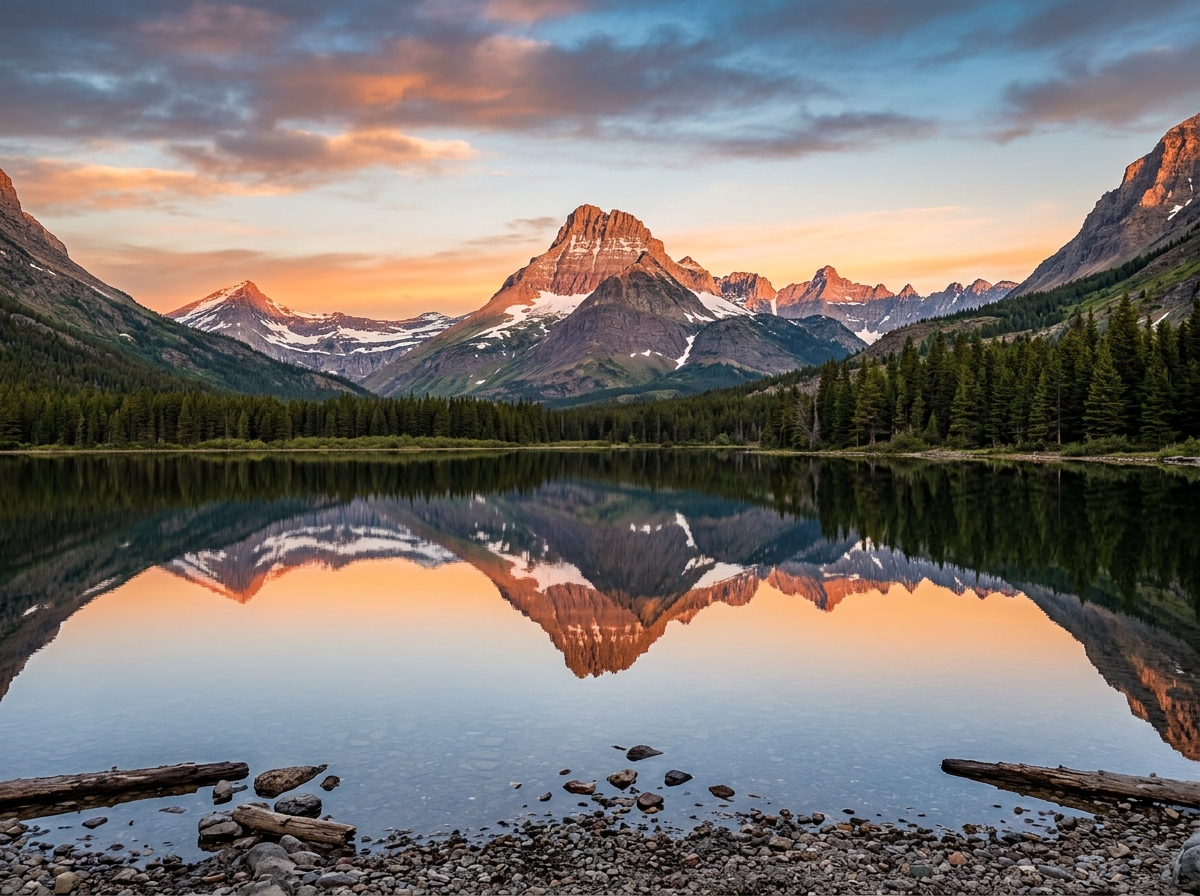
Many Glacier sits on the east side of the park, about an hour’s drive from St. Mary. Swiftcurrent Lake creates perfect mirror reflections of Mount Grinnell, Mount Wilbur, and the surrounding peaks. The scene is so perfectly composed it almost looks artificial. For mirror reflections, arrive before 8 AM before any wind disturbs the surface.
The Grinnell Glacier hike (11.2 miles round trip, 6-7 hours) is the signature backcountry experience of Many Glacier, taking you to one of the park’s remaining glaciers on a trail that passes two additional lakes before climbing to the glacier itself.
Many Glacier Hotel: Rooms start booking a year in advance and it’s common for them to be sold out quickly. However, cancellations do occur frequently, so checking availability often is recommended. If a specific July or August stay matters, start checking 12 to 14 months ahead.
Polebridge and the North Fork
Polebridge is a small community in the northwestern corner of Glacier accessible via an unpaved road from West Glacier, and it is one of the best-kept secrets in the park’s orbit. There is no cell service, no reliable electricity, and a bakery called the Polebridge Mercantile that locals regularly drive significant distances to reach specifically for the huckleberry bear claws.
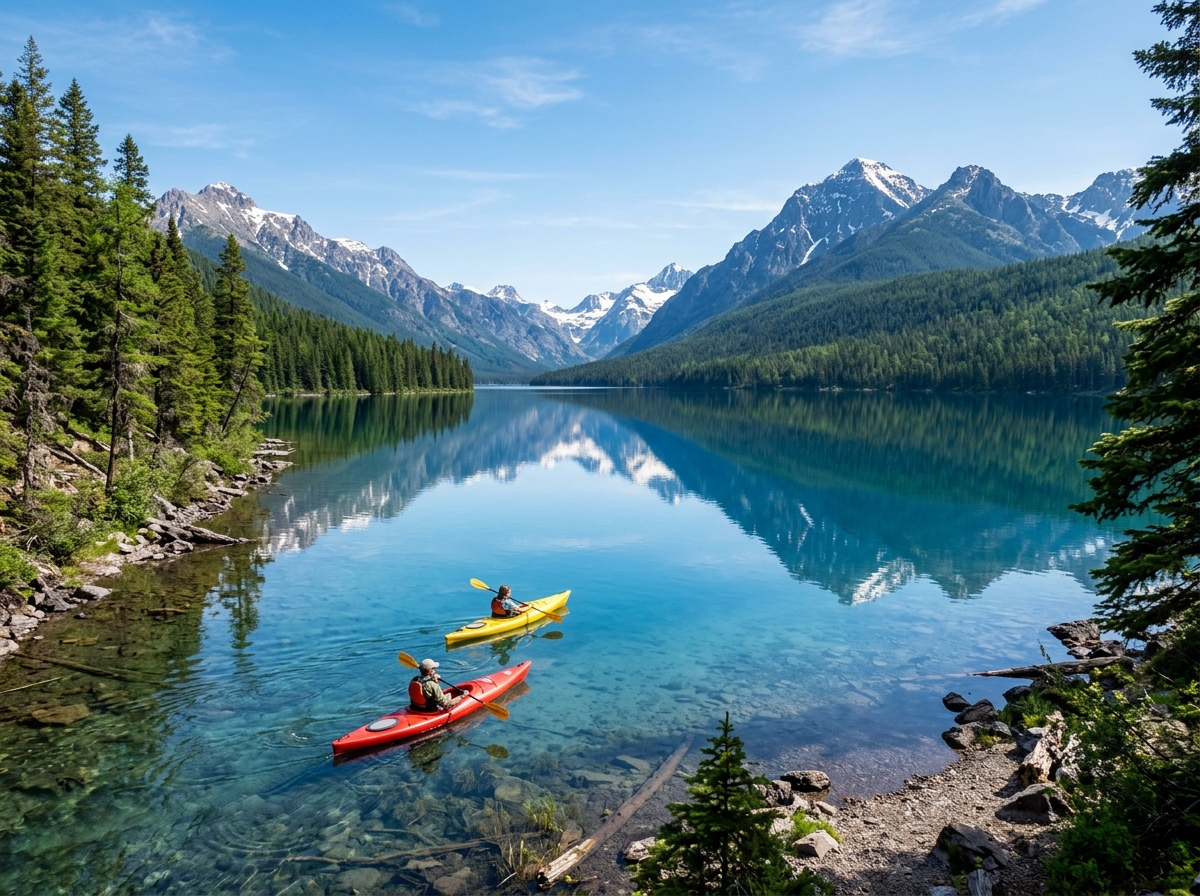
From Polebridge, an additional seven miles of dirt road leads to Bowman Lake, one of the clearest and most spectacular lakes in the park with almost no visitors compared to the Going-to-the-Sun Road corridor. Kintla Lake is further north still and sees even fewer people.
This is the version of Glacier that most visitors never find because it requires committing to rough road and no signal. It is worth it.
For any serious Glacier hiking, particularly longer routes like the Highline Trail or Grinnell Glacier, a reliable hydration system makes a genuine difference at altitude in dry mountain air. The CamelBak MULE 12L Hydration Pack (available on Amazon) carries 2 litres of water hands-free, has enough pack space for layers, snacks, and a rain jacket, and is the most widely used hydration pack for full-day mountain hikes where hands-free sipping matters on exposed terrain.
Whitefish: The Best Montana Mountain Town
Whitefish sits 25 miles from Glacier’s West Glacier entrance and is consistently the most recommended base town for a Glacier trip.
Whitefish Mountain Resort operates in winter as one of the best ski destinations in the Northern Rockies, with 3,000 acres of terrain and a significantly lower price point than comparable resorts in Colorado or Utah. In summer the mountain offers biking and aerial views.
Downtown Whitefish has a walkable Main Street with genuinely good restaurants, a farmers market on summer Tuesday evenings, and the kind of independent-business culture that makes it feel like a real town rather than a tourist village. The Whitefish Lake Golf Course, on the edge of a lake with mountain views, is one of the most beautiful public golf courses in Montana.
Best for: Glacier base, winter skiing, mountain town atmosphere, families Distance from Glacier West Entrance: 25 miles (about 30 minutes)
Bozeman: Montana’s Most Livable City
Bozeman has grown significantly over the past decade as remote workers, outdoor enthusiasts, and people fleeing expensive coastal cities discovered its combination of a genuine university culture, outstanding outdoor access, and a food scene that genuinely competes with much larger cities.
Downtown Bozeman on Main Street has a concentration of independent restaurants, craft breweries, and coffee shops. The Museum of the Rockies holds one of the largest collections of dinosaur fossils in North America, with T. rex specimens and an extensive Montana paleontology collection that surprises visitors who do not expect this level of natural history museum in a city this size.
Bridger Bowl, a nonprofit ski area 16 miles northeast of downtown, is one of the best-kept skiing secrets in Montana, with terrain that rivals major resorts at a fraction of the price. Big Sky Resort, 50 miles south, has 5,850 acres of terrain and consistently ranks among the largest and least crowded major ski resorts in the country.
Day trips from Bozeman: The Yellowstone north entrance at Gardiner is 90 miles south. The Gallatin Canyon, running south toward Big Sky, has excellent rafting, kayaking, and fishing on the Gallatin River. Hyalite Canyon southeast of town has rock climbing, ice climbing in winter, and reservoir swimming in summer.
Best for: Mountain city culture, food and breweries, winter skiing, Yellowstone gateway Distance from Yellowstone (North Entrance): 90 miles, about 1.5 hours
Yellowstone’s Montana Connection: Lamar Valley
Most visitors understand Yellowstone as a Wyoming park, and technically most of it is. But Montana contains the park’s only year-round vehicle entrance, through the town of Gardiner at the Roosevelt Arch, and most importantly gives access to Lamar Valley from the northeast.
Lamar Valley is consistently described as “America’s Serengeti.” The comparison holds up. The valley floor holds bison herds of hundreds of animals. Wolves hunt in visible packs, with the reintroduced populations now numbering over 500 in the greater Yellowstone area. Grizzly bears, which number over 1,000 in the Greater Yellowstone Ecosystem, are regularly spotted from the road. Elk, pronghorn, coyotes, and bald eagles complete a wildlife density genuinely comparable to East African game reserves.
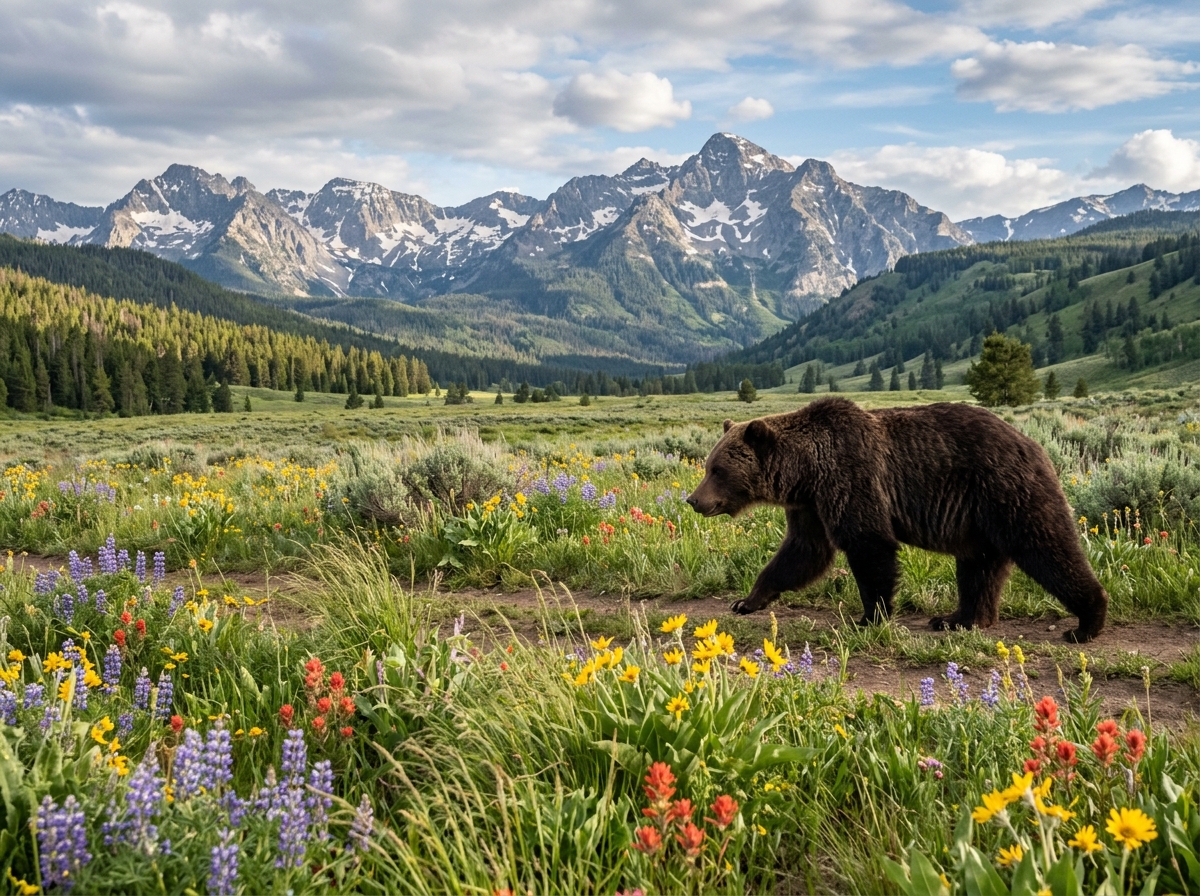
The best viewing is at dawn and dusk when predator activity is highest. Bring binoculars with the longest magnification you can manage. A spotting scope on a tripod, which serious wildlife watchers use, lets you watch wolves from a safe distance that binoculars cannot match.
For serious wildlife watching at dawn in Lamar Valley where predator activity peaks, full darkness to first light requires patience and the right optics. The Vortex Optics Diamondback HD 10×42 Binoculars (available on Amazon) are the most recommended affordable high-performance binoculars in wildlife watching communities, with fully multi-coated lenses that handle low-light conditions far better than budget options and a field of view wide enough for tracking moving animals across the valley floor.

Vortex Diamondback HD 10×42 Binoculars
The Montana gateway to Lamar: Gardiner, Montana is the north entrance and the only entrance open year-round to wheeled vehicles. Silver Gate and Cooke City, tiny communities just outside the northeast entrance, are the closest bases to Lamar Valley and book out months ahead for summer visits.
Bear spray is mandatory preparation for any Yellowstone hiking. Both grizzly and black bears are present throughout the park and the surrounding ecosystem. Bear spray has been demonstrated to be more effective than firearms in bear encounters and is required recommended equipment for all backcountry use.
Missoula: Culture and Rivers
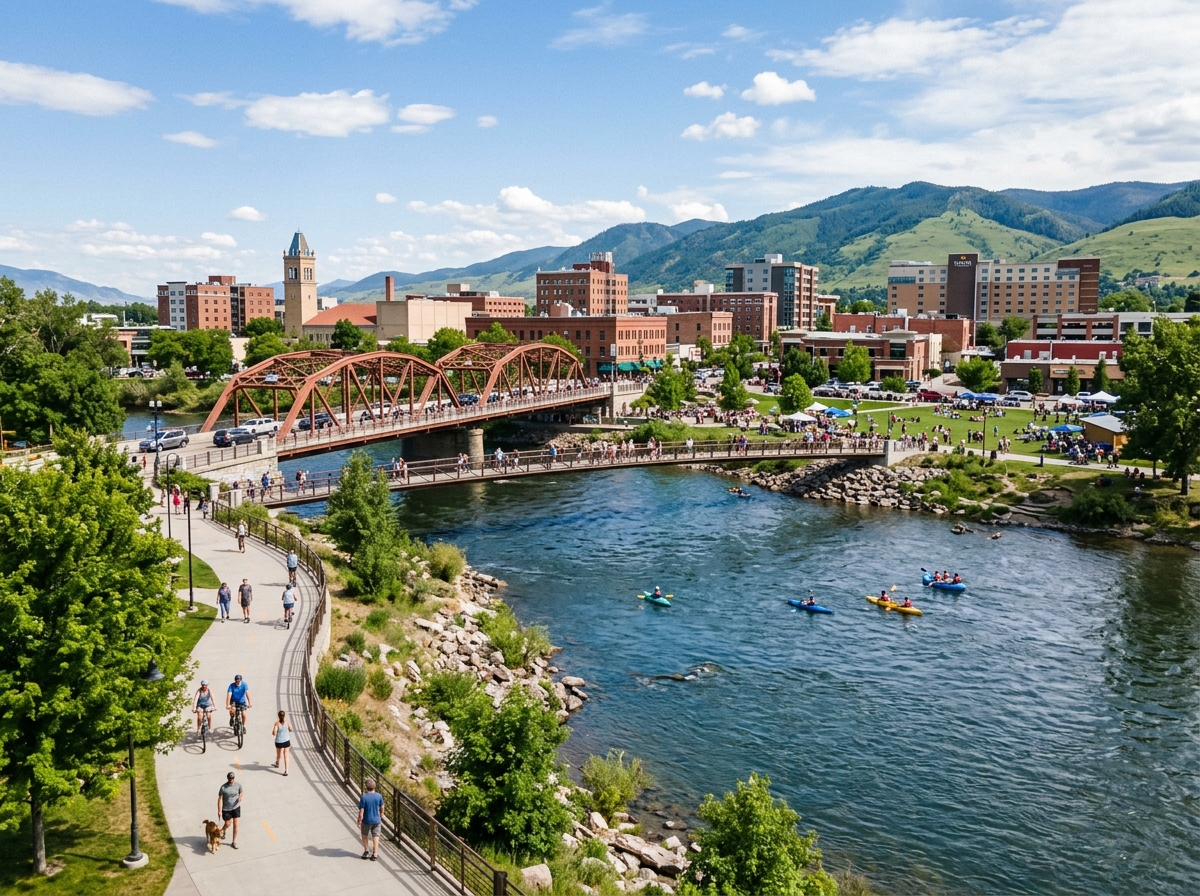
Missoula is a university town on the Clark Fork River with an arts culture that genuinely surprises visitors expecting a purely outdoors-focused Montana city.
The Clark Fork runs directly through downtown and has excellent fishing for brown and rainbow trout, as well as a riverside trail system that connects parks along the water. The Rattlesnake Wilderness and National Recreation Area begins at the edge of town and has over 60 miles of trails accessible without a car.
The independent bookstore culture in Missoula, anchored by Fact and Fiction Books, reflects the city’s literary tradition (it is the home of the University of Montana’s renowned MFA writing program). The farmers market on Saturday mornings is one of the best in the state.
Best for: Arts and culture, university town atmosphere, fishing, trailhead access Distance from Glacier: 145 miles (about 2.5 hours)
Glacier’s Hidden Alternatives: Two Medicine and St. Mary
Most Glacier visitors concentrate on the Going-to-the-Sun Road corridor. Two additional areas deserve attention.
Two Medicine Valley sits on the southeast side of the park and sees a fraction of the Going-to-the-Sun Road traffic. Two Medicine Lake has boat tours that operate in summer, and the surrounding trails include options for all fitness levels. The scenery is genuinely comparable to Many Glacier with significantly fewer visitors.
St. Mary Lake on the east side of the park is visible from the Going-to-the-Sun Road but is also worth a dedicated morning or afternoon. Wild Goose Island overlook, a tiny island in the middle of the lake with surrounding peaks, is one of the most-photographed scenes in the park.
What Most Montana Guides Do Not Tell You
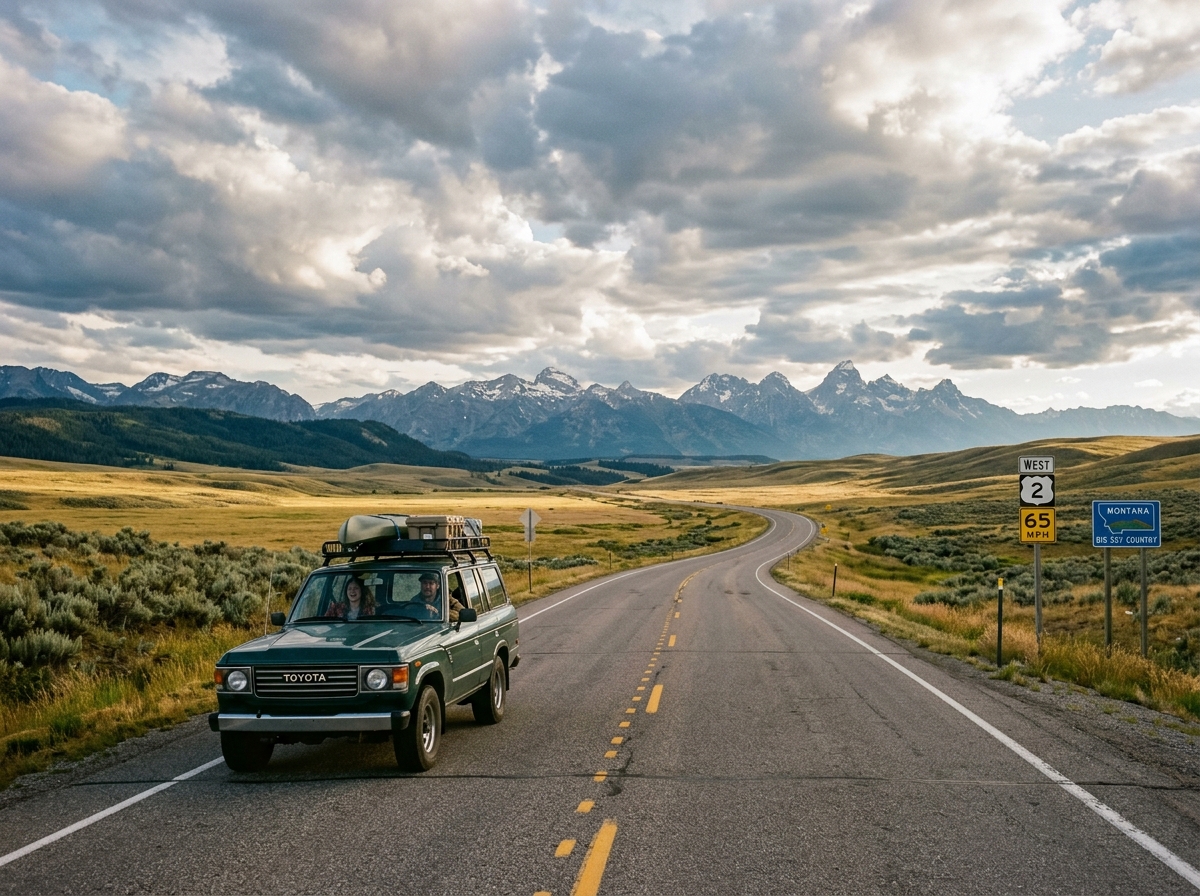
A car is genuinely mandatory. Montana’s 147,000 square miles and 7.5 people/square mile density means no practical public transportation between towns or attractions. Every meaningful destination in this guide requires a car. Plan rental from the nearest airport (Glacier Park International in Kalispell for Glacier; Bozeman Yellowstone International for the south; Missoula for the middle of the state).
Cell service disappears along Going-to-the-Sun Road. Download offline maps before entering the park. Bring a paper backup or a road atlas. Do not rely on Google Maps navigation inside the park.
Many Glacier Hotel and popular campgrounds book a year in advance. If specific accommodation at iconic locations matters, research and book 12 to 14 months ahead for July and August visits. For less popular months (September, October), 3 to 4 months is usually enough.
The Logan Pass 3-hour limit starts July 1. Plan accordingly. If you want to hike the Highline Trail or any longer route from Logan Pass, book the new Logan Pass Shuttle through Recreation.gov in advance for peak-season dates.
International visitors pay an extra $100 per person from 2026. This is the non-resident surcharge introduced January 1, 2026. At $35 standard vehicle entry plus $100 per adult non-resident, a family of four international visitors pays $235 just for park entry. The America the Beautiful Annual Pass at $80 covers the standard vehicle fee but does not waive the non-resident surcharge.
Smoke is a late summer reality. Wildfire smoke from fires across the Pacific Northwest can significantly reduce visibility and air quality in Montana in August and September. This is variable year to year but worth having a contingency awareness of. September smoke occasionally closes trails in Glacier and affects Yellowstone visibility. Check current air quality before any planned outdoor activity in late August or September.
Wildlife requires distance and patience. The National Park Service requires staying at least 25 yards from bison, elk, and most wildlife, and at least 100 yards from bears and wolves. These are minimums, not targets. Wildlife encounters in Yellowstone and Glacier become dangerous when visitors approach too closely. The most extraordinary wildlife experiences happen to visitors who stop, wait, and watch from a distance.
Practical Tips for a Montana Trip
Best time to visit: July through September for the full Going-to-the-Sun Road experience and Glacier hiking. September is particularly good for reduced crowds after Labor Day, fall colors beginning, and still-warm temperatures. Mid-June through early July offers the post-snowmelt wildflower bloom and lighter crowds than peak summer. Winter (December through March) is excellent for skiing at Whitefish Mountain Resort and Big Sky Resort.
Driving distances to plan around:
- Glacier West Entrance to Many Glacier: 34 miles (1 hour)
- Glacier to Whitefish: 25 miles (30 minutes)
- Glacier to Bozeman: 280 miles (4.5 hours)
- Bozeman to Yellowstone (Gardiner): 90 miles (1.5 hours)
- Glacier to Yellowstone: 390 miles (6.5 hours)
Where to fly in: Glacier Park International Airport (FCA) in Kalispell for Glacier. Bozeman Yellowstone International (BZN) for Yellowstone and Big Sky. Missoula (MSO) for central Montana. If flights to Kalispell are expensive, Missoula is 2.5 hours from Glacier and often has more affordable fares.
Bear spray: Carry it in bear country, know how to use it, and keep it accessible rather than buried in your pack. This means both Glacier and Yellowstone ecosystems, and most of the surrounding national forest land.
For any Montana road trip covering Glacier and Yellowstone across multiple days of outdoor activity, a high-quality insulated cooler that keeps food safe across long driving days between grocery options matters significantly in a state where towns are sparse. The YETI Roadie 48 Hard Cooler (available on Amazon) holds 48 quarts, keeps ice for several days in summer heat, and is durable enough for the kind of mixed-terrain road trip that Montana demands. In a state where the next grocery store can be 60 miles away, not having to stop for food daily changes the trip.

YETI Roadie 48 Wheeled Cooler
Best Places in Montana by Traveller Type
First-time visitors: Glacier National Park (Going-to-the-Sun Road, Logan Pass, Avalanche Lake), based in Whitefish. Three to five days minimum.
Wildlife enthusiasts: Lamar Valley in Yellowstone at dawn and dusk, based in Silver Gate or Cooke City. Add the National Bison Range near Missoula for guaranteed bison sightings.
Hikers: Many Glacier for the Grinnell Glacier hike, Logan Pass for the Highline Trail, and the Absaroka-Beartooth Wilderness near Billings for serious backcountry.
Skiers: Whitefish Mountain Resort for Glacier-adjacent skiing. Big Sky Resort for the largest ski area in the US. Bridger Bowl near Bozeman for locals’ pricing.
Families: Glacier by car with boat tours on Lake McDonald or Two Medicine Lake, Yellowstone wildlife viewing from the road, Museum of the Rockies in Bozeman.
Fly fishing: The Madison River (one of the most famous trout rivers in the world), the Gallatin River near Bozeman, the Bighorn River near Billings, and the Clark Fork through Missoula.
Budget travellers: September and October in Glacier after peak pricing drops. Bridger Bowl instead of Big Sky for skiing. Missoula as a base for accessing central Montana without the Glacier or Bozeman premium.
Quick Reference Table
| Destination | Region | Best For | Best Season | Nearest Airport |
|---|---|---|---|---|
| Glacier National Park | Northwest | Hiking, scenery, wildlife | July to September | Kalispell (FCA) |
| Going-to-the-Sun Road | Glacier NP | Scenic drive, Logan Pass | Late June to October | Kalispell (FCA) |
| Many Glacier | Glacier NP East Side | Lakes, Grinnell Glacier | July to September | Kalispell (FCA) |
| Polebridge | North Fork Glacier | Solitude, Bowman Lake | June to September | Kalispell (FCA) |
| Whitefish | Northwest | Base town, skiing, dining | Year-round | Kalispell (FCA) |
| Bozeman | Southwest | City culture, skiing, Yellowstone access | Year-round | Bozeman (BZN) |
| Lamar Valley | Yellowstone NE | Wildlife viewing | Year-round | Bozeman (BZN) |
| Missoula | Western | Arts, fishing, university culture | Year-round | Missoula (MSO) |
| Big Sky Resort | Southwest | Skiing, hiking, Gallatin River | Dec to Mar for ski | Bozeman (BZN) |
Frequently Asked Questions
What is the most beautiful place in Montana?
Most people who have spent time in the state point to Many Glacier Valley or Logan Pass in Glacier National Park as the single most beautiful spot. The Swiftcurrent Lake reflection at Many Glacier, with three mountain peaks perfectly mirrored in the water, is one of the most extraordinary natural compositions in North America. Lamar Valley at dawn in winter, with wolves in the snow, is a close second for sheer wildlife spectacle.
Do you need a reservation to drive Going-to-the-Sun Road in 2026?
No. The vehicle reservation system for Going-to-the-Sun Road has been eliminated for 2026. Any vehicle with a valid park pass can drive the road. The main change for 2026 is a 3-hour parking limit at Logan Pass starting July 1, and a new $1 Logan Pass Shuttle for visitors wanting to hike longer routes from that trailhead.
When is the best time to visit Montana?
July through September for Glacier and the full Going-to-the-Sun Road experience. September is particularly good for lower crowds after Labor Day and the beginning of fall colors. Mid-June catches the wildflower bloom at Logan Pass with lighter crowds than peak summer. December through March for skiing at Whitefish and Big Sky.
How many days do you need in Montana?
Seven to ten days allows you to cover Glacier properly (3-4 days minimum) and either Bozeman and Yellowstone’s north entrance or Missoula. Two weeks gives you both regions without rushing. Montana rewards slower travel significantly more than faster travel.
Is Montana safe for bear country hiking?
Yes, with preparation. Carry bear spray, make noise on the trail, travel in groups when possible, and follow NPS guidelines for food storage. Bear spray has a documented effectiveness rate that exceeds firearms in bear encounters. Glacier and the Yellowstone ecosystem both have active grizzly populations. Most hikers go their entire careers without a dangerous encounter, but being prepared is the difference between a good outcome and a bad one if an encounter does happen.
What is the best base town for visiting Glacier National Park?
Whitefish, 25 miles from the West Glacier entrance, is the most recommended base. It has the most accommodation options, the best restaurants, and the strongest independent-business culture of any town near the park. West Glacier itself is closer but has very limited services. East Glacier on the park’s east side is better if your itinerary focuses on Many Glacier and the east side trails.
Final Thoughts
Montana genuinely earns the nickname Big Sky Country in a way that only makes sense once you are standing in it.
The scale, the quiet, and the wildlife density combine into something that people come back to year after year. The visitors who get the most from it are the ones who plan around the distances honestly, arrive at Logan Pass before 8am, and spend at least one dawn in Lamar Valley watching the valley come alive.
Glacier and Yellowstone are the obvious headliners. Polebridge is the secret. Lamar Valley is the experience that changes what people expect wildlife viewing to be. And the drive between them, on empty highways through landscapes that have not changed in significant ways since Lewis and Clark came through, is the thing most people are not prepared to love as much as they do.
Give Montana more time than you think you need. It earns every extra day.