The pretty pictures lie.
You’ve seen them. Sunrise over Santorini. Cobblestone streets in Prague. Croissants and coffee in a Parisian café.
What you don’t see? The tourist trying to figure out why their phone won’t work at the train station. The couple realizing they booked a hotel 45 minutes from the city center to save €20. The solo traveler who just got pickpocketed on the Metro.
I’ve made every mistake. I’ve also figured out what actually works.
This is the truth about traveling in Europe the good, the messy, and the stuff no one tells you until you’re standing confused in a foreign train station.
The Planning Stage: Where Most People Go Wrong
You cannot see everything.
I learned this the hard way in Italy. Rome, Florence, Venice, and the Amalfi Coast in eight days. Sounds reasonable on paper. In reality? We spent more time packing and unpacking than actually experiencing anything.
Europe is dense with history. Every city deserves at least three full days. Minimum.
The fix: Pick two countries max for a two-week trip. Or three cities in one country. You’ll save money on transport and actually remember what you saw.
The Budget Reality Check
Europe isn’t cheap. But it doesn’t have to drain your savings either.
Here’s what you’re actually looking at per day (mid-range travel):
- Western Europe (France, Germany, Netherlands): €150-200
- Southern Europe (Italy, Spain, Portugal): €100-150
- Eastern Europe (Poland, Czech Republic, Hungary): €60-100
Accommodation eats 40% of this. Food another 30%. Transport and activities split the rest.
Money-saving truth: Grocery stores are your friend. Even in expensive Switzerland, a €4 supermarket sandwich beats a €25 tourist-trap meal. Book apartments with kitchens when possible.
Getting Around: Trains vs. Planes vs. Rental Cars
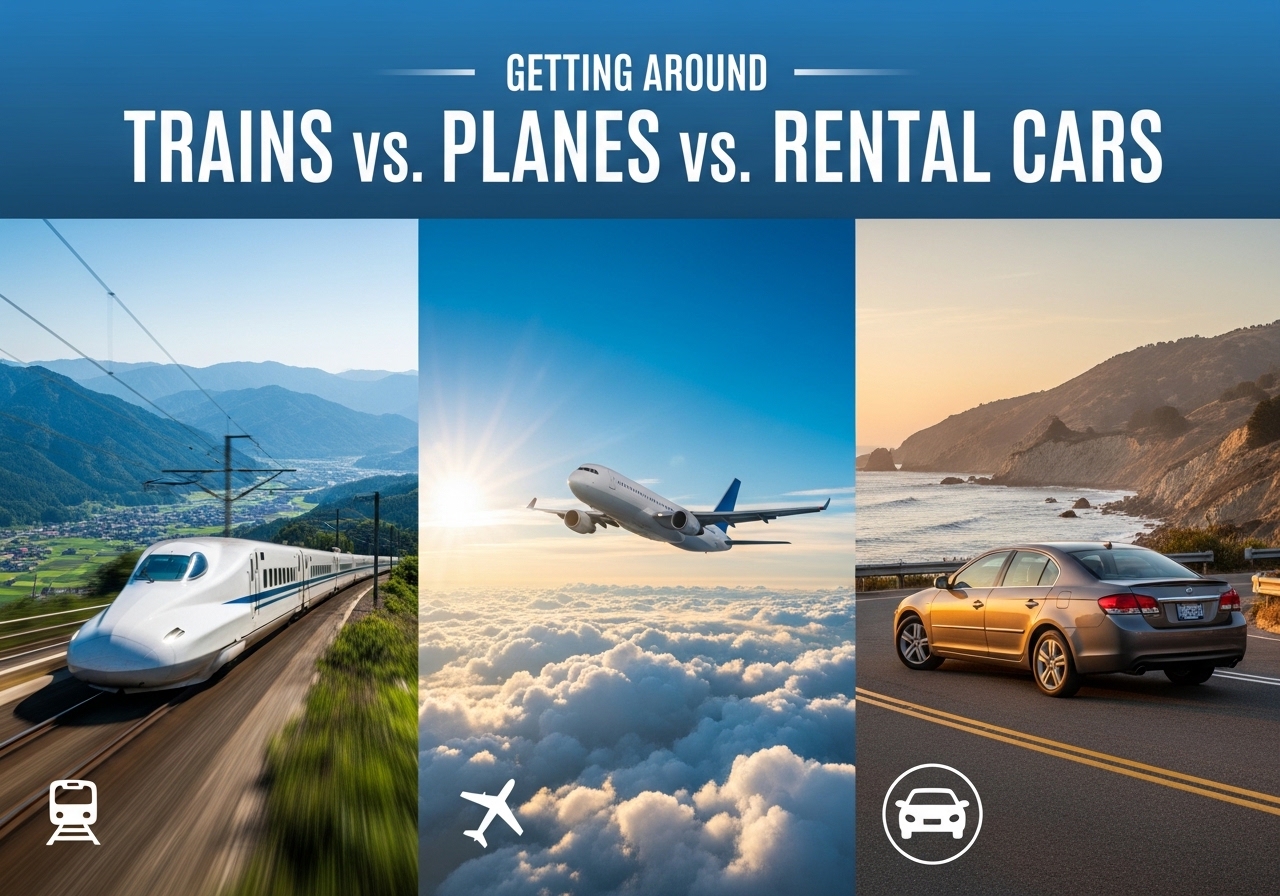
The train is king.
Europe’s rail network connects city centers to city centers. No airport security. No baggage restrictions. No transfers from remote airports.
But here’s what they don’t advertise: budget airlines often beat train prices. Ryanair, EasyJet, and Wizz Air fly for €20-50 if you book early. The catch? Airports are usually an hour outside the city, and baggage fees add up fast.
My recommendation:
- Under 4 hours? Take the train.
- Over 6 hours? Fly if the price difference is significant.
- Never rent a car in major cities. Parking costs €30-50 daily, and historic centers ban cars anyway.
Essential gear for train travel: A portable luggage scale saves you from overweight baggage fees on budget airlines. I use the Etekcity Digital Luggage Scale it clips to any bag handle and weighs up to 110 pounds. Small enough to fit in your pocket, accurate enough to save you €50 at check-in.
The Accommodation Trap
Location beats luxury every time.
I once saved €30 nightly by booking a “Paris hotel” that required two Metro changes and a 15-minute walk. After four days, that €120 savings cost me three hours daily in transit. I was too tired to enjoy the city.
The sweet spot: Stay within walking distance of a major Metro station or the historic center. Use Google Maps street view to verify the neighborhood before booking.
Types of stays:
- Hotels: Reliable, but smallest rooms for the price
- Airbnb/Apartments: Best for groups, kitchen access saves food costs
- Hostels: Not just for backpackers many offer private rooms at half the hotel price
Safety: The Conversation No One Wants to Have
Petty theft is real.
Barcelona, Paris, Rome, Prague these cities are gorgeous and generally safe. But tourists are targets. Pickpockets work in teams. They distract while someone else grabs your bag.
What actually works:
- Cross-body bags worn in front, not behind you
- Phone straps (wrist lanyards) prevent snatch-and-grabs
- Split your money some in a money belt, some in your wallet, some in your shoe
I learned this after watching a thief unzip my friend’s backpack on a crowded Lisbon tram. He felt the movement, turned around, and the guy walked away empty-handed. That was our first day.
Gear recommendation: The Pacsafe Metrosafe LS250 Anti-Theft Shoulder Bag has slash-proof straps, locking zippers, and RFID-blocking pockets. I’ve carried it through eight European countries. It looks normal, but thieves know the brand and move on to easier targets.
The Digital Toolkit: Apps That Actually Help
You need offline maps.
Google Maps works offline if you download the area beforehand. But Maps.me is better for walking directions in pedestrian-only old towns.
Essential apps:
- Trainline – Book train tickets across Europe (no language barriers)
- Google Translate – Download offline language packs before you go
- XE Currency – Real-time conversion so you know what you’re spending
- Rome2Rio – Shows every transport option between two points
Phone plan reality: Your home carrier’s “international plan” probably sucks. Buy a local SIM at the airport, or use an eSIM service like Airalo. €20 gets you 10GB of data for a month. Way cheaper than roaming charges.
Food: Eating Well Without the Tourist Tax
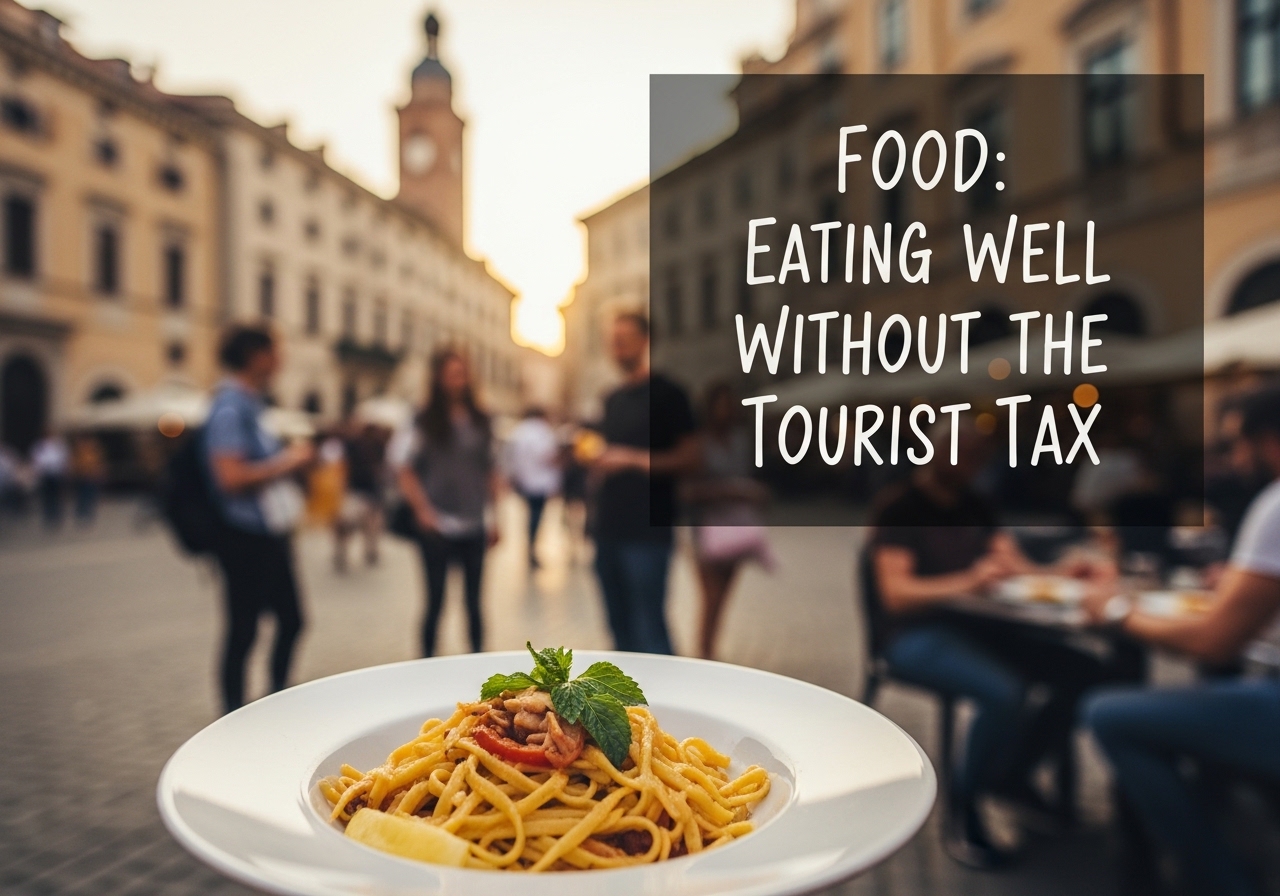
The rule: If the menu has pictures, walk away.
Restaurants near major attractions charge 40% more for 60% worse food. The best meals I’ve had in Europe were three streets away from the tourist center, filled with locals.
How to find the good spots:
- Look for handwritten menus in the local language
- Check if they’re busy at 8 PM (Europeans eat late)
- Ask your hotel host where they eat, not where they send tourists
The lunch secret: Many European restaurants offer fixed-price lunch menus (menu del día, plat du jour, pranzo fisso). Same kitchen, same quality, half the dinner price. Eat your big meal at midday.
Cultural Etiquette: Small Things That Matter
Tipping confuses everyone.
In most of Europe, service is included. Rounding up or leaving 5-10% is polite but not mandatory. The exception? Tourist-heavy areas where staff expect American tipping habits.
Other truths:
- Greetings matter. Say “Bonjour,” “Guten Tag,” or “Buongiorno” when entering small shops. It changes how you’re treated.
- Quiet hours are real. In Germany and Switzerland, loud noise after 10 PM gets you fined.
- Churches are active places of worship. Cover shoulders and knees. Silence your phone. Don’t treat them like museums.
Seasonal Strategy: When to Go
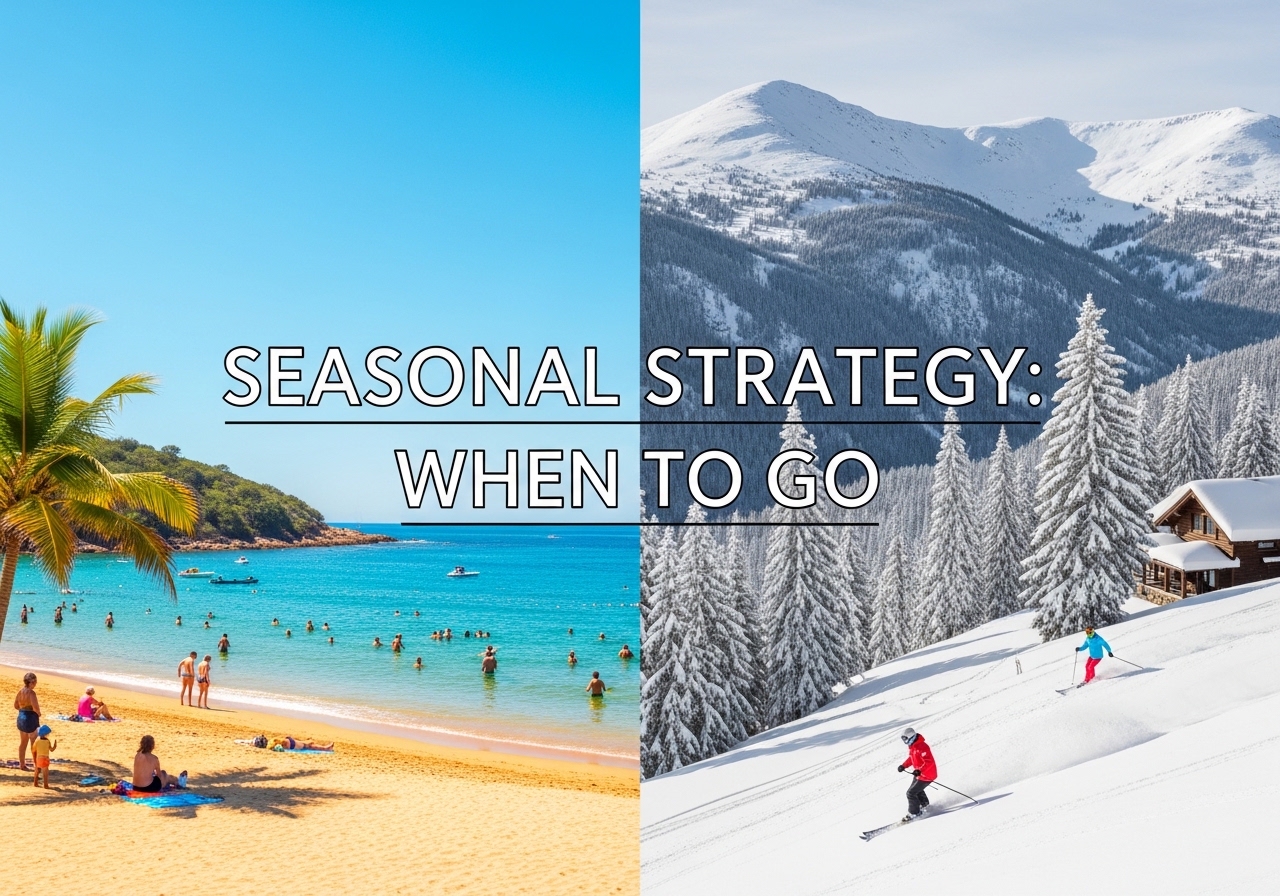
Summer is overrated.
July and August mean crowds, heat, and prices 50% higher than shoulder season. Paris in August is half-empty locals flee to the coast, but so do the charm and open restaurants.
Better options:
- April-May: Spring flowers, mild weather, fewer crowds
- September-October: Harvest season, still warm, locals are back
- December: Christmas markets in Germany and Austria are magical (but cold)
Winter truth: Southern Spain, Portugal, and Italy stay mild. You’ll have Venice’s canals to yourself. Museums never have lines. Pack layers and waterproof shoes.
The Packing List You Actually Need
Europeans dress better than Americans. Not fancier—just more put-together. You won’t need hiking gear for city walking.
The capsule wardrobe:
- Two pairs of comfortable walking shoes (rotate them to prevent blisters)
- One nice outfit for dinners
- Layers mornings are cool, afternoons warm
- A compact umbrella (rain happens)
The non-negotiable: A universal power adapter with USB ports. European outlets vary by country, and hotels never have enough plugs. The EPICKA Universal Travel Adapter covers 150+ countries, has four USB ports, and includes a spare fuse. I’ve used mine daily for three years across four continents.
The Solo Traveler Reality
Traveling alone in Europe is easier than at home.
Hostels have private rooms. Group walking tours let you meet people. Dining solo is completely normal bring a book, or sit at the bar.
The downside: No one watches your stuff when you use the bathroom at train stations. No one shares the €50 taxi ride when public transport stops at midnight. You make every decision alone, which is freeing and exhausting.
Safety net: Share your itinerary with someone at home. Check in regularly. Trust your gut if a street feels wrong, turn around.
Sustainable Travel: The Responsibility We Ignore

Overtourism is destroying Venice, Barcelona, and Amsterdam.
These cities are implementing tourist caps and entry fees. You can help:
- Stay in locally-owned accommodations, not international chains
- Eat at family restaurants, not Hard Rock Cafe
- Visit lesser-known cities Ljubljana over Venice, Porto over Barcelona
- Take trains instead of flights when possible
The shift: Europe is moving toward “slow travel.” Stay longer in fewer places. You’ll spend less money, create less waste, and actually remember the trip.
The Mental Game: Managing Expectations
You will have bad days.
The train will be delayed. It will rain on your beach day. You’ll argue with your travel partner about directions. Someone will get food poisoning.
This is normal. It doesn’t mean the trip is ruined. It means you’re having a real experience, not a curated Instagram fantasy.
The reset: Build buffer days. Don’t schedule every hour. Sit in a café and watch the world go by. Some of my favorite travel memories are unplanned afternoons with nowhere to be.
Frequently Asked Questions
Is Europe safe for American tourists?
Yes, generally safer than most US cities. Violent crime is rare. Petty theft is common in tourist areas. Use common sense, and you’ll be fine.
Do I need to speak the local language?
No, but learning “hello,” “please,” “thank you,” and “do you speak English?” goes a long way. English is widely spoken in tourist areas, less so in rural regions.
How much cash should I carry?
Less than you think. Cards work everywhere except tiny villages. Carry €50-100 for emergencies, but rely on cards for everything else.
What’s the best way to handle money?
Use a credit card with no foreign transaction fees. Withdraw cash from ATMs avoid currency exchange booths at airports. They charge terrible rates.
Should I buy a Eurail Pass?
Only if you’re taking long-distance trains frequently. For point-to-point tickets booked in advance, individual tickets are usually cheaper. Do the math based on your specific itinerary.
How early should I book accommodations?
Three to six months ahead for summer travel, one to two months for shoulder season. Last-minute deals exist in winter.
The Bottom Line
Europe is worth the hassle. The castles are real. The pasta is better than you’ve imagined. The train rides through Swiss Alps will make you tear up.
But it’s not magic. It requires planning, flexibility, and the right expectations. Bring comfortable shoes, an open mind, and a willingness to get lost occasionally.
The best travel stories don’t come from everything going right. They come from figuring it out when things go wrong.
Now book that ticket. The croissants are waiting.