I still remember the first photo I ever posted on Instagram.
It was grainy. The lighting was terrible. My coffee looked more like a brown blur than something cozy or aesthetic. I hit post anyway and immediately wondered how everyone else’s photos looked so effortless and polished.
If that sounds familiar, you’re not alone.
Taking beautiful Instagram photos is not about owning the most expensive camera or having a perfectly curated life. It is about learning how to see moments differently and knowing a few simple tricks that transform ordinary scenes into scroll stopping images.
Let me walk you through this the same way I learned it. Slowly, honestly, and without the pressure of perfection.
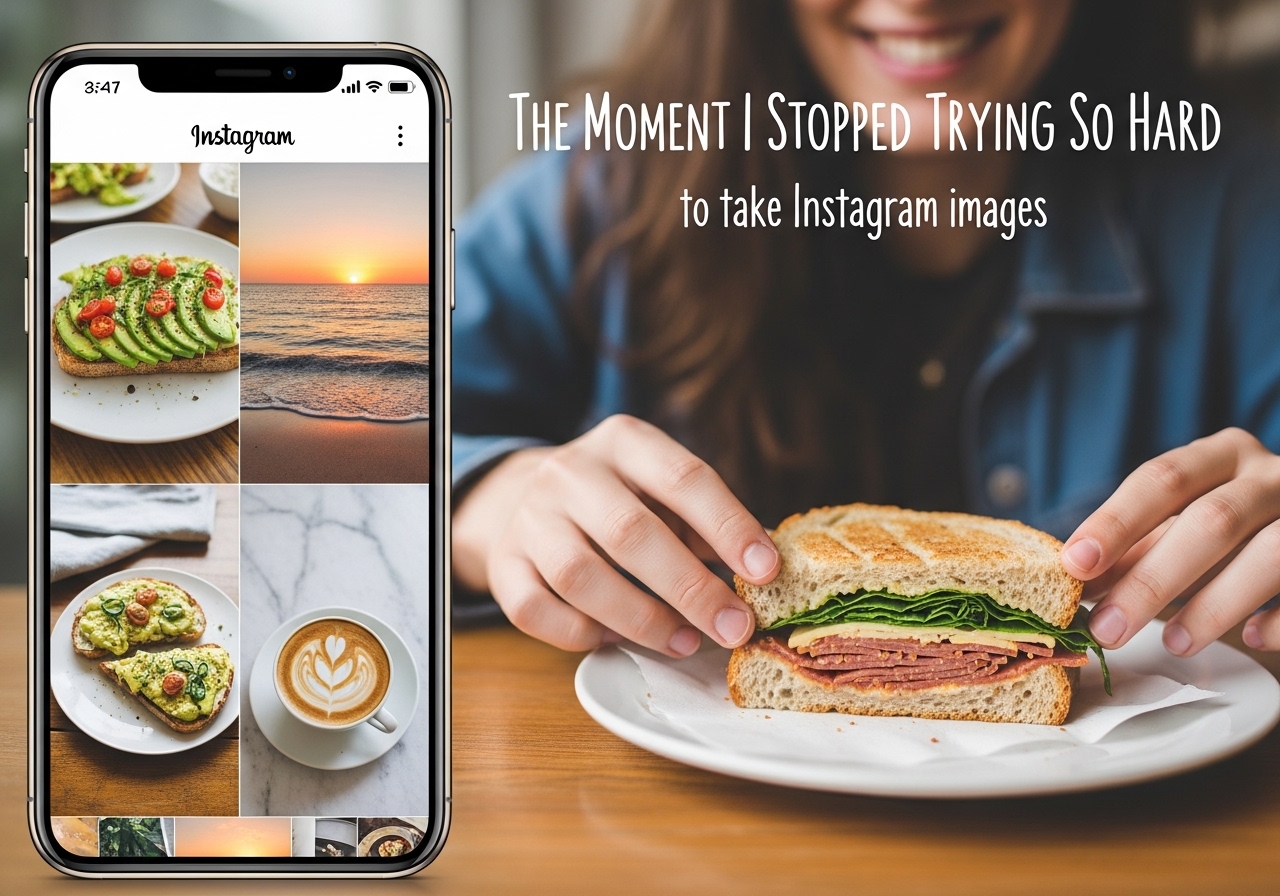
The Moment I Stopped Trying So Hard
At first, I thought great Instagram photos meant staged setups, perfect outfits, and exotic locations. I spent more time adjusting props than actually enjoying the moment.
Then one day, while walking through my neighborhood in the early morning, I noticed how soft the light looked hitting a brick wall. I pulled out my phone, snapped a photo, and posted it without overthinking.
That photo performed better than anything I had carefully planned.
That was my turning point.
Beautiful Instagram photos are not forced. They are felt.
Learn to See Light Before Anything Else
If there is one thing that separates an average Instagram photo from a beautiful one, it is light.
Natural light is your best friend.
Morning light is soft and flattering. Late afternoon light, often called golden hour, adds warmth and depth. Even cloudy days are amazing because the light is diffused and gentle.
Try standing near a window. Notice how the light falls on your face or your subject. Move slightly left or right. Small changes make a big difference.
Avoid harsh overhead lighting whenever possible. It creates shadows that rarely flatter anyone or anything.
Simplicity Is the Real Secret
When I stopped cluttering my photos, everything changed.
Instagram photos look better when there is one clear subject. It could be your coffee cup, your outfit, your face, or a quiet street.
Before taking the photo, ask yourself one question.
What do I want people to notice first?
If the answer is unclear, simplify the frame. Remove distractions. Step closer. Change the angle.
Clean backgrounds instantly elevate photos, even when shot on a phone.
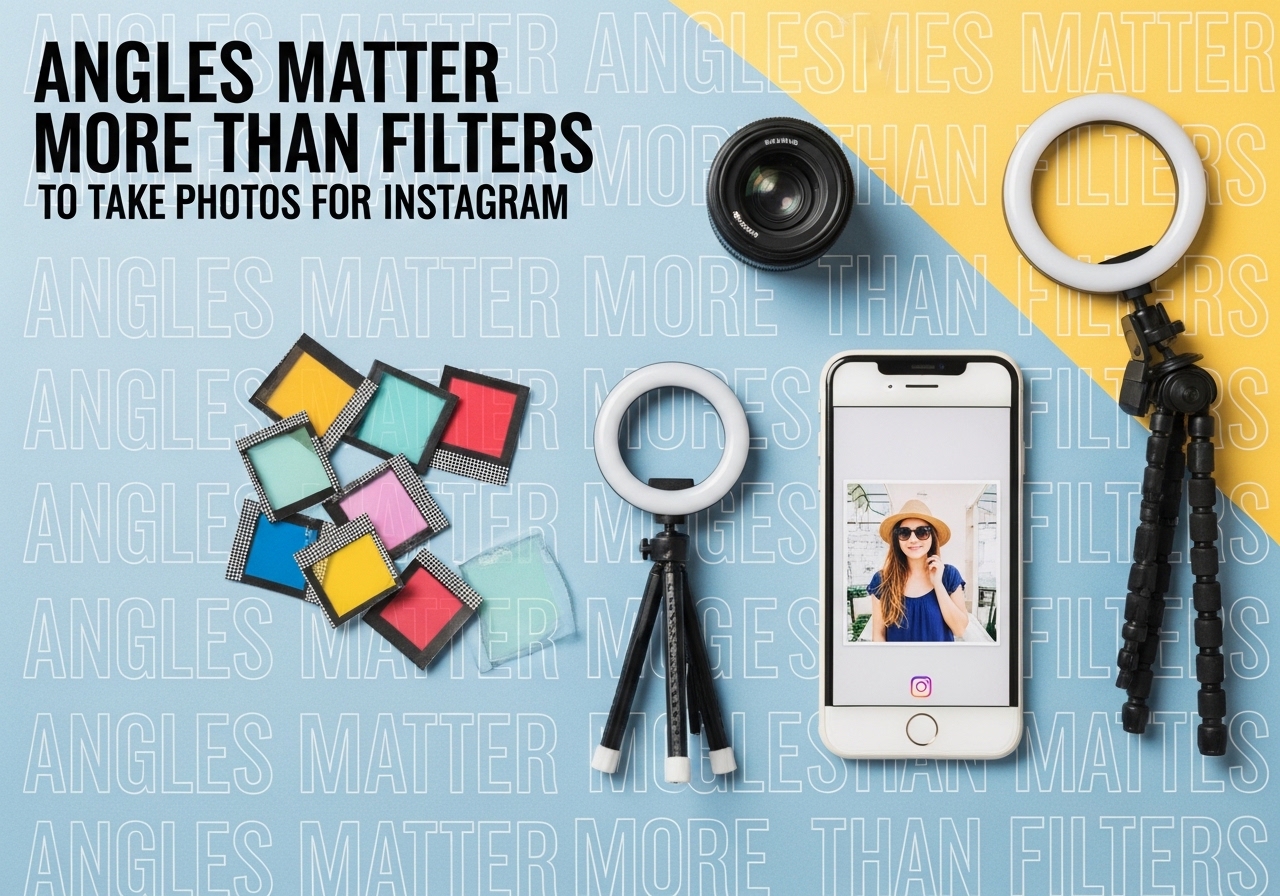
Angles Matter More Than Filters
I used to rely on filters to fix bad photos. Now I know better.
Angles do the heavy lifting.
Try shooting slightly above eye level for portraits. For food or flat lays, shoot directly overhead. For landscapes, lower your phone and let the sky breathe.
Take multiple shots from different angles. Most people delete the first photo and keep the third or fourth.
Filters should enhance, not rescue.
Editing Should Feel Invisible
Editing is not cheating. It is finishing the photo.
The goal is not to make your photo look fake or overly processed. The goal is to make it look how it felt in real life.
Increase brightness slightly. Add a bit of contrast. Warm it up if it feels cold. Sharpen gently.
Consistency matters more than intensity. When your photos share a similar tone, your Instagram feed feels intentional and professional.
Tools That Actually Help
You do not need much, but a few tools can make a real difference.
A portable smartphone tripod helps you take steady shots, selfies, and group photos without stress. It also allows you to experiment with angles you would never try holding your phone.
A ring light for phones is perfect for indoor photos, especially during evenings or winter months. It creates soft, even lighting that flatters skin tones and reduces shadows.
If you love shooting lifestyle content or flat lays, a clip on wide angle phone lens can help capture more of the scene without stepping back or cropping important details.
These are small investments that quietly improve your photos without changing your style.
Tell a Story With Every Photo
The photos that perform best are not always the most polished. They are the most relatable.
Think about the story behind the image.
Are you sharing a slow morning, a busy workday, a quiet walk, or a moment of confidence?
Instagram is visual storytelling. When your photo has emotion or context, people stop scrolling.
Your caption does not need to be long. It just needs to feel human.
Practice Without Pressure
Here is the truth most people do not tell you.
The best Instagram photographers did not start out great.
They practiced. A lot.
They took photos that never got posted. They learned from mistakes. They paid attention to what worked and what did not.
Give yourself permission to experiment. Your style will find you when you stop forcing it.
Frequently Asked Questions
Do I need a professional camera to take beautiful Instagram photos?
No. Many stunning Instagram photos are taken on smartphones. Good lighting, clean composition, and thoughtful editing matter far more than the device.
What is the best time of day to take Instagram photos?
Early morning and late afternoon are ideal. The light is softer, warmer, and more flattering than midday sun.
How many photos should I take to get one good shot?
More than you think. Take multiple photos from different angles. Small adjustments often lead to the best results.
Are filters bad for Instagram?
Filters are not bad, but overusing them can make photos look unnatural. Light editing that enhances the original photo works best.
How can I keep my Instagram feed consistent?
Use similar lighting, tones, and editing styles. Consistency comes from repetition, not perfection.
Final Thoughts
Taking beautiful Instagram photos is not about chasing trends or copying others.
It is about learning to see beauty in everyday moments and capturing them honestly.
Once you stop trying to impress and start trying to express, your photos will naturally stand out.
And trust me, the moment you start enjoying the process is the moment your Instagram truly begins to shine.