
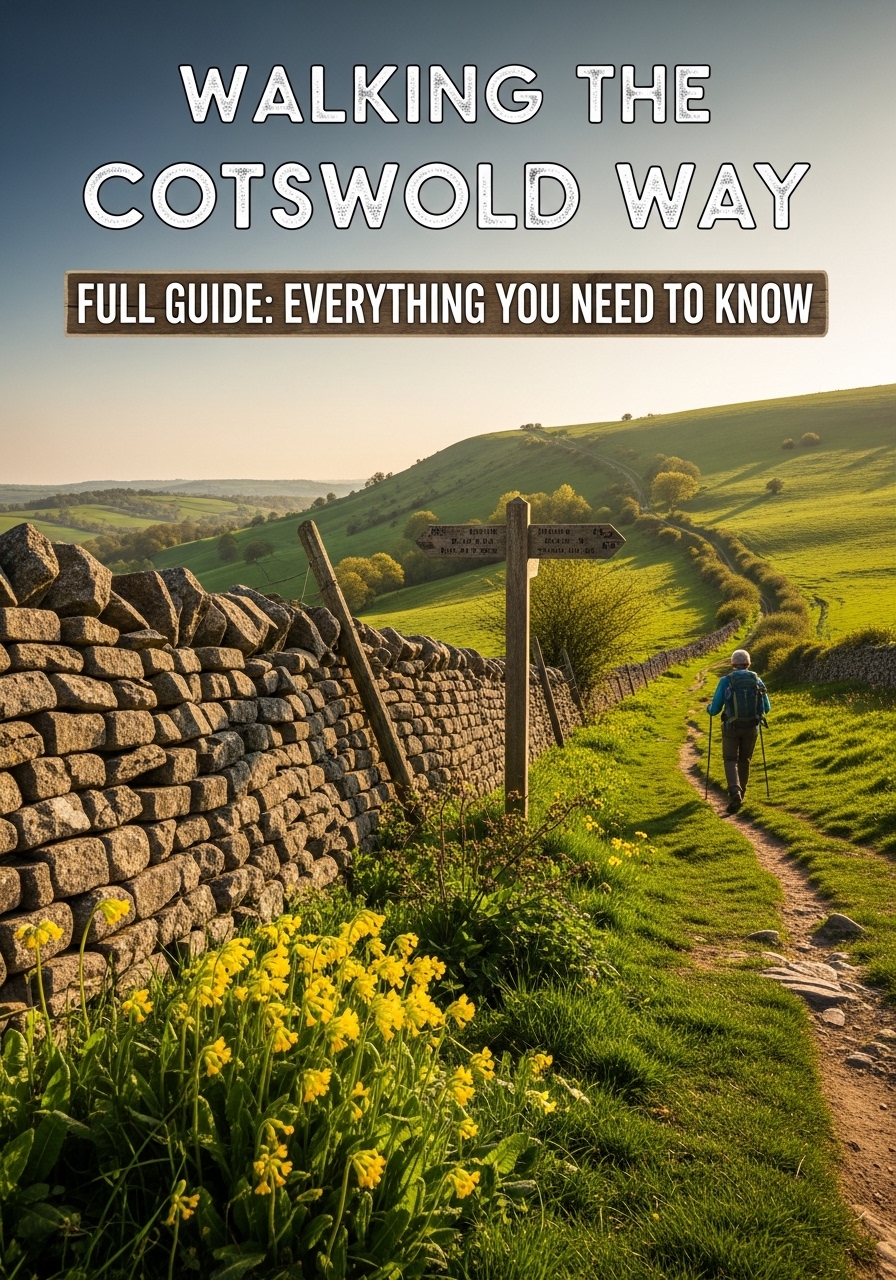
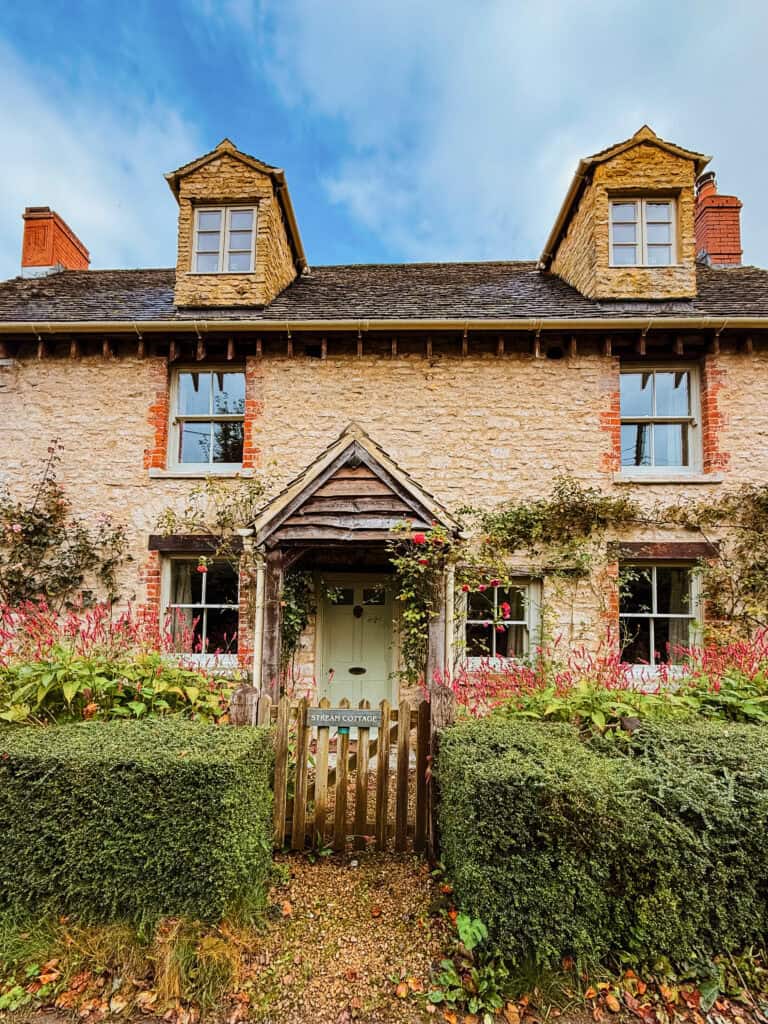
Standing in Chipping Campden just after sunrise, I remember thinking how unreal it all felt.
Golden stone cottages glowed softly in the early light. The village was quiet except for birds and the faint sound of my boots on the pavement. Ahead of me stretched over 100 miles of English countryside, winding south through hills, villages, and history, all the way to Bath.
I had asked myself the same questions most people do before starting the Cotswold Way.
Was I fit enough?
Would the hills be brutal?
Could I really walk this far day after day?
What I did not realize then was that this walk would become one of the most grounding and rewarding travel experiences of my life.
If you are planning to walk the Cotswold Way, especially if you are traveling from the United States, this guide will walk you through everything you need to know, from logistics and difficulty to packing tips, itinerary planning, and what the trail truly feels like day to day.
What Is the Cotswold Way?
The Cotswold Way is a 102-mile National Trail in southwest England that runs from Chipping Campden to Bath.
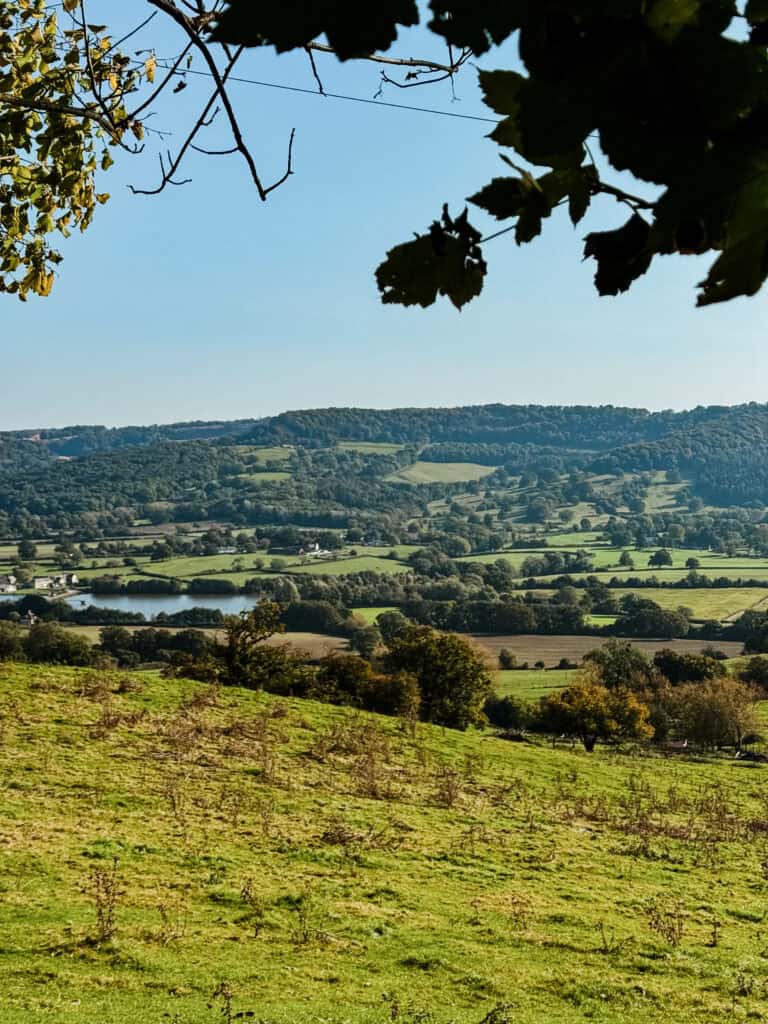
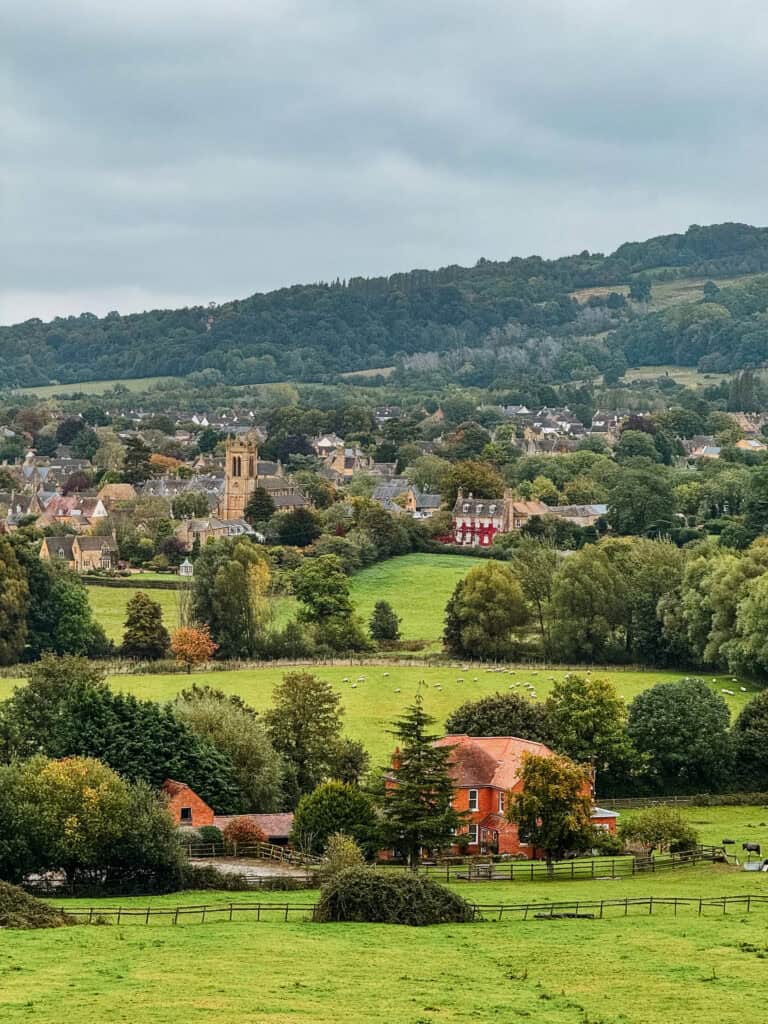
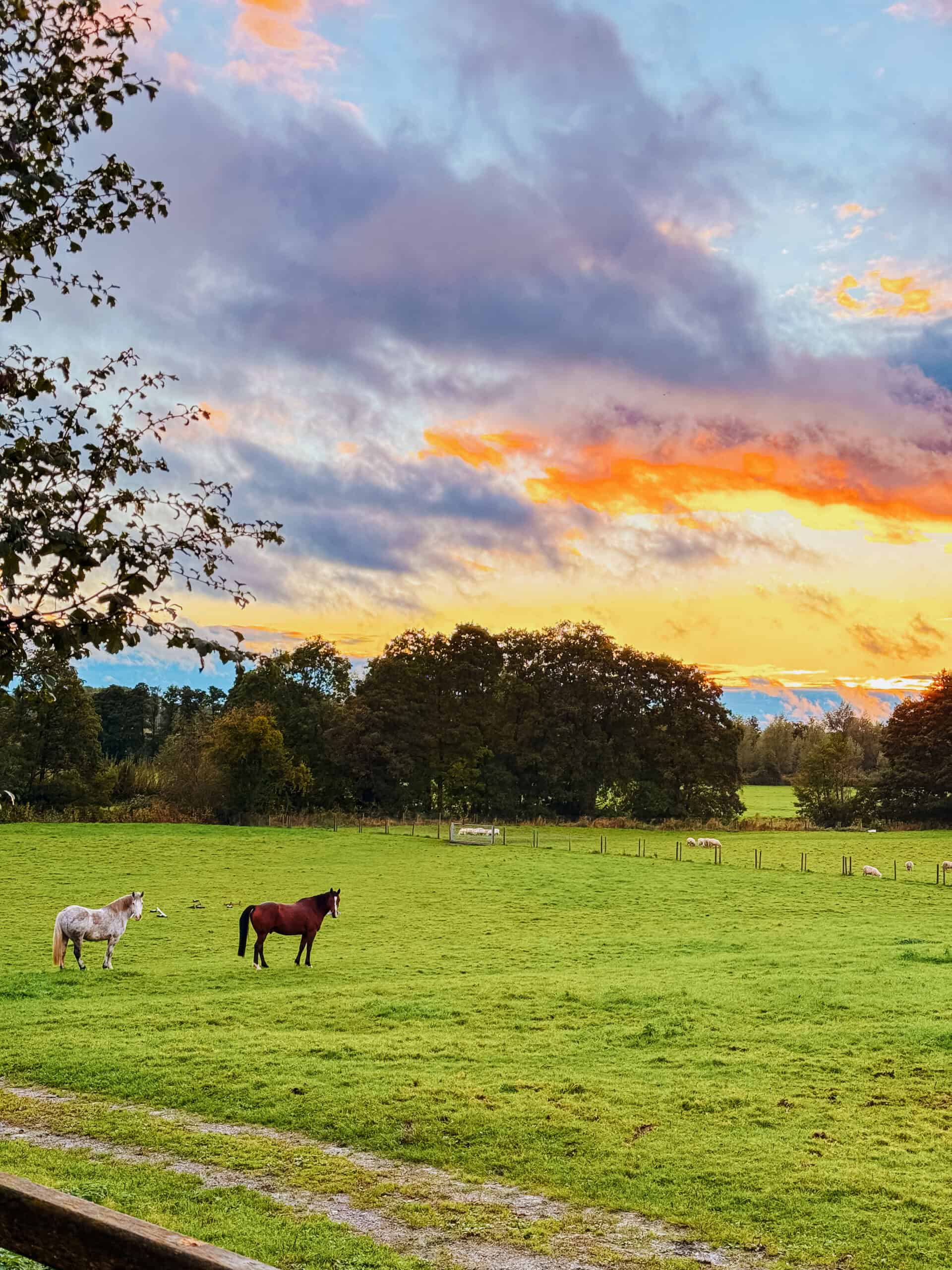
It cuts directly through the heart of the Cotswolds, an Area of Outstanding Natural Beauty known for rolling hills, sheep-filled meadows, ancient woodlands, and honey-colored stone villages.
This is not a trail built for speed. It is built for immersion.
Along the way you will pass:
- Medieval market towns
- Iron Age hill forts
- Neolithic burial sites
- Historic churches, castles, and manor houses
- Escarpments with sweeping countryside views
Walking the Cotswold Way feels less like hiking a trail and more like stepping into a living storybook.
Why Americans Love Walking the Cotswold Way
For travelers from the US, the Cotswold Way hits a perfect balance.
It is adventurous but not extreme.
Foreign but easy to navigate.
Historic without feeling overwhelming.
You do not need a car. Public transport connects both ends of the trail, luggage transfer services are excellent, and accommodations are comfortable and welcoming.
It feels like slow travel done right.
How Long Does It Take to Walk the Cotswold Way?
Most people complete the Cotswold Way in 7 to 10 days.
Here is how that typically breaks down:
- 7 to 8 days for faster walkers averaging 13 to 16 miles per day
- 9 to 10 days for a relaxed pace with sightseeing and village exploring
If you want time for pub lunches, castle detours, and wandering charming towns, 10 days is ideal.
While the official trail distance is 102 miles, many walkers log closer to 120 to 130 miles due to side trips, accommodation detours, and village exploration. That extra distance is part of the magic.
Is the Cotswold Way Difficult?
The Cotswold Way is rated moderate.
There is no technical terrain, no scrambling, and no dangerous exposure. However, it is hillier than many people expect.
What to expect:
- Rolling hills rather than mountains
- Regular climbs and descents
- Mixed terrain including grass, dirt paths, woodland trails, and quiet roads
- Over 8,000 feet of total elevation gain across the route
The difficulty comes from consistency, not intensity. Walking day after day is the real challenge, which is why preparation matters.
Best Time to Walk the Cotswold Way
The best time to walk is late spring through early autumn.
- April to June brings fresh greenery, wildflowers, and longer days
- July and August are warm and lively but busier
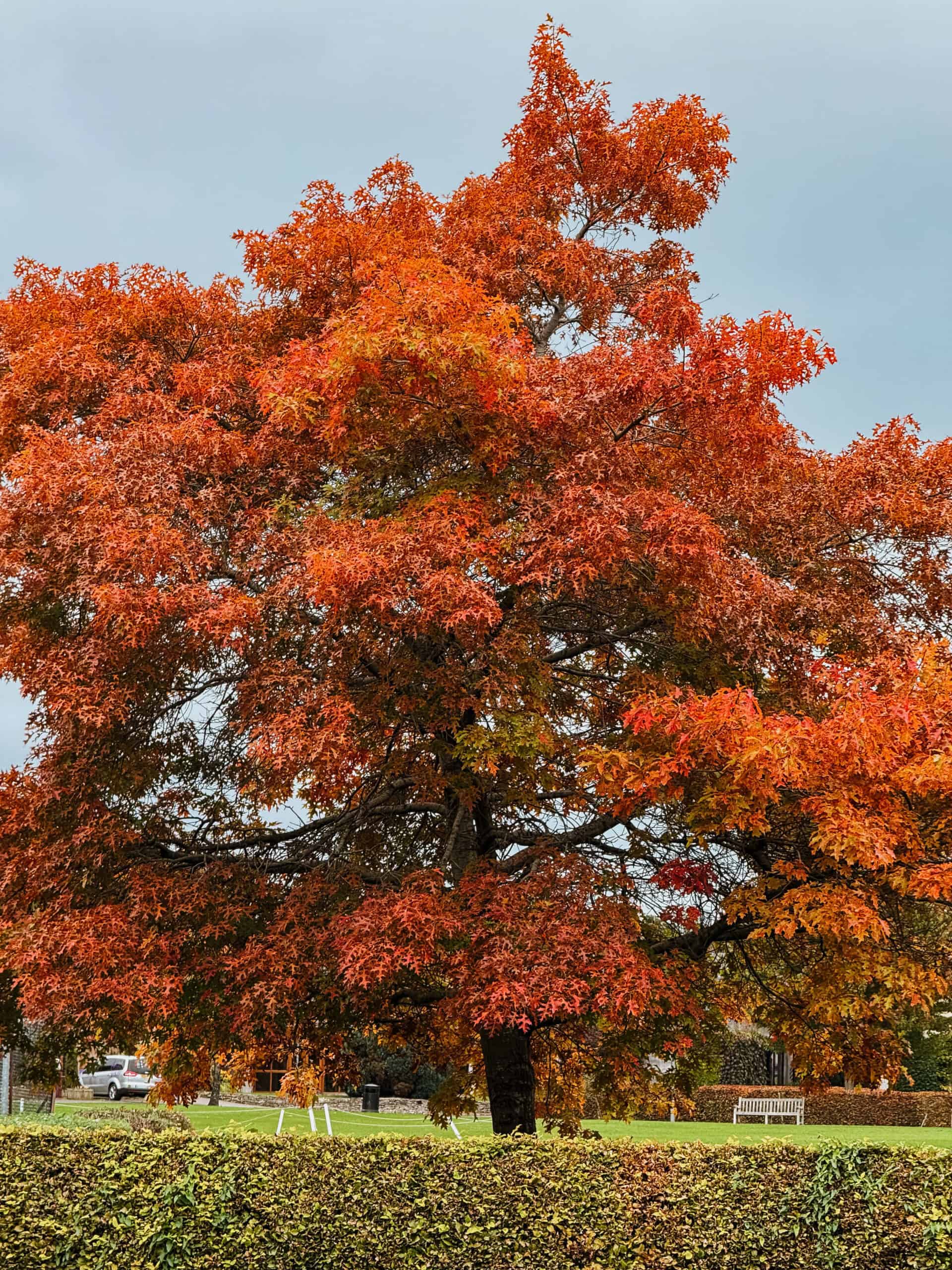
- September and early October offer cooler weather and stunning autumn colors
Winter walking is possible but not recommended for first-timers due to mud, short daylight hours, and limited services.
For US travelers planning ahead, May, June, or September are ideal months.
A 10-Day Cotswold Way Itinerary Overview
Here is a balanced and popular way to walk the trail over ten days:
Day 1: Chipping Campden to Broadway
Day 2: Broadway to Winchcombe
Day 3: Winchcombe to Cheltenham
Day 4: Cheltenham to Birdlip
Day 5: Birdlip to Painswick
Day 6: Painswick to Stonehouse
Day 7: Stonehouse to Wotton-under-Edge
Day 8: Wotton-under-Edge to Old Sodbury
Day 9: Old Sodbury to Cold Ashton
Day 10: Cold Ashton to Bath
This pacing allows time to enjoy villages, viewpoints, and historic sites without feeling rushed.
Where to Stay Along the Cotswold Way
Accommodation is one of the trail’s highlights.
You will find:
- Traditional inns with fireplaces and hearty meals
- Family-run bed and breakfasts
- Boutique hotels in larger towns
- Rural farm stays with open countryside views
Booking early is essential, especially for summer and 2026 dates. Many villages have limited lodging options, and popular stops fill months in advance.
Luggage transfer services are widely available and highly recommended. They allow you to walk with just a daypack while your main bag is moved ahead each day.

What to Pack for Walking the Cotswold Way
Packing smart makes the walk far more enjoyable.
Footwear
Comfortable, broken-in hiking shoes are essential.
Affiliate recommendation:
Merrell Trail Chaser Running Shoe
Reliable, supportive, and comfortable for long-distance walking on mixed terrain.
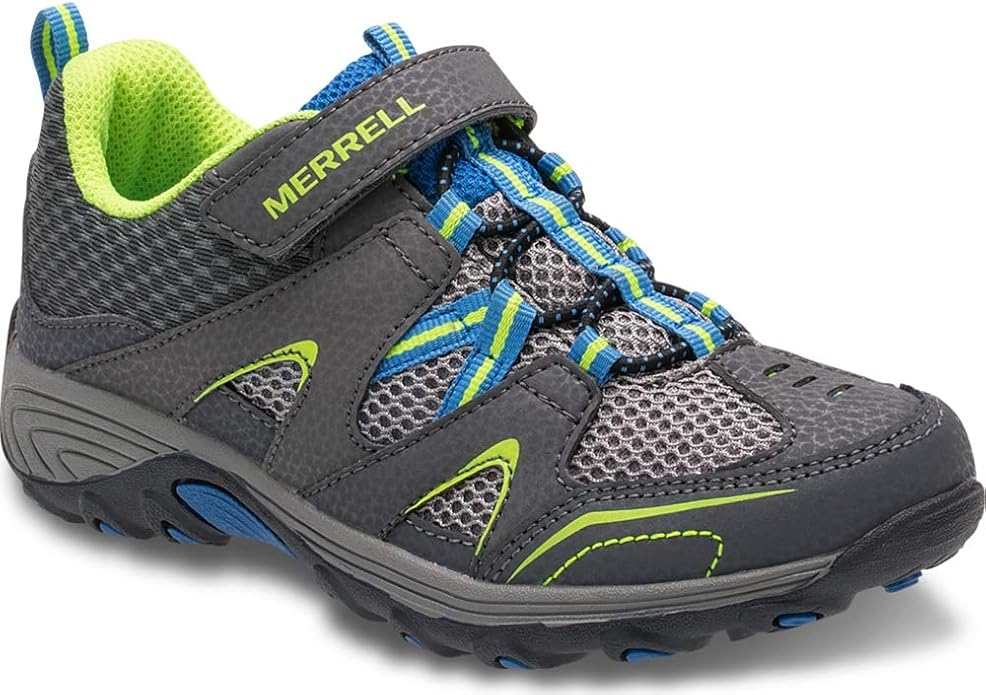
Merrell Trail Chaser Running Shoe
Daypack
You will carry water, snacks, rain gear, and essentials each day.
Affiliate recommendation:
Foldable Small Hiking Backpack with 3 Strap Pockets
Lightweight, supportive, and ideal for full-day walks without feeling bulky.

Foldable Small Hiking Backpack with 3 Strap Pockets – Lightweight 300D Spill-proof Daypack for Men Women – Packable Small Travel Backpack with Chest Strap & Trekking Pole Holder – Durable Outdoor Bag
Rain Protection
English weather changes quickly.
Affiliate recommendation:
33,000ft Men’s Packable Rain Jacket Waterproof Lightweight Raincoat
Lightweight, waterproof, and easy to pack when the sun comes back out.
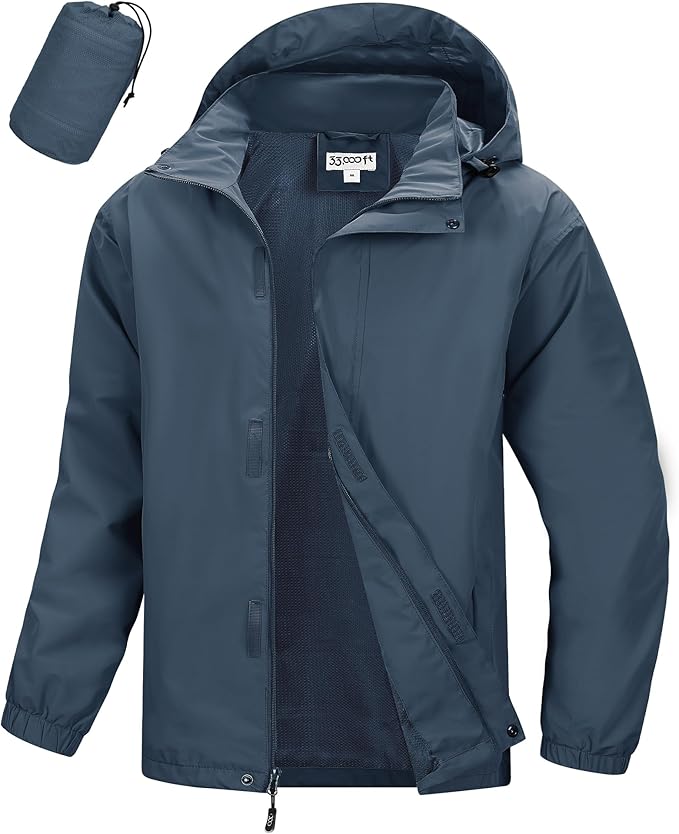
33,000ft Men’s Packable Rain Jacket Waterproof Lightweight Raincoat Rain Shell with Hood for Outdoor Hiking Golf Travel
Other essentials include layered clothing, extra socks, a portable charger, sunscreen, basic first aid, and offline maps or navigation apps.
Food and Villages Along the Trail
One of the best parts of walking the Cotswold Way is how well-supported it is.
Most days you will pass through villages with:
- Pubs serving classic British meals
- Cafes offering tea, cakes, and sandwiches
- Small shops for snacks and water
Planning lunch stops around villages adds structure to your day and gives you something to look forward to with every set of hills.
Training for the Cotswold Way
You do not need elite fitness, but preparation makes a huge difference.
Training with regular walks, gradually increasing distance, and carrying a light pack will help your body adapt. Many walkers find that by the third or fourth day, the trail starts to feel natural.
Consistency matters more than speed.
Getting to and from the Trail
- Chipping Campden can be reached by train from London with one change
- Bath has direct train connections back to London
This makes the Cotswold Way especially convenient for international travelers.
Cotswold Way Updates for 2026
If you are planning ahead for 2026, keep these points in mind:
- Accommodation is booking earlier than ever due to rising popularity
- Minor route diversions may still exist due to maintenance and land access
- Some trail sections have improved drainage, reducing mud in wetter months
- Always download GPX maps or use a navigation app as backup
Checking the official National Trails updates before your trip is recommended.
FAQs About Walking the Cotswold Way
Do I need a guide to walk the Cotswold Way?
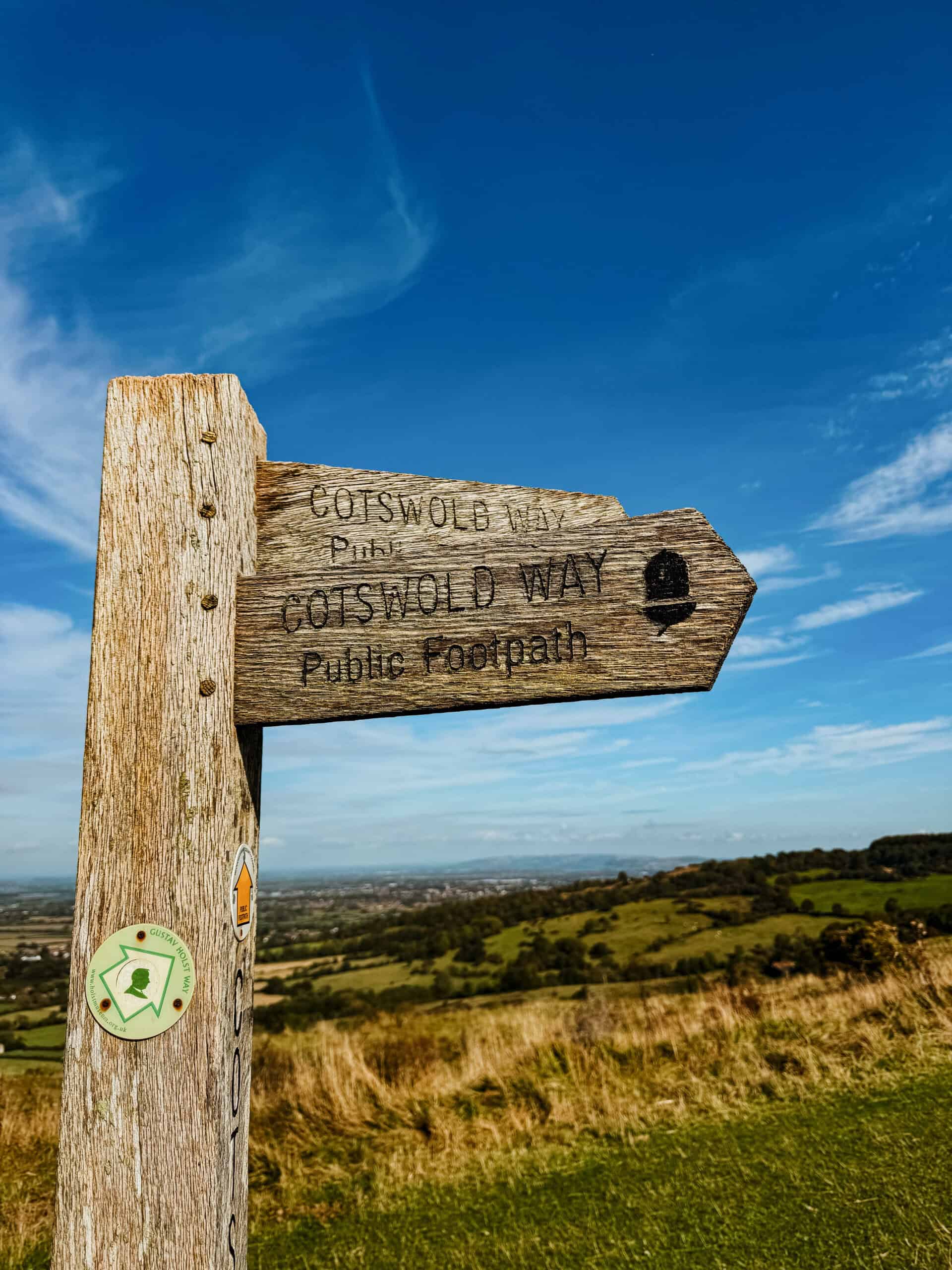
No. The trail is well-marked and suitable for independent walkers.
Is the Cotswold Way suitable for beginners?
Yes, with basic fitness and preparation, beginners regularly complete the trail.
Is it safe to walk the Cotswold Way solo?
Very safe. Solo walkers are common, and the villages are welcoming and well-populated.
How much does it cost to walk the Cotswold Way?
Costs vary by accommodation choice, but it is comparable to a mid-range European vacation.
Do I need travel insurance?
Yes, especially for travelers from the United States.
Final Thoughts: Why the Cotswold Way Stays With You
Walking the Cotswold Way is not about ticking off miles.
It is about slowing down enough to notice the way the light hits a hillside, the sound of boots on gravel, and the quiet joy of arriving somewhere entirely under your own power.
By the time you reach Bath, tired and proud, the trail has a way of staying with you. Not just in photos, but in the way it reminds you how good it feels to move slowly through a beautiful world.
If you are dreaming about this walk, take this as your sign. The path is waiting.